
Image: Katharine Davies


Illustration: Joe Snow
How to make a corn dolly
Turn over a new sheaf with this traditional harvest custom
1 For this basic neck or sheaf dolly, gather some undamaged, hollow straw. Any straw will do (wheat is the most popular) – try practising with paper straws.
2 Dampen straw so it’s easier to work with.
3 Bundle together some waste stems to make your core: it should be around the size of a biro. Tie into place.
4 Tie five straws of roughly the same width around your core. Tie them near to the wheat heads as you can. Bend each stem at right angles so they’re each pointing in a different direction, like the points on a compass; with the last one pointing just to your left.
5 Take the fifth stem and bend it up, before bending it right so that it reaches over the next two compass points.
6 Turn a quarter clockwise and repeat, using what’s become the new ‘South’ straw.
7 Repeat, each time turning a quarter so that the circle builds. With broken straws, just slide a new one over it.
8 Once finished, tie with straw or ribbon.
More from the October issue:
Featured

More makes from The Simple Things:
Featured


The Curator: Teapot Island
Welcome to the wonderful world of Teapot Island in Yalding, Kent
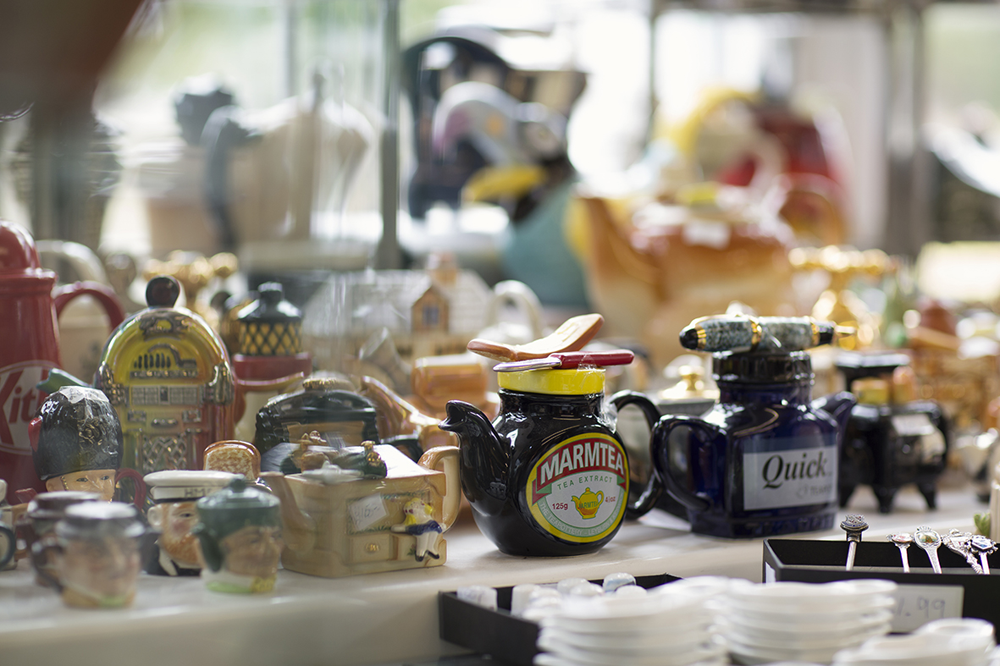
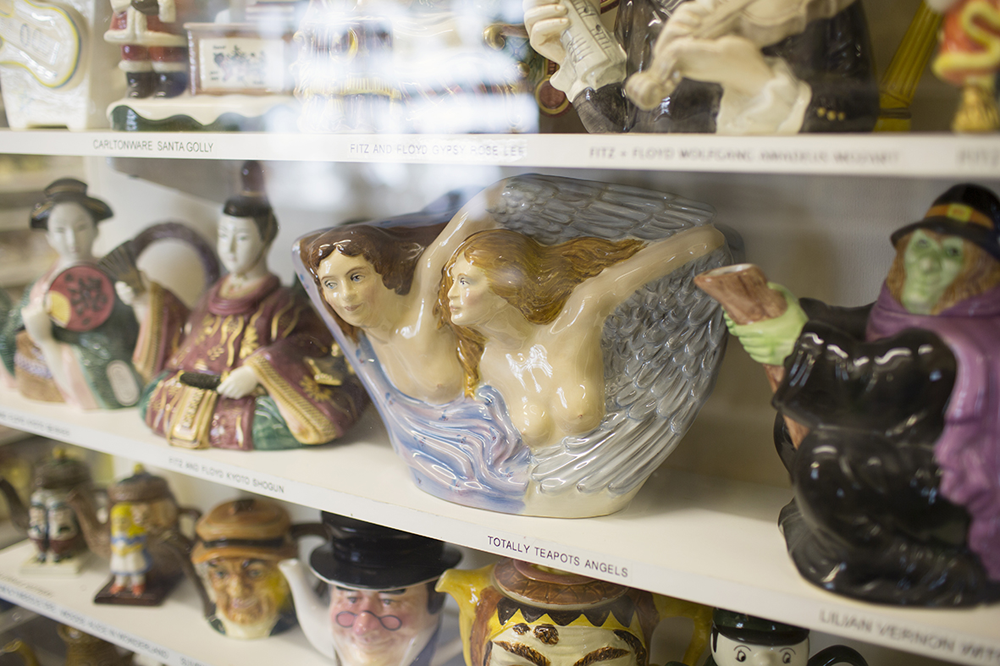



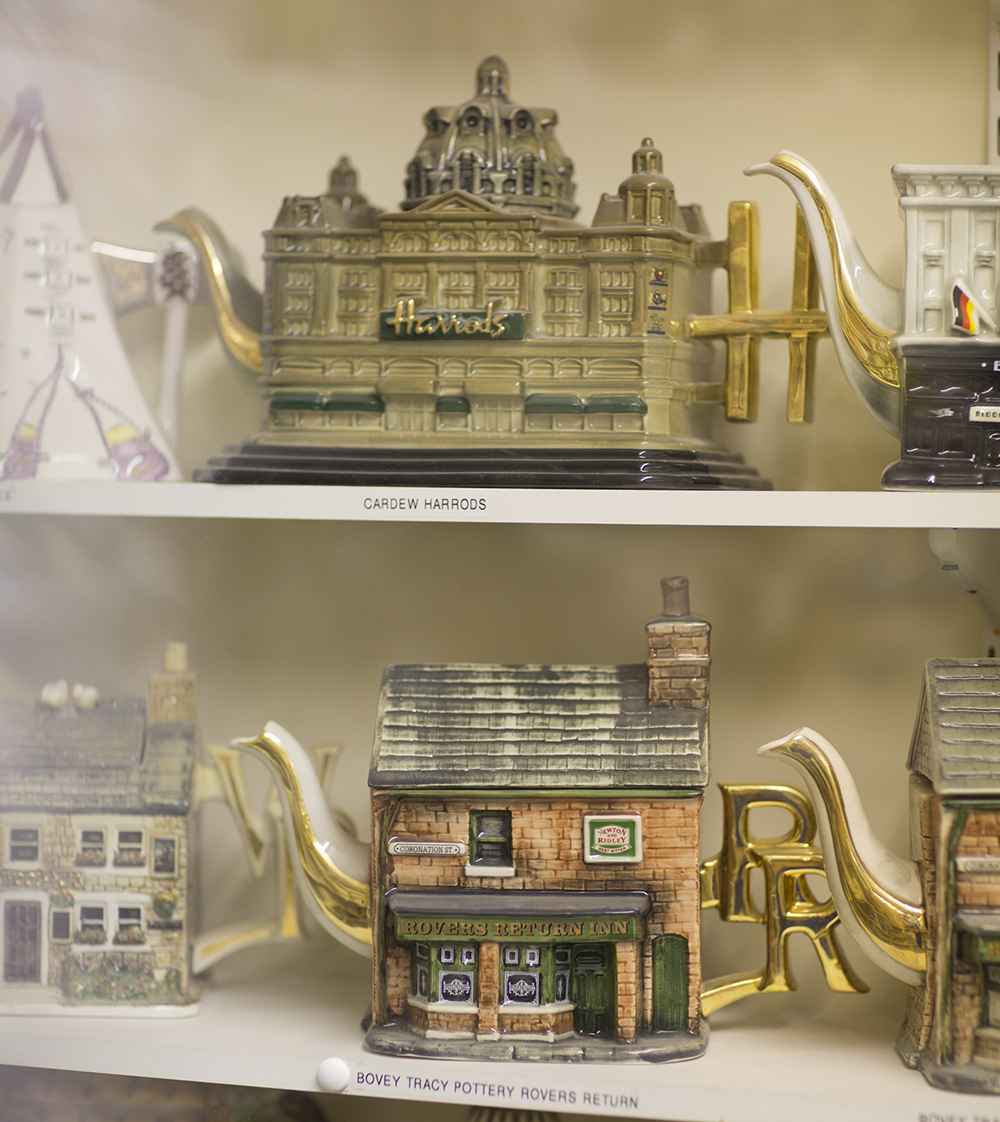


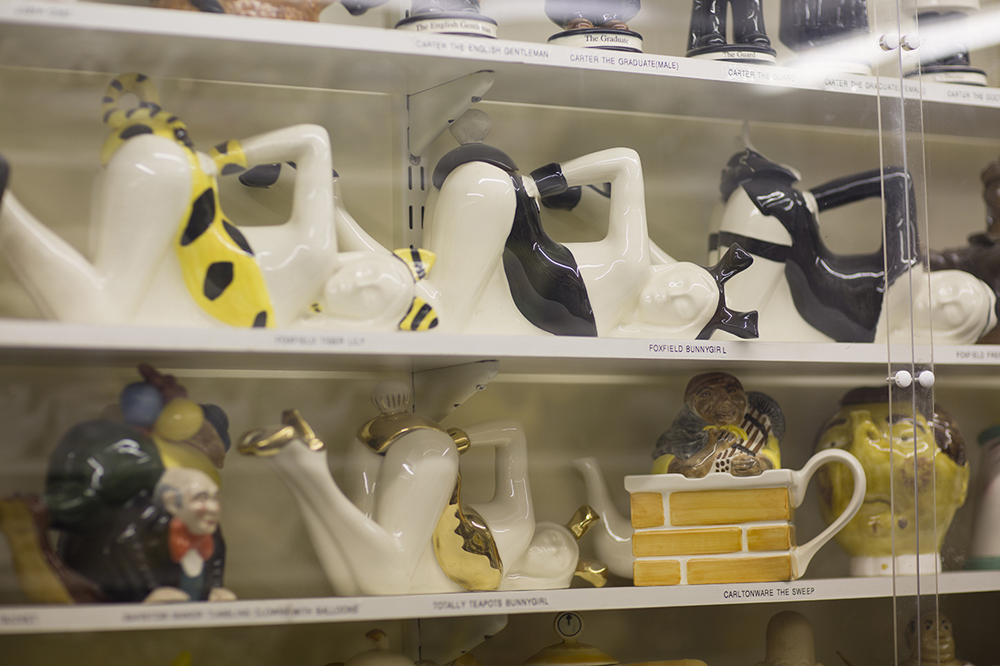


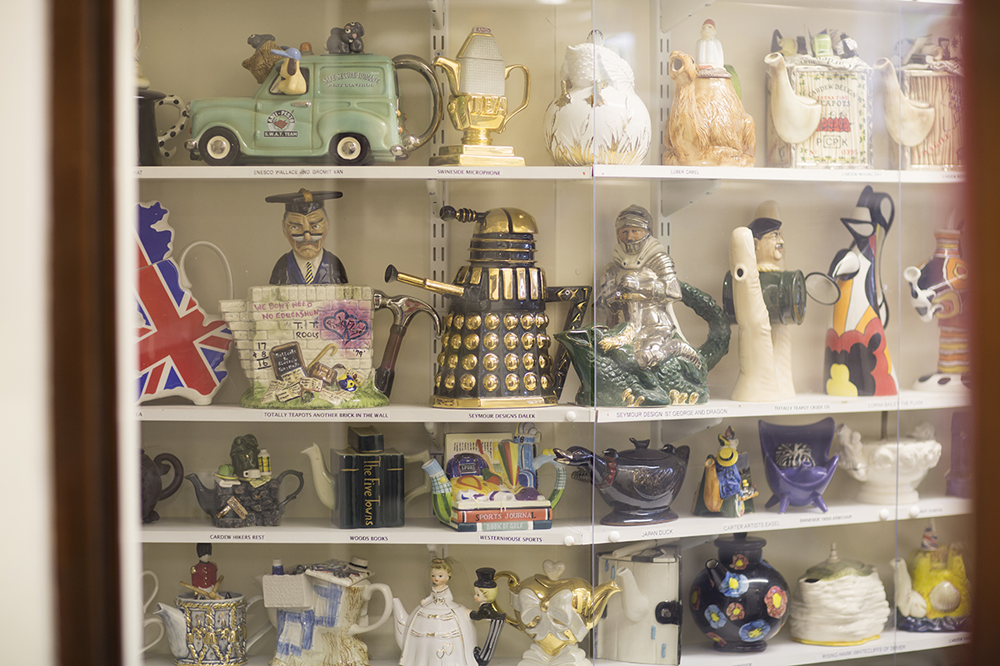
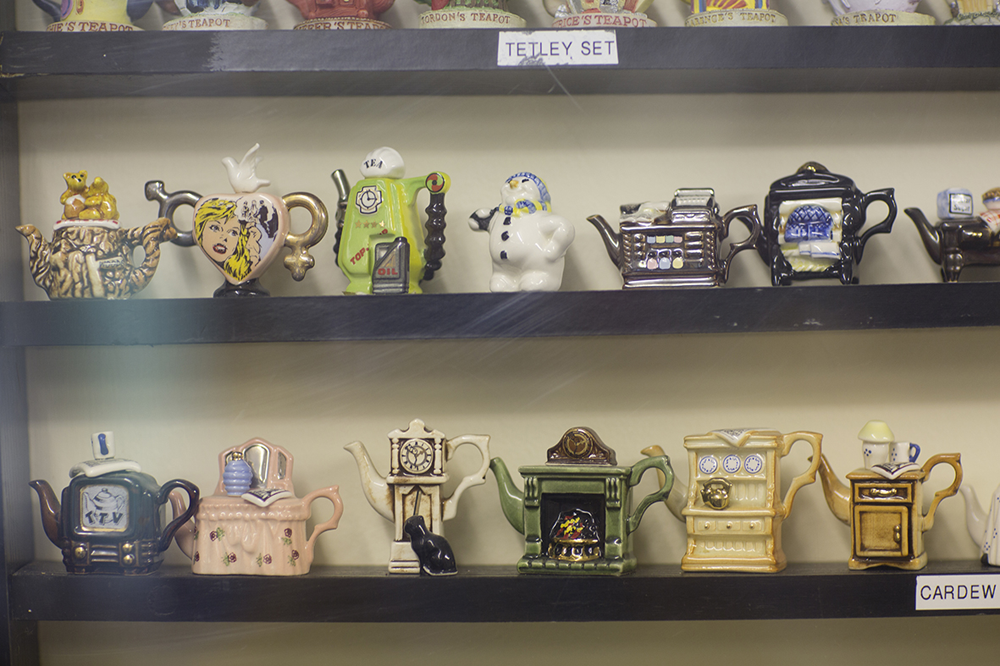


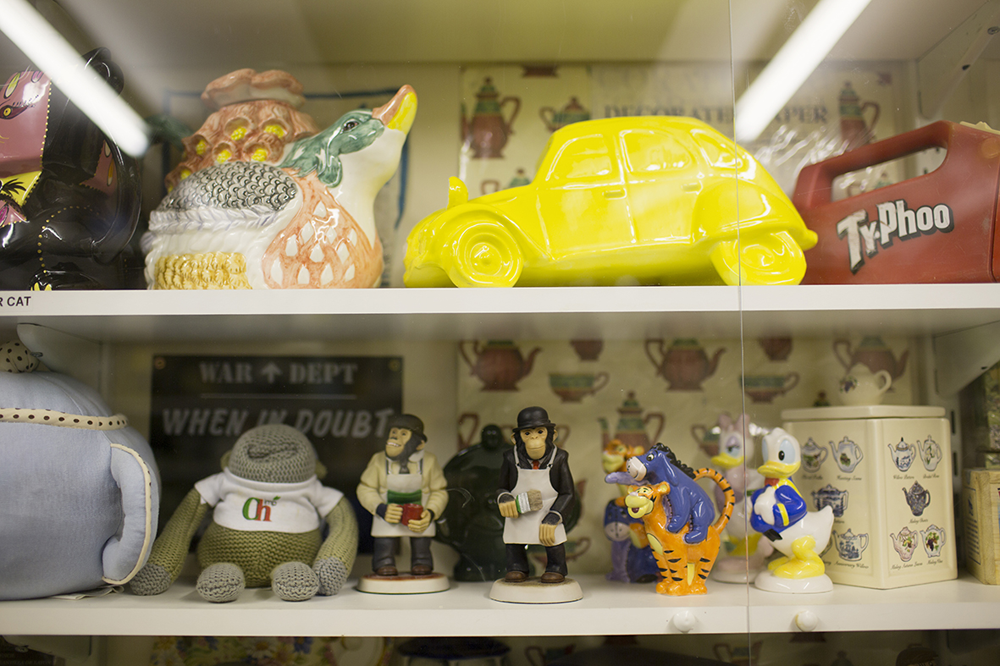

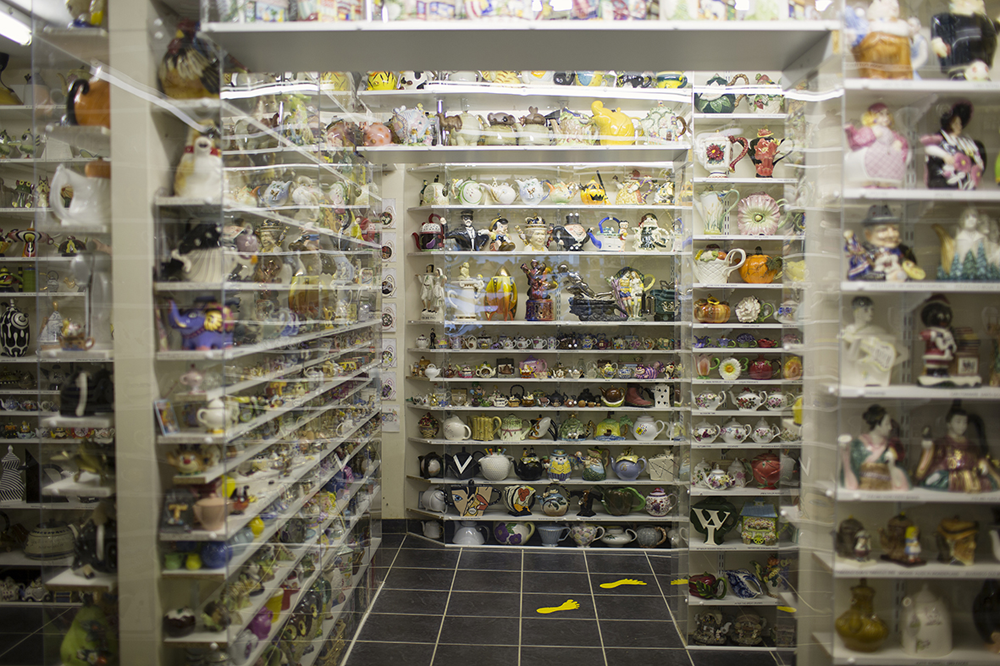
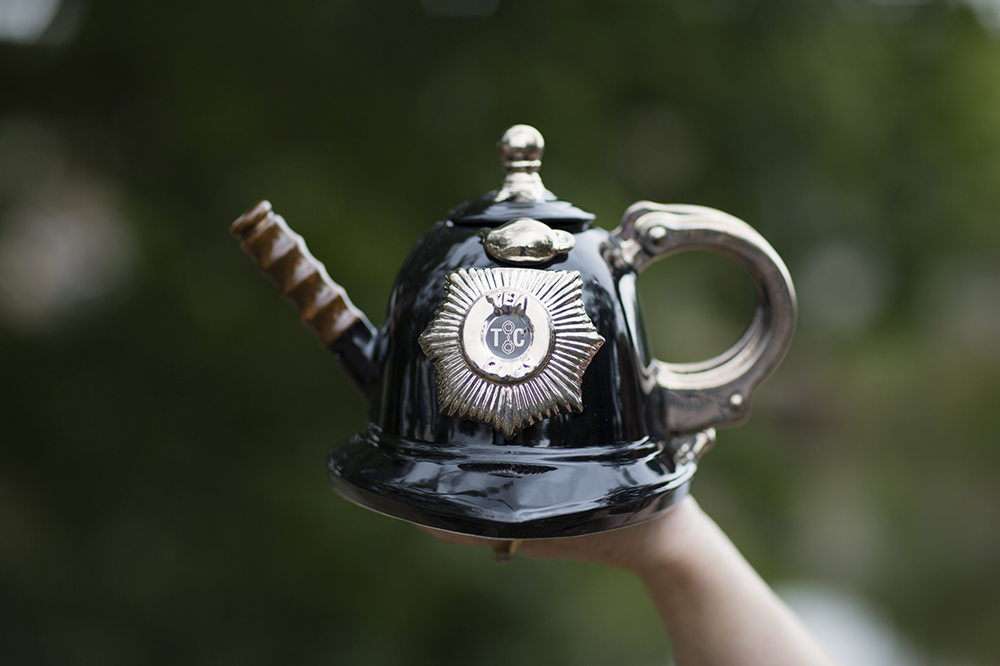
Teapot Island is the first in a new series – The Curator. Turn to page 114 of November's The Simple Things for the full interview.
Who doesn’t enjoy the quirks of an independent museum? They alone celebrate aspects of life other institutions may choose to pass over. This series asks curators of the UK’s most unusual galleries and collections to share their highlights and take you on a private tour, and perhaps persuade you to visit in person.
More from the November issue:
Featured



More Nest posts:
Featured
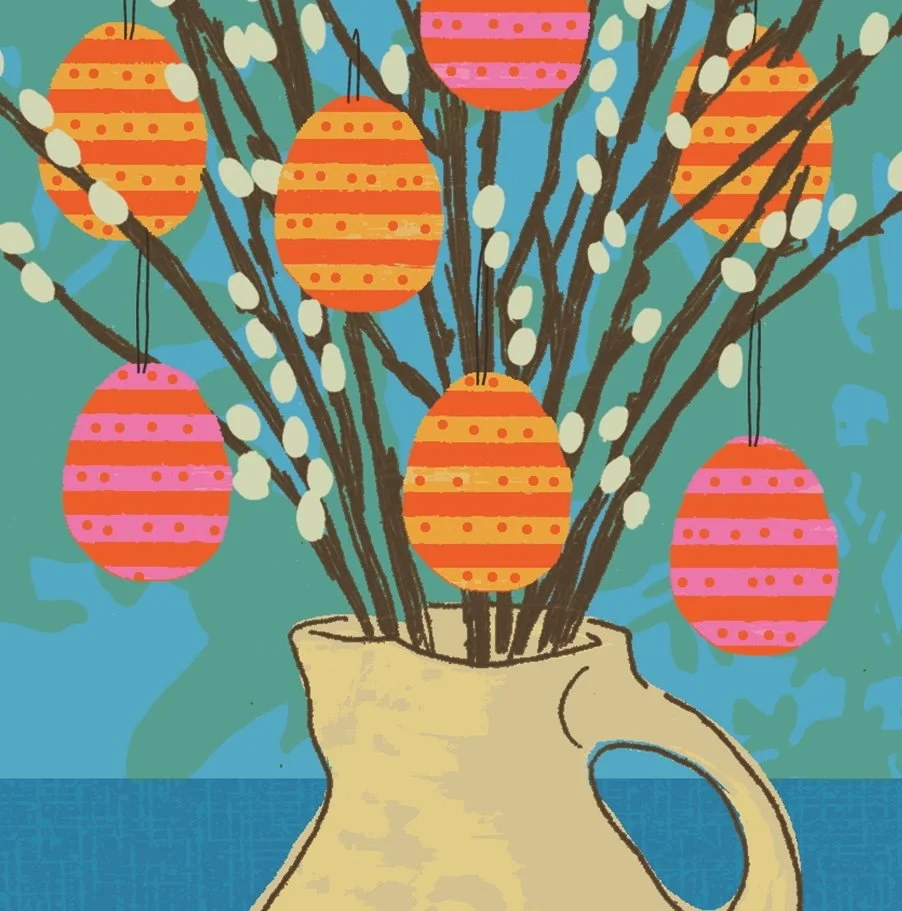


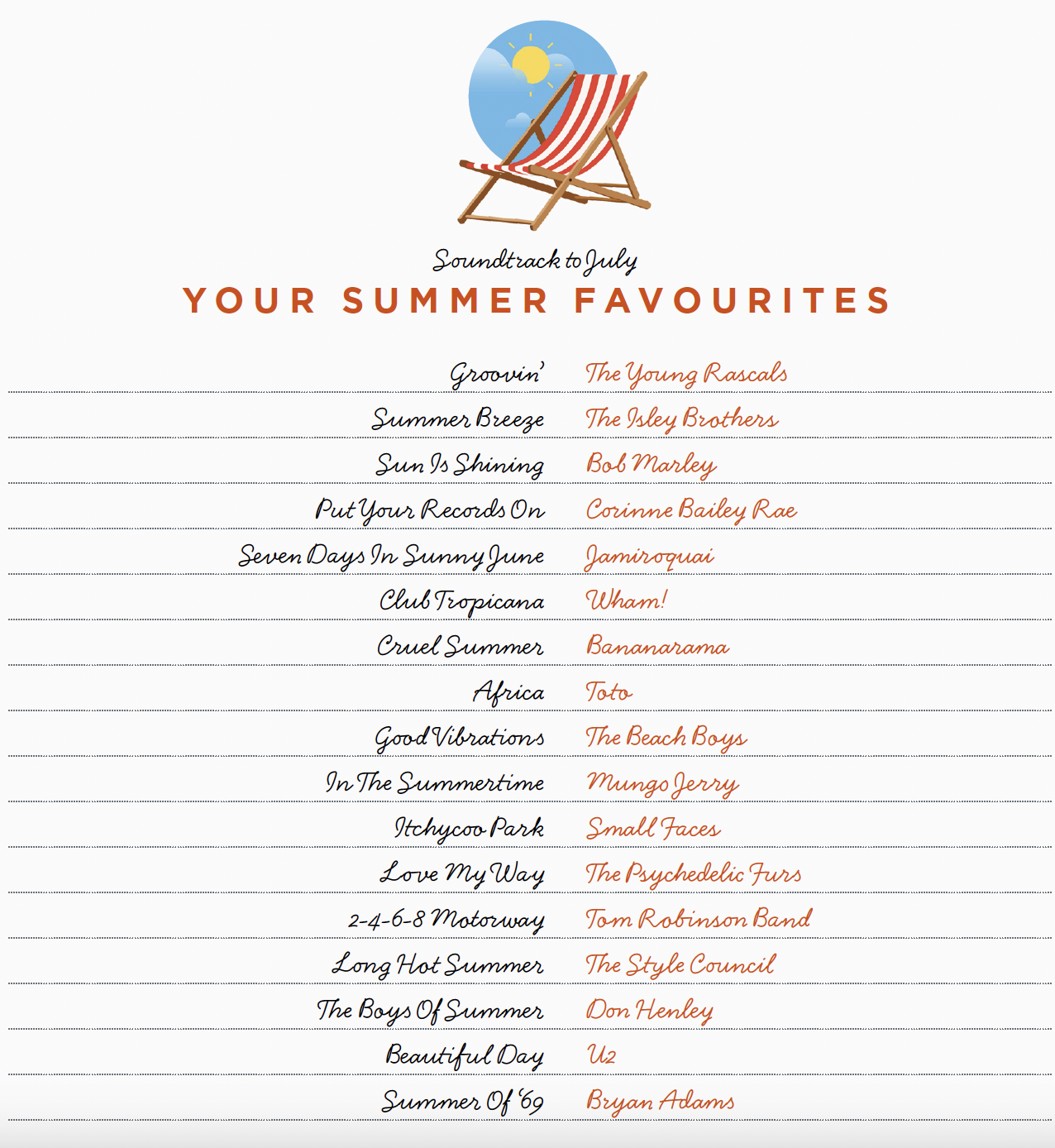
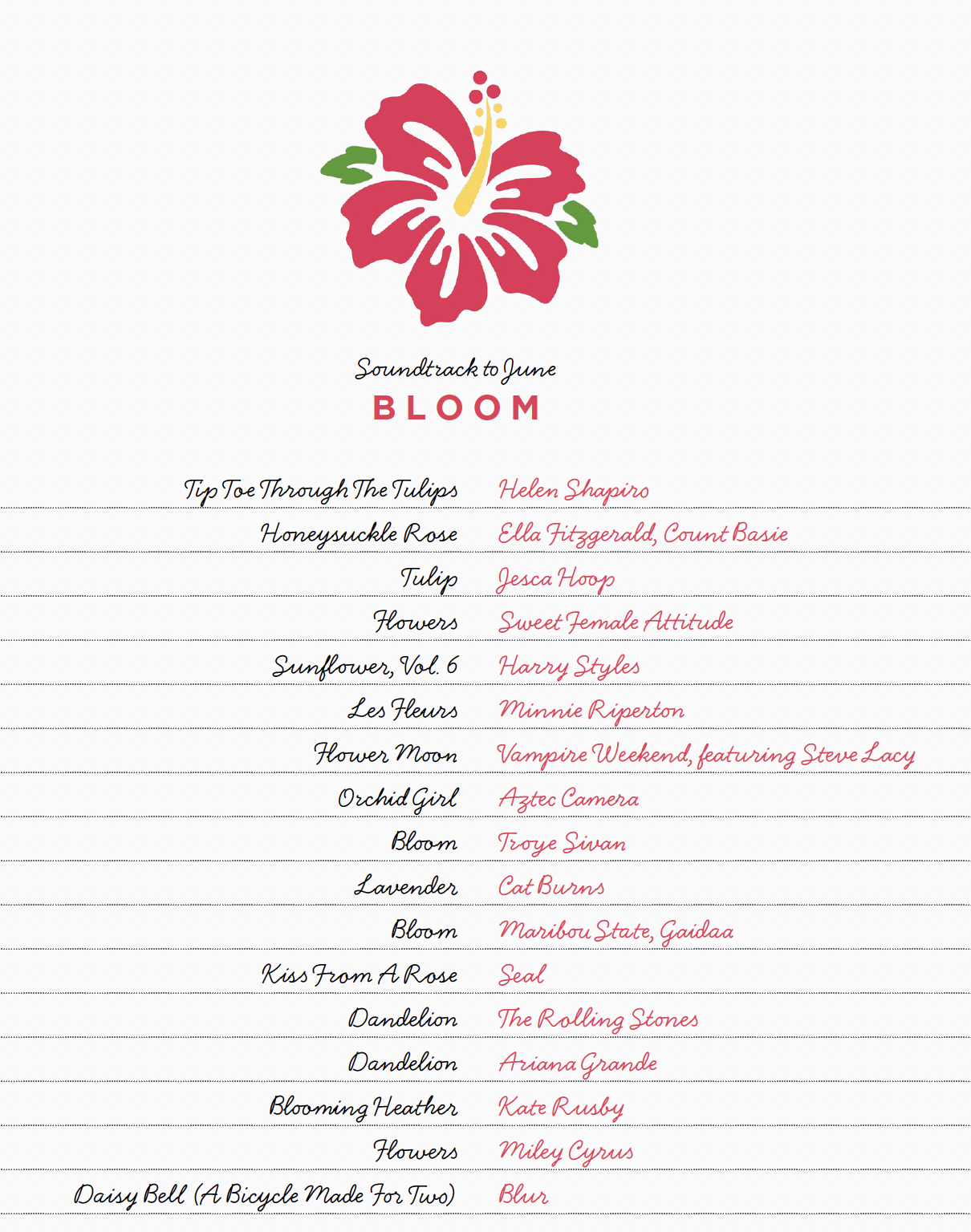
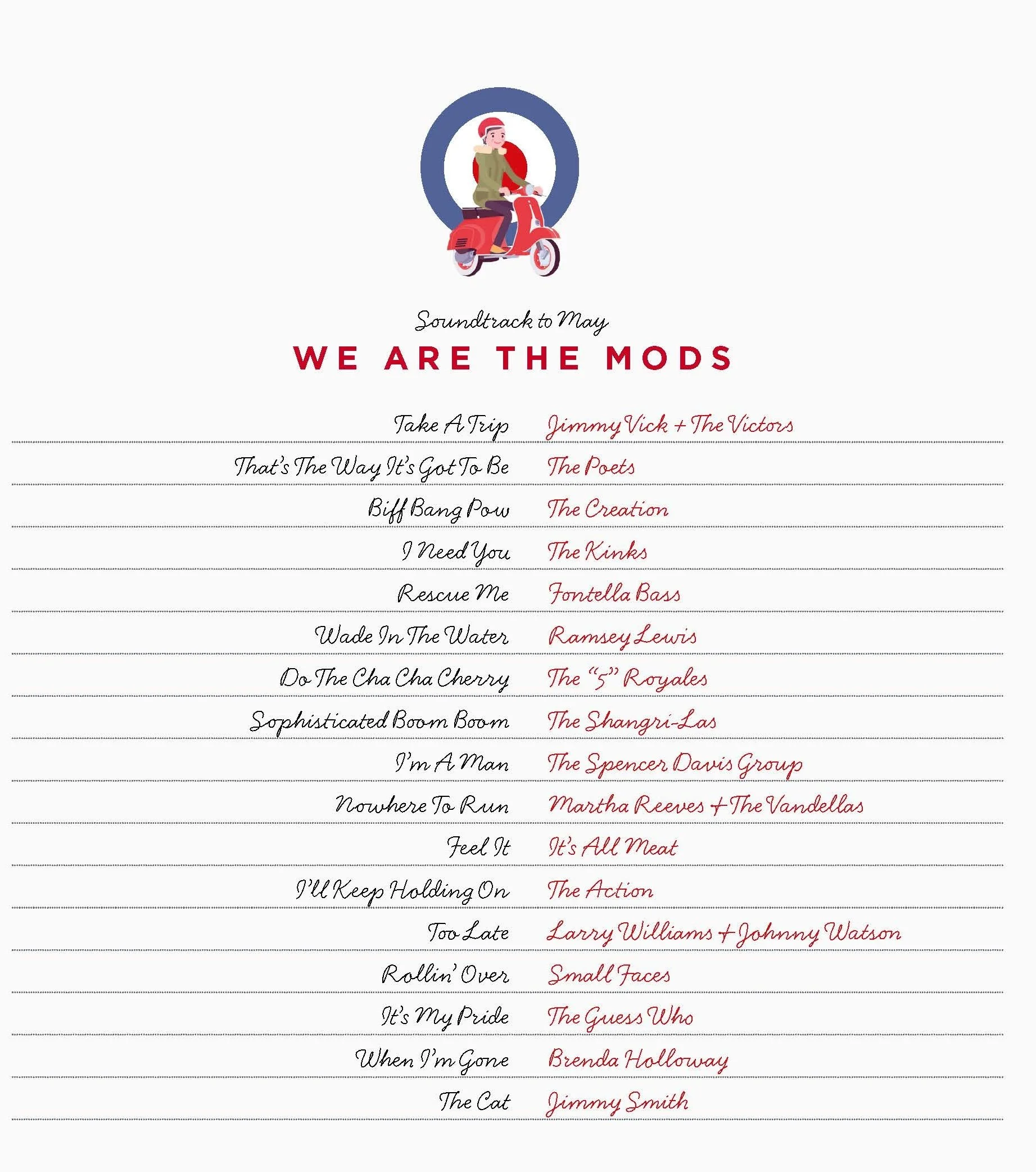
Listen: Dreams playlist
I close my eyes, then I drift away... Songs to help you dream sweetly
Listen to our soundtrack to November: Music for sweet dreams
More from the November issue:
Featured
More playlists:
Featured
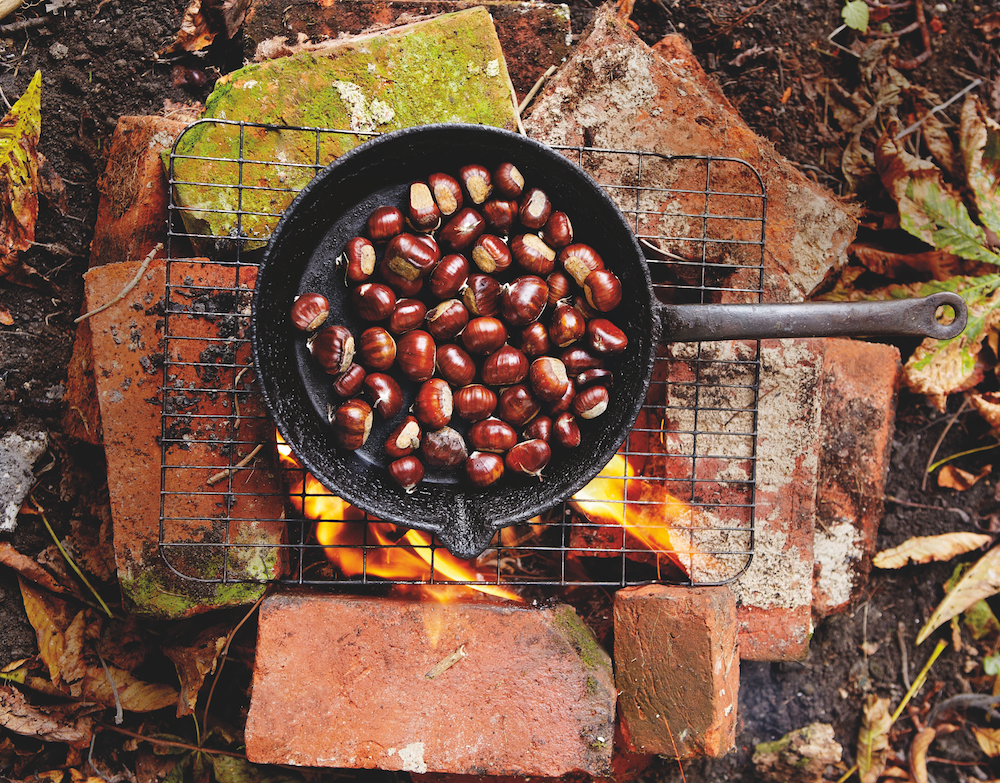
Recipe: Roasted chestnuts
You don't have to wait for Christmas if you fancy chestnuts roasting on an open fire. Lia Leendertz shares her recipe for roasted chestnuts as well as a bit about the history of these festive treats
Despite their comfortable presence in the landscape, chestnuts are native to the Mediterranean and north Africa, and were only brought to the UK by the Romans. So happily have they adapted to our conditions though that they are now regarded as ‘honorary natives’.
Although many have naturalised and can be found growing in woodlands and copses, they were beloved of the aristocracy of the 18th and 19th centuries and were widely planted in parkland, and this is where we should set off now to find the biggest and most productive trees from which to forage.
Don’t get them mixed up with horse chestnuts (conkers), which are really not so nice to eat, roasted or otherwise. Sweet chestnuts have cases with long, bristly prickles, whereas those of horse chestnuts are smoother with short spines.
Chestnuts roasted on an open fire, perfectly softened and with a light charring at the edges are delicious, but this is surprisingly tricky to perfect. My chosen method is to cheat and start them off in the oven to ensure that they are well cooked through, before finishing them off with a spell on the fire.
Heat the oven to 200C/400F/Gas 6. Use a small sharp knife to make a cross in the skin of the curved side of each chestnut, leaving one or two untouched.
Place them in a baking tray, cover tightly with foil, and bake for about 30 minutes or until you hear one of the uncut ones pop. Then wrap them in a few layers of foil and pop them onto the embers of a fire for fire minutes, before eating them hot and freshly peeled with butter and a pinch of salt.
Lia Leendertz is currently crowdfunding the creation of The New Almanac, a reinvention of the rural almanac which will cover seasonal food, traditions, folklore, the moon and stars each month, and more.
Support Lia by buying a special first edition of the Almanac ahead of time, and see your name in the back of every book - buy The New Almanac by Lia Leendertz now.
More from the November issue:
Featured
More Seed to Stove recipes by Lia:
Featured

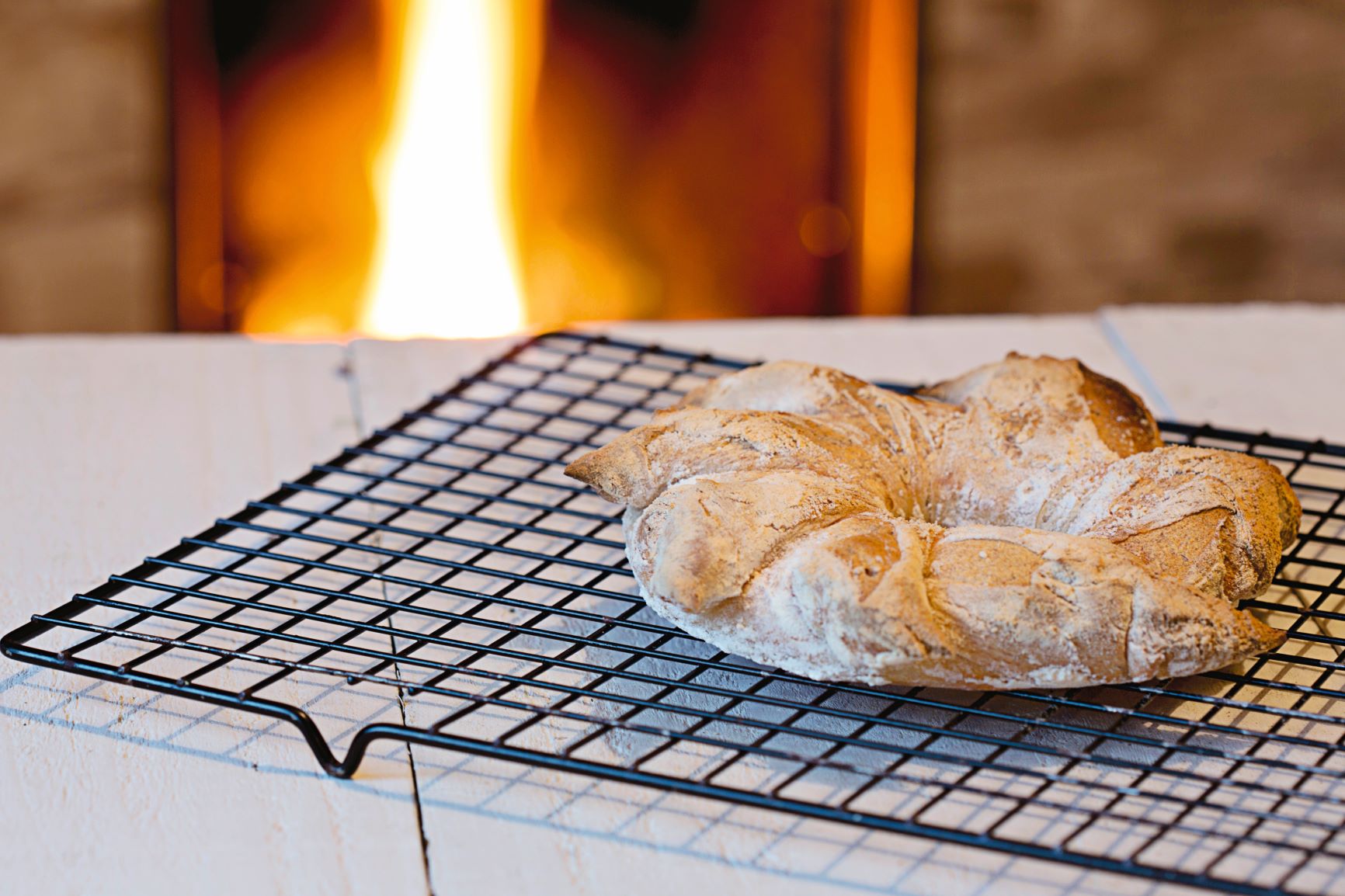

Be a kitchen witch!
Introducing a little magic into your cooking can be great fun: it’s exciting to go to the shops or garden and gather ingredients to bring love, luck or health to those you cook for.
Start with these pearls of witchy wisdom:
- Pick parsley for parties. It’s said to bring eloquence and extra charm, helps reduce drunkenness and is a proven breath freshener! Serve with potatoes as they are grounding.
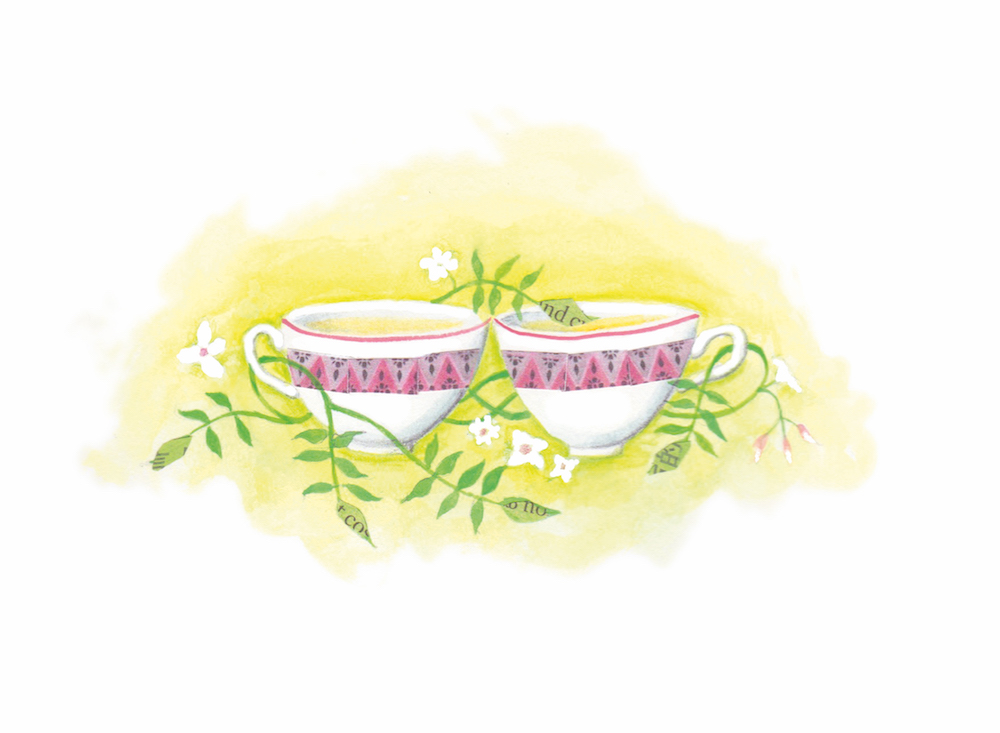
- Share a jasmine tea with someone and it will help you bond. Jasmine is a vine and represents the intertwining of people.
- Make an autumnal soup with leeks, squash, carrots, potatoes, fresh sage and chives. Prepare with love and serve to friends and family to bring warmth and happiness for the new season.
For more spells, recipes and magical meals read The Book of Kitchen Witchery by Cerridwen Greenleaf (Cico)
More from the October issue:
Featured
More home remedies:
Featured


Staple foods: 4. Squash and pumpkins
So much more than a Jack O’Lantern in waiting, make the most of your pumpkin this Halloween
The symbol of a season on the turn, a tool to ward off evil spirits and the fodder of fairytales – pumpkins are probably the most famous of all the winter squash, but are they the most delicious?
Related to cucumbers, courgettes and melons – and technically a fruit – these hardy squash come in a spectrum of shapes, sizes and colours, from dusky blues and creamy yellows to egg-yolk orange and moss green.
Pumpkins, which are native to America, are best known for their part in the Thanksgiving tradition (puréed with warming winter spices, as the filling for a sweet pie) or disembowelled and carved for Halloween.
They can be brewed into beer, grated into cakes, or simply mashed with butter – even the leaves and seeds can be eaten. But would you recognise the right squash for the job?
Extracted from Taste: The Infographic Book of Food by Laura Rowe, illustrations by Vicki Turner (Aurum Press, £20)
Download our free pumpkins booklet

More from the October issue:
Featured
More pumpkin posts:
Featured


Halloween: Pumpkin carving
What better way to see in the season than by gathering friends, family and a pile of big pumpkins…
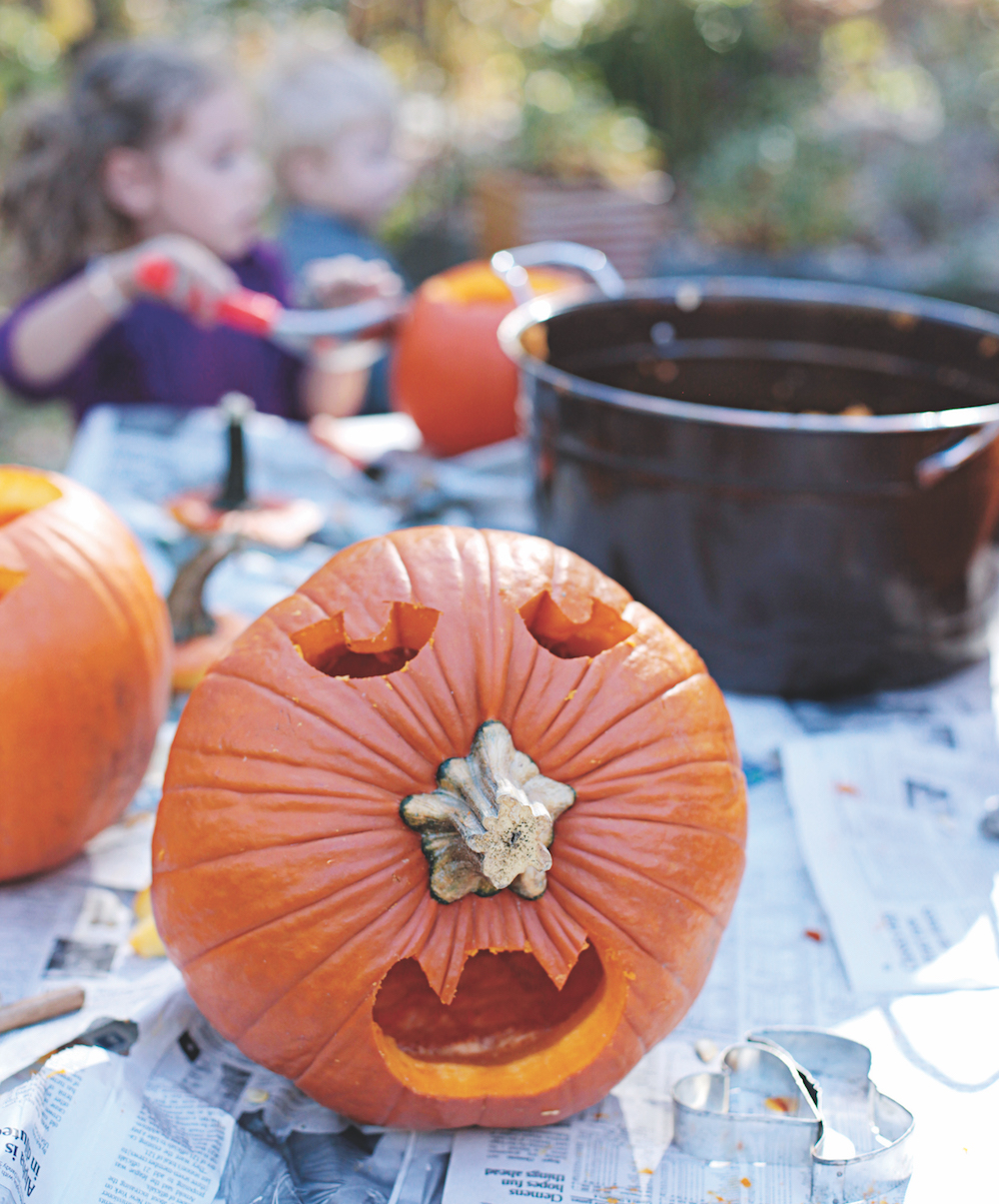
Once pumpkins arrive you know autumn is really in full swing. Throw a pumpkin party: ask people to bring a small pumpkin as well as the one they’ll be carving.
Carve off the pumpkin tops and fill them with tea lights, votive candles or dried flowers and seedheads from the garden. Send everyone home with their pumpkin vase.
Tell stories as you carve of fancy dress disasters, maybe a ghost story you once heard or simply what the word ‘pumpkin’ brings to mind.
Eat pumpkin*, too – a pie is the obvious choice. But pumpkin and sage lasagne or pumpkin soup make for filling savoury dishes, especially accompanied by a mug of hot cider or two.
How to carve a pumpkin
YOU WILL NEED
Carving tools (a variety of spoons, knives and other tools for decorating
Cookie cutters (use a mallet to pound them through the pumpkin flesh)
Carving pumpkins
TO MAKE
Place newspaper over a large table. Pile carving tools in the centre, plus a communal bowl for seeds and filling.
When it comes to carving, there are no rules, just decorate whichever way you fancy.
Extract from Handmade Gatherings by Ashley English. Photography by Jen Altman (Roost Books)
*Carving pumpkins are an altogether different prospect to eating varieties. Come back later this week to find out which types are best in which dishes.
Download our free pumpkins booklet:

More from the October issue:
Featured
More pumpkin posts:
Featured
Nourishing chickpea and turmeric face mask
This mask is tempting to eat, but refrain from doing so and let your skin soak up all the goodness.
Great for skin that's had a bit too much sun – and you’re likely to find all of the ingredients in your kitchen cupboards.
You’ll need:
1 tbsp chickpea flour (gram flour)
2 tsp almond oil
2 tsp honey
2 tsp lemon juice
1 tsp ground turmeric
1 Mix together all the ingredients and stir well to form a paste.
2 Apply a thick layer onto clean skin and rest for 15 minutes before rinsing off the mask with tepid water.
(Don’t worry about turmeric colouring your face; the mask washes off easily without a trace.)
Extract from All Natural Beauty: Organic & Homemade Beauty Products by Karin Berndl and Nici Hofer (Hardie Grant)
More from the October issue:
Featured
More natural remedies:
Featured


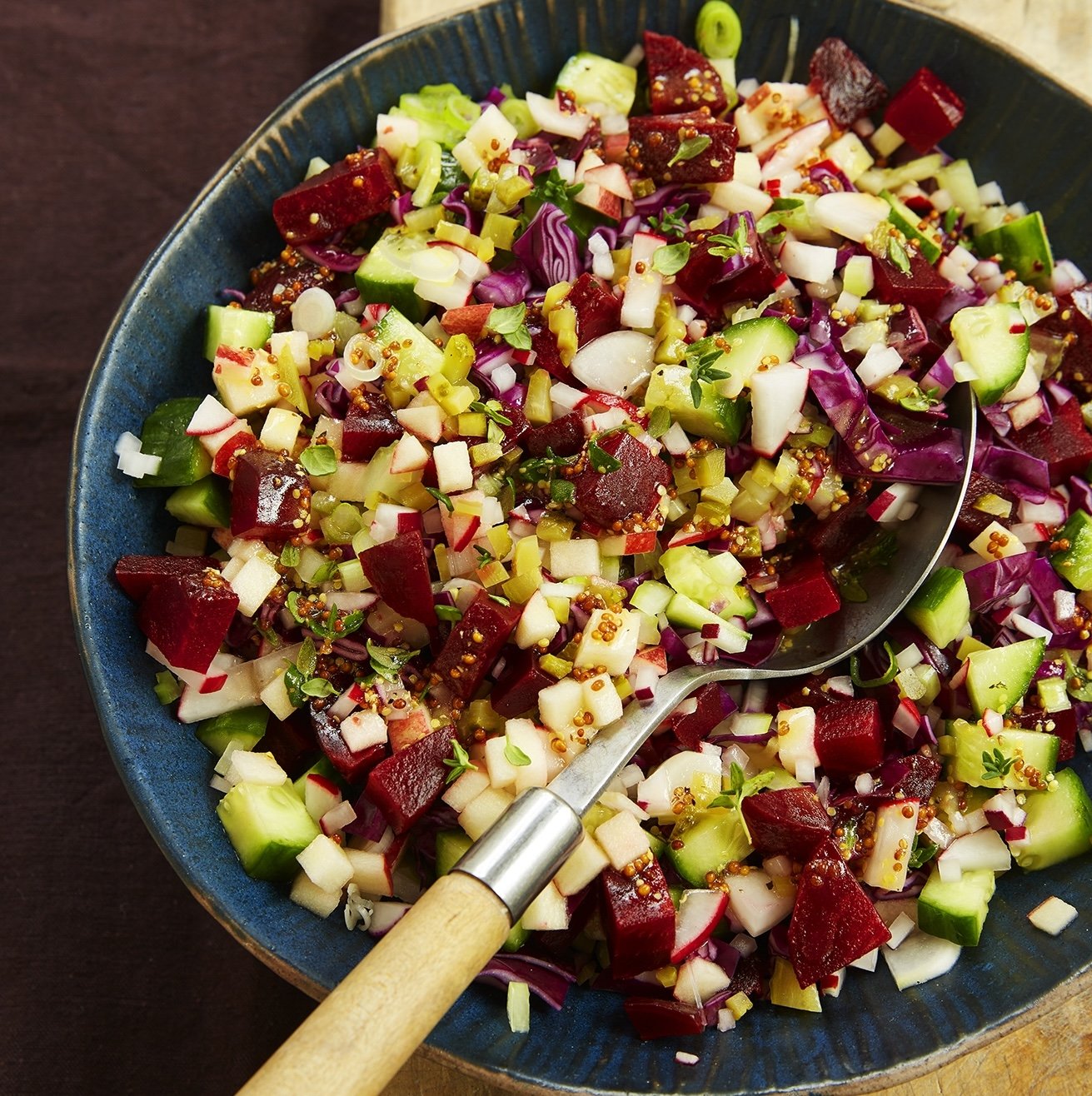
Recipe: Cabbage, beetroot and date salad
This brightly-coloured, no-cook Persian salad makes a fun and flavoursome accompaniment to a roast chicken.
Crunchy raw cabbage is an everyday feature of salads in Iran and here red cabbage is combined with raw beetroot and dates for a sweet and healthy take on a winter ’slaw. Quicker, lighter and less fuss than your usual roast dinner veggies, a salad means less time in the kitchen and more time for autumnal walks.
SERVES 4 AS A SIDE
2 medium, raw beetroots, peeled and grated
150g red cabbage, finely sliced
65g Iranian or Medjool dates, pitted and roughly chopped
20g bunch parsley, finely chopped
FOR THE DRESSING
3 tbsp extra-virgin olive oil
3 tbsp lemon juice
1⁄2 tsp salt
1⁄2 tsp black pepper
1 Tip the beetroot into a large bowl, followed by the red cabbage, dates and parsley.
2 Whisk the dressing ingredients together in a small bowl. Just before serving, drizzle over the salad and give it all a good toss
Recipe from The Saffron Tales: Recipes from the Persian Kitchen by Yasmin Khan (Bloomsbury) Photography: Shahrzad Darafsheh and Matt Russell
More from the October issue:
Featured

More salad recipes:
Featured

Hirameki: Download our ink blot doodles
Every blot’s an inspiration, every line is free, unlock your imagination and draw what you see! Try your hand at Hirameki - ink blot doodling where you draw what you see
If you’ve ever doodled, then you can turn your hand to a bit of Hirameki. The word means ‘brainwave’ or ‘flash of inspiration’ in Japanese and it is the art of turning a seemingly random paint blot into a picture by adding a few dots and lines. Artists Peng and Hu realised that the tiniest blot could be easily turned into something amazing; even the most inexperienced doodlers can make something from a blot.
“It is simply about drawing what you see,” says Peng. “All you need is a pen and a dash of imagination.”
On the subject of pens, they recommend the following: “A Hirameki pen should be no longer than your arm and no shorter than your little finger. The ink should be coal black or midnight blue, never shrieky yellow or shrinking violet. Calligraphy brushes, quills and charcoal are all acceptable. Best of all, though, is a fine-tipped felt pen.”
This new take on doodling is a fun version of the famous Rorschach inkblot test, created to reveal unconscious thinking.
Peng says: “It’s creative and a little bit anarchic for those who are bored of drawing inside the lines. And it’s a delight for hand, eye and mind, giving you an unexpected sense of satisfaction.”
Have a play with the blots on our Hirameki download PDFs or splatter your own. Just enter your email below and we'll email you with the Hirameki sheets and our fortnightly newsletter.
About Peng & Hu
Artists Peng, from Austria, and Hu, from Germany, discovered Hirameki when they saw a cow with a splotch that looked just like a film star
Taken from Hirameki and Hirameki Cats & Dogs (Thames & Hudson) by Peng & Hu
Image: Urban Bush Babes
Make: Luxurious Body Butter
Make your own aromatic, cooling skin smoother
MAKES: 250ml
KEEPS: 6 months
INGREDIENTS
2 tbsp cocoa butter
4 tbsp shea butter
2 tbsp coconut oil
4 tbsp evening primrose oil
10 drops jasmine
10 drops sandalwood
5 drops rose
1. Gently heat the cocoa and shea butters with the coconut oil in a bain-marie until they have melted.
2. Remove from the heat and cool until hand-hot. Add all the oils and whisk well.
3. Put the bowl in the fridge, removing every 30 minutes or so to whisk.
4. When nearly set, whisk well and pour into jars.
5. Replace in the fridge until set.
Found in The Domestic Alchemist: 501 Herbal Recipes for Home, Health and Happiness by Pip Waller (Leaping Hare Press).
More from the October issue:
Featured
More Domestic Alchemist posts:
Featured

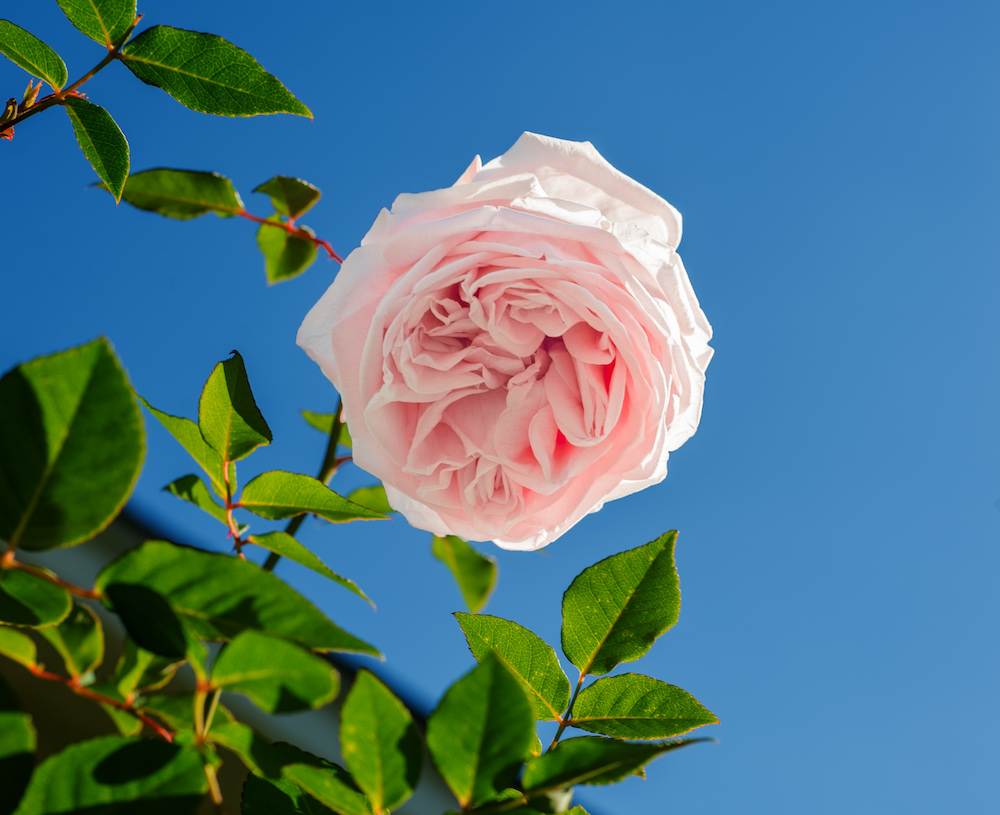

Recipe: Pitta bread
Is there anything more satisfying than making your own bread?
Pitta is extremely easy to make and it goes with everything because it’s light and doesn’t overpower a dish.
Pitta bread
7g instant yeast
240ml tepid/warm water
1 tsp golden caster sugar
400g plain flour
50ml olive oil, plus extra for oiling
1 Mix the yeast and warm water together in a large bowl. Leave for a couple of minutes and then add the sugar and stir through. Add the flour and olive oil and knead together until you have a smooth doughy consistency that bounces back. This should take 5-8 minutes. Leave the dough in an oiled bowl for about one hour until it has risen.
2 Preheat the oven to 220C/Fan 200C/425F.
3 Once risen, cut the dough into eight equal pieces and shape them into nice balls. Lay them on a baking tray and leave to rise for another 10 minutes. Once risen, flatten each ball with a rolling pin (not too thin), lay on a baking sheet and bake for 5 minutes or until the pittas have puffed up. Keep an eye on them during baking – bake for too long and the breads will be too crunchy and lose their softness.
4 Serve, dipping into some olive oil and za’atar if you like.
These will keep for a few days if sealed in an airtight container.
Recipe from Palestine on a Plate by by Joudie Kalla (Jacqui Small) Photography Ria Osbourne
More from the October issue:
Featured
More bread recipes:
Featured



Escape: How to spot a lost river
It's not all about Thermos flasks and hiking boots, a long walk through your nearest town or city can be as invigorating and enlightening as a country ramble.
Turn to page 66 of October's The Simple Things for a closer look at discovering neighbourhood secrets on a good long urban walk, and read on for how to spot a lost river.
How to spot a lost river
In many large cities, rivers have been diverted and hidden underground to make way
for growing cities. You can still see traces of their path on the ground, if you know what to look for:
Stink pipes
Tall, thin poles with no wires attached. When Victorian sewers were built, often incorporating rivers, these allowed the release of potentially explosive gases.
Gushing water sounds
If you hear this beneath drains and manhole covers it’s a giveaway.
Roads that slope
They may echo the course of a river towards its outlet.
Confusing boundaries
Rivers were once used as natural delineations between one borough or district and the next.
More from the October issue:
Featured
More Escape posts:
Featured


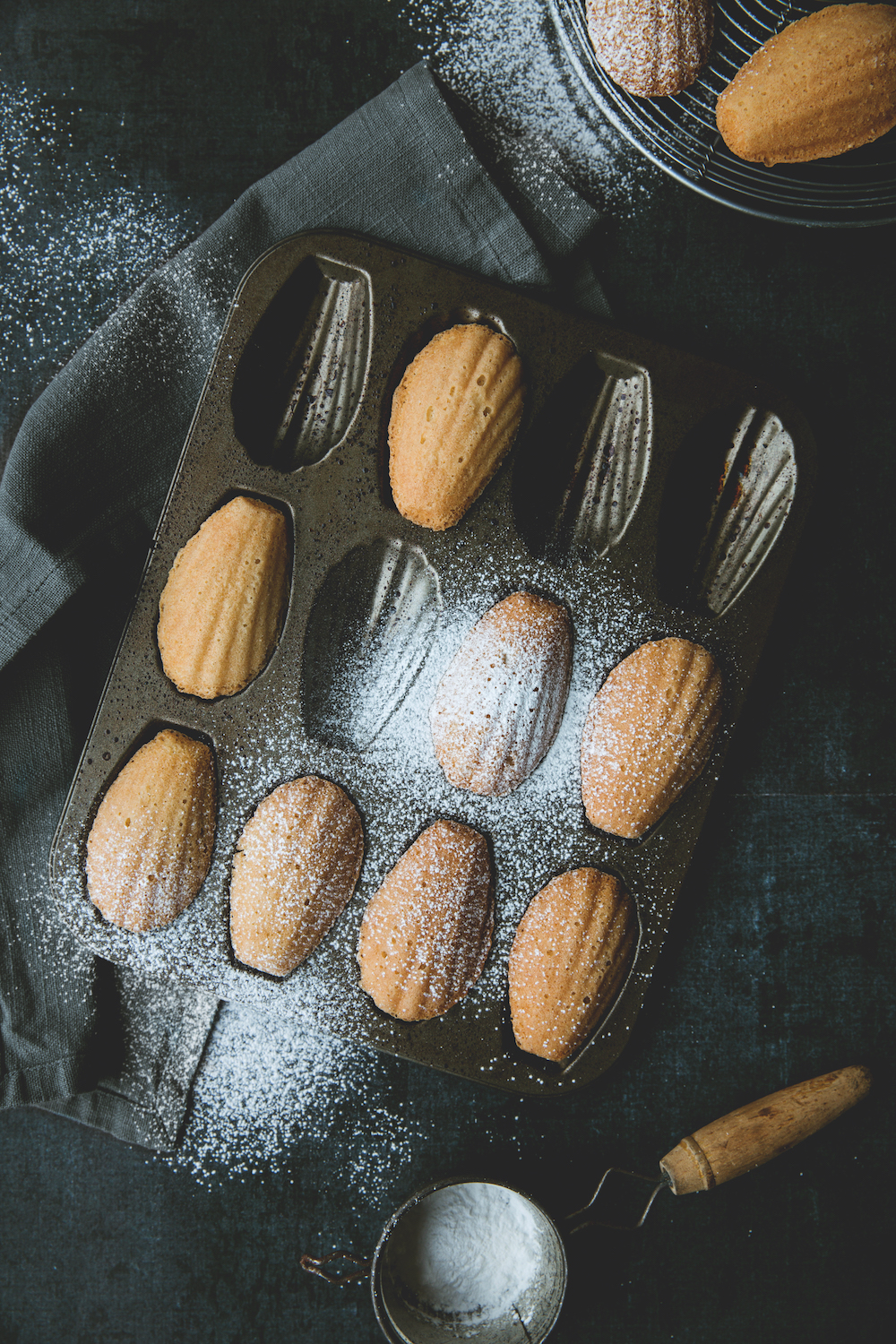
Image: Stocksy
Home truths: Literary cakes
This month in our series on what really goes on in a home, we sift some flour to bake bread and pop a cake in the oven
As well as a look at all the cakes we’ve loved before, a glossary of which tin to use, bread making and bread makers, the five types of icing and a list of baking bloggers, we find eight extra somethings for the shopping list.Turn to page 118 for more, or read on for a look at literary cakes.
Classic bakes that have appeared, tantalisingly, in books:
Madeleines
In Swann’s Way by Marcel Proust, the narrator eats madeleines and has an olfactory epiphany as he remembers dipping similar cakes in tea with his aunt.
“She sent out for one of those short, plump little cakes called ‘petites madeleines’ which look as though they had been moulded in the fluted scallop of a pilgrim’s shell.”
Ginger Cake
In Five on a Treasure Island by Enid Blyton, ginger cake features in a typical feast:
“Aunt Fanny had made a ginger cake with black treacle. It was dark brown and sticky to eat. The children said it was the nicest they had ever tasted.”
Crumpets
In Rebecca by Daphne du Maurier, the narrator thinks longingly of the food they ate at Manderley:
“Those dripping crumpets, I can see them now. Tiny crisp wedges of toast, and piping-hot, flaky scones.”
Key lime pie
In Heartburn by Nora Ephron, a wronged wife throws a key lime pie at her husband:
“The pie I threw at Mark made a terrific mess, but a blueberry pie would have been better since it would have permanently ruined his new blazer.”
Chocolate eclair
In Mrs Dalloway by Virginia Woolf, the family’s unlikeable tutor tucks into an éclair:
“Miss Kilman opened her mouth, slightly projected her chin, and swallowed down the last inches of the chocolate éclair.”
Find more cakes in literature at thelittlelibrarycafe.com
More from the October issue:
Featured
More Home Truths posts:
Featured



Image: Auf der Mammiladen
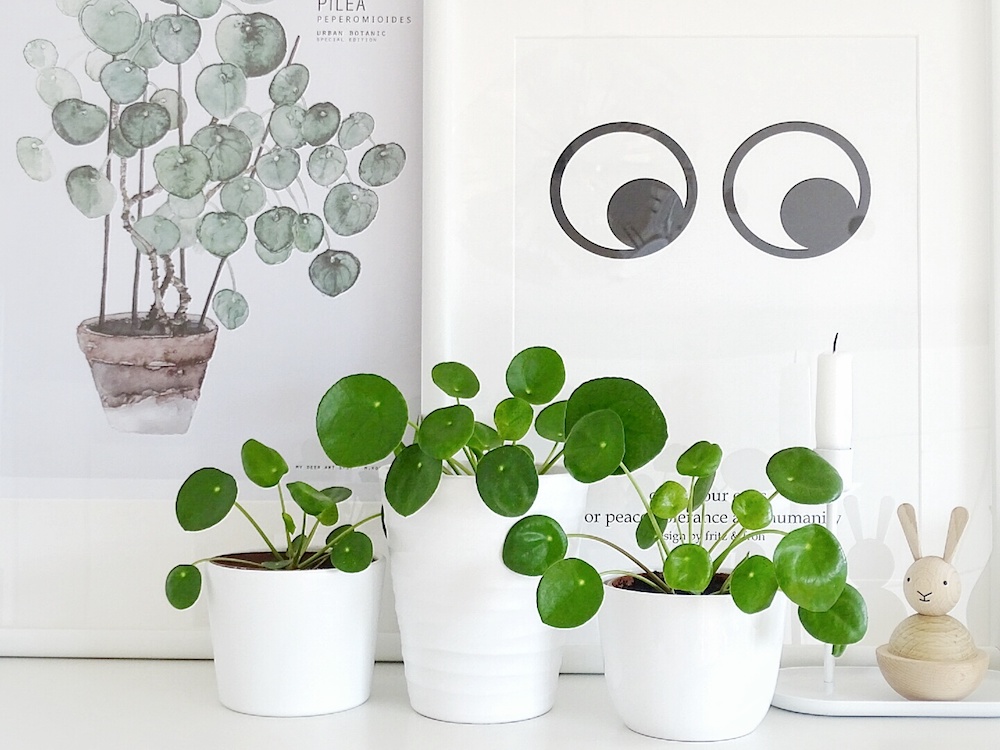
Give it a Grow: Pilea Pepermioides
WHAT IS IT?
A rather trendy leafy houseplant that, until fairly recently, caused a bit of a brew-ha-ha in the horticultural world because none of the experts knew what it was called. For years it had regularly appeared at Royal Botanic Gardens Kew’s help desk to be identified by mystified members of the public. It wasn’t until the late 1970s that it got a name, when Kew botanist Wessel Marais suggested that it was a Chinese species of Pilea. It now has several common names, including the Chinese money plant, the missionary plant and the pancake plant.
WHY WOULD YOU?
It has a rather appealing story attached to it: the plant was introduced to Europe in 1946 by a Norwegian missionary who had been travelling in the Chinese province of Yunming. Making the most of the plant’s easy-growing nature, he gave cuttings to friends and family in Norway, who in turn passed it on to friends in Sweden, then the UK and so on. It’s easy to grow, needing indirect light, good drainage and an occasional drink when the soil is dry.
WHY WOULDN’T YOU?
It can be hard to find a plant because more often than not, it’s ‘passed on’ rather than sold via nurseries. Try eBay.
More from the October issue:
Featured
More Give it a Grow posts:
Featured

Sponsored post: Pukkapedia - Pukka's herbal encyclopedia
Turn to page 49 of October's The Simple Things for your free sample of Pukka tea. Put the kettle on, brew up and read on to discover why its ingredients are so beneficial.
IMMUNITY
Autumn glow
This season is a good time to consider how herbs can play a role in our wellbeing. More people use antibiotics at this time of year, as they’re commonly prescribed for upper respiratory tract infections, even though most coughs and flus are caused by viruses. But there are simple, natural solutions.
Purple magic
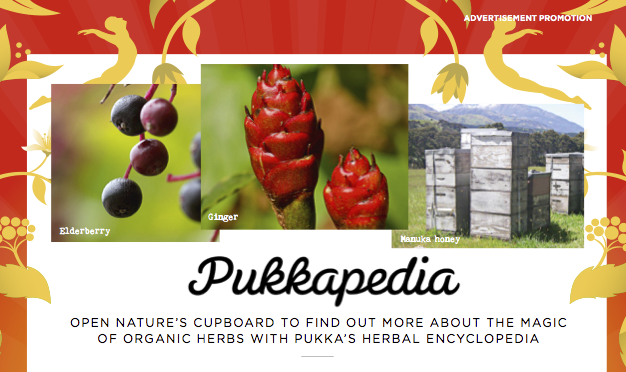
Elderberries are the autumnal fruit of the elderflower. They’re full of anti-viral, anti-inflammatory constituents including vitamin C, anthocyanins, lignans and flavonoids. Research shows that this humble hedgerow plant can deactivate 10 strains of flu virus as well as hasten recovery time.
As a syrup, its soothing qualities help calm irritated mucous membranes and coughs. Elderberry’s anti- spasmodic, airway-clearing properties ease painful spasms whilst gently clearing catarrh from the respiratory tract and sinuses. Pukka’s Elderberry Syrup is made from concentrated juice of elderberry with 10 other herbs. One daily dose supplies 12,000mg.
Other herbal heroes
Try these powerful herbs, teas and remedies next time you feel a chill.
Ginger: Grate some fresh ginger into a mug of hot water and lemon. Or sip Pukka’s Lemon, Ginger and Manuka Honey tea as soon as you feel a cold coming on.
Trikatu: This mix of ginger, black pepper and long pepper helps to blow away the cold. Mix half a teaspoon with honey to sweeten it or add to your favourite herbal tea.
Andrographis: A great all-round winter boost. Take two capsules twice a day.
Echinacea: This popular flower can help maintain the immune system. Try Pukka’s warming Elderberry and Echinacea tea.
Discover more about Pukka’s incredible organic herbs at pukkaherbs.com
GLOSSARY
Antibiotic
A substance that can destroy or inhibit the growth of microorganisms, especially bacteria. Antibiotics are not effective against viruses. Common antibiotics include penicillin and erythromycin.
Lignans
Chemical compounds found in plants that have antioxidant (stopping damage from free radicals) properties.
Anti-inflammatory
A substance that reduces signs of inflammation or swelling
More from the October issue:
Featured
Read natural skincare posts:
Featured
Event: Great Northern Contemporary Craft Fair
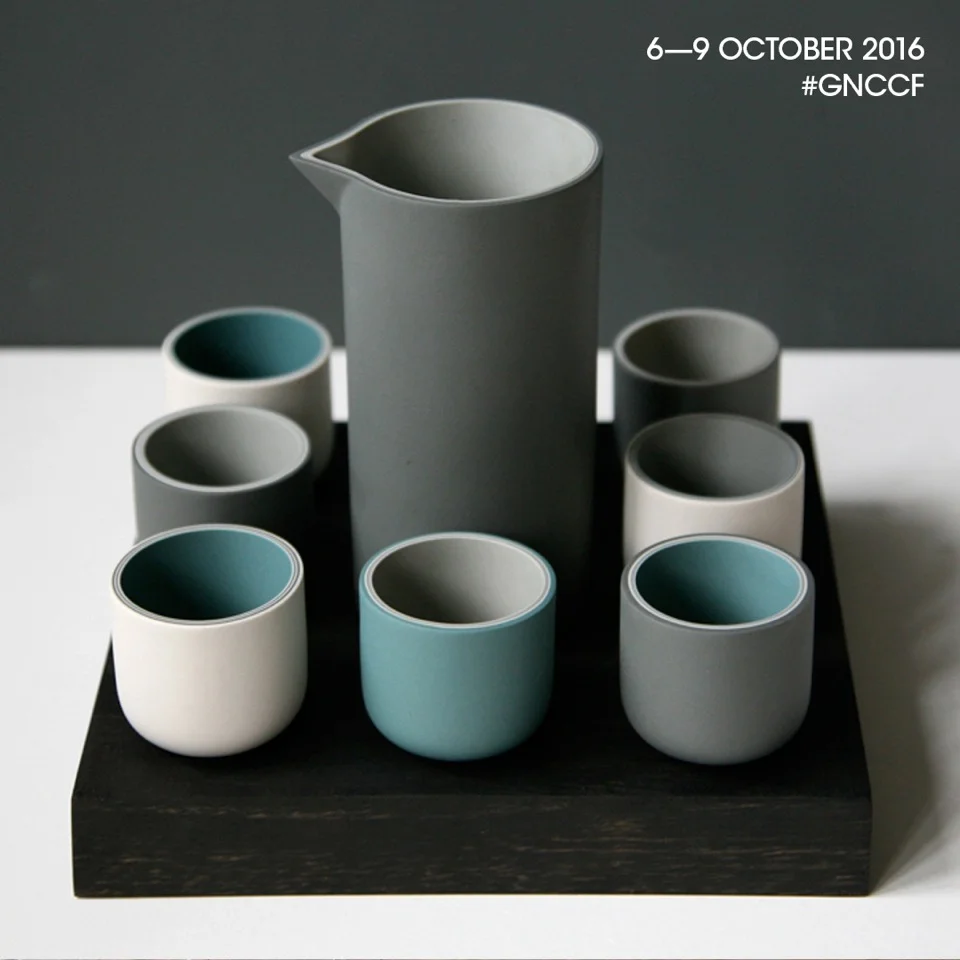
The annual celebration of cutting-edge design and beautiful craftsmanship which makes up the Great Northern Contemporary Craft Fair (GNCCF) will take place at Old Granada Studios in Manchester from 6-9 October 2016. This award-winning not-for-profit event, the largest in the North, will bring together over 160 of the UK’s most talented designer-makers, real-time making and an exhibition of museum-quality contemporary craft to offer visitors a unique experience.
Now in its ninth year, the GNCCF is supported by Arts Council England with the aim of championing and promoting contemporary craft and designer-makers. This carefully curated event will delight everyone from those looking to buy the beautiful and unique direct from the hand that made it, to those wanting to see work by critically-acclaimed artists in the Ornament exhibition.
All of the designer-makers taking part have been selected by an independent panel for their excellence, with interior and fashion textiles, glass, jewellery, ceramics, metalwork, furniture, print-making and more on show at the event. As well as emerging and established makers, the curated Great Northern Graduates will showcase best new design talent selected from the region’s degree shows.
This vibrant event will also bring craft alive through Craftworks - a programme of workshops, pop-up studios and talks by leading designer-makers enabling visitors to learn about the inspiration, materials, making process and stories behind the work of these passionate artists and makers. Celebrated ceramicist Zoe Lloyd will make new work under the gaze of show visitors as the GNCCF’s Artist in Residence and mixed media artist Harriet Lawton will return as Installation Artist to share the artwork she created with help of visitors as part of the event last year.
Great Northern Contemporary Craft Fair takes place Thursday 6 – Sunday 9 October 2016 at Old Granada Studios, Manchester. Advance day tickets cost £6 / £5 concessions (plus booking fee). On-the-door day tickets are £7.50 / £6 concessions.
For more information and to buy tickets visit www.greatnorthernevents.co.uk, or follow on Facebook and Twitter.
From the October issue:
Featured



Mischief: October cover reveal
Curious things happen at this time of year. Pumpkins transform into faces and shiny conkers fall from the sky. There’s magic afoot as a bubbling pot turns into jewel bright jam and windfall apples become a pie. Outside, more wonder at work; the golden leaves of an oak tree, berries galore and seedheads to gather. Listen to wise women and learn well their herbal lore. Make mischief when darkness falls; try your hand at Hirameki or dust off a board game for a hygge evening of candlelit company. This is autumn. These are The Simple Things.
On sale today. Get hold of your copy of this month's The Simple Things - buy, download or subscribe
View the sampler here.
From the October issue:
Featured
Competition: Win £250 to spend at Sass & Belle
This month, four lucky readers will each win £250 to spend on gorgeous homeware
Winter is one of our favourite times of year. When it’s cold and dank outside, we can revel in hunkering down indoors, away from the elements, and really enjoy our home comforts and the interiors we’ve so lovingly created.
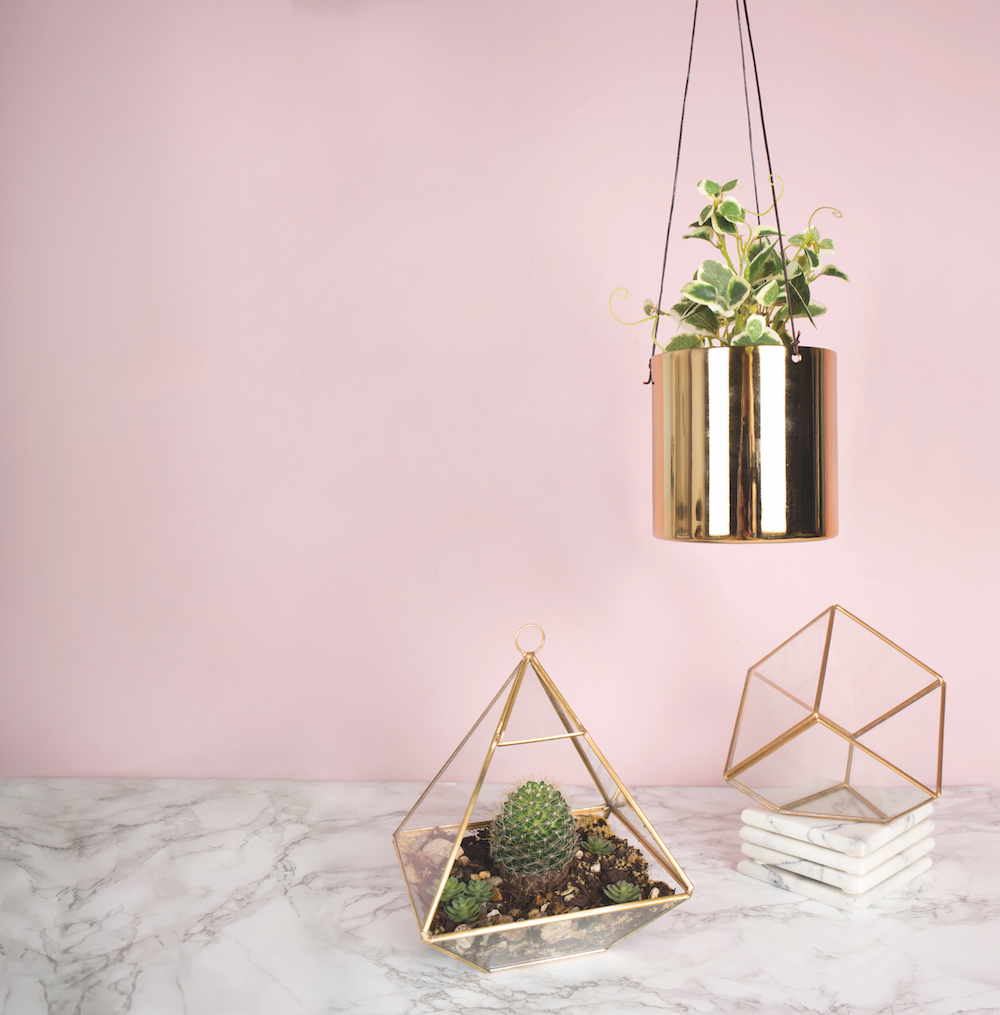
To help you get the most out of the season, we’ve teamed up with innovative gift and homeware brand Sass & Belle to offer four lucky readers the chance to each win a £250 online gift voucher – a great opportunity to find those perfect finishing touches for your home. Perhaps you’ll choose from the Modern Artisan collection, new for autumn/winter 2016, which includes stylish terrariums, planters and coasters that combine gold brass with marble to create a simple, hand-crafted aesthetic with a modern twist. Or maybe you’ve been hunting for lighting to add mood and atmosphere to a room?
Amongst its huge range of exciting and original products Sass & Belle offers a wide collection of fun designs, from quirky flamingo and cacti wall lights, to pineapple night lights, wire and paper shades and strings of fairy lights. And that’s not all – a quick browse will unearth all manner of mugs, mirrors and furniture and storage, as well as a bounty of desirable and affordable gifts for Christmas.
Sass & Belle’s promise is to create lovable, design-led products you may have never known you wanted, so why not take a look and see what you can find? And don’t forget to enter the competition online for your chance to add a little happiness to your home, or to someone else’s. Good luck!
HOW TO ENTER
The prize consists of four £250 online gift vouchers to spend at sassandbelle.co.uk. The vouchers will expire three months after the date of issue and cannot be exchanged for cash. Competition closes on 15 November 2016. You can see Iceberg Press’ full terms and conditions on page 129 and at icebergpress.co.uk/comprules
Enter more competitions:
Featured


More from the October issue:
Featured