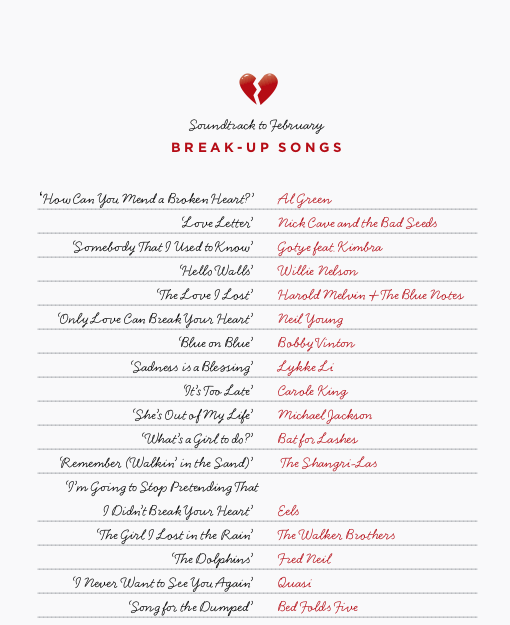
What becomes of the broken hearted? They sit around and listen to sad songs…
Listen to more playlists:
Featured
Blog
Taking Time to Live Well
What becomes of the broken hearted? They sit around and listen to sad songs…
Once upon a time...
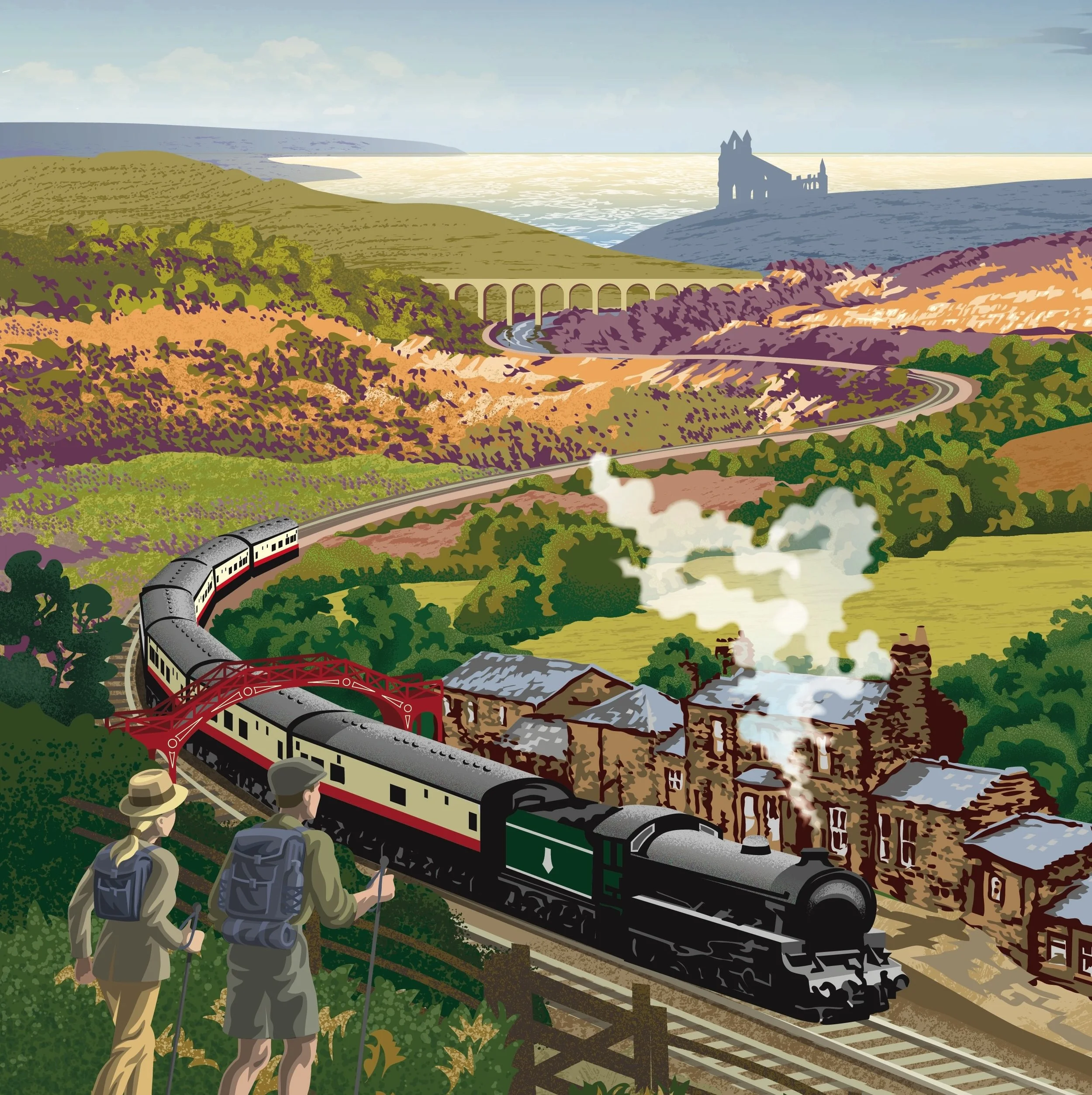
...we used to tell stories and now we probably don’t so much. It’s National Storytelling Week this month (28 Jan–3 Feb) – a great reason to rediscover the delights of the spoken story
Many of us stop reading aloud or making up stories when we don’t have children to read to, but there’s nothing to stop you from reading to your partner or a friend – it can be a surprisingly bonding experience, great for a winter’s night.
Or, you could offer to read to an elderly relative or neighbour or volunteer in a local care home. To Read Aloud by Francesco Dimitri (Head of Zeus) is a collection of 75 extracts from different writers with time taken to read aloud from just 3 to 15 minutes. Choose from themed chapters (change, love, nature etc).
As you get more confident with reading aloud, try making up your own stories. Base them on your own experiences if you find it easier and visualise (rather than write) the beginning, middle and end, before you start. For inspiration, try going to a storytelling event – there are plenty this month (see sfs.org.uk).
For a bit of fun at home, play a storytelling game, such as Rory’s Story Cubes, where you roll the ‘dice’ and create a tale using all the pictures. Board games such as Tell Tale (for younger families) and The Awkward Story Teller (for adults and teenagers) work well, too.
In January, we look forward and our diaries become our close companions. But, poised between two years, it’s also a time to look back, and diaries, journals and almanacs are also a tool for reflection. As we turn the first page of a new year, we explore their history, purpose and what they mean to us on page 80 of January's The Simple Things.
Cover your own local area, festivities and personal celebrations, and use it as a guide through your own year. Buy a notebook, mark out the months and divide it into topics that interest you, perhaps...
1 Look up dates for local festivities and fetes and mark them in their correct month in your almanac. Add family birthdays, personal traditions and anniversaries.
2 Are there recipes that you revisit every year? A special birthday cake recipe? Your mum’s twist on marmalade? Even a recipe from a cookbook that you return to again and again for a summer barbecue or an autumnal dinner. Pop it in so that it is easy to find.
3 Moon phases, and moon and sun rises and sets will vary – if only by minutes – by area. Find yours. A great source is timeanddate.com.
4 Leave space to note the flowering of bluebells in your local woods, the arrival of the swifts, and the first touches of autumn on the trees.
Change happens to us all, it’s how we deal with it that matters
‘Longitudinal’ means you will make it a habit to look at the same thing every so often over a long time. The key is to find something that changes in some way – whether very gradually, daily, or weekly. You don’t have to track it every
day or even particularly regularly. Just be sure to continue to observe it, and try to remember to record your observations in the same journal or section of a journal. This way you can see how the thing is changing and how your observations evolve.
Things you could observe:
A tree
Your desk
Someone’s shoes
A lake or river
A chalkboard
A bookshelf
A storefront window
A garden
A street bench
The dinner table
The sky at night
An anthill
Hold onto your headphones, there’s a storm acomin’.
All the favourites, sung by unexpected minstrels.
Image: Stocksy
Book lover and academic Martyn Evans suggests ways to focus when you read
1 Switch your phone to silent or leave it in a different room.
2 Don’t rush ahead in your mind before you reach the end of a sentence.
3 To help remember what you’ve read, engage in debate and discussion. Book clubs are great for this*
4 Read with a dictionary and a pencil to hand. Look up words you’re not sure of and underline sentences that catch your attention.
5 If a book isn’t working for you, take a break and come back another time.
6 Switch genres as much as possible and keep your reading material varied.
7 Allow yourself an hour or two to get lost in a good bookshop.
When keeping warm can be this much fun, bring on the darker, chillier days
In Sweden, instead of celebrating All Hallow’s Eve, they commemorate Alla Helgons Dag - All Saints’ Day - an altogether more gentle, thoughtful affair
Turn to page 60 of October's The Simple Things for more on Alla Helgons Dag.
You're a firestarter, twisted firestarter.
The average household in the UK produces more than a tonne of waste every year – which adds up to a sobering 31 million tonnes annually.
While campaigners are trying to tackle this in a variety of ways, one creative approach is to see waste as a material for art. The four British makers featured on page 74 of September’s The Simple Things look to our rubbish for inspiration, encouraging the viewer to see waste denim, metal, plastic and paper in a whole new light.
It’s hard to imagine an item of clothing more universal than a pair of jeans. Denim is a material that we all know and feel comfortable with. For Huddersfield artist Ian Berry, however, it forms his palette, from which he constructs intricate images. Beginning with his simple observation of the varied shades of blue in a pile of jeans, he has used old denim to create melancholy urban images, traditional pub scenes and instantly recognisable portraits from his layers of cut and constructed denim. Jeans are so familiar we’re used to taking the way they look for granted – Ian’s work encourages us to look again. ianberry.org
Turn to page 74 for three more artists.
Image: Getty
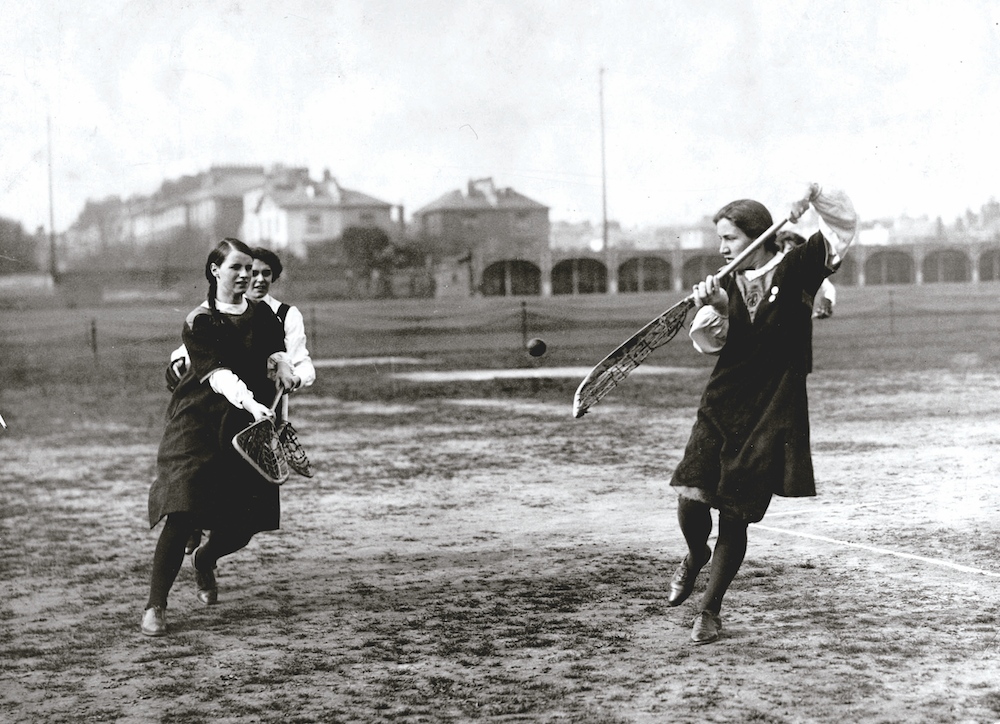
The lacrosse and midnight feasts of boarding school novels are far removed from real life for most of us. So why does our love of such girlhood fiction endure?
On page 86 of September’s The Simple Things, we look at the school run of days gone by - from The Worst Witch to the Chalet School.
Here, we outline how to build your own Malory Towers. Our fictitious boarding school primer sets out the jolly necessary ingredients
Must be flawed but only to a small extent. Will either start off hating the school (see the O’Sullivan Twins and Elizabeth, The Naughtiest Girl in the School) or will be desperate to please but have to work to overcome said character flaw (see Darrell and her oft-referenced hot temper).
The most disliked girl in the school will usually have committed a crime so heinous as to scoff an entire box of chocs in bed or be secretly working class and ‘put on airs and graces’. See Pauline at St Clare’s who is ‘outed’ as working class when her mother visits and is mistaken for a school cook – the shame... Basically, being cowardly, nouveau riche or a little plump is equal to being Carlos the Jackal in boarding school land.
Usually has short hair and is ‘as brown as an acorn’ (to make clear her love of the outdoors). May well have 16 older brothers.
Will have a ‘drawl’ which grates on the other girls and probably aspirations of becoming
a Hollywood actress. Usually is also lazy and dislikes PE.
Tends to be ‘dark’ to denote some sort of European exoticism. Will have a hilarious accent and mispronounce words to the delight of her peers who all have English
as a first language and consider themselves superior in this respect.
Generally all headmistresses are solid and kind. Miss Grayling of Malory Towers, particularly so.
Usually identical to ensure maximum confusion and top japes.
Probably has ‘sparkling eyes’ to show their good-humoured mischief and a tuck box full of fake dog poo, invisible string and itching powder.
Must be of an artistic bent, for example, skilled in music or painting. Being academic is merely expected.
Worries and doubts have their up-sides. They could even help you feel happier…
Negative thoughts – worries, doubts and irritations – are like weeds. Despite our best efforts to think positive, look on the bright side, or be grateful for what we have, they still spring up. But what if the reason they are so persistent is that they serve a purpose and are even sometimes useful? According to an increasing number of experts, it’s time we stopped demonising negativity. It could help you feel happier.
Turn to page 78 of September’s The Simple Things for more on the power of negative thinking, including how to harness its power plus a fear-setting exercise.
The TED talk below explores the hard choices - what we most fear doing, asking, saying - and how they are very often exactly what we need to do. How can we overcome self-paralysis and take action? Tim Ferriss encourages us to fully envision and write down our fears in detail, in a simple but powerful exercise he calls "fear-setting." Learn more about how this practice can help you thrive in high-stress environments and separate what you can control from what you cannot.
After a summer holiday, little feels as good as coming back home.
Listen to our homecoming songs playlist now
There could be thousands more colours than your standard rainbow seven, if you take a moment to consider how you might name them.
Anyone who’s ever had to choose a paint for a wall or a piece of furniture will have found themselves immersed in colour charts and sampler pots where there’s more to colour than their product codes or Pantone reference. Every shade, tone, and hue comes with its own name– chocolate comtesse, mineral grey, crushed oregano, millennial pink. In a description of just two or three words, a whole world can be conjured up or reimagined.
But what about all those colours yet to be given names? What would you call the blue the sky turns 20 minutes after a summer sunset, for example? Or the particular grey the clouds look when half the sky’s about to storm and the rest is brilliant sunshine? How should you describe the colour of your mother’s eyes, or define the shade you like your tea? Don’t let the paint companies have all the fun. It’s a mindful practice to look carefully at the colours around you and really see them.
Start a colour experiment to recreate colours you love in paint in a journal, logging what you mixed and in what proportions, and then name your colours however you like – striplight yellow, garden shed brick, bank holiday traffic. Baby’s comfort blanket, granny’s dining table, mum’s golden flecks. Colour can capture moments, memories and places as well as words or pictures.
Image: Joe Shillington/Unsplash
Pretty much any activity can be a mindful activity, it’s fair to say, but colouring in, carefully and attentively, is particularly suitable. These beautiful illustrations by Emma Farrarons combine a colouring exercise with simple, fun and imaginative activities to help make any day a little more mindful. Download Emma’s chatterbox now or turn to page 52 of June’s The Simple Things for more mindful activities and colouring doodles.
Remember how much fun you had making chatterboxes as a child? Create a mindfulness chatterbox filled with eight different activities to help remind you to break your day and make time for mindfulness. Fold a square piece of paper as shown here. Come up with your own ideas or you can use the template as a guide.
Songs to inspire meandering and wanderlust in equal measure.
Listen to our songs for wandering playlist now
We celebrate slowing down, enjoying what you have, making the most of where you live, enjoying the company of of friends and family, and feeding them well. We like to grow some of our own vegetables, visit local markets, rummage for vintage finds, and decorate our home with the plunder. We love being outdoors and enjoy the satisfaction that comes with a job well done.