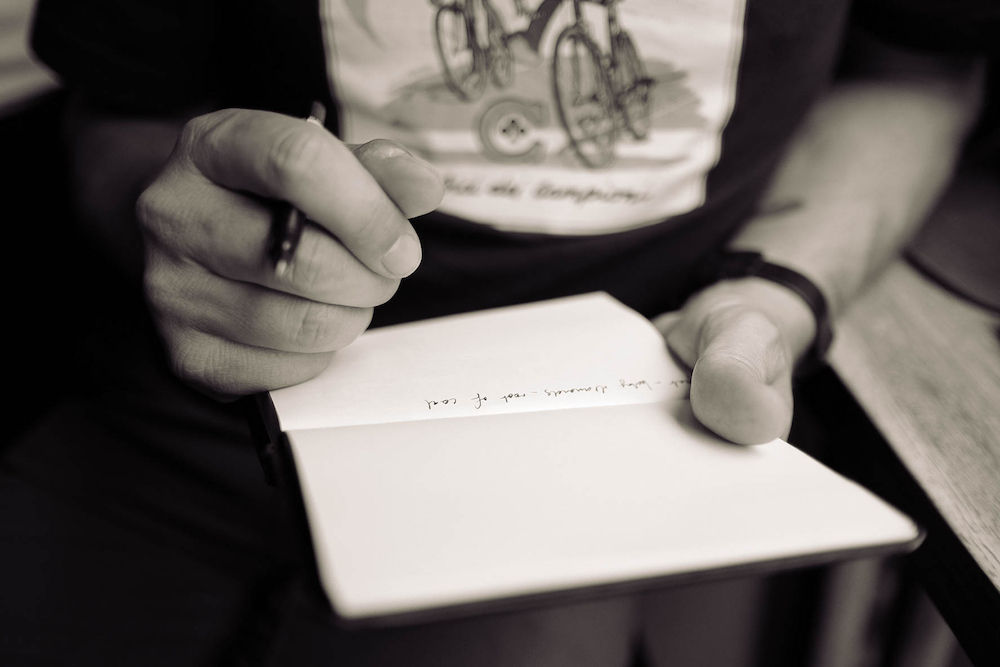
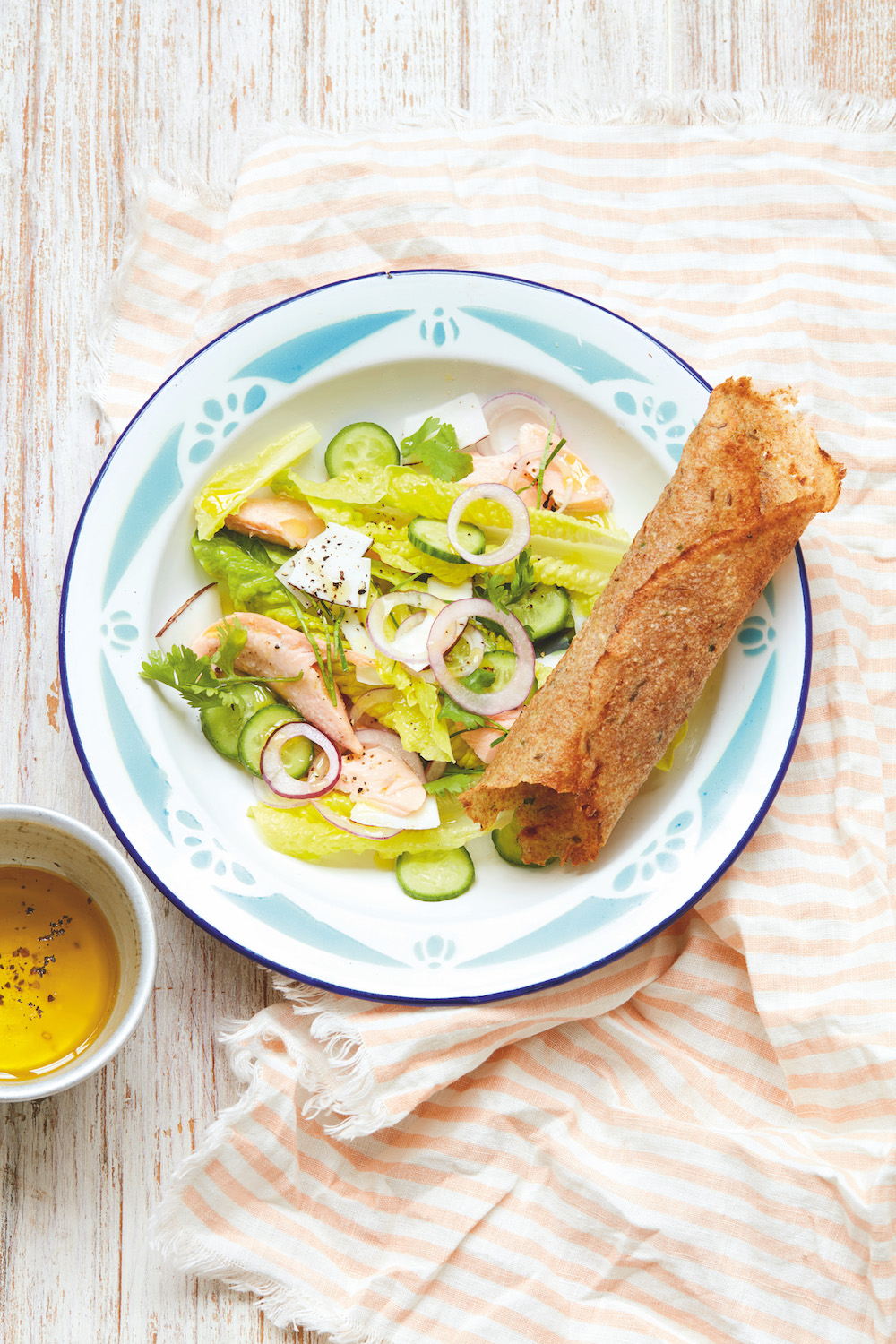
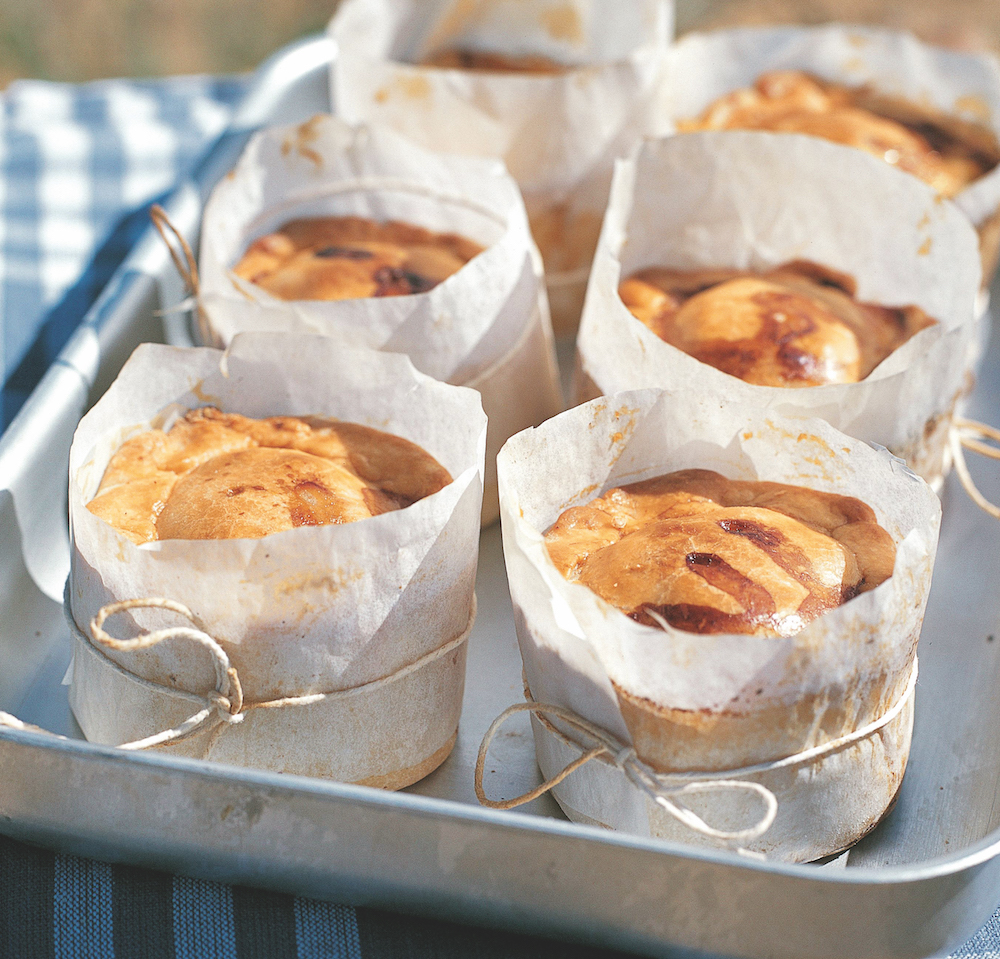
Songs to trigger your imagination and let you ponder...
Listen to our Hopes, Dreams & Wishes playlist now
More playlists:
Featured
Blog
Taking Time to Live Well
Songs to trigger your imagination and let you ponder...
Image: Calum MacAulay/Unsplash

Why is it that we are so hard on ourselves - and other women? In their new book – WE: A Manifesto for Women Everywhere (Thorsons) – Gillian Anderson and Jennifer Nadel explore how we can transform criticism into compassion. Turn to page 38 of May's The Simple Things for more from Gillian and Jennifer, or try these two mindful exercises:
BEING IMPERFECTLY PERFECT
If we don’t embrace our so-called imperfections then how can we expect anyone else to?
GAINING PERSPECTIVE
This exercise will connect you to that which really gives your life meaning.
1 Have your journal ready and then centre yourself by taking five deep breaths in and five slightly longer breaths out. Close your eyes and imagine you are a much older version of yourself, coming to the end of your life. Look back at your time and ask this older you what has really mattered. What are you glad to have experienced, and what do you care about most?
2 Open your eyes and write down what the older you has to say. Stay in this future state with your wiser self until you feel she has given you all you need to know.
3 Now close your eyes again and allow yourself to time travel back to today. Centre yourself in the present. Take a look at what you wrote down and think about how you spend your time now.
How much of your energy is focused on the things on your list? How many of the items on your list have to do with looks, achievements and material possessions? How many are about relationships and love? If you keep this list in mind you’ll find that the awareness it gives you will gently result in your priorities starting to shift.
In September's The Simple Things we meet Sebastian Pole, herbalist, tea-maker and co-founder of Pukka who turned his fascination with herbs into one of the biggest do-you-good cuppa brands, learning a few life lessons along the way. Read the interview on page 32.
Try Pukka’s quiz to discover your dosha, designed to help you understand more about yourself, what’s good for you and what’s not. It's an amazing way to find out more about who you are and provides tips for your own personal health and happiness – including ways in which you can sleep better.
The theory behind the quiz comes from ancient wisdom that has passed down for centuries in India, through a system known as Ayurveda, which actually means ‘the art of living wisely’.
To start you have to find out what your ‘dosha’ or body-mind type is, you’ll then be able to know what helps you thrive the most; what foods to eat, what exercises are best for you and what relationship types of other body/mind types suit you best. It even gives an insight into how each different type typically responds to the need for sleep. In essence, it brings you special insight about your health, informing your choices and decisions that you make everyday.
Following the wisdom of Ayurveda there are said to be three constitutional types; “wind (vata), fire (pitta) and water (kapha). They destroy or maintain the body, according to whether they are sick or healthy.”
We all want to be healthy so that we have the best chance to enjoy and fulfil our potential in life. But excellent health seems to be such a complicated subject that it is not always easy to know how to achieve this holy grail. Although at first it might appear an alien concept, understanding your constitutional dosha goes a long way in helping you to realise your perfect health.
In Ayurveda your personal constitution is known as prakriti, which means ‘nature’, as in your inherent genetic type. Ayurveda teaches us how to find out what our constitution is by observing who we are and how we feel. And this lesson is a very simple and enriching one. As you learn what your real nature is you can live a truly authentic life – a life that suits you and allows your health to flourish.
This quiz will give you an example of your current state of health. The result you get after the test gives you an idea about how balanced your health is at the moment. You will probably be a mix of each of the dosha but it is likely that one will dominate. You have to be something. Each of the dosha have some advantages and some disadvantages. By following the recommendations appropriate for your constitution, Ayurveda can help you fulfill your potential and to be really comfortable in who you are.
So, if you feel inspired, run through the quiz questions to determine your Ayurvedic constitution...and Pukka will send you some life-changing insights every now and then that will add clarity and colour to your life.
To discover your dosha, head to the Pukka site to take the quiz...
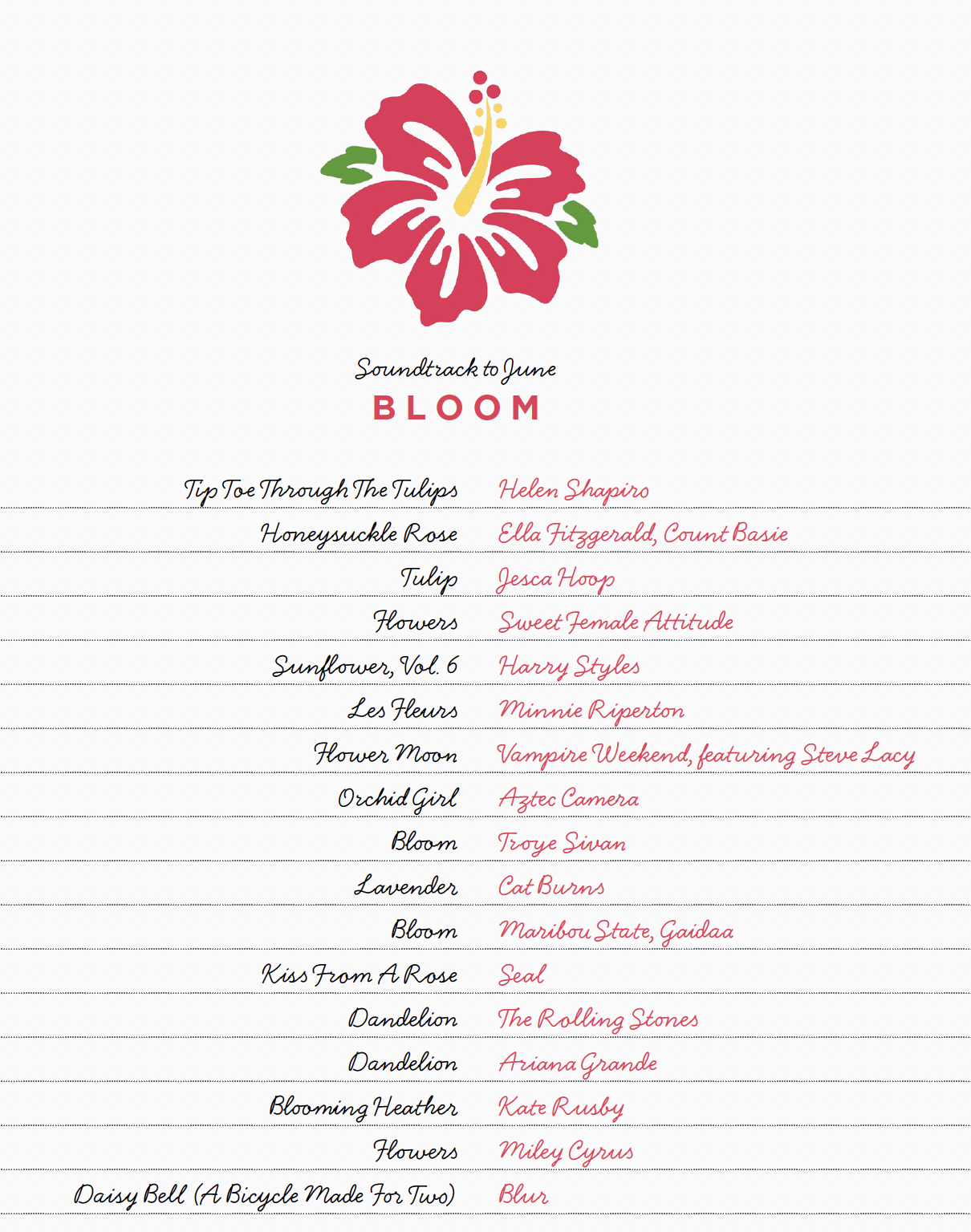
Time to come into the garden and frolic among the flowers.
Listen to our floral songs playlist now
Illustration: Anke Weckmann
Quick fixes and inner peace may seem unlikely bedfellows - but there are simple tools you can use to feel more serene
Wouldn’t it be great to be more patient, unruffled and at ease? To be able to hold onto that sense of contentment and serenity that comes over you when you experience a gorgeous sunset, a walk in the woods or a restful soak in a bath. Yet those moments of peace tend to quickly evaporate and anxiety, ever present in the background, finds a way to creep back to the surface. The good news is that becoming more serene doesn’t have to mean changing your lifestyle completely or hours of meditation or yoga. It can be as simple as practising some easy calming techniques that you can call upon in stressful circumstances or when you’re just feeling a bit ruffled. Have a go at the following micro-practices, find out what works for you and use them whenever you need an extra dose of calm.
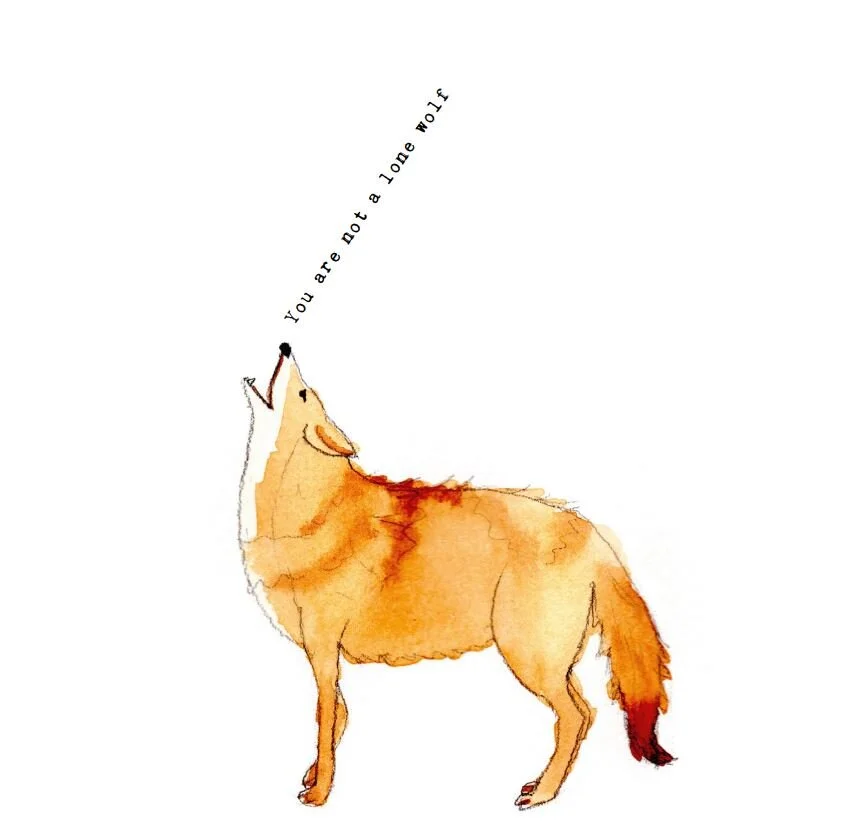
You may have heard the old Native American parable about the two wolves fighting inside of us all. There’s the wolf of fear and hate and the wolf of love and compassion, and whichever wolf we feed will win the fight. Most people are incredibly hard on themselves both in their thoughts (self-criticism) and behaviour (destructive and self-sabotaging). Yet if we are kind and compassionate to ourselves and feed our good wolf, we develop the ability to have compassion for others.
This is an ancient breathing technique that restores and recalibrates the central nervous system. The combination of a short inhale followed by a twice-as-long exhale has an immediate effect on the parasympathetic nervous system, putting the brakes on your stress response.
1 Inhale to the count of 4.
2 Hold your breath to the count of 7.
3 Exhale through your mouth as if blowing through a straw to the count of 8.
4 Repeat cycle twice more.
5 Do three cycles in the morning and the evening for a calmer, less reactive disposition.
Imagine if you could consult your future self for advice or counsel? Perhaps your 98-year-old self, even now, has some wisdom to impart to you.
1 Close your eyes and imagine yourself at the age of 98.
2 Formulate a question or a concern that you’d like to ask your inner wise woman.
3 Imagine your older, wiser self conversing with your current self – you could even have her write you a letter if that makes it easier.
4 See if a wider perspective shifts your current perception of what’s going on today.
Turn to page 86 of April's The Simple Things for more suggestions, including how to embrace change, giving morning thanks, armchair travel, sitting in child’s pose, carrying a talisman,
and the butterfly hug technique.
Taken from The Little Book of Inner Peace: Simple Practices for Less Angst, More Calm by Ashley Davis Bush (Octopus)
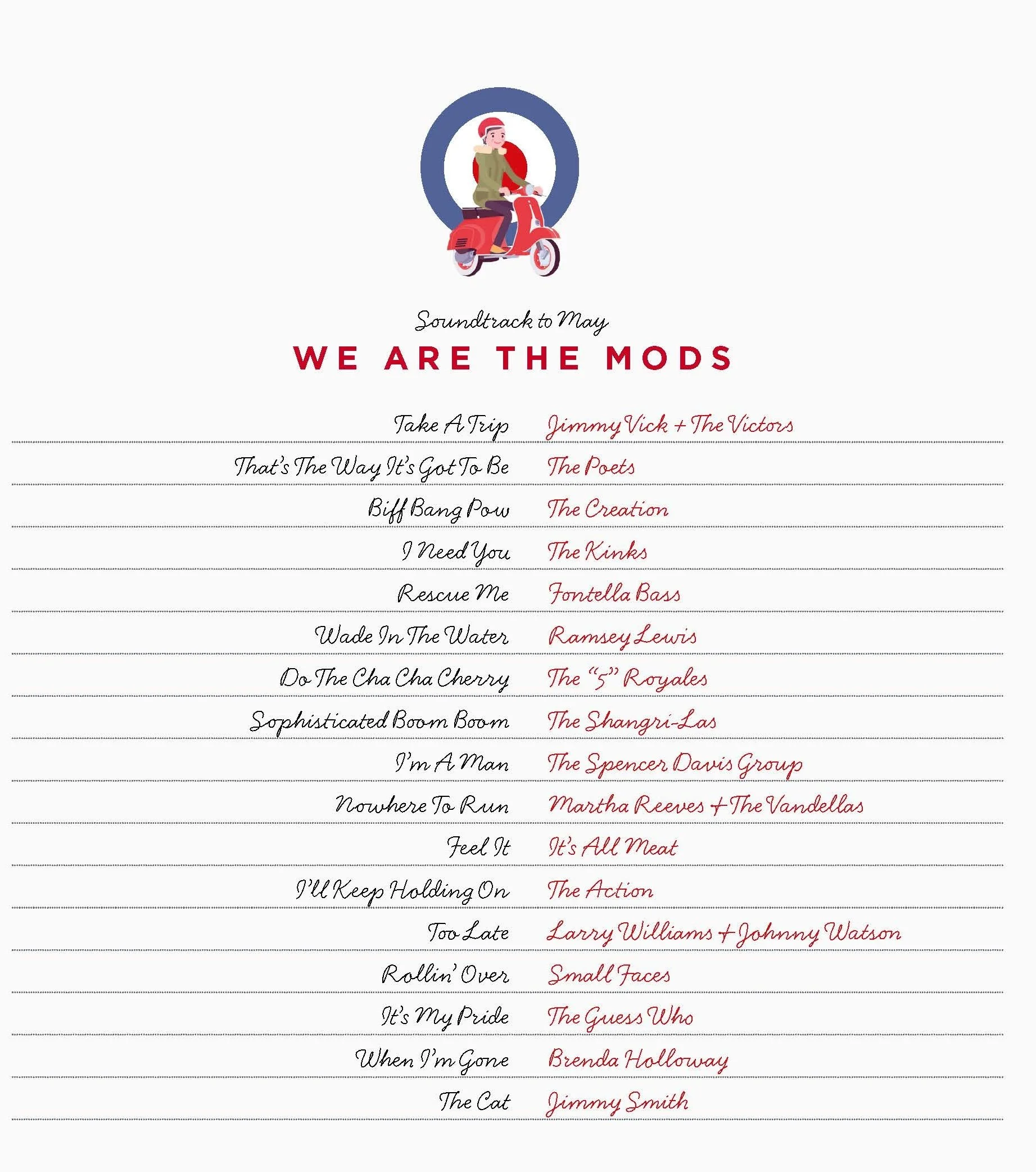
Surround yourself with friends and family and this month’s playlist
Getty Images
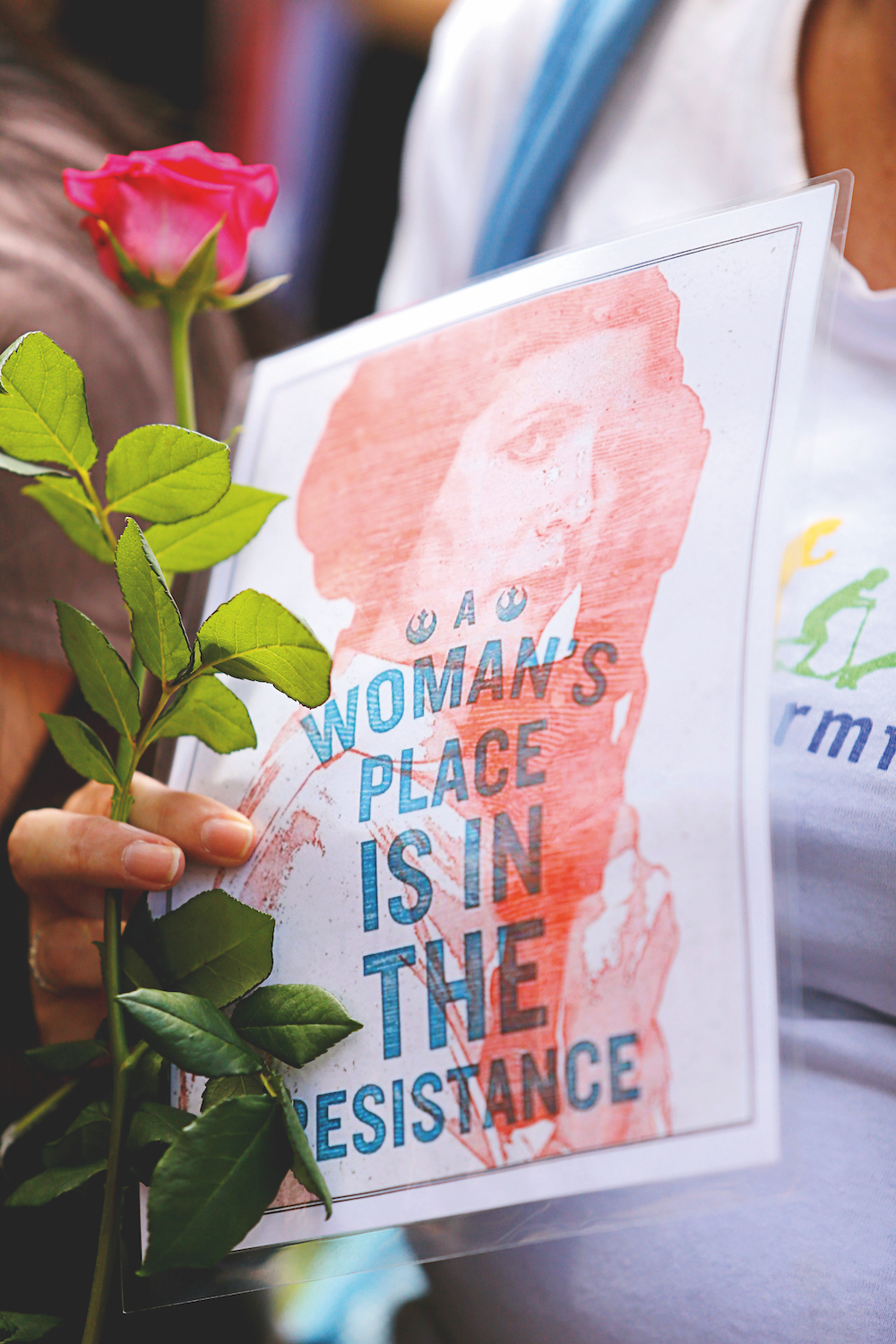
The census, taken on a spring night every decade since 1801, is a record of both everyday sexism and the emancipation of women
When the idea of a national census was first championed in Britain, it was argued that, “the intimate knowledge of any country must form the rational basis of legislation and diplomacy”. Unsurprisingly, it wasn’t always so “rational”, especially when it came to the female proportion of the population. Each decade’s census gives us a – sometimes unintentional – glimpse into society’s attitudes towards women.
In 1811, the second time the census was taken, households were asked to give only their chief source of income. In most cases, this this overlooked the contribution of women who, while likely not the primary earner, frequently did odd jobs, such as selling handicrafts, that kept the family from the breadline. Twenty years later, it changed so only adult male employment was registered, with the exception of the 670,491 female servants in England, Scotland and Wales, once again completely ignoring the long hours put in by women.
Turn to page 76 of March's The Simple Things for more.
Image: Unsplash
Nourish and revive... Self-massage is a great pick-me-up and way to unwind. Release tension in the neck and shoulders and your whole body will feel better. Techniques can either be done through the clothes or using a massage oil.
Equipment:
1⁄2-1 tsp oil in a shallow dish
A small towel
First, some simple stretches. Seated with straight back, lower your chin to your chest. Roll your head in a circle starting left then round to the right until you come full circle. Raise your head, shrug your shoulders and release.
Next, spread some oil over neck, shoulders and upper arms (optional):
1 Place one hand over the opposite shoulder. Slowly squeeze and knead the muscles along the crest of the shoulder.
2 Continue the kneading movement up your neck to the base of your skull.
Return to the shoulder and lift and squeeze the muscles. Repeat on the other side.
3 ‘Shampoo’ firmly over your scalp with thumbs and fingertips.
4 Brush briskly down from your neck over shoulder and upper arm to your elbow. Repeat on the other side and relax.
Turn to page 91 of February’s The Simple Things for our four-page guide to massage.
Steps for self-massage from The Massage Bible by Susan Mumford (Godsfield Press).
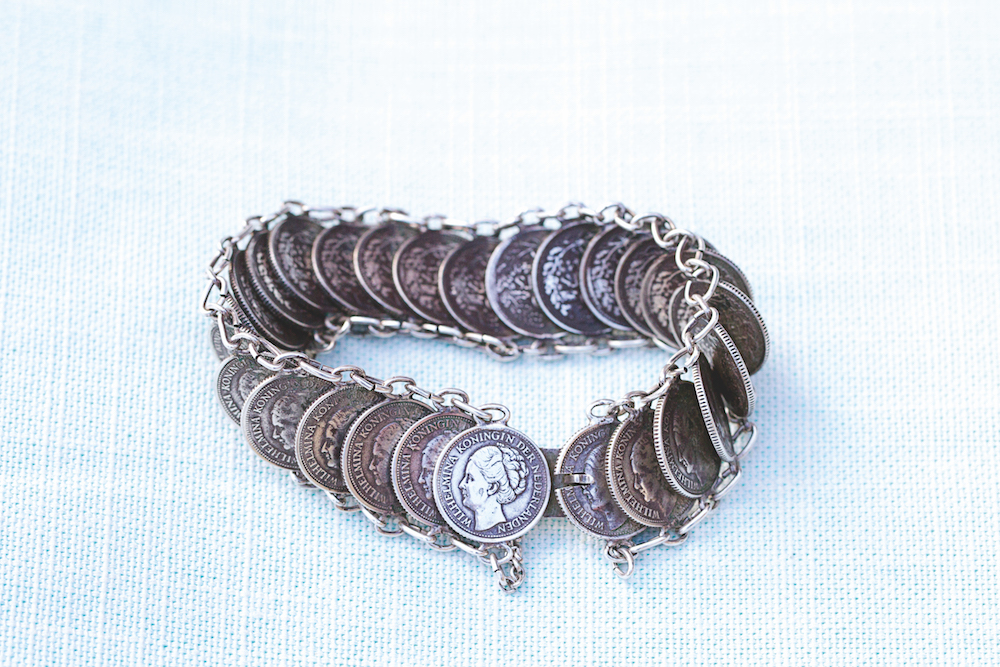
‘Like many treasured pieces of jewellery, this bracelet – originally a gift to my nan from my granddad – means something for being passed down through the family. It’s got the added charm of being out of the ordinary – created from 26 Dutch 10 cents pieces, each about the size of a five pence. Each coin bears the face of Wilhelmina, Queen of the Netherlands, who was exiled following the German invasion in 1940, and dates from between 1936 up to 1944, the year it was given to my nan.’
Frances Ambler chose to write about her grandmother’s bracelet for our new feature, What I Treasure. Turn to page 89 of February’s The Simple Things to read the story behind this precious heirloom.
We’d like to know what you treasure - whether it’s a sentimental artefact, a person, a place or something else. Tell us in 500 words what means a lot to you - email thesimplethings@icebergpress.co.uk
Image: Unsplash
Things you might want to do this month (no pressure!)
Start each day with an energy-giving breakfast
Keep your head up and watch out for the first spring shoots
Eat rolled up pancakes (on the 28th) then lick your sticky fingers
Pay a stranger a compliment ("I love your scarf; that’s the best brownie I’ve had in ages...")
Read an autobiography of somebody you admire
What would you add? Come over and tell us on Facebook or Twitter.
Things you might want to do this month (no pressure!)
Turn up your internal central heating with spicy stews and aromatic teas
Have your sledge at the ready for the first snowfall
Enjoy the peace and order that this month brings
Take a pot of steaming soup to a friend or neighbour in need
Change your route for a month and notice new things around you
What would you add? Come over and tell us on Facebook or Twitter.
Photography: Getty Images
Giving and doing good helps others while making you a happier person too. but only if you do it for the right reasons
December's The Simple Things looks at how giving can be good for you, as well as your cause. Or read on for a quick guide to being kind.
Show kindness
Give unwanted warm clothes to a homeless person, offer the toys/bike you were going to put on Ebay to a family who might appreciate some help this Christmas.
The Salvation Army, for example, runs a Christmas Present Appeal, salvationarmy.org.uk.
Donate
Many of us have a cause that’s close to our hearts, but if you want to donate to charity and feel bewildered by the choice of worthy recipients, GiveWell (givewell.org) is an independent evaluator that rates charities in terms of lives saved or improved.
Volunteer
Type your postcode in to do-it.org, a national volunteering database, to find opportunities in your community, from dog-walking to admin.
Be neighbourly
More than one million elderly people in the UK regularly go a whole month without speaking to anyone. If you don’t know a person who needs befriending, ageuk.org.uk can put you in touch.
Turn to page 90 of December’s The Simple Things for more.
Seasonal tracks chosen by The Simple Things team
Listen to our December playlist: Christmas songs
I close my eyes, then I drift away... Songs to help you dream sweetly
Listen to our soundtrack to November: Music for sweet dreams
Every blot’s an inspiration, every line is free, unlock your imagination and draw what you see! Try your hand at Hirameki - ink blot doodling where you draw what you see
If you’ve ever doodled, then you can turn your hand to a bit of Hirameki. The word means ‘brainwave’ or ‘flash of inspiration’ in Japanese and it is the art of turning a seemingly random paint blot into a picture by adding a few dots and lines. Artists Peng and Hu realised that the tiniest blot could be easily turned into something amazing; even the most inexperienced doodlers can make something from a blot.
“It is simply about drawing what you see,” says Peng. “All you need is a pen and a dash of imagination.”
On the subject of pens, they recommend the following: “A Hirameki pen should be no longer than your arm and no shorter than your little finger. The ink should be coal black or midnight blue, never shrieky yellow or shrinking violet. Calligraphy brushes, quills and charcoal are all acceptable. Best of all, though, is a fine-tipped felt pen.”
This new take on doodling is a fun version of the famous Rorschach inkblot test, created to reveal unconscious thinking.
Peng says: “It’s creative and a little bit anarchic for those who are bored of drawing inside the lines. And it’s a delight for hand, eye and mind, giving you an unexpected sense of satisfaction.”
Have a play with the blots on our Hirameki download PDFs or splatter your own. Just enter your email below and we'll email you with the Hirameki sheets and our fortnightly newsletter.
About Peng & Hu
Artists Peng, from Austria, and Hu, from Germany, discovered Hirameki when they saw a cow with a splotch that looked just like a film star
Taken from Hirameki and Hirameki Cats & Dogs (Thames & Hudson) by Peng & Hu
Image: Stocksy
Meik Wiking is a happiness guru – an advocate for hygge and a collector of smiles. Turn to page 38 of October's The Simple Things for his take on why enjoying togetherness is what makes him, and the Danes as a nation, the happiest in the world.
In his self-created role of director of The Happiness Research Institute, Meik has been running projects and studies, workshops and round table discussions on happiness. He travels the world meeting with governments and organisations, and exploring how everything from social media use to job satisfaction can affect happiness levels. He even keeps a notebook in which he records the frequency of smiles in random isolation in every city he visits. Some of the highest levels he has seen are in Mexico, while the lowest have been in Latvia and Poland. He says he still needs to do more study in the UK, but so far it’s not looking good. What makes people happy is now what gets Meik up in the mornings and, as he told a TED Talk that he gave on ‘The Dark Side of Happiness’ this year*, what makes people unhappy, depressed and suicidal, can keep him awake at night. Incidentally, it’s not true that the Danes have the highest rate of suicide (they rank somewhere in the middle).
Watch his TEDxCopenhagen talk now: The Dark Side of Happiness
Illustration: Marta Orzel
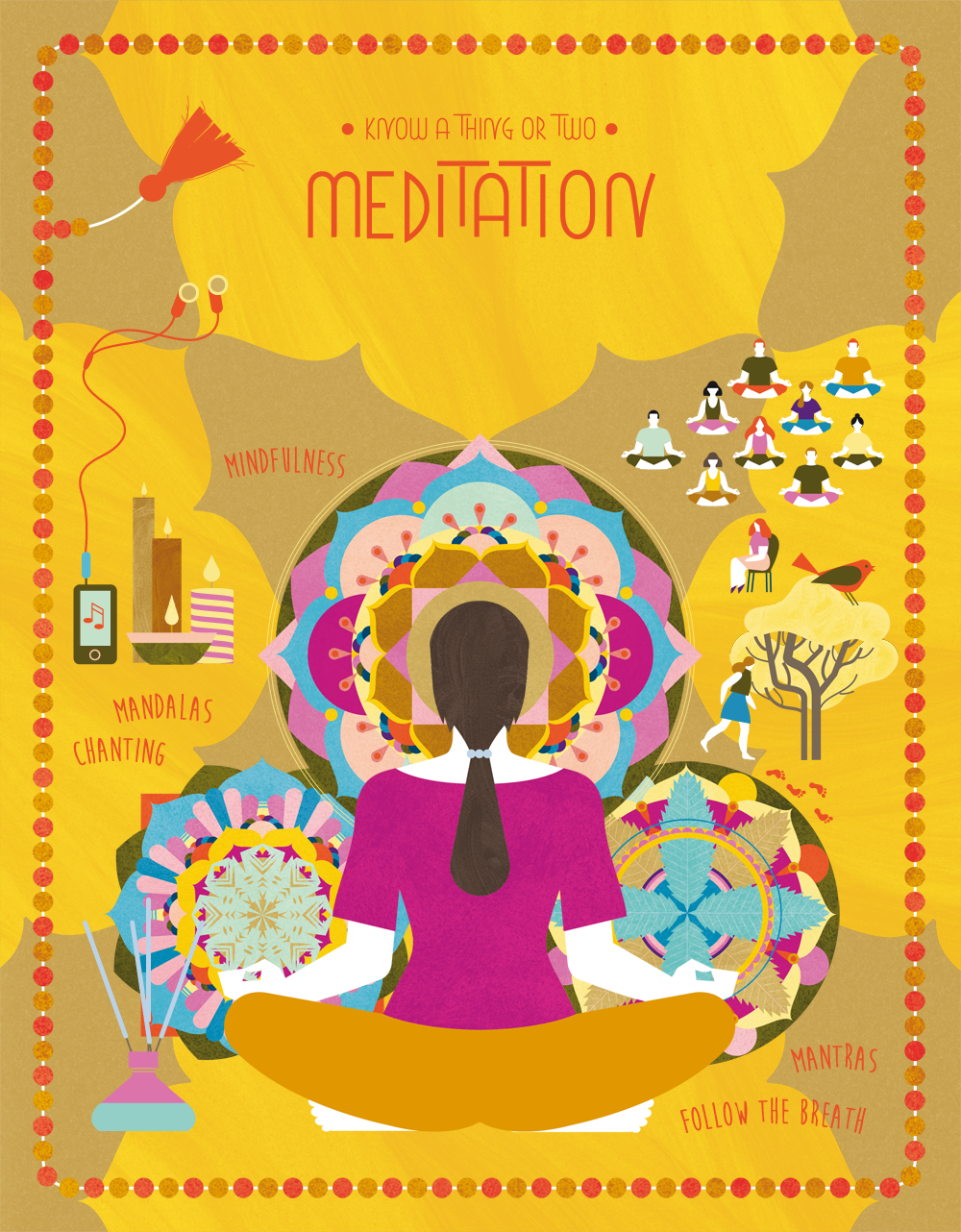
Six simple ways to start meditating by yourself
1 FOLLOW THE BREATH: start to become aware of your breath – don’t try to control it in any way, just notice the inhale, the exhale, and the pause between the two. Every time your mind wanders, gently bring it back to the breath.
2 USE A MANTRA: pick a sound or phrase that appeals to you. “Om” is the classic (tone it slowly with three sounds – AH-OH-MMM). Or use a vowel sound – such as “aaah” or “oooh”. Or pick a word or phrase you like, such as “Peace”. Sit calmly and slowly repeat your chosen mantra over and over.
3 COUNT TO TEN: count very slowly from one to ten in your head, keeping your attention on each number. If you feel your attention wandering (and undoubtedly it will, often before you reach three!), simply go back to one and start again.
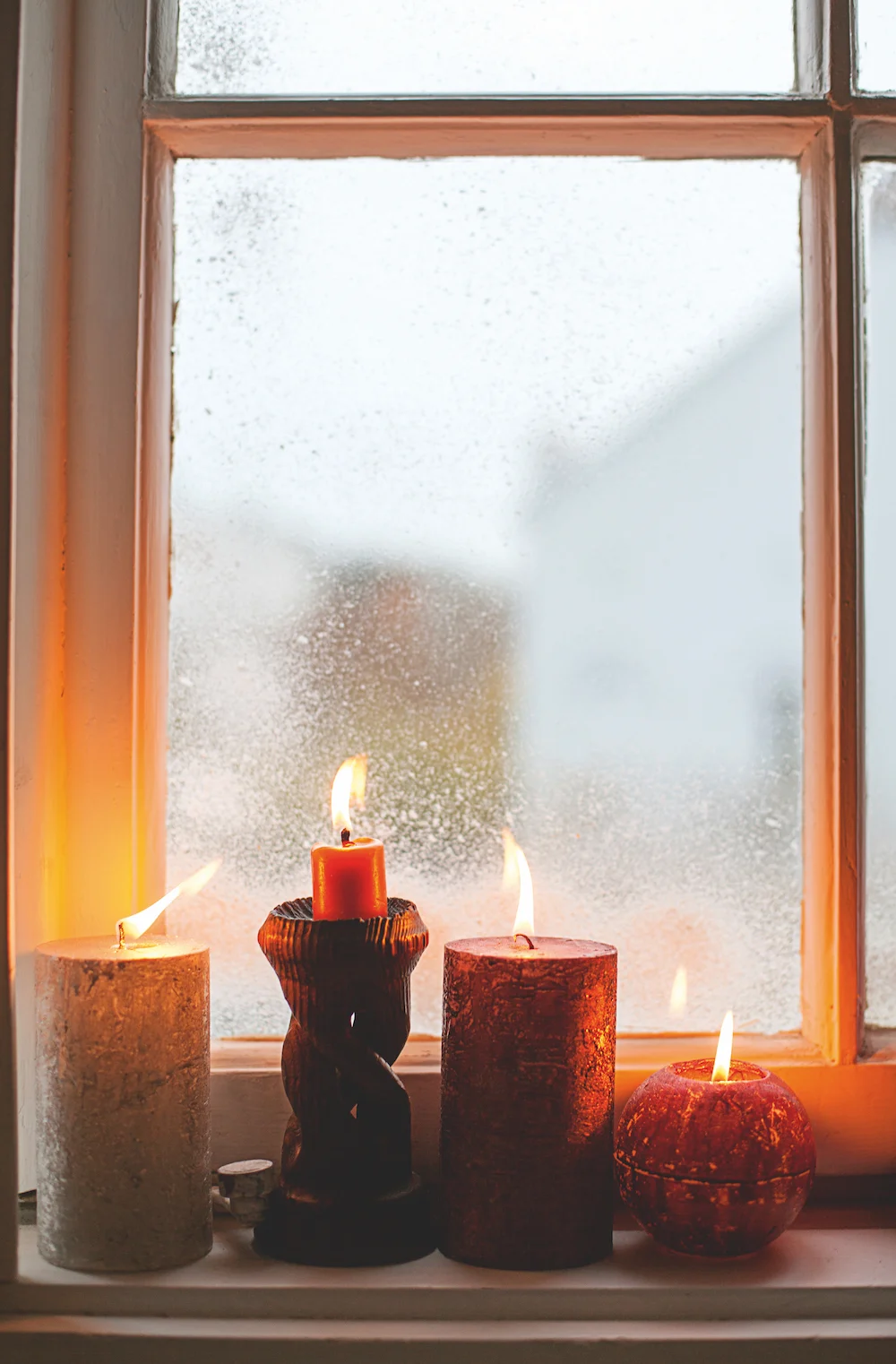
4 GAZE ON A CANDLE: focus your eyes on the flame and watch it. Notice the way it moves, the colours within it. When your attention wavers or your mind starts jumping, gently bring it back to the flame.
5 WALK: walk very slowly, paying attention to every part of every step. Say “lifting” as you lift up your foot; “moving” as your foot moves through the air; “placing” as you place your foot down on the ground; “shifting” as you shift your weight onto that foot.
6 BODY SCAN: scan slowly through your body, paying attention to where you are holding tension. Don’t judge or try to let go – just be aware. Move gently from top to bottom, paying attention to any changing sensations.
For more on meditation turn to page 75 of September's The Simple Things.
Image: Stocksy
We're afraid of having nothing to do, but being bored is no bad thing - we've just forgotten how to do it properly and how liberating it can be...
Rachael Oakden explores The Lost Art of Boredom on page 86 of August's The Simple Things. Meanwhile, read her tips on how to embrace idleness.
It’s time to pack a bucket and spade and head to the coast with our sea songs playlist!
We celebrate slowing down, enjoying what you have, making the most of where you live, enjoying the company of of friends and family, and feeding them well. We like to grow some of our own vegetables, visit local markets, rummage for vintage finds, and decorate our home with the plunder. We love being outdoors and enjoy the satisfaction that comes with a job well done.