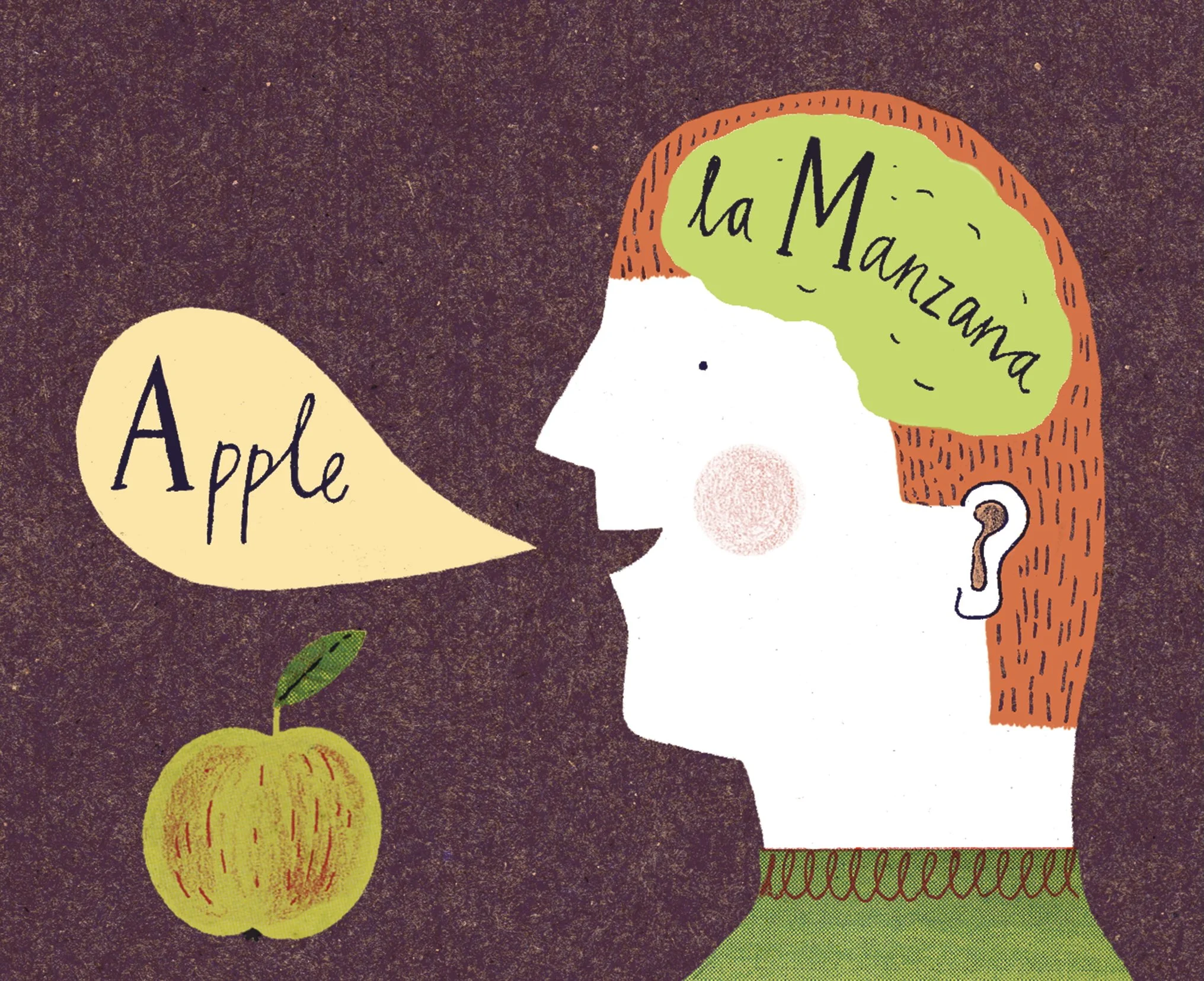
Learning a little about a language can enhance a holiday abroad or help you connect with new friends or family. But sometimes it’s nice to learn something ‘just for fun’. Here are a few languages you can learn in order to impress, amuse or just look a bit quirky next time you are required to list your hobbies.
Ancient languages
Dead languages are not for the faint-hearted. Many are the school students who have nodded along sagely to the ditty: “Latin is a language as dead as dead can be. First it killed the Romans and now it’s killing me.”
But if you fancy yourself as a bit clever and have a curious mind, it can be really fun. Many will have letters or whole alphabets that are new to you. Some may even have hieroglyphs to learn. Despite its reputation, Latin is actually one of the easiest dead languages to learn. There are many books and online courses out there to sign up to and you’ll probably find a local adult education centre that runs courses if you want to learn alongside others.
Other dead or ancient languages to consider giving a go are: Old English, Old Norse, Sanskrit, Biblical Hebrew or Classical Chinese.
Very niche languages
Starting close to home, Cornish is a great language to learn. It’s been almost critically endangered at points but thanks to apps and websites like GoCornish, is seeing a bit of a resurgence. Apart from sounding very impressive when on holiday there, it also will allow you to understand Modern Cornish music, a mix of pop and traditional Cornish folk songs. If you’re not familiar with it, it’s worth a listen.
Greenlandic is a little-spoken language that’s fun to learn because of its polysynthetic nature, meaning the words are composed of many parts which may have independent meaning but cannot necessarily stand alone.
Indigenous languages such as Noongar, spoken in a small corner of Western Australia, are fascinating to learn and have the additional benefit of helping to keep a language (and sometimes an entire culture) alive.
Or perhaps try Breton, Belarusian or Basque.
Constructed languages
Also known as ‘con-lans’, these are languages that were intentionally created, rather than having developed organically over time. The most famous example is Esperanto, created in the late 19th Century to be a universal second language. There are only around 10,000 fluent speakers but it’s thought up to a million understand ‘enough to get by’.
Not-your-usual languages
Languages that don’t feature ‘written or spoken’ words as we know them actually number many more than you might think. Most obviously there are the various sign languages and BSL (British Sign Language) is very easy to access and learn via britishsign.co.uk. Then there are computer languages and codes, of course.
But did you know there is a language constructed entirely of whistles? Silbo Gomera is a language that includes vowels, consonants and has its own system of grammar but is made only by whistling. It is spoken on the island of La Gomera in the canaries where for years its inhabitants announced, births, deaths, weather events and village gossip in this way across its steep valleys and difficult terrain. Despite there being other methods of communication now, schoolchildren of La Gomera still learn it today to stop it dying out.
Quipus, meanwhile, were used by the Inka Empire to record data, records and stories using a system of knots made on coloured threads or strings made from llama hair. Once the message was made they could be sent by runner to the intended recipient.
Made-up languages
Many well-known books, films and TV series include made-up languages from Elvish in Tolkien’s literary world to some of the words used in JK Rowling’s Harry Potter universe. Strictly speaking, these are all constructed languages (see above) but are completely pointless in the real world. However, there’s a lot of joy to be had in the completely pointless. On the language app, Duo Lingo, you can currently learn Dothraki (from Game of Thrones) or Kling-On (from Star Trek). Now: ghojchoH! (begin learning!)
If you’d like to learn more about how learning a new language can improve your wellbeing, you might enjoy our feature ‘More Than Words’ in our March issue, by Rebecca Frank.
Buy this month's The Simple Things -buy, download or subscribe