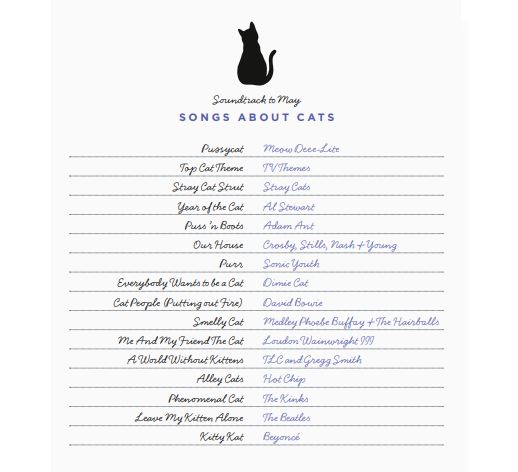
We compile a playlist for every issue of The Simple Things magazine. For our April 26 CHARM issue, we’re crossing our fingers and giving our Get Lucky playlist a spin. You can listen to it here.
Have a browse of all our playlists here.

Blog
Taking Time to Live Well
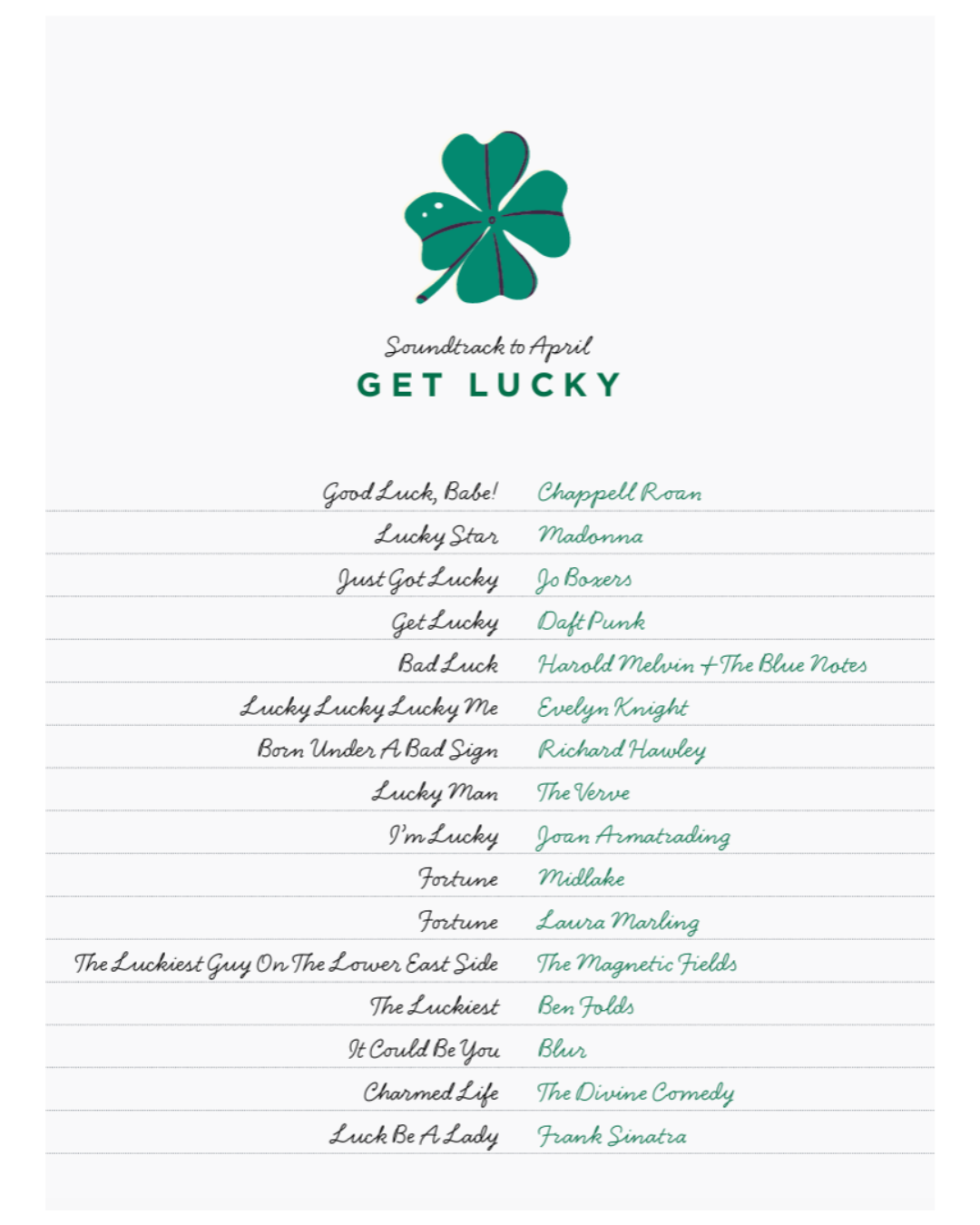
DJ: Frances Ambler
Image: Adobe Stock
We compile a playlist for every issue of The Simple Things magazine. For our April 26 CHARM issue, we’re crossing our fingers and giving our Get Lucky playlist a spin. You can listen to it here.
Have a browse of all our playlists here.
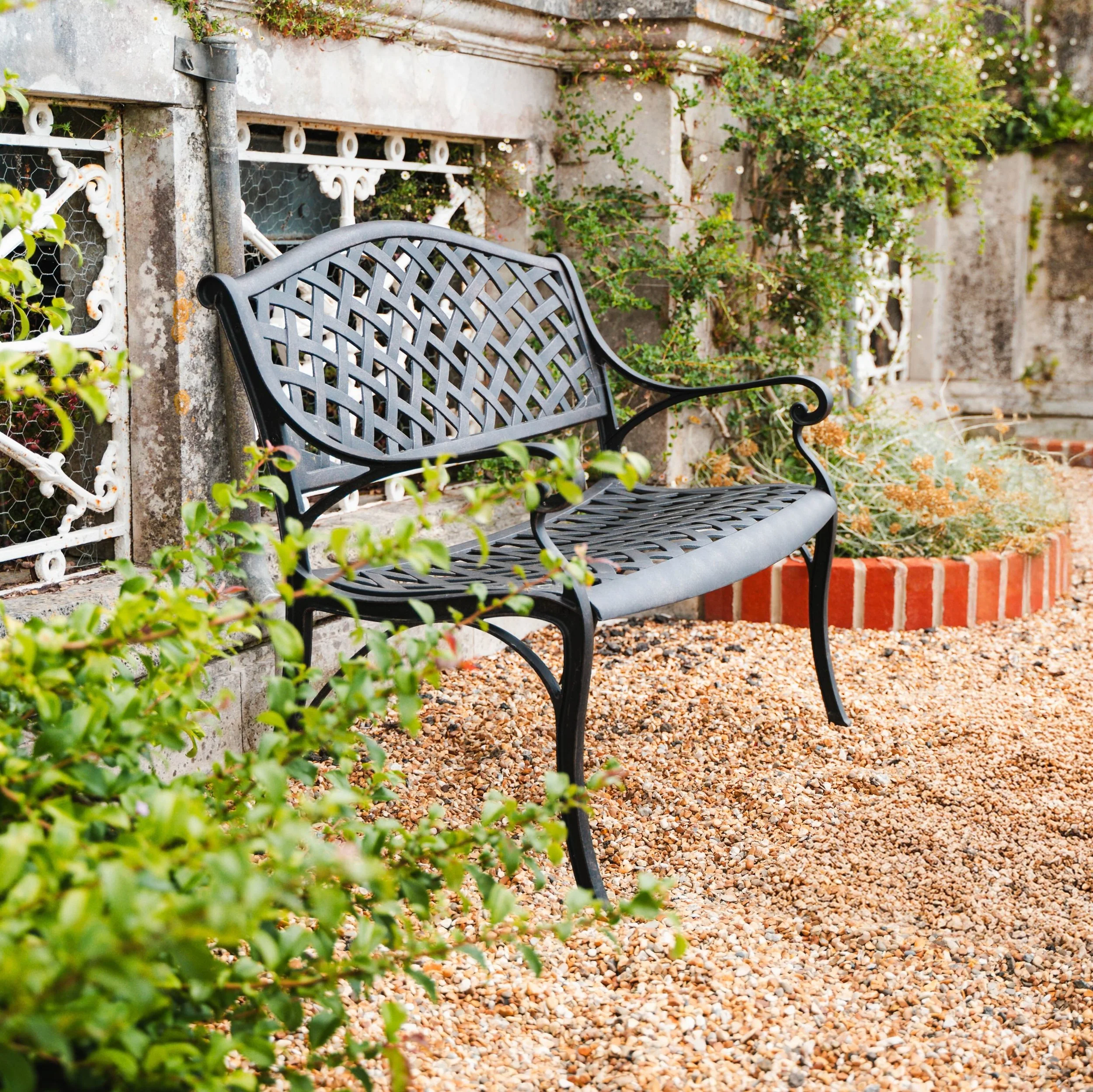
Lazy Susan offers minimal upkeep and maximum style, so you can sit back and enjoy your garden all year round with a bench worth £279
Spring is here and with it, the prospect of getting outdoors and enjoying fresh air, sunshine, and all that your outdoor space has to offer. For many, the arrival of warmer weather means laborious chores maintaining garden furniture ready for the year ahead. However, if you’d prefer to be sowing and potting rather than sanding and treating, then Lazy Susan garden furniture may be the answer.
After years of struggling to maintain his teak garden table, it became clear to business owner Michael Scott that the long-term solution was not fighting a losing battle with wood, but using cast aluminium instead. After much searching, product testing and deliberation, Lazy Susan was born and now features timeless designs that are maintenance-free, rust-proof and can be left outside all year round.
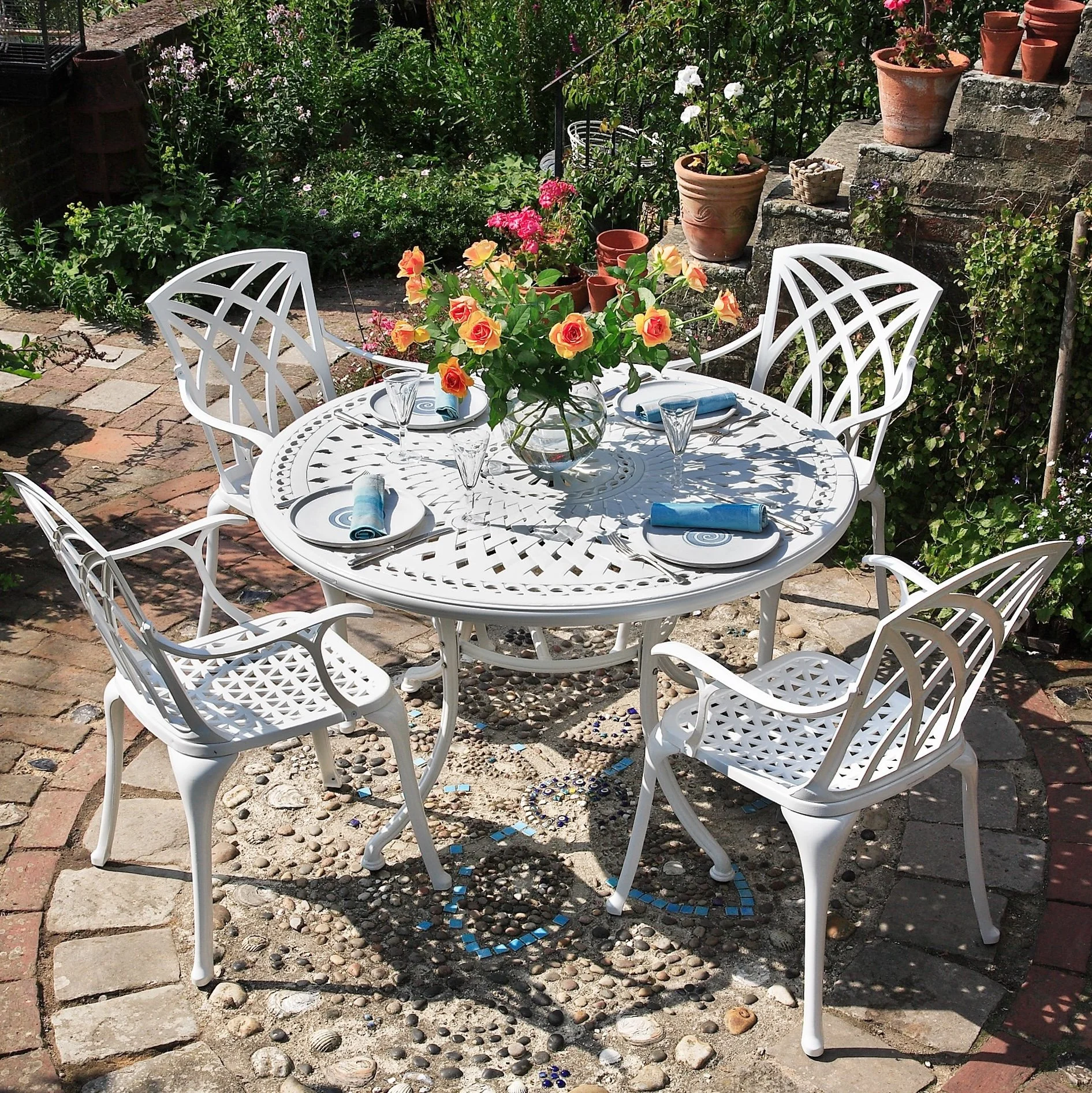
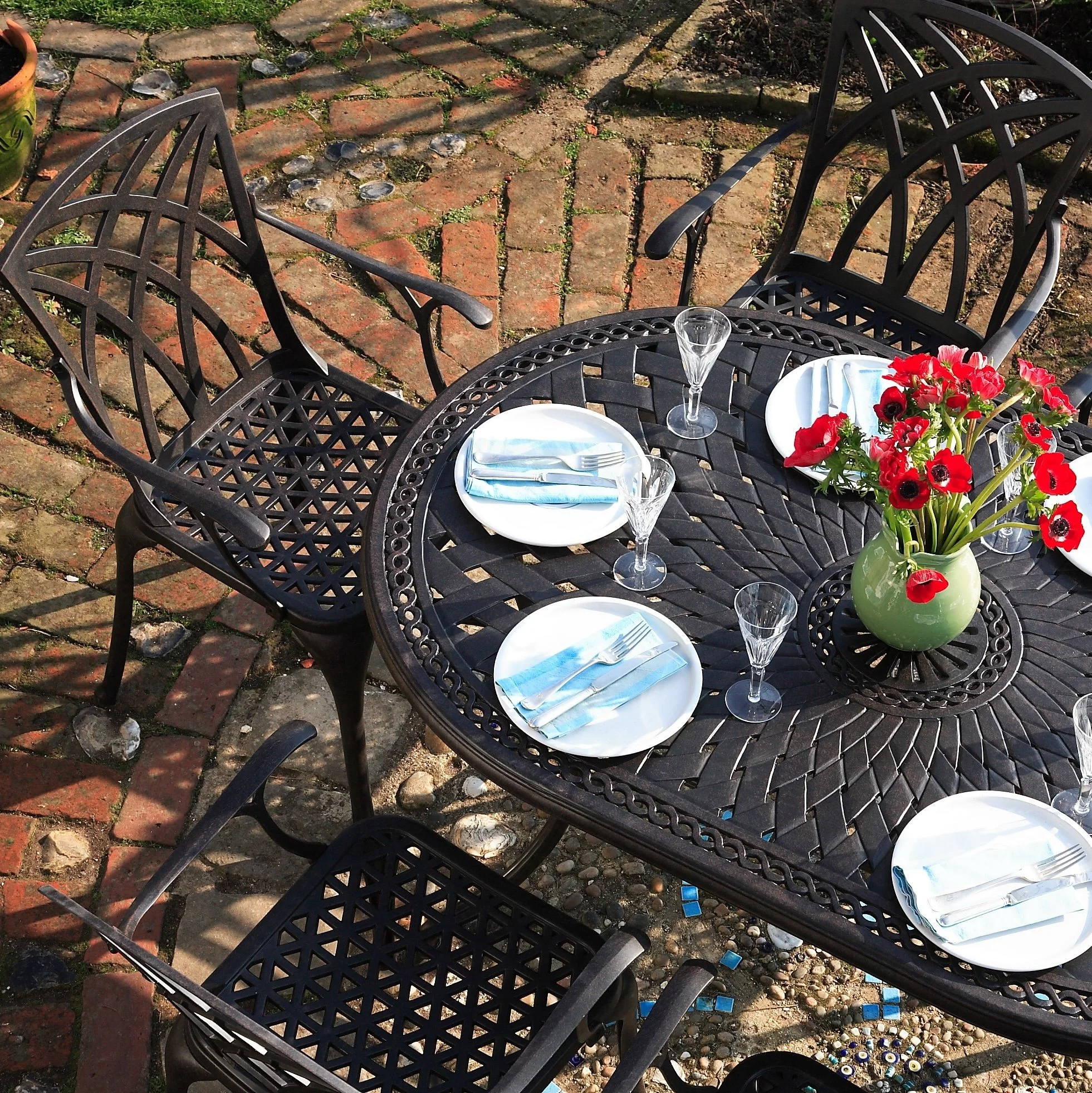
From a charming circular four-seater, through to a spacious table for twelve, Lazy Susan has a large variety of outdoor furniture to choose from. What’s more, when you buy a set there are great discounts on extras – such as a coordinating bench for additional seating, as well as on parasols and cushions in gorgeous tonal colours.
If this sounds right up your garden path, then The Simple Things has teamed up with Lazy Susan to offer four lucky readers the chance to win a Jasmine bench in antique bronze (rrp: £279.95). This comfortable seat can be used alongside any garden table set or as a standalone piece, and will undoubtedly be somewhere to sit and enjoy your outside space this year and for many years to come.
For more, visit lazysusanfurniture.co.uk or follow on Instagram at: @lazysusanfurniture.
For your chance to win one of four Lazy Susan Jasmine benches, worth over £279 each, enter our competition by clicking the button below and answering the following question by the closing date of 15 May 2026.
Question: What is the name of the bench that is up for grabs?
The competition closes at 11.59pm on 15 May 2026. Four winners will be selected at random from all correct entries received and notified soon after. Subject to availability. The winners cannot transfer
the prize or swap it for cash. Details of our full terms and conditions are on p125 of the magazine and online at icebergpress.co.uk/comprules.

Weleda’s iconic Skin Food range has been nourishing skin for 100 years and we’re marking the celebrations with two product bundles up for grabs
This year, Weleda – the original green beauty brand – really has something to celebrate as its iconic Skin Food marks its 100th anniversary. And you could be celebrating, too, as we’ve teamed up with Weleda to offer two lucky readers the chance to win a bundle of its nourishing Skin Food products, worth over £160 each.
Having nurtured dry skin for over a century, Skin Food’s award-winning formula remains unchanged – proof that healthy-looking, glowing skin never goes out of style. Created with microbiome-friendly ingredients, including its signature botanicals: calendula, chamomile, rosemary and viola tricolor, it helps to restore the skin’s protective barrier. And, as its popularity continues to grow, so too does
its product family. Over the past year, four new products have also joined the Skin Food family: Skin Food Super Serum; Skin Food Glow Serum Drops; Skin Food Lip Stick; and Skin Food Super Eye Cream.
A leading manufacturer of certified natural skincare and holistic healthcare products in over 50 countries, Weleda has harnessed nature’s healing power through sustainable practices such as biodynamic farming and fair supply chains. As a B-Corp, Weleda is committed to sustainability, with products certified by NATRUE, cruelty-free, and free from artificial preservatives, GMOs,
and microplastics.
For your chance to win a Skin Food bundle featuring its best-selling products – and to see why a Skin Food product is bought globally every 2.5 seconds – enter our competition and you could soon be enjoying the nourishing goodness that has made Weleda a classic for over a century.
For more information, visit weleda.co.uk or follow on Instagram at: @weledauk.

For your chance to win one of two Weleda bundles, worth over £160 each, enter our competition by clicking the button below and answering the following question by the closing date of 15 May 2026.
Q: Which anniversary is Weleda Skin Food marking this year?

The competition closes at 11.59pm on 15 May 2026. Two winners will be selected at random from all correct entries received and notified soon after. Subject to availability. The winners cannot transfer their prize or swap it for cash. Details of our full terms and conditions are on p125 of the magazine and online at: icebergpress.co.uk/comprules.

Photography by Ula Soltys
A refreshing glass of fruity tea that can be served with or without booze
Serves 10
2 peach or lemon and honey teabags
2 tbsp sugar syrup
Ice
Sparkling water
Cava (optional)
Violets (optional)
1 In a teapot, add 250ml boiling water to the teabags and leave to steep.
2 Add the sugar syrup and stir.
3 To serve, add an ice cube or two to your glass of choice and add the tea mixture to either sparkling water or cold cava. To be extra fancy, decorate each glass with a violet flower.
This recipe was just one of the ideas from our March ‘Gathering’ feature, ‘Swap Shop’, a menu for a clothes swapping session with friends. It also includes recipes for Salmon Scotch Eggs with Lime Wasabi Mayo, Wild Garlic & Lancashire Cheese Mini Quiches, Gin & Lemon Squares and Affogato.
Buy this month's The Simple Things -buy, download or subscribe

Illustration by Harriet Russell
Learning a little about a language can enhance a holiday abroad or help you connect with new friends or family. But sometimes it’s nice to learn something ‘just for fun’. Here are a few languages you can learn in order to impress, amuse or just look a bit quirky next time you are required to list your hobbies.
Ancient languages
Dead languages are not for the faint-hearted. Many are the school students who have nodded along sagely to the ditty: “Latin is a language as dead as dead can be. First it killed the Romans and now it’s killing me.”
But if you fancy yourself as a bit clever and have a curious mind, it can be really fun. Many will have letters or whole alphabets that are new to you. Some may even have hieroglyphs to learn. Despite its reputation, Latin is actually one of the easiest dead languages to learn. There are many books and online courses out there to sign up to and you’ll probably find a local adult education centre that runs courses if you want to learn alongside others.
Other dead or ancient languages to consider giving a go are: Old English, Old Norse, Sanskrit, Biblical Hebrew or Classical Chinese.
Very niche languages
Starting close to home, Cornish is a great language to learn. It’s been almost critically endangered at points but thanks to apps and websites like GoCornish, is seeing a bit of a resurgence. Apart from sounding very impressive when on holiday there, it also will allow you to understand Modern Cornish music, a mix of pop and traditional Cornish folk songs. If you’re not familiar with it, it’s worth a listen.
Greenlandic is a little-spoken language that’s fun to learn because of its polysynthetic nature, meaning the words are composed of many parts which may have independent meaning but cannot necessarily stand alone.
Indigenous languages such as Noongar, spoken in a small corner of Western Australia, are fascinating to learn and have the additional benefit of helping to keep a language (and sometimes an entire culture) alive.
Or perhaps try Breton, Belarusian or Basque.
Constructed languages
Also known as ‘con-lans’, these are languages that were intentionally created, rather than having developed organically over time. The most famous example is Esperanto, created in the late 19th Century to be a universal second language. There are only around 10,000 fluent speakers but it’s thought up to a million understand ‘enough to get by’.
Not-your-usual languages
Languages that don’t feature ‘written or spoken’ words as we know them actually number many more than you might think. Most obviously there are the various sign languages and BSL (British Sign Language) is very easy to access and learn via britishsign.co.uk. Then there are computer languages and codes, of course.
But did you know there is a language constructed entirely of whistles? Silbo Gomera is a language that includes vowels, consonants and has its own system of grammar but is made only by whistling. It is spoken on the island of La Gomera in the canaries where for years its inhabitants announced, births, deaths, weather events and village gossip in this way across its steep valleys and difficult terrain. Despite there being other methods of communication now, schoolchildren of La Gomera still learn it today to stop it dying out.
Quipus, meanwhile, were used by the Inka Empire to record data, records and stories using a system of knots made on coloured threads or strings made from llama hair. Once the message was made they could be sent by runner to the intended recipient.
Made-up languages
Many well-known books, films and TV series include made-up languages from Elvish in Tolkien’s literary world to some of the words used in JK Rowling’s Harry Potter universe. Strictly speaking, these are all constructed languages (see above) but are completely pointless in the real world. However, there’s a lot of joy to be had in the completely pointless. On the language app, Duo Lingo, you can currently learn Dothraki (from Game of Thrones) or Kling-On (from Star Trek). Now: ghojchoH! (begin learning!)
If you’d like to learn more about how learning a new language can improve your wellbeing, you might enjoy our feature ‘More Than Words’ in our March issue, by Rebecca Frank.
Buy this month's The Simple Things -buy, download or subscribe

Tumble into the magical world of Just So Festival this summer and give your family an unforgettable adventure. Set within the enchanting grounds of Rode Hall Estate in Cheshire, the festival returns from Friday 21 - Sunday 23 August 2026 for a weekend bursting with imagination and creativity.

Just So is a festival of wild freedom and glittering wonder, created especially for children and their families. It’s a weekend full of joyful play, vibrant music, breathtaking circus and captivating performances. Come and discover magic round every corner - in the dappled sunlight of woodland glades, in the crackle of a campfire, in a whispered story under a canopy of stars.

The Prize:
One lucky winner will receive 2 adult and 2 child weekend camping tickets to Just So Festival, valid Friday 21 - Sunday 23 August 2026. Please note, winners must provide their own camping equipment. The prize does not include a parking pass; parking must be purchased separately via the festival website and is subject to availability. The prize is non-transferable, non-exchangeable and cannot be redeemed for monetary value.
Don’t miss this incredible opportunity to step away from the everyday and immerse your family in a weekend of wonder and shared discovery. Enter today and start counting down to a summer adventure like no other.

For a chance to win, click on the button below and answer the following question:
Q: Which country does the Just So festival take place in?

The competition closes at 11.59pm on 30 April 2026. The winner will be selected at random from all correct entries received and notified soon after. Subject to availability. The winner cannot transfer the prize or swap for cash. Details of our full terms and conditions are on p125 and online at: icebergpress.co.uk/comprules.

Photography by Jonathan Cherry
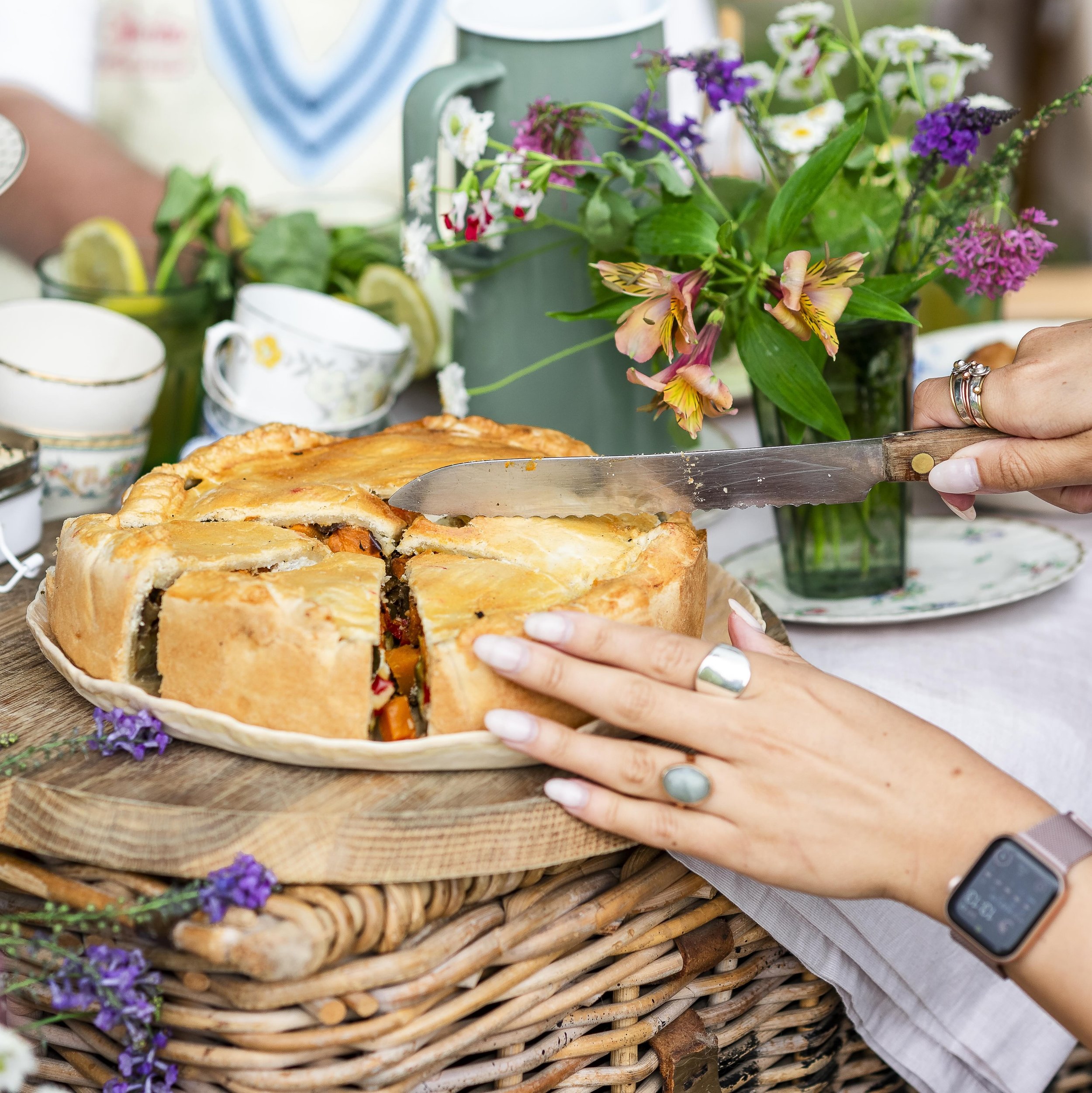
To mark British Pie Week (2-8 March) we’re taking a tour of regional pies and paying homage to a few of our favourites and a few going on our Pie To Try lists
Bedfordshire Clanger
This two-course pie was originally made for 19th century farm workers to save them coming back from the field for their lunch. Clangers are rectangular, like a sausage roll, with a savoury filling in one end (often liver, bacon or pork) and sweet at the other (usually jam or fruit), baked in a suet crust. Their name is thought to derive from their slightly heavy consistency. Subtle, they are not.
Shropshire’s Fidget Pie
Shropshire is the most famous of the ‘fidget’ pies, though they’re popular all over the Midlands. There are several theories behind the name ‘fidget pie’. Some suggest it’s because they were five-sided or ‘fitched’, others claim it’s to do with the way the ingredients jump around during cooking. The least enticing theory is that they smell like a ‘fitchett’ or polecat. Delicious! Recipes vary but the main ingredients are gammon, apple, potato and onion.
Cornwall’s Stargazy Pie
Now served all over the south west, Stargazy pie is officially and originally made in Mousehole. One stormy December night, when the cut-off village was close to starvation, a brave fisherman called Tom Bawcock put his boat out to sea and returned with enough fish for the whole village. His catch was baked into one huge pie and the villagers feasted. The inhabitants of Mousehole cook a Stargazy pie (with the heads and tails of pilchards poking out of the pastry top to see the stars) every 23 December in his honour.
Scotch Pie
These ‘hand-held’ hot water crust pies usually contain beef or lamb (once mutton) and are a common sight at football matches. The pastry lid sits a few centimetres below the edges of the pie allowing for a topping of gravy or baked beans (all your major food groups, there). They date back around 500 years and still fill Scottish bakeries today, sometimes known as a ‘shell pie’.
Welsh Oggie
Much like a Cornish pasty, Welsh Oggies were originally eaten by tin miners enabling them to take a hot lunch down the mines with them that was easy to eat. Oggies tended to be bigger than pasties (presumably Welsh miners were hungrier than their Cornish counterparts), and contained lamb and leeks rather than beef, carrots, potato and onion.
Lancashire Butter Pie (Preston Catholic Pie)
One of the cheapest and most cheering pie recipes around, this Northern pie contains simply potatoes, onions and (rather a lot of) butter. Served on Fridays when Catholics traditionally did not eat meat, it’s known in Preston as Catholic Pie or even Friday Pie. It’s also a favourite snack at Preston North End Football Club.
Devonshire Squab Pie
Traditionally made with young pigeons (hence ‘squab’) but now containing mutton or lamb, this pie also includes apples, onions, prunes and (of course) clotted cream. Those on a health kick may replace it with a dash of double cream. Some still mistakenly refer to the dish as a ‘squabble’ pie, in the belief that the recipe emerged from a disagreement between a meat-pie-loving husband and an apple-pie-loving wife. You can see the confusion, given that there’s not a squab in sight now, but sadly, it’s a misnomer.
Leicestershire’s Melton Mowbray Pork Pie
The humble pork pie dates back to medieval times but it is the Melton Mowbray version that stands as Pie King, head and shoulders above other, lesser, pork pies. In fact, it was so admired that in 2008 they were given EU geographic protection status, meaning they could only be sold as ‘Melton Mowbray’ pork pies if they adhered to certain criteria AND were made within a ten-mile radius of the town. A hot water crust encases the chopped pork and aspic filling and they are baked freestanding, not in a mould, which is what gives them their slightly bowed appearance. Possibly originally made for local fox-hunters, they are now a picnic basket staple. Brook no substitutes.
Yorkshire’s Knaresborough Picnic Pie
A summery pie, ideal for slicing and eating outdoors. The basic recipe is simply layers of boiled ham and sliced eggs, baked in pastry, but various bakeries add their own ingredients to make it ‘theirs’. Delicious with a good chutney.
Sussex Churdle
A ‘dry’ savoury pie which dates back to the 17th century made of one sheet of pastry filled with liver, bacon and onion. Once baked you create a ‘chimney’ in the middle and pour in melted cheese. We’re unsure if this is pie genius or pie heresy.
In our March issue, we take a trip to Melton Mowbray to visit the British Pie Awards and see the judging in action. The feature is by Julian Owen and the photography by Jonathan Cherry. The issue is in shops now.
Buy this month's The Simple Things -buy, download or subscribe

Photograph by Alamy
Add some wonder to your wanders with literary trails for bookish walkers
Book-based routes are a chance to not only stretch your legs but expand your mind, with the option to discover literature that’s new to you, or experience a familiar work in the context of nature. Stover Country Park, near Newton Abbot in Devon, is host to a two-mile Ted Hughes Poetry Trail, following 16 posts, showing his poems about the natural world – there’s a children’s version, too. Meanwhile, the Rye Harbour Poetry Trail was created by a group of writers who meet at the harbour’s nature reserve, and a collection of 13 poems that take visitors on a wheelchair-accessible two-mile circuit. You can listen to the verse recited by the authors via a QR code at each post. Another collaboration includes the Norwich Bestiary Trail, a project in which a writer has worked with young people aged 14-18 to write a dozen poems about animals – most associated with the medieval city, and some ‘imagined into its past’, that are featured in different locations around its streets.
If you’ve a thirst for ginger beer and an appetite for adventure, try the Enid Blyton Trail in Dorset – the county was the inspiration for much of her Famous Five series (Kirrin Island was based on Corfe Castle).
Having trouble appealing to a wide range of tastes? The Jane Eyre Hathersage Trail in the Peak District may be the answer as it combines places that featured in Charlotte Brontë’s famous novel, as well as locations used in Robin Hood as well as the 1995 TV version of Pride And Prejudice.
The above extract is taken from our feature ‘On The Trail’ from our March issue, which explores organised trails you can follow all over the country on various themes.
Buy this month's The Simple Things -buy, download or subscribe
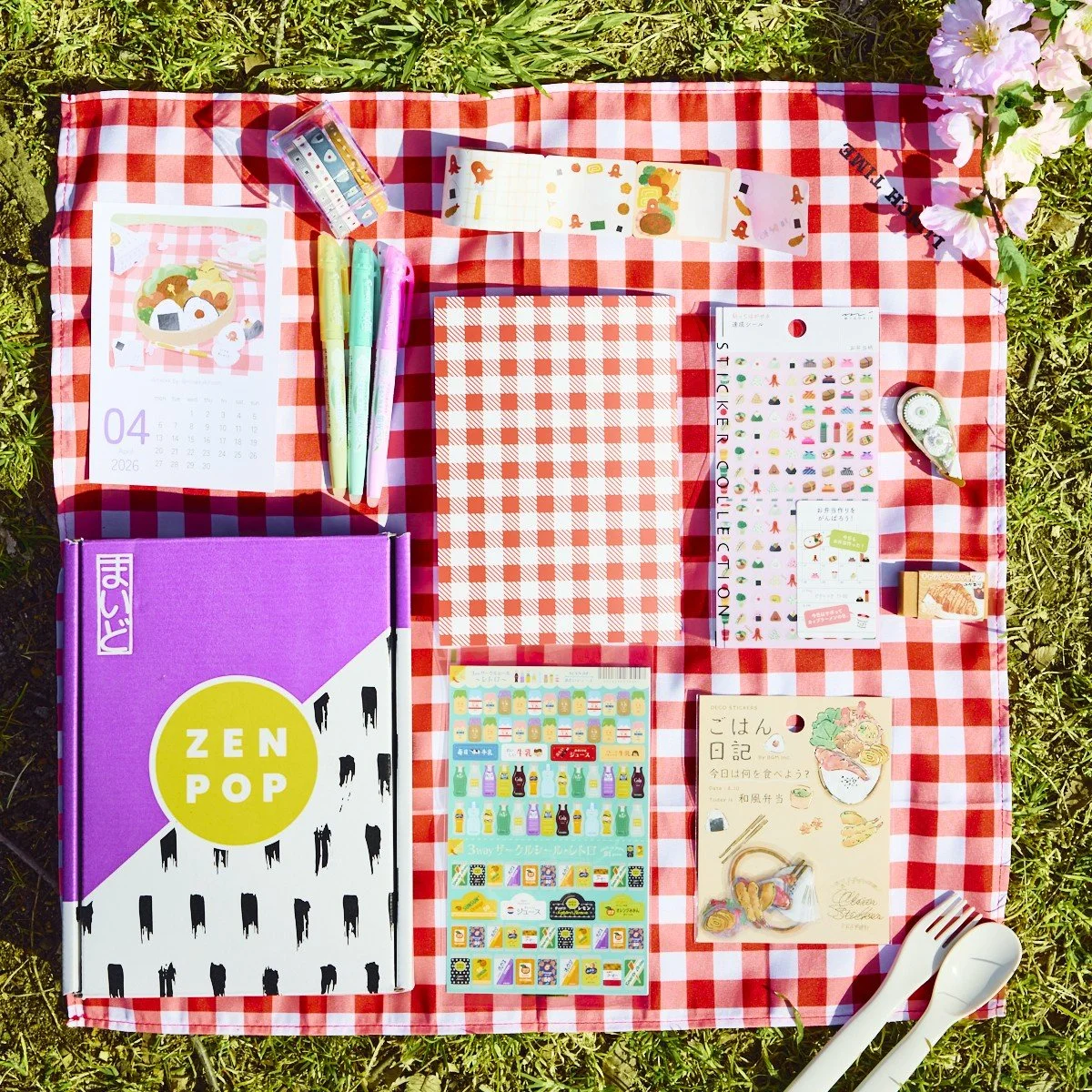
What if a box of happiness really does exist? Founded on the belief that small, beautiful tools can bring everyday joy, ZenPop introduces a curated selection of stationery as more than just functional objects. From their monthly subscription stationery boxes to individual stationery items listed in their online store —each piece is chosen to inspire creativity, calm, and personal expression.
At the heart of ZenPop is a love for otona kawaii, a Japanese aesthetic often described as grown-up cuteness. It blends gentle colours, charming details, and playful design with a sense of calm and maturity. These are items that feel comforting rather than flashy, and special without being overly precious.

ZenPop’s monthly subscription box is perfect for those who enjoy discovery. Each box includes 9 thoughtfully curated items, all inspired by a new theme every month. Fan-favourite themes include Flower Whispers, inspired by Japanese flower language, Marine Dream with its ocean motifs, and Pan Café, a celebration of bread and café culture. The selection process is hands-on and deliberate: the team sources items directly from Japan, working closely with manufacturers and designers, testing tools, and focusing on how each item feels in everyday use. The box is designed for journaling, planning, letter writing, gifting, and creative routines.
For those who prefer to choose their stationery at their own pace, ZenPop’s online stationery store offers single items you can shop for anytime. The online store also features a selection of past stationery boxes. Many customers discover new favourites through the subscription box, then return to the store to explore similar items or restock tools they love.
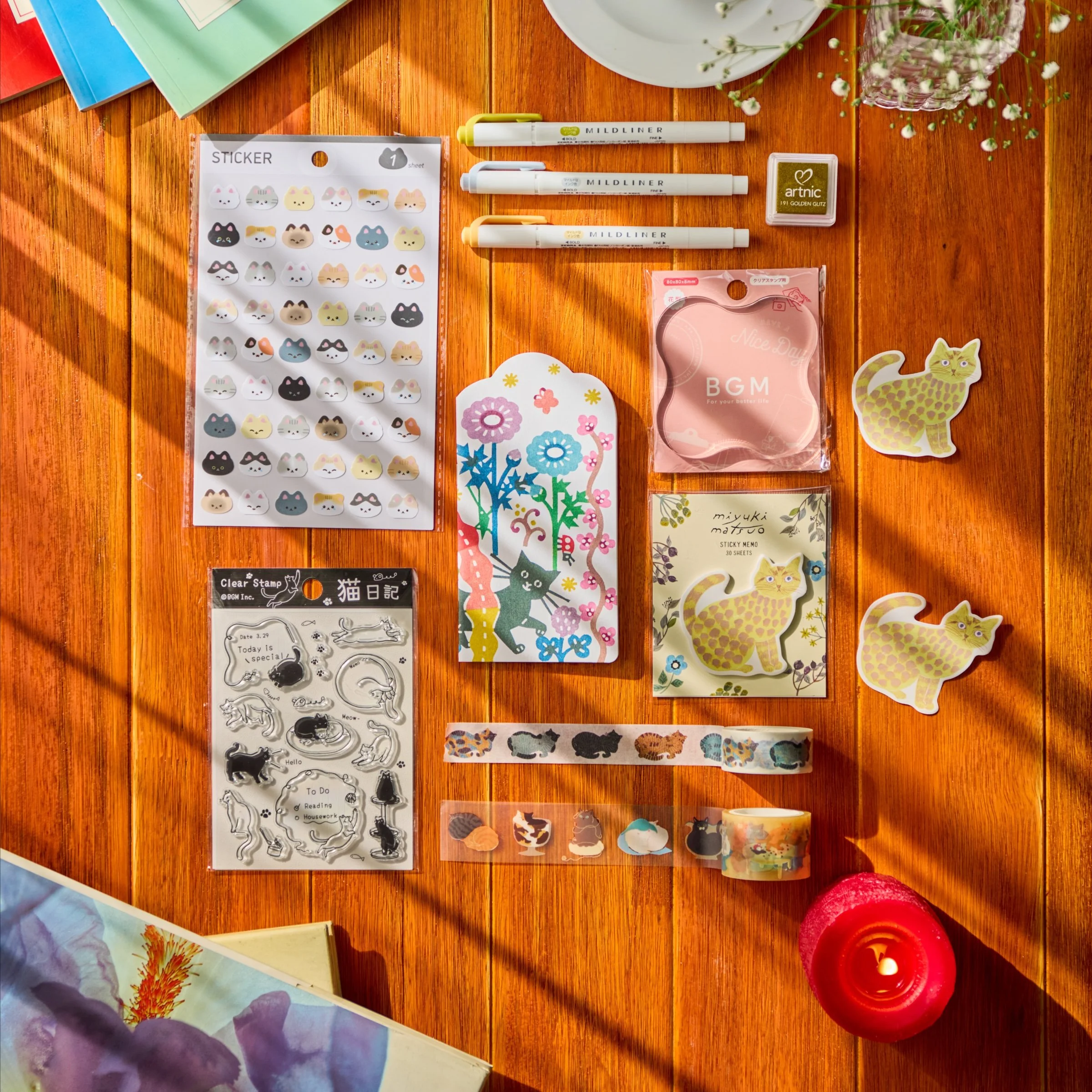
Behind the offering is a simple idea. ZenPop began with the belief that the small, beautiful things we use every day can shape the way we feel. Not as a grand mission, but as a small kindness. A way to bring moments of delight to desks far away from Japan.
Over time, a community naturally formed. ZenPop now shares inspiration beyond products through its newsletter, blog, and online community, offering stationery news, guides, and gentle tips for creative routines. It is a space for people who love cozy desk setups, handwritten notes, soft textures, and the quiet joy of making something by hand.
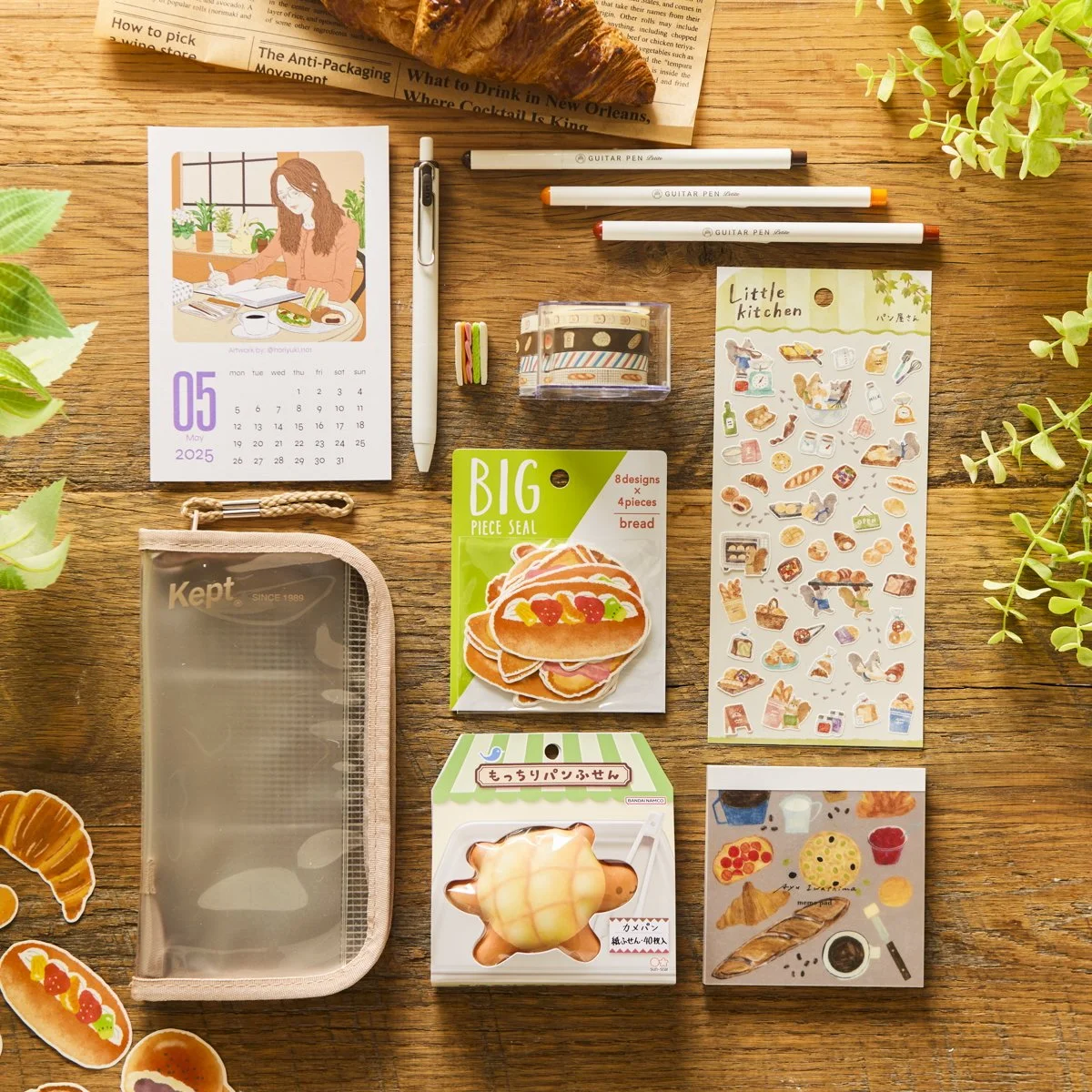
Today, ZenPop has served customers worldwide for almost 10 years as both a subscription box and an online shop—always offering one box closer to Japan, and curating inspiration waiting to be unboxed. Explore stationery from Japan in a way that feels personal and thoughtful with ZenPop.

Fresh chamomile tea is a real treat and it’s well worth growing your own…
• Scatter German Chamomile seed on the surface of a tray filled with damp, peat-free compost in March-May.
• Transplant the seedlings into the garden when large enough to handle and the risk of frost has passed. Water young plants in dry weather and remove and relocate slugs as necessary.
• Once established, the plants are fairly drought tolerant and don’t need much attention.
• Harvest the flower heads when they have a bright yellow centre, on a dry, sunny morning. Avoid picking any with green centres, or any leaves and stems, as these will make the tea bitter. Pour boiling water on the fresh flowers and leave to infuse for a few minutes, then strain.
• The chamomile plant will continue to produce flowers throughout the growing season, but once you stop picking the flowers, it will readily self-seed.
The growing instructions above were taken from our March issue’s ‘My Plot’ pages, which we’ve called ‘The Tea Garden’. The feature follows husband and wife team, Ceri and Ben Richards, who grow, dry and blend premium herbal teas on their wildlife-friendly farm in east Devon. They sell their brews under the name Gathered & Grown, and farm without using artificial herbicides, pesticides, fertilisers or peat. You can find them at gatheredandgrown.co.uk or follow them on Instagram at: @gatheredandgrownherbs. Words & photography by Ceri Richards Additional photography by Ben Richards.
Buy this month's The Simple Things -buy, download or subscribe
Photography by Ali Allen
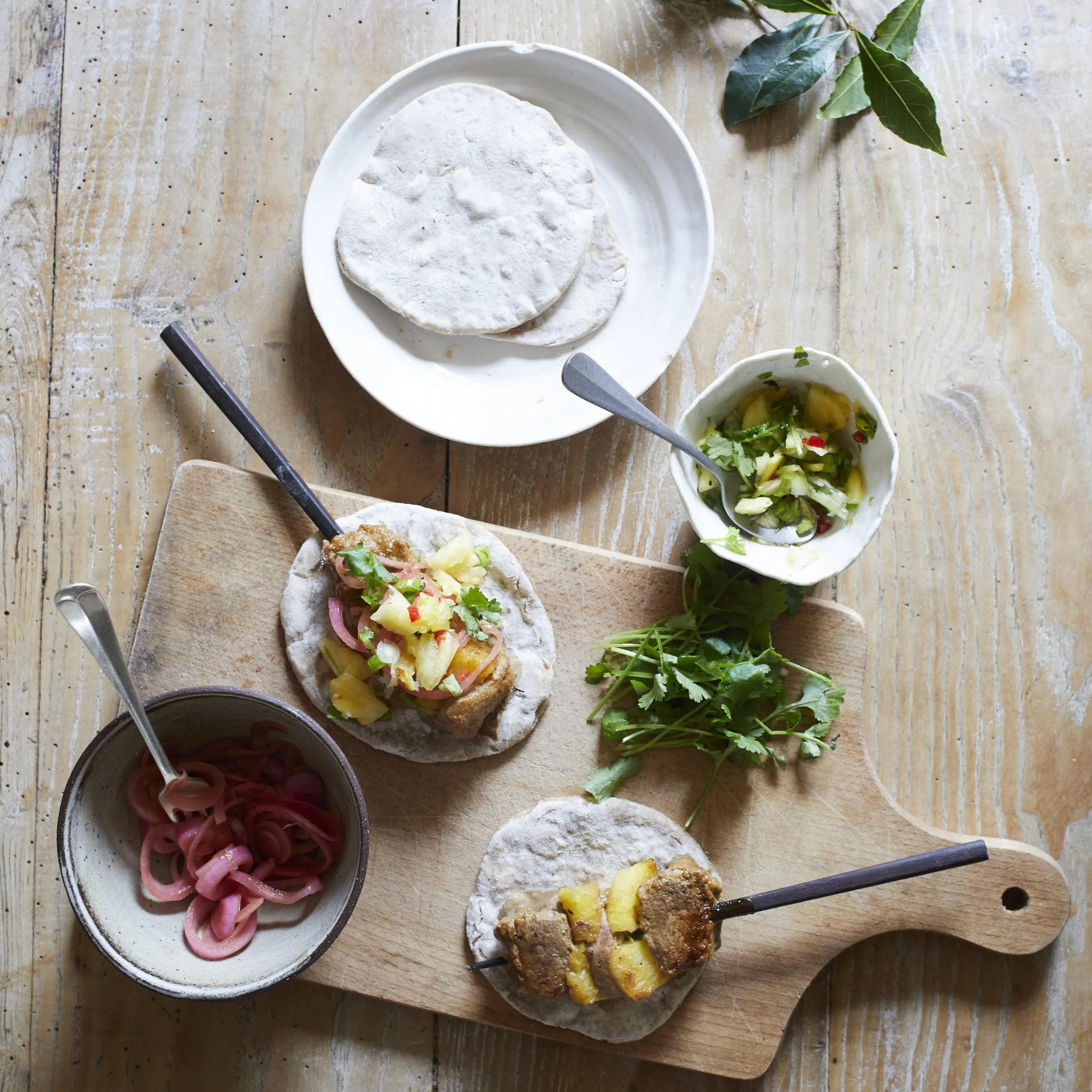
Inspired by Tacos al Pastor, this is a smokier and more simplified sauce as the traditional version has harder-to-access ingredients.
SERVES 2-4
250g diced pork or diced chicken or shiitake mushrooms
150g roast pineapple BBQ sauce (see February issue)
200g fresh pineapple, cut into 2-3cm cubes
1 tbsp olive oil
For the pink taco pickles:
1 large or 2 small red onion(s), thinly sliced
100ml apple cider vinegar
½ tsp coriander seeds
4 cloves
For the fresh pineapple salsa:
200g fresh pineapple, finely diced
1 tbsp olive oil
4 spring onions, thinly sliced
1 fresh chilli, finely chopped or ½ tsp chilli flakes
Large handful fresh coriander, finely chopped
2 limes, zested and juiced
To serve:
4 small or 2 large tortilla wraps
You’ll also need:
4 bamboo skewers, or alternative
1 Mix the diced pork, chicken or mushrooms with the pineapple BBQ sauce until thoroughly coated. Cover and marinate in the fridge overnight or at room temperature for 1 hr.
2 Make the pickles next by mixing all of the ingredients together with a pinch of salt. Cover and leave to marinate for at least 1 hr, or overnight.
3 Soak the bamboo skewers. Thread the marinated pork, chicken or mushrooms onto the skewers with the pineapple, alternating between the two. Set aside.
4 Mix all of the ingredients for the salsa with the zest and juice of the limes. Add a little sea salt, to taste.
5 Preheat agrill to high. Drizzle the olive oil over the prepared skewers and grill for 5-7 mins on each side, or until nicely charred – if using pork or chicken, test the centre to ensure the meat is cooked through.
6 Warm the tortillas and place the skewers in the centre. Dust with a pinch of salt and top with pineapple salsa and the pink taco pickles.
The recipe above is taken from our March ‘Home Economics’ pages, which this month focus on tropical fruits to cheer the Hungry Gap. It also includes recipes for Mango Mojito Sorbet, Mango Sorbet with Honey & Olive Oil, South Indian Green Banana Curry, Banana Skin Chutney, Tepache, Roast Pineapple Barbecue Sauce, Fresh Coconut Laksa and Crab Cakes. The recipes are by Rachel de Thample and the photography is by Ali Allen.
Buy this month's The Simple Things -buy, download or subscribe
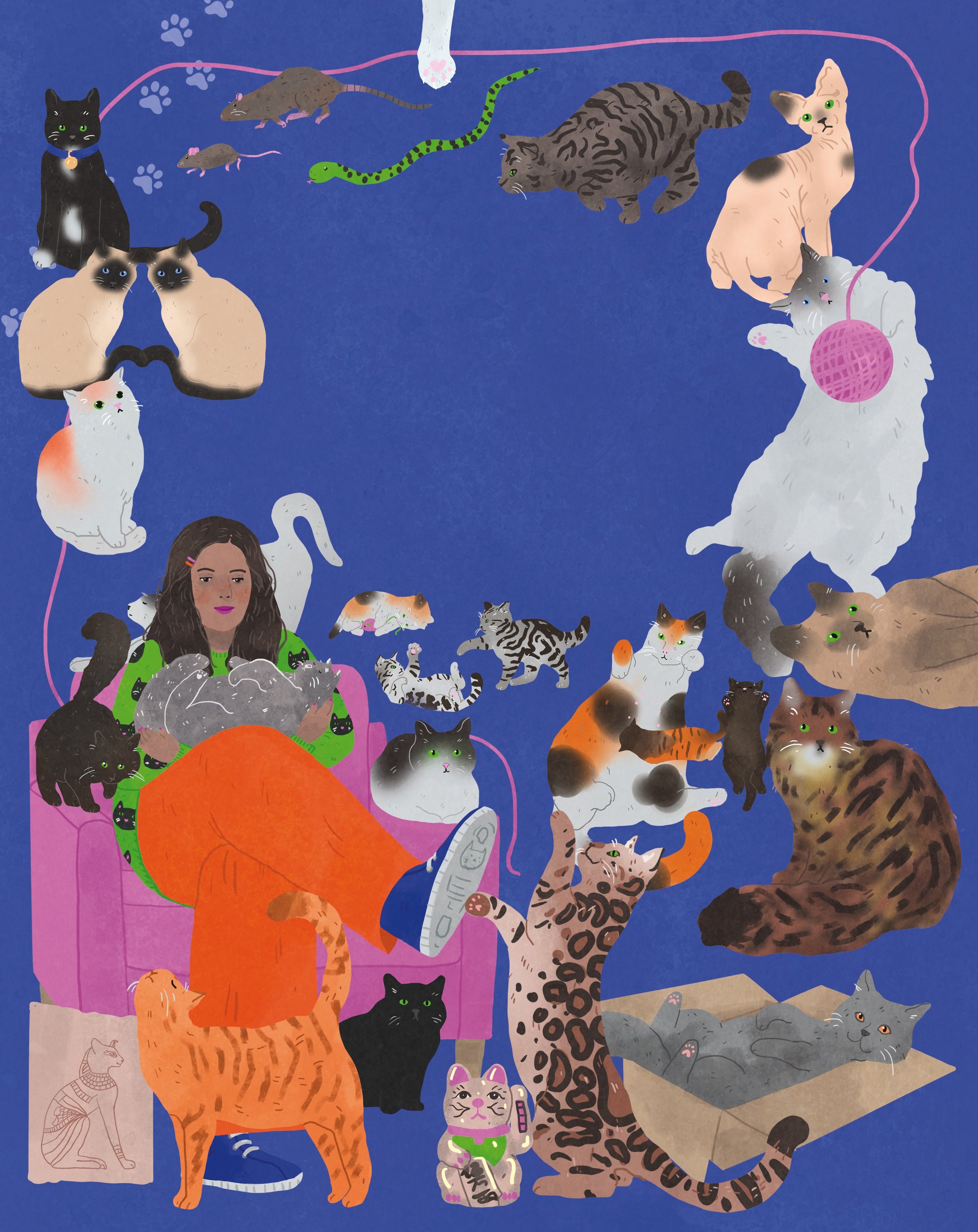
The ancient art of cat fiction is enjoying a resurgence in the UK. If you’ve missed it so far, here’s all you need to kniaow
Japanese cat fiction, also known as ‘healing fiction’ and ‘cosy fiction’ if you’re looking for it in book shops had a long history, dating back more than a thousand years.
They’re whimsical, comforting stories that provide escapism and generally feature bookshops, libraries, coffee houses… and cats, obviously. They’re usually contemporary and set in Japanese cityscapes but often have a magic-realist or time-travel element to them.
The first piece of Japanese cat fiction is arguably The Tale of Genji by Murasaki Shikibu, written in the early 11th century, and is quite likely the world’s first novel, too, so definitely set a trend.
In modern terms, however, it was I Am A Cat by Soseki Natsume published in 1905 and in English in 1961 that really kick-started the healing/cosy/cat genre. I Am A Cat eventually spawned ten books in the series.
In the last few years, you may have noticed Japanese cat fiction piling up on bookshops’ ‘recommended’ tables with titles such as We’ll Prescribe You A Cat and Days At The Morisaki Bookshop flying off shelves in the UK. And with our long, cold winters, frankly we don’t know how we’ve done without books about cats in bookshops and coffee shops for so long.
I Am A Cat by Natsumi Soseki
The Cat Who Saved Books by Sosuke Natsukawa
The Travelling Cat Chronicles by Hiro Arikawa
The Kamogawa Food Detectives by Hisashi Kashiwai
If Cats Disappeared From The World by Genki Kawamura
If you’d like to read more about cats in culture, you might enjoy our February issue’s ‘Know A Thing or Two’ feature by Iona Bower, which is all about cats. The issue is in shops now and available from our online store.
Buy this month's The Simple Things -buy, download or subscribe

Photograph by Louise Gorrod
A low-maintenance way to fill a room with subtle scents, this can be topped up as needed, so no need to keep buying new.
You will need:
Small funnel
Bottle or vessel with a narrow opening
30 essential oil drops – we used eucalyptus (10), rosemary (10) and lavender (10)
100ml sweet almond oil – we got ours from thesoapery.co.uk
1 tsp vodka
5 reed diffuser sticks
1 Using the funnel, pour the essential oils, the sweet almond oil and the alcohol into your bottle. Swirl gently to combine them thoroughly.
2 Insert the reed sticks, flipping them after 10 minutes to disperse the scent.
3 Flip the reeds weekly for a scent refresh. The reeds should last for up to three months.
Maker’s note: This combination of oils is known to help with exhaustion, so use it somewhere where you like to relax. You can use any vessel with a narrow neck – if you don’t already have something, charity shops can offer an inexpensive vintage find.
This weekend project is just one of the ideas for homemade scent makes from our February issue - you can also find out how to make incense sticks and wax melts. The projects, photography and styling are by Louise Gorrod.
Buy this month's The Simple Things -buy, download or subscribe

DJ: Frances Ambler
Image: Adobe Stock
To mark Mother’s Day on 15 March, our latest playlist is dedicated to mothers, mums, moms and mammas.
Have a listen here.
We make a playlist for every issue of The Simple Things. You’ll find this in our March 26 PEEK issue, available to buy here.

“Kindness is my ‘simple thing’. I believe it should be at the core of everything we do”
We catch up with Nuno Tavares, founder of Tours For You, to find out how kindness is key when it comes to tailored travel in Portugal and Spain
Hi, Nuno, tell us a little about yourself
Olá! I run Tours For You, a Portuguese-based travel company, which specialises in creating bespoke travel, events and experiences throughout Portugal and Spain.
That sounds exciting, how did this come about?
I started my career as a Telecoms Engineer, however, my true passion lay in travel. I loved exploring off-the-beaten-track, away from crowds, and instead of big-brand chains, I preferred boutique hotels with local charm. So, in 2003, I set up Tours For You to share these ideas with discerning travellers who wanted to experience Portugal in the same way. The business proved so successful that a couple of years later we expanded to include Spain. We also offer tailored incentive and event packages throughout Portugal for international corporate clients.
Wow, the company has really taken off!
Yes, 23 years feels like a lifetime. Luckily, we’ve had far more successes than failures – although every single step has taught us something along the way and, more importantly, they’ve helped us to build our respected reputation. Today, we’re an enthusiastic and passionate team of 35 – which still makes us a small enterprise, but not too small because we’re a niche operator.
What sort of experiences do you offer?
We don’t have ready-made packages or a list of options – not because we have too little to offer, but because we have too much! Our services start with a conversation, and we can craft something specifically shaped to the client’s needs. Whether it’s hosting a leadership retreat in Lisbon, organising a culinary team-building in Alentejo, or simply planning a break to discover the hidden gems that give Portugal and Spain their character, Tours For You can make it happen.

What a great story, you must have had many highlights over the years
Indeed, just four years after we started, Tours For You was invited to become part of Virtuoso, a prestigious travel consortium, and several other travel brands have since followed suit. We also get regular coverage in well-known travel magazines, which keep us in the public eye. Tours For You has also been nominated for Best Destination Management Company/Tour Operator many times, and I think this is a direct result of our creative, highly reliable and kind approach towards our clients. However, the greatest reward is always great feedback from happy clients.
Your motto is ‘kindness-made’, tell us more…
Kindness is my ‘simple thing’. I believe it should be at the core of everything we do – especially in the changing world that we find ourselves in. In fact, it’s my aim to always have it at the forefront of our minds and to inspire everyone around us: our staff, our travellers, our partners, our competitors and, of course, ourselves.

It’s clear Tours For You is a passion project. What else interests you?
I’ve also been fascinated by ecology and film making since I was a boy. Five years ago, I combined them both when I directed a documentary called The Soul of a Cyclist. I wanted it to convey an ecological message about how the simple things really are the best things in life. It was exhibited at film festivals around the world, from the UK to Japan, and won some great accolades.
That sounds fantastic. What else is on the horizon?
I want to learn more about permaculture and develop my ecological interests further. However, my focus is firmly on Tours For You and embracing our clients’ needs with the good values, practices and reliability that define us. When it comes to looking for new trends and experiences to offer our travellers, having a ‘startup mentality’ with the maturity and experience of a 23 year old company will hopefully stand us in good stead.
For more information and inspiration, visit toursforyou.pt or follow at: @toursforyoudmc
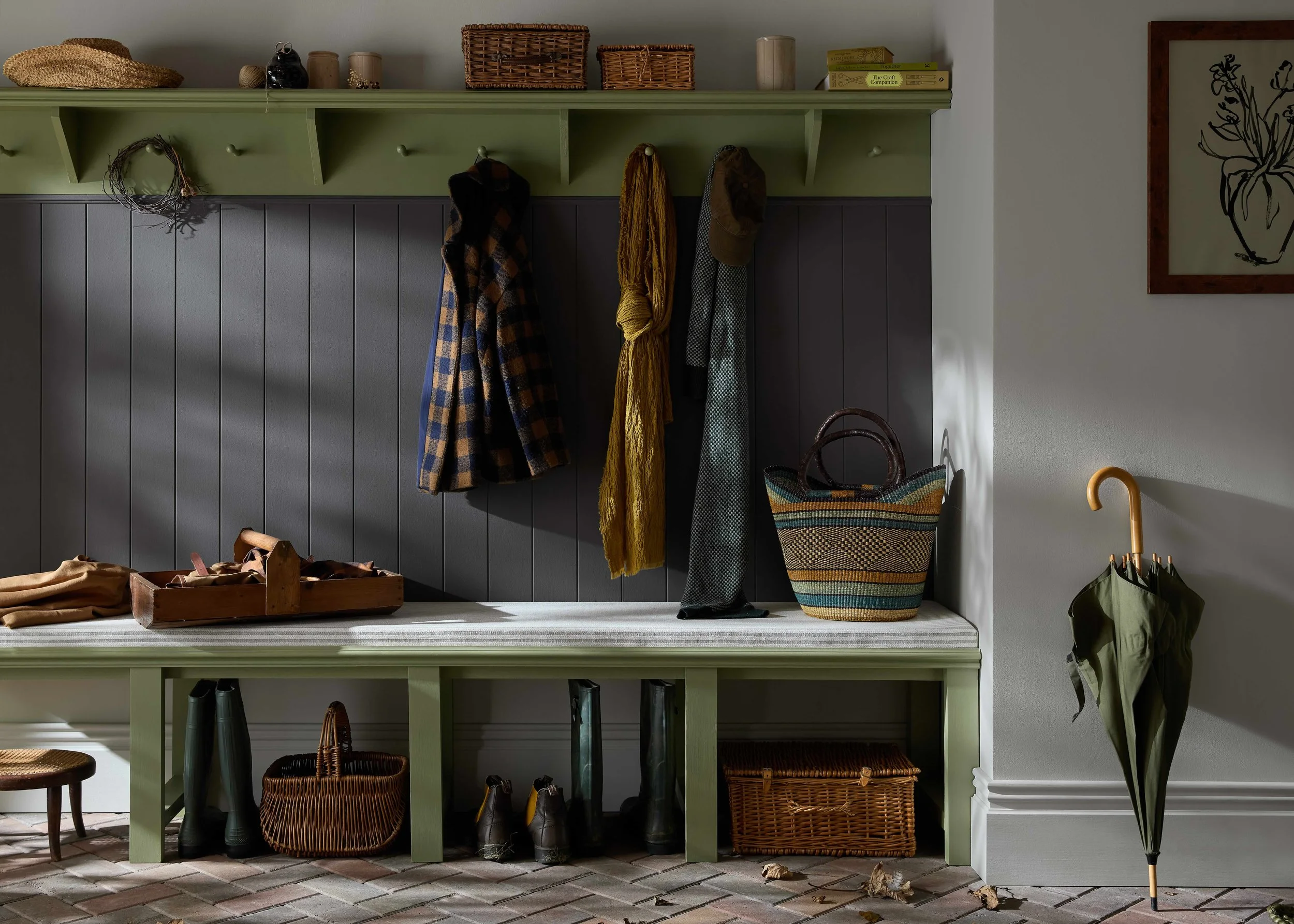
If you’re planning a room revamp, enter our competition to win an Earthborn eco-conscious paint kit – watching paint dry has never looked so good
To celebrate the launch of its latest colour collection, Earthborn has teamed up with The Simple Things to offer three lucky readers the chance to each win 5 litres of paint, in
any colour or finish, along with a ‘Brush and Roll with it’ kit, worth £135 each – a great starting point for a fresh, feel-good transformation at home.
Renowned for its high-quality, beautifully crafted and eco-conscious paint, Earthborn’s new launch introduces 12 new colours to its iconic range. A collection of fresh, vibrant and timeless shades, the palette has been designed to deliver both versatility and joy. These are colours that feel just as at home in a busy kitchen as they do in a restful bedroom, making it easier to create spaces that are personal, practical and full of character.

Each shade has been carefully developed to balance timeless style with modern appeal, offering colours that people can truly live with and love for years to come. The new palette includes shades that Earthborn fans have been asking for, alongside fresh takes on classic hues
and bold new colours, all finished with
an unmistakable Earthborn twist. The launch also sees two beloved shades return from the archive, brought back by popular demand.
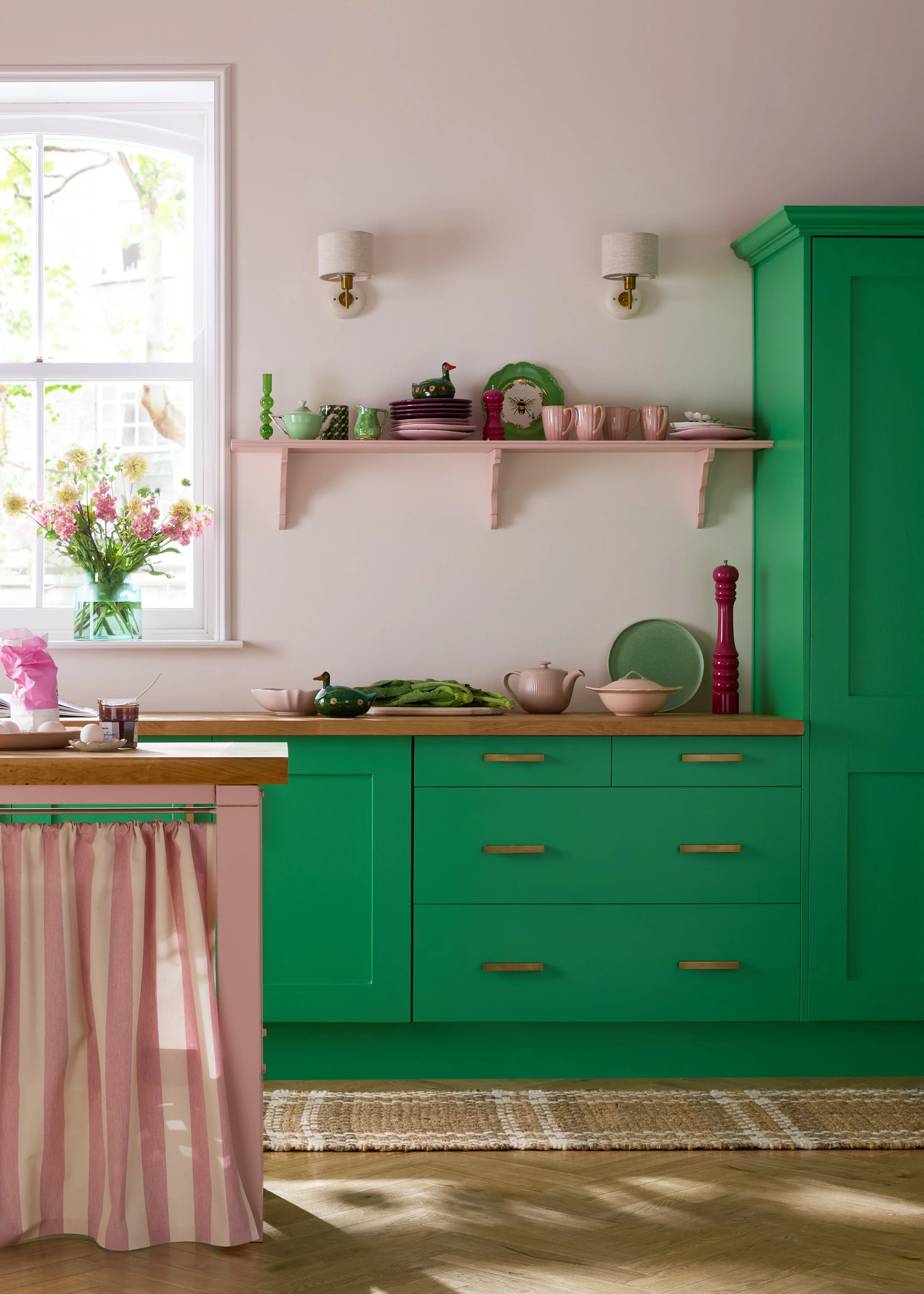
This competition is your chance to experience Earthborn’s beautifully different environmentally friendly paint. Whether you’re planning a complete room refresh or a smaller update, winning 5 litres of your chosen colour could be the spark your next project needs. Enter now and let Earthborn’s newest colours inspire your space.
Watch a video about the new shades here…
For more, visit earthbornpaints.co.uk or follow on Instagram at: @earthbornpaints
For the chance to win one of three Earthborn paint and painting kits, worth £135 each, enter our competition by clicking on the button below and answering the following question by the closing date of 10 April 2026.
Q: How many new colours are there within Earthborn’s new launch?
The competition closes at 11.59pm on 10 April 2026. Three winners will be selected at random from all correct entries received and notified soon after. Subject to availability. The winners cannot transfer the prize or swap for cash. Details of our full terms and conditions are on p125 and online at: icebergpress.co.uk/comprules.

Illustration: Constanza Goeppinger
Friends can help lift your mood, boost your health and get you through the dog days of winter. Here are a few ways to nurture your friendships or make new ones
Make plans and stick to them, no excuses or cancellations, unless it’s genuine.
Answer the phone and speak to friends, even when you’re tired or don’t have time.
Talk to people you don’t know very well, or at all, you may find there’s more common ground than you think.
Take the more social option. Shop for your food in person, have your coffee inside the café, take off your headphones, smile at people, and share meals with your family.
If you’re not feeling it, fake it. In one study when students were told to act extroverted for one week and introverted another week, they showed a big boost in mood while acting extrovert and a strong decline in mood while living as an introvert.
The friendly habits, above, are taken from our feature ‘Friends for Life’ by Rebecca Frank in our February issue.
Buy this month's The Simple Things -buy, download or subscribe

Photography by Catherine Frawley
The way to our hearts is always with cake and these tiny treats are full of love (and chocolate).
Makes 20
100g butter, cubed
200g caster sugar
150g self-raising flour
50g cocoa powder
2 eggs
1 tbsp rose water
2 tbsp milk
Butter, for greasing
For the butter icing:
150g butter, softened
300g icing sugar
1 tsp rose water
Gold edible spray, optional
1 Preheat the oven to 200C/Fan 180C/Gas 6. Meanwhile, grease a mini cupcake baking tray with butter and set aside.
2 Cream together the butter and sugar until smooth. In a separate bowl, mix together the flour and cocoa powder. In another bowl beat together the eggs and rose water. Alternate adding a spoon of flour and egg mix to the butter and sugar, beat until incorporated each time before adding the next spoonful.
3 If the mix is too thick, add a little milk to loosen it. Spoon the mix into the prepared mini cupcake tray and bake for 15 mins. Test with a skewer – if it comes out clean they are done, if not, bake for another few mins before testing again.
4 Allow to cool for 5 mins in the tray before removing to a cooling rack.
5 Make the butter icing by beating together the butter and half the icing sugar, add the rest slowly keeping a smooth, silky consistency, towards the end, add the rose water.
6 When the cakes are completely cool, add the icing to a piping bag with a star nozzle, pipe each cake and spray with gold spray, if using.
This recipe is one of the ideas from our feature ‘Tea and Tarot’ in our February issue, a menu for an afternoon tea with a twist. It also includes recipes for Citrus Fizz, Chamomile Chai Tea, White Bean & Cauliflower Soup, Rosemary & Cheese Scones, Buttermilk Scones with Lemon Curd, a trio of sandwiches and Sausage Rolls with Nutmeg and Caramelised Onions, The photography and recipes are by Catherine Frawley.
Buy this month's The Simple Things -buy, download or subscribe
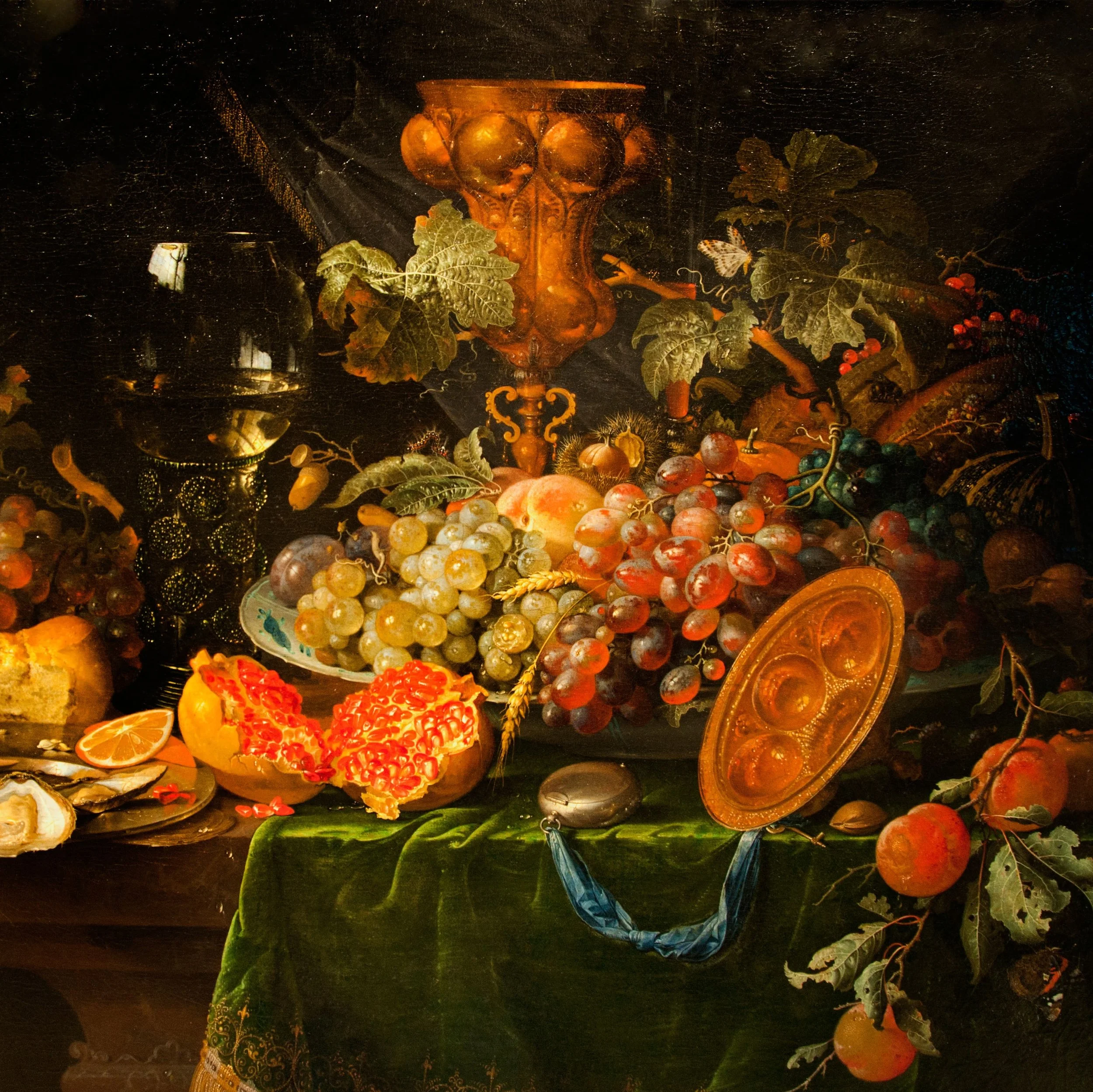
Image by Alamy
Who needs aphrodisiacs and foods of love when you can use a love potion?
Back in the mists of time, this was often the answer to a romantic conundrum. Through folklore, history and literature (think Shakespeare’s A Midsummer Night’s Dream) weird and wonderful concoctions were used to encourage a heart pounding attachment. Legend has it that French beauty, Madame de Montespan seduced King Louis XIV by spiking his food with a tincture which included blood, intestines and bits of toad. She went on to have seven children by him, so maybe there was something in it. Should you wish to investigate without sorceress support, start with a liquid, like water, tea or wine, before adding herbs and mythical ingredients that you may be hard pressed to find in the supermarket. The rare and lethal mandrake, perhaps? Or sparrow’s liver, dove’s heart, swallow’s womb and hare’s kidney, ground into a powder. A small vial added to a drink and your beloved is sure to swoon. Possibly for the wrong reasons.
Thanks to Bring Me Love by Icy Sedgwick (Watkins)
If you’d like to woo a lover with something more tasty and less off-putting, you might like to read our feature ‘Foods of Love’ by Lucy Brazier in our February issue, which is on shelf now.
Buy this month's The Simple Things -buy, download or subscribe
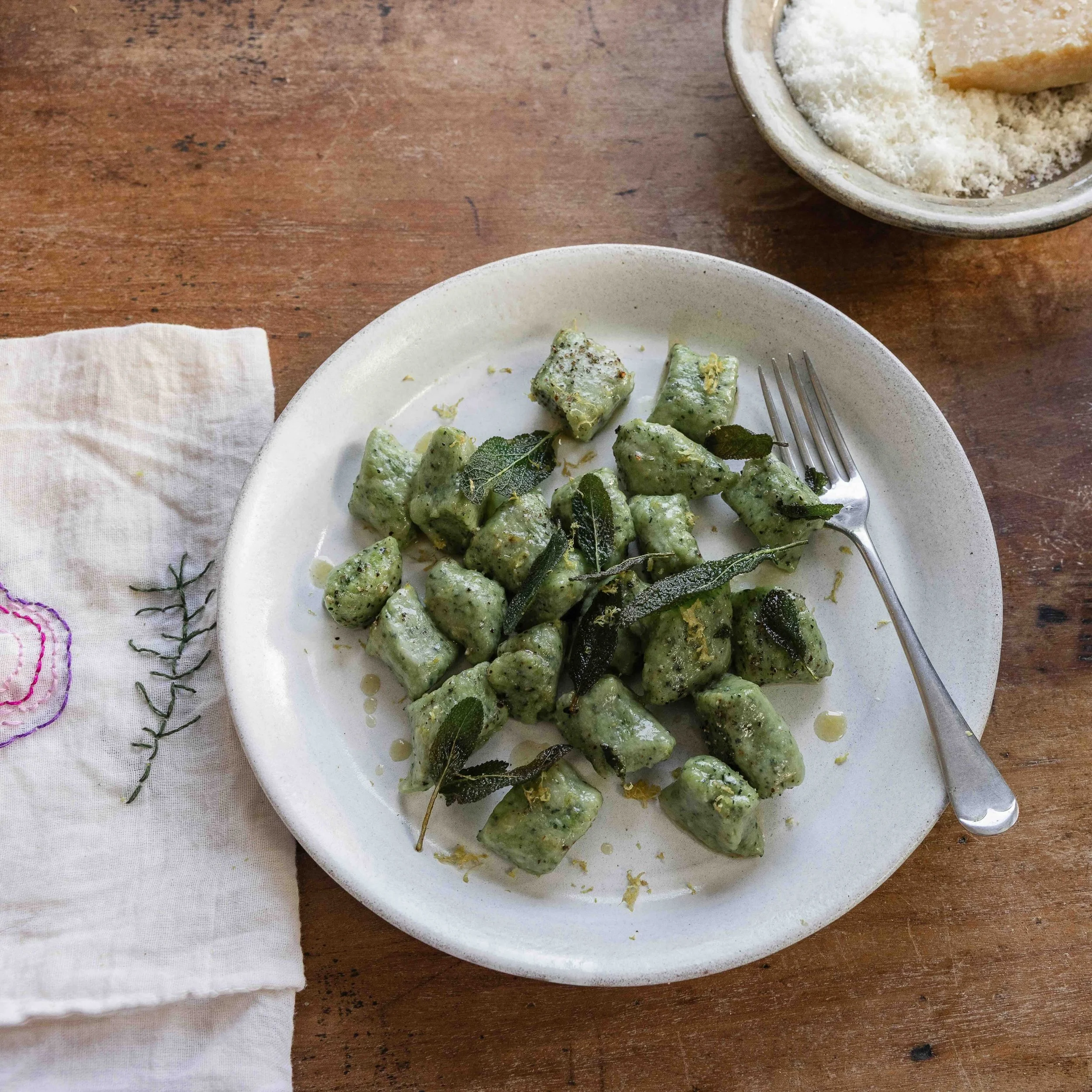
Photography by Kym Grimshaw
Green leaves at this time of year are few and far between outdoors so you’ll need to get your chlorophyll dose in the kitchen. The spotlight’s on darkest black-green cavolo nero and pale sage leaves in this tasty comfort food dish.
Serves 4
1kg maris piper potatoes (you’ll need 700-800g of fluffy potato once you’ve removed their skins)
150g cavolo nero, stalks removed
1 tbsp olive oil
2 eggs
200g pasta flour
Salt
25g butter
Small bunch of sage
1 lemon, zested
1 Preheat the oven to 200C/Fan 180/Gas 6. Pop your potatoes straight onto the oven rack and bake for about 1½ hrs, or until they’re fluffy inside. Cut them in half and leave to steam while you get on with the greens.
2 In a pan, braise the cavolo nero with a splash of water and the olive oil until tender. Drain well, squeeze out every drop of water, then whizz with the eggs in a food processor until smooth.
3 When the potatoes are cool enough to handle, scoop out the insides while still warm. Push through a sieve or use a potato ricer if you have one. Measure 700–800g of potato flesh.
4 In a large bowl, mix the sieved potato, cavolo nero paste and the flour. Bring together into a dough,
then turn out onto a floured surface and knead until smooth. Add a little more flour if it feels sticky.
5 Roll the dough into thin cigar shapes, dusting with flour to prevent sticking. Cut into bite-sized pieces.
6 Drop them into a pan of salted boiling water. They are ready when they bob to the surface. Retain
some of the pasta water before draining the cooked gnocchi.
7 Meanwhile, in a large pan, melt the butter. Add the sage leaves and let them sizzle. Stir in a couple of spoonfuls of the starchy pasta water until the sauce comes together.
8 Add the cooked gnocchi to the sauce and shake the pan to coat. Grate over some fresh lemon zest and black pepper, loosening with more pasta water if needed. Taste, season, and serve immediately.
This recipe is taken from our February issue’s ‘Kitchen Therapy’ pages, which this month focuses on earthy and simple foods to help you embrace dark days. The recipes are by Lottie Storey and the photography is by Kym Grimshaw. The February ‘Heal’ issue is in shops now.
Buy this month's The Simple Things -buy, download or subscribe
We celebrate slowing down, enjoying what you have, making the most of where you live, enjoying the company of of friends and family, and feeding them well. We like to grow some of our own vegetables, visit local markets, rummage for vintage finds, and decorate our home with the plunder. We love being outdoors and enjoy the satisfaction that comes with a job well done.