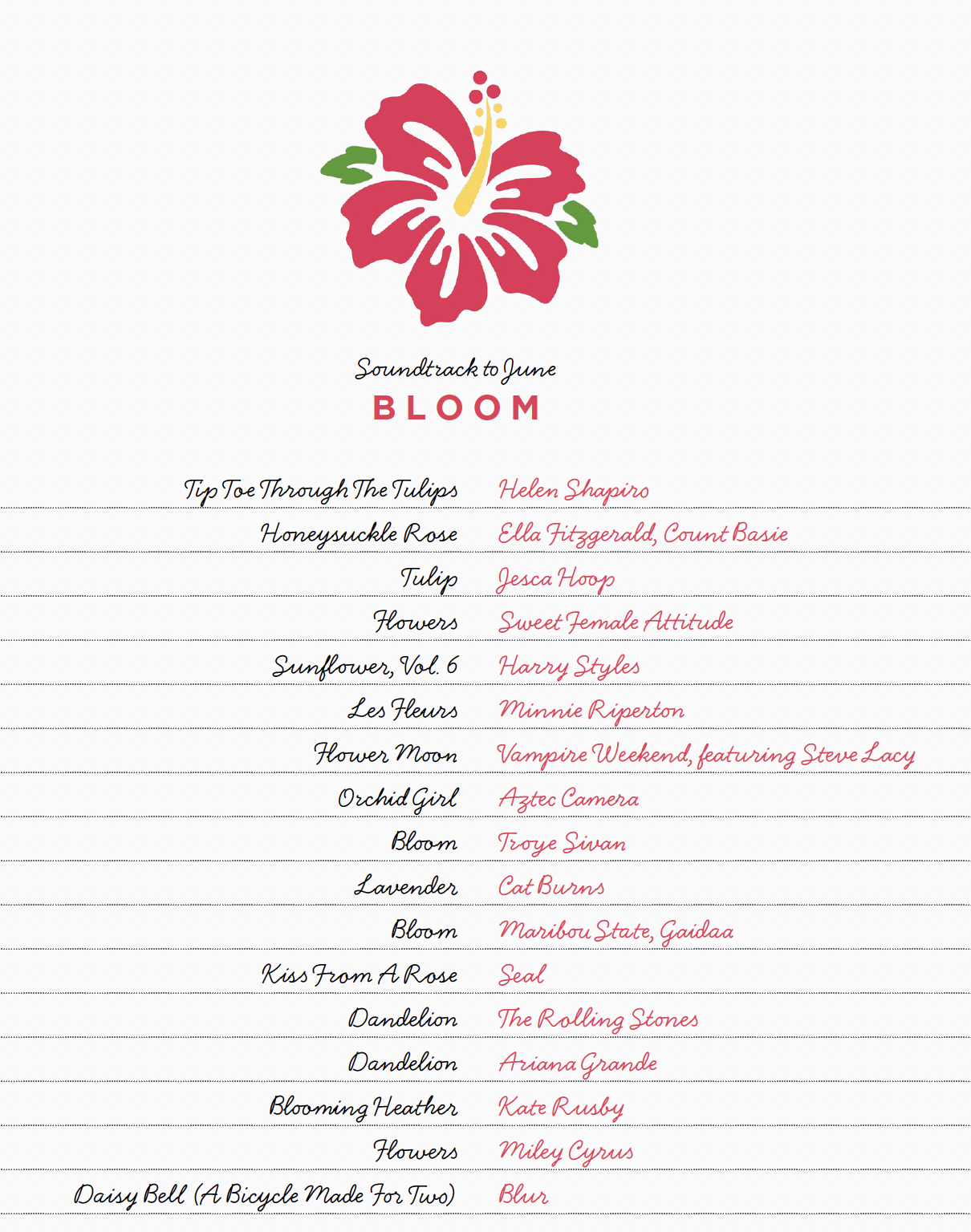
Yes you were my first love, and first love never, ever dies.

DJ: Clare Gogerty Illustration: Anneliese Klos
Listen at thesimplethings.com/blog/firstloveplaylist
Listen to more of our playlists…
Featured

Blog
Taking Time to Live Well
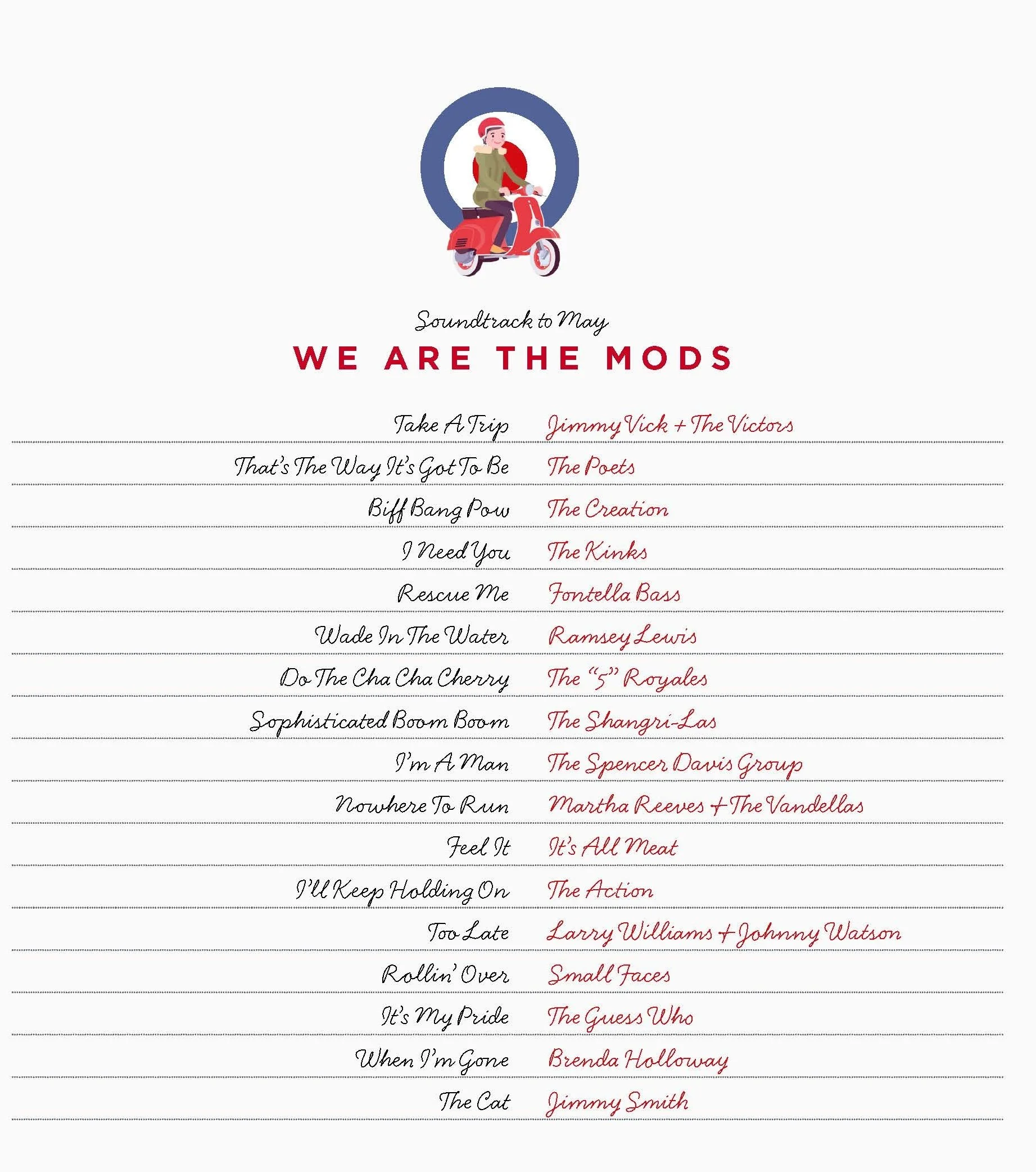
Yes you were my first love, and first love never, ever dies.
DJ: Clare Gogerty Illustration: Anneliese Klos
Listen at thesimplethings.com/blog/firstloveplaylist

Photography: Andrew Montgomery
In praise of the stickiest, sweetest sweet of all
You’d be hard pushed to find a sweeter ‘sweet’ than a treacle tart. So sweet it’s rhyming slang for ‘sweetheart’ and with the ability to make your molars ache just looking at it and enough sugar in it to fell a cart horse, it’s little wonder it looms large in our collective childhood consciousness (it’s probably still looming large in our collective bloodstreams, too).
So redolent is this pud with memories of cosy, carefree days, and wide-eyed pure childish gluttony, it’s made its way into many a children’s book and film, too.
Treacle Tart is as Enid Blyton as lashings of ginger beer and for many of us Blyton was our first literary encounter with the rib-sticking open-topped tart. What picnic, after all, would be complete without a sweet and impressive centrepiece perched in the middle of a field on a red-checked tablecloth and surrounded by grubby knees and ankle socks?
It also appeared, memorably, as bait for the children The Child Catcher lured to his caged van in Chitty Chitty Bang Bang with the cry “Cherry pie, cream puffs, ice cream… and TREACLE TART!” The children swiftly forget all advice administered thus far by Truly Scrumptious. “Treacle tart! Ice cream! And all free!” Jeremy gasps, as they both bowl headlong through the door and into The Child Catcher’s cage. And who can blame them?
But, more recently, treacle tart has become particularly known as the dessert of choice for one very famous fictional boy. It’s Harry Potter’s most loved pudding. Early in the first book we see a medley of desserts magically appear in front of the new pupils and witness Harry quickly snaffling a treacle tart. It’s apparently a favourite in the wizarding world, but Potter is particularly partial. In fact, in a much later book, under a love spell which smells to the bewitched individual of their favourite thing, Harry’s nose detects “treacle tart and the woody scent of broomstick handle”. Mmmmmm…
So if a wizard cannot resist a treacle tart, really what hope have we muggles? It’s certainly a favourite among children but we think adults should indulge themselves more often too.
To that effect, our January issue’s Cake in the House recipe is for a Treacle Tart with Thyme and Orange. The issue is in the shops now, should you care to make it. The recipe is from one of our favourite new cookbooks, Time: A Year and a Day in the Kitchen by Gill Meller (Quadrille). Once you’ve made it, do send us a photo of your tarts in the comments below (once you have made it to a standing position again). Treacle tart should really be eaten, prone, on the sofa, preferably in front of a roaring fire, so there’s really no rush. You just take your time, treacle.

Illustration: Joe Snow
Bring birds to your garden in time for the Big Garden Birdwatch
January marks 40 years of the RSPB’s Big Garden Bird Watch. It all began in 1979 with a modest plan to provide something to occupy the society’s junior membership. But when Biddy Baxter gave it a mention on Blue Peter, the society was flooded with 34,000 requests to join in. And The Big Garden Birdwatch has been ruffling feathers ever since.
This year’s Big Garden Birdwatch takes place from 26-28 January. You can sign up for your free pack to join in here. Then all you need is a free morning, a view of your outside space, a large pot of tea and a bit of cake (we recommend seedcake if you’re really getting into the spirit of the thing) and an identifier for your garden birds. We’ve printed a nifty identifier for some of the most common garden birds in our January issue, which is on sale now (or buy a copy here). You can thank us later.
In the meantime, here’s a simple way to make a bird feeder to encourage more feathery fellas to your garden in preparation for the big day.
A pine cone makes a great natural base for a bird feeder, with an open structure that’s just the thing for stuffing full of nutritious and delicious titbits for our feathered friends during harsh, wintry weather
How to make your feeder
1 Collect medium to large pine cones. Don’t worry if they’re tightly closed – just bring them indoors for a few days or pop in the oven to encourage ‘blooming’.
2 Attach string to the tip of the pine cone, ready for hanging up.
3 Spread a layer of peanut butter, fat or suet over the cone, pressing in between the scales so it’s entirely covered. Place a mix of birdseed on a tray and roll the pine cone until well coated. Go for a general mix to encourage a variety of garden birds or choose something more specific to attract a particular species – niger seed, for example, is a favourite for goldfinches and greenfinches while peanuts are the snack of choice for blue tits, great tits and siskins.
4 Hang in a secluded part of the garden, near the shelter of a hedge or shrub to provide birds with a quick safe haven nearby if they need it.
5 Replenish once supply is depleted.

Image and recipe: Kirstie Young
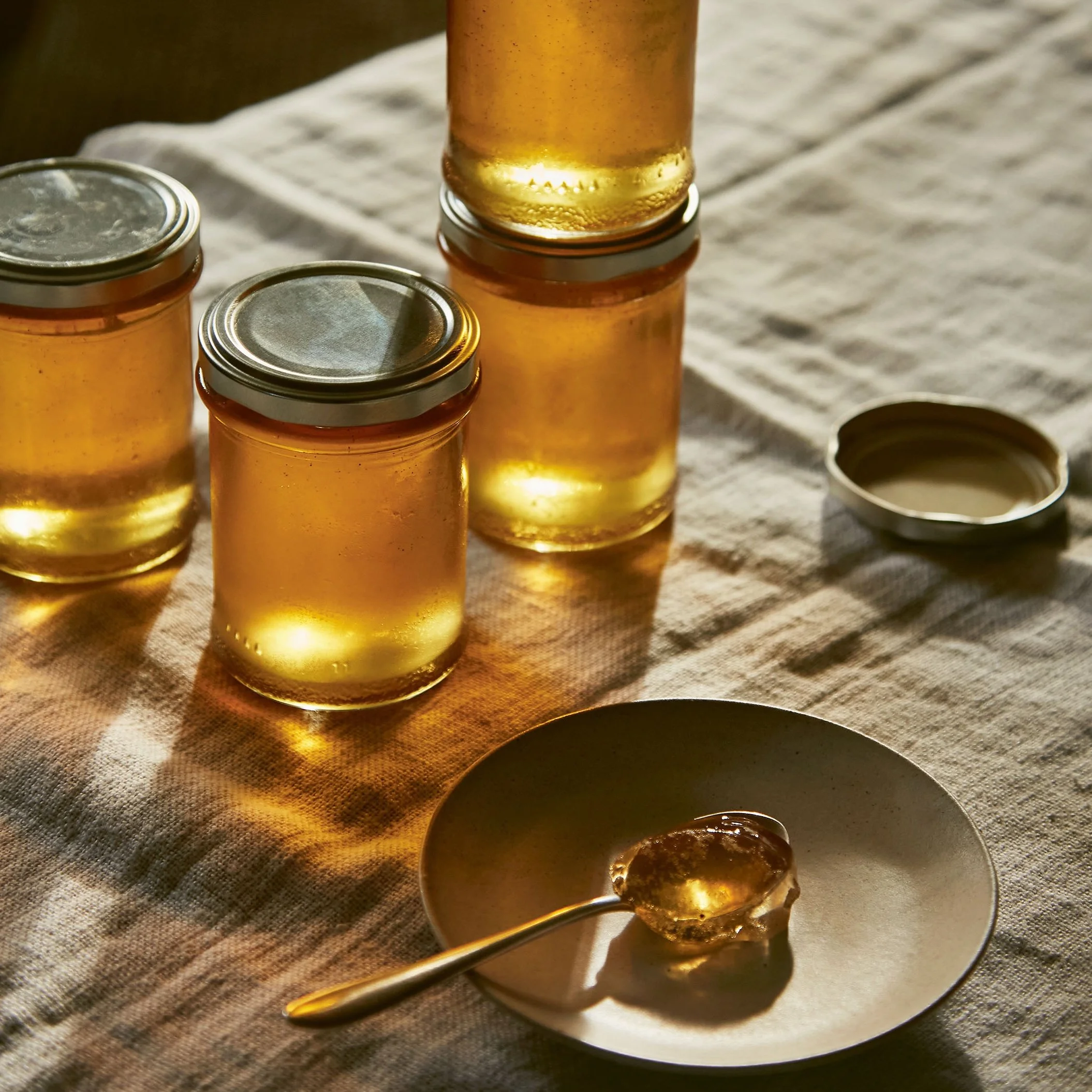
With Seville oranges in season, it's marmalade time. And this blood orange recipe celebrates all that's flavoursome about the citrus classic.
Preparation time: 30 minutes
Cooking time: 90 minutes
500g Seville oranges
500g blood oranges
1kg granulated sugar
You will need:
Muslin cloth
Kitchen string
3 large jam jars (or 6 small ones)
Jam thermometer
1 Clean the oranges well and place whole into a large pan. Cover with 4 pints of water (2.25l) and bring to the boil. Reduce to simmer for 1 hour or until the fruit is soft.
2 Remove the oranges from the pan, without discarding any of the cooking liquid, and set aside to cool. Measure out 3 pints of the cooking liquid, topping up if needed with more water.
3 Halve the cooled oranges and scoop out the flesh and pips into a muslin cloth (or white tea-towel); tie with food-safe string.
4 Place the muslin package into the pan with the 3 pints of cooking liquid.
5 Slice the orange peel as preferred. Add to the pan. Add the sugar and stir over a low heat until dissolved. Bring to a rolling boil for 15 mins. After this time, keep boiling at a lower temp until the liquid reaches 105C. Take off the heat and let sit for a moment before skimming off any scum from the top of the liquid. Pour into hot, sterilised jam jars and seal.
This blog was first published in January 2012. Pick up our January 2020 for lots more delicious things to do with oranges and lemons.

Plan a break to this beautiful city during its ten-day feel-good festival this February
Bath is celebrating wellbeing and health across the city with a new feel-good ten-day programme of events, offers and activities, running from 1 -10 February 2019.

From special spa activities and offers, live sport, mindfulness walks and yoga sessions, to retail therapy and food and drink events, there’s something for everyone. Feel-Good February will also see the BNP Paribas Women’s Tennis Fed Cup headline from 7–9 February at Bath University.

With a focus on mind, body and soul, other events planned include; a Power of Sleep talk with an Aromatherapy Associates Wellness Expert at The Gainsborough Hotel, a relaxation session and lunch with L’Occitane at The Bath Priory Hotel, a special wellness exhibition, ‘Why Museums Matter’ at The Holburne Museum, rooftop Aquasana at Thermae Bath Spa, free one-hour bathing sessions at the Cross Baths, an evening with Natura Bissé at No. 15 Great Pulteney, creative workshops at Julia Davey Ceramics, mindfulness walks at Dyrham Park, Tai Chi on the Terrace of the Roman Baths, restorative Yoga at the YMCA, a ‘Feel-Good’ wine tasting event at wine bar Le Vignoble and a 10% discount on Wild Swim Bike Run guided walking and cycling tours.

Bath has been synonymous with wellbeing since the Romans constructed the Roman Baths to enjoy the mineral thermal spring waters. Experience breathtaking architecture and views, great sporting activities, craft workshops, 15 museums, a wide variety of independent bars, cafés and vibrant restaurants and eclectic independent shops.

Combine a visit to Bath with a stay in one of the luxury 5* hotels or a cosy independent boutique hotel or B&B. The Country Living Hotel will be offering ‘Blow Away the Cobwebs’ package deals – 2 nights’ accommodation for two people with a three-course dinner on the first night. The Royal Crescent Hotel will be offering a 20% discount on all treatments for multi-night stays booked during Feel-Good February and The Gainsborough Bath Spa hotel will be offering a ‘Get Real’ wellness retreat combining spa treatments, nourishing cuisine, superfood cocktails and innovative movement sessions.
For the full programme of events go to: visitbath.co.uk/feel-good

Photography: Heather Birnie
If you’ve never picked up the needles, here’s how to click-clack your way to knitting knowhow
Knitting is one of those skills that looks terrifying until you’ve tried it. We’ve put together a brief guide on how to get started. If you’re inspired to try more, buy our January issue (in shops now) in which knitting guru Helen Hickman of Nellie and Eve has devised two chunky wool projects to knit on big needles (including the chunky cushion, pictured), ideal for knitting novices or stitching queens who fancy a quick and simple project.
How to cast on
1 Create a slip knot on your left needle and insert the point of the right needle through the knot from front to back (so needles are crossed).
2 Take the end of the yarn and wrap it clockwise over the top of the right needle (behind the left). Keeping the end of the wrapped yarn in your right hand, pull the right needle towards you, bringing the needle tip in front of and above the left needle: this creates a loop on the right needle.
3 Move the right needle to the tip of the left one and transfer the new loop across to the left needle (as you do this, the needle tips should be pointing at each other, not parallel).
4 Adjust the loop size by pulling the end of the yarn. You should now have two loops on the left needle.
5 Inserting your right needle into the new loop, repeat the process until you have the number of stitches required.
Knit stitch
Garter stitch is when all rows are in knit stitch, rather than alternated with rows of purl. The needle with the cast- on stitches should be in your left hand and the yarn at the back of the work.
1 Insert the right needle through the first stitch on the left needle, from front to back (so the two needles are crossed).
2 Take the end of the yarn and wrap it clockwise over the top of the right needle (behind the left needle). Keeping the end of the wrapped yarn in your right hand, pull the right needle towards you, bringing the needle tip in front of and above the left needle: this creates a loop on the right needle.
3 Release the old stitch off the left needle.
4 Repeat steps 1 to 3, until all stitches are on the right needle.
5 Next, swap the needles around and repeat steps above.
This will all make sense if you visit nellieandeve.co.uk/events/videos
Get hold of your copy of this month's The Simple Things - buy, download or subscribe

Photography courtesy of Jarrold
Take a trip down memory lane, and into a shop doorway, with us
Oh we do love a Proper Department Store. They' come into their own in winter. First the excitement of the lights and the window dressings in Advent. Who remembers being taken ‘up town’ to see the lights in Selfridge’s or Harrods? And then the bustle of the January sales as every elbow in the vicinity is sharpened to a lethal point and spectacles cleaned in preparation for stalking the aisles like a ninja. (Albeit a ninja hoping for an electric cake mixer on special offer or a nice well-priced set of Egyptian cotton sheets).
With the arrival of the internet and many Black Fridays, a little of that magic has been lost. But we still love a day out in a department store. The thrill that you can find absolutely anything you want under one roof - as Harrods famously claimed - “from a pin to an elephant”. And posh, heavy doors, and dizzying escalators, and staff who treat you as though you’re in a five-star hotel. Oh and the cafes… they were an outing in themselves!
In our January issue, on sale now, we’ve done a retrospective in our Looking Back slot of the Golden Age of department stores. And we want to know all about yours. The big ones, yes (who can resist a poke round Liberty’s of course?) but also the smaller ones in provincial towns that would mean nothing to someone from another county but which, for anyone who grew up where you did, the name conjures all sorts of happy memories.
We’re big fans of Jarrold’s in Norwich, which is still doing a roaring trade to this day. And several The Simple Thigs staff members still feel a pang of sadness as they walk past Allder’s of Croydon, just round the corner from Simple Things Towers. Once a glorious store that several of us visited as children for sales days or to meet Father Christmas, it’s now closed down and houses a slightly bewildering collection of small discount outlets. But still, there’s a little thrill to be had just pushing open those heavy doors in a lunch hour…
Tell us all about your most loved department stores below…
Get hold of your copy of this month's The Simple Things - buy, download or subscribe

Jelly Mould pendant shades by Re-Found Objects
How to love your lighting - and perhaps design your very own shade…
Long, january evenings provide us with good reason to celebrate lighting up the dark. Whether it’s spending a quiet hour with a scented candle, or rethinking your entire lighting scheme in your home.
In our January issue’s The Comfort of Things feature, Clare Gogerty waxes lyrical on the positive vibes good lighting can bring to your home: “Coming home and switching on the lights banishes the darkness, replacing it not just with visibility but with emotional reassurance.”
There’s more on why lighting is so important to our homes in the January issue. However, if you’re inspired to really throw yourself at a lighting project you will also not want to miss The Simple Things’ Lampshade Making Workshop on Saturday 23 February in Hove, East Sussex.
The course is run with Lume Lighting’s Joanna Corney, a maker and designer who has run her homeware business for several years and will take place at her lovely working studio by the sea, in Hove.
The workshop is exclusively for The Simple Things readers and is ideal for beginners who want to learn the craft of contemporary lampshade making. You’ll be given all the skills you need to make your very own custom shade, meeting like-minded people and eating some delicious food along the way. You’ll make either a 20cm or 30cm diameter fabric drum lampshade, which can be used on a lamp base or ceiling pendant. At the end of the workshop you will go home with your very own bespoke lampshade – perhaps just the first of many more beautiful customised designs.
COURSE DETAILS
The Simple Things’ Lampshade Making Workshop, which has seven places available, will be held at Joanna’s studio in Hove, East Sussex, on Saturday 23 Feburary 2019. Time: 10.30am–3.30pm. Ticket price: £60, including all tools and materials for the class, plus tea, coffee, cake and lunch. You’ll need to make your own way there and home. The only thing you need to bring is the fabric of your choice to cover your lampshade.
HOW TO BOOK
Email hello@lumelighting.co.uk. Joanna’s website is lumelighting.co.uk.
Get hold of your copy of this month's The Simple Things - buy, download or subscribe

Photography: Cath Pyle Recipes & styling: Kay Prestney
Why Shakespeare didn’t much care for detail, and thought we should eat more cake
With Twelfth Night upon us, we are all for one last hurrah, a bit of feasting, foolery and festive merriment to see in the first week of January. And, for that reason, Twelfth Night is right up there with our favourites of Shakespeare’s plays. It’s been purported that the play was first performed (for Queen Elizabeth) on Twelfth Night, though that has never been proved. What is certain, however, is that it is the only of the Bard’s plays with not one, but two, titles. The play is officially entitled Twelfth Night or What You Will.
What Will’s aim was with the ‘What You Will’ bit, no one is entirely sure. It’s possible the ‘what you will’ is simply a nod to the topsy-turviness of the night before Epiphany, a day when young boys were chosen to play the king - the lords of misrule - and a night that celebrates illusion, disguise and mishap. So ‘what you will’ simply means: ‘Twelfth Night, a night when you can do what you like’.
A second theory guesses that the alternative title is a nod to the audience: ‘Here’s my play, Twelfth Night - make of it What You Will.’
The third theory, and our favourite by far, is that it was a total afterthought. The theory goes that Shakespeare was asked to give his play a title and he essentially said: “Oh… call it Twelfth Night… or whatever you like to be honest, I don’t give a monkey’s…” (we are paraphrasing, here) - it was a sort of Elizabethan “whatevs, mate”.
Titular queries aside, we’re a big fan of the script that gave us Sir Toby Belch and his famous words “Does thou think, because thou art virtuous, there shall be no more cakes and ale?”
We agree that virtue and cakes (and ale) go hand in hand at this time of year. And to celebrate that, here’s our recipe, from our January issue, for a Galette des Rois, a traditional French cake-style pud designed to be eaten on Twelfth Night.
Serves 6
1 x 400g block ready-made puff pastry
2 tbsp apricot jam
100g butter
100g caster sugar
1 egg
100g ground almonds
2 tbsp Calvados
1 tbsp whole milk
1 small plastic coin (as found in a child’s shop till)*
300ml fresh double cream, to serve
1 Preheat oven to 200C/Fan 180C/ Gas 6. Cut the puff in half and roll out each piece into a circle about 25cm across.
2 Grease a baking tray and place one puff pastry circle on the tray. Spread with the apricot jam, leaving an edge of 2cm around the outside. Place the coin (fève – see below) to one side of the circle on top of the jam.
3 Whisk the butter and sugar in a bowl until fluffy, then beat in the egg. Next, add the ground almonds and Calvados.
4 Spoon this fragipane mixture over the jam, keeping within the border. Brush the edges with the milk and cover with the second circle of pastry, pressing the edges together.
5 Using a sharp knife, score the top with vertical lines 4–5cm apart. Then score diagonally across within each line, alternating direction, to create a chevron effect. Brush the top with a little milk to help it go a lovely golden brown when baking. Cook for 25–30 mins.
6 Serve the galette warm with double cream in a pouring jug, alongside a small glass of Calvados for each guest to toast the person who discovers the fève. The lucky guest is crowned King (Le Roi) or Queen (La Reine) of the Fête and chooses their partner to rule with them for the rest of the evening!
* We used a toy plastic coin to avoid anyone breaking their teeth and it didn’t melt. You could of course use a real one, just make guests aware.
This recipe is from our ‘Gathering’ feature in the January issue, in shops now, which includes a whole menu for a Twelfth Night Supper, with recipes by Kay Prestney and photography by Cathy Pyle.
Get hold of your copy of this month's The Simple Things - buy, download or subscribe

Photography: Sara Kiyo Popowa
Ditch the soggy sarnies. January is the perfect time for a lunch box revolution
After all foodie indulgence of Christmas and New Year, a squashed Marmite sarnie in the bottom of your handbag is a particularly sad sight to behold. We think we all need to practise a little more self care on those first, long, slow back-to-work days, and there’s nothing like the knowledge that you have, stashed away, a delicious little something, made with care and attention, to cheer you at lunchtime.
When we put together our January issue, we all ooohed and aaahhed at the delicious ‘winter jewels’ bento recipe on p17 from Bento Power by Sara Kiyo Popowa (Kyle Books). It’s so quick to put together, happens to be super healthy, and is a sight for screen-sore eyes on a mizzly January day back in the office. Find the recipe on p17 of our January issue. (We suspect there might be some kind of The Simple Things bento-off in the offing, in fact… Competitive? Us?)
And it got us to thinking… how else can we make lunches more exciting? One easy way to zhush up a packed lunch simply is to invest in some lunchtime equipment to encourage you… chopsticks to cheer, tubs to tickle our fancy, sandwich wraps to surprise… Once you’ve invested in the raw materials, you feel spurred on to make some time on a Sunday evening to ensure your weekday lunchtimes are an event, not just a quick refuel.
Here are a few items that we’re going to be treating ourselves to this month in our bid to up our packed lunch game in 2019:
The Takenaka Two-tier Bento box takes lunch to a new level. Literally. It has two levels, you see? Obviously it’s great for bento: dollop in a little rice, some veg and a boiled egg or meat/fish, and top with some fancy extras like crunchy radishes and crispy fried onions (available in a tub at Waitrose ) and then add a little soy sauce or sweet chilli dressing. But you could just as easily use one tier for a nice salad, maybe a few cold potatoes, watercress and leftover salmon, and the other tier for a fresh fruit salad.
£22.50, Souschef.co.uk
If you’re a fan of a good old-fashioned sandwich, don’t be ashamed, embrace it! But it’s easy to increase the fancy lunch factor with a homemade roll or two filled with some delicious deli items. Pickle yourself some cucumber and carrot strips on a Sunday and they’ll last a few days to add bite to any sandwich. Pop them in a crusty baguette with with beansprouts, a handful of salad and a few chillies and you have a Vietnamese-style banh mi roll. Or simply jazz up your sauces and add a little fresh tarragon to mayonnaise to give a leftover roast chicken sandwich a new lease of life. And any sandwich worth its (Himalayan rock) salt needs a fancy and reusable wrapping. We are big fans of BeeBee wraps - beautiful organic cotton beeswax sandwich wraps that make you feel just a little bit special (and ecofriendly, too) as you unwrap your lunch.
From £14, BeeBee.
If the January weather takes a turn for the baltic, never will you feel more smug than when you open a flask of steaming homemade soup, still warm. Make a batch on a weekend, heat your soup while you drink your tea in the morning on Monday, pour it into this lovely Orla Kiely food flask, and you will thank your past self a thousand times by 2pm. It has a wide mouth (don’t we all?) so you can eat directly from it with a decent-sized spoon.
£25, John Lewis.
Is it a fork? Is it a spoon? It is both. Every lunchbox needs one of these sporks. Super for soup, and very useful for anything more solid, too.
£3, Steamer Trading Cookshop.
(Steamer also does some rather fetching reusable chopsticks to go with your Bento box, too. We like the Typhoon Rookie Stix, £3.)
Now, go forth, and love your lunches!
Get hold of your copy of this month's The Simple Things - buy, download or subscribe
RECIPE FROM BENTO POWER (KYLE BOOKS). RECIPE & PHOTOGRAPHY: SARA KIYO POPOWA
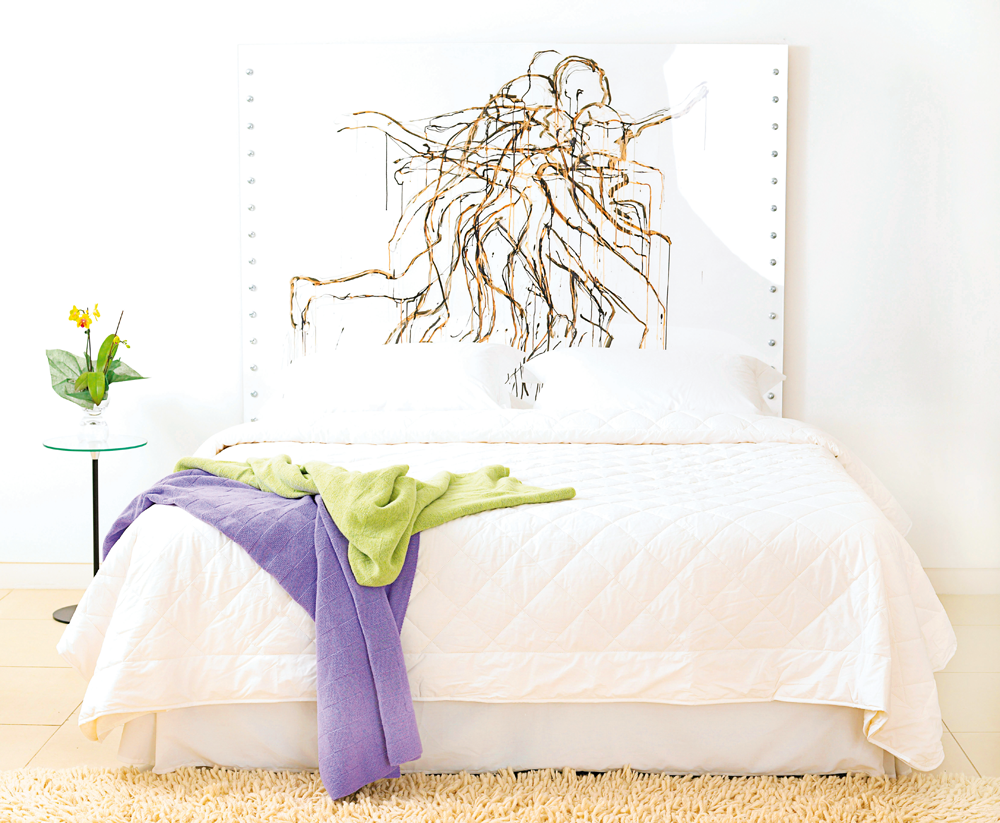
No need to get out of bed just yet…
New year, new you, right? But just how long will your resolve last? Before you take the plunge, check out the ECT (Estimated Commitment Time) for these top five resolutions.
● ‘I will exercise three times a week.’
Jogging in January. What could be wrong with that plan?
ECT: two weeks.
● ‘I will only drink alcohol at the weekends.’
January again. What other time in the year are you going to need a pint of Malbec more?
ECT: one week.
● ‘No more chocolate!’
Yes, that means no hot chocolate, too. Or the kids’ leftover variety packs. Or mints. We don’t care if they’re only wafer thin!
ECT: two to three weeks.
●‘I’m giving up swearing.’
Your car won’t start in the dark at half six on a freezing morning. What do you say? Exactly.
ECT: one week.
● ‘I will meditate every morning.’
Yeah, or you could just have an extra ten minutes in bed.
ECT: four days.
Resolution to read more? Get hold of your copy of this month's The Simple Things - buy, download or subscribe

Photography: Cathy Pyle Recipes & styling Kay Prestney
Entertaining this evening? Warm your guests’ tummies and souls with this rustic winter tipple
Serves 6
1l fresh apple cider
750ml dry red wine
3 tbsp maple syrup
2 oranges, thinly sliced
1 apple, sliced
4 whole cloves
1 Combine all ingredients (reserving 6 orange slices) in a large saucepan and warm on a medium heat for 10 mins, stirring continually.
2 Once gently bubbling, let it cool slighty and pour into (heatproof) glasses, serve with a slice of orange over the glass and a sprig of rosemary as a stirring stick.
This cocktail recipe is from our January issue’s Gathering feature for a Twelfth-Night-inspired party. The issue is on sale now or you can buy it online.
Get hold of your copy of this month's The Simple Things - buy, download or subscribe
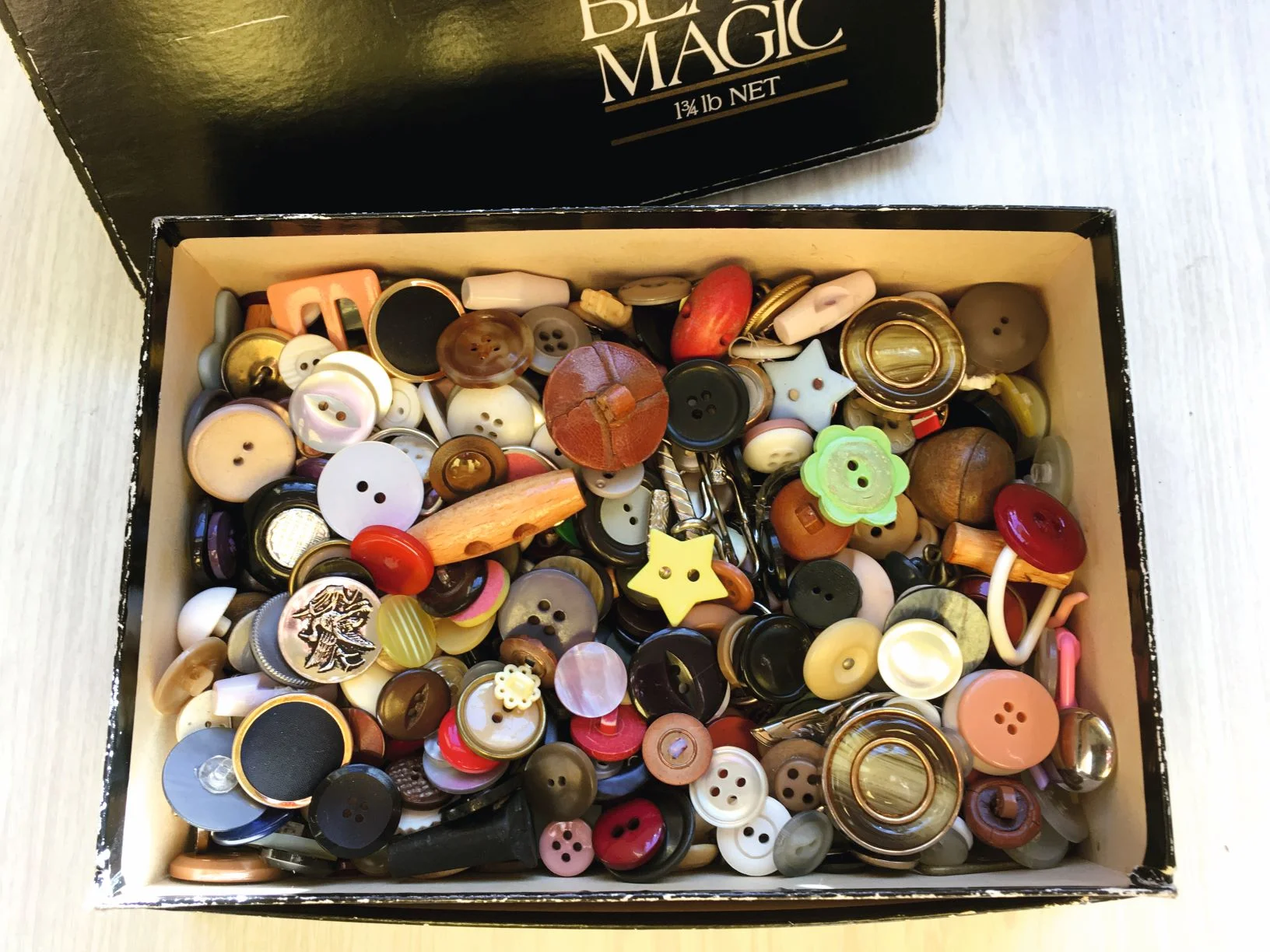
Photograph: Jacquie Waterfield
From pearls to poppers, a bit about buttons you might recognise
In our January issue’s What I Treasure piece (on sale now), reader Jacquie Waterfield shows us her mother’s button box. So we thought we’d delve into our own button boxes and bring you a brief guide to the various types of buttons therein.
Toggles
Often made of wood and spotted on duffle coats, as loved by Paddington Bear (hat under marmalade sandwich optional).
Flat buttons
One of the most common types and very useful indeed. Flat buttons are flat (clue’s in the name) and have either two holes or four in the middle where you stitch them to your garment. Very versatile though not so good for heavy garments such as coats.
Shank buttons
Another common type, shanks have a small protusion at the back with a hole in, where you stitch the button to the material. Because the main part of the button doesn’t need to have a hole, these can come in various shapes and sizes - surely EVERYONE’s mum had some ladybird- or sheep-shaped novelty shanks (more of that later) in her button box? Large shank buttons are best for heavy garments like coats, leaving the holey flat button standing.
Lapel buttons
Used mainly for display, lapel buttons are Very Fancy and often made of metal. Shine yours up and show them off in the manner of the military, which is where they are often used.
Leather covered
Sits comfortably on tweed, often sported by ‘gentlemen of a certain age’ and those having a flirtation with Aran knitwear.
Cloth covered
Cheerful, chirpy and colourful, can be spotty, stripy, patterned or plain and make a statement of any garment.
Glass and pearl
Think Miss Marple, coupled with a nice dusty pink twinset. And more pearls (which must be clutched tightly in moments of mild shock).
Novelty buttons
Now THESE are the fellas, the little beauties that lie somewhere in the annals of everyone’s memories, with pictures of Pooh and Piglet blowing a dandelion, whimsical hedgehogs sitting among the daisies and pretty much anything you can think of, shaped or flat - bees, flowers, fish, shoes… heck, you can even buy buttons with Satan’s face on (for that so-tricky-to-knit-for relative).
If you’ve been inspired by these buttons and find yourself in York soon, do visit York Art Gallery where there is an exhibition of Dame Lucy Rie’s ceramics and buttons. Lucy emigrated to the UK during the Second World War and began producing ceramic buttons for the fashion industry, after spotting a gap in the market as many British button factories had been requisitioned for the War effort. This delightful exhibition is a lovely afternoon outing for anyone who has ever enjoyed running their hands through their mother’s spare buttons box.
Your Simple Things needs YOU!
What I Treasure is our series in which readers tell us about something that matters most to them. From dusty cookbooks to treasured letters, we’ve seen all sorts of prized possessions. Tell us about yours in 500 words by emailing thesimplethings@icebergpress.co.uk and you could see your ‘treasure’ gracing our pages.
Get hold of your copy of this month's The Simple Things - buy, download or subscribe
Photography: Kirstie Young
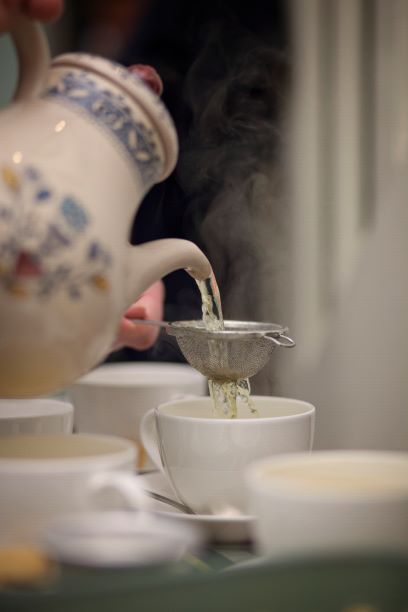
Overdone it in the last few days? Try this tum-soothing cuppa
Serves 6
2 tbsp dried fennel seeds
Boiling water
1. Warm the teapot, add 2 tbsp dried fennel seeds and pour on boiling water.
2. Leave to steep for 7 mins and serve. Do also try this in autumn with green fennel seeds, before they dry out. The taste is greener and fresher, and very delicious.
This recipe, by Lia Leendertz was published in an earlier issue and it still works for us! You can buy back issues of The Simple Things in our shop.
Get hold of your copy of this month's The Simple Things - buy, download or subscribe

Christmas: the season of goodwill, and beating your family into submission. Here are a few tips to speed you to victory. It might be Christmas but that’s no reason to go easy on Aunt Joan
MONOPOLY
WHAT’S IT ALL ABOUT?
A timeless classic. Build a property empire... as well as family rifts that will persist for decades.
ANALYSIS
Buy orange. In Monopoly, jail is the single most-landed-on square, because there are so many ways of arriving at it. But it’s more about leaving jail. As the most common numbers thrown with two dice are 5, 6, 7, 8 and 9, the orange properties – 6, 8 and 9 throws away – offer the steadiest revenue stream. For every 100 hits on purple or blue, you tend to get 122 on orange and red. It’s also about the amount you can extract. Add up the total required to buy all the properties and put hotels on them. Then add up the maximum rent on each. The higher the ratio of income to cost, the more attractive the set is to own. On this measure, light blue is best, followed by orange.
Then it’s time to crush your opponents. Assuming that £750 will be more than enough to bankrupt Uncle Simon after a few glasses of sherry, what is the minimum we can spend for each set of properties to achieve that? Spending £1,750 on the orange set (compared to £2,720 for green) gets you there.
Of course, this highlights that this isn’t really a perfect simulation of the capitalist market at all. Real Monopoly players have long known this, which is why a serious game will see side deals in the form of washing-up offers or promises to take the dog for a walk. Isn’t the free market wonderful?
Remember, there’s no ‘I’ in ‘team’... But there is an ‘I’ in “I’m going to whoop your backside at this boardgame even if it means we stay up all night”
CONNECT 4
WHAT’S IT ALL ABOUT?
The Ronseal of games. Drop tiles into a grid until there are four tiles in a row.
ANALYSIS
There are 42 spaces on a Connect 4 board – seven columns by six rows. If six columns are filled, that means 36 tiles have been placed. Half are red, half are yellow. The 37th tile – the one that has to go at the bottom of the unfilled column – must therefore be filled by the player who went first. If the other player has their threat on the second row of that column, this is bad news for the first player, who is forced to facilitate their victory. Conversely, if the first player has a possibility to complete four tiles on the third row of that column, it is very good news.
This scenario happens all the time, and there is a simple way to exploit it. If you go first, ensure your threatened four in a row will be completed by putting a tile on an odd row – the third or fifth (your opponent will block a threat on the first row instantly). If you go second, ensure it’s completed by putting a tile on an even row – the second, fourth or sixth.
MUSICAL STATUES
WHAT’S IT ALL ABOUT?
Standing motionless for extended periods of time. Especially helpful if you’ve got hyperactive six-year-olds to entertain.
ANALYSIS
Find ways to move your muscles without doing so visibly.
Scrunch your toes to get circulation going in your feet. Or put all the weight on the left heel and right ball, then slowly shift it to the right heel and left ball.
Dancing style is also key. Think along the lines of ‘dad dancing’, so that when the music stops, you’re in a position you can hold, rather than arms aloft doing the ‘Y’ of ‘YMCA’.
Don’t imitate your dad’s expressions, however, as facial muscles are not used to holding a position for a long period of time. Holding a massive grin on your face is remarkably difficult.
CHARADES
WHAT’S IT ALL ABOUT?
Embarrassing yourself, through the medium of mime. Act out a cultural reference in a way that makes it obvious what it is. Best to avoid A La Recherché du Temps Perdu.
ANALYSIS
Be as simple as possible – too many movements are confusing.
A vigorous waving motion might be the universally accepted mime for “You’re really close, but not quite”, but among aficionados there exists what essentially constitutes a full sign language.
If the guess is correct, but should be in the past tense, move a hand backwards over your shoulder.
If it’s the opposite of what was guessed, hold your palms in front of you and swap your hands over.
If someone needs to be more specific, grind a fist into one palm.
Drill your team in these signs before the port arrives so they can fully appreciate your imaginative genius – even if they might not appreciate why they invited you in the first place.
JENGA
WHAT: Pull blocks from the tower without causing it to topple over.
HOW: To steady the tower as you remove a block, put your elbow on the table and your forearm vertically against it.
SIX DEGREES OF KEVIN BACON
WHAT: Link Kevin Bacon to any other actor, just by the films they worked on together.
HOW: Look for anchor points. John Wayne and Cary Grant will help you get to early-20th-century American cinema. Gérard Depardieu and Stellan Skarsgård help the leap to Europe; Amitabh Bachchan to Bollywood.
QUIZZES/TRIVIAL PURSUIT
WHAT: Gladiatorial combat for providing one’s social supremacy through the recall of unusual facts.
HOW: There’s a central, inescapable truth about quizzing: it’s about knowledge. Sorry.
Adapted from How to Win Games and Beat People: defeat and demolish your family and friends! By Tom Whipple (Ebury Press)
This was first publised in our December 2017 issue. Our current December issue has a round-up of our favourite board games for this Christmas, which Competitive Claras (and Christophers) should not miss! In the shops now or buy in the clicky link below…
Get hold of your copy of this month's The Simple Things - buy, download or subscribe

Image by Nadia Taylor
Please enjoy our special December cover, along with a seasonal haiku
We so enjoyed putting our December issue together and pausing to remember all the things we love about midwinter and the magic it brings.
We’ve packed up our pencil cases for the holidays now so will leave you with our December haiku…
Please do have a go at penning your own and leave it in the comments below. We’ll send a lovely book to our favourite.
This cover was a little different but usually we publish a back cover chalkboard and have turned some of them into postcards that you can buy here if you would like to.
That’s all from our December The Simple Things, but our January issue should be in the shops any day now, full cheery wintry things to inspire and surprise you.
Get hold of your copy of this month's The Simple Things - buy, download or subscribe

Sitting with just the Christmas tree lights on - @katecpettifer's simple thing
Usually just before bed, I’ll take a moment to turn off the living room lights so that only the Christmas tree remains lit. Savouring the glow of multicoloured bulbs, reflected in nearby baubles, transports me back to childhood when I did exactly the same thing. A welcome moment of calm that’s still magical.
This was first published in our December issue 2014. Please share your festive simple thing with us below and find lots more quiet moments of magic in our current December issue on sale in the shops now or click the clicky link below…. Merry Christmas!
Get hold of your copy of this month's The Simple Things - buy, download or subscribe

Photography: Cristian Barnett
How to use a bundt tin well
In our December issue we have a stickily delicious recipe for a ginger and clementine bundt cake. It’s a fabulous recipe, and the resulting cake is a treat at any tea table or would make a fresh alternative to a traditional Christmas pud.
The pleasing moulded ring shape of a bundt tin creates a cake that has plenty of ‘edgy bits’ to crisp up nicely (do be sure to grease that tin to within an inch of its life to ensure it comes out in one clean piece) as well as lots of nooks and crannies that are ideal receptacles for any drizzle or sauce.
There’s no escaping it, the bundt tin, invented by the late H. David Dalquist in Minnesota in 1950, is a work of genius. And it got us thinking… what else can you do with a bundt tin? Here are a few ideas to help you make the most out of your most impressive cake tin, should you wish to.
1. Make a LOT of cakes. If there’s one thing that’s better than cake, it’s LOADS of cake. A lot of folk believe that a bundt is a ‘type’ of cake, but it’s only really a ‘shape’ of cake (and what a shape it is). You can make any sort of cake in a bundt tin and get the same stunning moulded outline in whatever form you fancy. It’s a great shape for drizzles because there are plenty of grooves for the drizzle to sink into, so we are fond of a nice lemon drizzle bundt. But it also makes a stunning looking red velvet cake, which you can top with a cream cheese frosting and chopped nuts. For something lighter, a vanilla and strawberry sponge with a light dusting of icing sugar looks pretty on a tea trolley. Alternatively, you can’t go wrong with a gingerbread or spiced pumpkin cake, drizzled with a salted caramel sauce. The possibilities are endless.
2. Create buffet table centrepieces. The bundt shape looks dead impressive with very little effort and makes for great food to share. Bake a meatloaf in it for gathered friends to help themselves to slices of, alongside salads. For a picnic showstopper you can bake a simple bread dough in it as you would in a loaf tin, slice the resulting giant bundt roll in half to create a giant sandwich and fill with your choice of fillings, then slice into segments and return to the tin and cover with foil for travel.
3. Make a fancy side dish. If you feel there’s never enough stuffing with your Christmas dinner, how about a bundt ring of stuffing? We like a cranberry and chestnut version, which looks particularly festive. Cheesy or garlic breads to accompany pasta or pizza look good bundtised, too. Just pile in your dough, garlic, torn mozzarella, sun dried tomatoes or whatever you fancy and bake as normal before turning out.
4. Use it for puddings. Fill with jelly and when set, turn it out onto a plate and fill the hole in the middle with chopped fruit to complement the jelly flavour. We like orange jelly with chopped clementines and pomegranate at this time of year.
5. Cool drinks in it. Fill with ice and it’s the perfect size for little cans of tonic water or fruit juice bottles. Cheers!
6. And finally, we’ve saved this one until last because it’s as mad as it is brilliant: roast a chicken in one for the crispiest skin you’ll ever taste. You sit the chicken with its bottom over the central ‘spoke’ of the bundt tin (yes, we never said it was elegant) and roast it standing up, basting occasionally with the juices that collect in the bottom of the bundt tin. Extra points for looking hilarious when it comes out of the oven, too.
So there we are. If you don’t already own a bundt tin, we hope we’ve convinced you it’s an essential purchase, and one we think you should christen with our lovely bundt cake recipe in the December issue, photographed above by Cristian Barnett. The recipe is by Rachel de Thample, and she’s also shared some of her other favourite bakes to make on a quiet day. Worth taking a day off work for to enjoy in the peace and quiet of your own company.
Get hold of your copy of this month's The Simple Things - buy, download or subscribe

Illustration: Frances Castle
Come new year, it can be therapeutic to spend some relaxed time in the kitchen. Perhaps using leftovers to create something simple and hearty like a fruit loaf or bread and butter pudding to share. The word ‘company’ derives from the Latin cum panis, literally ‘with bread’. When we bake, and share the results, we deepen our connection with our companions or ‘with bread ones’. Sharing happens on many levels: at home and in the community. In these days of cake sales and pot-luck dinners, the chance to give and share baking may bring new connections.
It’s a creative process, too, allowing you to identify yourself – you put a bit of yourself into your baking, nurturing friendships from the warm heart of your home.
READER OFFER
Read more in The Art of Mindful Baking: Returning the Heart to the Hearth by Julia Ponsonby (Leaping Hare Press). The Simple Things readers can save 50% on all titles in this series. Use the code SIMPLETHINGS when ordering at leapingharepress.co.uk.

ENTER OUR COMPETITION WITH MENAI HOLIDAYS AND YOU COULD BE OFF TO THE WELSH COAST FOR A LONG WEEKEND
Harlech and south Snowdonia are among North Wales’ best-kept secrets. Here, you can truly escape from the hubbub of busy modern living. With spectacular views of the mountains, castles, vast golden beaches, great places to eat and lovely individual shops, this is an area where you can recharge your batteries. Holiday cottage specialist Menai Holidays is offering one lucky winner the chance to stay at Bwthyn Nain, a sweet cottage for four, within walking distance to the beach at Llanfair, near Harlech; all you need to do is enter our online competition.
RECHARGE BY THE SEA
This charming, traditional Welsh stone holiday cottage, called Bwthyn Nain, looks over the fields towards the sea. It has an enclosed, pretty garden, and sleeps four guests in two double rooms, one of which can be made into a twin, on request. Slate f loors, colourful rugs and comfy sofas, along with exposed beams and a wood-burning stove all add to its charm.
LOCAL EXPERTS
A family-run holiday cottage company, Menai Holidays handpicks cottages across North Wales, from the simple to the sumptuous. Choose from properties on Anglesey, the Llŷn Peninsula or Snowdonia, all booked with customer service that goes the extra mile, backed up with excellent local knowledge. You can choose to self-cater or take full advantage of Menai’s fantastic Book-a-Cook and cottage food services, to have local hampers and wine delivered directly to your cottage. Menai Holidays guests also enjoy Treats – all sorts of local discounts – too. Find out more at menaiholidays.co.uk
.
HOW TO ENTER
For your chance to win a four-night break for four at Bwthyn Nain with Menai Holidays, just answer the following question by the closing date: 31 January 2019.
Q: How many guests does Bwthyn Nain sleep?

TERMS AND CONDITIONS
Competition closes at 11.59pm on 31 January 2019. One winner will be selected at random after the closing date from all correct entries, and notified shortly afterwards. The winner can’t exchange the prize for cash, and must book and stay before 31 December 2019. The prize can be taken on any available dates in 2019. Travel to and from Bwthyn Nain is not included in the prize. Full terms and conditions are on page 129 of our January issue and online at icebergpress.co.uk/comprules.
We celebrate slowing down, enjoying what you have, making the most of where you live, enjoying the company of of friends and family, and feeding them well. We like to grow some of our own vegetables, visit local markets, rummage for vintage finds, and decorate our home with the plunder. We love being outdoors and enjoy the satisfaction that comes with a job well done.