
Image: Katharine Davies



Image: Stocksy
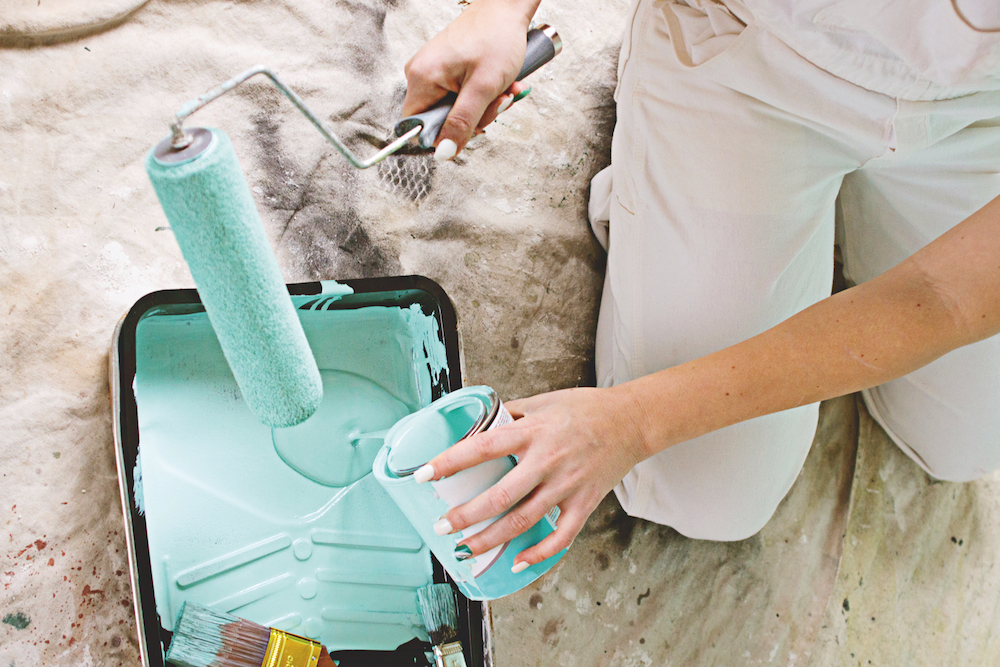
Nest: The poetry of paint names
This month, Home truths gets to grips with a spot of decorating
As well as how to hang wallpaper successfully, how to choose which brush and which finish, murals, and whether eco paint is worth using, we pick our favourite wallpapers. Turn to page 118 for more, or read on for a look at the poetry of paint names.
For most of us, description of colours stretches from ‘bluish’ and ‘a bit pink’ to ‘sort of off-white’, but to the paint-namers, these are translated to Alpine Frost (Graham & Brown); Wendy House (EarthBorn) and Clunch (Farrow & Ball).
While some of these are spot-on, helpful and often poetic, others are, frankly, baffling.
Try these:
Mizzle – a dullish green (farrow-ball.com);
Tracery – beige and Trumpet – yellow (littlegreene.com);
Smidgen – pale blue and Marbles – pinkish white (earthbornpaints.co.uk);
Wild Swim – murky brown and Buffel Tuft – cream (both paintbyconran.com).
Read more from the September issue:
Featured


More Nest posts:
Featured



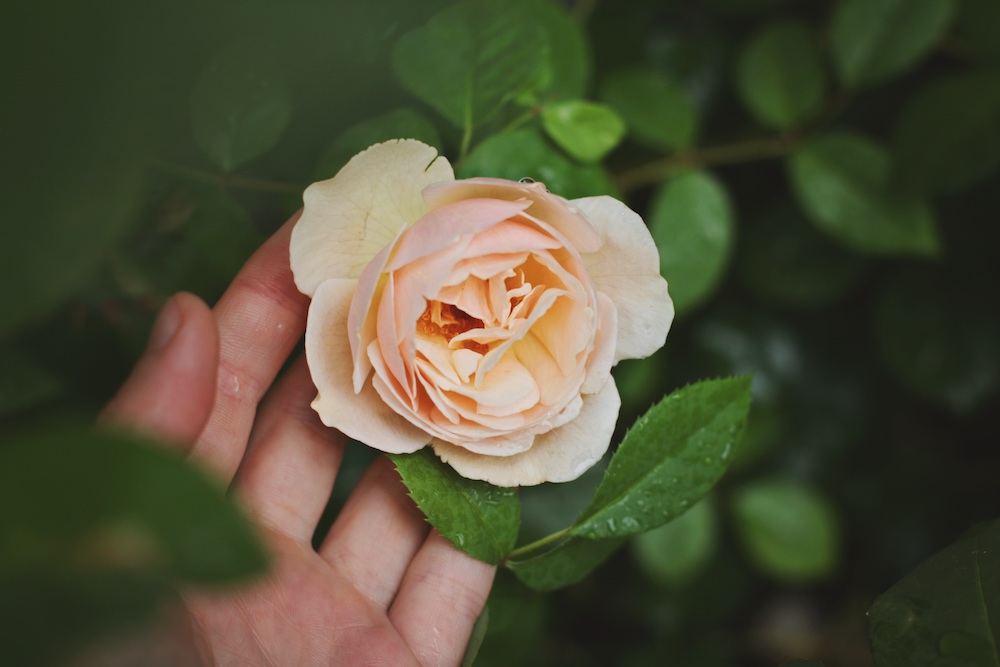
Give it a grow: Violas (Heartsease)
WHAT IS IT?
Violas are the daintier but tougher cousin of the pansy. Perfect for adding colour to a dull, partially shady spot in your plot, they are compact enough to thrive under larger shrubs and plants as well as provide the perfect partnership to small bulbs for most of the year.
WHY WOULD YOU?
Thanks to a bunch of innovative plant breeders, these days violas are happy to put on a show with only the merest flash of sun during the shorter days, as well as coping in cold, wet and windy weather. They flower continuously, too – good news as some varieties are edible and can be added to salads, puddings and drinks.
WHY WOULDN’T YOU?
You might be turned off by the gaudy two-tone varieties generally on offer in your local supermarkets and DIY stores.
However, venture online and you’ll discover much more interesting varieties available from independent nurseries and specialists, such as boutsviolas.co.uk.
They can be susceptible to slugs and snails so be vigilant and pick the little blighters off when you see them. You can also try organic slug pellets to spoil their fun.
More from the September issue:
Featured
More Give it a Grow posts:
Featured



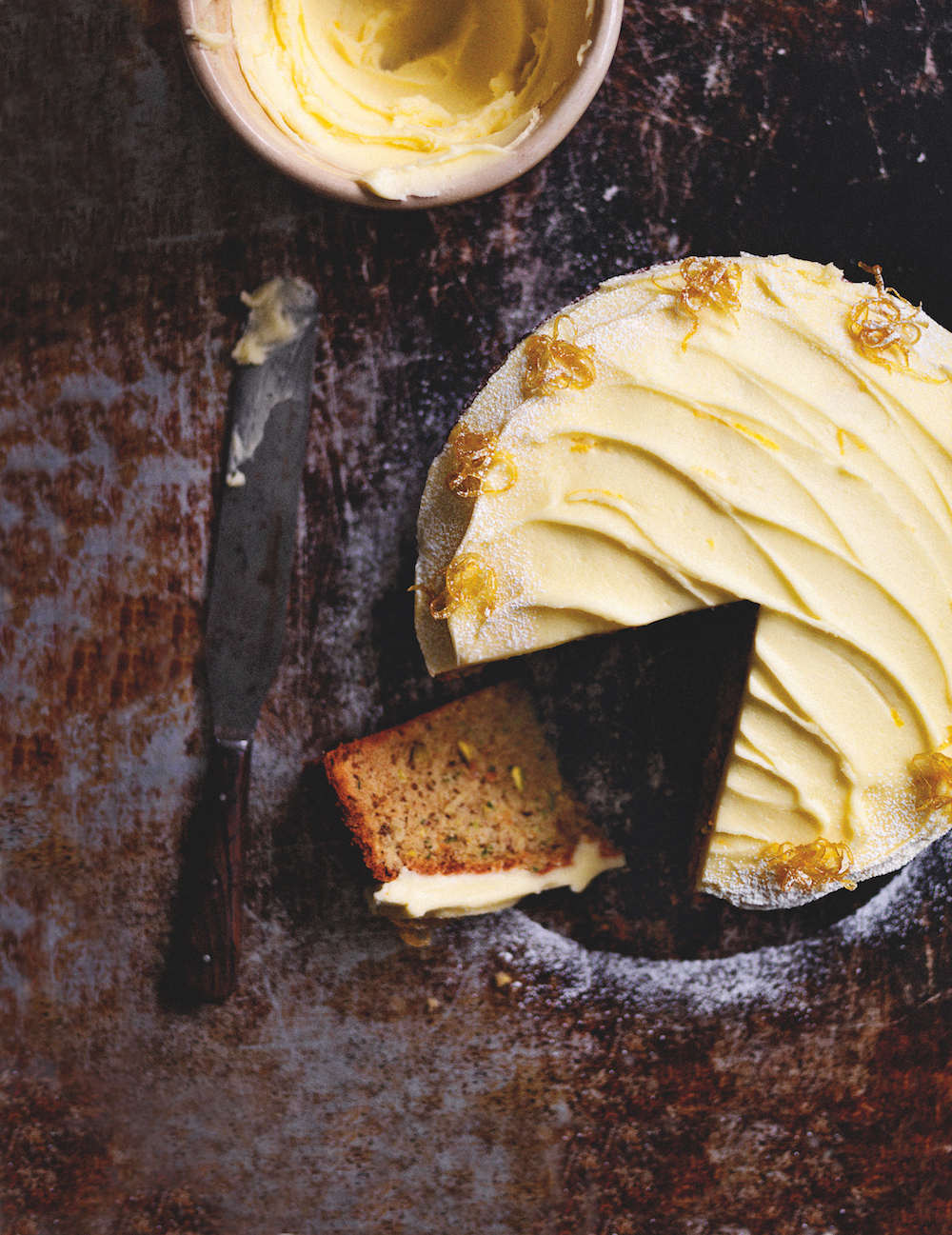
Recipe: Courgette and pistachio cake with zesty lemon icing
This pretty summer cake has to be the most satisfying way to deal with a glut of courgettes
Serves 12-16
300g caster sugar
5 eggs
350ml vegetable oil
11⁄2 tsp vanilla extract
100g pistachio nuts, chopped
80g ground almonds
650g grated courgettes
300g self-raising flour
100g plain flour
1 tsp bicarbonate of soda
11⁄2 tsp mixed spice
for the candied lemon zest
3 lemons
100g caster sugar
for the zesty lemon icing
125g unsalted butter
250g icing sugar, plus extra to dust 1 tsp vanilla extract
40ml whipping cream
zest and juice of 1 lemon
1 Preheat the oven to 170C/Fan 150C/ 325F. Grease a 23cm cake tin and line the base with baking paper.
2 In a mixing bowl, beat the sugar, eggs, vegetable oil and vanilla extract until thick, using an electric mixer. Fold in the pistachios, ground almonds and grated courgettes. Sift in the flours, bicarbonate of soda and mixed spice, then stir until well combined.
3 Pour the cake mixture into the prepared tin. Bake for 1 hour in the preheated oven, or until a skewer inserted into the middle of the cake comes out clean. Remove from the oven and leave to cool in the tin for 5-10 minutes, then turn out onto a wire rack and leave to cool completely.
4 To make the candied lemon zest, use a zester to peel the lemon zest into long, thin strands. Transfer to a small saucepan, add the sugar and 300ml water and bring
to the boil. Reduce the heat and simmer for 10-15 minutes, or until the lemon zest is translucent. Remove the zest using tongs or a slotted spoon, then spread out on a tray lined with baking paper and leave to dry for 10-15 minutes.
5 Make the zesty lemon icing by whisking the butter with an electric whisk until light and fluffy. Add the icing sugar and vanilla and whisk again for 3 minutes. Pour in the cream and whisk for a further 2 minutes, or until the icing is light and creamy. Mix in the lemon zest and juice and, using a spatula, spread the icing over the cake. Garnish with little nests of candied lemon zest, dust with icing sugar, then slice and serve.
Recipe from In the Kitchen by Simmone Logue (Murdoch Books)
More from the September issue:
Featured
More Cake in the House recipes:
Featured


Sponsored post: Pukkapedia - Pukka's herbal encyclopedia
Turn to page 79 of September's The Simple Things for your free sample of Pukka supreme matcha green tea. Put the kettle on, brew up and read on to discover why its ingredients are so beneficial.
YOUR SKIN
Pollution proofing
Our skin is an expression of our health and our environment, so when we’re tired or unwell, it can look grey or dull. And when we’re exposed to lots of toxins and free radicals, and don’t have enough antioxidants to mop them up, one of the results can be faster skin ageing. There are unique substances found in plant foods that are said to have antioxidant activity, which work to protect our cells and tissues – including our skin – against the damaging effects of free radicals and pollution.
So one of the primary ways to support our body’s antioxidant defence system is to consume plenty of plant foods – especially vegetables and fruit, which are brimming with all-important polyphenols and other antioxidants.
Golden glow
Turmeric is particularly effective for fighting against free radicals, thanks to its content of curcuminoids – pigments that give this super spice its bright yellow-orange colour.
Curcumin, the most widely studied, may even directly reduce skin ageing, including preventing moisture loss and protecting against wrinkles. You can get your daily dose of turmeric by including it in homemade curries and other Asian-inspired dishes, but buy a top-quality organic turmeric powder or fresh root to reap the full benefits.
Green gold
Green tea contains catechins, which have demonstrated pretty impressive abilities to fight free radicals. A specific catechin called EGCG (epigallocatechin gallate) is thought to have the most potent protective activity. To get the most out of your green tea, go for matcha. Matcha tea is a high-quality powdered green tea used in Japanese tea ceremonies. It’s made from only the fresh leaf tips of the tea plant, with darker green, sweeter-tasting leaves packed with antioxidants.
GLOSSARY
Free radicals
A molecule that is highly chemically reactive towards other substances. Rust is an example of free radical damage that happens in the environment. In the body, when there are excessive free radicals around, this can cause damage to cells and proteins that make up the body’s tissues – including our skin.
Antioxidants
Substances that react with free radicals, stopping the chain of damage that can occur.
Polyphenols
Micronutrients found in our diet that have an antioxidant effect.
More from the September issue:
Featured
Read natural skincare posts:
Featured


Reader offer: Free Pact filter coffee kit with next day delivery worth £10
We've teamed up with London-based coffee start-up Pact Coffee to offer The Simple Things readers a free filter coffee kit with next day delivery worth £10 when you sign up to Pact and order your first bag of incredibly freshly roasted coffee. The v60 kit includes a Hario V60, 100 filters, a welcome booklet and brew guide and, of course, your fresh coffee ground to suit the V60.
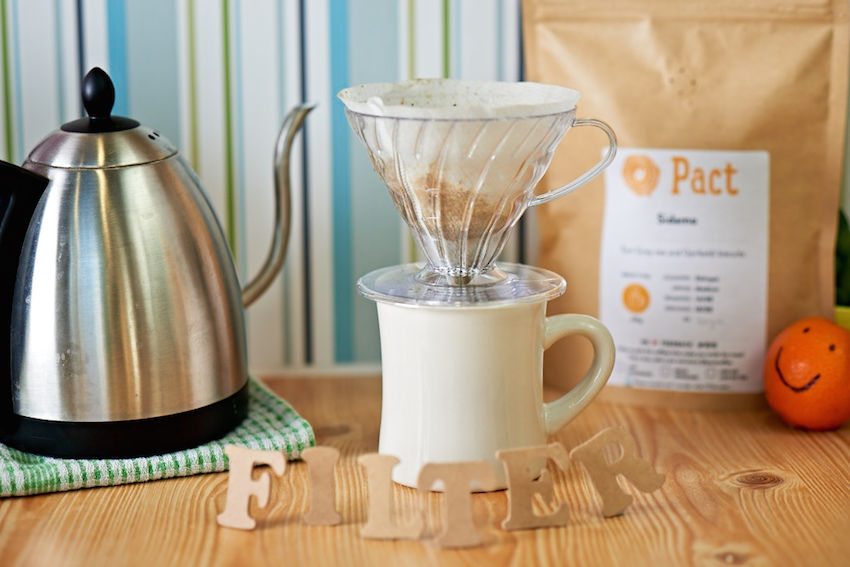
Pact coffee delivers incredibly freshly roasted coffee by post. They ship their coffee within 7 days of roasting - grinding it at the last moment to make it easy for us to drink fresher coffee everyday. Through their direct trade relationships with farmers, Pact pay a higher price than Fairtrade for better quality coffee, and encourage the farmers they work with to invest in coffee quality and their people.

If you like coffee as much as we do, try this special offer now!

Image: Lottie Storey
My City contributors needed!
Do you live in a city with great Autumnal colours? Are you a photographer, blogger or keen snapper with a good selection (around 30-50) of high res images of your city in Autumn?
We're currently looking for new destinations for our My City feature. If you think your photographs would grab the attention of our readers and you’d be happy to answer a written q&a revealing the hidden gems of your city, please email becs@icebergpress.co.uk with details of your website or blog so we can take a look at your work.
No UK destinations at the moment please.
Recipe: Apple 'doughnuts'
OK, so these aren’t real doughnuts, but you’ll be pleasantly surprised by how delicious (and addictive) they are, despite being far healthier than their sugary namesakes. Kids will love making and eating them – so why not turn it into a game and see who can be the most creative? Great for using up your apple harvest, the doughnuts make a fun breakfast or healthy snack at any time of day.
MAKES 12
300g full-fat cream cheese
100g peanut, almond or cashew nut butter
2 tbsp fruit purée or coulis
1 tsp maple syrup or honey
2 large apples, either red or green or 1 of each
3 tbsp chocolate spread or toffee sauce (optional)
75g mixture of your chosen toppings (see below)
TOPPINGS:
dried fruit, eg golden raisins, cranberries, dried apricots or goji berries
nuts, eg hazelnuts, pecans, almonds or pistachios
seeds, eg pumpkin, sunflower,
toasted sesame or linseeds roasted nut and seed mix toasted coconut flakes
bee pollen
edible flowers
ESSENTIAL KIT:
apple corer
1 Line a tray with non-stick baking paper and set aside.
2 Divide the cream cheese between two small bowls. Mix the nut butter into one and the fruit purée or coulis into the other. Stir 1⁄2 tsp of syrup or honey into each bowl. Cover and set aside. Can be made a day in advance.
3 Use the apple corer to remove the cores. Cut each apple into six even-sized slices (including the ends) and lay them flat on the prepared tray, ends cut side up.
4 Spread the nutty cream cheese over six slices and the fruity one over the other six, leaving the hole clear. Use your toppings to decorate the apple doughnuts as you like. You can also chop your toppings into smaller pieces if you prefer. Either arrange them on top of the apple slices or press the creamy side down onto the toppings to stick.
5 As a further flourish, drizzle chocolate spread or toffee sauce over the apple doughnuts, if you like. To loosen the sauce for drizzling, spoon it into a small bowl and sit the bowl in another bowl of just-boiled water. Give it a good stir once it starts to melt.
These can be made up to a day ahead and kept covered in the fridge. Serve on a tiered stand or layered between small squares of baking paper in a nice box.
For a twist...
• Use chocolate spread instead of nut butter, or jam instead of fruit purée.
• Decorate the tops with cake sprinkles for a treat.
Recipe from The No-Cook Cookbook by Sharon Hearne-Smith (Quercus)
More from the September issue:
Featured
Read more fruit recipes:
Featured

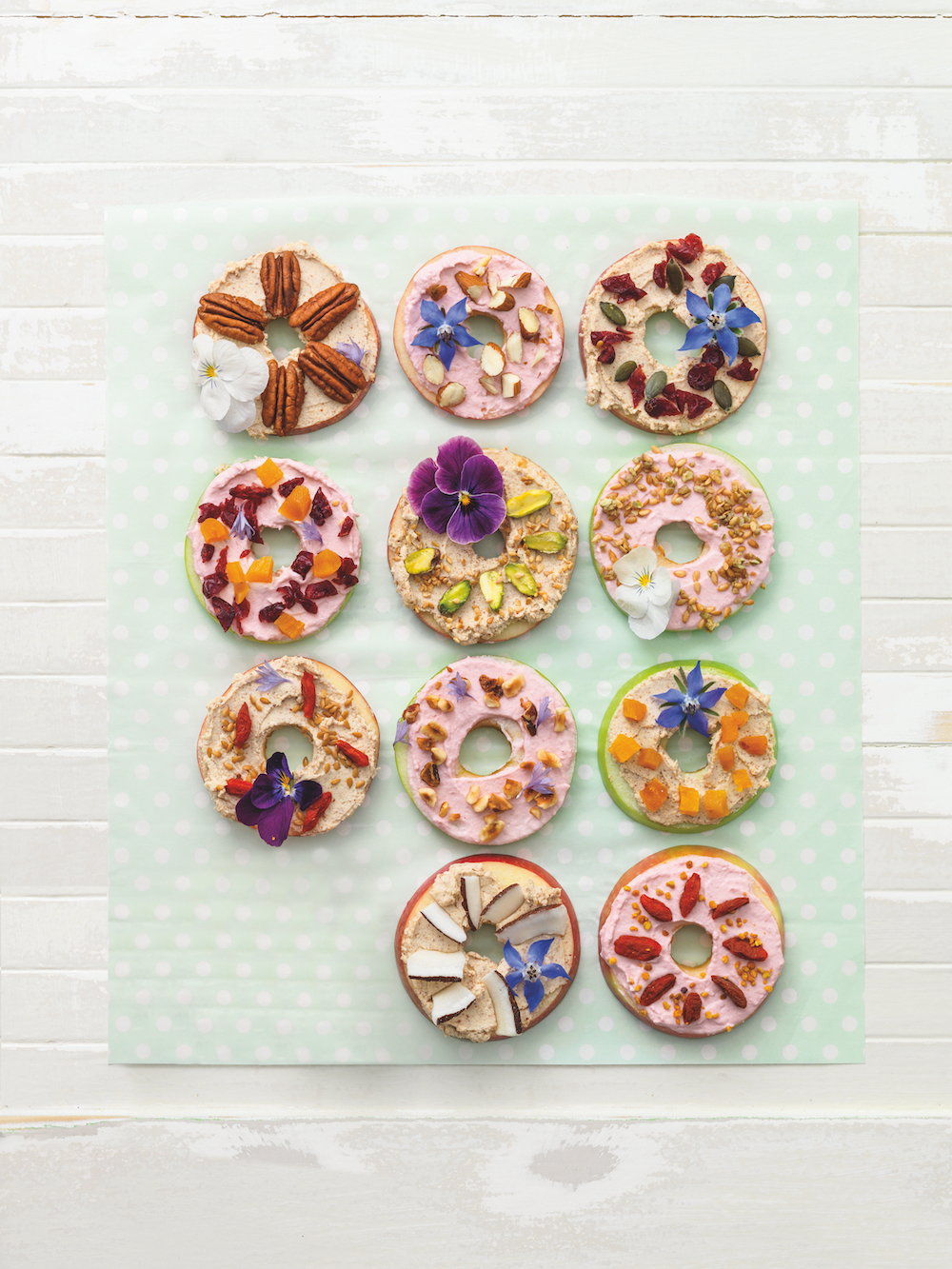

Illustration: Marta Orzel
Think: Meditation – the art of quietening the mind, explained
Six simple ways to start meditating by yourself
1 FOLLOW THE BREATH: start to become aware of your breath – don’t try to control it in any way, just notice the inhale, the exhale, and the pause between the two. Every time your mind wanders, gently bring it back to the breath.
2 USE A MANTRA: pick a sound or phrase that appeals to you. “Om” is the classic (tone it slowly with three sounds – AH-OH-MMM). Or use a vowel sound – such as “aaah” or “oooh”. Or pick a word or phrase you like, such as “Peace”. Sit calmly and slowly repeat your chosen mantra over and over.
3 COUNT TO TEN: count very slowly from one to ten in your head, keeping your attention on each number. If you feel your attention wandering (and undoubtedly it will, often before you reach three!), simply go back to one and start again.
4 GAZE ON A CANDLE: focus your eyes on the flame and watch it. Notice the way it moves, the colours within it. When your attention wavers or your mind starts jumping, gently bring it back to the flame.
5 WALK: walk very slowly, paying attention to every part of every step. Say “lifting” as you lift up your foot; “moving” as your foot moves through the air; “placing” as you place your foot down on the ground; “shifting” as you shift your weight onto that foot.
6 BODY SCAN: scan slowly through your body, paying attention to where you are holding tension. Don’t judge or try to let go – just be aware. Move gently from top to bottom, paying attention to any changing sensations.
For more on meditation turn to page 75 of September's The Simple Things.
More from the September issue:
Featured
More Think posts:
Featured




Nest: September cover reveal
September is a month with purpose; to learn something new, make something beautiful, go somewhere special. Or to find a place within yourself where contentment lies. Take up a pen and write a letter to a friend, send invitations over tea and a pile of toast. Relish being at home, sweet home. Tie your apron to rustle up veg plot lunches and cakes from the harvest. Find comfort in these mellow, end-of-summer days. Find comfort in The Simple Things.
On sale today. Get hold of your copy of this month's The Simple Things - buy, download or subscribe
View the sampler here.
More from the September issue:
Featured

Image: Unsplash
Make: Rosemary water
A delicious flavouring for foods, and a great tonic for hair and skin
MAKES: 300ml
KEEPS: 2 years
INGREDIENTS:
150g dried rosemary (300g fresh)
2.5 litres water
METHOD:
1 Put everything in a pressure cooker near the sink. Close lid and remove pressure regulator to expose the vent pipe.
2 Connect a hose to the vent pipe. Pass the hose beneath the water tap and then on and into a glass collecting bottle.
3 Turn the heat to high. When water boils, open tap to let cold water cool the hose.
4 The distillation process should be slow with minimum heat. Simmer on low until you have distilled 300ml of water – in a household pressure cooker, this should take around 30-45 mins.
Found in The Domestic Alchemist: 501 Herbal Recipes for Home, Health and Happiness by Pip Waller (Leaping Hare Press).
More from the September issue:
Featured
More natural remedy recipes:
Featured


Image: Stocksy
Wellbeing: How to embrace idleness
We're afraid of having nothing to do, but being bored is no bad thing - we've just forgotten how to do it properly and how liberating it can be...
Rachael Oakden explores The Lost Art of Boredom on page 86 of August's The Simple Things. Meanwhile, read her tips on how to embrace idleness.
- Leave your emails unchecked next time you’re waiting in a café. Sit and smell the coffee instead (it worked for J.K. Rowling).
- Go for a walk. Boredom novices find it hard to sit still and stare into space. Repetitive, mindless exercise, such as walking or swimming, leaves your mind free to wander while satisfying your guilt-prone conscience.
- Visit green spaces. The sights, sounds and sensations of the natural world are gentle distractions that encourage the mind to go walkabout.
- Embrace screen-free Sundays. Disconnect from all electronic media for one day a week and reconnect with your inner and outer worlds.
- Listen to your boredom. Is it telling you that you’re unhappy in your job or lifestyle? Research shows that boredom can motivate us to become more altruistic and engage in pro-social behaviour, such as volunteering or donating blood.
Read more from the August issue:
Featured



More Wellbeing posts:
Featured



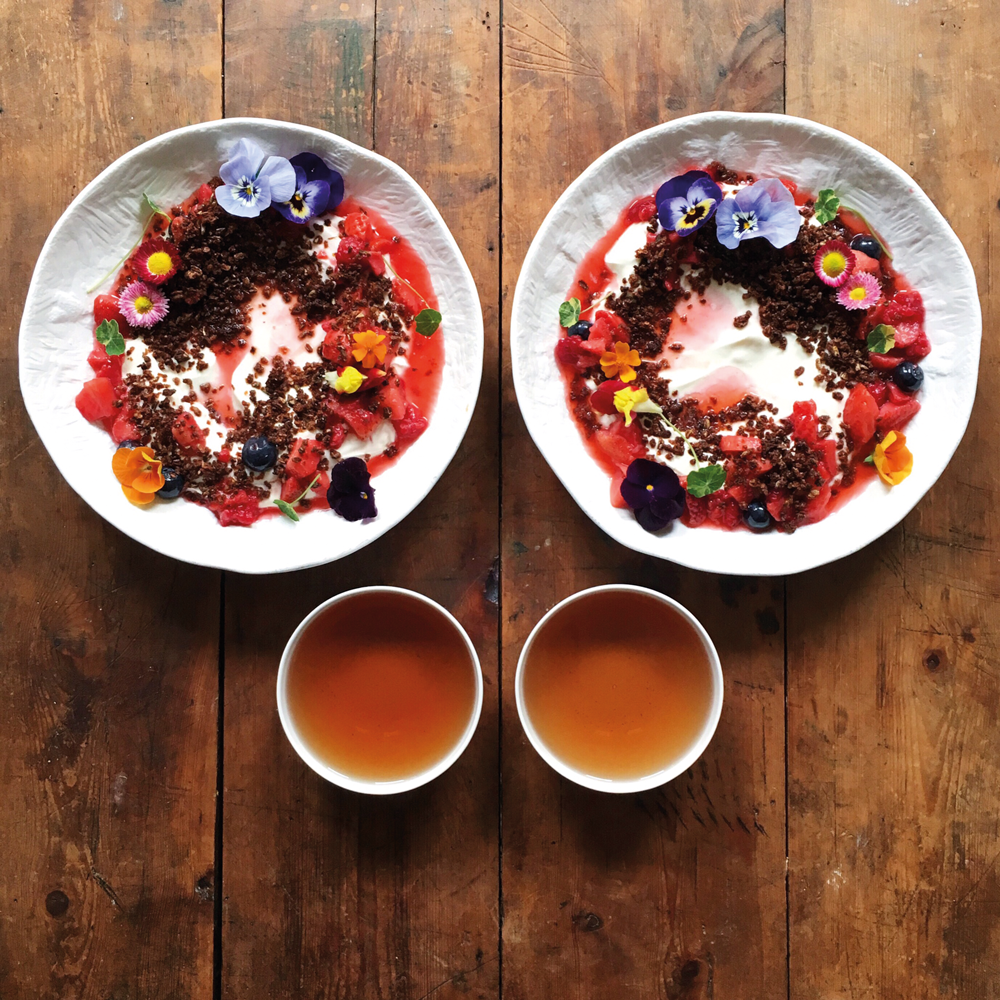
Three recipes: Symmetry breakfasts by Michael Zee
Breakfast is about feeding your loved ones, says Michael Zee, who creates dishes for two that taste as good as they look. Michael Zee’s beautiful and perfectly symmetrical breakfasts are hard to resist. What began as an Instagram of his boyfriend’s breakfast now has more than 600,000 followers and led to his first cookbook.
“Breakfast is the meal that most people take for granted,” says Michael. “Chewing at one’s desk or swigging a coffee on the go, we seem to care less and less about the most important meal of the day. I want to challenge the belief that there are breakfast foods and non-breakfast foods. The fact is, anything can be breakfast – and probably is, somewhere.”
Baghdad baid masus
If you love shakshuka, then give these special eggs from Baghdad a try: eggs fried in a spiced cumin and coriander butter, with finely diced celery and onion, served with crispy pitta chips and a herby labneh dip.
2 pitta breads
Olive oil
3 tsp za’atar
50g butter
2 celery stalks, finely chopped
1 medium onion, finely chopped
1 clove garlic, grated or finely chopped
11⁄2 tsp cumin seed
11⁄2 tsp coriander seed
1 tsp hot paprika or chilli powder
4 eggs
200g labneh (substitute 170g cream cheese mixed with 30g yoghurt if you’re struggling to source this)
Fresh chopped mint, parsley and coriander
Juice of 1 lemon
Preheat your oven to 180°C.
Open up the pocket of each pitta and split each into two so that you have four ovals. Cut each into strips. Place them on a baking tray, drizzle with olive oil and sprinkle with za’atar. Bake for about 15 minutes until crunchy and brown around the edges.
Heat the butter in an ovenproof frying pan over a medium heat and add the celery, onion, garlic, cumin, coriander and paprika. Cook this for 10–12 minutes until soft.
Crack in the eggs and when they are just about set on top, put the pan in the oven with a lid on. The oven should still be hot (from baking the pitta) but not switched on.
In a bowl, mix the labneh with the freshly chopped herbs and lemon juice. Remove the eggs from the oven and season to taste with salt and pepper.
Serve from the pan at the table, with dollops of the herby labneh and pitta chips for dipping.
Ymerdrys
Pop rye bread into a food processor, blitz it into a crumb and eat it with ymer, a type of sour yoghurt, and fresh fruit.
300g dark rye bread (or whatever you have left over)
2 tsp brown sugar
450g ymer or yoghurt
250g mixed soft berries
Preheat your oven to 180°C.
Tear the rye bread into chunks and put it in a food processor along with the sugar and any other flavourings you’ve decided on. Blitz until it resembles rubble.
Spread evenly over some baking paper on a baking tray. Bake for 15 minutes but give it a jiggle at around 7 minutes, for even cooking, then check again at 10 minutes.
Remove from the oven and allow to cool slightly. I like mine still a bit warm. Serve with yoghurt and fruit.

M’smmen
A lovely flaky, crispy pancake from Morocco. Serve with honey and lashings of culinary argan oil (made from toasted argan kernels)
FOR THE DOUGH
450g plain flour
100g fine semolina
1 tsp caster sugar
1 tsp salt
1 sachet fast–action yeast
300ml tepid water
FOR FOLDING
Sunflower oil
100g soft butter
100g fine semolina
FOR THE TOPPINGS
Honey
Argan oil (go easy on this)
Pine nuts, lightly toasted
Mixed berries
Put all the dry ingredients for the dough into a bowl or mixer and add the water until the mix forms a slightly sticky dough. Be careful that you don’t add too much water at the start. If you’re using a mixer, knead the dough for about 5 minutes using a dough hook. If you’re working by hand, knead the dough on a floured surface for about 10 minutes. It should be smooth and elastic.
Split the dough into 10 balls and, using the sunflower oil, lightly coat each one so that it doesn’t dry out. Clear a large work surface to prepare your pancakes and generously oil so that the dough doesn’t stick.
Take a ball of dough and, with oiled hands, press it flat. Working from the middle outwards, keep going until the pancake is so thin you can almost see through it; don’t worry if you make some holes. Scantly spread some butter over and sprinkle some semolina on – this will help the flaky layers form when cooking.
Like folding a letter, fold the left two thirds in and then bring the right side over. You should have a narrow strip now. Bring the top down two thirds of the way and fold the bottom up to match. Now you have a square. Repeat until all the balls are folded.
Preheat a dry pan over a medium–high heat. Starting with the first square, flatten it out until it’s about twice its original size. Fry each pancake for about 5 minutes on each side until golden brown, flipping several times throughout.
Drizzle with honey, argan oil, pine nuts and berries.
All recipes from SymmetryBreakfast: Cook, Love, Share (Bantam Press) by Michael Zee.
More from the September issue:
Featured
More breakfast recipes:
Featured


A Whiter Shade of Pale
Fresh, calm and effortlessly stylish, white homewares are guaranteed never go out of style. Our shopkeeper, Louise Gorrod, shares her pick of the palest home accessories from The Stuff of Life.
Attention to detail is key. Linens are pre-washed for ultimate softness and hand thrown ceramics fresh from the potters wheel - timeless products that are a pleasure to use everyday.

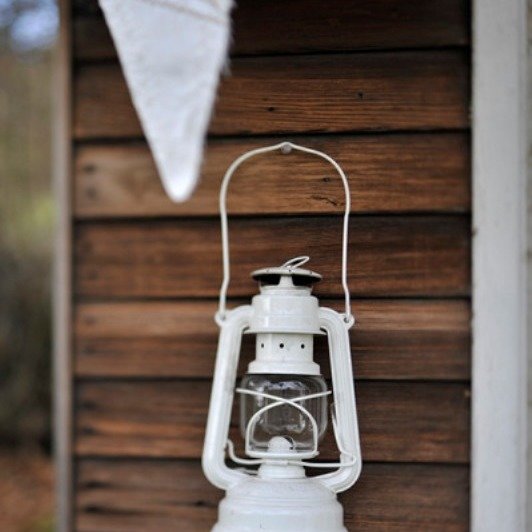




Images from top, left to right:
Marble Chopping Board from Home Address, £25.00 | Everyday large mug by Emma Lacey, £25.00 | Hurricane Lantern by The Glam Camping Company, £28.50 | Fläpps leaning shelf by Ambivalenz, £226.92 | Linen napkin by The Linen Works, £8.75 | Linen waffle towels from The Linen Works, from £19.00 | Handmade Organic Teapot by Linda Bloomfield, £84.00 | White stoneware platter from Home Address, £30.00 | Linen bathrobe from The Linen Works, £120.00

Listen: Home playlist
All we want is a room somewhere... This month, we relish the comforts of home. Loverly.
Listen to our Home playlist now.
More playlists from The Simple Things:
Featured
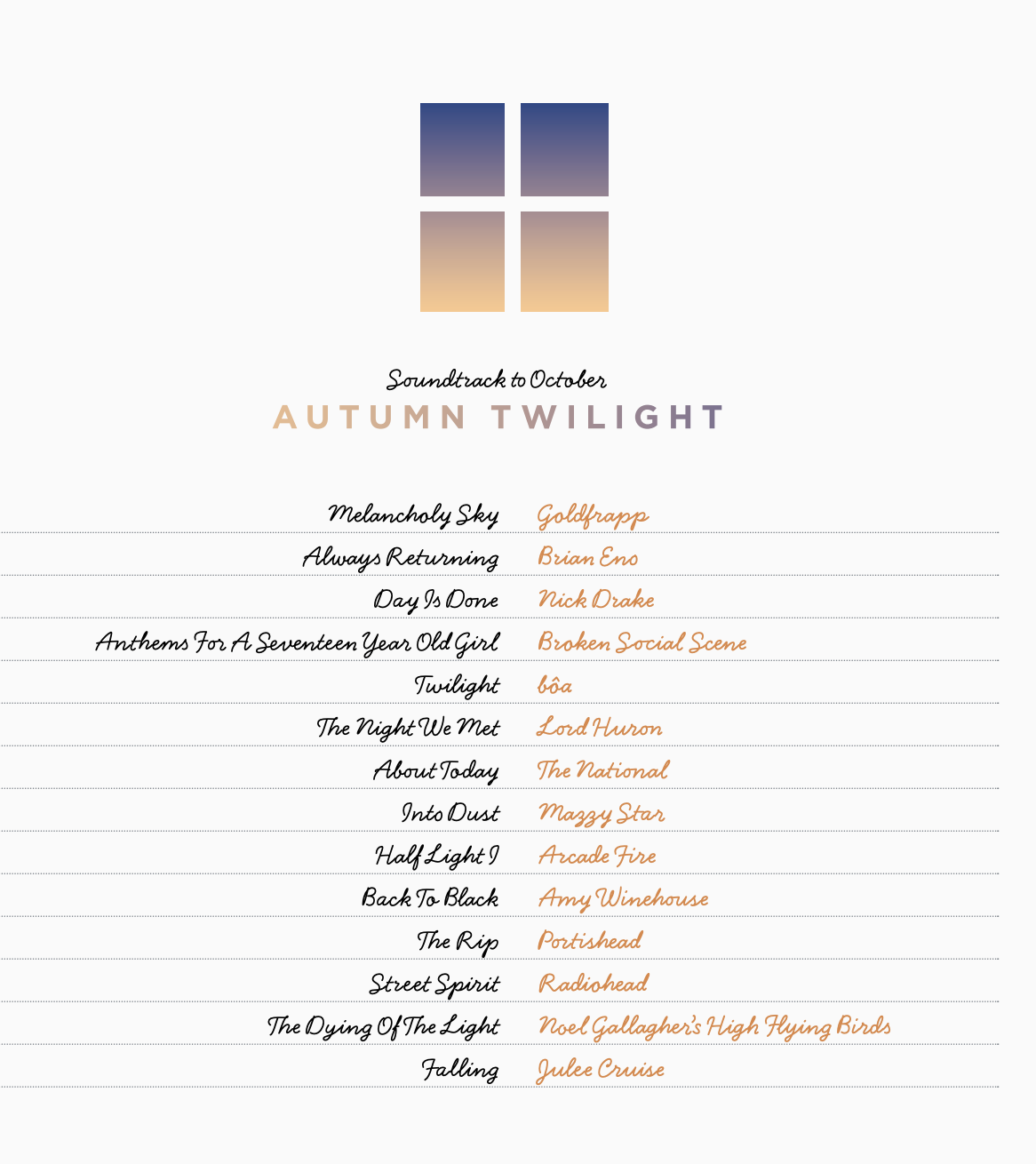

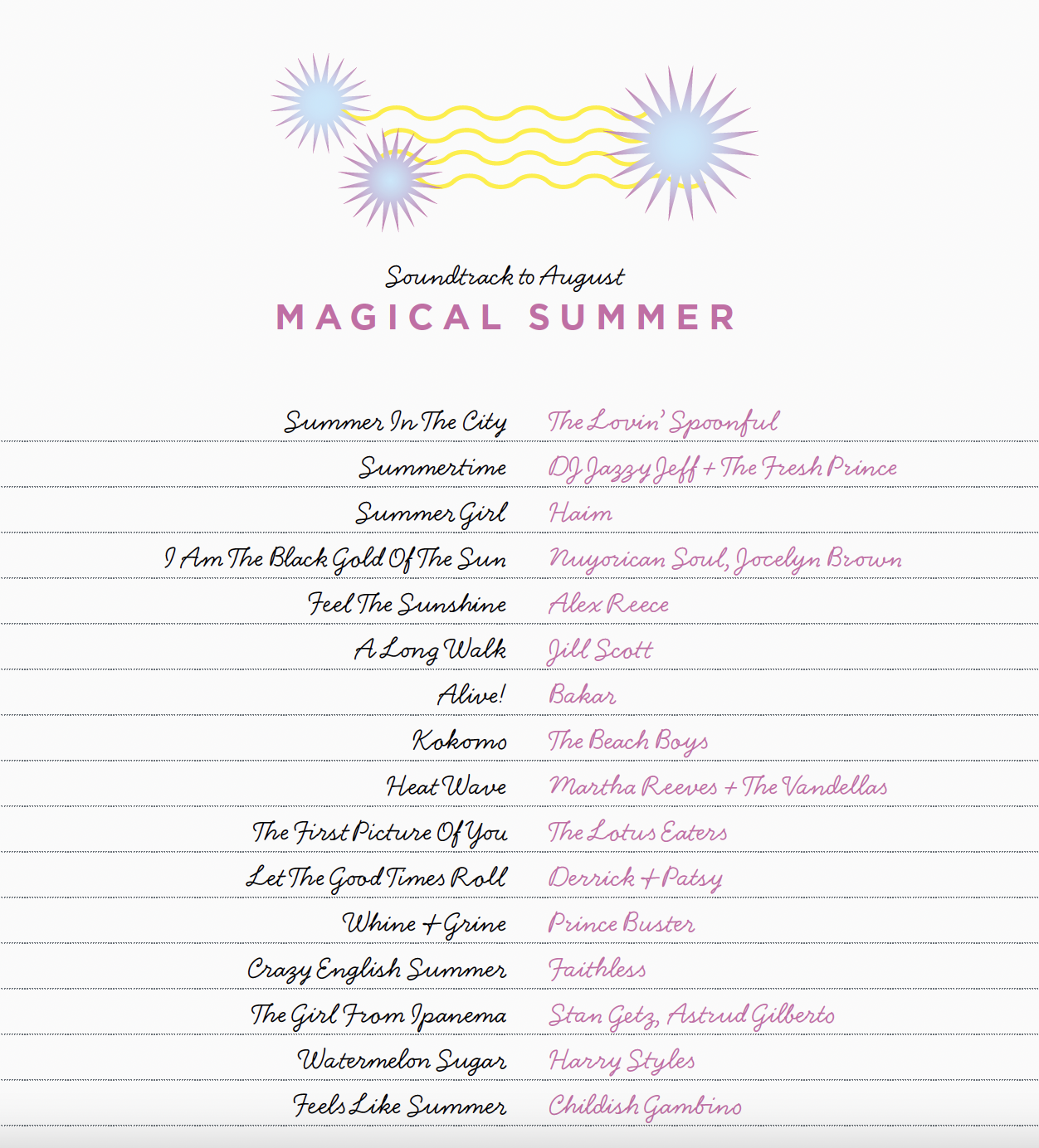
More from the September issue:
Featured

Recipe: Lia Leendertz, photography: Kirstie Young
Recipe: Walnut and damson cheese sausage rolls
September's The Simple Things includes three recipes by Lia Leendertz in celebration of the ancient agricultural festival of Mabon.
Says Lia, 'I love a sausage roll, particularly to pack up and take on a picnic, and these contain all the nutty fruitiness of the season. Damson cheese is a sort of thick, sliceable jam, which I often make from my damson glut to eat with cheese and crackers, but it’s lovely here. If you can’t get hold of it, just use plum jam instead'.
Want to make Damson cheese? Scroll down for a recipe.
Walnut and damson cheese sausage rolls
Makes 6 large or 18 small
50g walnuts, plus a few extra
400g free-range sausage meat or 6 pork sausages
a few sage leaves, chopped
250g pack puff pastry
100g damson cheese
1 egg, lightly beaten
1 Preheat the oven to 180C/Fan 160C/350F. Tip the walnuts onto a baking tray and bake for 7-10 minutes, until slightly toasted. Set aside to cool, then chop roughly.
2 In a bowl, combine the sausage meat (if using sausages, squeeze them out of their skins), chopped toasted walnuts and sage. If using sausage meat, season with salt and freshly ground black pepper (sausages are already well seasoned). Use your hands to mix everything together thoroughly.
3 Lay out your rectangle of pastry and slice it into three across the shorter length to give three long strips. Cut the damson cheese into batons and lay it in a line down the middle of each strip. Divide the sausage mixture and arrange it evenly along the three lengths. Carefully roll the mixture up, brushing one edge with beaten egg to stick the edges of the pastry together. Turn the roll over so that the seam is on the bottom, then cut it into however many lengths you want. Place on a baking tray lined with baking paper.
4 Brush the tops of the sausage rolls with beaten egg, then chop a few extra walnuts and sprinkle them over the top. Finish with flakes of sea salt. Bake in the preheated oven for at least 25 minutes. I often leave mine for longer, as I love the pastry really crisp and well done. Remove from the oven when yours are as you want them and leave to cool a little before eating (they’re delicious still slightly warm).
Damson cheese
Recipe by Hugh Fearnley-Whittingstall for the Guardian (visit the original page for more damson recipes).
This traditional fruit "cheese" is a very thick, sliceable preserve that is immensely good served with actual cheese. It keeps for ages. Makes 850-900g.
2kg damsons
Around 750g granulated sugar
1. Put the damsons in a large preserving pan, add a couple of tablespoons of water and bring slowly to a simmer, stirring as the fruit begins to release its juices. Leave to simmer until completely soft. Tip the contents of the pan into a sieve and rub it through to remove the stones and skin, leaving you with a smooth damson purée.
2. Measure the purée by volume. For every 500ml, add 350g sugar, and combine in a large, heavy-based pan. Bring to a simmer over a low heat, stirring to dissolve the sugar, then cook gently, stirring regularly so it doesn't catch, until reduced to a thick purée. It's ready when you drag the spoon across the bottom of the pan and the base stays clearly visible for a second or two. This can take up to an hour of gentle, popping simmering and stirring.
3. Pour the "cheese" into very lightly oiled shallow plastic containers and leave to cool and set. It will keep almost indefinitely in the fridge. Serve in slices with bread and cheese, or, if you fancy, cut into cubes, dust lightly with granulated sugar and serve as a petit four.
More from the September issue:
Featured
More Seed to Stove recipes:
Featured

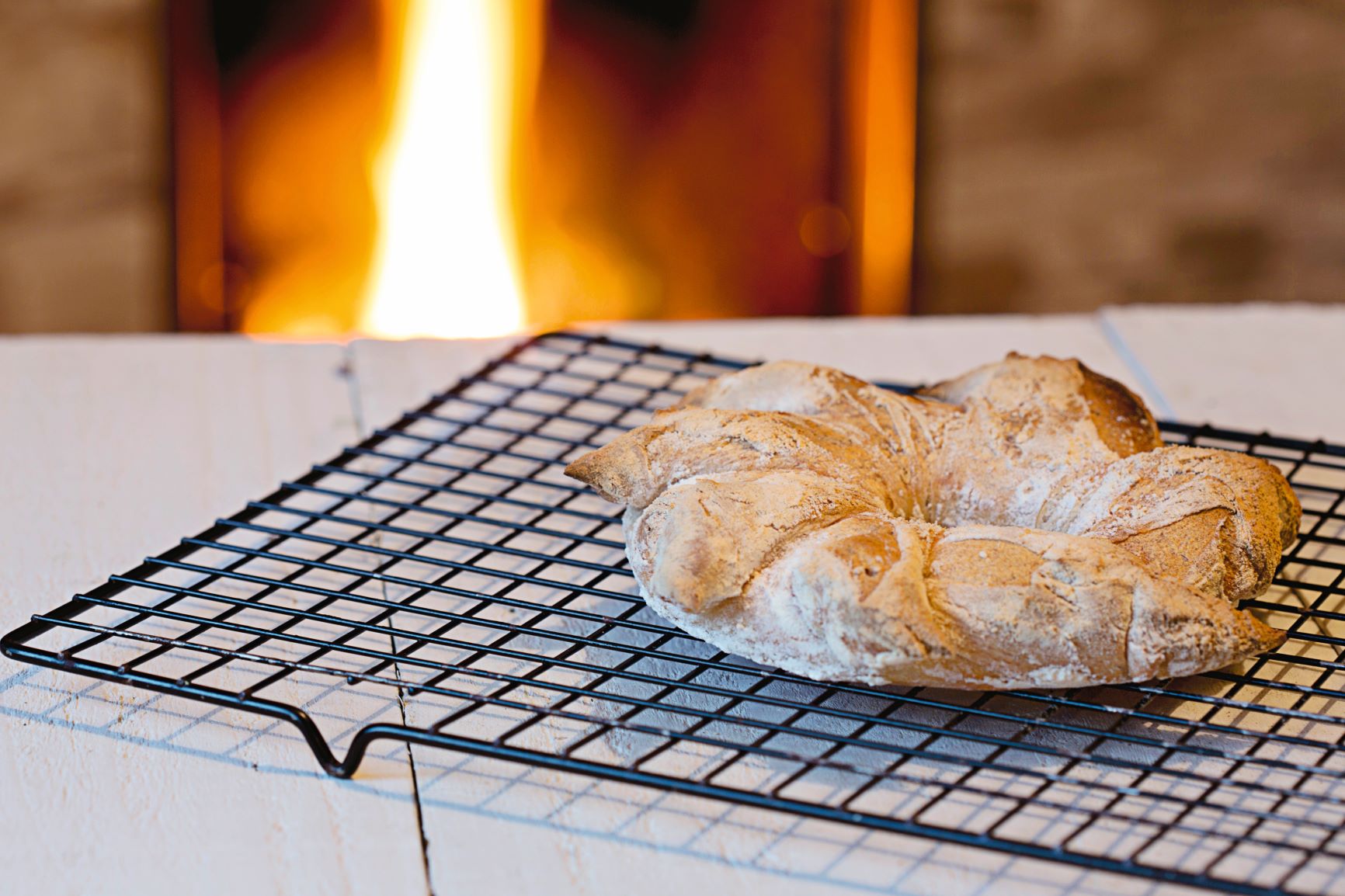

Recipe: Raspberry, apricot and orange ice lollies
Soaked cashews are the secret to lovely, creamy dairy-free lollies. Start the night before to allow time for the cashews to soak
Makes 8
6 large apricots (approx 500g), sliced
juice of an orange
125g fresh or frozen locally grown raspberries*
4–5 tbsp pure maple syrup (or honey)
60g raw cashews, soaked overnight in cold water, drained and rinsed
1 tsp finely grated orange zest small pinch of fine sea salt
* If using frozen berries, allow them to defrost a little before using in this recipe
1 Place apricots and orange juice in a medium saucepan, cover with a lid and bring to the boil. Reduce to a simmer and cook for 5 mins. Remove lid and cook for a further 8–10 mins, stirring often to prevent the bottom from catching, until thick and pulpy. Remove from heat and set aside to cool.
2 Combine raspberries and 1–2 tbsp of the maple syrup in a small bowl and lightly crush with a fork to form a rough paste. Divide evenly between 8 lolly moulds and set aside.
3 Transfer cooled apricots to a blender, along with soaked cashews, 3 tbsp maple syrup, orange zest and salt. Blend until smooth. Pour into moulds (it’s a thick mixture, so you may need a spoon to help), then using a knife, marble the raspberries through the apricot mixture slightly. Insert wooden sticks and freeze for at least 4 hours or overnight.
4 Run moulds under warm water to help release the popsicles.
Recipe taken from A Year In My Real Food Kitchen by Emma Galloway (Harper Collins)
More from the August issue:
Featured
More summer recipes:
Featured

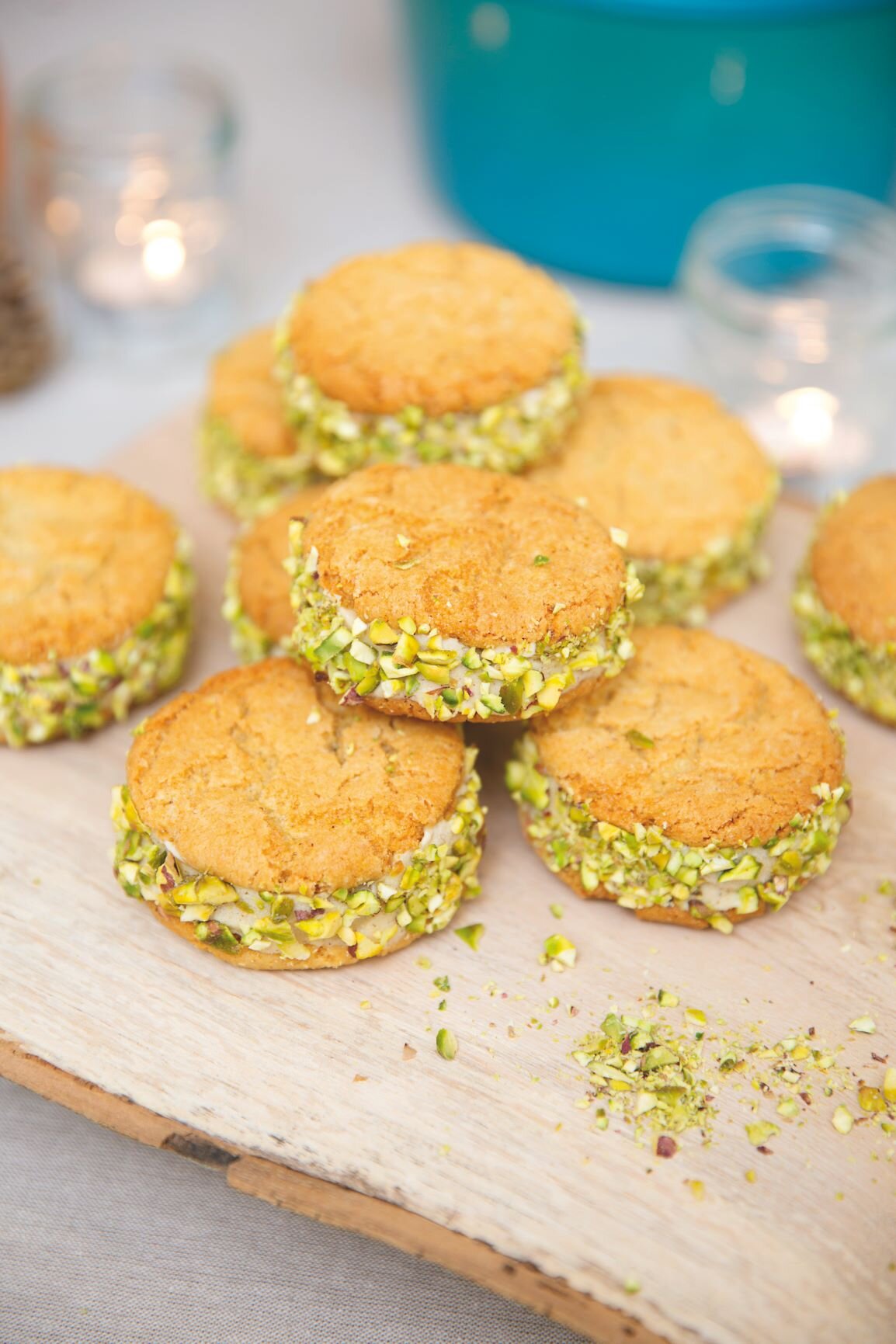

Competition: Win one of three natural skincare hampers from MOA worth £110
Enter our competition to win one of three natural skincare hampers from MOA - Magic Organic Apothecary!
Read our interview with the creators of MOA and find out more about their natural skincare products.
Where and how are your products made?
We are a British brand, all our products are made in the UK and our signature herb, organic yarrow, is grown in Somerset. We even sow the seeds by hand, at the farm where it is grown. We are cruelty free certified. Our packaging comes from sustainable sources, mostly made in the UK and printed with vegetable based inks, as we try our to make our products as eco as possible.
Why you do what you do?
It was our mission to make yarrow, our hero herb, available within a skincare product. Yarrow is such a miraculous and healing herb, but not found in many products all, despite being a favourite amongst many herbalists because of its numerous properties. Our original product, The Green Balm harnesses the powers of yarrow in a multi-purpose balm. We enjoy making natural skin care which is affordable and effective whilst also attractive and magical to behold.
What inspires you?
Nature, magic and folklore, all of which we celebrate in our products, our marketing and our packaging.
What's special about your designs?
I illustrate the drawings by hand and combine them with vintage apothecary inspired design, so it makes our style pretty unique. Our potions are developed with lots of imagination and care. We’re only ready to sell them when we are truly smitten with the product, and happy that it is both therapeutic and effective. And lastly, a sprinkling of magic makes them very special too!

Enter the competition
Competition closing date: 16 September 2016
Enter more competitions:
Featured

More from the August issue:
Featured

Make: Exfoliating seaweed scrub
Kelp's wonderfully fresh seashore scent makes this exfoliating scrub a summer shower must-have
Exfoliating seaweed scrub
MAKES: 100g
KEEPS: At least 6 months
INGREDIENTS:
1 tbsp fine sea salt
1 tbsp kelp powder
5 tsp vegetable glycerine
7 tsp sweet almond oil
5 drops juniper essential oil
5 drops lemon essential oil
METHOD:
1 Mix the sea salt and kelp together.
2 Add the glycerine and half the almond oil and mix well. If the mixture is too stiff, add more oil until it makes a thick, gloopy paste.
3 Add the essential oils and stir really well.
Note: this recipe isn’t suitable for dry skins
Courtesy of Lynn Rawlinson. Found in The Domestic Alchemist: 501 Herbal Recipes for Home, Health and Happiness by Pip Waller (Leaping Hare Press).
More from the August issue:
Featured
Read more homemade remedy posts:
Featured

Illustration: Joe Snow
How to prevent travel sickness
Putting these tips in motion can take the edge off suffering
Go gingerly
Ginger is the most trusted traditional remedy. Have it a couple of hours before travelling. Try popping a fresh slice between your teeth and gums, or nibble on a real ginger biscuit .
Take your position
One bonus of track sickness: making the call on where you sit. Go for the front seat in cars so you can see out, likewise the window seat on planes.
Eyes on the horizon
Motion sickness is caused by a conflict between what you see and what your ears – which help with balance – sense. Help your brain cope is by fixing your eyes on a stable object. Or go the other way and keep them closed.
Listen to music
Distract yourself by relaxing to calming music. But avoid reading or checking your phone as they disturb that whole eyes/ear thing.
But ultimately...
Some people are more prone to motion sickness, including women who’ve had kids and, it’s been said, introverts...
Read more from the August issue:
Featured
More How To posts:
Featured


