The Simple Things

Taking time to live well
  • Home
  • Subscribe
  • SHOP
  • Newsletter
  • About
  • Work with us
  • Home
  • Subscribe
  • SHOP
  • Newsletter
  • About
  • Work with us

Blog

Taking Time to Live Well

  • All
  • Chalkboard
  • Christmas
  • Competition
  • could do
  • Eating
  • Escape
  • Escaping
  • Fresh
  • Fun
  • gardening
  • Gathered
  • Gathering
  • Growing
  • Haikus
  • Interview
  • Living
  • Looking back
  • Magazine
  • magical creatures
  • Making
  • Miscellany
  • My Neighbourhood
  • Nature
  • Nest
  • Nesting
  • outing
  • playlist
  • Reader event
  • Reader offer
  • Shop
  • Sponsored post
  • Sunday Best
  • Think
  • Uncategorized
  • Wellbeing
  • Wisdom
Jelly Mould pendant shades by Re-Found Objects

Jelly Mould pendant shades by Re-Found Objects

Bringing light to dark days

Iona Bower January 8, 2019

How to love your lighting - and perhaps design your very own shade…

Long, january evenings provide us with good reason to celebrate lighting up the dark. Whether it’s spending a quiet hour with a scented candle, or rethinking your entire lighting scheme in your home.

In our January issue’s The Comfort of Things feature, Clare Gogerty waxes lyrical on the positive vibes good lighting can bring to your home: “Coming home and switching on the lights banishes the darkness, replacing it not just with visibility but with emotional reassurance.”

There’s more on why lighting is so important to our homes in the January issue. However, if you’re inspired to really throw yourself at a lighting project you will also not want to miss The Simple Things’ Lampshade Making Workshop on Saturday 23 February in Hove, East Sussex.

The course is run with Lume Lighting’s Joanna Corney, a maker and designer who has run her homeware business for several years and will take place at her lovely working studio by the sea, in Hove.

The workshop is exclusively for The Simple Things readers and is ideal for beginners who want to learn the craft of contemporary lampshade making. You’ll be given all the skills you need to make your very own custom shade, meeting like-minded people and eating some delicious food along the way. You’ll make either a 20cm or 30cm diameter fabric drum lampshade, which can be used on a lamp base or ceiling pendant. At the end of the workshop you will go home with your very own bespoke lampshade – perhaps just the first of many more beautiful customised designs.

COURSE DETAILS

The Simple Things’ Lampshade Making Workshop, which has seven places available, will be held at Joanna’s studio in Hove, East Sussex, on Saturday 23 Feburary 2019. Time: 10.30am–3.30pm. Ticket price: £60, including all tools and materials for the class, plus tea, coffee, cake and lunch. You’ll need to make your own way there and home. The only thing you need to bring is the fabric of your choice to cover your lampshade.  

HOW TO BOOK

Email hello@lumelighting.co.uk. Joanna’s website is lumelighting.co.uk.

Get hold of your copy of this month's The Simple Things - buy, download or subscribe


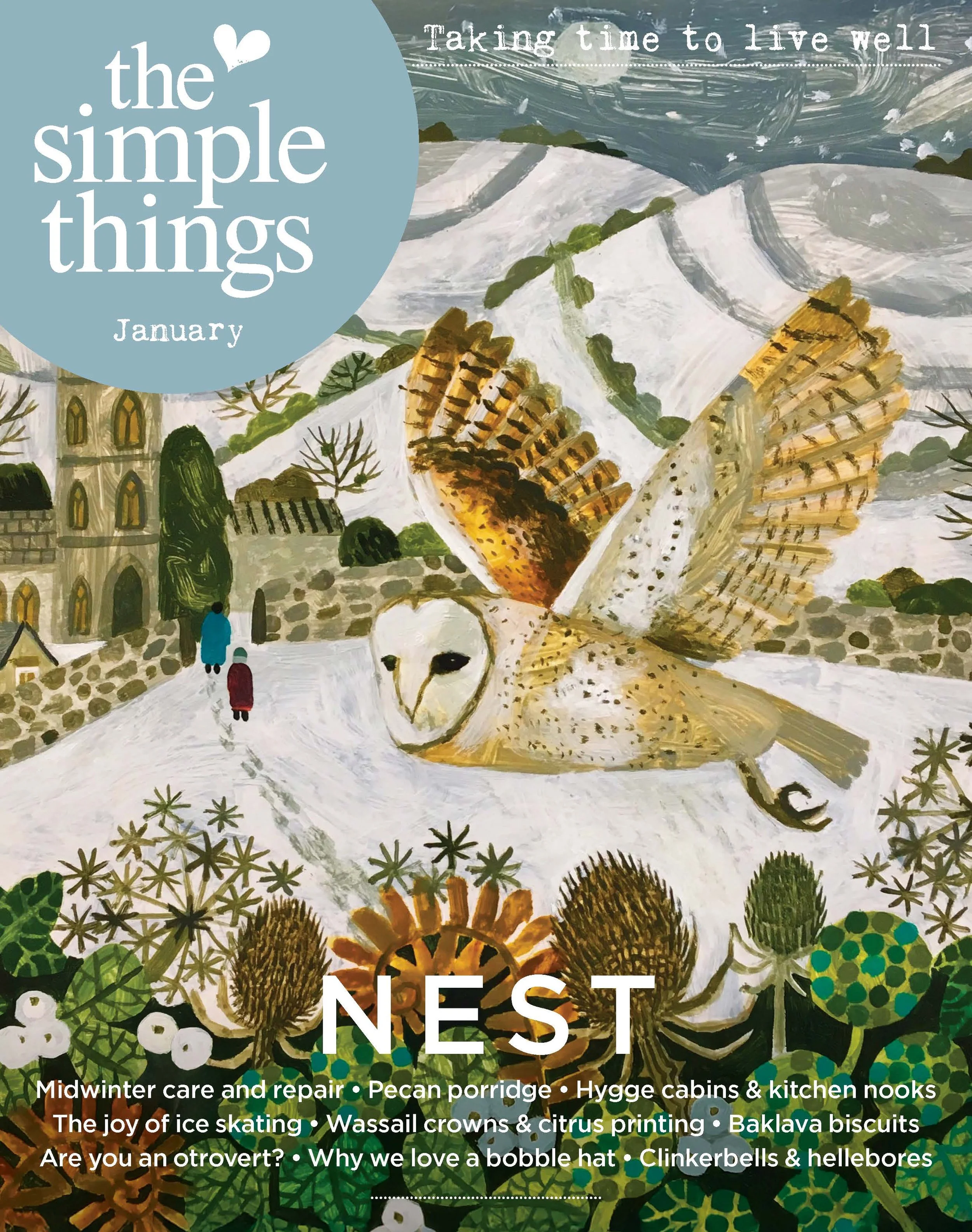
More from the January issue…

Featured
SIM79.CHALKBOARD_ST Back Jan19_01.JPG
Jan 29, 2019
January: a final thought
Jan 29, 2019
Jan 29, 2019
Up Helly Aa.jpg
Jan 28, 2019
How to: Party like a Viking
Jan 28, 2019
Jan 28, 2019
cabbage.jpg
Jan 26, 2019
Cabbage: a prince among brassica
Jan 26, 2019
Jan 26, 2019

More ways to bring light to your home…

Featured
jelly light shades.jpg
Jan 8, 2019
Bringing light to dark days
Jan 8, 2019
Jan 8, 2019
SIM73.COMFORTOFTHINGS_Lights 4 funMovie Night Glamping Lifestyle.png
Jul 14, 2018
The Comfort of Things | A guide to outdoor lighting
Jul 14, 2018
Jul 14, 2018
the stuff of life shop
Feb 26, 2016
Create the perfect workspace with The Stuff of Life
Feb 26, 2016
Feb 26, 2016


In Living, Making Tags issue 79, january, the comfort of things, lighting, homes, interiors
Comment
Microphone.jpg

How to create a podcast

Iona Bower December 13, 2018

In our January issue, podcaster Kat Brown introduces some of her favourite podcasts out there. Fancy making your own? Follow Kat’s steps to give it a go:

  • Find a theme you’re passionate about, and make a plan for how each episode will run. Will you have a co-host? When can you record? How many episodes will you aim for?

  • Record in a small, quiet space that won’t echo or have eg trains running through it.

  • Allow a mic per person, ideally – Blue Yeti Snowballs aren’t too pricy – or get a table mic. Keep it on a mat so it doesn’t knock over, and use a good pair of headphones to keep an ear on sound levels.

  • If your interviewee is remote, programmes like Zencastr allow you to record each end of the interview and save the files. Make sure to plug a mic into your computer.

  • Audacity is a good, free tool for editing audio – it looks tricky, but there are plenty of sensible YouTube tutorials.

  • Choose a podcast server – there are plenty, and opinions are divided on which ones are best. Libsyn and Podbean are popular choices.

  • Record and publish a ‘zero episode’, a trailer that will make people aware of your and give listeners something to subscribe to before launch day!

  • Get the word out there – create a social media profile, send out a press release, get people in your community talking about it. Be passionate and proud – it’s catching.

  • Make sure any guests you have agree to publicise their episode. Send them a piece of artwork and/or the link afterwards to make it easier.

  • If you’re on Facebook, Helen Zaltzman’s incredibly useful Podcasters’ Support Group is a haven of advice, from good free music, to logo design.

More new year inspiration…

Featured
9.new years final.png
Dec 31, 2024
How to | Make a Could-Do List Happen
Dec 31, 2024
Dec 31, 2024
Back cover.JPG
Dec 31, 2022
Think | Fresh, slow starts
Dec 31, 2022
Dec 31, 2022
Could do list.JPG
Dec 31, 2021
January | Could-do lists
Dec 31, 2021
Dec 31, 2021

More from our January issue…

Featured
SIM79.CHALKBOARD_ST Back Jan19_01.JPG
Jan 29, 2019
January: a final thought
Jan 29, 2019
Jan 29, 2019
Up Helly Aa.jpg
Jan 28, 2019
How to: Party like a Viking
Jan 28, 2019
Jan 28, 2019
cabbage.jpg
Jan 26, 2019
Cabbage: a prince among brassica
Jan 26, 2019
Jan 26, 2019
In Making Tags issue 79, podcasts, hobbies, learn something new, learn a new skill
Comment

Make: Ornament cards

David Parker November 23, 2018

During the build-up to Christmas, spare a thought for the postie with his bag full of cards. The British send more per person than any other country, so it’s not surprising that we were the originators of the first commercial Christmas card, in 1843. We have a fine tradition of making cards, too – even Queen Victoria had her kids at it.

And the Queen was spot on: making your own cards is a satisfyingly easy way to add personality and sparkle (depending on how liberal you are with the glitter) to your Christmas. It will even save you some money, too. These clever cards can be adjusted to size to allow for any desired festive greeting, whether it’s a to- the-point ‘Merry Christmas’ or a lengthier salutation. They can also double as gift tags or ornaments.

You will need:
Colourful card
9–10cm bowl or other circular shape to use as a template
Pencil
Washi tape (Japanese masking tape: there’s a colourful selection available from www.papermash.co.uk)
Glitter tape
Scissors
Hole punch
Ribbon, twine or string
Glue (optional)


Step one

Fold a piece of card in half. Trace around the bowl carefully, leaving approximately 1.25cm of space by the fold. Apply a strip of metallic washi tape to fill the space between the fold and the top of the circle shape.

STEP TWO

Cut out your ornament shape, keeping inside the pencil outline all the way round – you don’t want any lines to be visible on your finished card. Cut a straight line down each side of the metallic tape to shape the top of the ornament.

STEP THREE

Decorate the card with strips of glitter and washi tape. To make small glitter dots, use a hole punch. You can decorate both sides of the card if you like.

STEP FOUR

To create a slightly different look, get inspired by the swirls of peppermint lollipops. Mark the centre on your circle, then position triangular-shaped strips of glitter tape so that the points meet in the middle. Trim tape ends.

STEP FIVE

Open up the card and punch a small hole in the centre of the tab. Cut a piece of twine or ribbon approximately 25cm long. Fold the length in half, tie the loose ends together, then feed the looped end through the hole at the fold of the card. The knotted end will be hidden neatly inside the card when it’s closed.

STEP SIX

To make them into ornaments, decorate both sides, add the string, then dab a bit of glue in the centre to fix the two sides together. Allow to dry before hanging on your tree.

Make it mini

Handmade gift tags are a sweet finishing touch. Punch or cut circles out of card before decorating them with glitter tape.

This craft idea was first published in our December 2014 issue. MARISA EDGHILL is a Canadian craft designer and lover of pretty tapes. Her book Washi Style: Make It With Paper Tape (Search Press) is available in bookshops and online. Marisa can be found blogging at www.omiyageblogs.ca and shares crafty inspiration on Instagram @omiyage_ca.

Get hold of your copy of this month's The Simple Things - buy, download or subscribe

From our December issue…

Featured
sun bread.jpg
Dec 21, 2021
Bake: sun bread for Yule
Dec 21, 2021
Dec 21, 2021
xmas cover.jpg
Dec 25, 2018
December: a final thought
Dec 25, 2018
Dec 25, 2018
donkey pic.jpg
Dec 15, 2018
Meet the donkeys of the New Forest
Dec 15, 2018
Dec 15, 2018

More things to make…

Featured
Jumper blanket.jpg
Oct 4, 2025
Make | An Upcycled Jumper Blanket
Oct 4, 2025
Oct 4, 2025
Lavender eye pillow.jpg
Jul 22, 2023
Make | A Soothing Lavender Eye Pillow
Jul 22, 2023
Jul 22, 2023
Modern Crochet Style PAGES2.PRESS 60.jpg
Apr 19, 2023
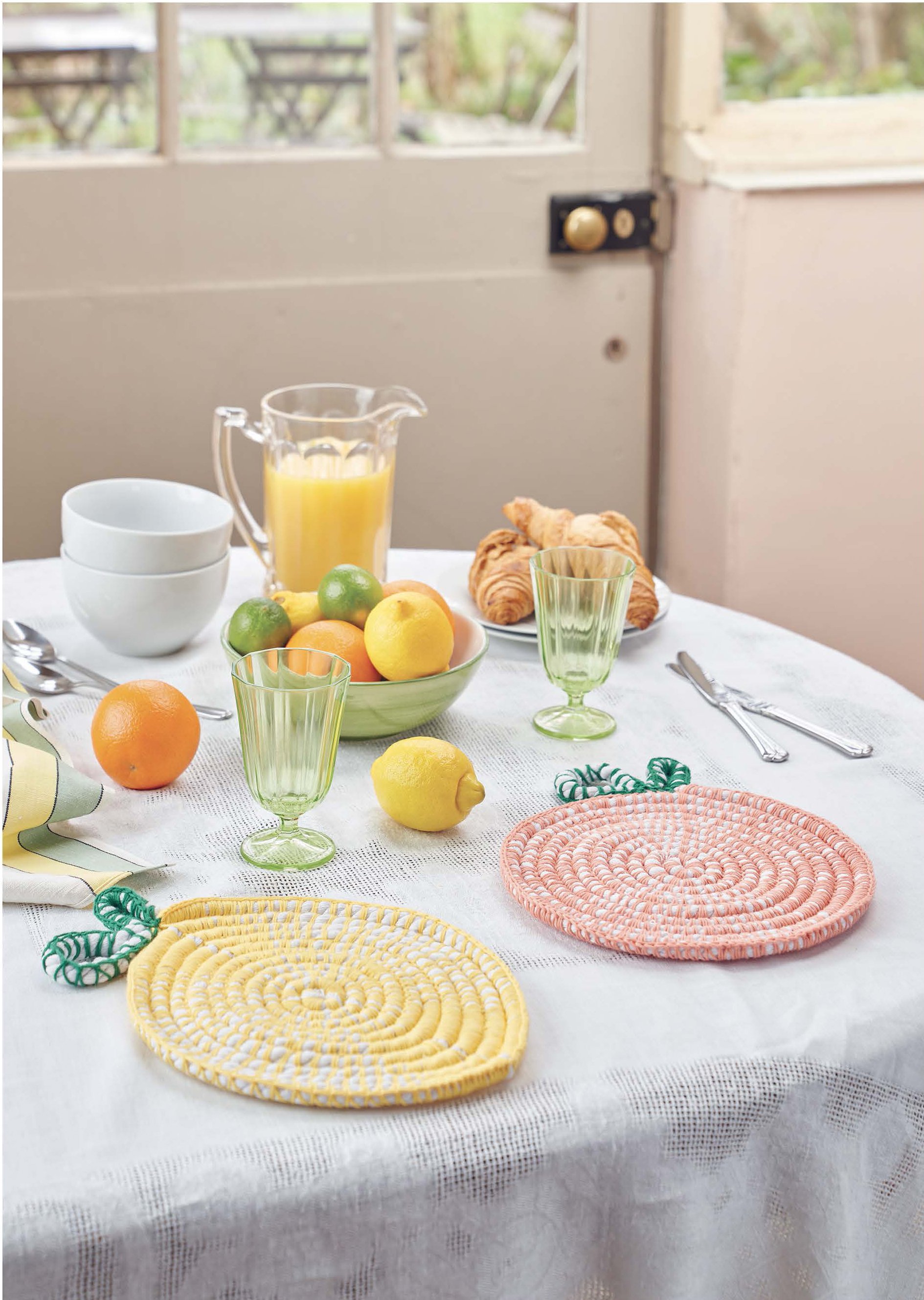
Weekend Project | Crocheted fruit placemats
Apr 19, 2023
Apr 19, 2023
In Making, Nest Tags christmas, issue 30, december, christmas card, christmas decorations
1 Comment
Project by Roma McLaughlin

Project by Roma McLaughlin

Make | Silhouette portrait

Lottie Storey October 6, 2018

PUT KNIFE TO PAPER FOR A CLEVER VERSION OF THE FAMILY SNAP

You will need:
Cutting mat
1 sheet lightweight A4 black paper, 80–120 gsm
1 sheet lightweight A4 white copy paper, max 80 gsm, for templates
1 sheet mid-weight A4 white craft paper, min 120 gsm, for background
Sticky tape
Craft knife or scalpel, with blades
Metal ruler
Pencil
Eraser
PVA glue
Toothpick or cocktail stick
A4 picture frame
A family photograph
Photocopier or scanner

1 Find a family photograph in which individuals or a group are in silhouette, with their outlines clearly visible (photos taken against a wall or plain background work best) – ideally, individual silhouettes would just join or overlap within a group composition, so they remain recognisable. Photocopy and enlarge the photo if necessary to fit A4 size and then trace the relevant outline onto an A4 sheet of copy paper to make a template.

2 Place the template over your sheet of black paper and attach both to your cutting mat with a piece of sticky tape placed over the corners (take care not to place tape over the image area).

3 Start cutting away the white, negative shapes with a scalpel — begin with the smallest areas, to help prevent your paper from tearing. You’ll be cutting both the template sheet and black paper simultaneously. Anchor the cutting mat with one hand, and work with the blade in your other, holding it vertically, like a pencil, for greater precision. It will help you to keep the blade straight if you move the whole mat around while cutting shapes.

4 Continue to work until all of the white paper is cut away, using a metal ruler with your scalpel for any straight lines.

5 Carefully remove your template and finished papercut from the cutting mat and separate the two.

6 Fixing mistakes is not impossible. If you’ve cut too much or too far, you can mend the area from the back. Simply dot glue onto the papercut surface using a toothpick or cocktail stick, then ‘patch’ the area using a tiny scrap of black paper.

7 Place the finished silhouette centrally onto your A4 white background paper sheet and mark its position lightly with pencil dots (these can be erased later).

8 Turn the silhouette over and, again using PVA glue and a toothpick or cocktail stick, dot glue onto the reverse (you don’t need to cover the surface with glue — this should be enough). Position the silhouette, right side up, in line with your previous pencil marks, and smooth down onto the backing sheet. Leave to dry completely.

9 You can now frame your piece. Use a flat frame and sandwich the silhouette between glass and backing.

Adapted from V&A Paper Crafts: A Maker’s Guide (Thames & Hudson in association with the V&A).

  Download  or  subscribe   See the sample of our latest issue  here   Order  our new Celebrations Anthology   Order a copy of  Flourish 4 , our new wellbeing bookazine   Listen to  our podcast  – Small Ways to Live Well  Wear our  Slapdash Patc

Get hold of your copy of this month's The Simple Things - buy, download or subscribe

View the sampler here


More from the October issue:

Featured
back cover 76.png
Dec 21, 2020
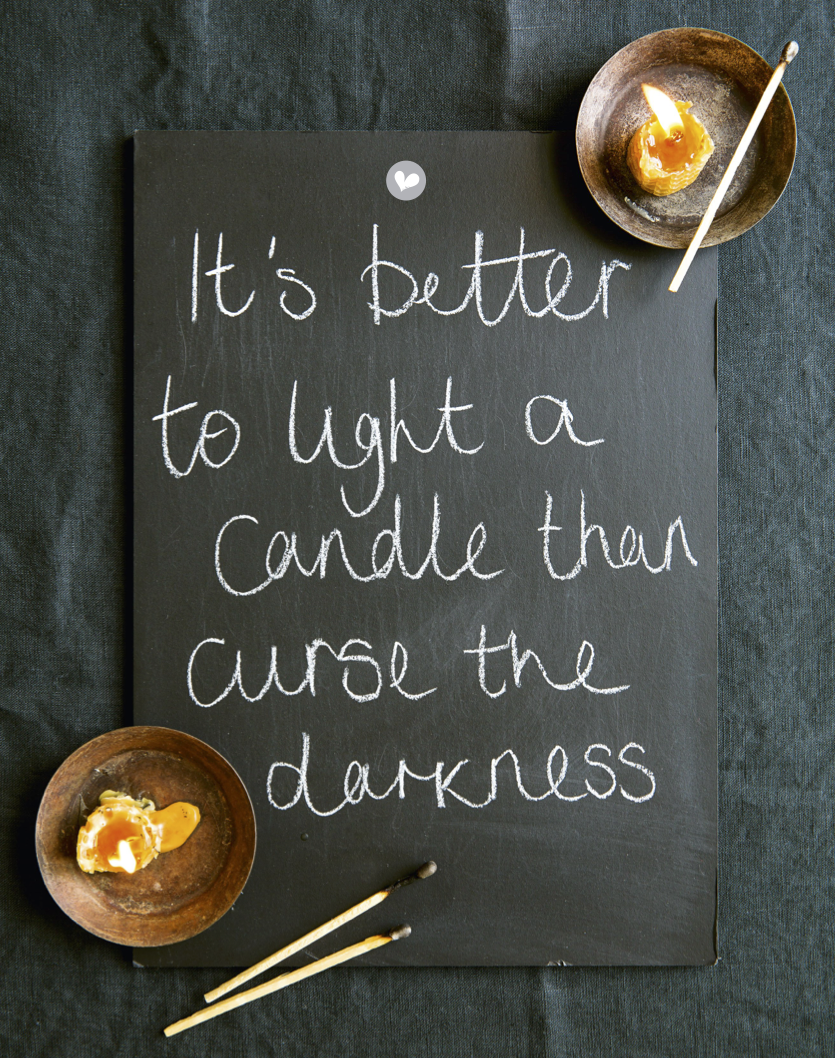
It's better to light a candle than curse the darkness
Dec 21, 2020
Dec 21, 2020
SIM76.TODAY,TOMORROW,TOKEEP_Hazelnuts-Pesto-7353.jpg
May 9, 2020
Cook | hazelnut pesto and gnocchi with fennel
May 9, 2020
May 9, 2020
the simple things gift subscription.png
Oct 23, 2018
Christmas gift subscription offer
Oct 23, 2018

Christmas gift subscription offer from The Simple Things magazine. Treat friends and family to a gift subscription this Christmas and we'll do the wrapping and sending for you. Just £44 – saving 26%* on the usual cover price.

Oct 23, 2018

More weekend projects to make:

Featured
CITRUS PRINT.jpg
Jan 10, 2026
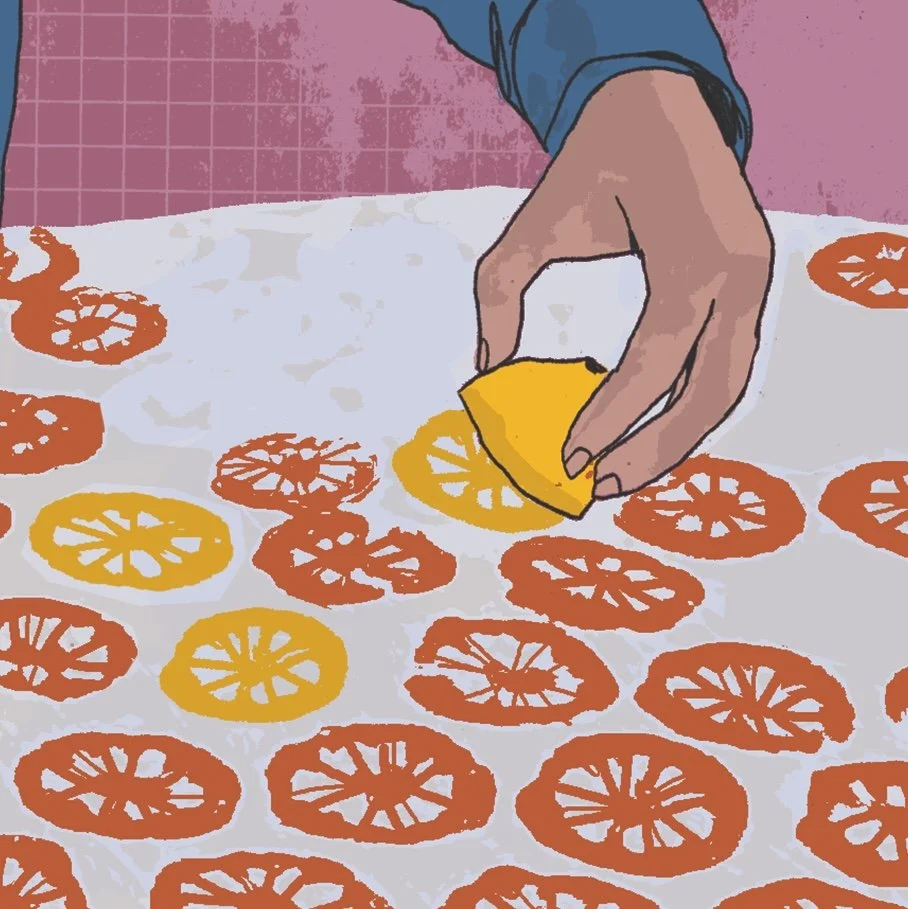
Make | Citrus Print Tablecloth
Jan 10, 2026
Jan 10, 2026
Lanyard & Key Fob.jpg
Jun 1, 2025
Project | Make a Scrap fabric Key Fob
Jun 1, 2025
Jun 1, 2025
TEA COSY JUMPER.jpg
Jan 25, 2025
How to | Make a Tea Cosy from an Old Jumper
Jan 25, 2025
Jan 25, 2025
In Making Tags make, weekend project, Make project, issue 76, october
Comment
chickweed aloe aftersun ice cubes.jpeg

Ice cube aftersun

Lottie Storey August 8, 2018

Not for your G&T but to apply to sunburnt skin, these clever DIY cubes are natural coolers

The soothing anti-inflammatory properties of chickweed and aloe mean these cubes are also good for easing the symptoms of rashes or bites, too.

Chickweed & aloe cooling cubes

100g fresh aloe vera gel (see method) or pre-mixed aloe vera gel
2 handfuls of fresh chickweed (see below)

1 If you’re making fresh, slice the gel from the inner aloe leaves, taking care to discard the inner green and yellow leaf lining. Measure the gel (you need 100g).

2 Put the gel into a blender with the chickweed and blitz until combined.

3 Spoon into ice cube trays and freeze until solid (the cubes will keep for up to a year in
the freezer).

4 To use, apply a frozen cube to the affected area as and when required.

Notes about chickweed: The plant has numerous tiny white flowers and is recognisable by a single line of hairs that grows up the stem between each leaf node and swaps over to a different side after each leaf. Chickweed works wonders for itchy or inflamed skin. Simply squeeze the fresh juice from the plant directly onto the skin to soothe nettle stings, skin rashes and eczema.

Recipe from Handmade Apothecary by Vicky Chown & Kim Walker (Kyle Books).


  Download  or  subscribe   See the sample of our latest issue  here   Order  our new Celebrations Anthology   Order a copy of  Flourish 4 , our new wellbeing bookazine   Listen to  our podcast  – Small Ways to Live Well  Wear our  Slapdash Patc

Get hold of your copy of this month's The Simple Things - buy, download or subscribe

View the sampler here.


More from the August issue:

Featured
SIM74.MYPLOT_IMG_0730.png
Aug 28, 2018
Six medicinal herbs worth growing
Aug 28, 2018
Read More →
Aug 28, 2018
SIM74.COMFORT_MINI MODERNS Pavilion Reed Diffuser - Gin Fizz 200ml.png
Aug 26, 2018
The Comfort of Things | A guide to home fragrance
Aug 26, 2018
Read More →
Aug 26, 2018
SIM74.HOMETOUR_Bureaux_House_Pod_Idladla_17.png
Aug 24, 2018
The tiny house movement
Aug 24, 2018
Read More →
Aug 24, 2018

More home remedies:

Featured
Dec 29, 2025
Nest | Soak in a spruce needle bath
Dec 29, 2025
Dec 29, 2025
SIM66.EVENTS_TonicsAndTeas.jpeg.png
Dec 27, 2025
Make | A Seasonal Tonic
Dec 27, 2025
Dec 27, 2025
chickweed aloe aftersun ice cubes.jpeg
Aug 8, 2018
Ice cube aftersun
Aug 8, 2018
Aug 8, 2018
In Making Tags issue 74, august, home remedies, summer, sun, aftersun
Comment
SIM72.PROCESSIONS_Suffrage banner, 1908 - 1914 © The Women's Library @ LSE (2).png

Make your own pennant or flag

Lottie Storey June 7, 2018

On Sunday 10 June, marches to celebrate 100 years of votes for women will take place across the UK - read more here and on page 33 of June's The Simple Things.

Want to take part? You'll need to make a pennant or flag - here's how. Pennants and flags can have a word, name, image or quotation on them. Make them from one layer of cloth in the lightest of materials, to let them float in the wind.

YOU WILL NEED

18mm diameter pole*
Square or rectangle of fabric of a size of your choice (the bigger it is the harder it will be to carry)
Pencil and paper
Computer printer
Sewing machine
Bondaweb (buy from jaycotts.co.uk)
Iron
Embroidery threads and needle (optional)

1 To make a pennant, cut out a triangle from your fabric of whatever size you like.
2 Create a side channel on the straight edge, 71⁄2cm wide, by folding the edge over. Sew down the edge. Then sew across its top, leaving the bottom edge of the side channel open for the pole to slide into.
3 What do you want to say? Think of a word, message or image to go on your pennant or flag – it should be something to help people to understand your message quickly. Using a computer, draw them up to a scale that fits your cloth.
4 Print off your lettering in the size you need. The lettering should be as big as your cloth allows. Trace your lettering and image(s) onto Bondaweb.
5 Iron the Bondaweb to the back of your chosen fabrics, cut out, peel off the backing paper, iron the lettering and images onto your cloth.
6 If you want, you can embroider on details; ribbon the sides of your cloth to frame it in a contrasting colour; add fringing or tassels to give it movement, and sequins or beads to make it gleam. Or just keep it as a simple cloth with a clear message of what matters to you. The pennant should be secure, but you can glue the material to where it meets the pole if you think it needs further support or to stop it slipping down the pole.

FOR AN EYE-CATCHING BANNER...

Clare’s suggestions to help your creation stand out

  • Your banner will only be seen for a moment as it passes by so keep it simple and bold.

  • Don’t crowd your letters. They need space to be read at distance, so use the largest font you can.

  • You can make it personal with your own handwriting or family photographs.

  • Make it glitter in the sun with gold fabric or sequins.

  • Don’t worry about exquisite stitching; no one will notice. What they will remember is the feel of it, what it says of you.

Project by Clare Hunter, sewingmatters.co.uk

*Your pole can be long enough to enable you to carry a pennant like a flag on a parade, or, if you use one the same width as your triangle, it can be hung on a wall with hooks.


  Download  or  subscribe   See the sample of our latest issue  here   Order  our new Celebrations Anthology   Order a copy of  Flourish 4 , our new wellbeing bookazine   Listen to  our podcast  – Small Ways to Live Well  Wear our  Slapdash Patc

Get hold of your copy of this month's The Simple Things - buy, download or subscribe
View the sampler here


More from the June issue:

Featured
DSC_1557.png
Jun 26, 2018
Nest | Delphiniums
Jun 26, 2018
Jun 26, 2018
SIM72.STYLE_ulls271438_1.png
Jun 23, 2018
Simple style | Sandals
Jun 23, 2018
Jun 23, 2018
SIM72.HIDDENHUT_THH_Samphire_Frittata_Salad-1290-Edit-Edit.png
Jun 22, 2018
Recipe | Samphire frittata with warm lemony courgette salad
Jun 22, 2018
Jun 22, 2018

More weekend projects to make:

Featured
CITRUS PRINT.jpg
Jan 10, 2026
Make | Citrus Print Tablecloth
Jan 10, 2026
Jan 10, 2026
Lanyard & Key Fob.jpg
Jun 1, 2025
Project | Make a Scrap fabric Key Fob
Jun 1, 2025
Jun 1, 2025
TEA COSY JUMPER.jpg
Jan 25, 2025
How to | Make a Tea Cosy from an Old Jumper
Jan 25, 2025
Jan 25, 2025
In Making Tags make, weekend project, Make project, issue 72, june
Comment
Photography: SARAH CUTTLE Recipes & advice: KIM WALKER & VICKY CHOWN

Photography: SARAH CUTTLE Recipes & advice: KIM WALKER & VICKY CHOWN

Elderflower toner

Lottie Storey May 26, 2018

The scented cream blooms of elderflowers have been used by women since time immemorial – in infusions to soften the skin and even out tone. The addition of glycerine gives a moisturising effect, leaving the skin silky smooth.

Makes around 200ml
1 head of fresh elderflowers (or 2 tsp dried)
200ml boiling water
5ml glycerine (optional)

1 Remove the stalks from the elderflowers (if using fresh) and put the tiny flowers in a mug or heatproof bowl.
2 Pour over boiling water, then cover with a plate and leave to infuse until cool.
3 Strain out the elderflowers, then add the glycerine (if using) to the liquid and mix well.
4 To use, soak cotton pads or a muslin cloth in the liquid and use as a toner or simple cleanser, once make-up has been removed. Use twice a day. The liquid will keep in the fridge for up to three days.

Turn to page 34 of May's The Simple Things for more on spring hedgerow foraging. 


  Download  or  subscribe   See the sample of our latest issue  here   Order  our new Celebrations Anthology   Order a copy of  Flourish 4 , our new wellbeing bookazine   Listen to  our podcast  – Small Ways to Live Well  Wear our  Slapdash Patc

Get hold of your copy of this month's The Simple Things - buy, download or subscribe

View the sampler here.


More from the May issue:

Featured
Titanic in dry dock, c. 1911 © Getty Images.jpg
May 27, 2018
The Titanic | A liner to remember
May 27, 2018
May 27, 2018
SIM71.FORAGING_Elderflower Cleanser a1 .png
May 26, 2018
Elderflower toner
May 26, 2018
May 26, 2018
SIM71.OUTING_219A0080 (1).png
May 25, 2018
The bizarre art of vegetable carving
May 25, 2018
May 25, 2018

More homemade remedies:

Featured
SIM66.EVENTS_TonicsAndTeas.jpeg.png
Dec 27, 2025
Make | A Seasonal Tonic
Dec 27, 2025
Dec 27, 2025
Wellbeing.jpg
Feb 11, 2024
Make | Kitchen Face Masks
Feb 11, 2024
Feb 11, 2024
Bathsalts make 2.jpg
Oct 30, 2022
Make | Homemade Bath Salts
Oct 30, 2022
Oct 30, 2022
In Making Tags natural skincare, home remedies, may, issue 71, elderflower
Comment
Photography: CHRIS MIDDLETON Project: BECI ORPIN

Photography: CHRIS MIDDLETON Project: BECI ORPIN

Make | Macramé chair

Lottie Storey May 22, 2018

Crochet and outdoor chairs are not the most obvious combination but put the two together and you have a nifty upcycling opportunity.

Have an old chair lurking in the shed, seat worn from many summers? This project uses a crochet knot to create a new seat and back from paracord. It may sound complicated but is actually relatively simple once you’ve got into the groove (if you need some extra help along the way, find handy video tutorials by searching ‘macramé chair tutorial’ on YouTube). Then sit back and admire your work, hopefully with a refreshing drink in hand.

Macramé chair

Knot your way to a new summer seat

you will need
Scissors
Unloved aluminium camping chair
200m of 4mm rope (such as nylon paracord): 100m white, 50m grey, 25m yellow, 25m pink.
2 x size Q crochet hooks
Macramé chair template
Lighter or box of matches

1 Using scissors, cut and then pull off the existing webbing from the chair.

2 Create a skein from a long, thin piece of card or plastic. Wrap your cord around it and unwind it as you go. Start with the vertical cords. Using the white cord and starting from the bottom left of the chair, tie a double knot around the frame.

3 Pull the cord through the seat of the chair, behind the centre back brace bar and up to the top left side of the frame. Make a loop in the cord at the top bar. Pull the loop behind and then under the bar and over to the left.

4 Insert your first crochet hook in the loop, with the hook pointing towards the right side of the chair and pull the cord tight so the hook rests against the chair frame. Bring the cord back down under the centre back brace bar to the front.

5 Create a loop in the cord on the bottom chair frame, then pull it over the front of the bar and behind to the left.

6 Insert the second crochet hook into the loop and pull the cord taut. The hook will rest on the chair frame.

7 Pull the cord through the seat of the chair, behind the centre back brace bar and up to the top frame. Make a loop in the cord at the top bar. Pull the loop behind and under the bar and to the left of the last vertical cords you created.

8 Hook the new loop over the crochet hook. The existing loop on the hook will overlap the two vertical cords to its right.

9 Pull the loop taut, then pull it through the loop you made in step 3. This will create a chain stitch. Rest the hook in the loop.

10 Pull the loose cord down behind the centre back brace bar and to the front. Create a loop, then pull it over the topof the front bar.

11 Pull the loop around the top bar and to the left of the last vertical cords you created. Hook the new loop with the crochet hook.

12 Pull the new loop through the loop created in step 6, making a chain stitch. Pull the loose cord taut.

13 Repeat these steps until you have 40 knots and have filled the top and bottom bars with taut cord. Cut the cord off the skein, making sure you have about 11⁄4m left. Pull the cord through the last loop and remove the crochet hook. Pull the cord behind the back brace, over the front bar and through the loop on the other hook.

14 Horizontal cords: these are completed using the same method. Follow the template, starting with three knots of white followed by the grey cord to form a semi-circle pattern.

15 Continue with the pink cord to form the second half of the circle.16 Finish with three more knots using white cord. Repeat on the base of the chair, using the yellow and grey cords. To finish, simply tie off the cord. Burn the ends of the cords to ensure they do not fray.


Taken from Sunshine Spaces: Naturally Beautiful Projects to Make for Your Home and Outdoor Space by Beci Orpin (Hardie Grant).

  Download  or  subscribe   See the sample of our latest issue  here   Order  our new Celebrations Anthology   Order a copy of  Flourish 4 , our new wellbeing bookazine   Listen to  our podcast  – Small Ways to Live Well  Wear our  Slapdash Patc

Get hold of your copy of this month's The Simple Things - buy, download or subscribe

View the sampler here


More from the June issue:

Featured
DSC_1557.png
Jun 26, 2018
Nest | Delphiniums
Jun 26, 2018
Jun 26, 2018
SIM72.STYLE_ulls271438_1.png
Jun 23, 2018
Simple style | Sandals
Jun 23, 2018
Jun 23, 2018
SIM72.HIDDENHUT_THH_Samphire_Frittata_Salad-1290-Edit-Edit.png
Jun 22, 2018
Recipe | Samphire frittata with warm lemony courgette salad
Jun 22, 2018
Jun 22, 2018

More weekend projects to make:

Featured
CITRUS PRINT.jpg
Jan 10, 2026
Make | Citrus Print Tablecloth
Jan 10, 2026
Jan 10, 2026
Lanyard & Key Fob.jpg
Jun 1, 2025
Project | Make a Scrap fabric Key Fob
Jun 1, 2025
Jun 1, 2025
TEA COSY JUMPER.jpg
Jan 25, 2025
How to | Make a Tea Cosy from an Old Jumper
Jan 25, 2025
Jan 25, 2025
In Making Tags make, weekend project, Make project, issue 72, june
Comment
SIM71.COMFORT_p312m840719f.png

How to make a peg bag

Lottie Storey May 16, 2018

Hanging out the washing is an unusual and surprising thing: a pleasurable household chore. If it’s a fresh morning and the sun is shining, the simple act of pegging clothes on a line before you can lift the spirits and blow away gloominess. As the days extend and there’s more likelihood of sun, it’s also a chance to get outdoors and away from everyone indoors. Doing something methodical provides the opportunity for a moment or two of peaceful reflection – just you, the breeze, a handful of pegs and some billowing sheets. The results are also worth it: the fresh, outdoor smell of line-dried laundry will have you burying your nose in the laundry basket and inhaling deeply. As a method of drying clothes, pegging out is 100% better than piling them in an energy-gobbling, clothes-battering tumble dryer, or heaping them on radiators and leaving them to steam.

71 polo.png

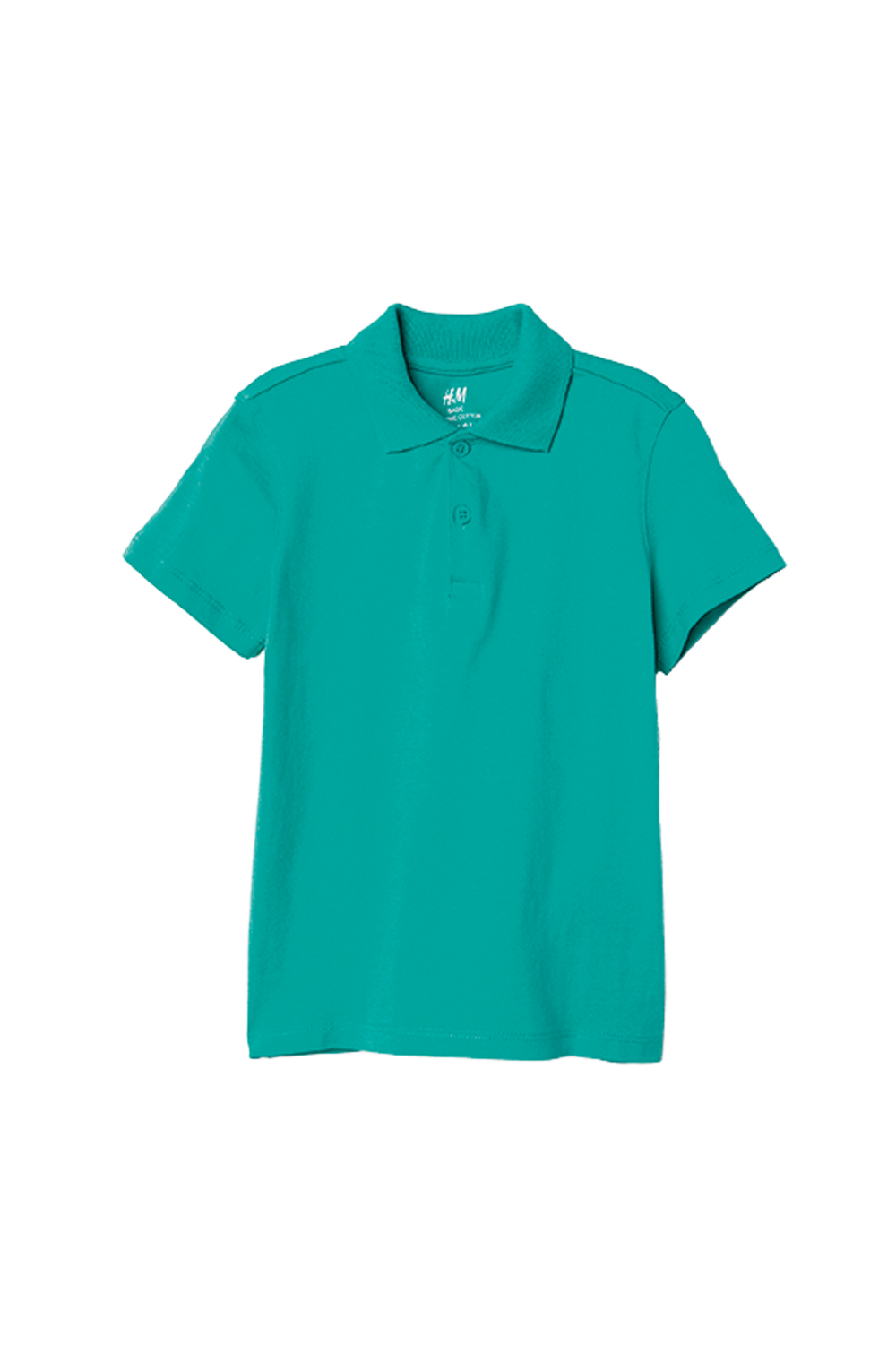
Every washing line needs a bag full of pegs nearby for easy pegging out. How to cunningly create one from a child’s polo shirt.

Here’s a clever thing: peg bags are suspended from a hanger so, rather than create a new bag from scratch, why not use an item that is already the right shape and size? Buy a child’s polo shirt (the one above is £3.99, hm.com), or better still use one they have grown out of or no longer like. Turn it inside out, stitch the bottom of the shirt closed about half way down the length of the body, trim surplus fabric, and turn it the right way round. Insert a child’s hanger and fill with pegs. Job done.

Turn to page 111 of May's The Simple Things for more on pegging out.


  Download  or  subscribe   See the sample of our latest issue  here   Order  our new Celebrations Anthology   Order a copy of  Flourish 4 , our new wellbeing bookazine   Listen to  our podcast  – Small Ways to Live Well  Wear our  Slapdash Patc

Get hold of your copy of this month's The Simple Things - buy, download or subscribe
View the sampler here


More from the May issue:

Featured
Titanic in dry dock, c. 1911 © Getty Images.jpg
May 27, 2018
The Titanic | A liner to remember
May 27, 2018
May 27, 2018
SIM71.FORAGING_Elderflower Cleanser a1 .png
May 26, 2018
Elderflower toner
May 26, 2018
May 26, 2018
SIM71.OUTING_219A0080 (1).png
May 25, 2018
The bizarre art of vegetable carving
May 25, 2018
May 25, 2018

More weekend projects to make:

Featured
CITRUS PRINT.jpg
Jan 10, 2026
Make | Citrus Print Tablecloth
Jan 10, 2026
Jan 10, 2026
Lanyard & Key Fob.jpg
Jun 1, 2025
Project | Make a Scrap fabric Key Fob
Jun 1, 2025
Jun 1, 2025
TEA COSY JUMPER.jpg
Jan 25, 2025
How to | Make a Tea Cosy from an Old Jumper
Jan 25, 2025
Jan 25, 2025
In Making Tags make, weekend project, Make project, issue 71, may, Homemade peg bag
1 Comment
Project & photography: NATMADY/HACKNEYHERBAL

Project & photography: NATMADY/HACKNEYHERBAL

Make | Herbal tea bags

Lottie Storey May 6, 2018

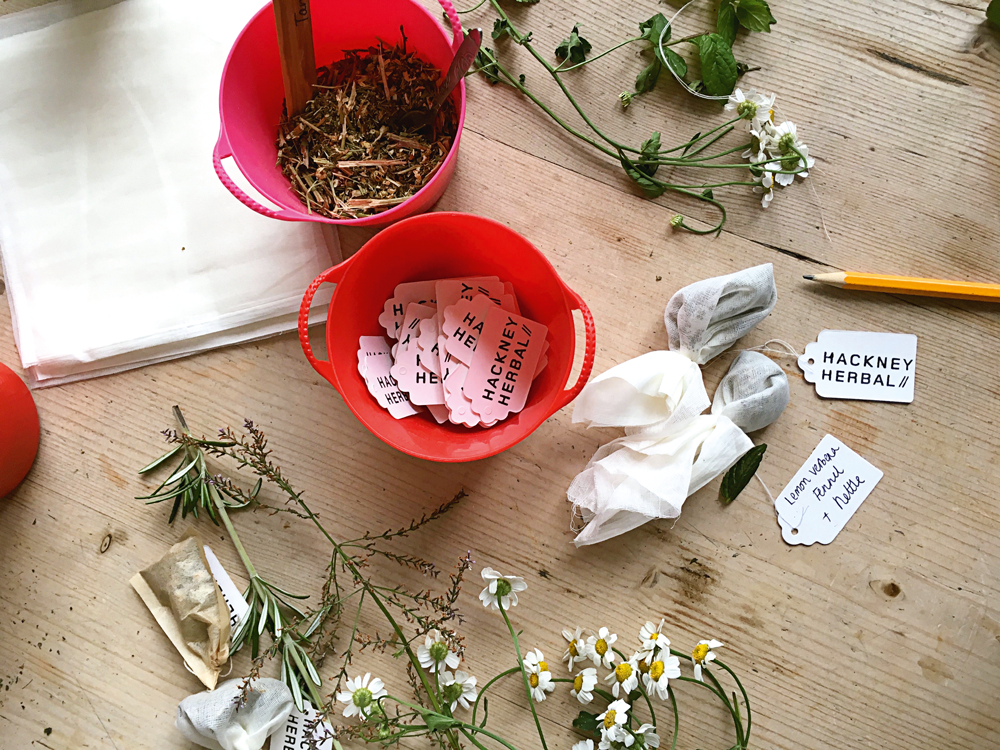
A soothing cuppa is in the bag, when you make your own. The appeal of this project goes beyond having something nice to sip: the touch and smell of choosing your herbs, even before the tastebuds kick in, make it a real sensory experience – something to savour.

Herbal tea bags

You will need:
Unbleached muslin fabric (try souschef.co.uk or johnlewis.com), or you could buy readymade self-fill tea bags from dotboutique.store)
Cotton thread
1 tsp of dried herbs

1 Cut unbleached muslin fabric into squares roughly measuring 10x10cm.
2 Choose between 2 to 4 dried herbs to mix and place in the middle of the square. You need about a teaspoon in total.
3 Gather the corners of the square together and tie the teabag up using cotton thread.
4 Infuse in hot water for five minutes and drink. You can empty out the spent herbs and re-use the muslin again after rinsing it.
         

SOME BLENDS TO TRY

  • Rosemary, peppermint & nettle An uplifting blend to aid focus and concentration.

  • Echinacea, yarrow & sage A restorative blend to sip when you have a sore throat or cold.

  • Lemon verbena, rose & skullcap A relaxing combination to enjoy before bed.


  Download  or  subscribe   See the sample of our latest issue  here   Order  our new Celebrations Anthology   Order a copy of  Flourish 4 , our new wellbeing bookazine   Listen to  our podcast  – Small Ways to Live Well  Wear our  Slapdash Patc

Get hold of your copy of this month's The Simple Things - buy, download or subscribe
View the sampler here


More from the May issue:

Featured
Titanic in dry dock, c. 1911 © Getty Images.jpg
May 27, 2018
The Titanic | A liner to remember
May 27, 2018
May 27, 2018
SIM71.FORAGING_Elderflower Cleanser a1 .png
May 26, 2018
Elderflower toner
May 26, 2018
May 26, 2018
SIM71.OUTING_219A0080 (1).png
May 25, 2018
The bizarre art of vegetable carving
May 25, 2018
May 25, 2018

More weekend projects to make:

Featured
CITRUS PRINT.jpg
Jan 10, 2026
Make | Citrus Print Tablecloth
Jan 10, 2026
Jan 10, 2026
Lanyard & Key Fob.jpg
Jun 1, 2025
Project | Make a Scrap fabric Key Fob
Jun 1, 2025
Jun 1, 2025
TEA COSY JUMPER.jpg
Jan 25, 2025
How to | Make a Tea Cosy from an Old Jumper
Jan 25, 2025
Jan 25, 2025
In Making Tags make, weekend project, Make project, issue 70, april, tea, herbal tea, herbs, natural new year
1 Comment
Fashion photography: Ellie Smith

Fashion photography: Ellie Smith

Make | Appliquéd top

Lottie Storey April 21, 2018

When life gives you lemons, put them to use on a pretty top

YOU WILL NEED
An top in need of a spruce
Appliqué fabric (try a mediumweight woven cotton – this is a good project for using up scraps)
Double-sided iron-on transfer adhesive, such as Bondaweb or a washable fabric Gluestick to hold the motif in place before stitching
Iron
Sewing machine (you can do this by hand, it’ll just take longer)

1 Choose the areas of the appliqué fabric that you want to add to your top and cut a large rectangle around them. Give the fabric a press to smooth out any wrinkles.

2 Cut the transfer adhesive to the same shape and size as the appliqué fabric and place the shiny side against the wrong side of the fabric (you may need to peel off a backing sheet, check the packet instructions). Hold a hot, dry iron on top for a few seconds to fuse the adhesive to the fabric. Be careful not to get adhesive on your iron or ironing board – it can leave
a mess! You could place a pressing cloth – a piece of lightweight fabric or even a tea towel – between the motif and your iron to avoid the adhesive sticking to it.

3 Cut around the motifs, leaving a little space around the sides for the stitching allowance. It’ll be easier to stitch around the motifs if you cut them out without too many tight curves.

4 Once you’ve decided where you want the motifs to sit on your top, peel off the backing paper and carefully lay them, adhesive side down, onto the right side of the garment fabric, making sure they sit nice and flat with no bubbles. Hold a hot, dry iron on top for a few seconds to fuse them in place.

5 Now you can stitch the motifs in place. Practise on a scrap first. Try a short and wide zigzag stitch, 1mm long by 4–5mm wide. Position the project so most of the zigzag is falling on the appliqué piece, with one side of the zigzag overlapping the edge just a teeny bit. Take your time to carefully navigate the curves and pivot the fabric with the needle down where needed. When you need to wash your appliquéd top, it’s best to do so by hand.


Adapted from Tilly and the Buttons: Stretch! By Tilly Walnes (Quadrille). 

Turn to page 111 for more clothing customisation ideas. 

  Download  or  subscribe   See the sample of our latest issue  here   Order  our new Celebrations Anthology   Order a copy of  Flourish 4 , our new wellbeing bookazine   Listen to  our podcast  – Small Ways to Live Well  Wear our  Slapdash Patc

Get hold of your copy of this month's The Simple Things - buy, download or subscribe

View the sampler here


More from the April issue:

Featured
SIM71.MAKES_IMG_2891.png
May 6, 2018
Make | Herbal tea bags
May 6, 2018
May 6, 2018
SIM71.NEST_DSC_1598.png
May 5, 2018
Nest | Lily of the Valley
May 5, 2018
May 5, 2018
shutterstock_93713581 (1).png
Apr 24, 2018
Being boring
Apr 24, 2018
Apr 24, 2018

More weekend projects to make:

Featured
CITRUS PRINT.jpg
Jan 10, 2026
Make | Citrus Print Tablecloth
Jan 10, 2026
Jan 10, 2026
Lanyard & Key Fob.jpg
Jun 1, 2025
Project | Make a Scrap fabric Key Fob
Jun 1, 2025
Jun 1, 2025
TEA COSY JUMPER.jpg
Jan 25, 2025
How to | Make a Tea Cosy from an Old Jumper
Jan 25, 2025
Jan 25, 2025
In Making Tags make, weekend project, Make project, issue 70, april
Comment
Photography: Amanda Heywood

Photography: Amanda Heywood

Cucumber, matcha and lime face mask

Lottie Storey March 13, 2018

This refreshing, zingy mask can be made with ingredients that you may already have in your kitchen.

Makes approx 380ml
1 green tea bag or 5g (1 tsp) Matcha green tea powder
75g cucumber
2.5g (1⁄2 tsp) vegetable gelatine powder, such as Vegeset
20 drops lime essential oil

1 Pour 300ml hot (not boiling) water on the green teabag or matcha powder in a mug or jug (follow the packet instructions for ratios of tea to water). If using powder, stir to combine or leave the teabag to infuse for 10 mins. Leave to cool a little.
2 Chop slices of cucumber and whizz in a blender with the green tea until cucumber is fully blitzed. When completely cool, add gelatine to the liquid and stir to combine (check the ratios of gelatine powder to water on the packet (typically 1 tsp per 600ml).
3 Place mixture in a pan over a low heat, stirring all the time. Once it has reached boiling point, remove pan from the heat and allow to cool to around 40C. Add the lime essential oil. For 300ml use 20 drops.
4 Pour into a bowl and allow to cool before placing in the fridge to set.
5 Spread mask over face and neck and relax while the antioxidant, anti-ageing green tea and cooling, soothing cucumber get to work. Leave for 5–10 mins before removing with warm water and a muslin cloth.
6 Use straight away ideally, but can be stored in the fridge for up to two days. 

Taken from Handmade Spa by Juliette Goggin and Abi Righton (Jacqui Small).
 

  Download  or  subscribe   See the sample of our latest issue  here   Order  our new Celebrations Anthology   Order a copy of  Flourish 4 , our new wellbeing bookazine   Listen to  our podcast  – Small Ways to Live Well  Wear our  Slapdash Patc

Get hold of your copy of this month's The Simple Things - buy, download or subscribe

View the sampler here.


More from the March issue:

Featured
EGGShell-tealights-the-simple-things.png
Apr 10, 2023
Eggshell tea lights
Apr 10, 2023
Apr 10, 2023
anna-jimenez-calaf-64616-unsplash.jpg
Mar 20, 2021
You know spring has properly arrived when...
Mar 20, 2021
Mar 20, 2021
SIM69.WHATITREASURE_J Hitt What I Treasure Recipe Book Image.JPG
Mar 26, 2018
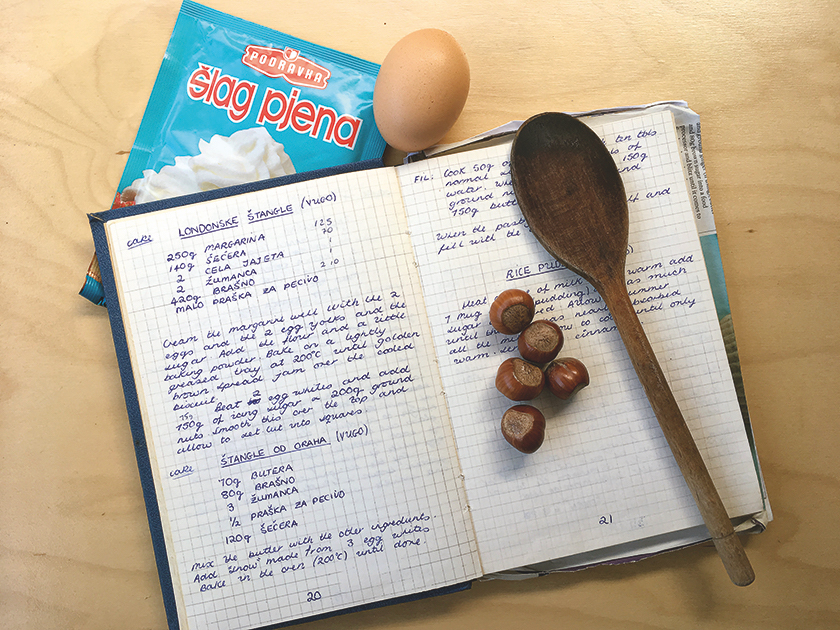
What I treasure | My hand-written recipe book
Mar 26, 2018
Mar 26, 2018

More homemade remedies:

Featured
SIM66.EVENTS_TonicsAndTeas.jpeg.png
Dec 27, 2025
Make | A Seasonal Tonic
Dec 27, 2025
Dec 27, 2025
Wellbeing.jpg
Feb 11, 2024
Make | Kitchen Face Masks
Feb 11, 2024
Feb 11, 2024
Bathsalts make 2.jpg
Oct 30, 2022
Make | Homemade Bath Salts
Oct 30, 2022
Oct 30, 2022
In Making Tags natural skincare, home remedies, march, issue 69, face pack, tea, natural new year
Comment
SIM68.MAKES_Panphlets_004.png

Make | A three-hole pamphlet

Lottie Storey February 16, 2018

Give the basics of bookmaking a try by crafting this nifty three-hole pamphlet.

You will need:
2 sheets A2 paper (it should be no thinner than 80gsm and no thicker than 130gsm, short-grain; standard printer paper is 80gsm)
Bone folder (londonbookarts.org)
Shoe knife (or an old butter knife can do the job)
1 sheet colourful or decorative A4 paper thicker than your text paper (no thinner than 100gsm and no thicker than 175gsm, short-grain)
Waste paper
Mechanical pencil
Metal ruler
Scalpel
Cutting mat
Scissors or shears
Awl
Bookbinding needle (ratchford.co.uk)
About 60cm of linen thread, 18/3 or 25/3 thickness (see the selection at londonbookarts.org)

SIM68.MAKES_LCBA_PamphletSBS_005.png
SIM68.MAKES_LCBA_PamphletSBS_020.png
SIM68.MAKES_LCBA_PamphletSBS_026.png
SIM68.MAKES_LCBA_PamphletSBS_034.png
SIM68.MAKES_LCBA_PamphletSBS_038.png
SIM68.MAKES_LCBA_PamphletSBS_042.png
SIM68.MAKES_LCBA_PamphletSBS_063.png
SIM68.MAKES_LCBA_PamphletSBS_079.png
SIM68.MAKES_LCBA_PamphletSBS_128.png
SIM68.MAKES_LCBA_PamphletSBS_005.png SIM68.MAKES_LCBA_PamphletSBS_020.png SIM68.MAKES_LCBA_PamphletSBS_026.png SIM68.MAKES_LCBA_PamphletSBS_034.png SIM68.MAKES_LCBA_PamphletSBS_038.png SIM68.MAKES_LCBA_PamphletSBS_042.png SIM68.MAKES_LCBA_PamphletSBS_063.png SIM68.MAKES_LCBA_PamphletSBS_079.png SIM68.MAKES_LCBA_PamphletSBS_128.png


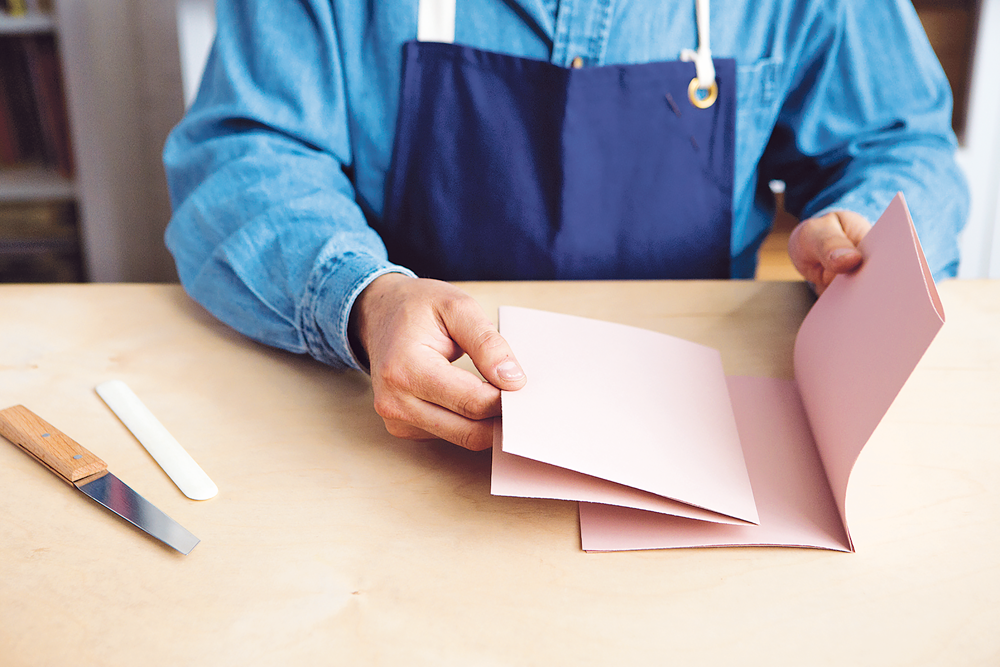
  • First make two sections from your A2 sheets of paper. Take one sheet and fold in half, short edge to short edge. Make sure the edges are exactly aligned, before making a sharp crease using your bone folder.
  • Slit the paper two-thirds of the length along the fold using a shoe knife. This helps to avoid ‘crow’s feet’ or wrinkles from forming at the corners of the folds.
  • Turn the folded sheet 90 degrees and fold the sheet a second time.
  • As before, slit the sheet two thirds of the way using a shoe knife.
  • Turn the folded sheet 90 degrees and fold the sheet a third time.
  • Do not slit the sheet again. You now have an A5 16-page, or octavo, section.
  • Repeat with second sheet of A2.
  • Take your two octavo sections (16 pages each) and combine the two sections by inserting one inside of the centre fold of the other (step 1). This will give you a 32-page section. 
  • Fold the A4 cover paper in half widthways, or short edge to short edge. Make sure the edges are exactly aligned before making a sharp crease using your bone folder (step 2).
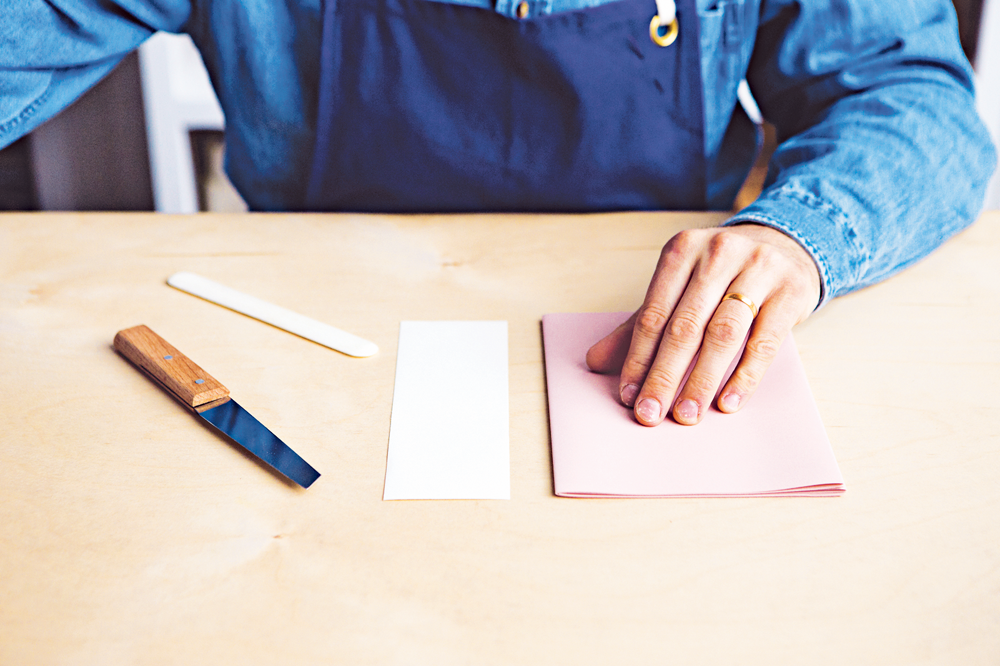
  • Make a sewing station template: take a piece of waste paper and cut to the same height as your pamphlet and roughly 60mm wide (step 3).
  • Make three marks on the edge of the waste paper (step 4): one at the centre (find this by folding the sheet in half lengthwise) and two at either end, around 30mm in from the top and bottom. The sewing stations will be at these points.
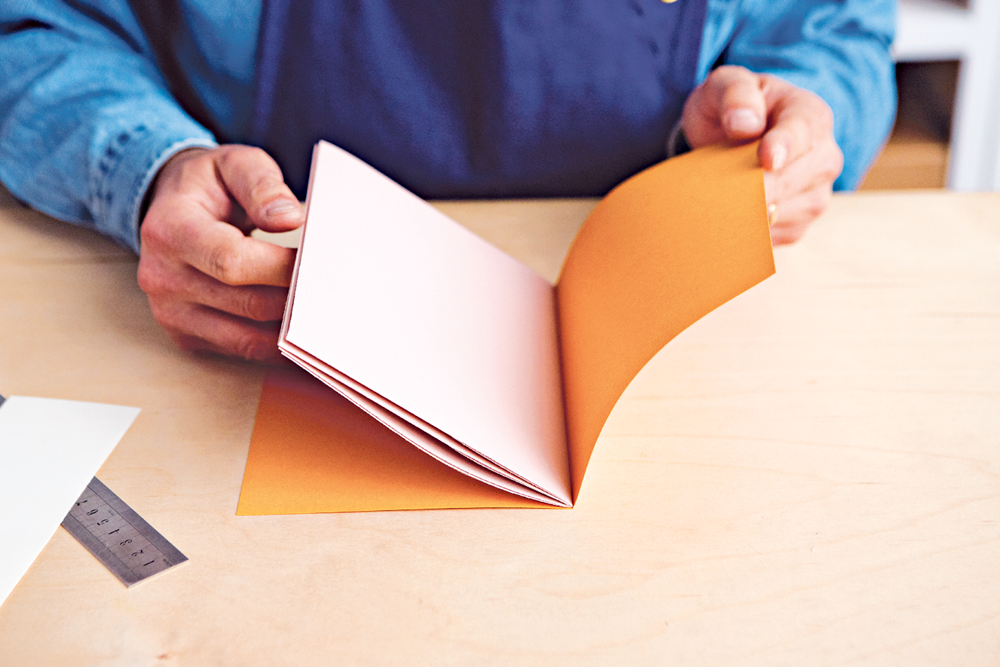
  • Place the section inside the folded cover (step 5).
  • Lay the book on the work surface with the spine edge aligned to the edge of the work surface. Open the book to the centre fold and place the sewing station template along the fold. Using an awl or pricker, make holes at each of the sewing stations (step 6).
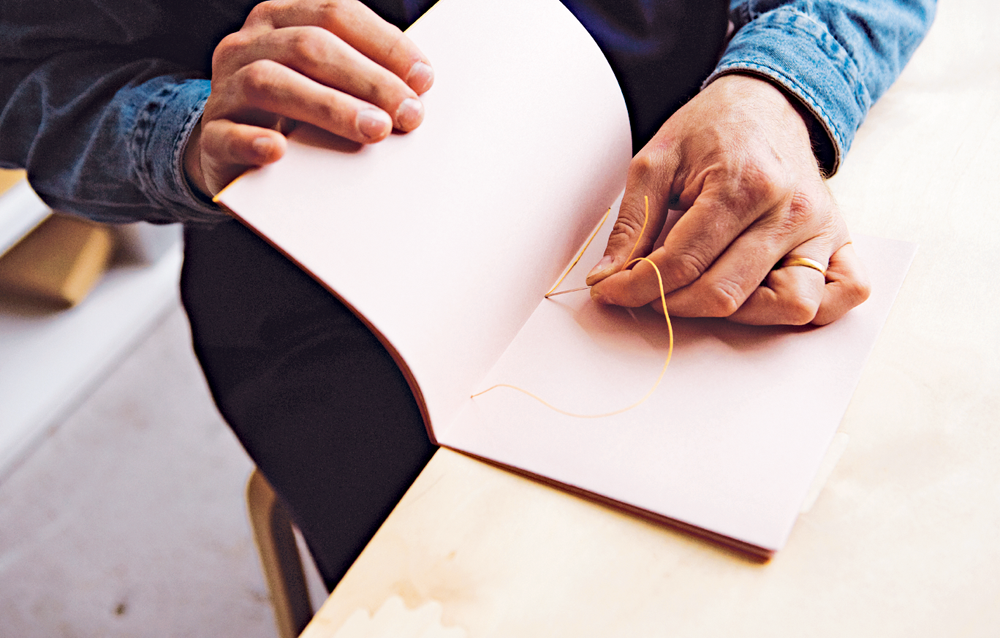
  • With a needle and about 60cm of linen thread (or a length 2.5 to 3 times the height of the book), begin stitching the section from the centre hole, station B (see step 7).
  • From the outside in, insert needle and thread at station B, leaving a tail end of approximately 3cm.
  • Bring the needle out through the top hole, station C.
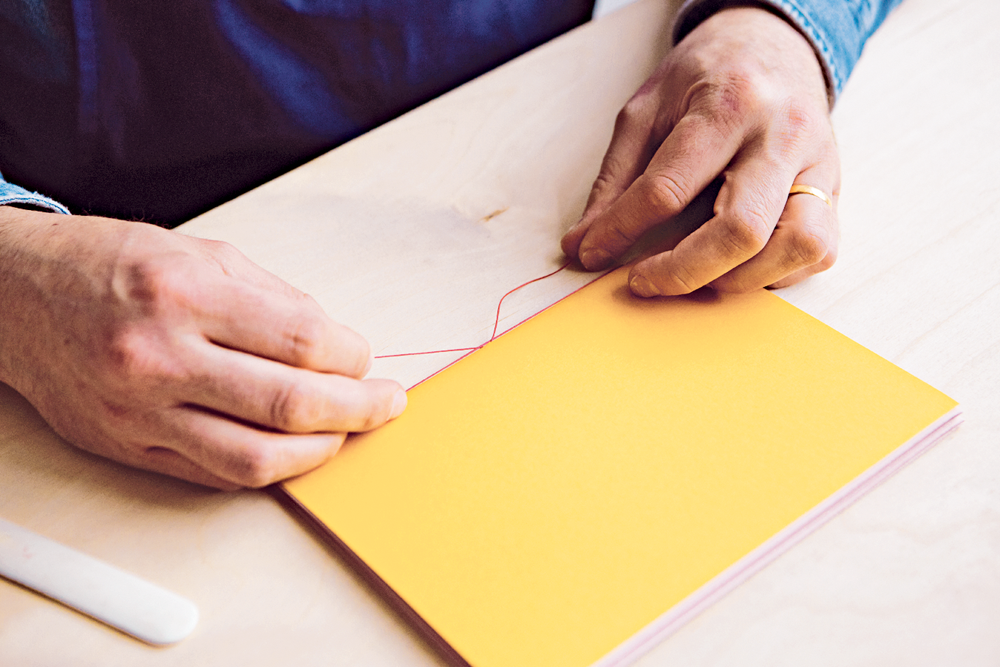
  • Go along the spine and in again at station A, then out through central station B.
  • Tie the two ends of thread together with a reef knot and trim any excess thread (step 8). Make sure that the two ends are on either side of the thread running from A to C, so that the knot is firmly in place.
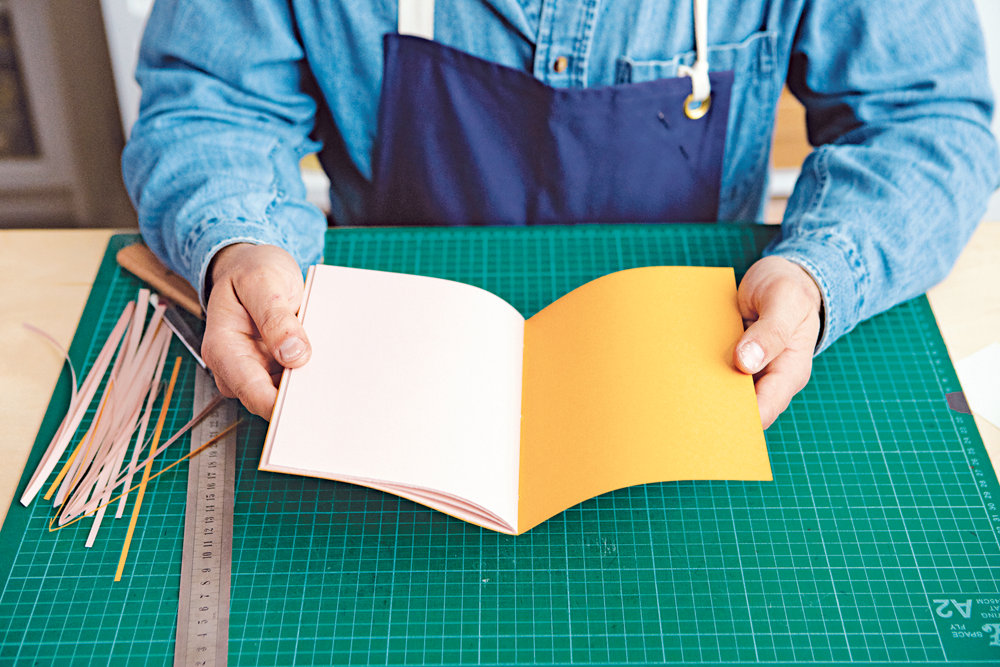
  • Once the book has been bound, close the book, place a sheet of waste paper over the spine and go over the spine with a bone folder. If desired, trim the book.

Extracted from Making Books by Simon Goode and Ira Yonemura (Pavilion).


  Download  or  subscribe   See the sample of our latest issue  here   Order  our new Celebrations Anthology   Order a copy of  Flourish 4 , our new wellbeing bookazine   Listen to  our podcast  – Small Ways to Live Well  Wear our  Slapdash Patc

Get hold of your copy of this month's The Simple Things - buy, download or subscribe

View the sampler here


More from the February issue:

Featured
SIM68.JOURNAL_113_WordJar_JournalSparks.png
Feb 27, 2018
Journal sparks | Word Jar
Feb 27, 2018
Feb 27, 2018
SIM68.EVENTS_Unknown-1.jpeg.png
Feb 26, 2018
The faces of Fairtrade
Feb 26, 2018
Feb 26, 2018
SIM68.png
Feb 25, 2018
Nest | Cacti
Feb 25, 2018
Feb 25, 2018

More weekend projects to make:

Featured
CITRUS PRINT.jpg
Jan 10, 2026
Make | Citrus Print Tablecloth
Jan 10, 2026
Jan 10, 2026
Lanyard & Key Fob.jpg
Jun 1, 2025
Project | Make a Scrap fabric Key Fob
Jun 1, 2025
Jun 1, 2025
TEA COSY JUMPER.jpg
Jan 25, 2025
How to | Make a Tea Cosy from an Old Jumper
Jan 25, 2025
Jan 25, 2025
In Making Tags make, weekend project, Make project, issue 68, February
Comment
Photography: Ali Allen

Photography: Ali Allen

Seasonal winter shots

Lottie Storey February 9, 2018

Ginger tops the list of effective natural home remedies. Try these combinations to help settle upset tummies, soothe migraines and ward off viruses

To make: Peel and juice the ginger first, then feed the herb or spice through the juicer. Finally, juice the fruit.

Each of the following recipes makes one winter shot.
Asian Pear Drop: 2cm piece of ginger, 1⁄4 of a stick of lemongrass and half
a pear.
Sunshine Ginger: 2cm piece of ginger, 1 blood orange or 2 clementines and
a dusting of cinnamon.
Winter Ginger: 2cm slice of ginger, 1 apple and a drop of oregano essential oil.
Blushing Ginger: 2cm piece of ginger, 2 cardamom pods (feed whole through a juicer or grind the seeds and add later after juicing), 4cm piece of rhubarb and 1 small or 1⁄2 medium-sized beetroot. Solo Ginger: 2cm piece of ginger,
1⁄4 lemon (zest and all) and a dusting of cayenne pepper.
Persian Ginger: 2cm piece of ginger, 1 tbsp fresh rose petals or 1⁄4 tsp rosewater and 15 pitted cherries.

From Tonics & Teas by Rachel de Thample (Kyle Books).

  Download  or  subscribe   See the sample of our latest issue  here   Order  our new Celebrations Anthology   Order a copy of  Flourish 4 , our new wellbeing bookazine   Listen to  our podcast  – Small Ways to Live Well  Wear our  Slapdash Patc

Get hold of your copy of this month's The Simple Things - buy, download or subscribe

View the sampler here.


More from the January issue:

Featured
SIM68.JOURNAL_113_WordJar_JournalSparks.png
Feb 27, 2018
Journal sparks | Word Jar
Feb 27, 2018
Feb 27, 2018
SIM68.EVENTS_Unknown-1.jpeg.png
Feb 26, 2018
The faces of Fairtrade
Feb 26, 2018
Feb 26, 2018
SIM68.png
Feb 25, 2018
Nest | Cacti
Feb 25, 2018
Feb 25, 2018

More homemade remedies:

Featured
SIM66.EVENTS_TonicsAndTeas.jpeg.png
Dec 27, 2025
Make | A Seasonal Tonic
Dec 27, 2025
Dec 27, 2025
Wellbeing.jpg
Feb 11, 2024
Make | Kitchen Face Masks
Feb 11, 2024
Feb 11, 2024
Bathsalts make 2.jpg
Oct 30, 2022
Make | Homemade Bath Salts
Oct 30, 2022
Oct 30, 2022
In Making Tags cold, winter, illness, cough drops, natural skincare, home remedies, february, issue 68
Comment
Photography by Anne Deppe.

Photography by Anne Deppe.

Make | Marbled tree baubles

Lottie Storey December 6, 2017

Give baubles a quick marble makeover courtesy of bright nail varnish 

You will need:
Colourful thread or string
Scissors
White Christmas tree baubles in various sizes (try hobbycraft.co.uk)
Large bowl
Nail varnish in two colours, here orange and lilac

1 Attach a piece of string to a Christmas tree bauble. Fill a large bowl with enough lukewarm water to completely submerge the bauble (leaving room for displacement).
2 Add a few drops from each of the bottles of nail varnish to the water. The nail varnish will form a thin, colourful film on the surface.
3 Now immerse the bauble completely in the bowl, holding the cap and ring to push it underwater.
4 A thin layer of nail varnish will coat the bauble. Hang it up to dry for a couple of hours.

Taken from Supercraft Christmas by Sophie Pester and Catharina Bruns, (Dorling Kindersley).

Turn to page 38 of December's The Simple Things where we celebrate the role of the bauble in Christmases past, present and many more into the future.

  Download  or  subscribe   See the sample of our latest issue  here   Order  our new Celebrations Anthology   Order a copy of  Flourish 4 , our new wellbeing bookazine   Listen to  our podcast  – Small Ways to Live Well  Wear our  Slapdash Patc

Get hold of your copy of this month's The Simple Things - buy, download or subscribe

View the sampler here


More from the December issue:

Featured
SIM66.EVENTS_TonicsAndTeas.jpeg.png
Dec 27, 2025
Make | A Seasonal Tonic
Dec 27, 2025
Dec 27, 2025
9.new years final.png
Dec 31, 2024
How to | Make a Could-Do List Happen
Dec 31, 2024
Dec 31, 2024
SIM66.GATHERING_IMG_3201.png
Dec 24, 2023
Recipe | Roasted Brussels sprouts with nuts, lemon & pomegranate
Dec 24, 2023
Dec 24, 2023

More weekend projects to make:

Featured
CITRUS PRINT.jpg
Jan 10, 2026
Make | Citrus Print Tablecloth
Jan 10, 2026
Jan 10, 2026
Lanyard & Key Fob.jpg
Jun 1, 2025
Project | Make a Scrap fabric Key Fob
Jun 1, 2025
Jun 1, 2025
TEA COSY JUMPER.jpg
Jan 25, 2025
How to | Make a Tea Cosy from an Old Jumper
Jan 25, 2025
Jan 25, 2025
In Making, Christmas Tags make, weekend project, Make project, christmas, issue 66, december
Comment
SIM66.NEST_xmas wreath Nest image1.png

Make | Foraged Christmas wreath

Lottie Storey November 28, 2017

If you’re short of foliage in your garden, a wintry walk to fetch some is just the thing before getting creative with your finds

You will need:
Bronze medium flat wreath frame, approx 25cm across
Hobby wire
A selection of greenery (we used eucalyptus, ivy, holly, thistle and gypsophila)
Length of narrow ribbon for hanging Ribbon for decoration (we used velvet ribbon)
Scissors
Secateurs

SIM66.NEST_xmas wreath materials_b.png


1 Using secateurs, trim the ivy and eucalyptus to manageable lengths of approx 20–30cm. Secure the foliage to the wreath ring, using wire to hold the sprigs in place at various intervals. Gradually work around the ring. Continue attaching the foliage until the ring is covered and none of the wire ring can be seen.
2 Once you have an initial layer secured to the ring, you can start to add in shorter lengths of foliage among the greenery. You should be able to secure these additional pieces without wire by weaving them into the base coverage.
3 Next take some of the holly, thistles and gypsophila and trim them into lengths of approx 7cm each. Gather two or three together to create small bunches and wrap the stems with a little wire to secure. Make three of these and place them at regular intervals around the wreath. Push each one into the wreath and secure with wire from the back.
4 Add in a few further individual thistles and gypsophila sprigs until your wreath has enough interest and balance.
5 Take a length of ribbon and tie centrally around the base of the ring, securing with a bow. Trim the loose ends to make it neat.
6 Finally, turn the wreath over and, using your fingers, feel to find the top of the wreath ring. Thread a length of narrow ribbon through the ring to create a hanging loop. Your wreath is now ready to hang. To keep it fresh and green, spritz it with water every few days.

SIM66.NEST_xmas wreath step5d.png
  Download  or  subscribe   See the sample of our latest issue  here   Order  our new Celebrations Anthology   Order a copy of  Flourish 4 , our new wellbeing bookazine   Listen to  our podcast  – Small Ways to Live Well  Wear our  Slapdash Patc

Get hold of your copy of this month's The Simple Things - buy, download or subscribe

View the sampler here


More from the December issue:

Featured
SIM66.EVENTS_TonicsAndTeas.jpeg.png
Dec 27, 2025
Make | A Seasonal Tonic
Dec 27, 2025
Dec 27, 2025
9.new years final.png
Dec 31, 2024
How to | Make a Could-Do List Happen
Dec 31, 2024
Dec 31, 2024
SIM66.GATHERING_IMG_3201.png
Dec 24, 2023
Recipe | Roasted Brussels sprouts with nuts, lemon & pomegranate
Dec 24, 2023
Dec 24, 2023

More weekend projects to make:

Featured
CITRUS PRINT.jpg
Jan 10, 2026
Make | Citrus Print Tablecloth
Jan 10, 2026
Jan 10, 2026
Lanyard & Key Fob.jpg
Jun 1, 2025
Project | Make a Scrap fabric Key Fob
Jun 1, 2025
Jun 1, 2025
TEA COSY JUMPER.jpg
Jan 25, 2025
How to | Make a Tea Cosy from an Old Jumper
Jan 25, 2025
Jan 25, 2025
In Making, Christmas Tags make, weekend project, Make project, christmas, issue 66, december
Comment
SIM65.MAKES_Step 7 Finished 3.png

Make | Craft your own countdown

Lottie Storey November 21, 2017

Channel your excitement about the festive season into making this simple and pretty project

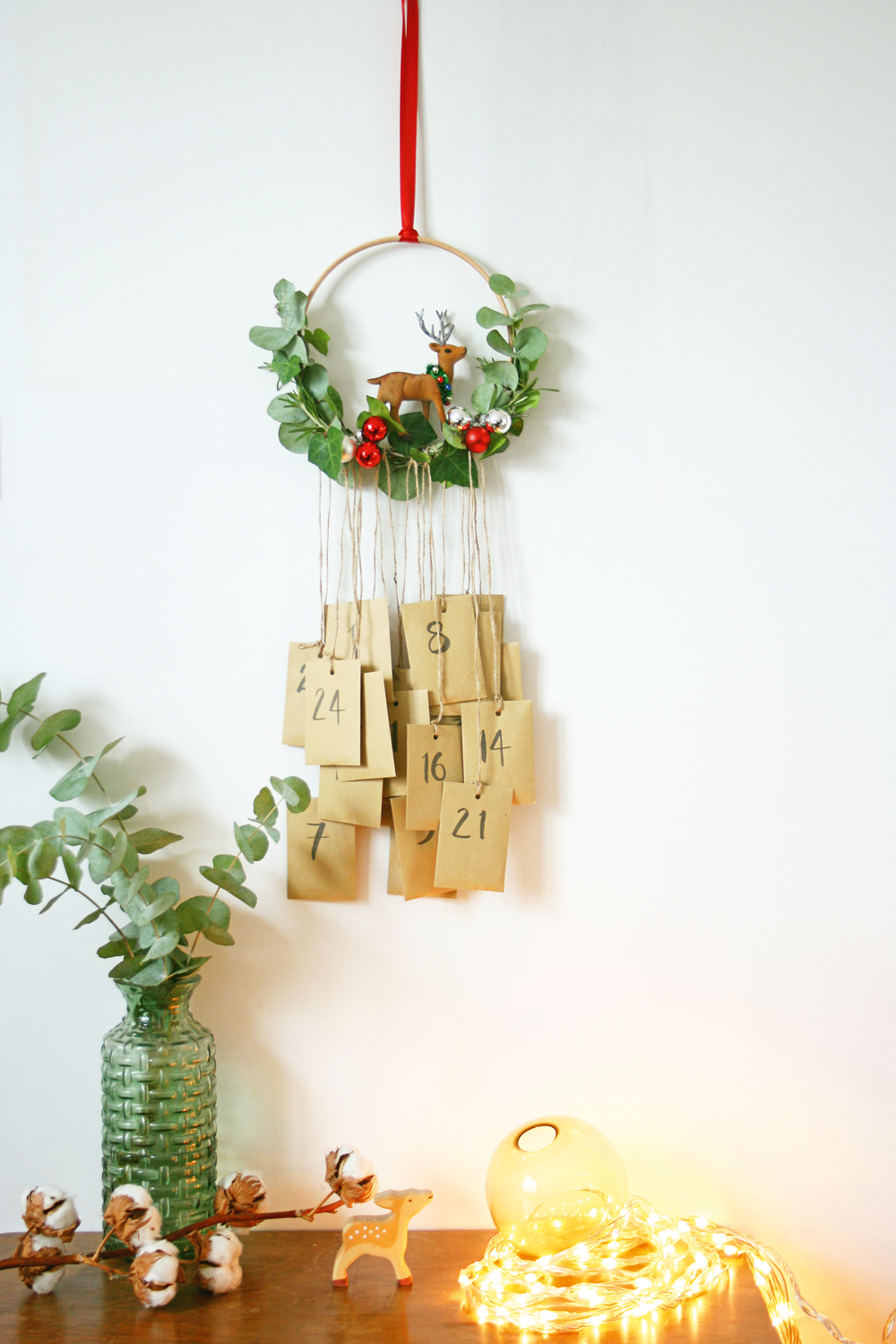
Not that we need bribery, but the pleasure of opening an advent calendar each day is an extra reason to look forward to getting out of bed in December. The first commercially produced advent calendar dates to 1903 but our project harks back to the very first, 18th-century versions, which were handmade. This easy-to-make design combines natural foliage, a bit of festive sparkle and a little treat in each envelope to be opened in the countdown to Christmas. Who could resist? And, on that note, it’s as easy to adapt for grown-ups as children.

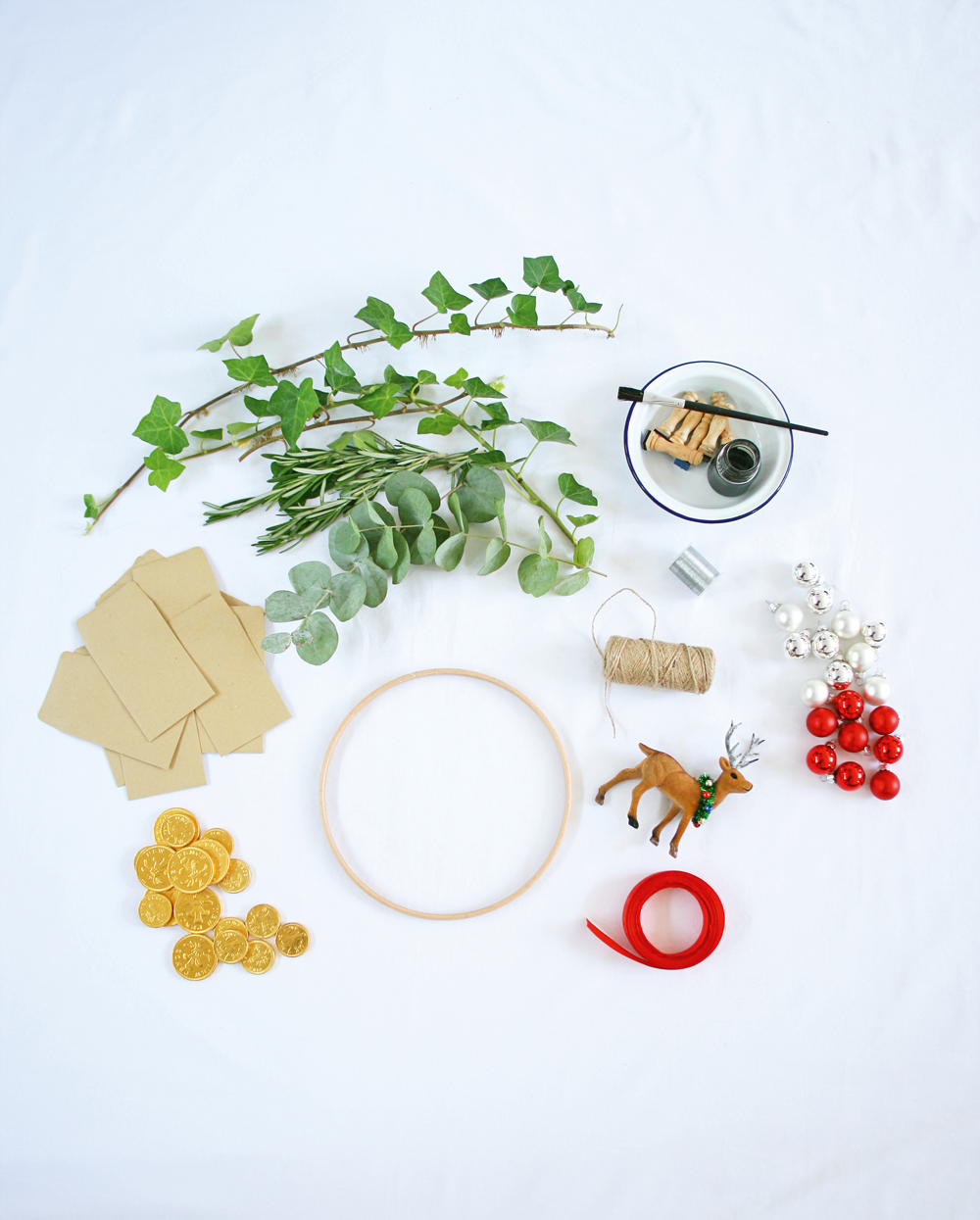
Envelope advent calendar

SIM65.MAKES_Step 1 Materials 2.png
 1 Gather two near-identical bunches of foliage and bind them together with wire. Attach the foliage bunches to the wooden hoop, securing at intervals with wire. Allow the two bunches to overlap slightly at the base of the hoop to hide the join. Any

1 Gather two near-identical bunches of foliage and bind them together with wire. Attach the foliage bunches to the wooden hoop, securing at intervals with wire. Allow the two bunches to overlap slightly at the base of the hoop to hide the join. Any visible wire can be hidden with the addition of a leaf or two.

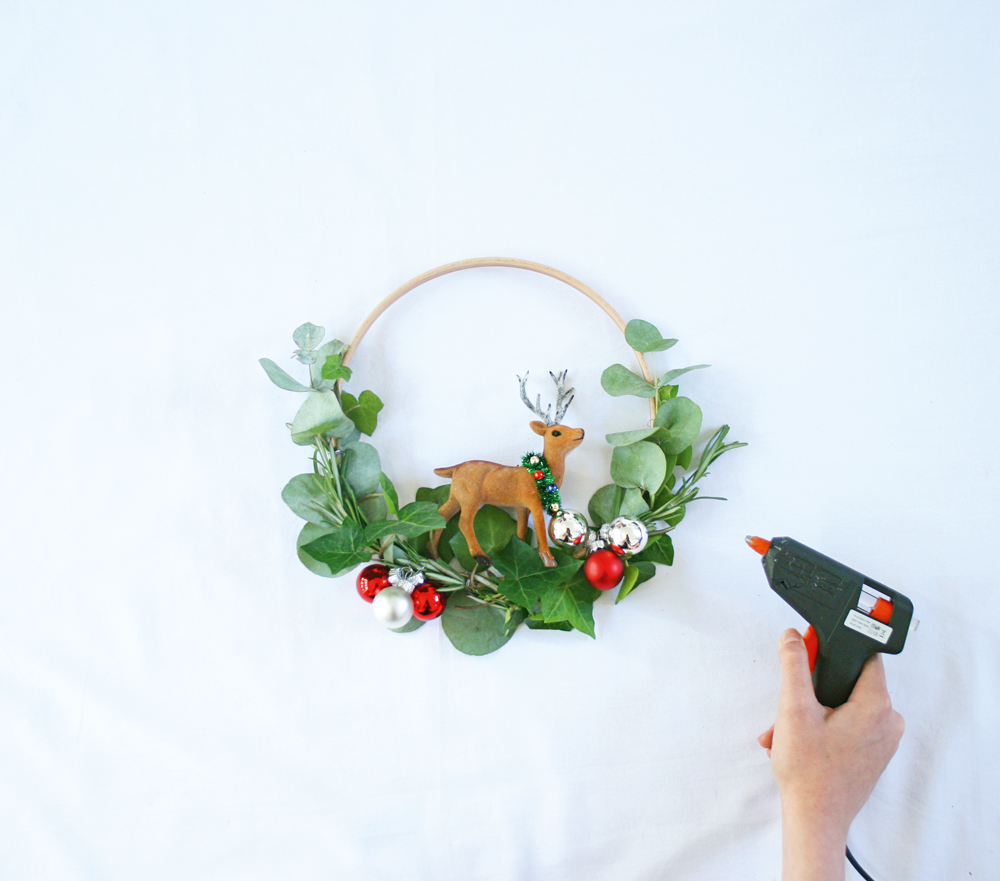
 2 Take three of the mini baubles and string onto a piece of wire, twisting to secure and form a cluster. Repeat with the remaining three. Secure each cluster along the base of the hoop on opposite sides.

2 Take three of the mini baubles and string onto a piece of wire, twisting to secure and form a cluster. Repeat with the remaining three. Secure each cluster along the base of the hoop on opposite sides.

 3 Remove any hanging loops from your tree decoration, then glue it securely to the centre of the hoop base using a glue gun. Leave the whole hoop piece aside to dry.

3 Remove any hanging loops from your tree decoration, then glue it securely to the
centre of the hoop base using a glue gun. Leave the whole hoop piece aside to dry.

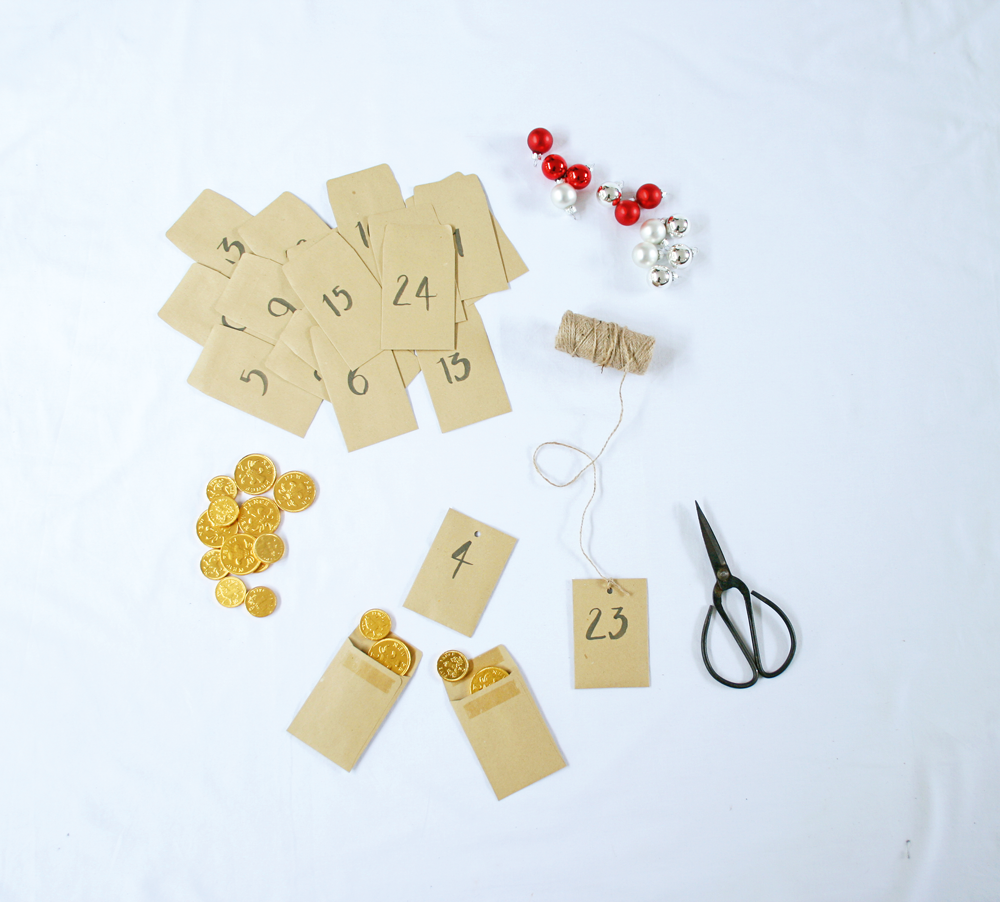
 4 Paint the numbers 1 to 24 on the front of the envelopes. Once dried, fill with miniature gifts and treats (see opposite for inspiration) and seal the envelopes. Using a hole punch, create a hole in the top of each envelope.

4 Paint the numbers 1 to 24 on the front of the envelopes. Once dried, fill with miniature gifts and treats (see opposite for inspiration) and seal the envelopes. Using a hole punch, create a hole in the top of each envelope.

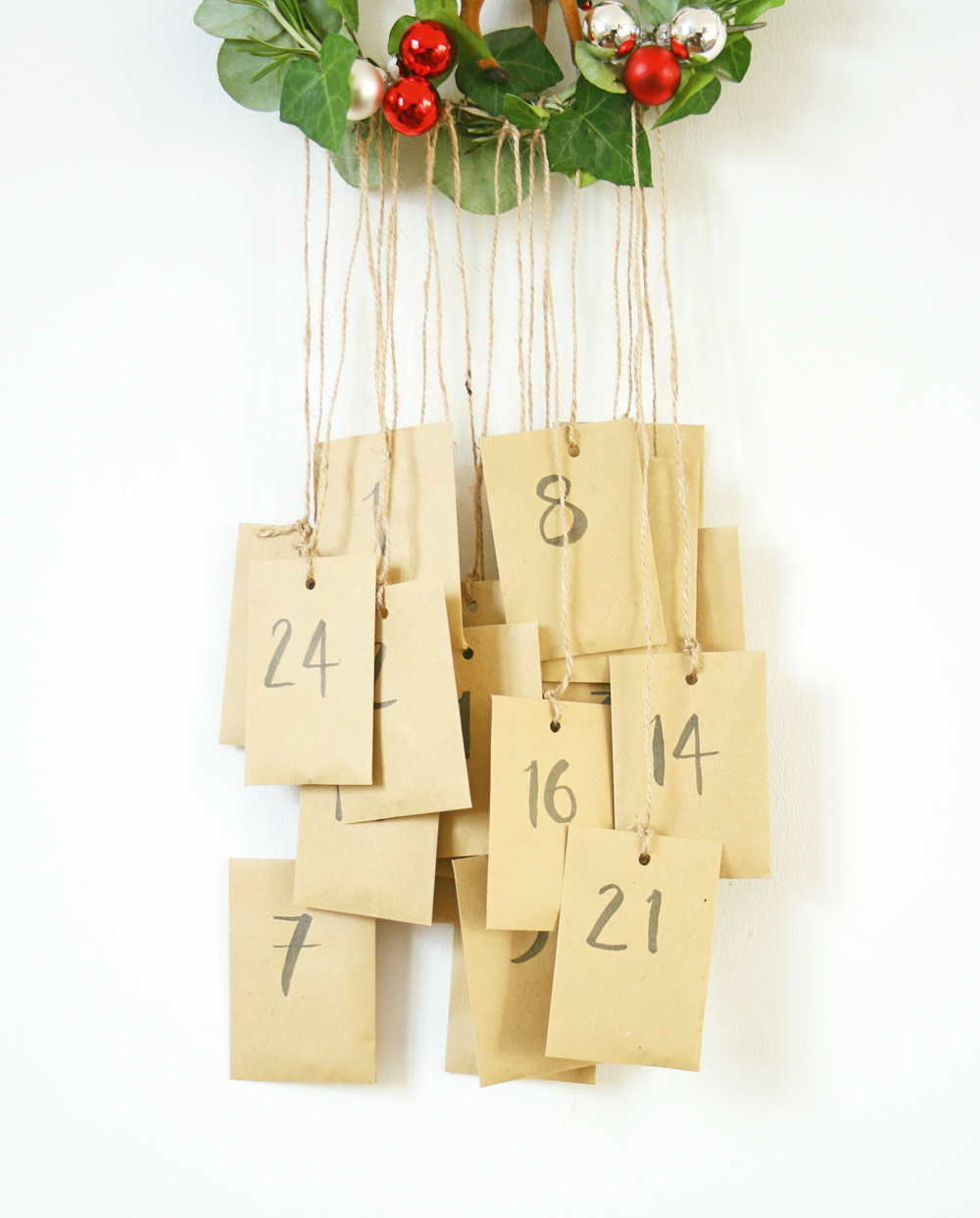
 5 Thread a length of twine through each envelope hole and secure with a double knot. Secure the other end to the decorated hoop. It’s best to hang your hoop (using the length of satin ribbon) before attaching the envelopes to avoid tangles. Vary the

5 Thread a length of twine through each envelope hole and secure with a double knot. Secure the other end to the decorated hoop. It’s best to hang your hoop (using
the length of satin ribbon) before attaching the envelopes to avoid tangles. Vary the lengths of twine a little, so that the envelopes don’t all hang at the same length. 

 Carefully hang your advent calendar in its final position and let the countdown begin.

Carefully hang your advent calendar in its final position and let the countdown begin.

Makes 24 days of festive cheer
Wooden embroidery hoop 20cm (inner ring); try hobbycraft.co.uk
Beading/thin jewellery wire (hobbycraft.co.uk)
Foliage – long-lasting and fragrant, such as ivy, eucalyptus and rosemary
6 mini baubles (these are from dobbies.com)
Christmas character tree decoration (search eBay for vintage options)
Twine
24 small brown envelopes approx 6x9cm
60cm satin ribbon for hanging (uk.flyingtiger.com)
24 mini treats (see below for ideas)
Scissors
Ink and brush
Hole punch
Glue gun

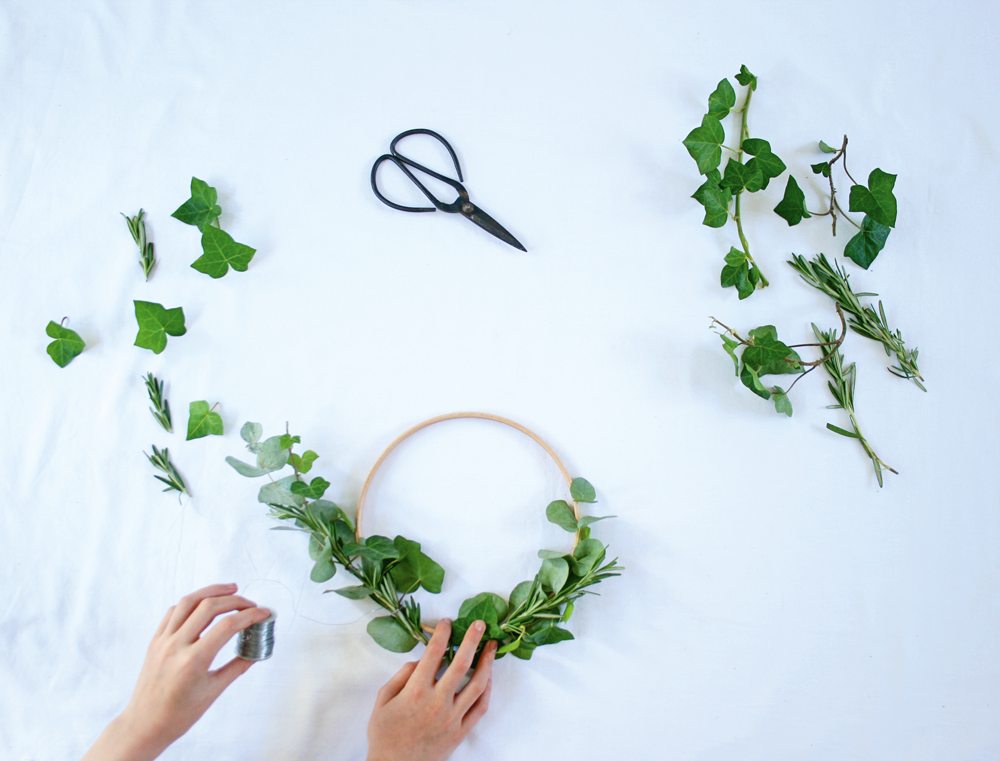
1 Gather two near-identical bunches of foliage and bind them together with wire. Attach the foliage bunches to the wooden hoop, securing at intervals with wire. Allow the two bunches to overlap slightly at the base of the hoop to hide the join. Any visible wire can be hidden with the addition of a leaf or two.
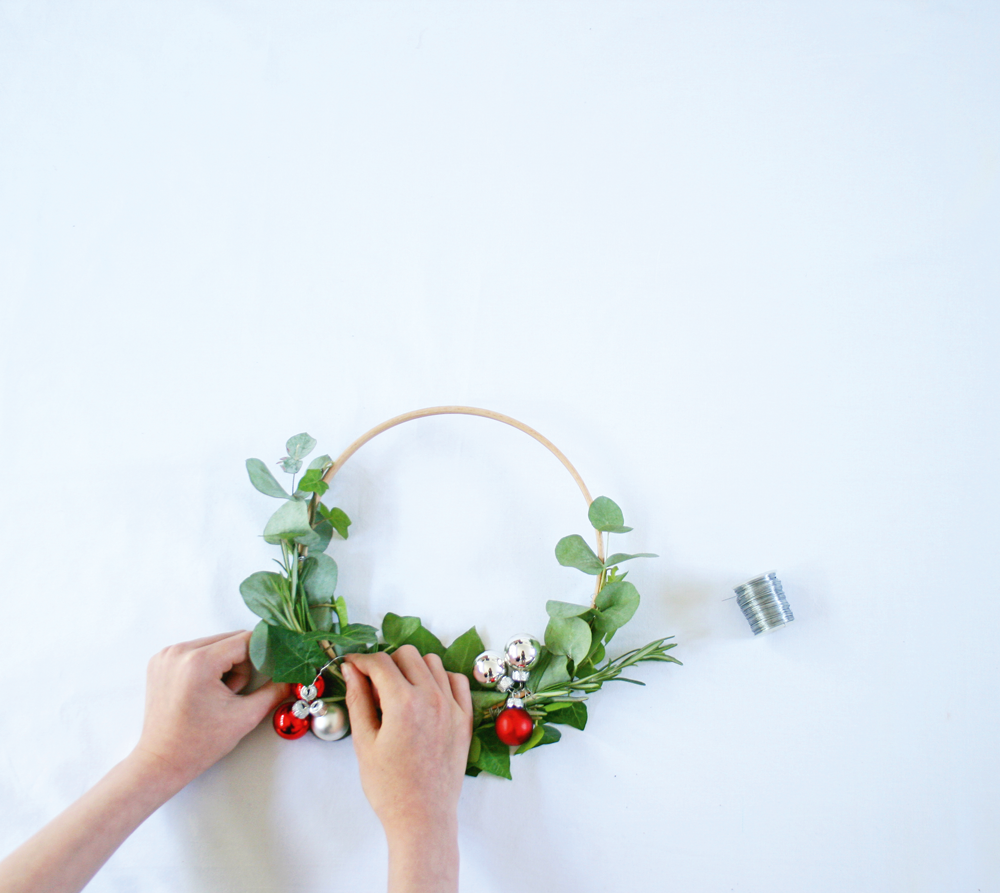
2 Take three of the mini baubles and string onto a piece of wire, twisting to secure and form a cluster. Repeat with the remaining three. Secure each cluster along the base of the hoop on opposite sides.
3 Remove any hanging loops from your tree decoration, then glue it securely to the
centre of the hoop base using a glue gun. Leave the whole hoop piece aside to dry.
4 Paint the numbers 1 to 24 on the front of the envelopes. Once dried, fill with miniature gifts and treats (see below for inspiration) and seal the envelopes. Using a hole punch, create a hole in the top of each envelope.
5 Thread a length of twine through each envelope hole and secure with a double knot. Secure the other end to the decorated hoop. It’s best to hang your hoop (using the length of satin ribbon) before attaching the envelopes to avoid tangles. Vary the lengths of twine a little, so that the envelopes don’t all hang at the same length. Carefully hang your advent calendar in its final position and let the countdown begin.

l Chocolate coins l Mini playing cards l Lip balm l Hair slides l Cinema tickets l Badges or patches l Bookmarks l Temporary tattoo l Teabags

  Download  or  subscribe   See the sample of our latest issue  here   Order  our new Celebrations Anthology   Order a copy of  Flourish 4 , our new wellbeing bookazine   Listen to  our podcast  – Small Ways to Live Well  Wear our  Slapdash Patc

Get hold of your copy of this month's The Simple Things - buy, download or subscribe

View the sampler here


More from the November issue:

Featured
SIM65.MAKES_Step 7 Finished 3.png
Nov 21, 2017
Make | Craft your own countdown
Nov 21, 2017
Nov 21, 2017
SIM65.CAKE_parsnipcake_2.png
Nov 20, 2017
Recipe | Parsnip and maple syrup cake with parsnip crisps
Nov 20, 2017
Nov 20, 2017
nov 65 back cover.png
Nov 19, 2017
You can do anything but not everything
Nov 19, 2017
Nov 19, 2017

More weekend projects to make:

Featured
CITRUS PRINT.jpg
Jan 10, 2026
Make | Citrus Print Tablecloth
Jan 10, 2026
Jan 10, 2026
Lanyard & Key Fob.jpg
Jun 1, 2025
Project | Make a Scrap fabric Key Fob
Jun 1, 2025
Jun 1, 2025
TEA COSY JUMPER.jpg
Jan 25, 2025
How to | Make a Tea Cosy from an Old Jumper
Jan 25, 2025
Jan 25, 2025
In Making, Christmas Tags make, weekend project, Make project, sewing, issue 65, november, christmas
Comment
Photography: Sarah Cuttle

Photography: Sarah Cuttle

Homemade cough drops

Lottie Storey November 13, 2017

These antiviral lozenges help to soothe sore throats and ease tickly coughs. Make in advance for the winter months ahead, or boil up a batch for a poorly friend

You will need:
5cm piece of fresh ginger, sliced
1 tbsp whole cloves
4 tbsp dried elderflowers (or 5 fresh elderflower heads, main green stalks removed)
Elderflower cordial (optional) 
400g unrefined sugar
250ml honey
Juice of 1⁄2 lemon
Icing sugar, to dust or for covering

1 Take a very large, heavy based saucepan (2-litre capacity is ideal). Put the spices into the pan with 300ml water. Bring gently to boil, then simmer, covered, for 10 mins.
2 Remove from the heat and add the fresh or dried elderflowers, set aside to infuse for 20 mins.
3 Strain the liquid into a heatproof jug and measure it – you’ll need 250ml of the infusion for this recipe (if it needs topping up use water or elderflower cordial for extra flavour). Return the 250ml liquid to the pan and then add sugar, lemon juice and honey.
4 Carefully heat until the mixture comes to a gentle rolling boil. Continue boiling gently until the sugar reaches hard crack stage (149–154C on a sugar thermometer), about 15–20 mins. This is the point at which a drop of liquid turns to brittle strands when dropped into chilled water (caution: the liquid is extremely hot). Take off the heat.
5 Drop teaspoonfuls onto a tray lined with greaseproof paper and leave to set. Then, once hardened, sprinkle with icing sugar to prevent them sticking together.
6 Suck one sweet as needed. Store wrapped in greaseproof paper individually or covered in a thick layer of icing sugar in an airtight container.

Taken from The Handmade Apothecary by Vicky Chown and Kim Walker (Kyle Books). 

  Download  or  subscribe   See the sample of our latest issue  here   Order  our new Celebrations Anthology   Order a copy of  Flourish 4 , our new wellbeing bookazine   Listen to  our podcast  – Small Ways to Live Well  Wear our  Slapdash Patc

Get hold of your copy of this month's The Simple Things - buy, download or subscribe
View the sampler here.


More from the November issue:

Featured
SIM65.MAKES_Step 7 Finished 3.png
Nov 21, 2017
Make | Craft your own countdown
Nov 21, 2017
Nov 21, 2017
SIM65.CAKE_parsnipcake_2.png
Nov 20, 2017
Recipe | Parsnip and maple syrup cake with parsnip crisps
Nov 20, 2017
Nov 20, 2017
nov 65 back cover.png
Nov 19, 2017
You can do anything but not everything
Nov 19, 2017
Nov 19, 2017

More homemade remedies:

Featured
SIM66.EVENTS_TonicsAndTeas.jpeg.png
Dec 27, 2025
Make | A Seasonal Tonic
Dec 27, 2025
Dec 27, 2025
Wellbeing.jpg
Feb 11, 2024
Make | Kitchen Face Masks
Feb 11, 2024
Feb 11, 2024
Bathsalts make 2.jpg
Oct 30, 2022
Make | Homemade Bath Salts
Oct 30, 2022
Oct 30, 2022
In Making Tags issue 65, november, cold, winter, illness, kindness, cough drops, natural skincare, home remedies
Comment
PARKIN-PIC.jpg

Recipe | Traditional Parkin ginger and treacle cake

Future Admin October 18, 2017

Traditionally enjoyed in Yorkshire on Bonfire Night, parkin is a seasonal treat, packed with black treacle and spiced with ginger. It's the oatmeal in the recipe that gives it a unique, not quite ginger cake, texture. Bettys have been making it in Harrogate for 30 years, so they should know what they're on about! Bag yourself a Bettys traditional Yorkshire parkin for Bonfire Night.

If you're in the mood for baking one yourself here's Bettys' recipe for mini parkin.

Ingredients                                                 Special Equipment

100g butter                                                 8 mini loaf tins
40g black treacle                                       or x 1 1lb loaf tin
180g golden syrup
110g soft brown sugar
100g self raising flour
3 tsp ground ginger
1 tsp ground nutmeg
40g oats
40g ground almonds
2 tsp whole milk
2 eggs

Method
Preheat the oven to 160°C (fan assisted). Line the base of the mini loaf tins with a piece of baking parchment paper.

1. Place the butter, black treacle, golden syrup and soft brown sugar in a heavy based pan over a medium heat. Gently warm through to melt the butter and stir until the sugar has completely dissolved. When the mixture comes up to the boil, turn off the heat and set aside whilst you prepare the other ingredients.

2. In a large mixing bowl, mix together the self raising flour, spices, oats and ground almonds until they are well combined.

3. Pour the warm mixture over the dry ingredients and mix in well.  Set the mixture aside to cool a little.

4. Beat the milk and egg together thoroughly and then gradually stir into the warm mixture.

5. Pour the mix into the prepared loaf tins and bake in the preheated oven for 20-25 minutes until well risen and a skewer inserted in the centre comes out clean.

6. Leave the loaves to cool down slightly before turning out onto a wire cooling rack.

Did you know Bettys also run a cookery school in Harrogate? Find out more.

  Download  or  subscribe   See the sample of our latest issue  here   Order  our new Celebrations Anthology   Order a copy of  Flourish 4 , our new wellbeing bookazine   Listen to  our podcast  – Small Ways to Live Well  Wear our  Slapdash Patc

Get hold of your copy of this month's The Simple Things - buy, download or subscribe

View the sampler here


More from the November issue:

Featured
SIM65.MAKES_Step 7 Finished 3.png
Nov 21, 2017
Make | Craft your own countdown
Nov 21, 2017
Nov 21, 2017
SIM65.CAKE_parsnipcake_2.png
Nov 20, 2017
Recipe | Parsnip and maple syrup cake with parsnip crisps
Nov 20, 2017
Nov 20, 2017
nov 65 back cover.png
Nov 19, 2017
You can do anything but not everything
Nov 19, 2017
Nov 19, 2017

More Bonfire Night inspiration:

Featured
Nov 1, 2025
Recipe: Smoked toffee apple bourbon
Nov 1, 2025
Nov 1, 2025
Nov 5, 2024
Recipe: Cinder Toffee
Nov 5, 2024
Nov 5, 2024
Fire Jonathan Cherry.JPG
Nov 5, 2020
Fun | Games to play around a fire
Nov 5, 2020
Nov 5, 2020
In Eating, Making Tags parkin, cake, bonfire night, treacle, ginger, november, autumn
4 Comments
Photograph: Jonathan Cherry

Photograph: Jonathan Cherry

Weekend project | Post-it reminders

Lottie Storey September 30, 2017

This sewing project by Sarah Corbett reinvents the Post-it as a form of activism, giving a moment to pause and reflect

You may have been spurred into action by Sarah Corbett’s wisdom on page 34 of October's The Simple Things. If so, this project is a way of trying out a little craftivism (activism using craft) for yourself. Inspired by the simplicity of the Post-it Note, it was created as part of Bystander Revolution, a global anti-bullying initiative (bystanderrevolution.org). We’re so used to living and acting quickly, but a physical object like a Post-it Note can take us out of auto-pilot and remind us to stop and think. These are stitched rather than scrawled on, the act of hand-stitching bringing an opportunity to really consider our words and action, while the #crafterthought questions help to focus reflection on the message being created. You could keep your embroidered sticky notes or give them as gifts – or display them in your office, park or local café for people to see.

#CRAFTERTHOUGHTS

  • If I was being bullied, how would I want people to help me?
  • How can I show love to a bully to help them stop bullying others?
  • Using my talents and voice, how can I be part of the Bystander Revolution? 

Post-it reminders

GIVE YOUR WORDS WEIGHT WITH THESE PERMANENT POST-ITS

You will need

Post-it Notes
Biro or fabric invisible ink pen
Thin cotton fabric, ideally in Post-it Note colours
Black embroidery thread
Embroidery needle, ideally size 5–7
Embroidery hoop (not essential)
Bondaweb
Felt fabric, ideally in Post-it Note colours
Fabric scissors

1 Use a biro to write your message on a Post-it Note. Use one of the ideas opposite or come up with your own. Use the biro or fabric invisible ink pen to trace the message onto your cotton fabric (you can use a light box, or place it against a window or the light of
your computer screen to see the message through it).

2 Cut a finger-to-shoulder length of thread, thread your embroidery needle and embroider your message using a simple back stitch, with the help of an embroidery hoop, if you like. Use six strands of thread for thick words and two or three strands for smaller messages in thinner pen.

3 Cut out a piece of Bondaweb a little larger than your Post-it Note shape, and iron onto the back of your cotton fabric.

4 Place your Post-it Note on the back of your fabric, over the Bondaweb in the position you want your fabric Post-it, and cut around with fabric scissors to the shape and size of the real Post-it note.

5 Peel off your Bondaweb, then place the cotton, Bondaweb side facing out, onto your piece of felt fabric.

6 Heat your iron to low. Put your felt and cotton Post-it under a towel and briefly iron so the fabrics fuse. Cut your felt to the same size as the cotton square.

Place your handmade Post-it Note messages where they will have the most impact. Share your process and final piece online with followers or friends. You can tag @craftivists on Instagram or Twitter, or share on the Facebook page Craftivist Collective to encourage others to take part.

Project courtesy of craftivist-collective.com 

Get hold of your copy of this month's The Simple Things - buy, download or subscribe

View the sampler here


More from the October issue:

Featured
SIM64.GATHERING_SimpleThingsNov17_Autumn Lunch_29.png
Nov 14, 2020
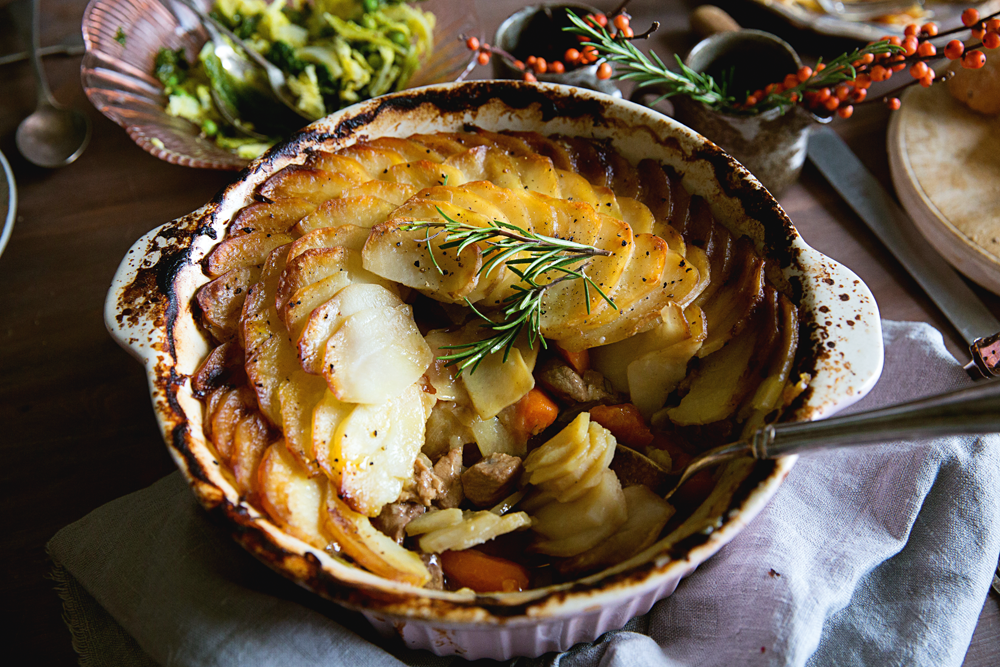
Recipe | Lamb hotpot and mustardy greens
Nov 14, 2020
Nov 14, 2020
freestocks-org-62592.jpg
Oct 31, 2020
Halloween | Simple spells
Oct 31, 2020
Oct 31, 2020
Dec-17-Subs-page-image3_jwretA.png
Nov 29, 2017
Christmas | Giftwrapped subscriptions to The Simple Things
Nov 29, 2017
Nov 29, 2017

More weekend projects:

Featured
Butter Spreader main.jpeg
Oct 25, 2025
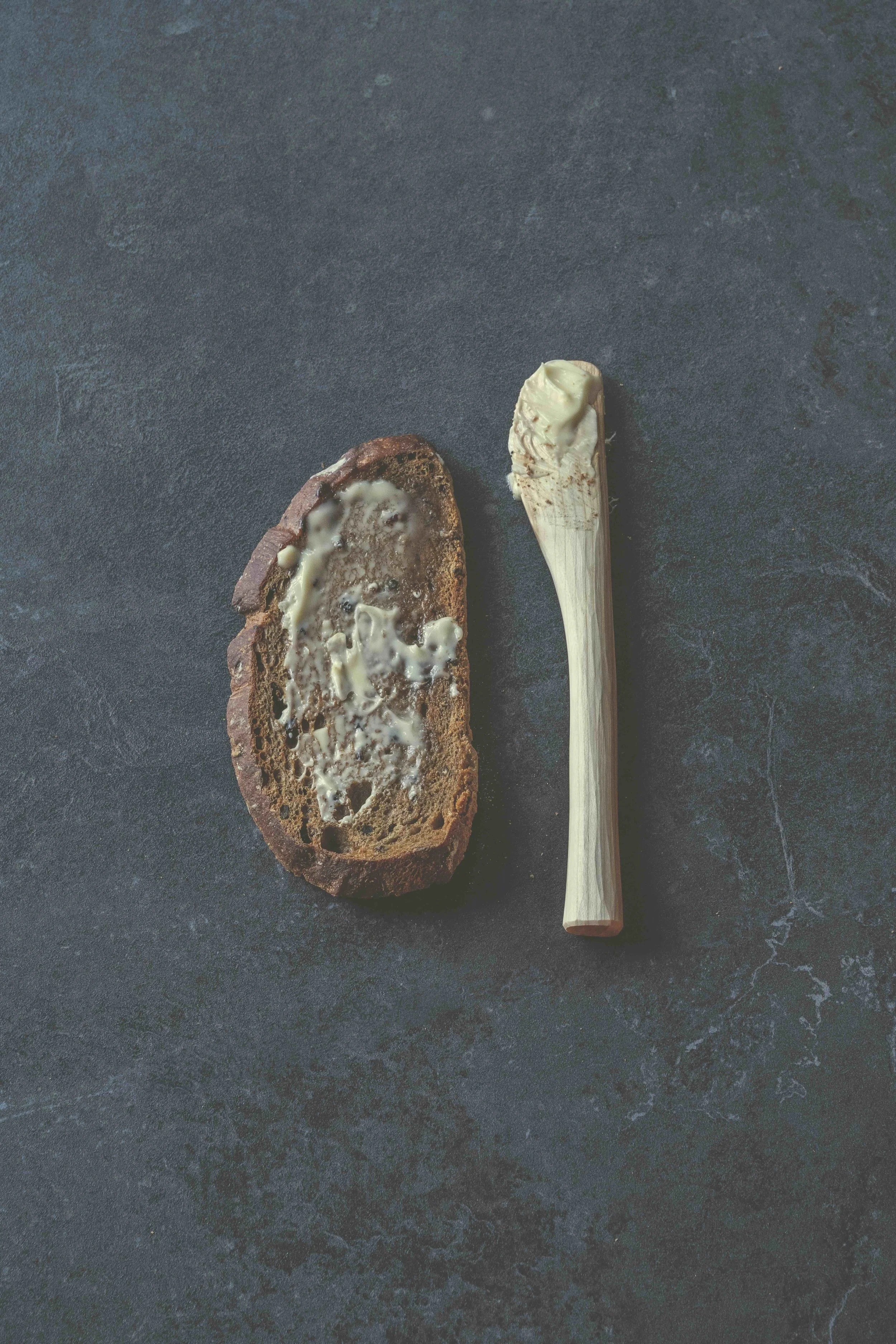
Project | Whittle a Butter Spreader
Oct 25, 2025
Oct 25, 2025
LemongrassChickenRedCurryCoconutSauce.jpg
Aug 23, 2023
Recipe | Tandoor Lemon Chicken with Mango & Coriander Salad
Aug 23, 2023
Aug 23, 2023
Folk enamel tumbler.jpg
Aug 5, 2023
Make | Folk art enamelware
Aug 5, 2023
Aug 5, 2023
In Making Tags issue 64, october, weekend project, craft, craftivism, activism
Comment
  • Blog
  • Older
  • Newer
Featured
  Download  or  subscribe   See the sample of our latest issue  here   Order  our new Celebrations Anthology   Order a copy of  Flourish 4 , our new wellbeing bookazine   Listen to  our podcast  – Small Ways to Live Well  Wear our  Slapdash Patc
Aug 29, 2025
Aug 29, 2025

Download or subscribe
See the sample of our latest issue here

Order our new Celebrations Anthology

Order a copy of Flourish 4, our new wellbeing bookazine 

Listen to our podcast – Small Ways to Live Well

Wear our Slapdash Patches and show your support for ‘good enough’

Aug 29, 2025
Join our Newsletter
Name
Email *

We respect your privacy and won't share your data.

email marketing by activecampaign
facebook-unauth pinterest spotify instagram
  • Subscriber Login
  • Stockists
  • Advertise
  • Contact

The Simple Things is published by Iceberg Press

The Simple Things

Taking time to live well

We celebrate slowing down, enjoying what you have, making the most of where you live, enjoying the company of of friends and family, and feeding them well. We like to grow some of our own vegetables, visit local markets, rummage for vintage finds, and decorate our home with the plunder. We love being outdoors and enjoy the satisfaction that comes with a job well done.

facebook-unauth pinterest spotify instagram