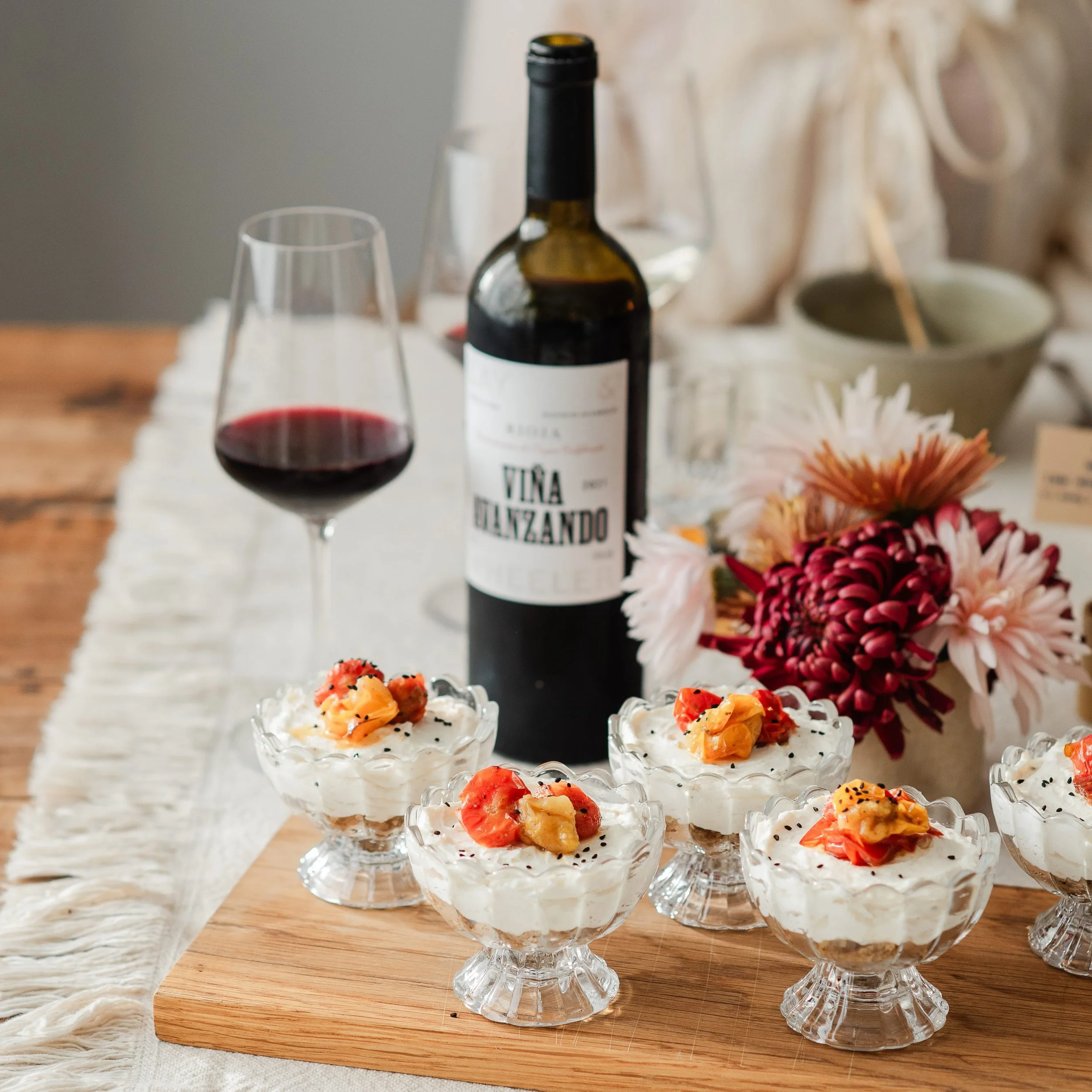
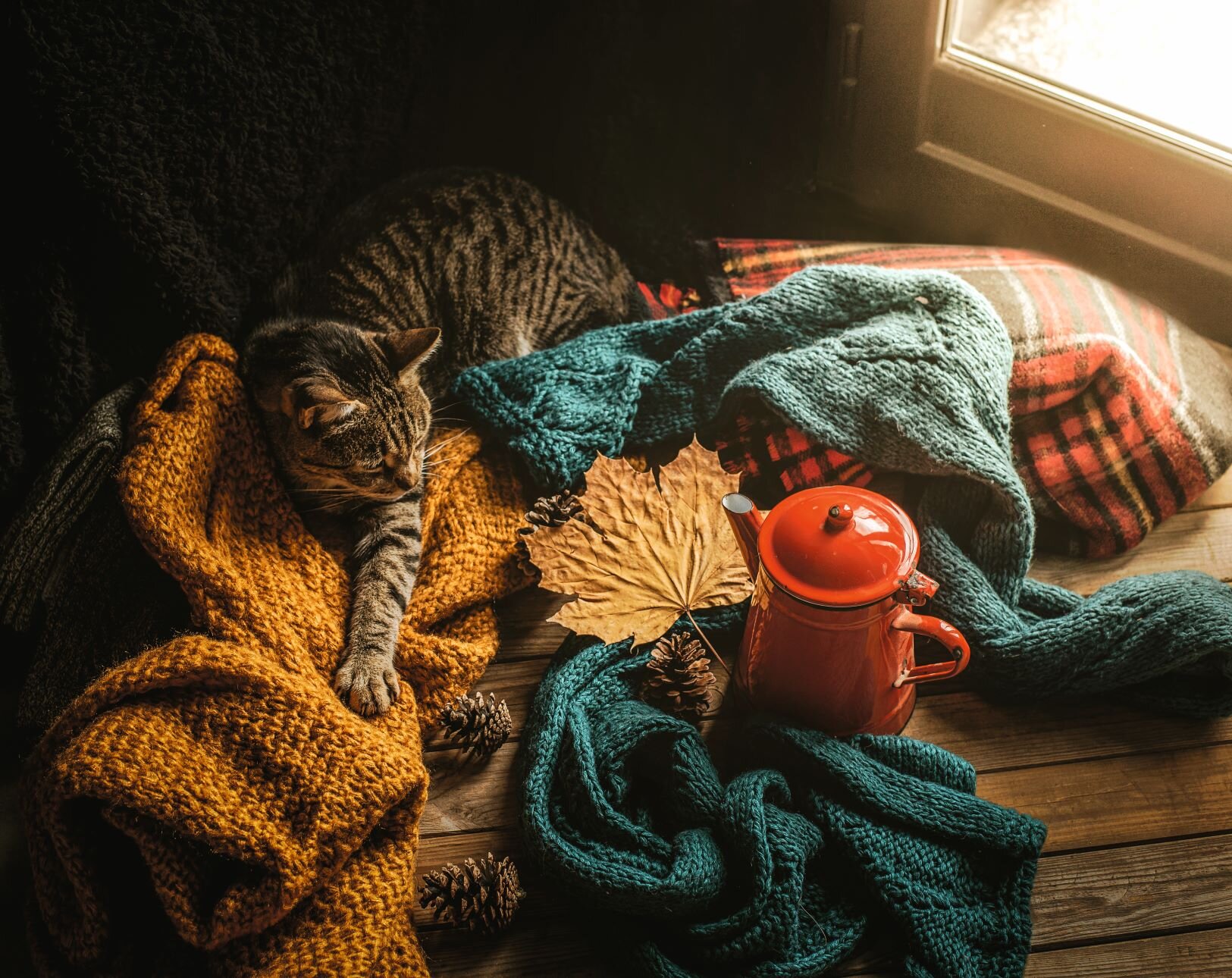
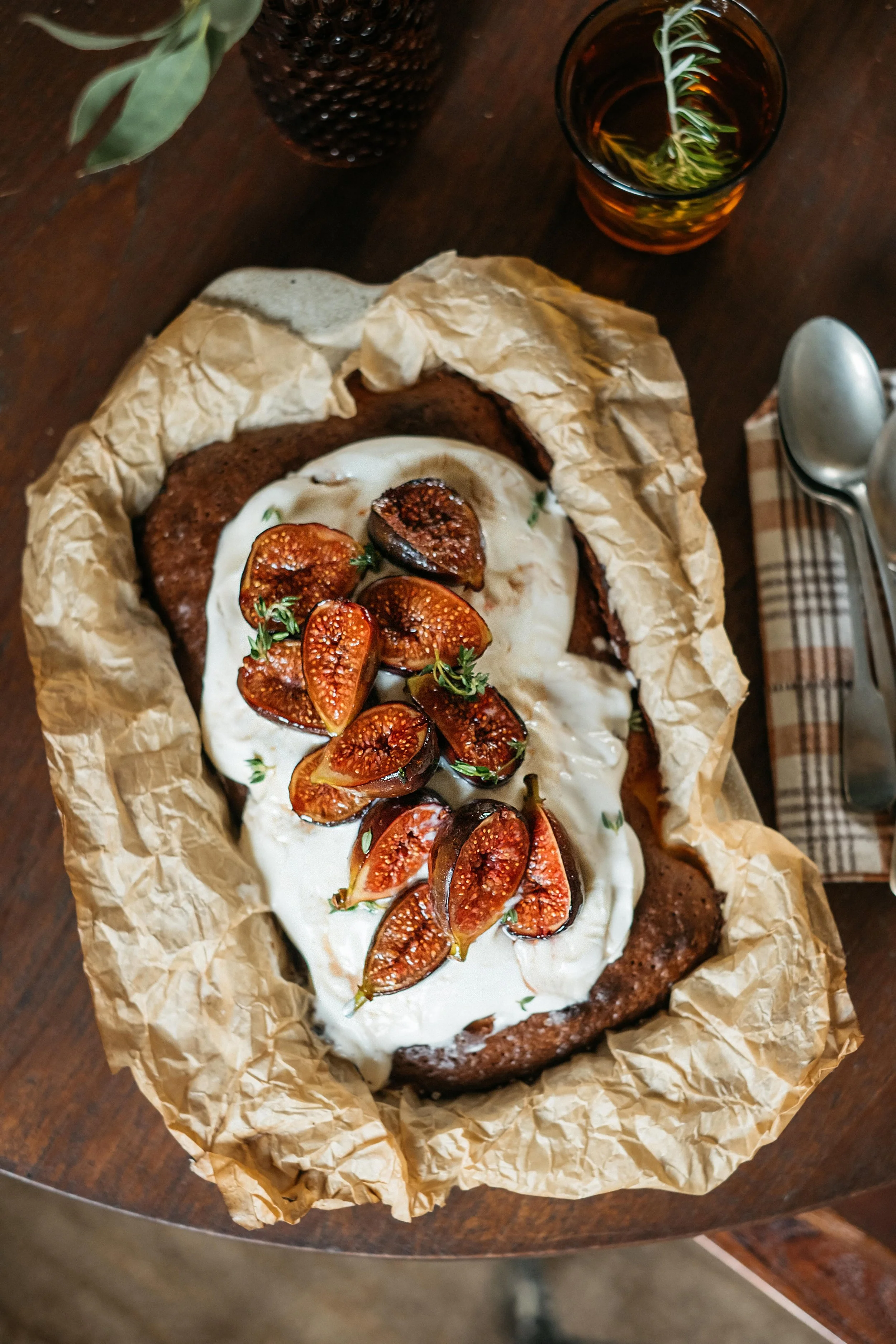
Full of tasty tunes, our latest playlist is inspired by our November 2025 issue, SPICE.
Have a listen on Spotify here.
You can browse all our playlists now.
Image: Adobe Stock
DJ: Frances Ambler

Blog
Taking Time to Live Well

Image: Adobe Stock
DJ: Frances Ambler
Full of tasty tunes, our latest playlist is inspired by our November 2025 issue, SPICE.
Have a listen on Spotify here.
You can browse all our playlists now.
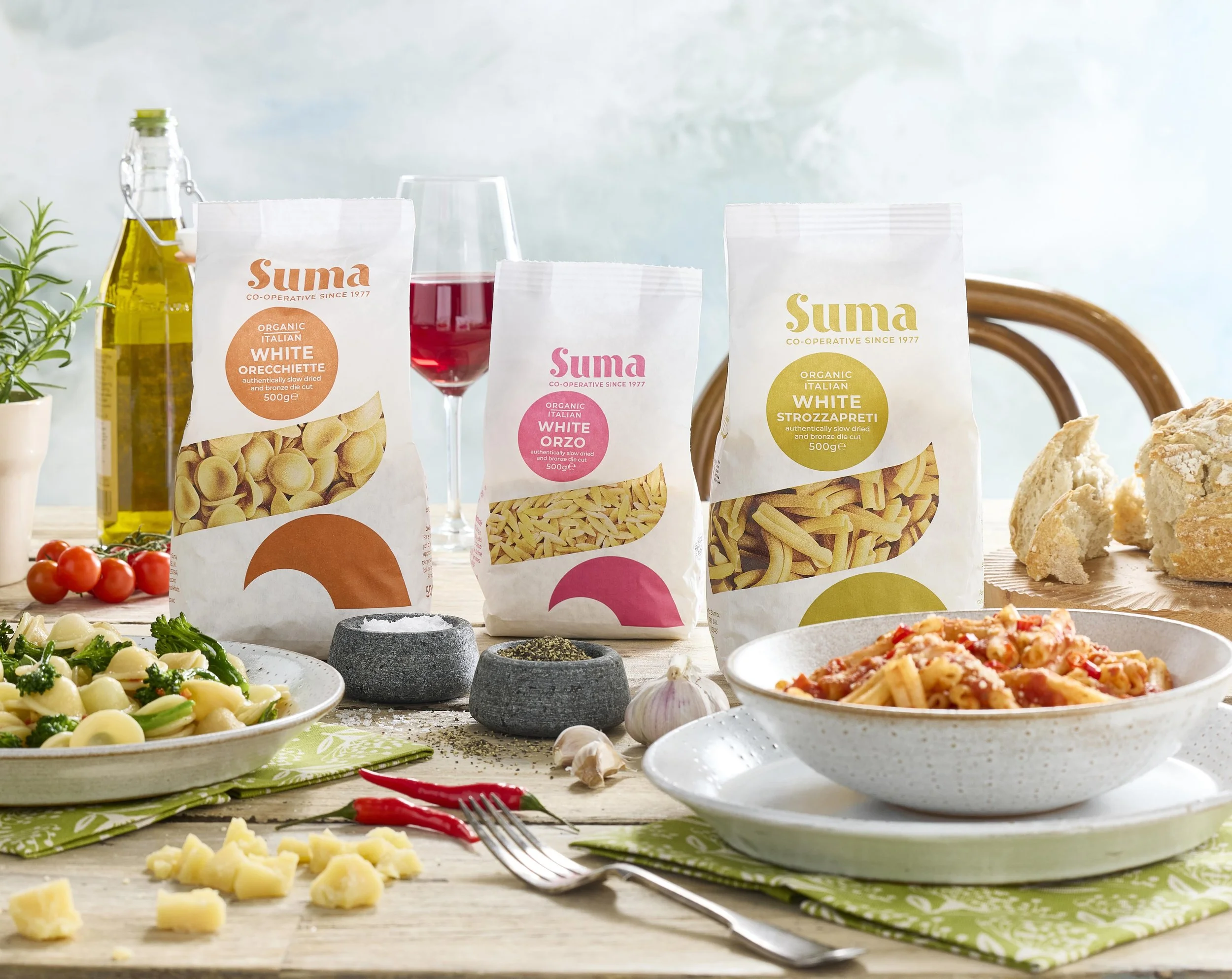
Flavourful, sustainable and fair trade, Suma’s Italian range delivers on the good life
More than delicious cuisine, Italy is a lifestyle: slow, thoughtful, rooted in tradition, and shared around the table. At Suma, we believe food should nourish more than just the body. It should reflect the values we live by – fairness, sustainability, and community. That’s why our Italian range is about more than just great taste. It’s food done fairly. We partner with trusted growers, many of whom are co-operatives like us, who share our vision for an ethical food system.
Take our extra virgin olive oil: golden, peppery and full of character. It’s cold-pressed from organically grown olives. Or our rich passata and sun-ripened cherry tomatoes, grown in the warmth of southern Italy, harvested at their peak, and packed with nothing but natural goodness. We know that the best ingredients come from farmers who are respected and supported.
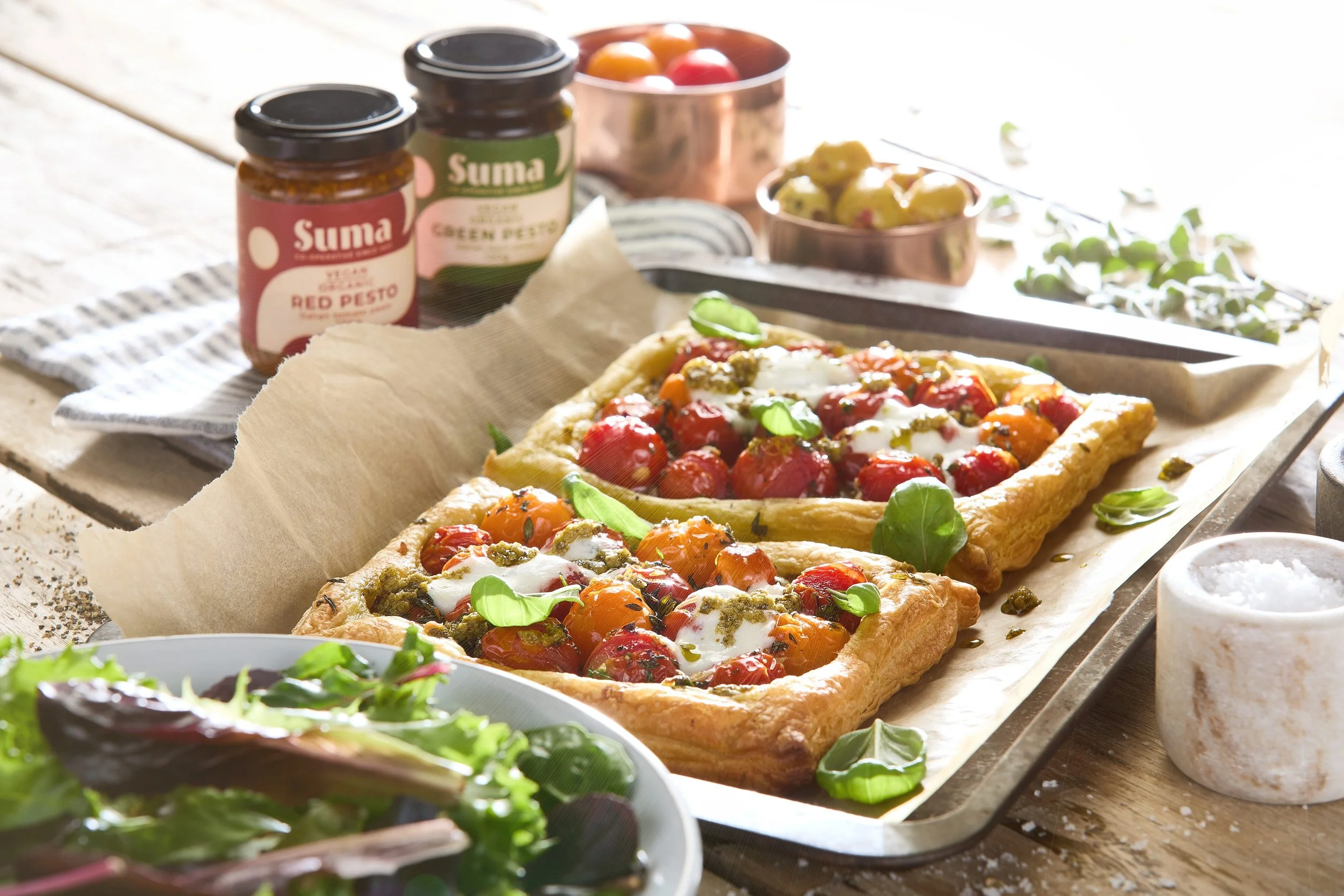
Pasta is at the heart of Italian cooking, and at the heart of our range. Whether it’s traditional spaghetti, colourful tricolore fusilli or the wholesome twist of oat pasta casarecce, Suma pasta is made by an Italian farming co-op that ensures fair pay and working conditions.
Pair it with our sauces – Napoletana, Arrabbiata or plant-based Bolognese –
all made using organic tomatoes and a few simple, honest ingredients. No additives,
no shortcuts, just a taste of Italian kitchens, done the Suma way. Or top it off with our green or red vegan pesto, both bursting with herbs, nuts, and flavour.
At Suma, we believe that how food is made is just as important as what’s in it. We’re a worker co-op – 100% owned and run by the people who work here. Everyone earns the same wage, and every voice matters. Putting people before profit, it reflects our commitment to equality, transparency, and shared responsibility. Our packaging choices prioritise sustainability, and we work to reduce food miles and waste.
We know people value honest, nourishing food, food that tells a story of care, community, and connection. When you choose Suma’s Italian range, you’re not just buying a jar of sauce or a bag of pasta, you’re supporting an alternative food system, one that’s kinder, fairer, and rooted in co-op values. It’s a small act with a big impact.
Find Suma’s Italian range at wholefood shops or Co-op stores, or visit at: suma-store.coop. Follow on Instagram: @sumawholefoods
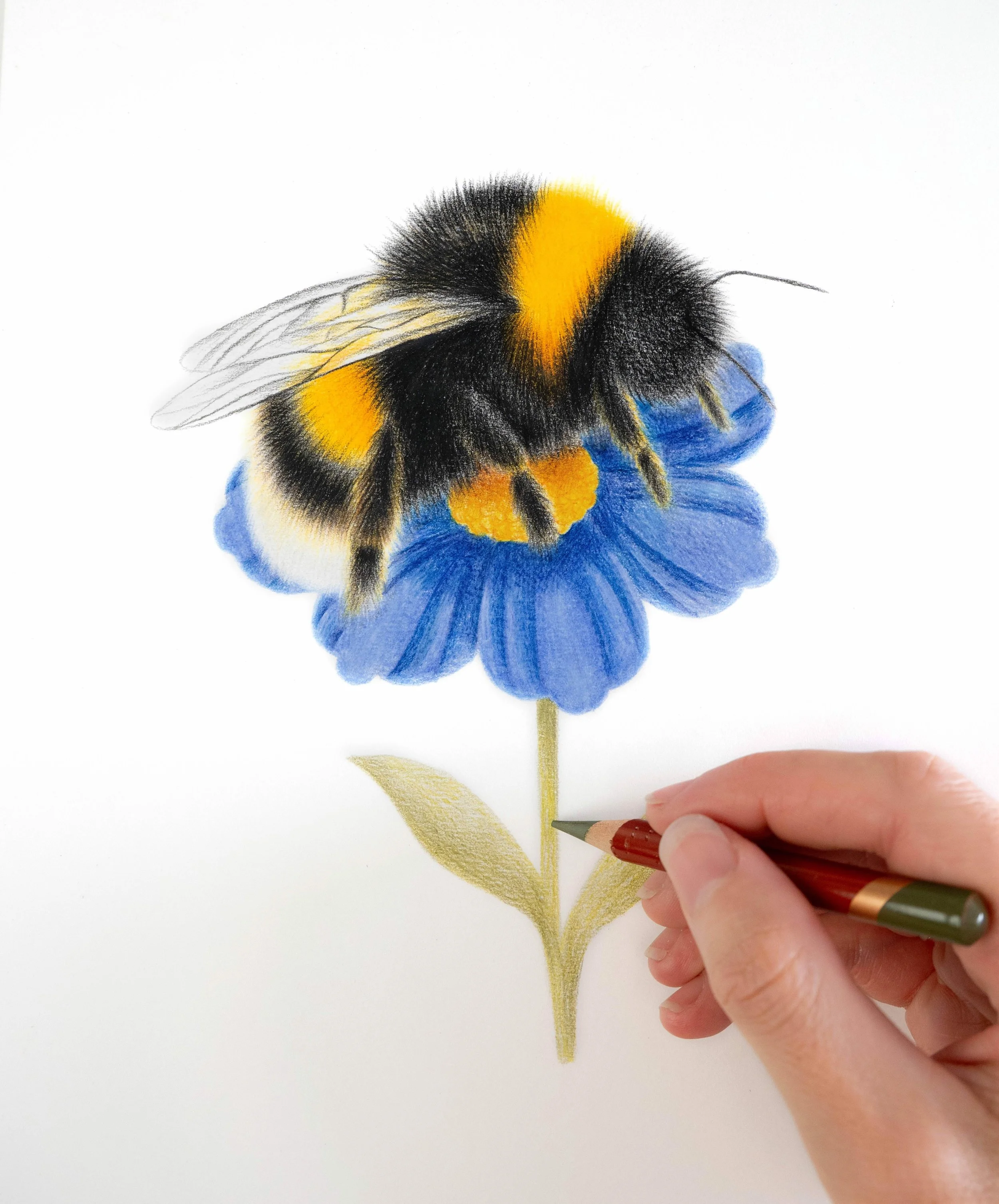
Satisfying and mindful, drawing is a great pastime. Have a go at our step-by-step sketch and you could win prizes
With plenty of warm, cosy evenings ahead, it’s natural to want to turn to cherished hobbies to see you through the hibernation months, or perhaps you fancy trying your hand at something new. If you’ve been inspired to give drawing a go, or would simply like to improve your skills, then scroll down for a step-by-step guide on how to sketch a bumblebee, created by our friends at Derwent.
Remember, there’s no expectation to produce any artistic masterpieces, this is simply an exercise in putting coloured pencil – or whatever materials you have to hand – to paper and giving it a go.
You may be surprised with the outcome, or you might find that it’s the ideal way to fill a quiet afternoon with something mindful and creative.
If find you are inspired by sketching and would like to share your bumblebee drawing when it’s finished, then Derwent are offering incredible art prizes for their favourites.
Simply upload your artwork or send in your original drawing* and you could win Derwent art products, including the new Drawing Pencils 72 tin, featuring pencils with a beautifully soft core and nature inspired colours – including 48 brand new shades. Great for keeping you creative over winter.
For more info, visit: derwentart.com or follow on Insta: @derwentartofficial
First Prize: Drawing pencils 72 tin; Inktense pencils 72 tin; Sketching & drawing A3 paper pad; Pencil wrap; Battery-operated eraser; Twin hole sharpener; Derwent push button waterbrush assorted set – worth £450
Second prize: Drawing pencils 72 tin; Graphic pencils 24 tin; Sketching & drawing A3 paper pad; Battery-operated eraser; Twin hole sharpener – worth £270
Third prize: Drawing pencils 72 tin; Sketching & drawing A4 paper pad, Twin hole sharpener – worth £205
You will need:
Paper
Coloured pencils – we used Derwent Drawing pencils in shades Mist, Sunflower, Apricot, Sepia Red
and Ivory Black
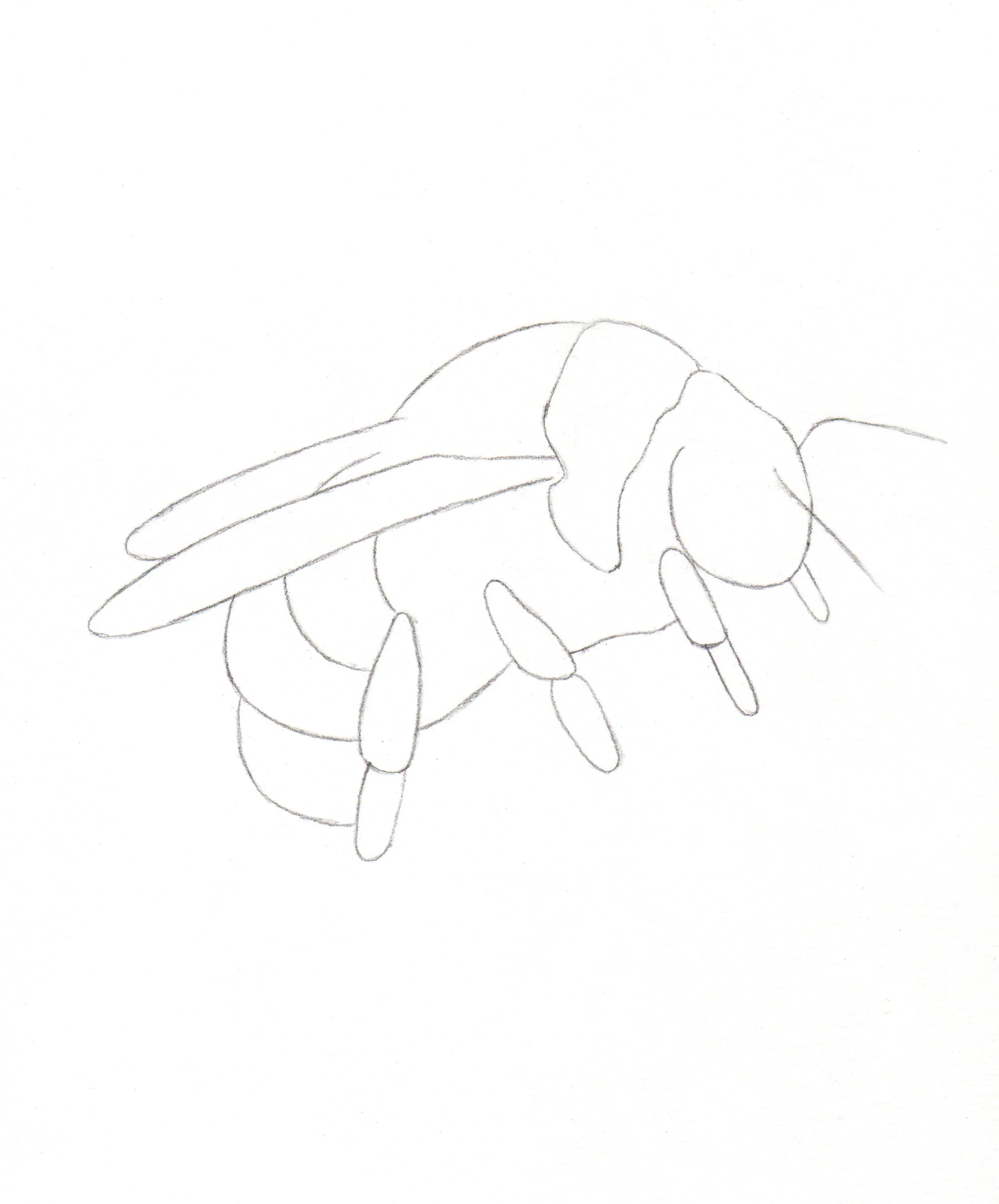
1 Using the template above, lightly sketch the outline of your bumblebee. Using a gentle circular motion, lay down a light base layer of grey (Mist) on the wings and bottom.
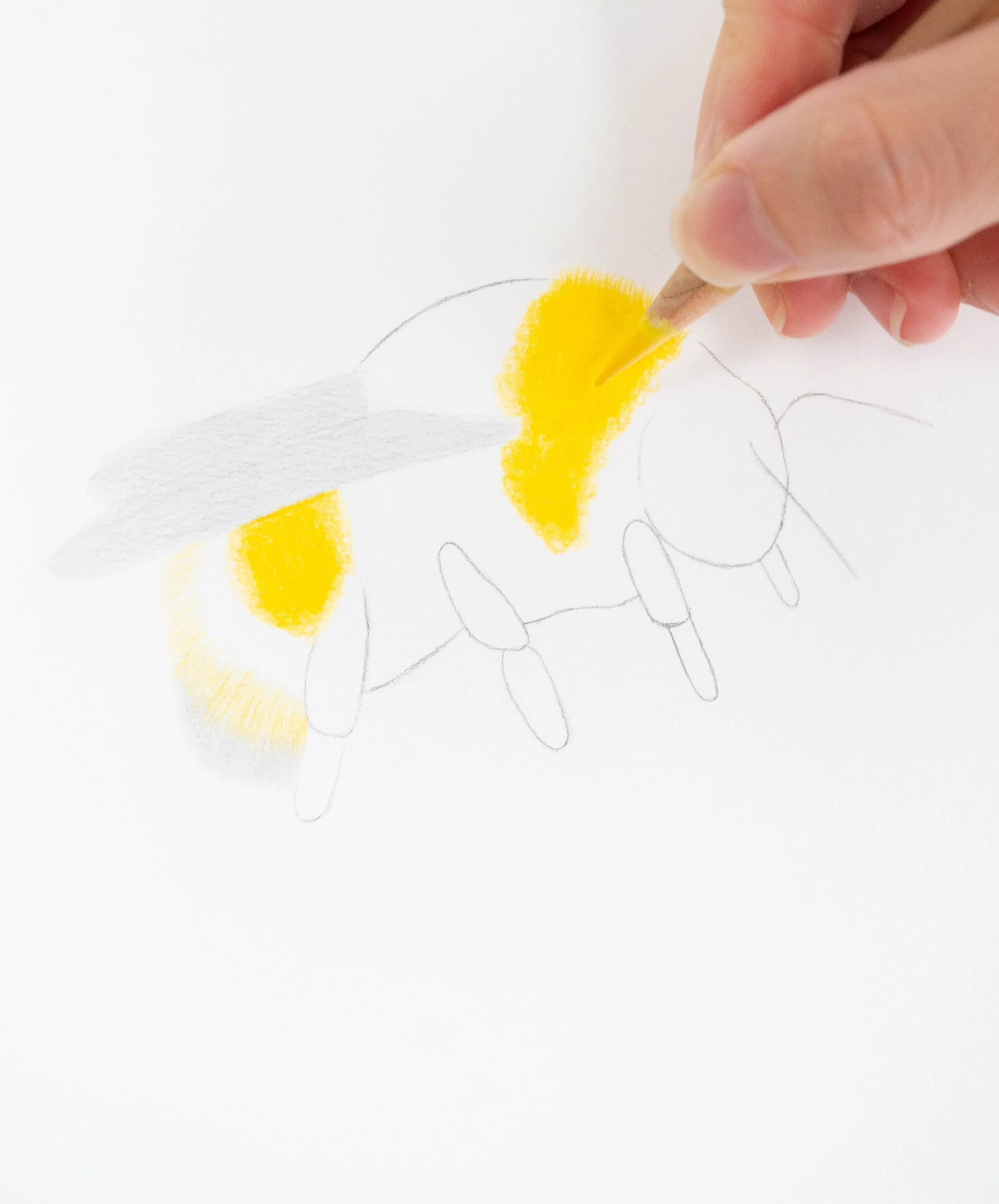
2 Next, use yellow (Sunflower) to fill in the stripes and edges of the legs. Overlap the yellow onto the grey at the bottom, and where the yellow meets the edges of the body. Create a fluffy look by moving your pencil from the inside to the outside in flicking motions. Add a few strokes of yellow to the wings where they overlap the body to suggest transparency.
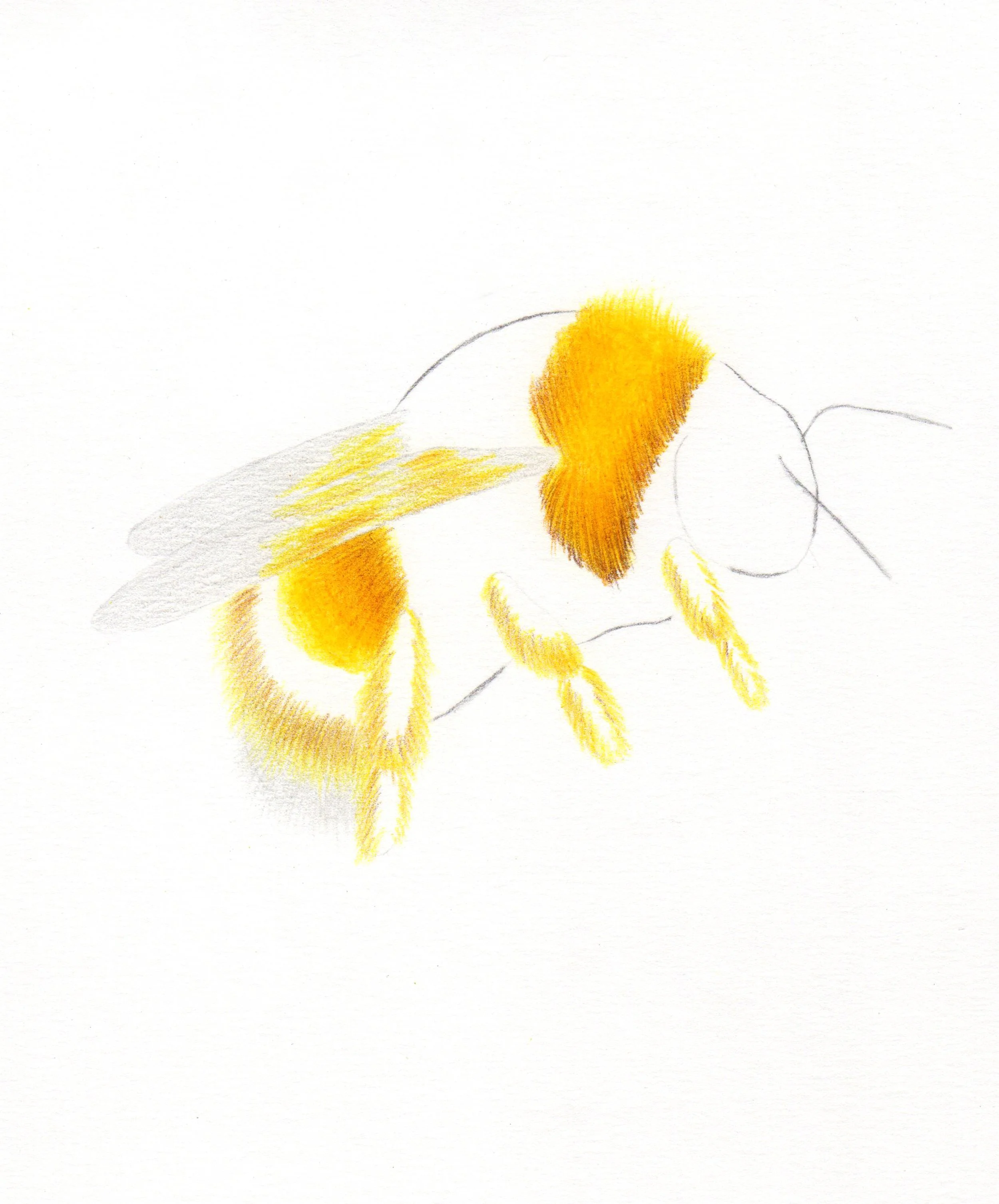
3 Add flicks of orange (Apricot) and red (Sepia Red) along the edges of the yellow where it’ll meet the black stripes to give the appearance of fur. You can overlap into where the black will be to give an extra fluffy look.
4 Cover the remaining body and legs in grey, using a circular motion to give an even layer. Then add flicks at the edges of the body for a fluffy look. This creates a stronger, deeper tone when you add the black and helps to lessen the white of the paper beneath.
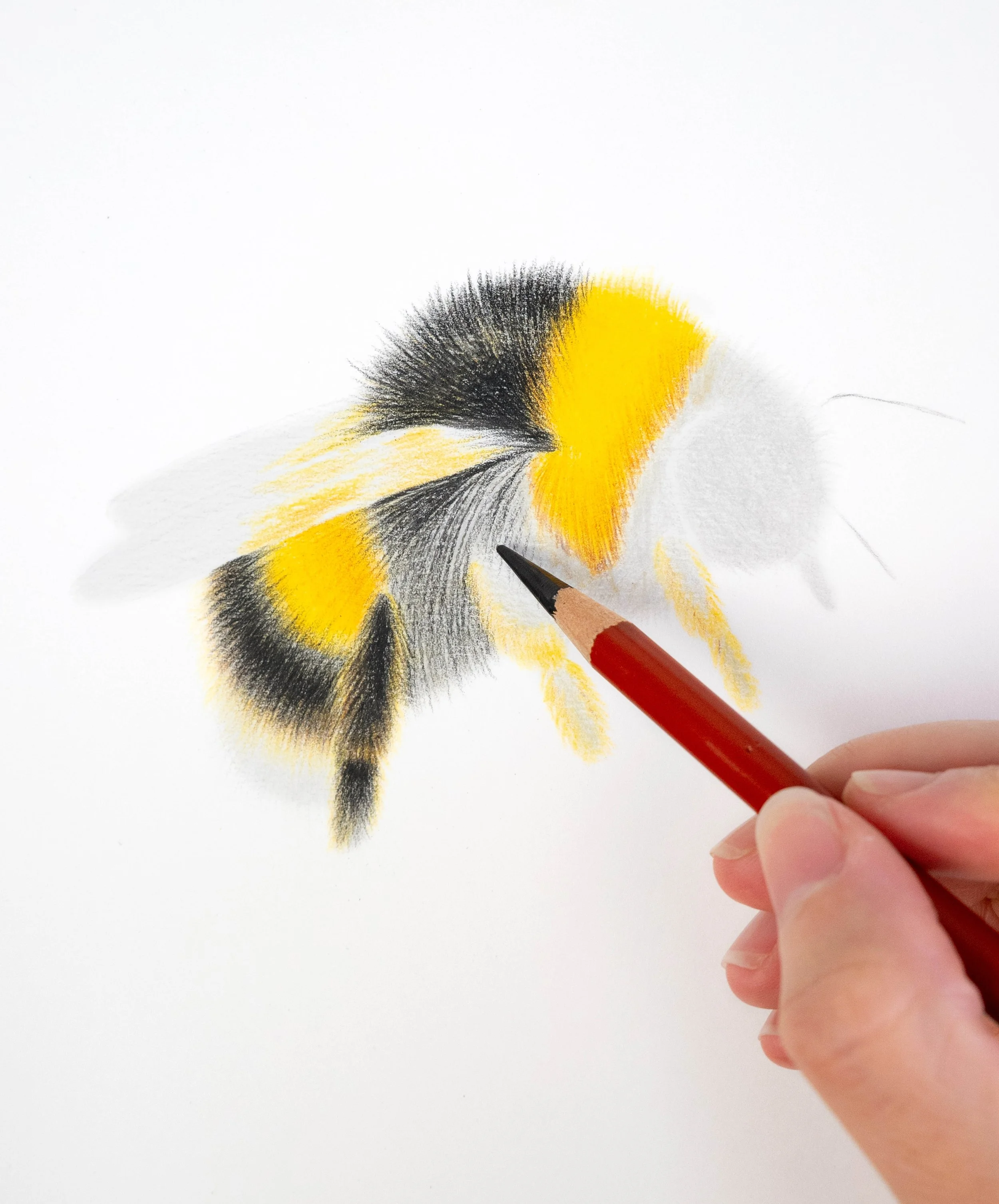
5 Using black (Ivory Black), add flick motions on top of the grey for the fur. If you’re nervous, start off gently, then apply stronger pressure as you get into your stride. You could leave a few lighter areas showing the grey to give the impression of sunlight catching the fur.

6 With a freshly-sharpened black pencil, draw in the antennas and lightly outline the wings and add
in veins. You can retrace over these veins to give a darker tone. You could also try adding a few strokes along the edges of the veins to add a little shading.
7 Share your sketch (see How to Enter, below, and you could win one of the art prizes above.
For your chance to win Derwent art materials, upload a copy of your drawing by clicking the button below by the closing date of 7 January 2026. Alternatively, you can post physical artwork* to:
FAO Derwent, Millennium House, 65 Walton Street, Aylesbury, Buckinghamshire HP21 7QG.
The competition closes at 11.59pm on 7 January 2026. One winner and two runners up will be selected from all entries received and notified soon after. *All postal entries will become the property
of Derwent upon receipt and will not be returned. Subject to availability. The winners cannot transfer the prizes or swap them for cash. Details of our full terms and conditions are on p125 and online at icebergpress.co.uk/comprules. Competition Sponsor is ACCO UK Limited t/a Derwent.

Illustration by Sam Falconer
We all deserve little rewards in life, and that’s what dopamine exists for. Here’s how to give your mind and body a boost, with this helpful hormone.
There’s a lot of talk about dopamine and how modern habits deliver regular, fast hits of this. Instead of getting dopamine from challenging, physical activities like searching for food and shelter as we once would have, we now get bursts from things like online shopping, social media, alcohol and processed foods, all of which give us a brief feeling of satisfaction before leaving us grappling for more.
Dopamine is a reward chemical, and you get it by completing tasks that require effort and give a sense of progress and achievement. However, it doesn’t have to be exceptionally challenging.
Move your body As often as possible.
Complete those niggling jobs Whether in your home and/or garden.
Have a goal And work towards it.
Read books
Prioritise sleep and rest No midnight or mindless scrolling.
Limit screen time
Embrace discomfort Such as have a cold shower, do a hard physical challenge.
The advice above is taken from our October feature, ‘Lessons in Chemistry’, which looks at our bodies’ hormones and how we can work with them to improve our wellbeing. The feature is by Rebecca Frank and the illustration by Sam Falconer.
Buy this month's The Simple Things -buy, download or subscribe
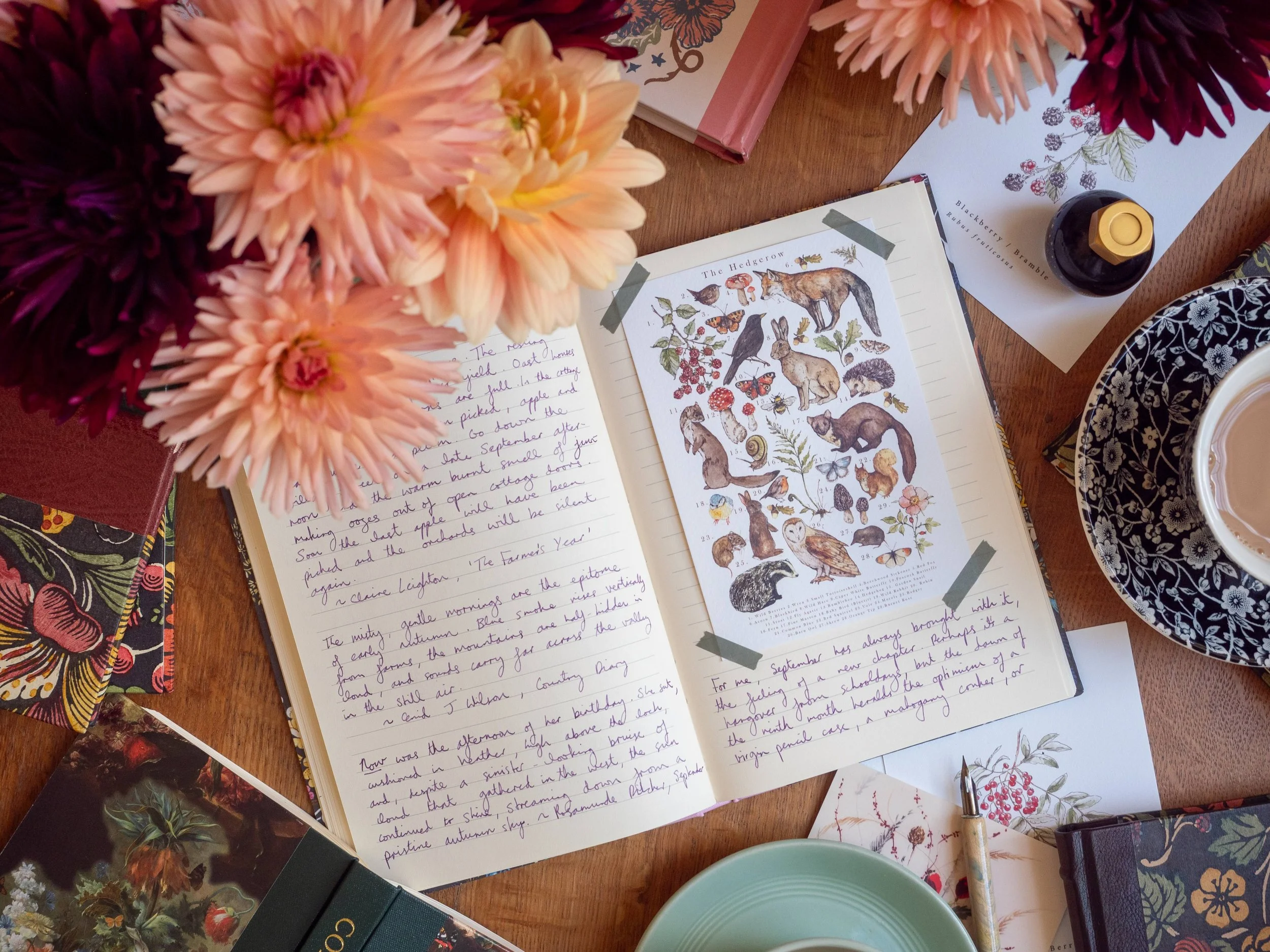
Photography by Miranda Mills
If you’re a lover of stationery we’re willing to bet you have a secret stash of ‘too beautiful to use’ notebooks somewhere. Now’s the time to let them shine. Here are several ways to actually use your best notebooks and show them some love rather than let them languish in a drawer.
1. A Could-do list notebook
Here at The Simple Things, we don’t believe in ‘to-do lists’ but we are big fans of ‘could-do lists’. In fact, we print one at the front of each and every issue. Beautiful notebooks are just made for Could-do lists - notes about things you might like to do, things that bring joy, allow you to enjoy the moment and mark the passing of the seasons. Ours are relevant to the month of the year, but yours could be weekly or even daily. They could be themed by subject rather than seasonally. Or they could be relevant to particular times in your life - perhaps a travel Could-do list or one for planning a party or days out with friends. The main thing to remember is they should be pressure free. You don’t need to tick them off; you don’t actually need to ‘do’ any of them. It’s all about the planning and dreaming.
2. Bullet journalling
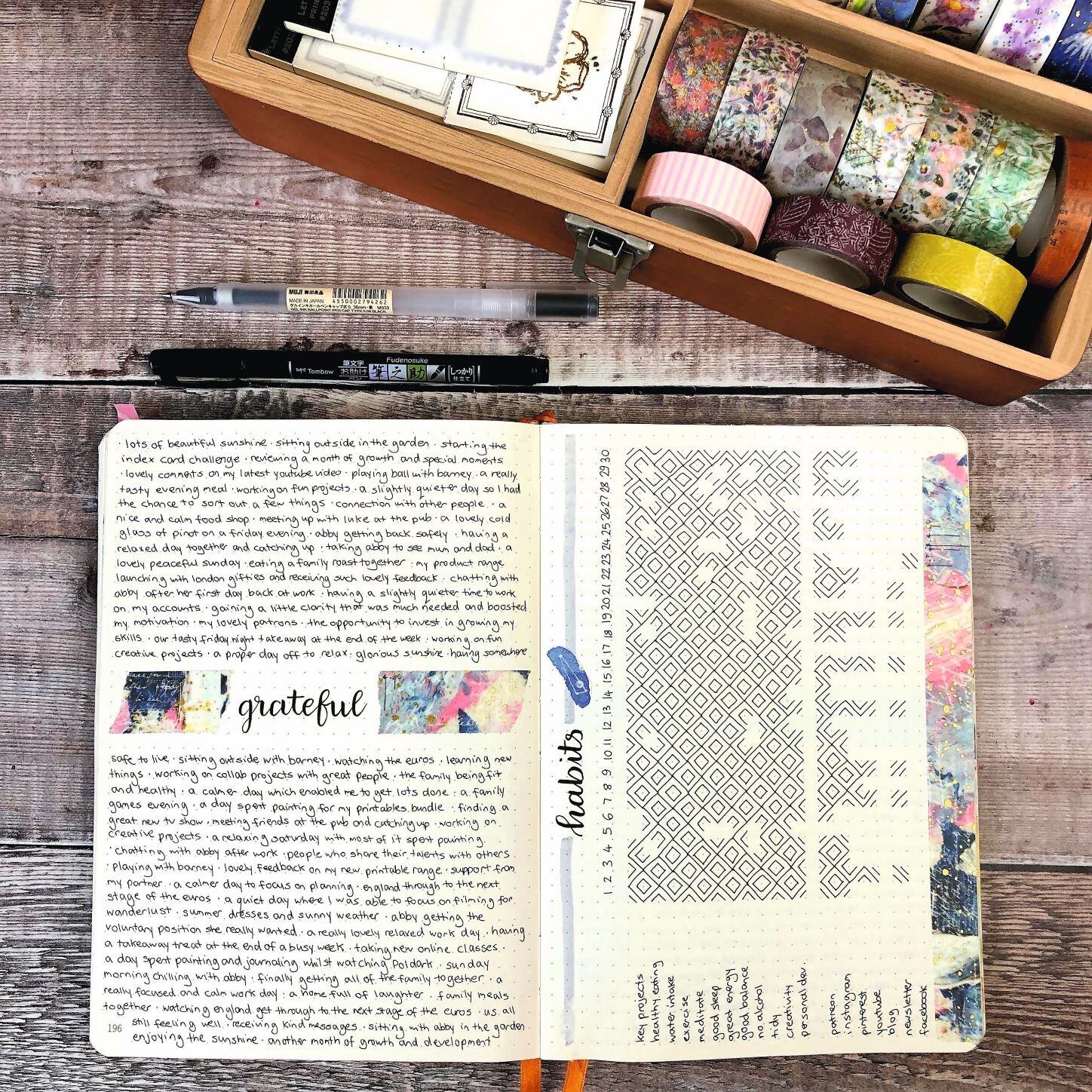
Bullet journalling has been around for many a year and is a pleasing way of keeping track of everything in your life using symbols to denote appointments, tasks and notes. Many people make them more of a craft project, using beautiful letters, doodles and illustrations to make them a visual record of everything going on in their lives.
3. Personal almanac
Almanacs are a collection of (usually) meteorological or astronomical data to help farmers, sailors and their ilk in day-to-day life. They might include sunrise and sunset hours, tide times, or agricultural information. You can create your own almanac by using a notebook to collate information that’s specific to you and your area. Maybe what time to catch the best sunsets in September, good dark places to go stargazing in meteorite showers, when the tide is far out enough for sandcastles at your local beach (and where to get the best ice creams, too).
4. Nature journals
This one’s almanac-adjacent, but more specific. You’re simply noting down all the changes in nature you see in the same spot, every day or every week over a year. By the end of the year you’ll have a complete record of when the snowdrops peek out, when the first swifts can be seen, when blackberries are ripe, and so on.
5. Morning pages
Great for writers and other creatives or anyone who just needs to clear their heads, this writing practice invented by Julia Cameron in ‘The Artist’s Way’ simply means getting up each morning and writing three stream-of-consciousness pages before doing anything else. The idea is to clear space in your head ready for the day but every now and then your semi-conscious mind produces something surprisingly good.
6. Reading record
Quite simply, a notebook in which to record everything you read. Never again will you struggle for inspiration when someone asks if you can recommend anything good, and never again will you get halfway through an Agatha Christie before realising you’ve already read the blinking thing and remember who dunnit.
7. Food and friends notes
Can’t remember if you did your lamb navarin the last time Bryan and Sarah came for dinner? Feel like you’re sure Laura and Kate loved that salad you did two summers ago but can’t for the life of you remember what was in it? Keep a record of every meal you cooked, for whom and where you found the recipe and you’ll feel like the hostess with the mostess. Plus it’s a lovely thing to look back on and remember all those happy times around your table.
8. Positivity pages
Sometimes it’s just nice to have something to lift your spirits in dark times. Keep a journal of ‘gratitude’ ie things you are grateful for, or simply add happy memories, things that made you smile or funny stories you’ve read about or been told. Then when you’re having a down day you can dip in for a dose of positivity.
9. Dream diary
Whether you believe in dream interpretation or are simply interested in the way your mind works while you snooze, keeping a diary of dreams next to your bed so you can write them down before you forget them can be a fascinating exercise. (And saves you boring other people with them, too!)
10. Commonplace book
A commonplace book is a notebook used to record favourite quotes, excerpts from books and letters, poems and proverbs, wise sayings and song lyrics. They can be collated on a theme or you can simply note down anything that ‘speaks to you’ for a bit of inspiration whenever you need it. You can read all about them in our feature ‘Chapter and Verse’ by Miranda Mills in our October issue, or in Miranda’s book ‘The Country Commonplace Book’ (Batsford).
Buy this month's The Simple Things -buy, download or subscribe
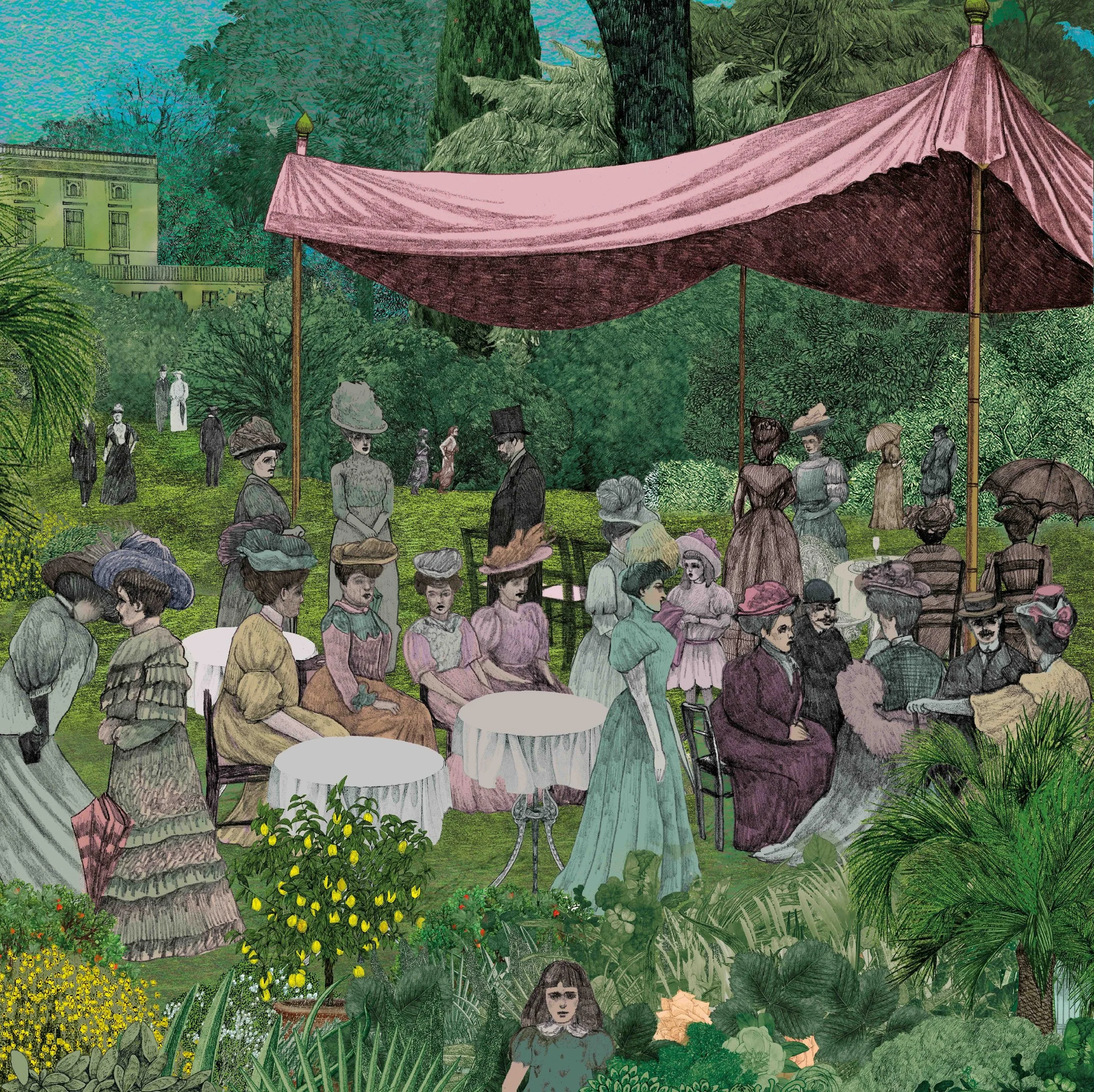
There’s something magical about a gathering in a beautiful garden. Here we remember five backyard bashes that have gone down in history
Queen Victoria’s Golden Jubilee
You may not know, but it was Queen Victoria who hosted the first ever Buckingham Palace Garden Party in 1868. But it took her a few years to hit peak party person at her Golden Jubilee celebration in 1887. As well as several banquets, a parade and two days of festivities, around 6,000 illustrious guests (including the Archbishop of Canterbury, Leopold II of Belgium and Emperor Frederik III of Germany) enjoyed a buffet in a tent in Buckingham Palace gardens, alongside music provided by the Royal Marines. The day was captured in oil on canvas by the artist Frederick Sargent in the painting ‘The Garden Party at Buckingham Palace’, which was bought for Queen Elizabeth’s collection in 1994… Perhaps it was the inspiration for her own ‘Platty Jubes’ celebrations…
Second Earl of Dudley’s 21st at Witley Court
Whether your 21st was a posh bash at the golf club or a few jars at the men’s working club and a homemade cake, it will have paled in comparison to the 21st birthday celebrations of William Ward, Second Earl of Dudley in 1888. The party was a three-day event comprising a ball for 214 with a music marquee as well as a separate marquee for coachmen and a temporary stable to accommodate 100 horses. But the party piece de resistance was Day Three when 900 of his tenants and workers lunched in a massive marquee in his park, after which guests enjoyed ‘swings and roundabouts and boats on the lakes, sports races and music’. Bunting hung all over the drive, the fountains were lit and the night ended with ‘one of the most splendid displays of fireworks ever seen in this country’. Inviting absolutely everyone in the vicinity including women, children and servants worked well in ensuring there were no complaints about the noise!
The Party of the Delights of the Enchanted Island, Versailles
One way to make a party memorable is a quirky theme, which is clearly what Louis XIV had in mind when he threw a party for his mother based on the story of Alcine the Magician from the book Roland Furieux by Ariosto. The party included a horseback parade, in which the King took part, playing the part of ‘Roger’ from the book, followed by Apollo’s Chariot down to ‘Alcine’s Palace’ built especially for the occasion. There were horse-riding competitions, operas, comedies, readings, shepherds and shepherdesses dancing while surrounded by animals… The King himself starred in a ballet just for the ladies, written for him by none other than Moliere and feasts were served by masked and costumed servants. On the third day, Alcine’s Palace was lit up by a firework display during which a floating ‘whale’ and two whale calves took Alcine and her servants away across the water.
We don’t even want to think about how many bin liners it took to clear that little bash up.
MOMA’s Party in the Garden 2022
MOMA (The Museum of Modern Art) in New York City has held an annual fundraiser every year since 1969. Sadly the party was cancelled due to the pandemic in 2020 and in 2021 it had to be held as an online-only event. So by the time the Party in the Garden returned in June 2022 everyone was even more excited than usual to be together in beautiful surroundings, raising money for the museum which had been closed to visitors for so long. New York’s arty types enthusiastically filled MOMA’s modern sculpture garden that evening to honour film-maker George Lucas and his wife, Mellody Hobson. The couple told the assembled crowd how they had enjoyed one of their first dates in the museum, everyone dined on a meal of halibut and burrata and then finished a magical evening dancing to rapper Anderson Paak and DJ Michael Brun. Sometimes the best garden parties are the ones you’ve waited the longest for.
Secret Garden Party
The indie arts and music festival, Secret Garden Party (SGP) was launched in 2004 by DJ and art student Fred Fellowes (SGP’s Head Gardener) and James Whewell, heir to Wyresdale Park, to be an alternative to the larger, mainstream music festivals. It began with just 300 revellers, growing to welcome some 35,000 people 13 years after its inception. As well as live music, art installations and performances, guests can take part in everything from outdoor swimming to parades to workshops, all in the magical setting of Abbots Ripton in Cambridgeshire in the grounds of a Georgian farmhouse, taking in lakes, a river, and beautiful landscaped gardens. Each year has a ‘theme’ that binds together all the acts and offerings and every year is special in its own way, but 2012 is generally accepted to have been the best SGP of all time, with acts including Orbital, KT Tunstall, Lamb and Tim Minchin. The festival is all about ‘secrets’ though, with one of the best being that the acts are not disclosed before the day itself, so you never know quite what sort of garden party you might get!
If you’re feeling inspired by garden parties and secret gardens you might enjoy our feature, Plot Twist, in our September issue, which is all about gardens from fiction. The illustration by Lucille Clerc, above, is taken from Literary Gardens: The Imaginary Gardens Of Writers And Poets by Sandra Lawrence (Frances Lincoln), and depicts a scene from the short story, The Garden Party by Katherine Mansfield.
Buy this month's The Simple Things -buy, download or subscribe
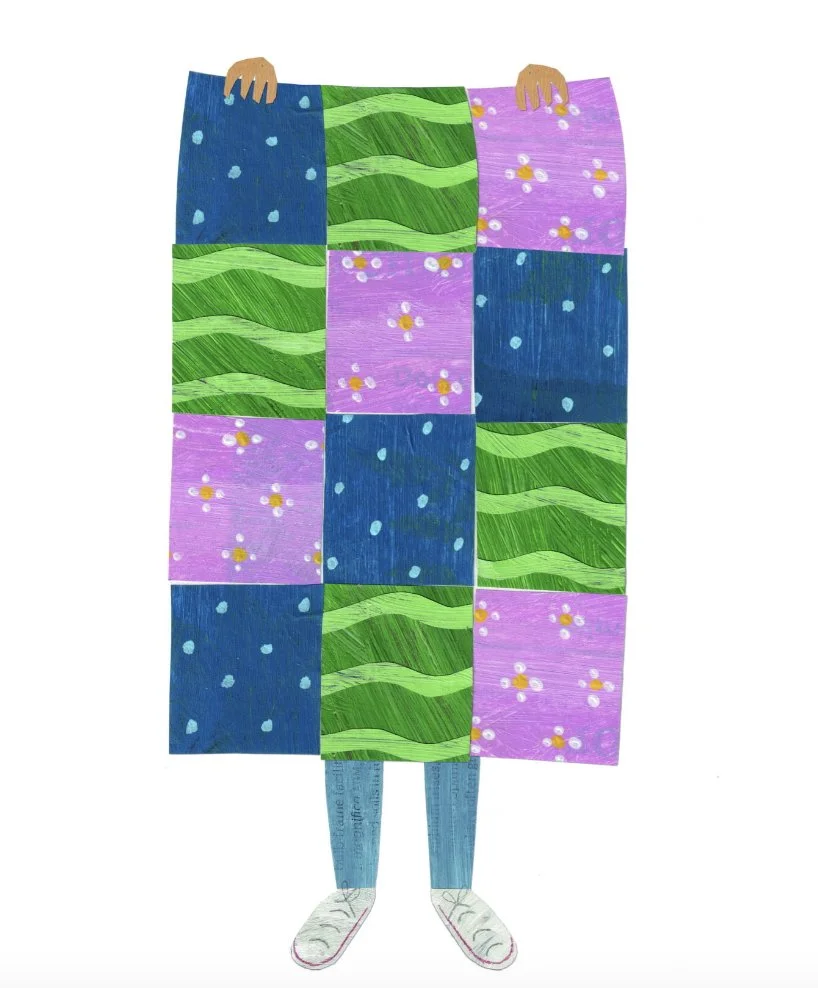
Illustration by Christina Carpenter
A good use for any moth-eaten jumpers – sew them into a patchwork blanket for cosy reading sessions by the fire.
You will need
Old jumpers, throws and blankets; good scissors; paper; an old bed sheet; wool; large needle.
To make
1 Decide how big you want your squares and make somepaper templates – a 20cm square is a good size to work with. Cut a few paper squares, then pin them to the jumpers or blankets and cut out. Keep cutting squares until you have enough. The size of the blanket is up to you but 10 x 15 squares is good.
2 Zig-zag stitch around the edges of your squares to stop unravelling, lay them out on the floor and arrange them in an order you like. Sew together the squares in each long row first, giving you several ‘strips’ of squares. Then sew the strips together. You can do this by hand or use a sewing machine.
3 Place the blanket right side down on an old bed sheet and sew the two together leaving a gap to turn the blanket right side out, then close it up by hand. Using wool and a large needle, blanket stitch all around the blanket’s edge.
4 Curl up on the sofa under it.
You can find more seasonal things to note and notice, plan and do on our Almanac pages every month.
Buy this month's The Simple Things -buy, download or subscribe
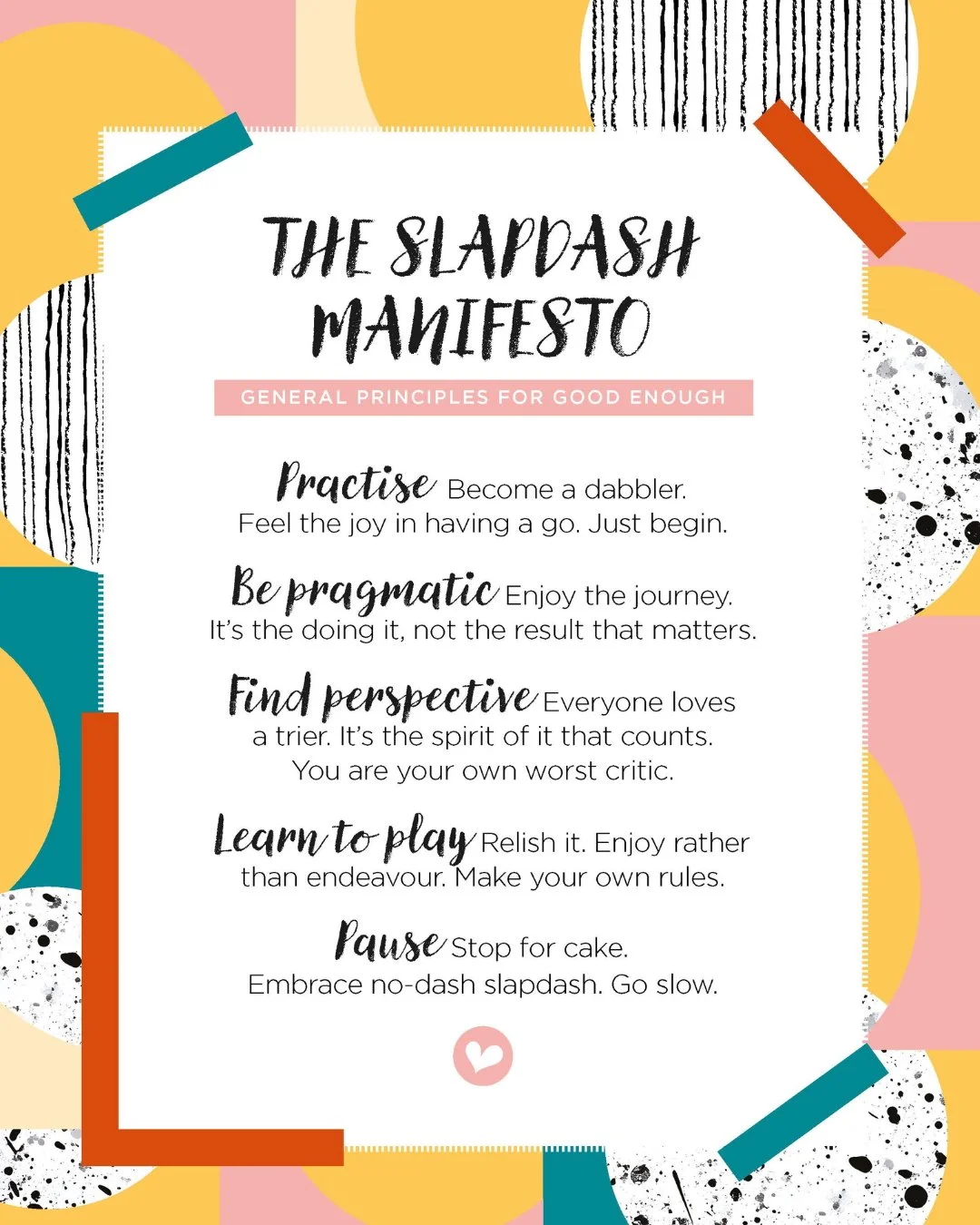
Embrace our manifesto for living a life that’s not perfect but ‘good enough’
The word ‘perfect’ is banned from The Simple Things. It’s hard to live a slower, more fulfilled life when we are surrounded by unrealistic examples of a flawless existence. So, cakes are wonky, suggestions are could-do, not should do, food is slow, not for show. Yes, we make things look pretty and choose the most beautiful pictures because there’s a pleasure in that, but our weekend projects are ‘proudly homemade’ and we’re never striving to ‘impress our guests’ in our Gathering recipe ideas. Belongings are often more treasured because they’re imperfect and many of our favourite memories stem from things that went awry. When we talk to people about their plots, jobs, homes or cities, we ask about their mistakes, failures, problems and life lessons, as well as the good stuff.
After a decade of advocating the simple things, we figured it was time to speak out for ‘good enough’ and urge everyone to experiment with a little bit of slapdash. So here is our Slapdash Manifesto. Stick it on your fridge or add it haphazardly to your pinboard, maybe order one of our patches and stitch it badly to something that you’ll wear with pride.
PRACTISE
Become a dabbler. Feel the joy in ‘having a go’ Just begin.
BE PRAGMATIC
Enjoy the journey. It’s the doing it, not the result, that matters.
FIND PERSPECTIVE
Everyone loves a trier. It’s the spirit of it that counts. You are your own worst critic.
LEARN TO PLAY
Relish it. Enjoy rather than endeavour. Make your own rules.
PAUSE
Stop for cake. Embrace no-dash slapdash. Go slow.
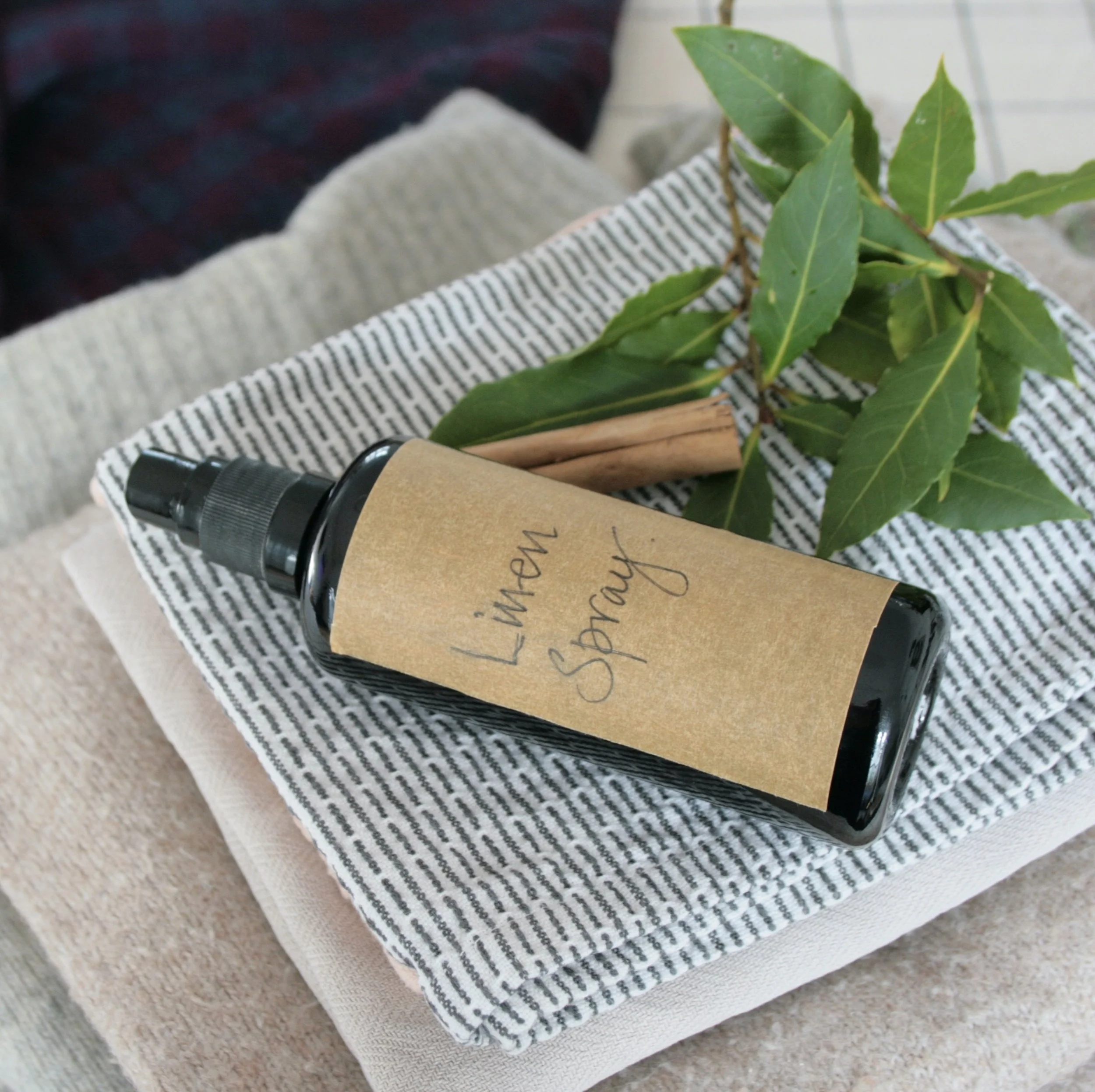
Photography by Louise Gorrod
Koromogae is the switchover between the seasons in Japan: a chance to get out the clothes and furnishings you’ve had in storage, and carefully stash away the things you’ll no longer need for the coming months. This homemade linen spray will keep your clothes fresh (and moth free) until the warmer weather. Simply spritz sheets, clothes, towels, curtains and other fabrics in your home for a refresh that you can make in minutes.
Makes 1 bottle
You will need
90ml vodka or rubbing alcohol
20-30 drops of essential oils (see suggested combinations below)
350ml distilled water
Measuring jug
Spray bottle (at least 500ml)
Small funnel
To make…
1 Pour the vodka or rubbing alcohol into a measuring jug and carefully add your essential oil drops. If using a blend, rather than just a single scent, do it slowly so you can make sure you have a fragrance that you like.
2 Add the water and mix thoroughly.
3 Using a funnel, add the liquid to the spray bottle and screw the top on. Label the bottle and remember to shake thoroughly before using.
Maker’s note: If you use rubbing alcohol rather than vodka it’ll have a stronger smell and requires a more thorough shaking to mix the ingredients each time you use it. This spray will last up to one year – however, if the spray starts to smell differently, it’s time to replace.
Scent combinations to try: Lemon and lavender; Sandalwood and clementine; Rose, lavender, jasmine and sandalwood.
This project is from our Home Economics page which, this month, is all about the Japanese tradition of Koromogae - the seasonal switchover in the home. You can read more about it in our October issue.
Project by Karen Dunn, photography by Louise Gorrod.
Buy this month's The Simple Things -buy, download or subscribe
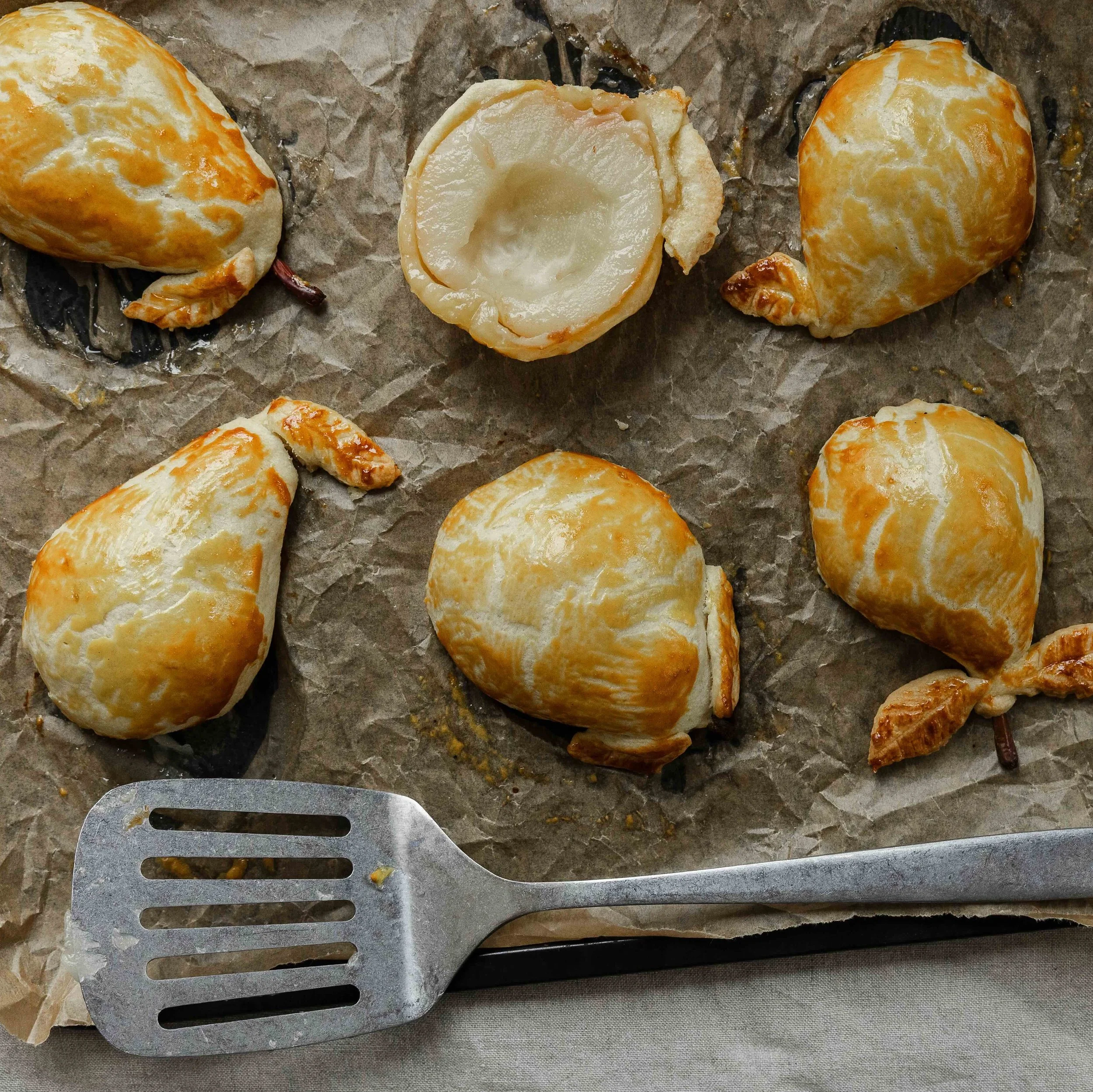
Photography by Kym Grimshaw
Making little pastry leaves to go on a pie is a core memory for many of us. There is something about adding small artistic touches that elevates food out of functionality and into aesthetically-pleasing fabulousness.
Serves 4
For the pastry
225g plain flour, plus extra for dusting
120g fridge-cold butter, grated
2 tbsp icing sugar
Pinch of salt
1 egg, beaten with 2 tsp very cold water
For the pies
4 pears
2 tbsp milk, for glazing
Crème fraîche, for serving
Maple syrup, for drizzling
1 First, make the pastry. Put the flour in a bowl and add the grated butter. Rub the butter into the flour until it resembles coarse breadcrumbs.
2 Mix in the icing sugar and salt followed by the beaten egg mixture. Combine to make a rough dough using a table knife then turn out the pastry onto a work surface and bring it together into a ball. Wrap in cling film and put in fridge for 30 mins.
3 Preheat the oven to 175C/Fan 155C/ Gas 4.Peel and halve the pears, leaving the stem intact. Use a small knife to scoop out the core and seeds. Place flat side down on a baking sheet lined with baking paper.
4 Roll out your pastry so that it’s around 5mm thick. Cut it into four equal squares and place over each pear – they should be big enough to fit over a pear half. Cut away the pastry from the edge of each pear.
5 Make a couple of slits into the top of the pastry and use the pastry you cut away to create leaves. Attach these to the top of the pears with a little milk and then brush all over.
6 Bake for 20 mins.
7 Let the pies cool on the tray and then transfer them to serving plates, pastry side down. Top with crème fraîche and drizzle with maple syrup.
This recipe is just one of the ideas from our October issue’s Kitchen Therapy pages, which also include recipes for a Turmeric & Ginger Tonic, Mushroom Risotto with Crispy Sage, Cardamom Knots and Seed & Nut Brittle, alongside ideas for seasonal ways to pass the time while the oven is doing its work. The recipes are by Lottie Storey and the photography is by Kym Grimshaw.
Buy this month's The Simple Things -buy, download or subscribe
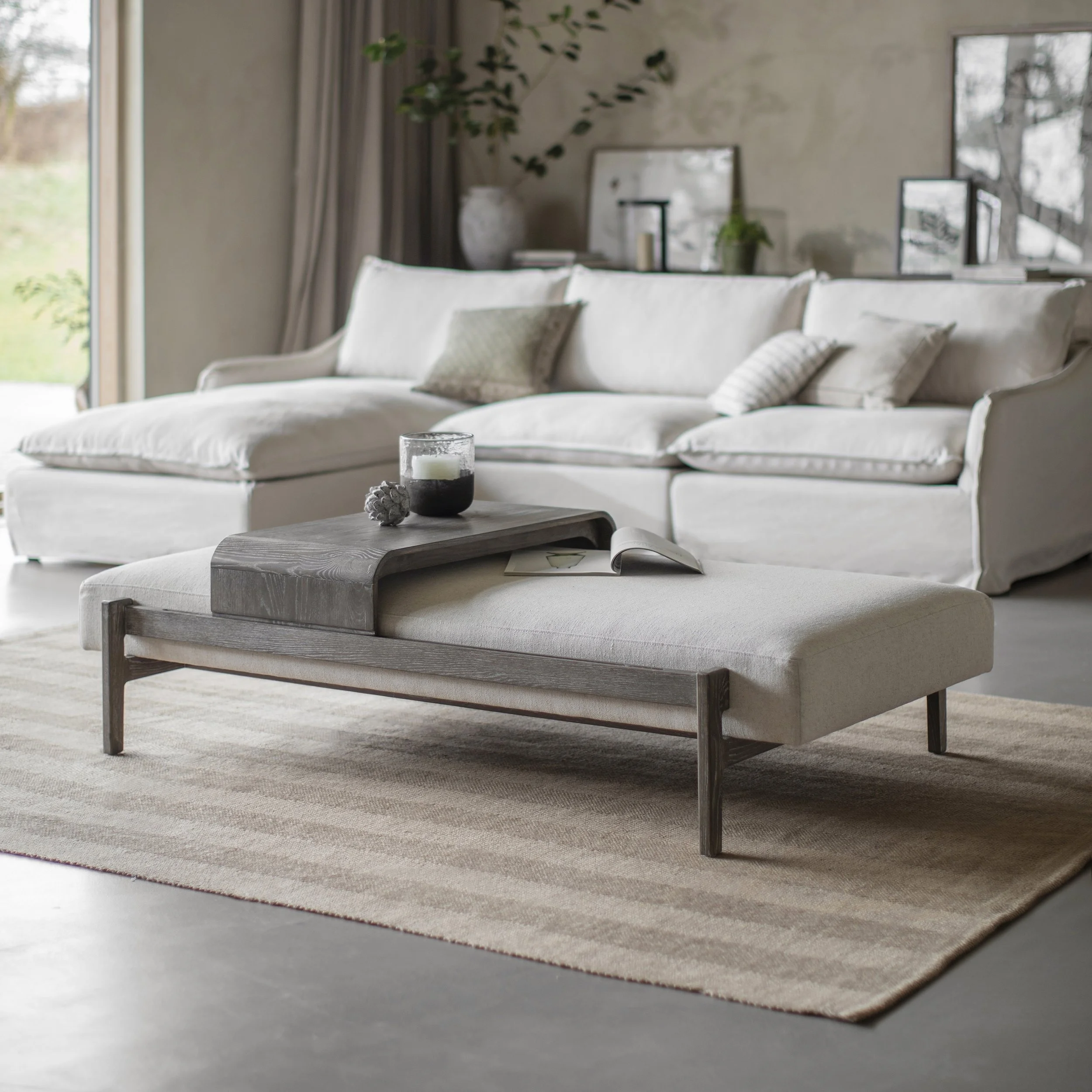
Enjoy an exclusive reader discount at One.World – considered interiors for both your
home and the planet
At One.World, we believe the things you choose for your home should be as thoughtful as the life that you live. Our product range is now bigger than ever, with inspiring new lines alongside the timeless favourites that our customers already love – all blending beautiful design with a mindful approach to how things are made, with each piece crafted to last and to be cherished for years to come.
One.World’s journey began – and continues – as a founder-led business, driven by a passion for beautiful, functional objects that tell a story. That ethos remains at One.World today, with every collection curated with intention. From hand-finished tableware to natural-fibre textiles, you can fill your home with pieces that feel as good as they look.
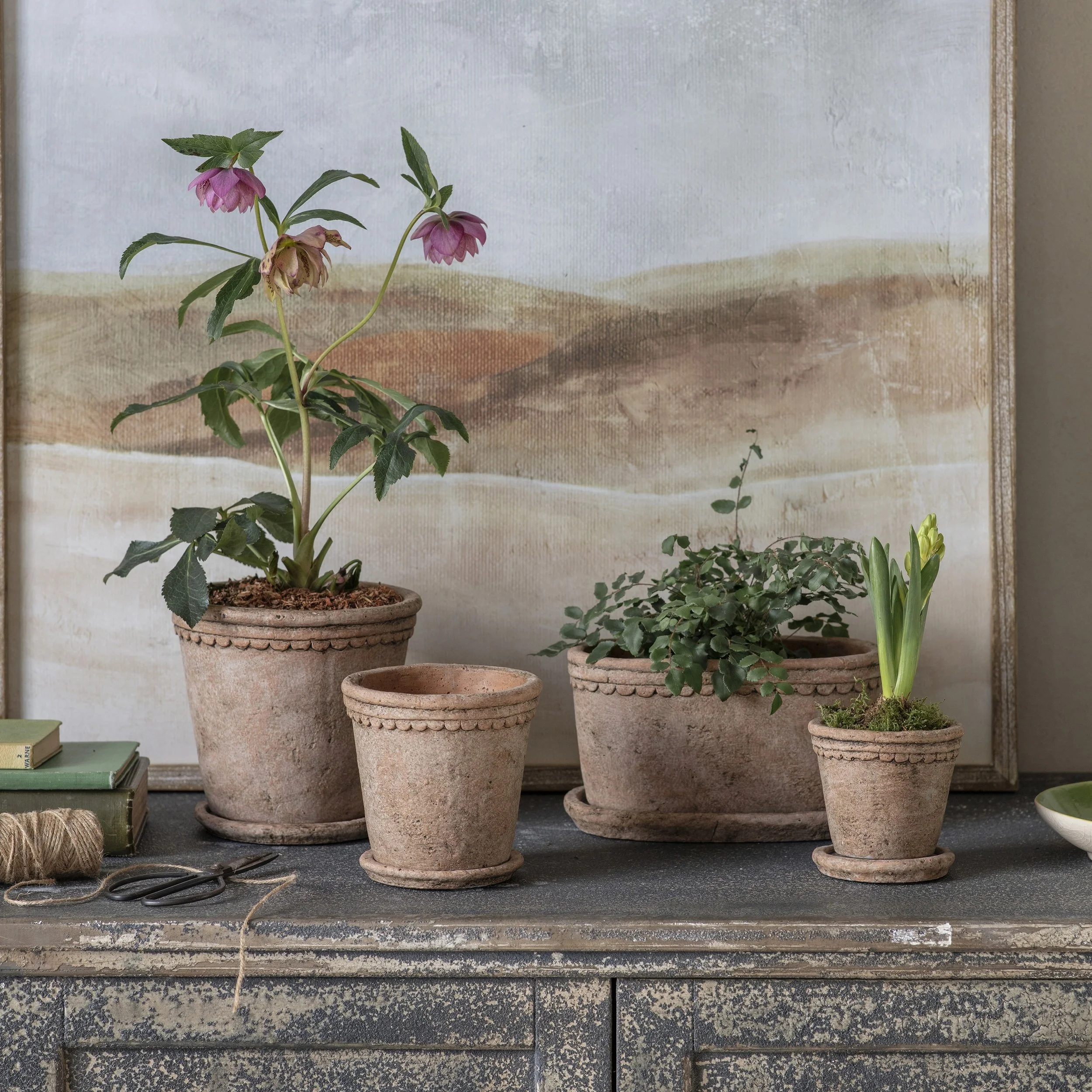
Committed to creating pieces with integrity, One.World uses responsibly sourced materials and beautiful, reclaimed woods, and also works with skilled artisans whose craft brings each design to life. Our collections celebrate the unique character of handmade ceramics and time-honoured techniques. And with every order placed through our new website, we plant a tree, helping to restore landscapes and nurture biodiversity. Thoughtful choices that, together, make a lasting impact.
One.World isn’t just about products; it’s about connection, too. Between people and the things they own, between design and the environment, and between a purchase and a positive impact. Our customers become part of a growing community that values craftsmanship, authenticity, and care for the world we share.
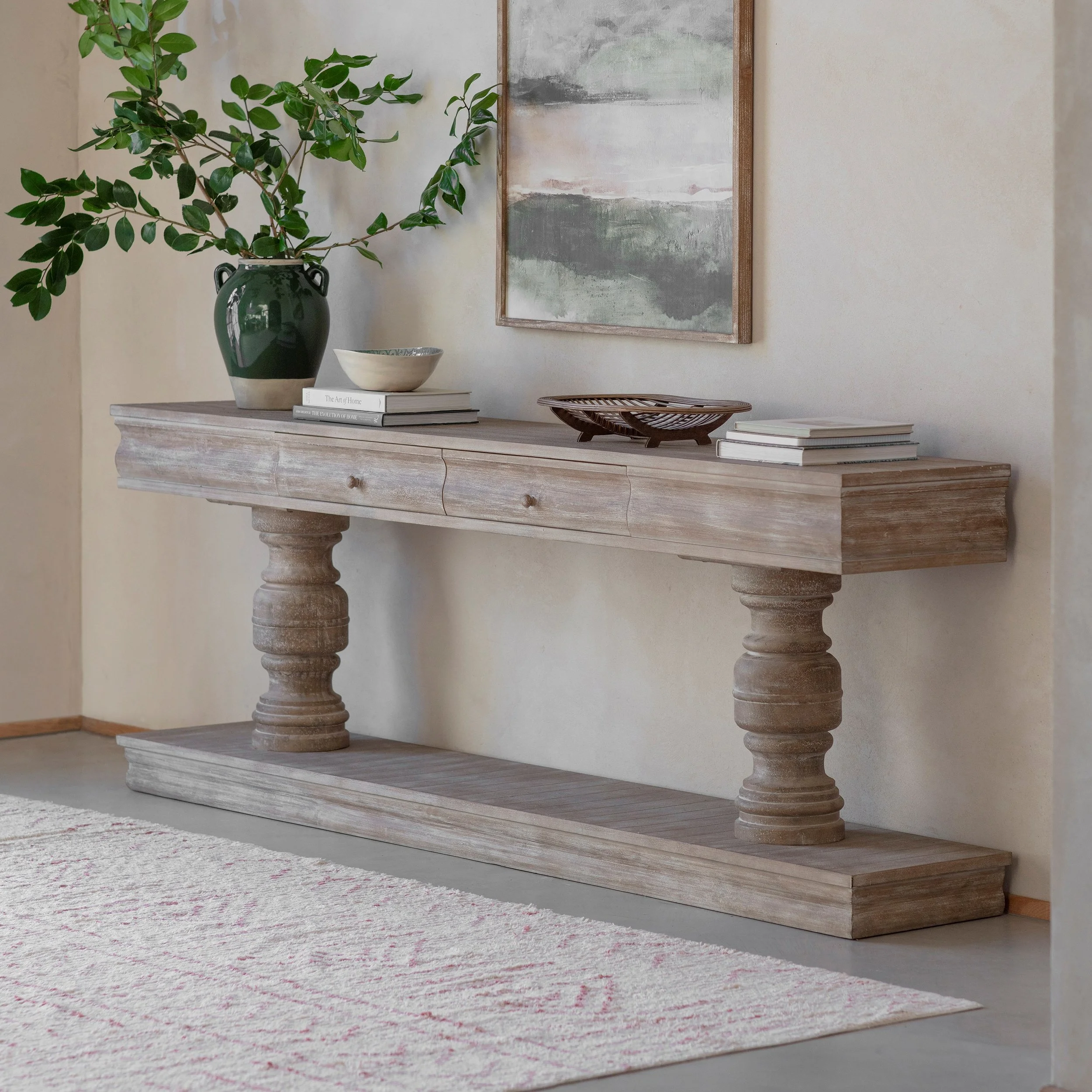
For more information and inspiration, visit one.world, or follow on Instagram at: @onedotworld.
Readers of The Simple Things can enjoy an exclusive 10% off* all full- price purchases. Simply enter the code TSTSAVE10 at checkout, and treat your home – and the planet – to something special.
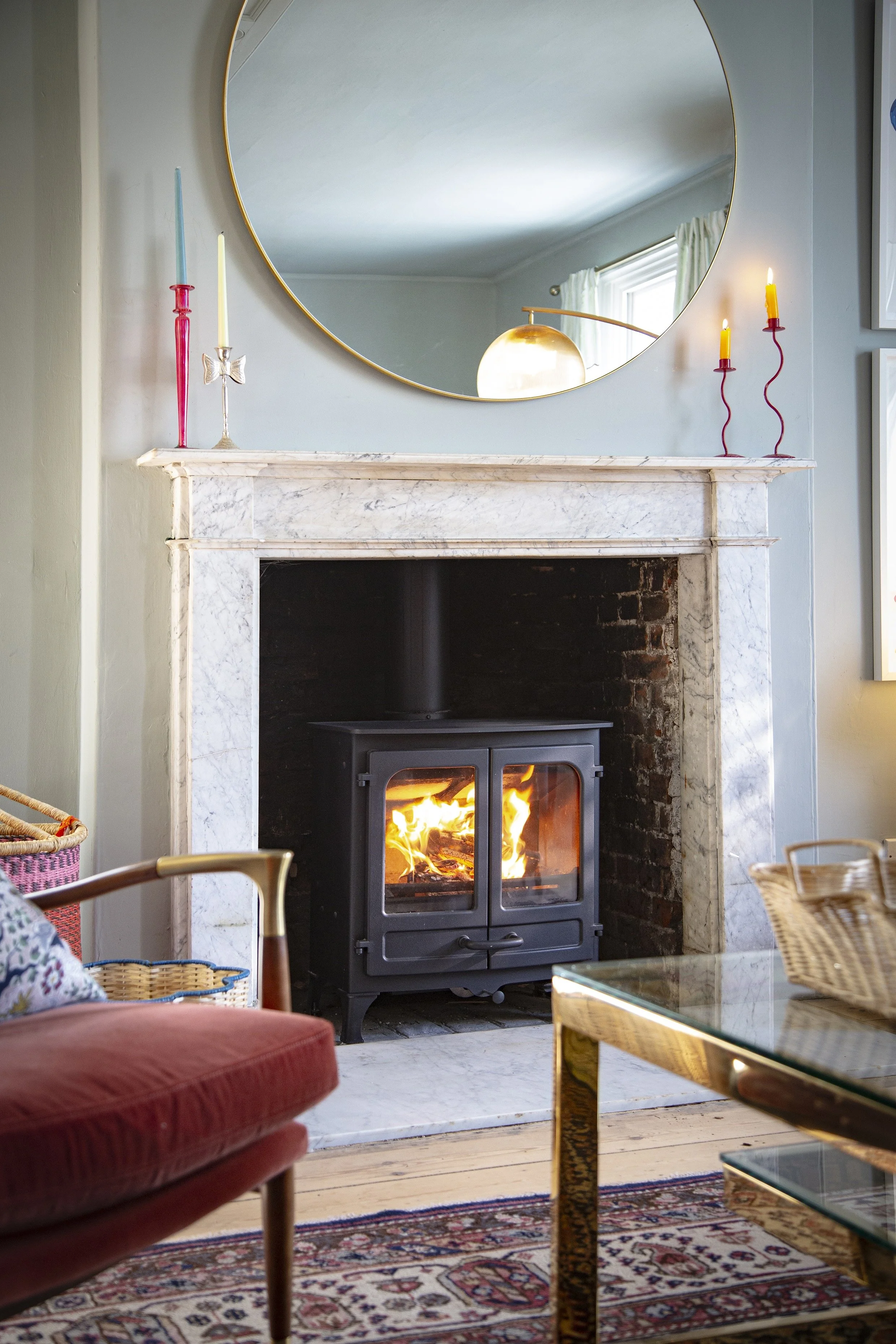
Family run Charnwood is providing a warmer, smarter future with its new Aire Intelligent wood-burning stove
There’s something wonderful about the crackle of a real wood fire: the flicker of flames, the warmth and the unmistakable sense of comfort it brings to a home. As the evenings draw in and we seek refuge from the chill, many of us yearn for that cosy centrepiece: a stove that not only warms our rooms but anchors our lives with a sense of calm and tradition.
Charnwood has spent the last 50 years honing that experience. As a family-run, British business, it’s built a reputation for designing and engineering stoves that celebrate the magic of real fires while embracing innovation, sustainability and environmental responsibility. And now it’s thrilled to introduce its most advanced family of stoves yet – Aire Intelligent.
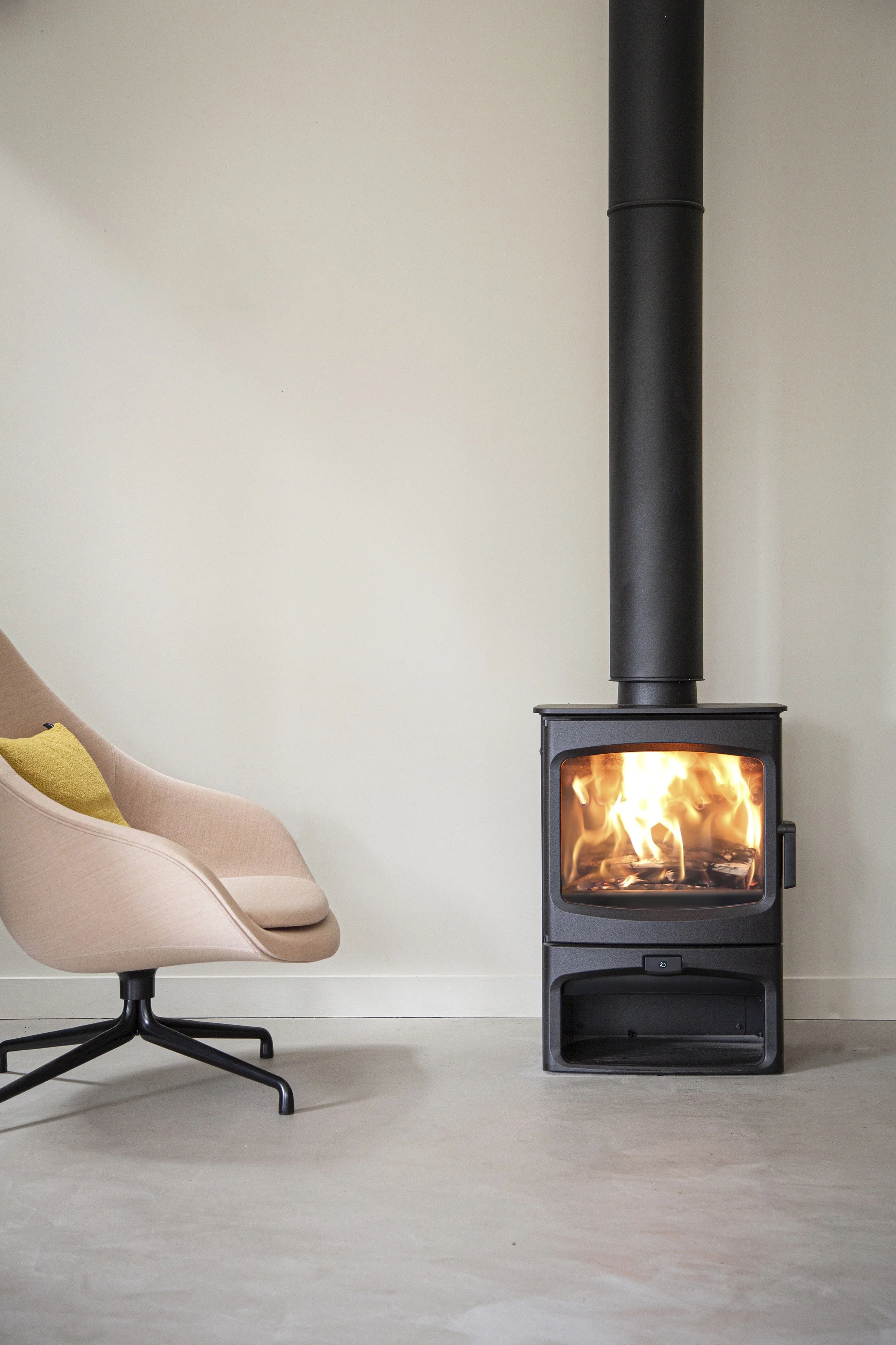
A revolution in wood burning, the Aire Intelligent is a smarter way to enjoy a real fire, without compromise. Using its pioneering I-Blu combustion technology, it actively monitors the fire, automatically adjusting the airflow to ensure the cleanest, most efficient burn possible. Simply load and light the stove, close the door, and let it do the rest. No fiddling, no second-guessing, just effortless warmth.
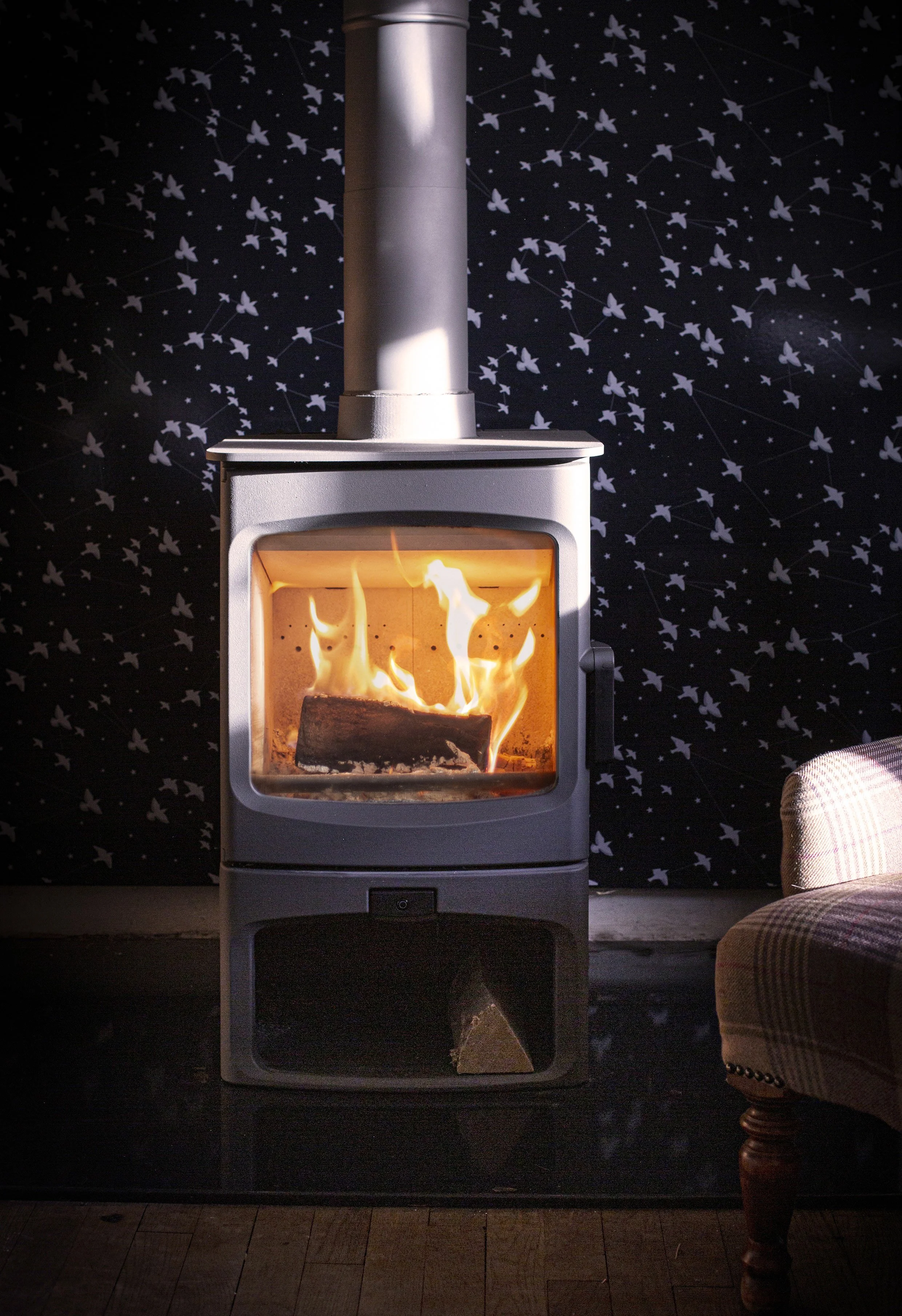
In a world increasingly concerned with emissions and energy use, the Aire Intelligent stove leads the way. It burns less wood, produces fewer particulates and delivers exceptional real-world performance that matches, and often exceeds, lab-tested standards. Plus it’s British made and built to last.
Despite the benefits, wood burning has often come under fire in the media, but much of the criticism has focused on outdated appliances and poor burning practices. Charnwood stoves, including the new Aire Intelligent range, represents a different approach: cleaner, greener, and smarter. Wood is a renewable, low-carbon fuel when burned correctly and it can play an important part in the climate solution.
For five decades, Charnwood’s been combining craftsmanship with cutting-edge engineering to create products that bring people together and warm more than just their homes. So, if you’re considering a wood burning stove, think beyond the heat it provides. Think about the atmosphere, the sustainability, the ease of use and the sheer joy of a fire that knows how to look after itself. Welcome to Aire Intelligent. Welcome to a new era of wood burning.
For more information and to find a stockist, visit charnwood.com or follow on Instagram at:
@charnwoodstoves

We all know that being in nature is good for the soul, but maybe capturing images from nature can help, too. Here are eight ways photographing wildlife can improve your wellbeing
1. It gets you outdoors
Photographing nature also means you’re getting fresh air and sunshine (or daylight at the very least) both of which are good for you.
2. Just being outside often puts a bad day in perspective, too.
Try photographing the clouds or a big horizon and notice how your worries feel just a bit less significant.
3. Outdoor photography brings physical benefits
Walking in the woods, hiking up hills, squatting at the edge of fields waiting for the perfect moment… capturing nature on camera is surprisingly good exercise.
4. It boosts creativity…
…and being creative improves wellbeing, reduces your levels of stress hormones and helps to quieten the mind.
5. You can use photography to express feelings
Like writing or painting, photography of any kind can provide an outlet for your emotions, which in turn can help you feel more emotionally balanced. Doing so in an outdoor environment often makes it feel easier to access those emotions and connect with them, too.
6. Photography is good for your confidence
Having your patience rewarded by finally capturing the creature you were after, or getting a beautiful shot lit just the way you had hoped for, can be a huge positivity boost for anyone, from beginners to photography professionals.
7. It creates communities
While nature photography can certainly be a solo hobby, it can also be a very sociable thing, with lots of photography clubs and online groups to join. Sharing your work and seeing others’ work, too, is a lovely way to connect with people with similar interests and build a community.
8. It brings joy time and again
Capturing wildlife on camera gives you a boost at the time, but then also gives you a lift every time you scroll through your camera roll or see a memory pop up on your phone. Make the most of this feeling by printing some of your favourite photos out and framing them, or having them printed onto coasters to make you smile each time you see them.
If you’re inspired to have a go at nature photography yourself, you might enjoy meeting Andrew Fusek Peters in our September issue, who took the beautiful photo above, having used his hobby to recover from a period of poor mental health. You can see more of his work in his book, Garden Safari or at his website fusekphots.com.
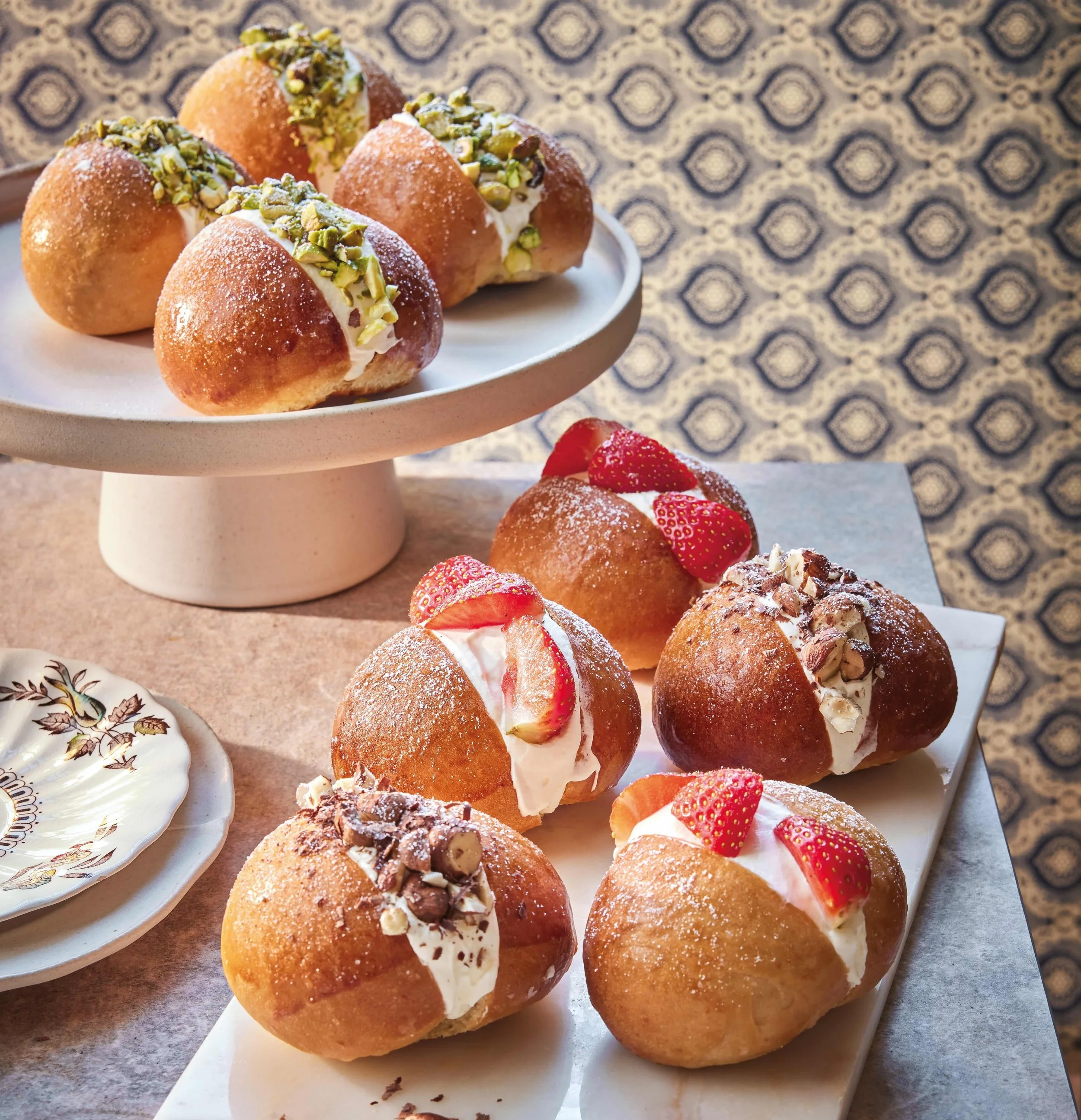
The cream-filled buns from Roma are having a bit of a moment right now. These mini versions work for breakfast, brunch, afternoon tea, merenda (snack), Tuesdays, etc…
Makes 12
4g fast action dried yeast (or 8g fresh yeast)
125ml whole milk, warmed to about 37°C
250g strong bread flour or Italian 00 flour, plus extra for dusting
50g caster sugar
1 large egg yolk
25ml neutral oil
1 tsp vanilla extract
Zest of 1 orange, coarsely grated
for the sugar glaze:
25g golden caster sugar
½ tsp sea salt
for the filling:
225ml whipping cream
2 tsp icing sugar
½ tsp vanilla extract
1 Make a sponge starter by mixing the yeast with the warmed milk until it’s dissolved, then mix in half the flour and sugar. Mix well by hand with a whisk, cover, and leave for 1 hr until risen, spongy and bubbly.
2 Combine all the remaining ingredients with the sponge starter and add the remaining flour, little by
little, mixing to a non-sticky dough.
3 Tip the dough onto a lightly floured surface and knead for at least 10 mins until smooth.
4 Return the dough to a clean bowl, cover, and leave until doubled in size. Depending on the temperature, this will take about 1 hr at a room temp.
5 Knock back the dough and shape into a round, then divide into 12 even pieces (or weigh into 30g portions). Shape each piece into an oval by firstly rolling into a ball and very lightly pinching the dough underneath for a smooth shape. Place the dough ovals on 2 baking sheets lined with baking paper, not too close as they expand. Cover and leave to rise for 40 mins.
6 Preheat the oven to 200C/ Fan 180C/Gas 6. Bake the buns for 10 mins, or until golden brown.
7 For the glaze, place the sugar and salt in a pan with 2 tablespoons of water. Heat gently until the sugar’s dissolved and the glaze has thickened. Brush it over the buns straight from the oven and leave to cool on a rack.
8 Meanwhile, whip the cream with the icing sugar and vanilla until thickened. With a bread knife, slice each bun down the middle. Fill a piping bag with the cream and pipe it into each bun. Use a small palette knife to scrape the cream smooth and to give the maritozzi their recognisable finish.
Cook’s note: For other fillings, try pistachio cream mixed with cream, a chocolate cream or Nutella. Press the likes of strawberries, freeze-dried raspberries, chocolate or chopped nuts into the surface as decoration.
These cream buns are taken from Dolci Italiani by Ursula Ferrigno. Photography: Clare Winfield (Ryland Peters & Small).

Our October playlist is compiled by Daniel Gray, author of Sunday Best: Travels through the day of rest.
These are songs that sum up the spirit of a Sunday. Have a listen on Spotify here.
You can see some of Daniel’s ‘Sunday best’ outing suggestions in HUG, the October 2025 issue of The Simple Things magazine.
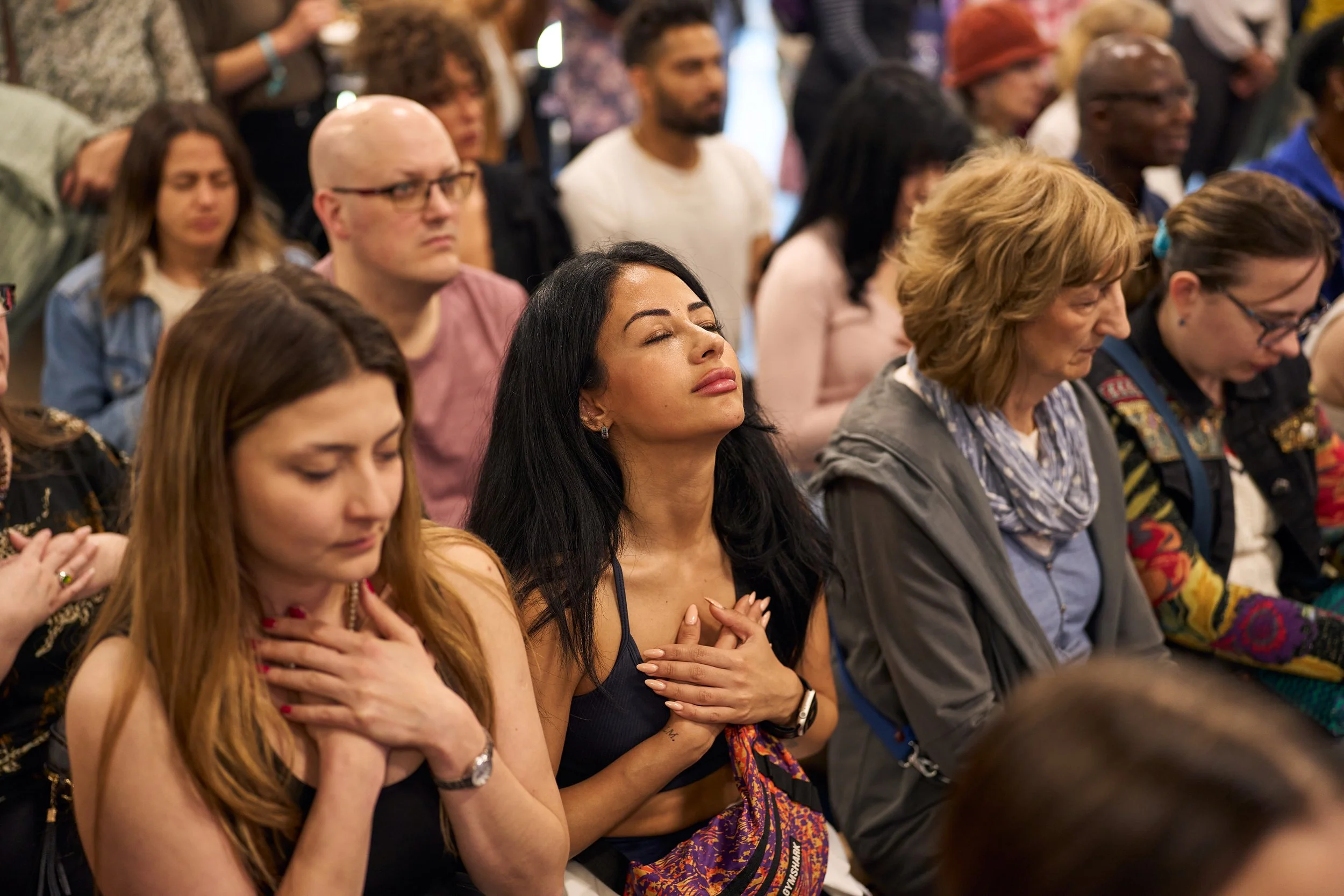
Ready to refresh your soul, awaken your senses and dive deep into all things wellness, self-love and spirituality? Then next month’s Mind Body Spirit Festival may be for you. Taking place at the NEC Birmingham from 14-16 November 2025, the Mind Body Spirit Festival is celebrating its 10th year at the NEC and is the ultimate celebration of holistic living. The Simple Things has 10 pairs of one-day standard entry tickets up for grabs, worth up to £42 per pair.
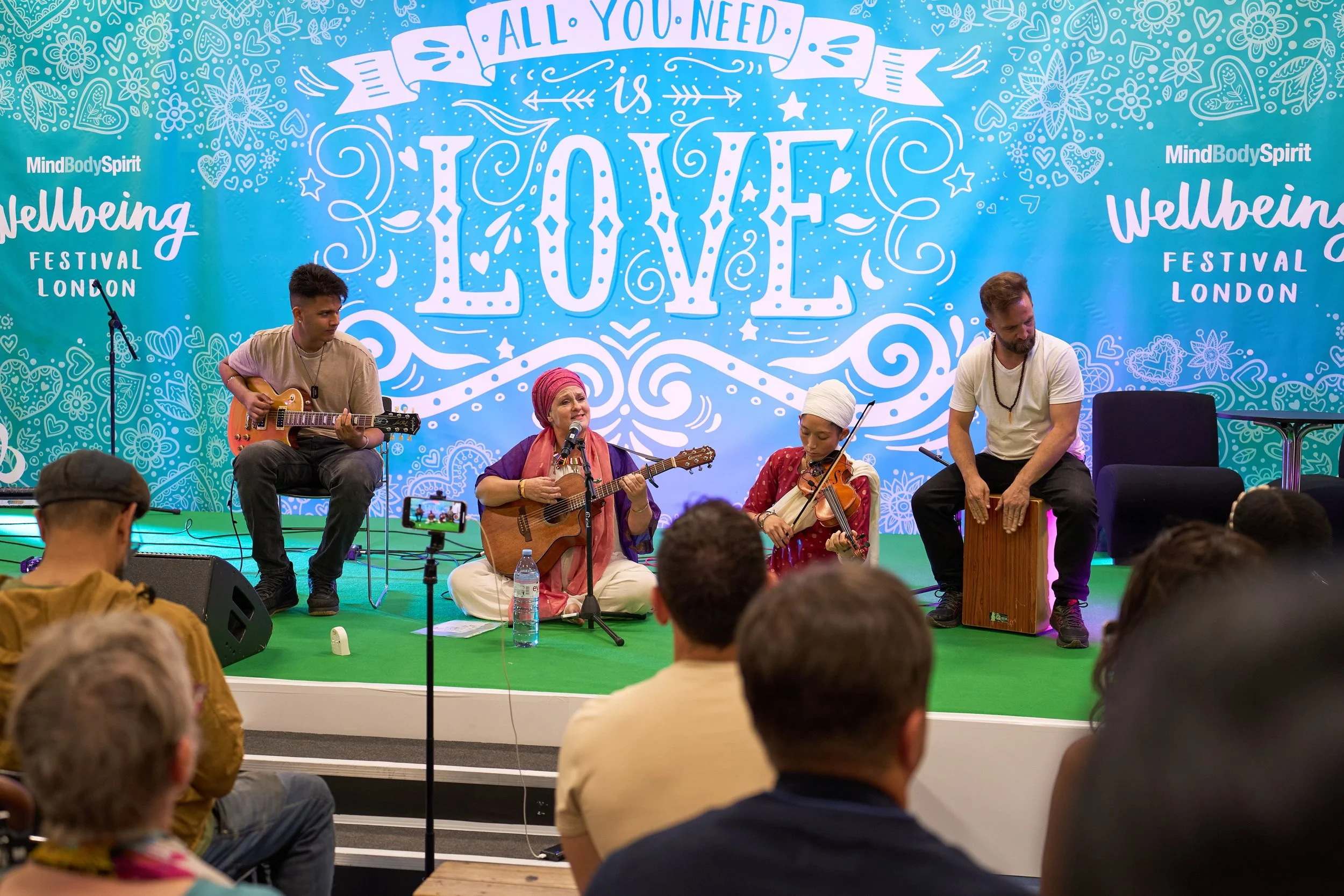
As a visitor to the 2025 Mind Body Spirit Festival you can expect to enjoy seven different feature areas, where you can listen to transformational talks on a range of subjects including midlife musings, manifestation and astral projection. Perhaps you’d prefer restorative sound baths or to find out more about healing therapies, yoga, dance and music, plus there will be tarot and psychic readings for the inquisitive. While the Wellbeing Market will showcase over 125 unique brands – ideal for topping up your crystals, essential oils or to simply buy a beautiful gift for yourself or a loved one.

Win tickets to next month’s Mind Body Spirit Festival, and immerse yourself in all things wellbeing and spirituality
Whether you’re a seasoned spiritual seeker or just starting on your journey, this is your chance to discover new tools for personal growth, connect with like-minded souls, explore conscious brands and experiences, or to simply relax, recharge and re-align. The Mind Body Spirit Festival is a great opportunity to be part of something magical.
For more information, inspiration and to buy early bird advance tickets, visit: mindbodyspiritfestival.co.uk/birmingham or follow on Instagram: @mbswellbeing, and on Facebook: @mindbodyspiritfestival
For a chance to win one of 10 pairs of tickets to the Mind Body Spirit Festival at NEC Birmingham, enter our competition by clicking the button below by the closing date of 5 November 2025 and answering the following question:
Q: How many years has the festival been taking place at the NEC Birmingham?
The competition closes at 11.59pm on 5 November 2025. Ten winners will be selected at random from all correct entries received and notified soon after. Subject to availability. The winners cannot transfer their prize or swap it for cash. Prize is 10 x pairs of one-day standard entry tickets. Travel to and from the event is the winners’ responsibility. Details of our full terms and conditions are on p125 and online at icebergpress.co.uk/comprules.
If your wardrobe’s in need of a boost or a bit of colour therapy, enter our competition to win a
Gudrun Sjödén spree
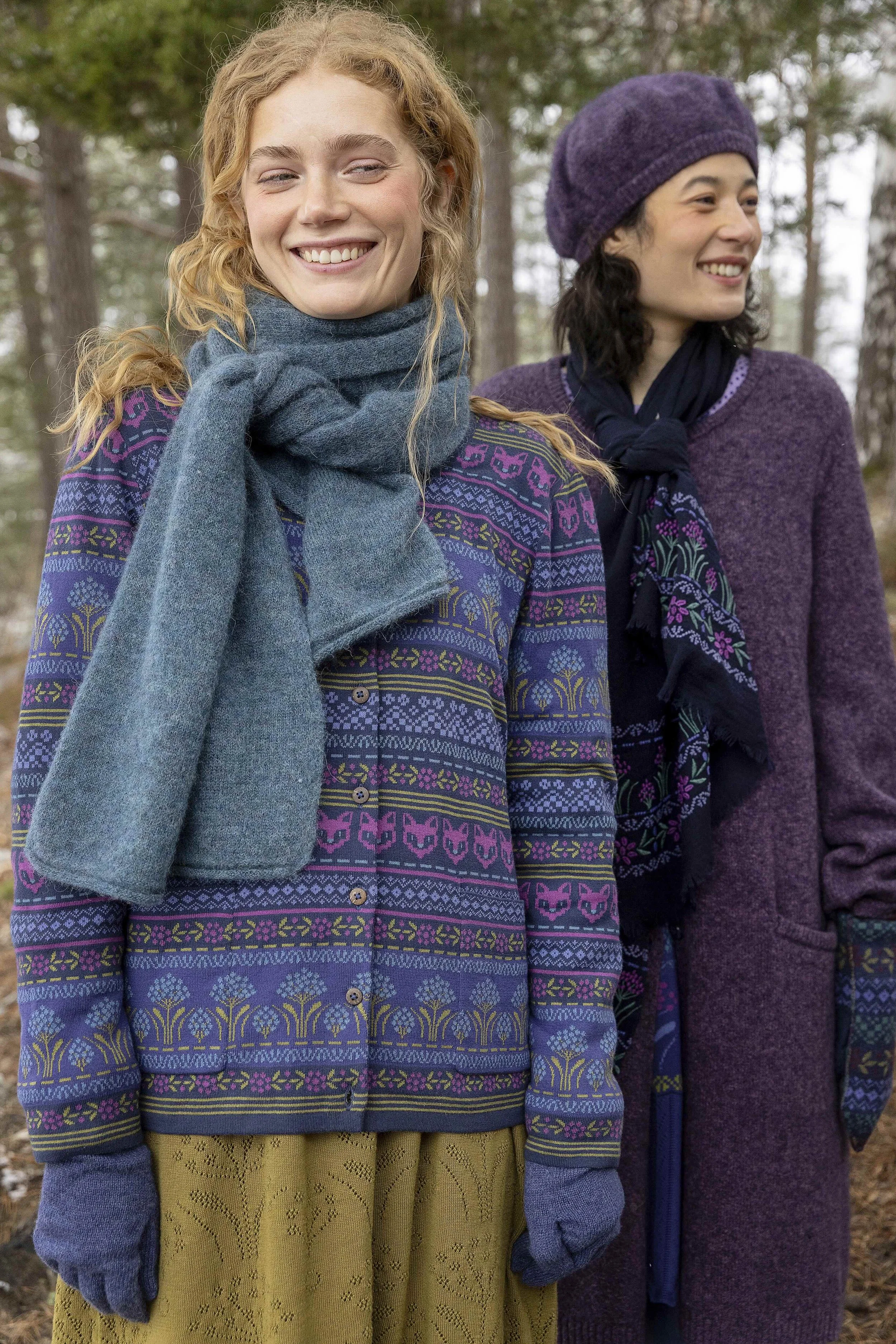
As the weather slowly turns and the seasonal colours blend towards rich, warm tones, it’s time to set sail on a new adventure with Gudrun Sjödén’s latest collection – beautiful, heirloom pieces that could soon be adorning your wardrobe as The Simple Things has two vouchers up for grabs, each worth £200.
Inspired by a journey along the Atlantic Ocean, the latest collection is a patchwork of capsules, all giving their own nod to people, places and concepts. While the striking colours and unique patterns are characteristically typical of the joyous Swedish brand that we know and love.
Explore the remote island of Tristan da Cunha in the South Atlantic Ocean through beautiful clothes that imagine soft silhouettes and tactile, natural fabrics, all in a muted palette of warm greys and muted olive greens.
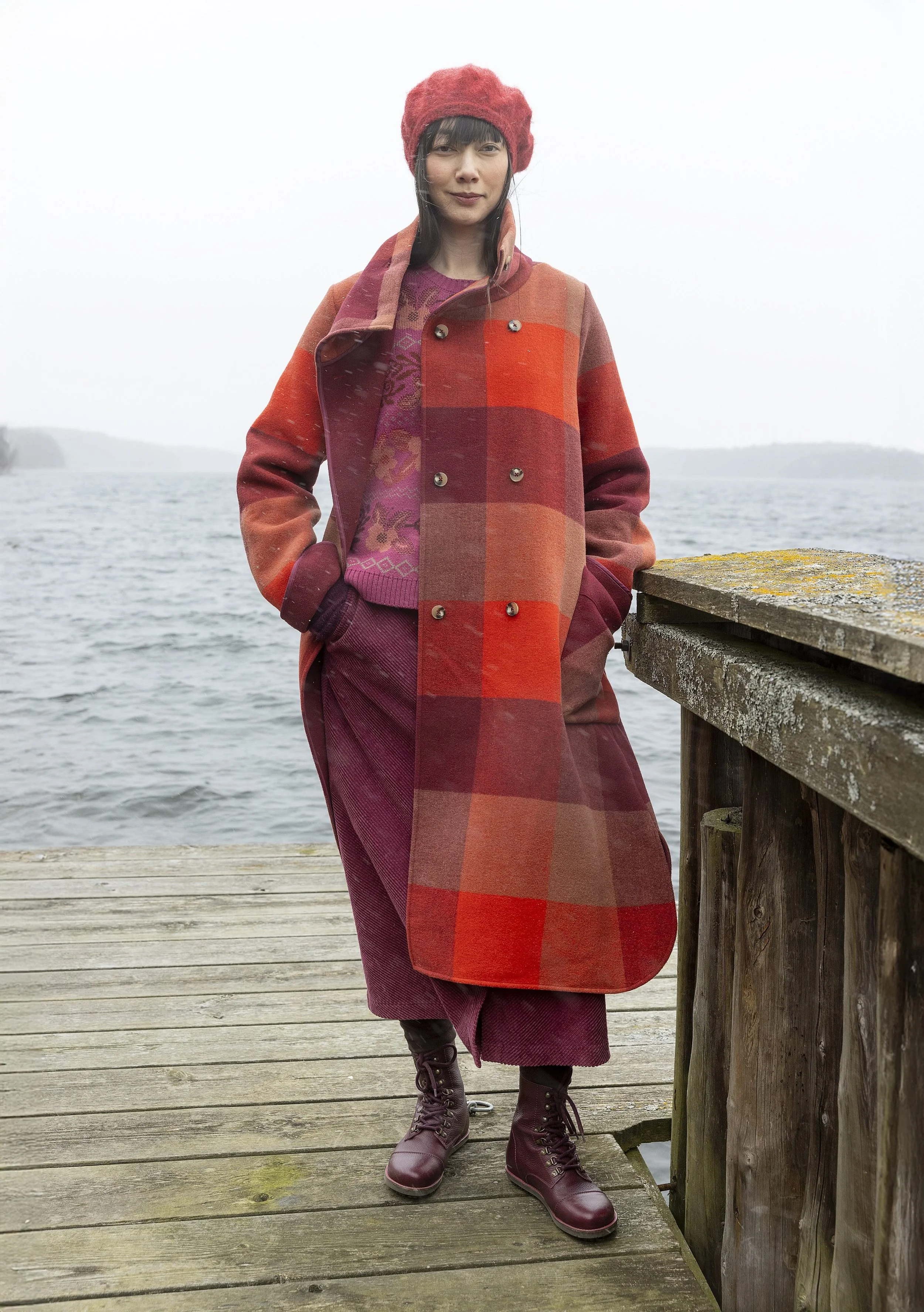
Meanwhile, the Azores and French painter, Paul Gauguin, have inspired a collection of rich, sumptuous colours – an ideal balance to the cool shades of wintry landscapes. Think oversized squares, stripes and block-coloured fields. The palette is borrowed from the artist’s work, featuring aubergine, burnt orange, bottle green and deep indigo. In particular, the Azores linen smock blouse is a statement piece to love throughout the seasons.
Lambswool, velour and quilted organic cotton provide softness and warmth as the evenings grow chillier, while winter’s prettiest coat, the ‘Alberta’, is crafted in recycled wool and polyester.
Shunning fast changing trends, each Gudrun Sjödén collection is designed as a new chapter in an ongoing story of patterns, textiles and colours. Enter and you could win a voucher, worth £200, to spend on staples that will be loved for generations.
For more info, visit gudrunsjoden.com or follow on Insta at: @gudrunsjoden.ldn. 65-67 Monmouth St, London, WC2H 9DG, or visit the pop-up, 24 Oct - 2 Nov, at Dovecot Studios, 10 Infirmary St, Edinburgh EH1 1LT.
For your chance to win one of two Gudrun Sjödén vouchers, each worth £200, enter our competition now by clicking the button below and answering the following question by the closing date of
5 November 2025.
Q: Which French painter inspired some of this season’s colourful collection?
The competition closes at 11.59pm on 5 November 2025. Two winners will be selected at random from all correct entries received and notified soon after. Subject to availability. The winners cannot transfer their prize or swap it for cash. Details of our full terms and conditions are on p125 and online at: icebergpress.co.uk/comprules.

This month marks 200 years of passenger railways and a good book is a train journey essential as far as we’re concerned. Here are a few page turners to get you on your way…
The Railway Children
Edith Nesbit’s Edwardian novel is a classic for a reason. The tale of three children, moved from London after their father is imprisoned for spying, who wave at train passengers, is worth a revisit if you read it as a child or discovering if not.
The Necropolis Railway
The first of Andrew Martin’s Jim Stringer series, in which the Yorkshire railwayman turned amateur sleuth solves mysteries occurring on various British train lines in the steam-soundtracked early 1900s.
The Kingdom By The Sea
As the Falklands War rumbles on, Paul Theroux circumnavigates Britain’s coast in one of his typically
thoughtful travel books, meeting peculiar characters, walking a lot and often travelling by rail.
These ideas for railway page turners is taken from our September ‘outing’ pages, which focus on days out with trains, from request stops to iconic journeys to walks along disused railways. The illustration is by Colin Elgie.
Buy this month's The Simple Things - buy, download or subscribe
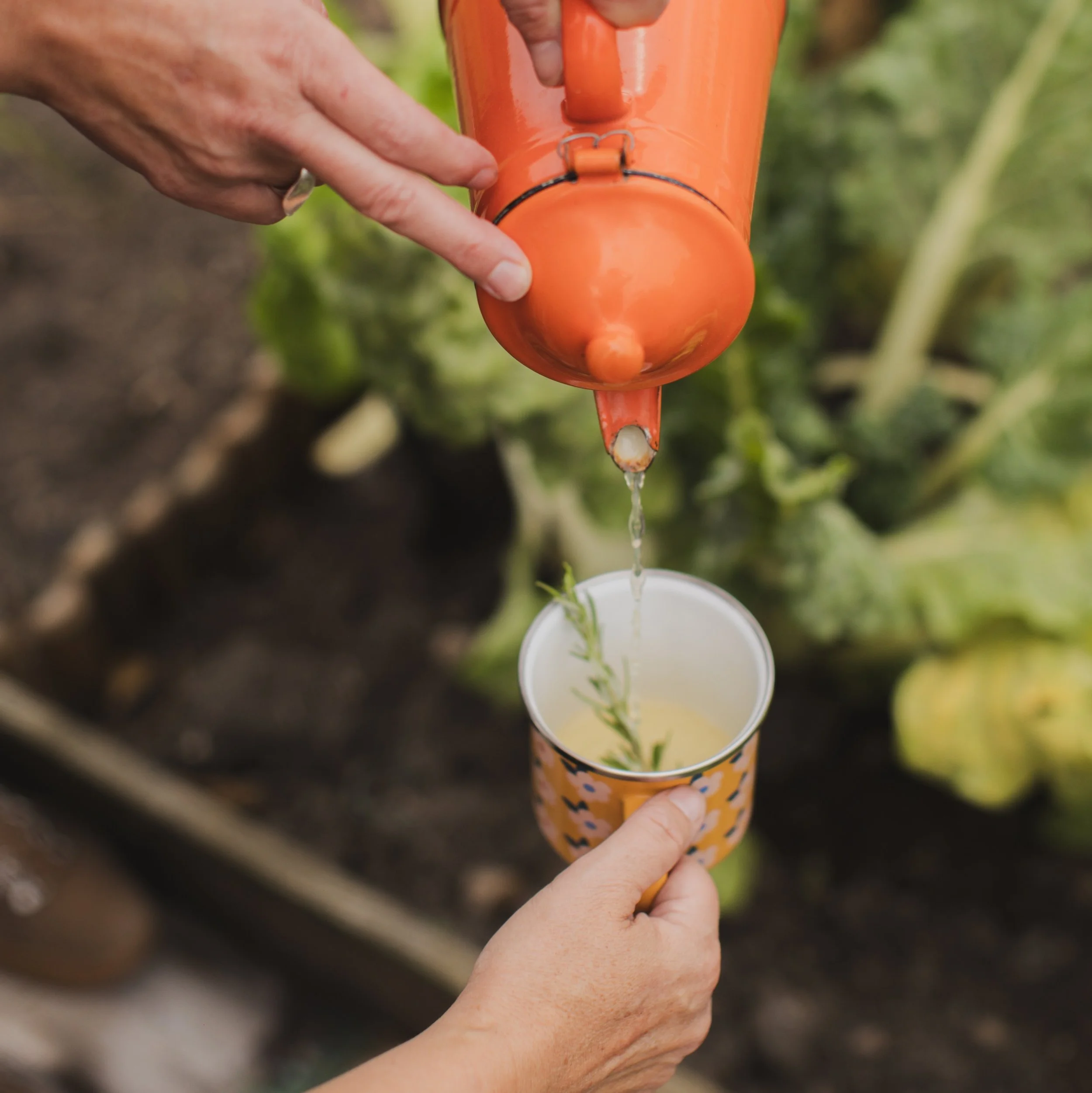
Serve outdoors as the weather determines – warm if there’s a nip in the air, or over ice if the sun still is shining.
Serves 6
100g caster sugar
3 slices ginger
1 ltr medium dry cider
200ml freshly pressed apple juice
Juice of half a lemon
6-8 sprigs of rosemary, to serve
1 Make a syrup by heating the sugar and ginger with 50ml of water over a low heat until the sugar dissolves. Remove the ginger and set aside.
2 Combine the other ingredients in a pan and heat gently. Add half the sugar syrup and taste, keep adding until you reach the desired sweetness.
3 Gently bruise the base of each rosemary sprig to release the flavour, add one to each glass and fill.
This recipe is taken from our September ‘Gathering’ pages, which this month takes the form of a menu for an allotment lunch with friends using grown-yourself veg. The menu includes Grilled Padron Peppers, Mackerel Pate, Courgette Feta Mint & Pine Nut Tart, Apple Kohlrabi & Salad, Tangy Tomato Chutney and a Plum & Almond Traybake. Recipes & styling by Anneliese Klos and Liz Boyd. Photography: by Urszula Soltys.
Buy this month's The Simple Things -buy, download or subscribe
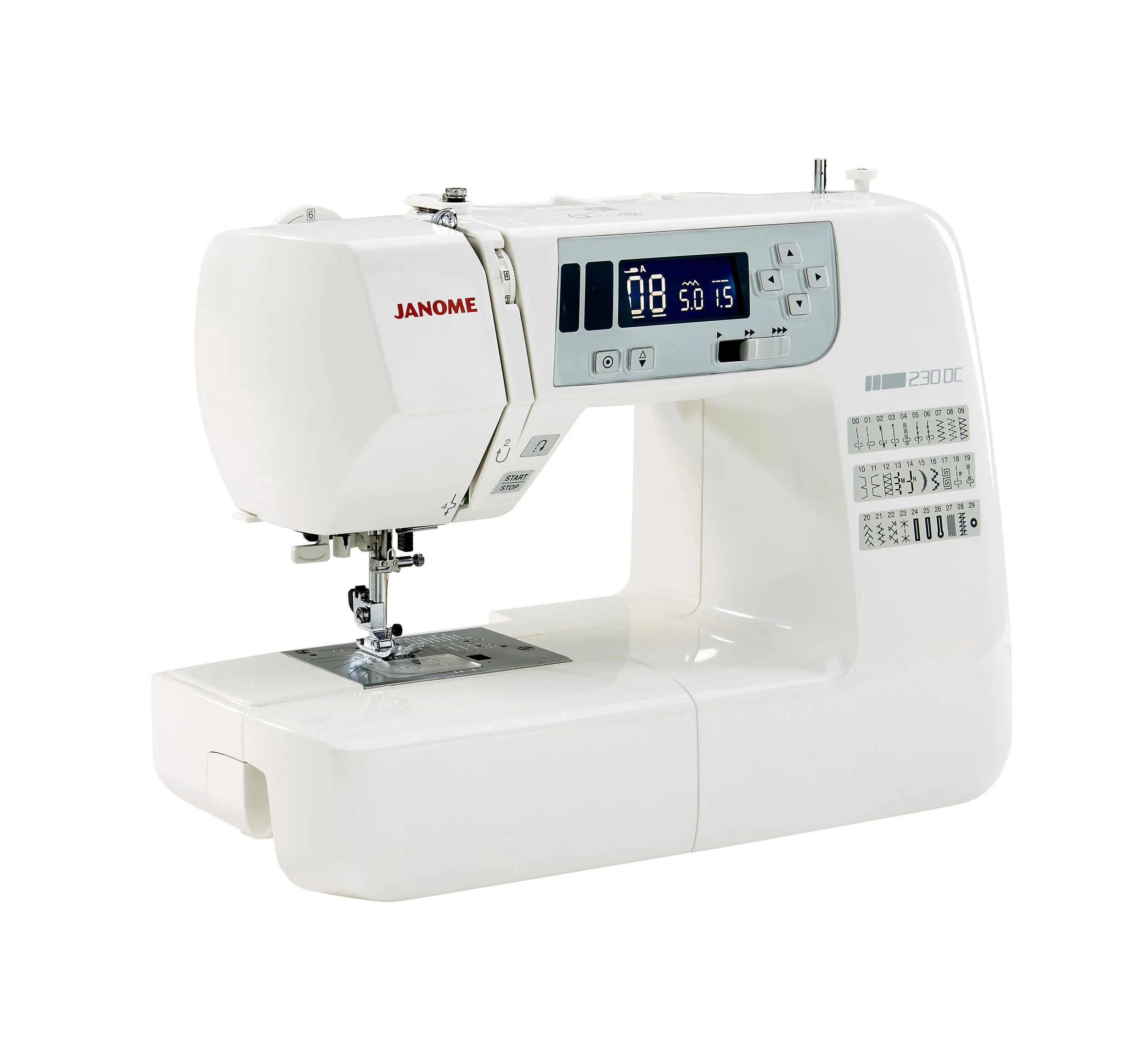
When you’re ready to sew, it’s easy to get started and you can try all types of projects with the JANOME 230DC. We have won to give away to a TST reader
Fully computerised with stitches and settings at the touch of a button, these robust models have lots of easy-to-use features which make sewing a pleasure.
JANOME sewing machines are synonymous with innovation, quality, and ease of use. This
Autumn JANOME have a great all-round sewing machine for one lucky reader to win.
Model 230DC has lots of easy-to-use features which make sewing a pleasure. It is the ideal machine to grow with your skills. Fully computerised with stitches and settings at the touch of a button. No fuss threading with the auto needle threader, top loading bobbin & a hard cover for storage.
JANOME 230DC computerised model has 30 stitch choices and three buttonhole styles; this machine is perfect for beginners and more advanced hobbyists alike. Begin your sewing journey with a smooth operating, robustly built JANOME.
To be in with a chance of winning just click on the button below and answer the following question by the closing date of 31 October 2025.
Q: How many stitch choices does the Janome 230DC have?
The competition closes at 11.59pm on 31 October 2025. One winner will be selected at random from all correct entries received and notified soon after. Subject to availability. Free delivery of prize within the UK. The winner cannot transfer the prize or swap it for cash. Details of our full terms and conditions are on p125 and online at icebergpress.co.uk/comprules
The usual price for the Janome 230DC is £439 but with Janome’s Sewing with Style offer this autumn it’s available at just £389. See all of Janome’s latest offers on their website: https://www.janome.co.uk/special-offers. Visit your local Janome retailer to see the JANOME range or click here to find your nearest store. Follow Janome online at @janomeuk.


We celebrate slowing down, enjoying what you have, making the most of where you live, enjoying the company of of friends and family, and feeding them well. We like to grow some of our own vegetables, visit local markets, rummage for vintage finds, and decorate our home with the plunder. We love being outdoors and enjoy the satisfaction that comes with a job well done.