The Simple Things

Taking time to live well
  • Home
  • Subscribe
  • SHOP
  • Newsletter
  • About
  • Work with us
  • Home
  • Subscribe
  • SHOP
  • Newsletter
  • About
  • Work with us

Blog

Taking Time to Live Well

  • All
  • Chalkboard
  • Christmas
  • Competition
  • could do
  • Eating
  • Escape
  • Escaping
  • Fresh
  • Fun
  • gardening
  • Gathered
  • Gathering
  • Growing
  • Haikus
  • Interview
  • Living
  • Looking back
  • Magazine
  • magical creatures
  • Making
  • Miscellany
  • My Neighbourhood
  • Nature
  • Nest
  • Nesting
  • outing
  • playlist
  • Reader event
  • Reader offer
  • Shop
  • Sponsored post
  • Sunday Best
  • Think
  • Uncategorized
  • Wellbeing
  • Wisdom

Photography by Ula Soltys

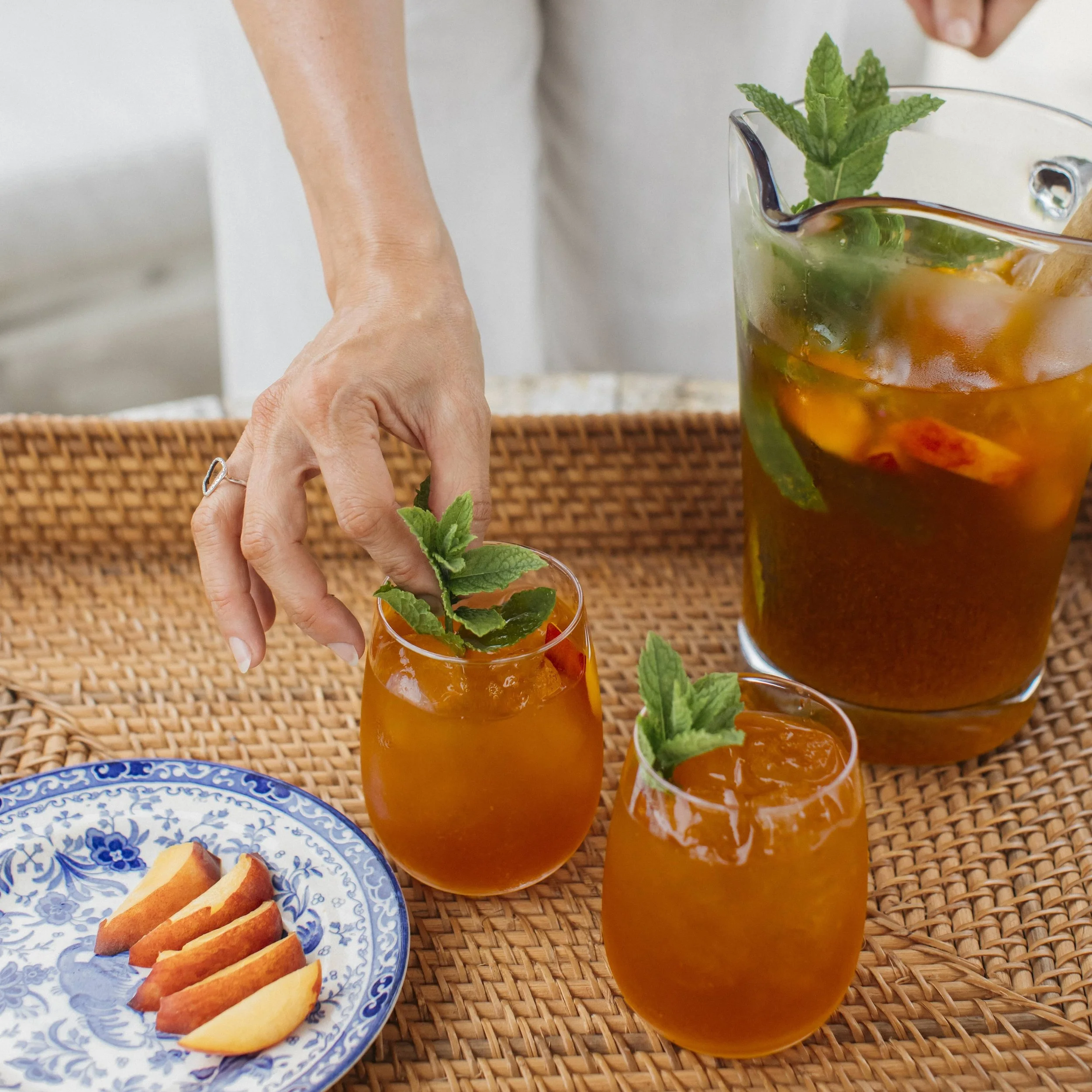
Tipple | Fruit Iced Tea

David Parker March 14, 2026

A refreshing glass of fruity tea that can be served with or without booze

Serves 10

2 peach or lemon and honey teabags

2 tbsp sugar syrup

Ice

Sparkling water

Cava (optional)

Violets (optional)

1 In a teapot, add 250ml boiling water to the teabags and leave to steep.

2 Add the sugar syrup and stir.

3 To serve, add an ice cube or two to your glass of choice and add the tea mixture to either sparkling water or cold cava. To be extra fancy, decorate each glass with a violet flower.

This recipe was just one of the ideas from our March ‘Gathering’ feature, ‘Swap Shop’, a menu for a clothes swapping session with friends. It also includes recipes for Salmon Scotch Eggs with Lime Wasabi Mayo, Wild Garlic & Lancashire Cheese Mini Quiches, Gin & Lemon Squares and Affogato.

Buy this month's The Simple Things -buy, download or subscribe

More ideas for afternoon teas…

Featured
Fruit Iced Tea Gathering.jpeg
Mar 14, 2026
Tipple | Fruit Iced Tea
Mar 14, 2026
Mar 14, 2026
Lemon Powder Puffs - Kym Grimshaw.jpg
Apr 9, 2022
Recipe | Lemon Powder Puffs
Apr 9, 2022
Apr 9, 2022
Rasberry Maccarons Recipes taken from Tea & Cake by Liz Franklin (Ryland, Peters & Small)Photography Isobel Wield.jpg
Apr 11, 2020
Recipe | raspberry macarons with lady grey tea
Apr 11, 2020
Apr 11, 2020

More from our March issue…

Featured
Fruit Iced Tea Gathering.jpeg
Mar 14, 2026
Tipple | Fruit Iced Tea
Mar 14, 2026
Mar 14, 2026
Harriet Russell wellbeing languages.jpg
Mar 12, 2026
Learn | 'Just for Fun' Languages
Mar 12, 2026
Mar 12, 2026
Pies.jpeg
Mar 7, 2026
Food | Pies Around Britain
Mar 7, 2026
Mar 7, 2026
In Fresh Tags issue 165, afternoon tea, tipple, iced tea
Comment

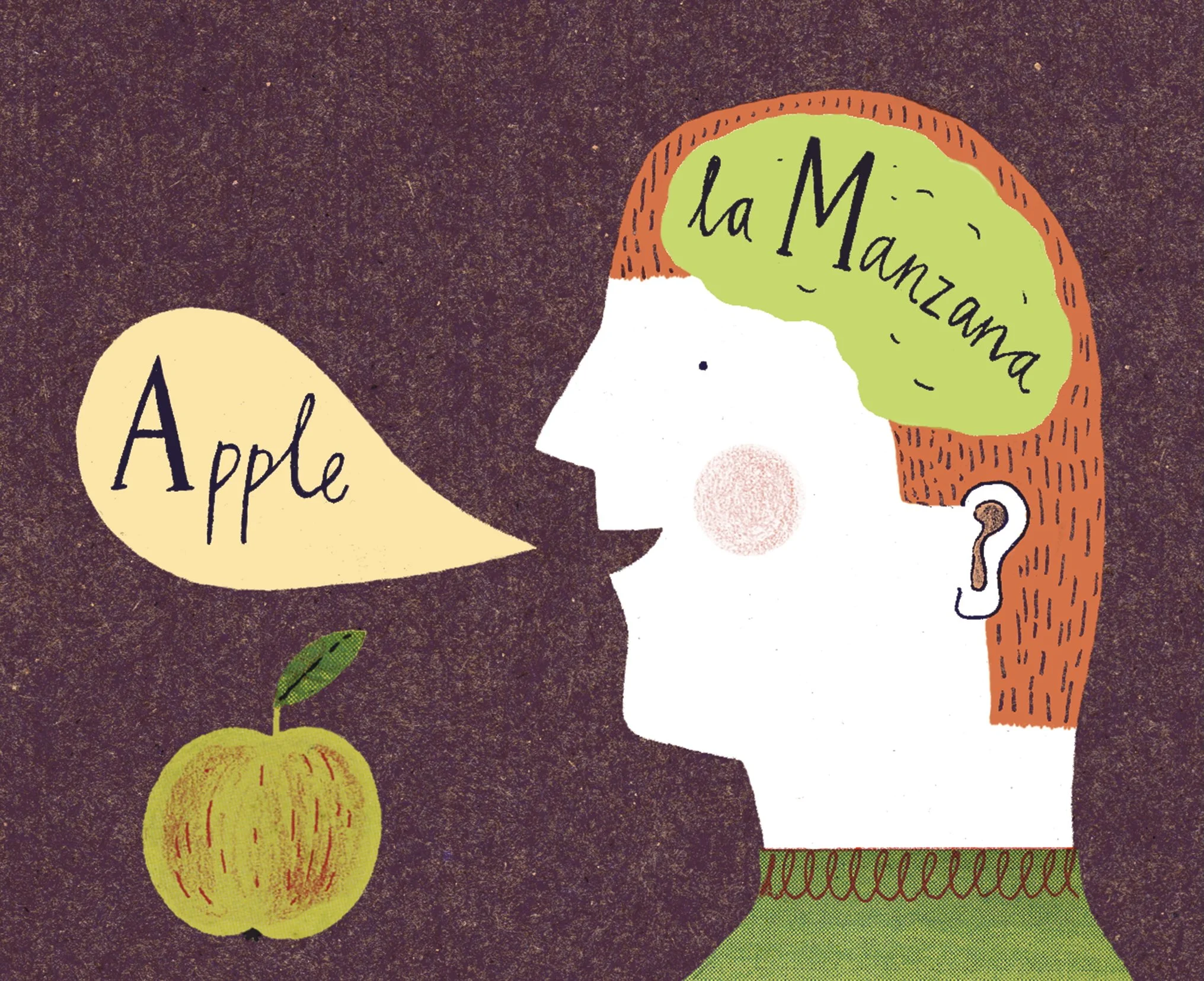
Illustration by Harriet Russell

Learn | 'Just for Fun' Languages

David Parker March 12, 2026

Learning a little about a language can enhance a holiday abroad or help you connect with new friends or family. But sometimes it’s nice to learn something ‘just for fun’. Here are a few languages you can learn in order to impress, amuse or just look a bit quirky next time you are required to list your hobbies.

Ancient languages

Dead languages are not for the faint-hearted. Many are the school students who have nodded along sagely to the ditty: “Latin is a language as dead as dead can be. First it killed the Romans and now it’s killing me.” 

But if you fancy yourself as a bit clever and have a curious mind, it can be really fun. Many will have letters or whole alphabets that are new to you. Some may even have hieroglyphs to learn. Despite its reputation, Latin is actually one of the easiest dead languages to learn. There are many books and online courses out there to sign up to and you’ll probably find a local adult education centre that runs courses if you want to learn alongside others. 

Other dead or ancient languages to consider giving a go are: Old English, Old Norse, Sanskrit, Biblical Hebrew or Classical Chinese. 

Very niche languages

Starting close to home, Cornish is a great language to learn. It’s been almost critically endangered at points but thanks to apps and websites like GoCornish, is seeing a bit of a resurgence. Apart from sounding very impressive when on holiday there, it also will allow you to understand Modern Cornish music, a mix of pop and traditional Cornish folk songs. If you’re not familiar with it, it’s worth a listen. 

Greenlandic is a little-spoken language that’s fun to learn because of its polysynthetic nature, meaning the words are composed of many parts which may have independent meaning but cannot necessarily stand alone. 

Indigenous languages such as Noongar, spoken in a small corner of Western Australia, are fascinating to learn and have the additional benefit of helping to keep a language (and sometimes an entire culture) alive. 

Or perhaps try Breton, Belarusian or Basque. 

Constructed languages

Also known as ‘con-lans’, these are languages that were intentionally created, rather than having developed organically over time. The most famous example is Esperanto, created in the late 19th Century to be a universal second language. There are only around 10,000 fluent speakers but it’s thought up to a million understand ‘enough to get by’. 

Not-your-usual languages

Languages that don’t feature ‘written or spoken’ words as we know them actually number many more than you might think. Most obviously there are the various sign languages and BSL (British Sign Language) is very easy to access and learn via britishsign.co.uk. Then there are computer languages and codes, of course. 

But did you know there is a language constructed entirely of whistles? Silbo Gomera is a language that includes vowels, consonants and has its own system of grammar but is made only by whistling. It is spoken on the island of La Gomera in the canaries where for years its inhabitants announced, births, deaths, weather events and village gossip in this way across its steep valleys and difficult terrain. Despite there being other methods of communication now, schoolchildren of La Gomera still learn it today to stop it dying out. 

Quipus, meanwhile, were used by the Inka Empire to record data, records and stories using a system of knots made on coloured threads or strings made from llama hair. Once the message was made they could be sent by runner to the intended recipient. 

Made-up languages

Many well-known books, films and TV series include made-up languages from Elvish in Tolkien’s literary world to some of the words used in JK Rowling’s Harry Potter universe. Strictly speaking, these are all constructed languages (see above) but are completely pointless in the real world. However, there’s a lot of joy to be had in the completely pointless. On the language app, Duo Lingo, you can currently learn Dothraki (from Game of Thrones) or Kling-On (from Star Trek). Now: ghojchoH! (begin learning!) 


If you’d like to learn more about how learning a new language can improve your wellbeing, you might enjoy our feature ‘More Than Words’ in our March issue, by Rebecca Frank.

Buy this month's The Simple Things -buy, download or subscribe

More fun for language-lovers…

Featured
Harriet Russell wellbeing languages.jpg
Mar 12, 2026
Learn | 'Just for Fun' Languages
Mar 12, 2026
Mar 12, 2026
Ducks My Plot.jpeg
Apr 1, 2025
Language | Learn to speak 'Duck' abroad
Apr 1, 2025
Apr 1, 2025
Getty Crosswords.jpg
Jul 9, 2024
How To | Solve Crosswords
Jul 9, 2024
Jul 9, 2024

More from our blog…

Featured
April Get Lucky playst.png
Mar 18, 2026
Playlist | Get Lucky
Mar 18, 2026
Mar 18, 2026
Lazy Susan 1.jpeg
Mar 18, 2026
Competition | Win one of four garden benches from Lazy Susan
Mar 18, 2026
Mar 18, 2026
Weleda 1.jpeg
Mar 18, 2026
Competition | Win a Nourishing Skin Food Bundle from Weleda
Mar 18, 2026
Mar 18, 2026
In Think Tags issue 165, language, learn something new
Comment

Photography by Jonathan Cherry

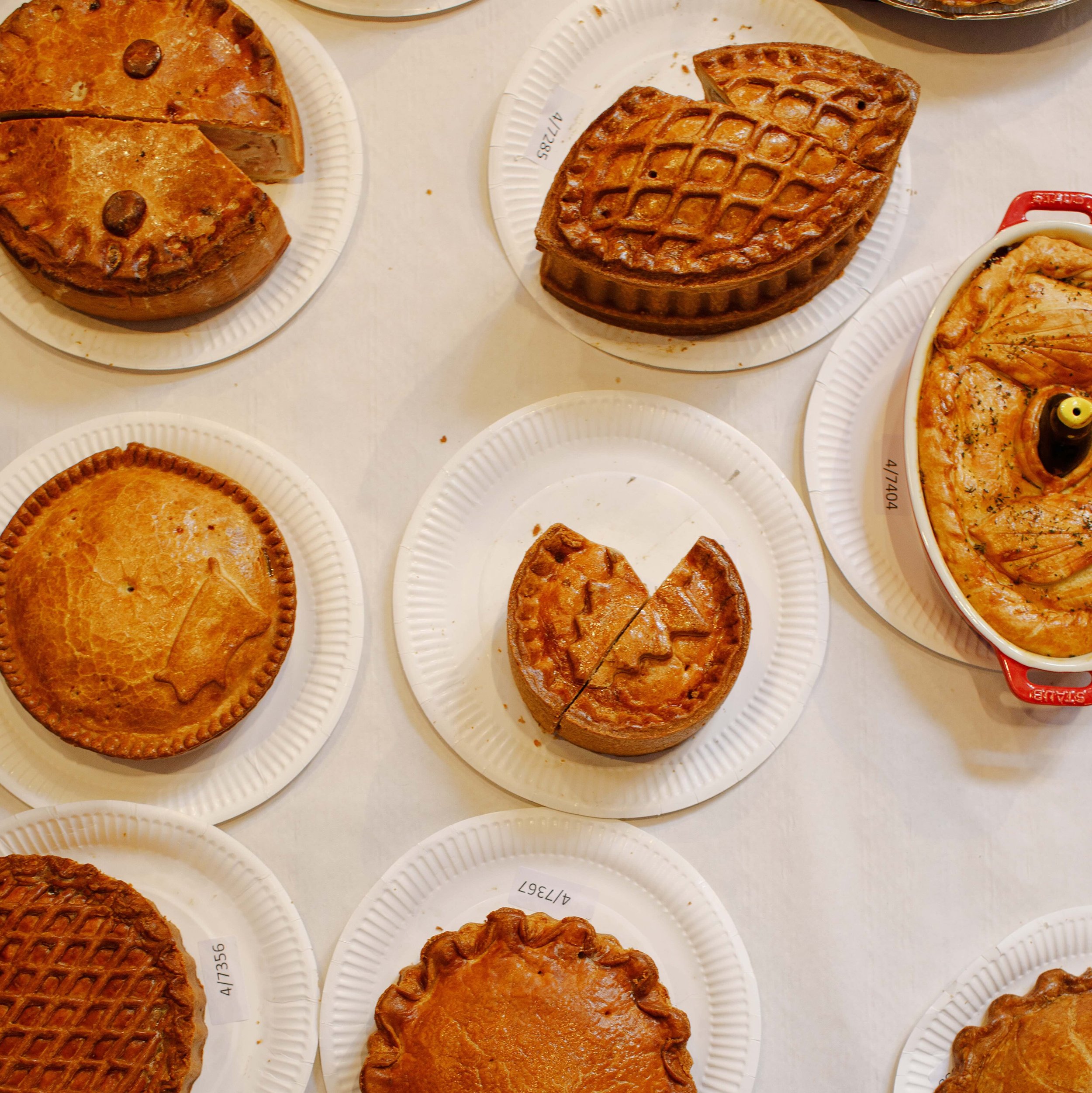
Food | Pies Around Britain

David Parker March 7, 2026

To mark British Pie Week (2-8 March) we’re taking a tour of regional pies and paying homage to a few of our favourites and a few going on our Pie To Try lists

Bedfordshire Clanger

This two-course pie was originally made for 19th century farm workers to save them coming back from the field for their lunch. Clangers are rectangular, like a sausage roll, with a savoury filling in one end (often liver, bacon or pork) and sweet at the other (usually jam or fruit), baked in a suet crust. Their name is thought to derive from their slightly heavy consistency. Subtle, they are not. 

Shropshire’s Fidget Pie

Shropshire is the most famous of the ‘fidget’ pies, though they’re popular all over the Midlands. There are several theories behind the name ‘fidget pie’. Some suggest it’s because they were five-sided  or ‘fitched’, others claim it’s to do with the way the ingredients jump around during cooking. The least enticing theory is that they smell like a ‘fitchett’ or polecat. Delicious! Recipes vary but the main ingredients are gammon, apple, potato and onion.

Cornwall’s Stargazy Pie

Now served all over the south west, Stargazy pie is officially and originally made in Mousehole. One stormy December night, when the cut-off village was close to starvation, a brave fisherman called Tom Bawcock put his boat out to sea and returned with enough fish for the whole village. His catch was baked into one huge pie and the villagers feasted. The inhabitants of Mousehole cook a Stargazy pie (with the heads and tails of pilchards poking out of the pastry top to see the stars) every 23 December in his honour. 

Scotch Pie

These ‘hand-held’ hot water crust pies usually contain beef or lamb (once mutton) and are a common sight at football matches. The pastry lid sits a few centimetres below the edges of the pie allowing for a topping of gravy or baked beans (all your major food groups, there). They date back around 500 years and still fill Scottish bakeries today, sometimes known as a ‘shell pie’.

Welsh Oggie

Much like a Cornish pasty, Welsh Oggies were originally eaten by tin miners enabling them to take a hot lunch down the mines with them that was easy to eat. Oggies tended to be bigger than pasties (presumably Welsh miners were hungrier than their Cornish counterparts), and contained lamb and leeks rather than beef, carrots, potato and onion. 

Lancashire Butter Pie (Preston Catholic Pie) 

One of the cheapest and most cheering pie recipes around, this Northern pie contains simply potatoes, onions and (rather a lot of) butter. Served on Fridays when Catholics traditionally did not eat meat, it’s known in Preston as Catholic Pie or even Friday Pie. It’s also a favourite snack at Preston North End Football Club. 

Devonshire Squab Pie

Traditionally made with young pigeons (hence ‘squab’) but now containing mutton or lamb, this pie also includes apples, onions, prunes and (of course) clotted cream. Those on a health kick may replace it with a dash of double cream. Some still mistakenly refer to the dish as a ‘squabble’ pie, in the belief that the recipe emerged from a disagreement between a meat-pie-loving husband and an apple-pie-loving wife. You can see the confusion, given that there’s not a squab in sight now, but sadly, it’s a misnomer. 

Leicestershire’s Melton Mowbray Pork Pie

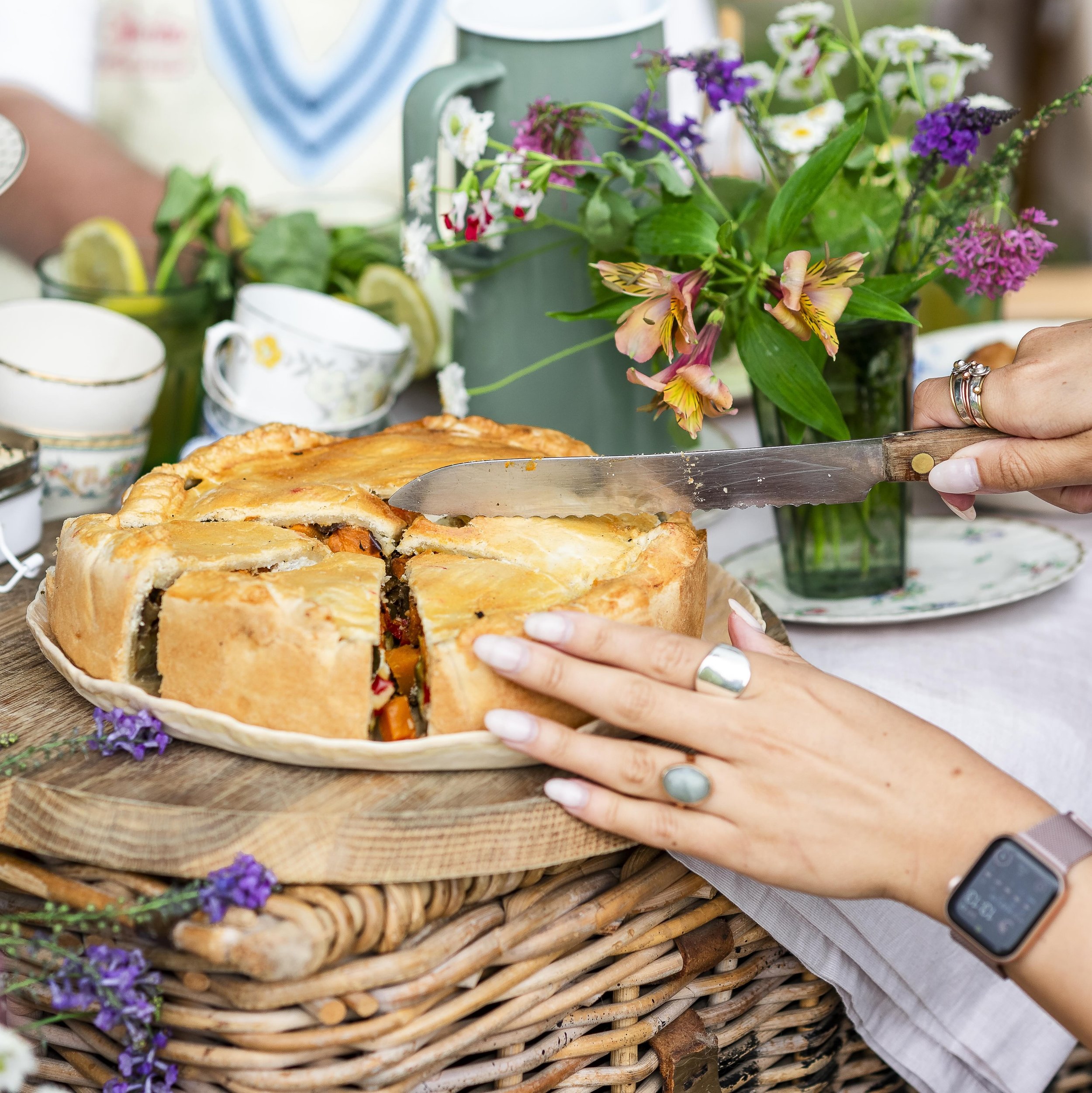
The humble pork pie dates back to medieval times but it is the Melton Mowbray version that stands as Pie King, head and shoulders above other, lesser, pork pies. In fact, it was so admired that in 2008 they were given EU geographic protection status, meaning they could only be sold as ‘Melton Mowbray’ pork pies if they adhered to certain criteria AND were made within a ten-mile radius of the town. A hot water crust encases the chopped pork and aspic filling and they are baked freestanding, not in a mould, which is what gives them their slightly bowed appearance. Possibly originally made for local fox-hunters, they are now a picnic basket staple. Brook no substitutes. 

Yorkshire’s Knaresborough Picnic Pie

A summery pie, ideal for slicing and eating outdoors. The basic recipe is simply layers of boiled ham and sliced eggs, baked in pastry, but various bakeries add their own ingredients to make it ‘theirs’. Delicious with a good chutney. 

Sussex Churdle 

A ‘dry’ savoury pie which dates back to the 17th century made of one sheet of pastry filled with liver, bacon and onion. Once baked you create a ‘chimney’ in the middle and pour in melted cheese. We’re unsure if this is pie genius or pie heresy. 

In our March issue, we take a trip to Melton Mowbray to visit the British Pie Awards and see the judging in action. The feature is by Julian Owen and the photography by Jonathan Cherry. The issue is in shops now.

Buy this month's The Simple Things -buy, download or subscribe

More pies to make and eat…

Featured
picnic pie 2 square.jpeg
Jun 28, 2025
Recipe | Veggie Picnic Pie
Jun 28, 2025
Jun 28, 2025
SIM69.PIEANDMASH_Vegetable Plthivier-8436.jpg
Mar 8, 2025
Recipe | Pepper, aubergine & feta pithivier
Mar 8, 2025
Mar 8, 2025
Torta Pasqualina.jpg
Apr 8, 2023
Recipe | Easter Pie (Torta Pasqualina)
Apr 8, 2023
Apr 8, 2023

More from our blog…

Featured
April Get Lucky playst.png
Mar 18, 2026
Playlist | Get Lucky
Mar 18, 2026
Mar 18, 2026
Lazy Susan 1.jpeg
Mar 18, 2026
Competition | Win one of four garden benches from Lazy Susan
Mar 18, 2026
Mar 18, 2026
Weleda 1.jpeg
Mar 18, 2026
Competition | Win a Nourishing Skin Food Bundle from Weleda
Mar 18, 2026
Mar 18, 2026
In Eating Tags issue 165, pies, regional food
Comment

Photograph by Alamy

Outing | Book-based trails to follow

David Parker March 5, 2026

Add some wonder to your wanders with literary trails for bookish walkers

Book-based routes are a chance to not only stretch your legs but expand your mind, with the option to discover literature that’s new to you, or experience a familiar work in the context of nature. Stover Country Park, near Newton Abbot in Devon, is host to a two-mile Ted Hughes Poetry Trail, following 16 posts, showing his poems about the natural world – there’s a children’s version, too. Meanwhile, the Rye Harbour Poetry Trail was created by a group of writers who meet at the harbour’s nature reserve, and a collection of 13 poems that take visitors on a wheelchair-accessible two-mile circuit. You can listen to the verse recited by the authors via a QR code at each post. Another collaboration includes the Norwich Bestiary Trail, a project in which a writer has worked with young people aged 14-18 to write a dozen poems about animals – most associated with the medieval city, and some ‘imagined into its past’, that are featured in different locations around its streets.

If you’ve a thirst for ginger beer and an appetite for adventure, try the Enid Blyton Trail in Dorset – the county was the inspiration for much of her Famous Five series (Kirrin Island was based on Corfe Castle).

Having trouble appealing to a wide range of tastes? The Jane Eyre Hathersage Trail in the Peak District may be the answer as it combines places that featured in Charlotte Brontë’s famous novel, as well as locations used in Robin Hood as well as the 1995 TV version of Pride And Prejudice.

The above extract is taken from our feature ‘On The Trail’ from our March issue, which explores organised trails you can follow all over the country on various themes.

Buy this month's The Simple Things -buy, download or subscribe

More days out to try…

Featured
Book trails Alamy.jpeg
Mar 5, 2026
Outing | Book-based trails to follow
Mar 5, 2026
Mar 5, 2026
@the.narrows.project 2.jpeg
Mar 22, 2025
Outing | Music Rooms
Mar 22, 2025
Mar 22, 2025
Dog Days Out Stocksy.jpg
Sep 5, 2024
Outings | Days out for You and Your Dog
Sep 5, 2024
Sep 5, 2024

More from our March issue…

Featured
April Get Lucky playst.png
Mar 18, 2026
Playlist | Get Lucky
Mar 18, 2026
Mar 18, 2026
Lazy Susan 1.jpeg
Mar 18, 2026
Competition | Win one of four garden benches from Lazy Susan
Mar 18, 2026
Mar 18, 2026
Weleda 1.jpeg
Mar 18, 2026
Competition | Win a Nourishing Skin Food Bundle from Weleda
Mar 18, 2026
Mar 18, 2026
In outing Tags issue 165, outings, trails, books
Comment

Grow | Homegrown Chamomile Tea

David Parker March 1, 2026

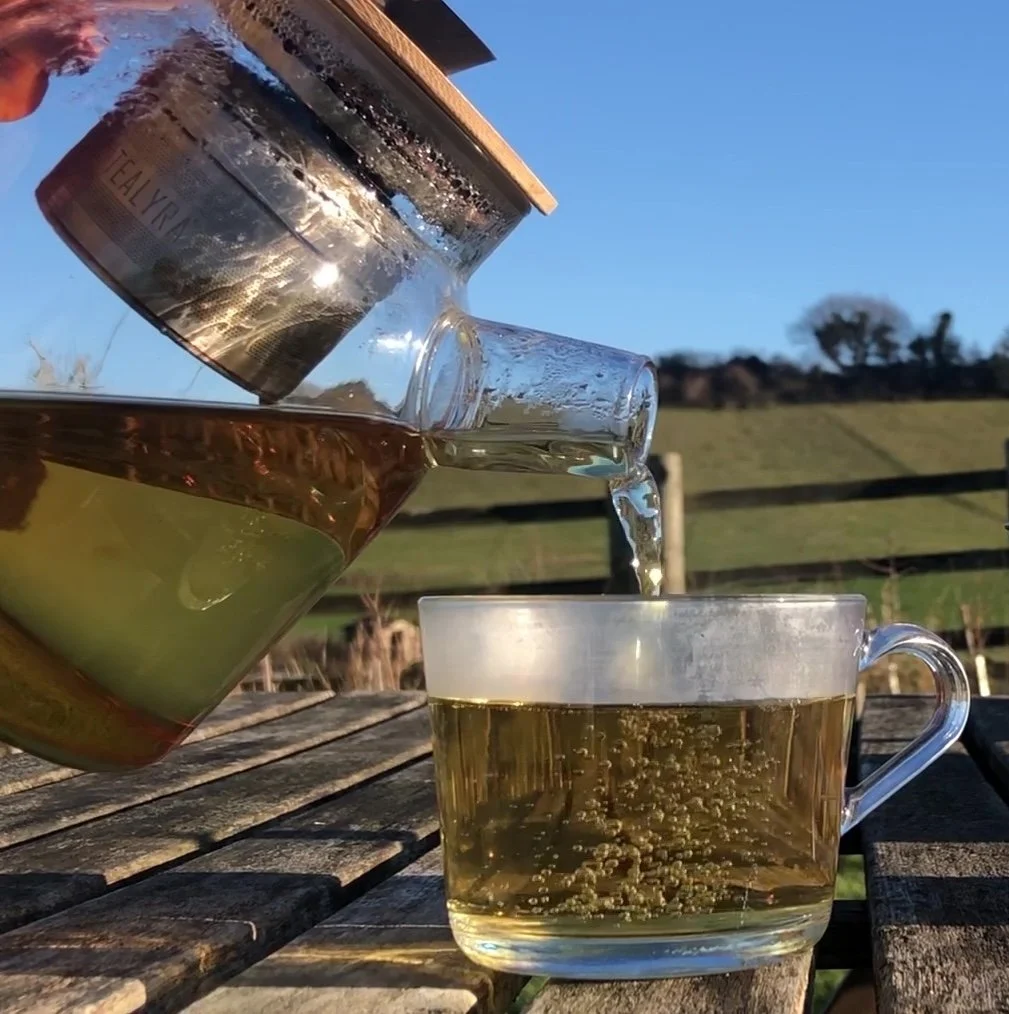
Fresh chamomile tea is a real treat and it’s well worth growing your own…

• Scatter German Chamomile seed on the surface of a tray filled with damp, peat-free compost in March-May.

• Transplant the seedlings into the garden when large enough to handle and the risk of frost has passed. Water young plants in dry weather and remove and relocate slugs as necessary.

• Once established, the plants are fairly drought tolerant and don’t need much attention.

• Harvest the flower heads when they have a bright yellow centre, on a dry, sunny morning. Avoid picking any with green centres, or any leaves and stems, as these will make the tea bitter. Pour boiling water on the fresh flowers and leave to infuse for a few minutes, then strain.

• The chamomile plant will continue to produce flowers throughout the growing season, but once you stop picking the flowers, it will readily self-seed.

The growing instructions above were taken from our March issue’s ‘My Plot’ pages, which we’ve called ‘The Tea Garden’. The feature follows husband and wife team, Ceri and Ben Richards, who grow, dry and blend premium herbal teas on their wildlife-friendly farm in east Devon. They sell their brews under the name Gathered & Grown, and farm without using artificial herbicides, pesticides, fertilisers or peat. You can find them at gatheredandgrown.co.uk or follow them on Instagram at: @gatheredandgrownherbs. Words & photography by Ceri Richards Additional photography by Ben Richards.

Buy this month's The Simple Things -buy, download or subscribe

More inspiration for those who love a cuppa…

Featured
New - Tea pouring 2.jpeg
Mar 1, 2026
Grow | Homegrown Chamomile Tea
Mar 1, 2026
Mar 1, 2026
TEA COSY JUMPER.jpg
Jan 25, 2025
How to | Make a Tea Cosy from an Old Jumper
Jan 25, 2025
Jan 25, 2025
tea and cake 2.jpg
Jul 14, 2020
Tea and scent pairings
Jul 14, 2020
Jul 14, 2020

More from our March issue…

Featured
April Get Lucky playst.png
Mar 18, 2026
Playlist | Get Lucky
Mar 18, 2026
Mar 18, 2026
Lazy Susan 1.jpeg
Mar 18, 2026
Competition | Win one of four garden benches from Lazy Susan
Mar 18, 2026
Mar 18, 2026
Weleda 1.jpeg
Mar 18, 2026
Competition | Win a Nourishing Skin Food Bundle from Weleda
Mar 18, 2026
Mar 18, 2026
In gardening Tags issue 165, tea, grow your own
Comment

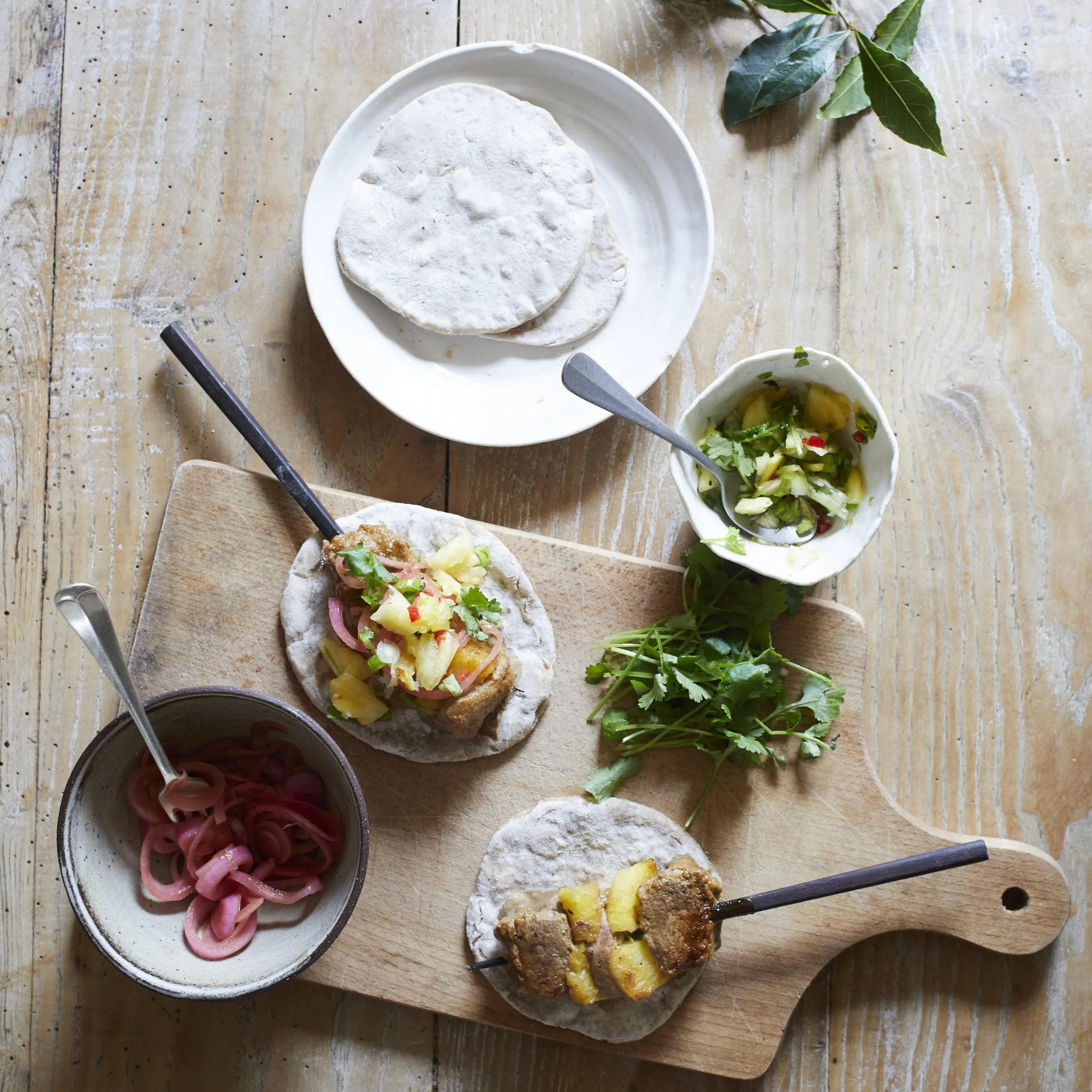
Recipe | Pineapple Tacos

David Parker February 28, 2026

Photography by Ali Allen

Inspired by Tacos al Pastor, this is a smokier and more simplified sauce as the traditional version has harder-to-access ingredients.

SERVES 2-4

250g diced pork or diced chicken or shiitake mushrooms
150g roast pineapple BBQ sauce (see February issue)
200g fresh pineapple, cut into 2-3cm cubes
1 tbsp olive oil

For the pink taco pickles:
1 large or 2 small red onion(s), thinly sliced
100ml apple cider vinegar
½ tsp coriander seeds
4 cloves

For the fresh pineapple salsa:
200g fresh pineapple, finely diced
1 tbsp olive oil
4 spring onions, thinly sliced
1 fresh chilli, finely chopped or ½ tsp chilli flakes
Large handful fresh coriander, finely chopped
2 limes, zested and juiced

To serve:
4 small or 2 large tortilla wraps

You’ll also need:
4 bamboo skewers, or alternative

1 Mix the diced pork, chicken or mushrooms with the pineapple BBQ sauce until thoroughly coated. Cover and marinate in the fridge overnight or at room temperature for 1 hr.

2 Make the pickles next by mixing all of the ingredients together with a pinch of salt. Cover and leave to marinate for at least 1 hr, or overnight.

3 Soak the bamboo skewers. Thread the marinated pork, chicken or mushrooms onto the skewers with the pineapple, alternating between the two. Set aside.

4 Mix all of the ingredients for the salsa with the zest and juice of the limes. Add a little sea salt, to taste.

5 Preheat agrill to high. Drizzle the olive oil over the prepared skewers and grill for 5-7 mins on each side, or until nicely charred – if using pork or chicken, test the centre to ensure the meat is cooked through.

6 Warm the tortillas and place the skewers in the centre. Dust with a pinch of salt and top with pineapple salsa and the pink taco pickles.

The recipe above is taken from our March ‘Home Economics’ pages, which this month focus on tropical fruits to cheer the Hungry Gap. It also includes recipes for Mango Mojito Sorbet, Mango Sorbet with Honey & Olive Oil, South Indian Green Banana Curry, Banana Skin Chutney, Tepache, Roast Pineapple Barbecue Sauce, Fresh Coconut Laksa and Crab Cakes. The recipes are by Rachel de Thample and the photography is by Ali Allen.

Buy this month's The Simple Things -buy, download or subscribe

More Mexican food for Spring tables…

Featured
Pastor Tacos.jpg
Feb 28, 2026
Recipe | Pineapple Tacos
Feb 28, 2026
Feb 28, 2026
Streetcorn.JPG
Mar 5, 2022
Recipe | Street corn (Elotes)
Mar 5, 2022
Mar 5, 2022
May 18, 2016
Recipe: Guacamole
May 18, 2016
May 18, 2016

More from our March issue…

Featured
April Get Lucky playst.png
Mar 18, 2026
Playlist | Get Lucky
Mar 18, 2026
Mar 18, 2026
Lazy Susan 1.jpeg
Mar 18, 2026
Competition | Win one of four garden benches from Lazy Susan
Mar 18, 2026
Mar 18, 2026
Weleda 1.jpeg
Mar 18, 2026
Competition | Win a Nourishing Skin Food Bundle from Weleda
Mar 18, 2026
Mar 18, 2026
In Eating Tags issue 165, mexican, pineapple, tropical fruits
Comment

DJ: Frances Ambler
Image: Adobe Stock

Playlist | Mothers

David Parker February 20, 2026

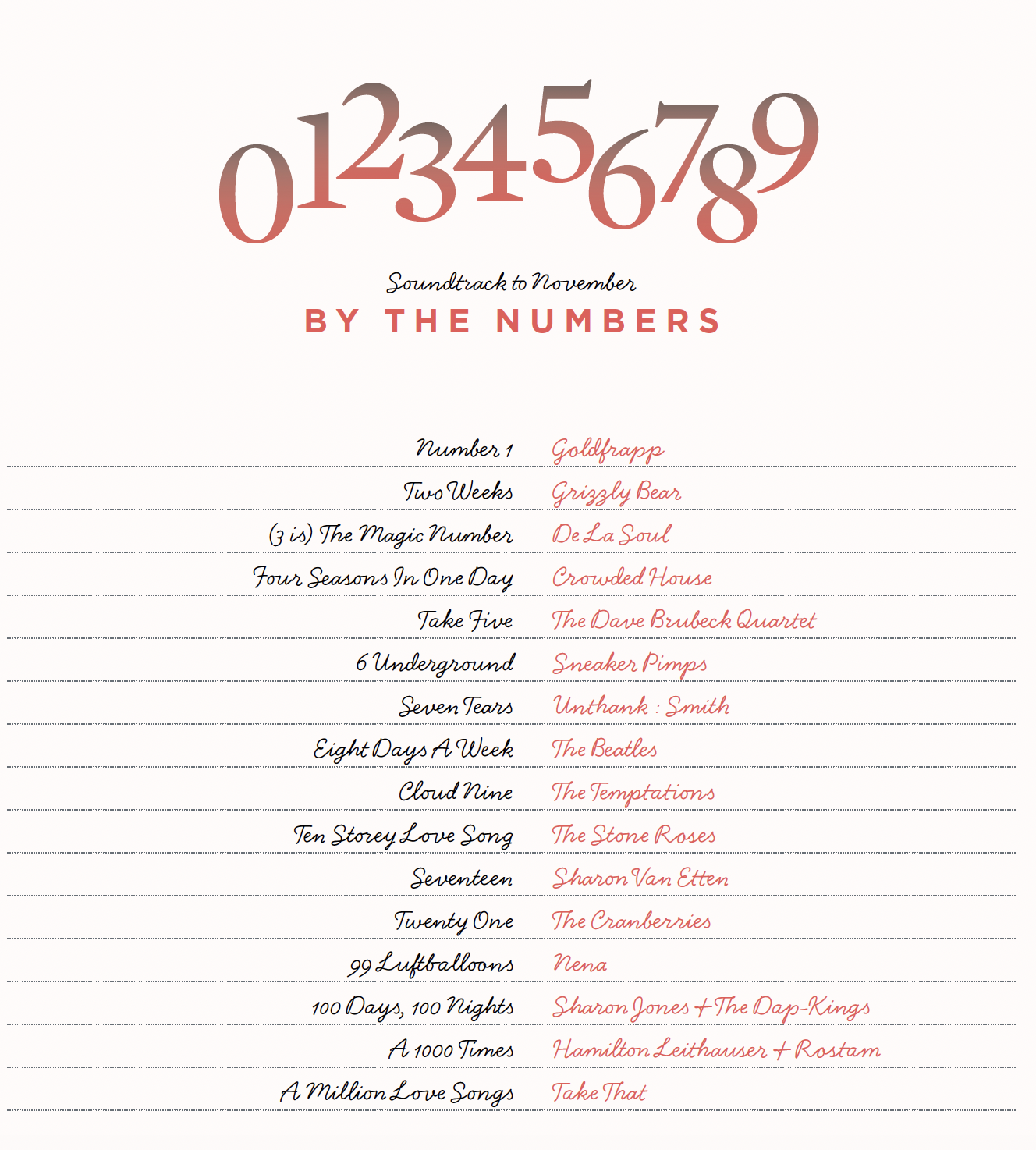
To mark Mother’s Day on 15 March, our latest playlist is dedicated to mothers, mums, moms and mammas.

Have a listen here.

We make a playlist for every issue of The Simple Things. You’ll find this in our March 26 PEEK issue, available to buy here.

In playlist Tags playlist, issue 165, March, mother's day, Peek
Comment
Featured
 MARCH ISSUE   Buy  ,   download  or  subscribe   Pre-order a copy of  our new Homebird bookazine   Buy  Flourish Volume 4 , our wellbeing bookazine Order our  our new Celebrations Anthology   See the sample of our latest issue  here   Listen to  our
Feb 27, 2026
Feb 27, 2026

MARCH ISSUE

Buy, download or subscribe
Pre-order a copy of our new Homebird bookazine

Buy Flourish Volume 4, our wellbeing bookazine
Order our our new Celebrations Anthology

See the sample of our latest issue here

Listen to our podcast – Small Ways to Live Well

Feb 27, 2026
Join our Newsletter
Name
Email *

We respect your privacy and won't share your data.

email marketing by activecampaign
facebook-unauth pinterest spotify instagram
  • Subscriber Login
  • Stockists
  • Advertise
  • Contact

The Simple Things is published by Iceberg Press

The Simple Things

Taking time to live well

We celebrate slowing down, enjoying what you have, making the most of where you live, enjoying the company of of friends and family, and feeding them well. We like to grow some of our own vegetables, visit local markets, rummage for vintage finds, and decorate our home with the plunder. We love being outdoors and enjoy the satisfaction that comes with a job well done.

facebook-unauth pinterest spotify instagram