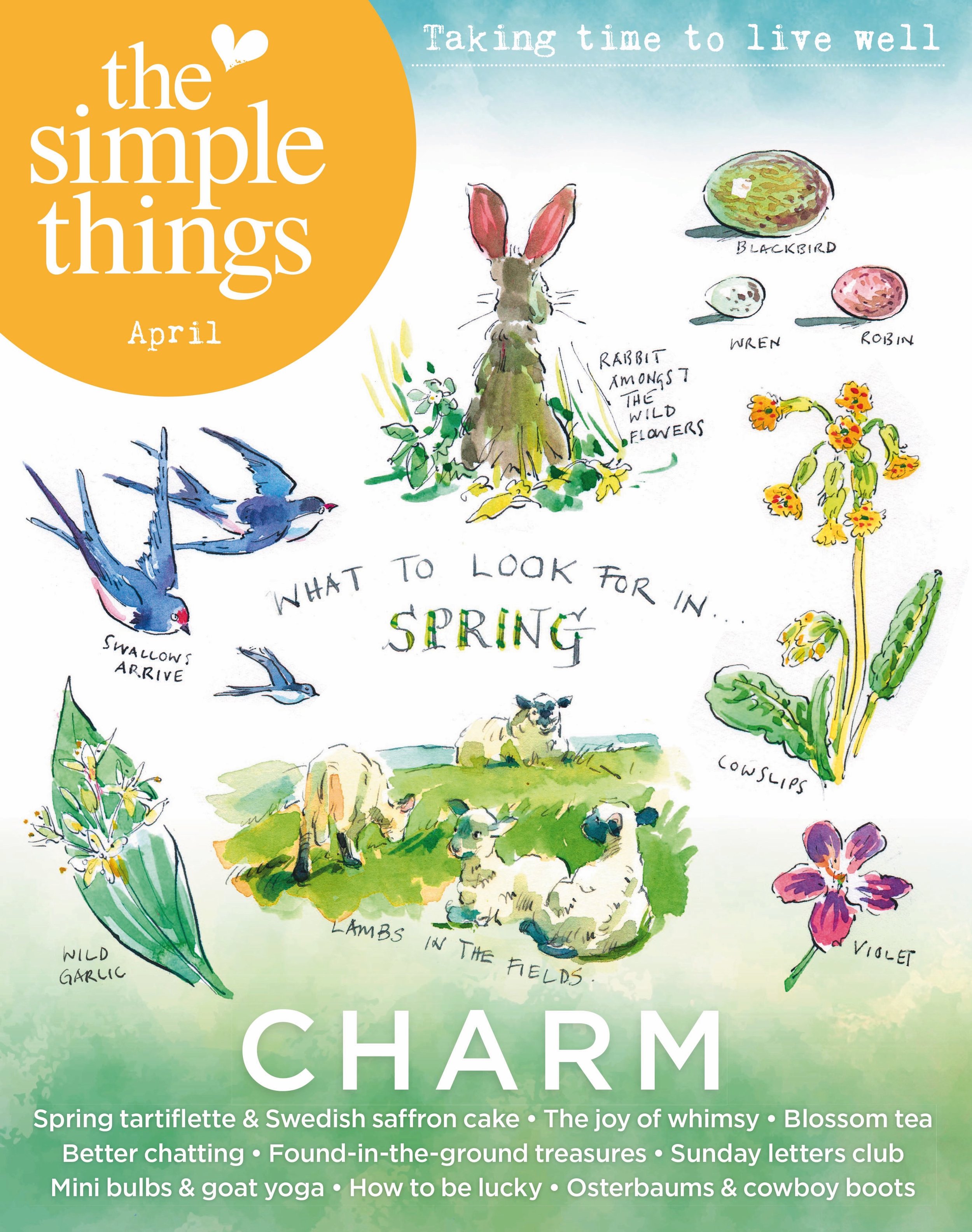
We hope you’ve spotted our April cover out in the wild, which is full of signs of spring to notice. We’ve put together an Eye Spy type guide to help you spot all our spring cover stars from wildflowers to wildlife. Tick them off as you go - Spring has truly sprung!
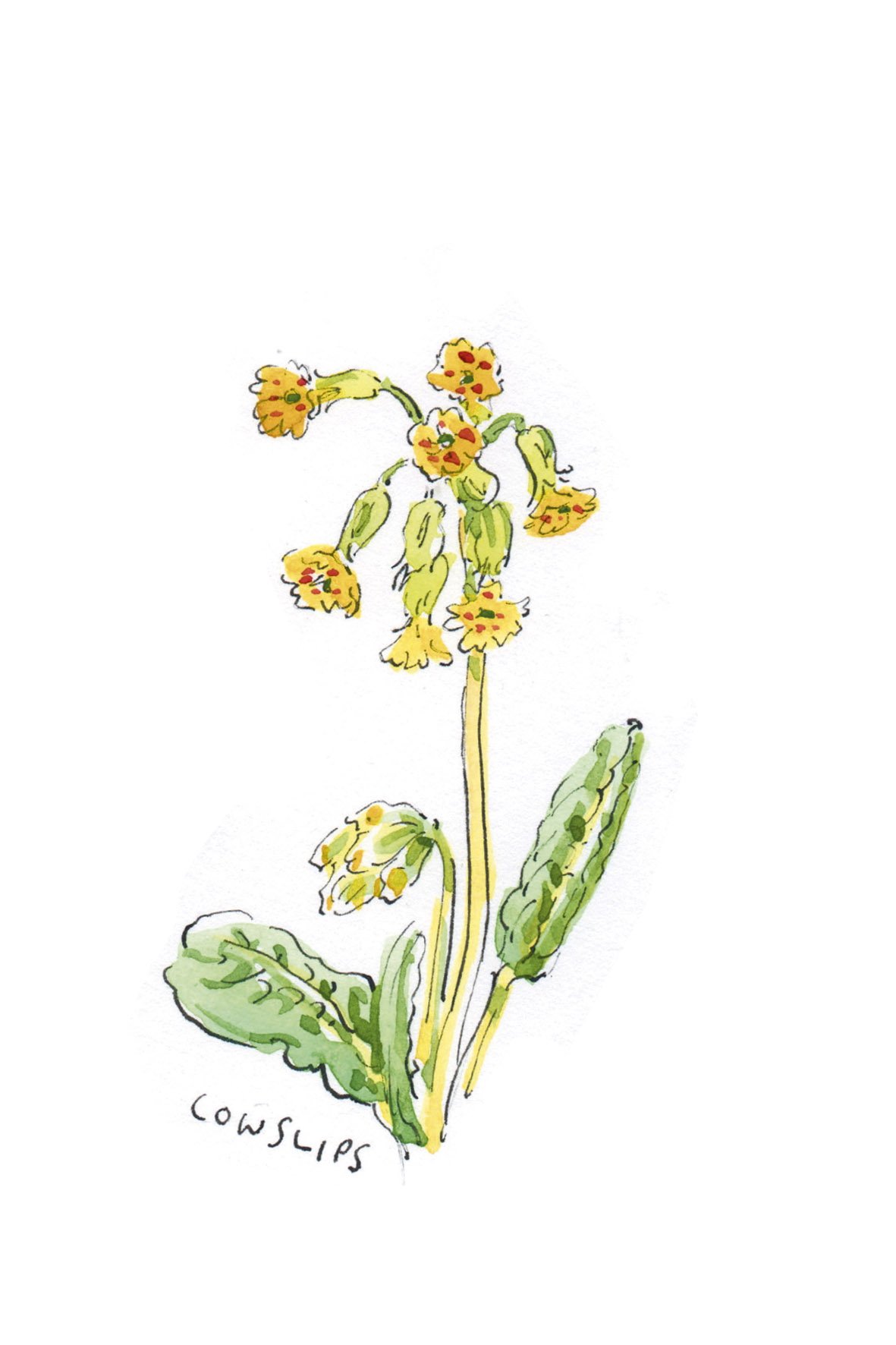
Cowslips
Spot cowslips from April to May, depending on where you are in the country and how warm it’s been. You’ll notice them in woods, grasslands and meadows, as well as on grass verges and even gardens, particularly in areas that have chalky soil.
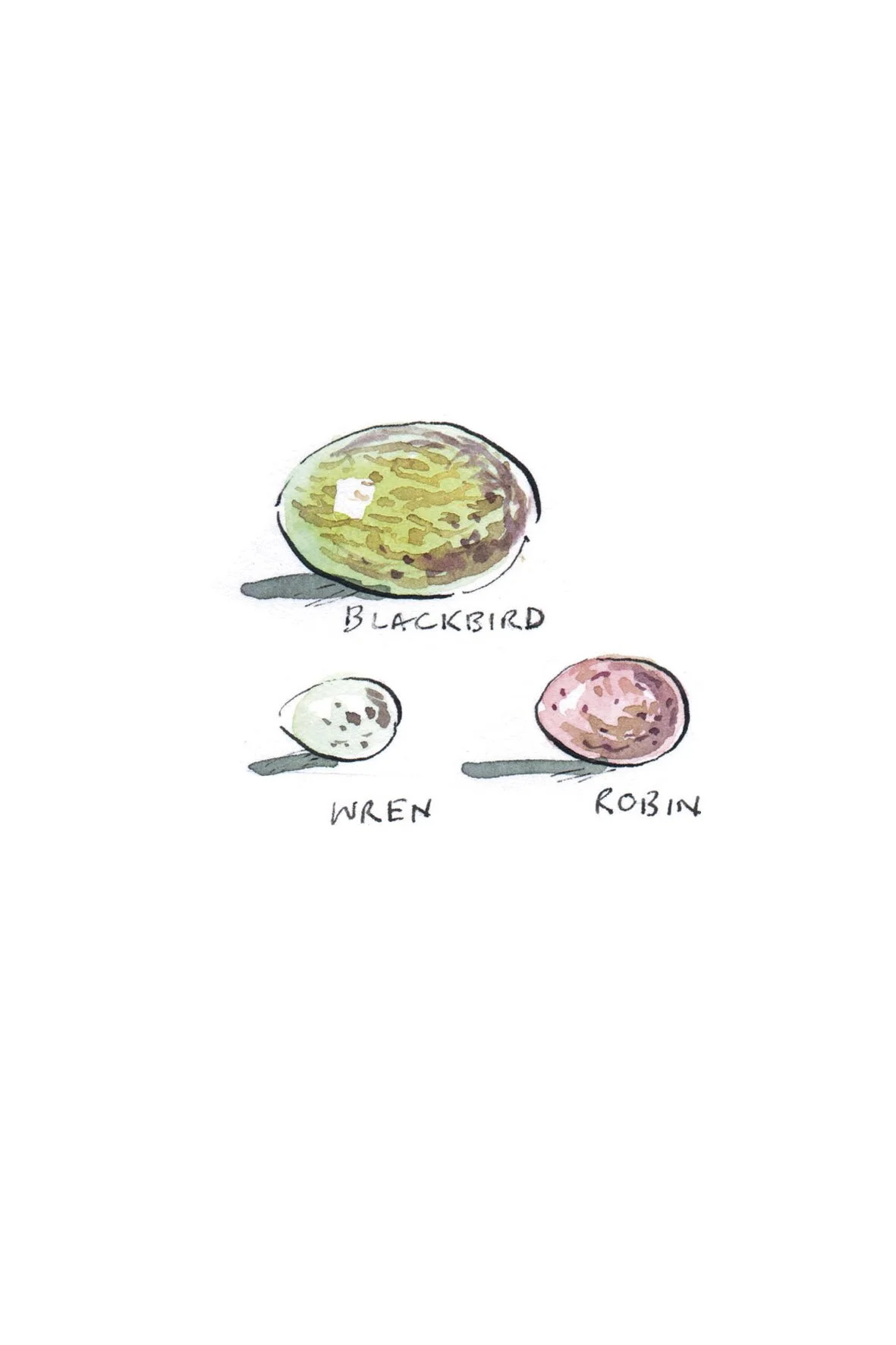
Blackbird, wren and robin eggs
Blackbirds breed from March to the end of July and they tend to have two or three broods, each with a clutch of three to five eggs. Chicks hatch after two weeks. Wrens breed in early spring, laying five to seven eggs but will also often have a second brood. Robins can begin their breeding season as early as January if it’s been mild but usually lay eggs from mid-April to mid-August. Each clutch is made up of four to six eggs.
The RSPB reminds us that it’s absolutely not ok to go out hunting for nests that are in use and nesting birds should never be disturbed as the parent birds may abandon the nest. So stay right away from nests, but if you find the remnants of a hatched egg on the floor below a nesting site, they’re fine to take for your nature table.
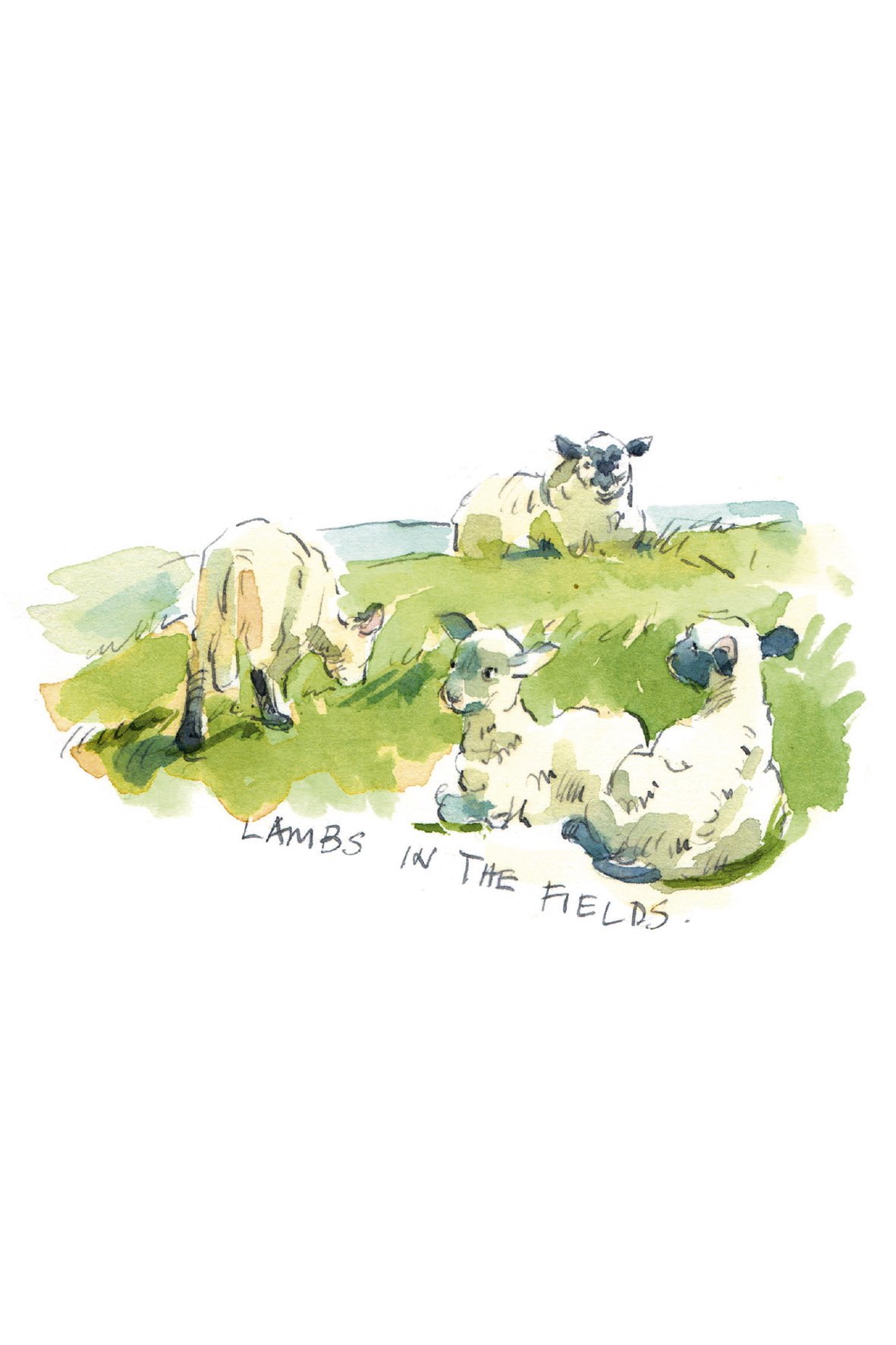
Lambs
The lambing season runs from February to April, indeed some farmers will lamb before Christmas. However, peak lambing season is March and April, since rams are put in with ewes for tupping from October onwards. A sheep’s gestation is around 145 days and sheep farmers will tell you that if a ram goes in with the ewes on Bonfire Night, the lambs will arrive on April 1st (“in with a bang and out like fools”). Search for local lambing events near you - lots of farms now open for lambing season and even do yoga with lambs and other similar events in spring.
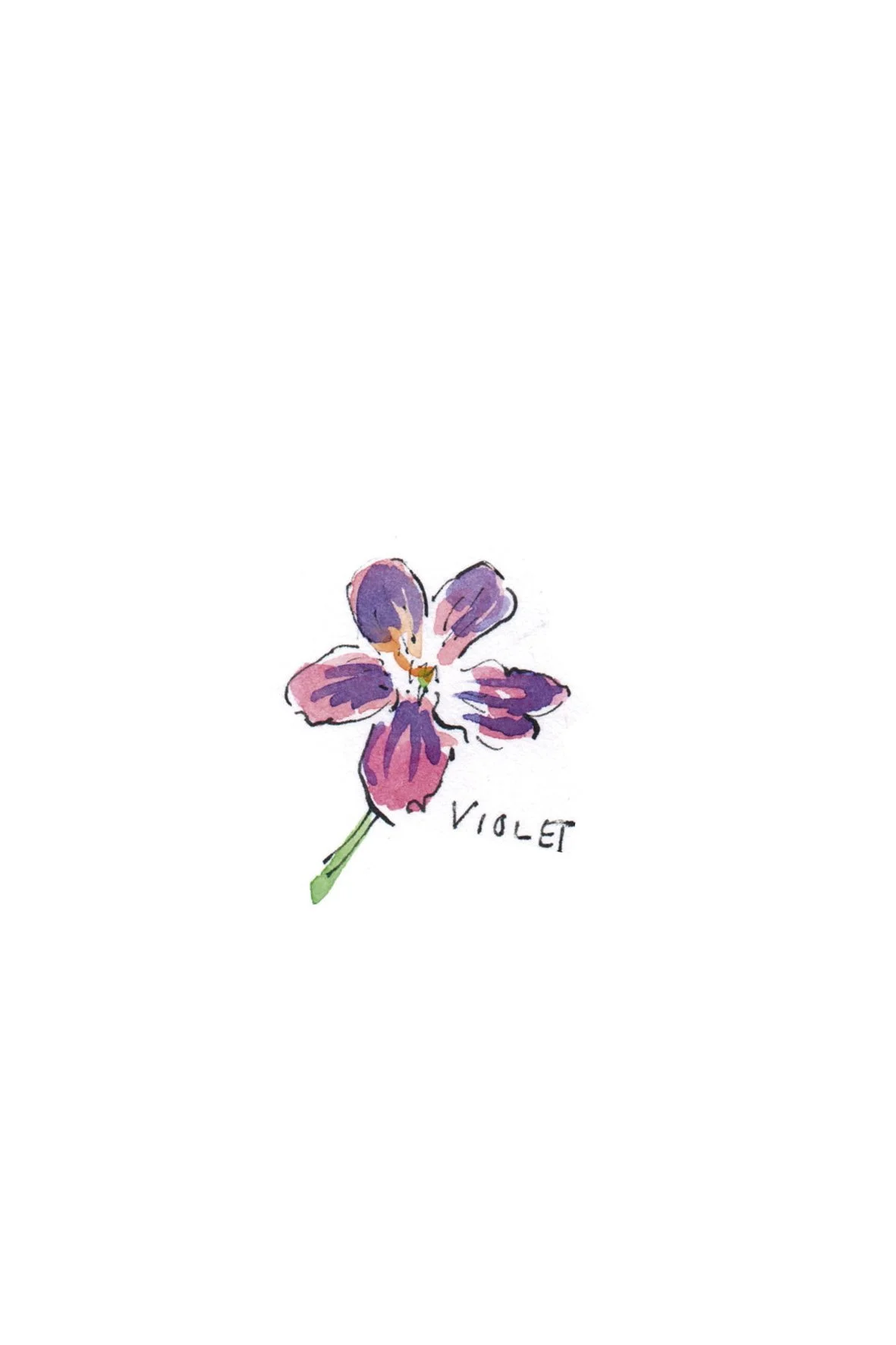
Violets
There are two types of violet growing in the UK: sweet violets and dog violets. They look almost identical with their distinctive five purple petals but sweet violets smell, well… sweet, while dog violets are unscented. Sweet violets bloom from March to May and dog violets from April to June, so we’re treated to a nice smattering of purple in woodlands from early Spring to early Summer. Sweet violets can occasionally appear in a white or lilac variety, too. Extra points if you spot one of those.
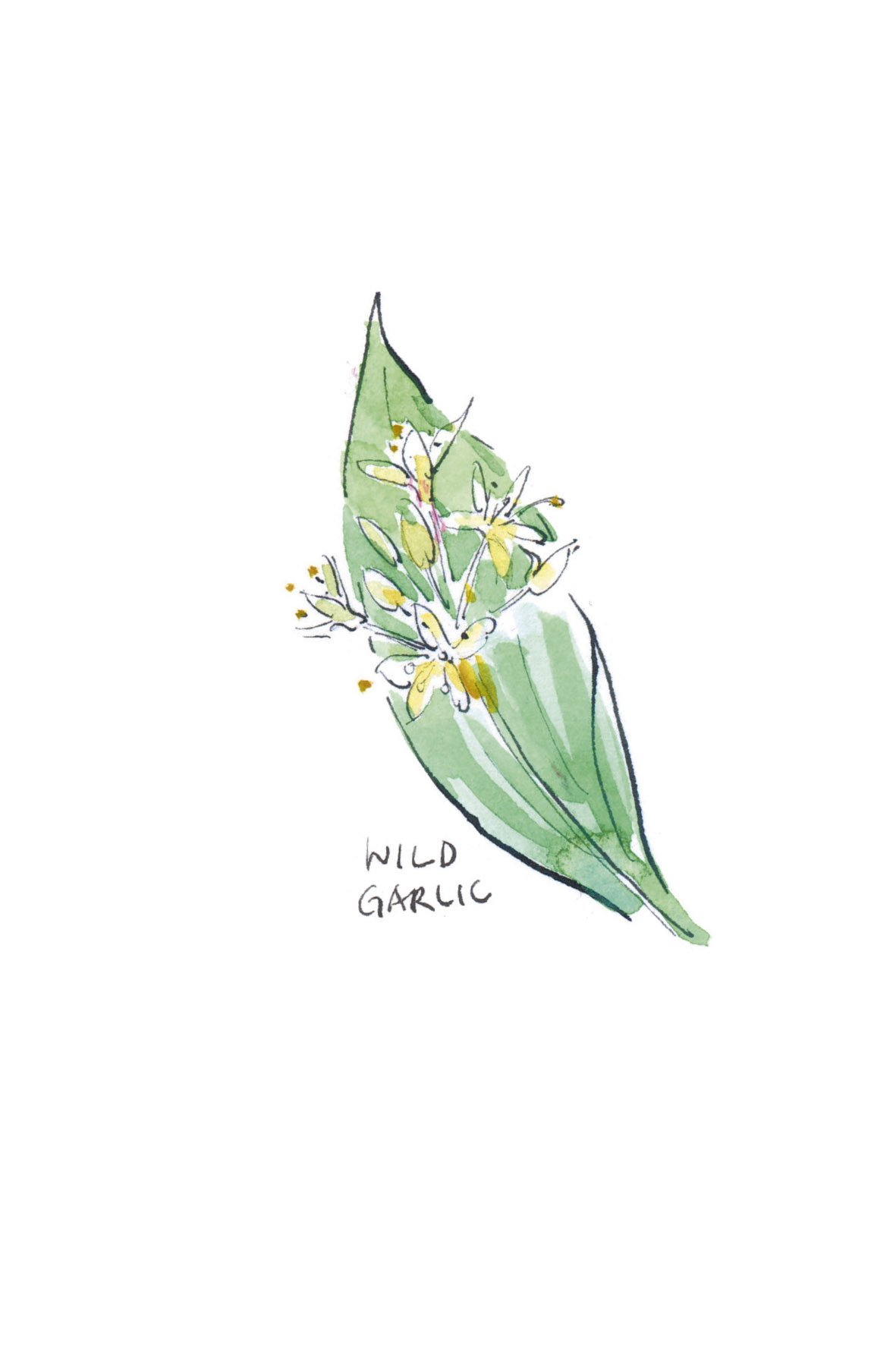
Wild garlic
This is around from the end of March until as late as early July but if you’re after foraging its leaves to eat, they’re best picked young, almost as soon as they appear. April is generally a good time to forage wild garlic; look in woodlands, particularly where there is chalky soil, and damp areas such as near riverbanks. The tiny white flowers bloom a little later, and should be checked carefully before picking as they’re easily mistaken for Lily of the Valley, which is poisonous. Lily of the Valley, however, has distinctive bell-shaped flowers, which wild garlic does not, and wild garlic leaves will have an obvious garlic scent.
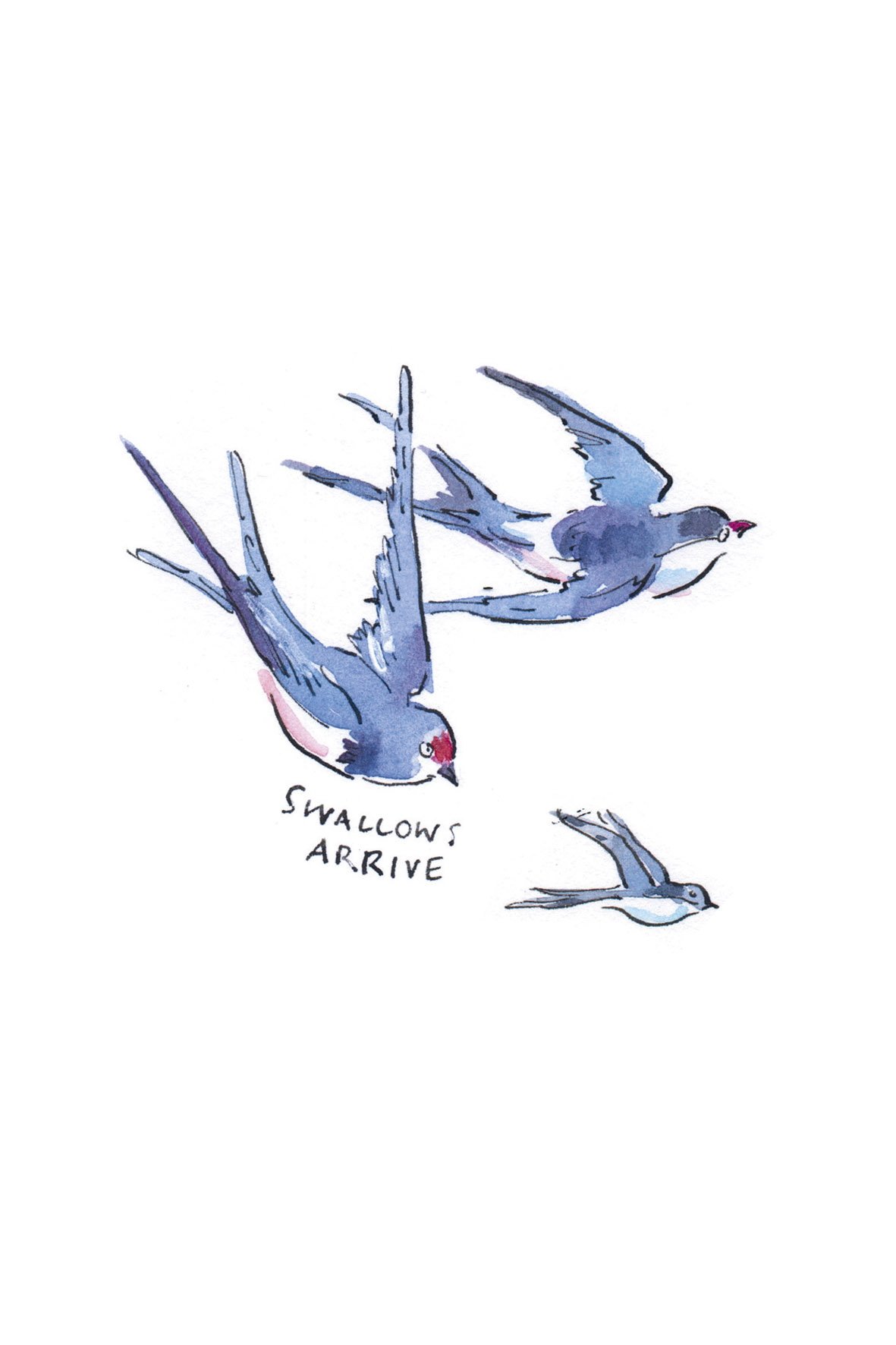
Swallows
These fork-tailed beauties arrive from southern Africa in April and stay all summer. They can usually be spotted on farmland (they’re sometimes called Barn Swallows) or near open water where they can find lots of insects to eat on the wing, swooping over water with their beaks open. They can be distinguished from the similar-looking swifts by their upbeat, chattering call.
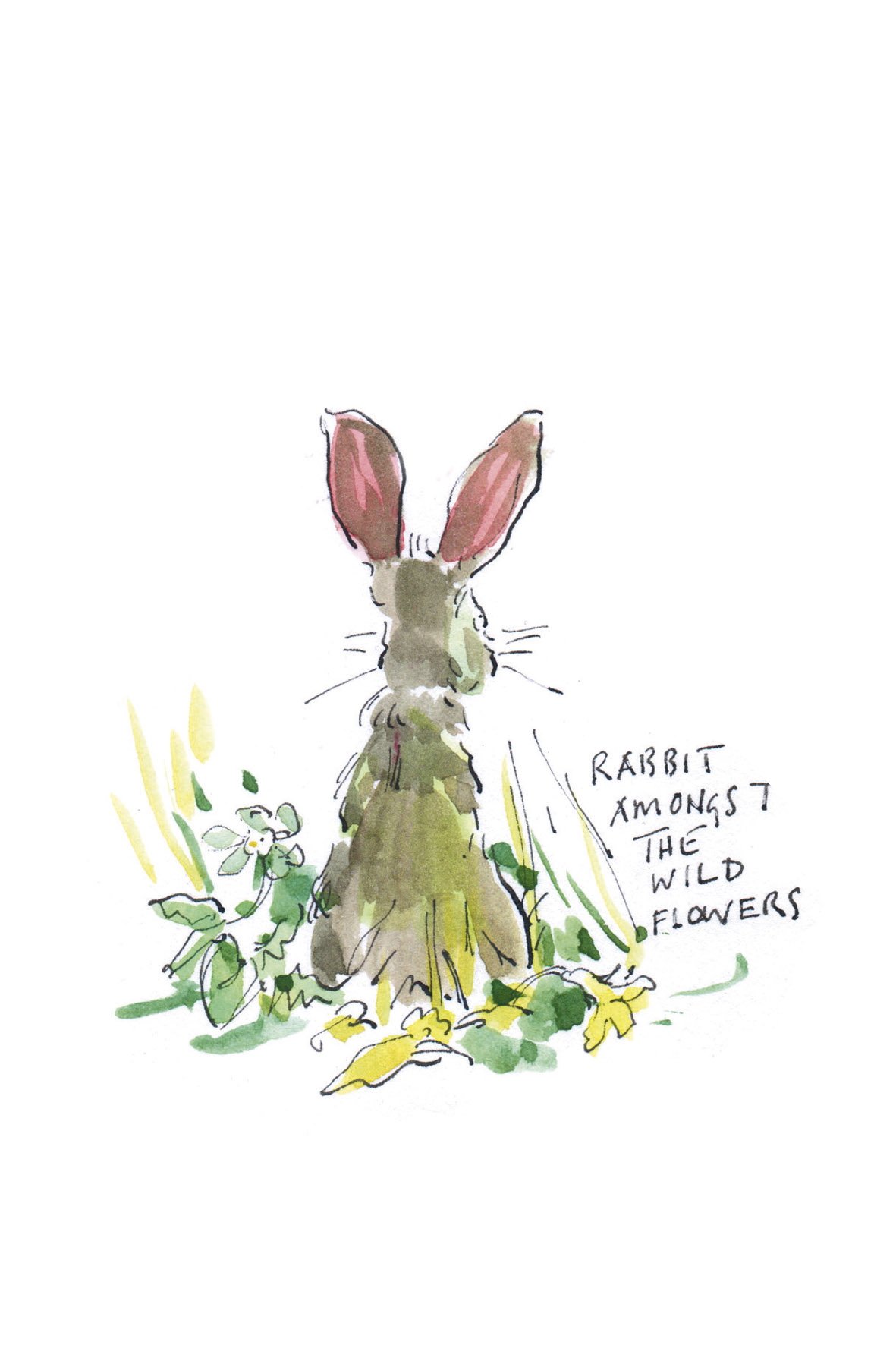
Rabbits
Does bring their first litters of kittens (no, not ‘bunnies’ thank you) above ground in March but will continue to have litters through spring and summer, so keep an eye open for flashes of little white cottontails as they dash along fields or through woodlands, or tall brown ears poking up in grasslands. The best time to spot them is early morning or late evening when they’ll be out grazing.
These illustrations are all taken from our April cover, pictured above, and are by the talented illustrator Claire Fletcher. See more of her work on Instagram (@clairefletcherillustration).
Buy this month's The Simple Things -buy, download or subscribe