
Image: Katharine Davies

Staple foods: 2. Sugar
Quite literally the icing on the cake, sugar, in all its varied forms, is a tempting treat
Words: LAURA ROWE Illustrations: VICKI TURNER
For something with little flavour and no vitamins, minerals or proteins, it’s a wonder that sugar plays such an important part in our daily diets. But thanks to its effectiveness as a sweetener, flavour enhancer and energy source, and its relative cheapness, it’s hard to imagine living without it. Spooned into coffee, sprinkled on fruit or whipped into fluffy meringues, there are so many ways we consume it.
While historically we turned to honey, our main source of sugar now comes from sugar cane, which was originally grown in the East before commercial agriculture began in the tropics, fuelling a burgeoning slave trade.
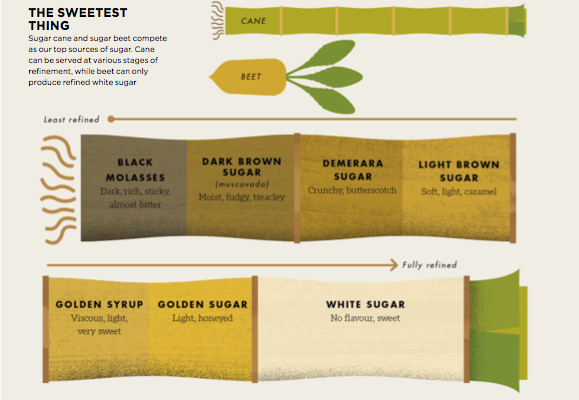
Sugar cane and sugar beet compete as our top sources of sugar. Cane can be served at various stages of refinement, while beet can only produce refined white sugar.
The cane is filled with a sweet pulp – the liquid is extracted and refined in stages, finally producing white sugar. Sugar beet, a relative of beetroot, which can be grown in more temperate climates, is our second biggest source of the stuff.
Wherever its origins, though, highly refined sugar has become the new bad boy of the food world, with nutritionists in their masses calling for avoidance and substitution. It’s in part thanks to the rise in consumption of processed foods and fizzy soft drinks, packed with hidden sugars (such as corn syrup) and artificial sweeteners, that many are now turning to alternatives. But if you can’t resist a spoonful or two of the white stuff (and who of us can?), then make sure you look out for the Fairtrade symbol to ensure your sugar has been grown and harvested in an ethical way.
Extracted from Taste: The Infographic Book of Food by Laura Rowe, illustrated by Vicki Turner (Aurum Press)
Read more:
Recipe: Rhubarb and rosewater tart


Rhubarb tart recipe: Lia Leendertz
Photography: Kirstie Young
Recipe: Rhubarb and rosewater tart with cardamom and honey cream
A delicious frangipane that balances sweet and sharp flavours, this rhubarb and rosewater tart is the triumphant finale to our supper club menu on page 24 of April’s The Simple Things.
Rhubarb and rosewater tart with cardamom and honey cream
Serves 10
For the pastry
225g plain flour
100g chilled, salted butter, cubed
50g caster sugar
1 large egg
1⁄4 tsp rosewater
2 tbsp chilled water
For the filling
175g butter
175g caster sugar
4 large eggs
175g ground almonds
1 tsp almond extract
1⁄4 tsp rosewater
110g rhubarb cut into 2-inch pieces
2 tbsp slivered almonds
1 To make the pastry, put the flour and butter into a food processor and pulse until it resembles breadcrumbs. Add the sugar and whizz again, then add the egg, rosewater and water and pulse until the mixture starts to come together a little. Tip it into a large bowl and bring together with your hands, kneading briefly until it is a soft ball. Slightly flatten it with one hand, wrap in cling film, and chill for 30 minutes.
2 Roll the pastry out on a floured surface and use it to carefully line a 28cm loose-bottomed flan tin, pushing it gently into all of the corners but leaving the extra hanging over the edge. Prick the base all over using a fork and then chill again for ten minutes.
3 Preheat oven to 190C/Fan 170/375F and place a flat baking tray on the oven’s middle shelf. Take a large piece of kitchen foil, scrunch it up to soften it, then spread it out and use it to cover the pastry. Tip in baking beads to cover the surface well (use rice if you don’t have beads), then place this carefully onto the heated tray and cook for 15 minutes. Remove foil and beads and bake for a further 10 minutes. Remove from the oven and carefully trim off the excess pastry, using a serrated knife drawn in small movements horizontally across the edges.
4 Make the filling by blending the butter and sugar in a food processor or with a handheld electric whisk (or even a wooden spoon and elbow grease) until fluffy. Add the eggs, ground almonds, almond extract and rosewater and blend again. Tip into the pastry base and scatter over the rhubarb pieces and the almonds. Bake for 30-40 minutes, or until the filling is set. Remove from the oven and leave to cool.
This fragrant rhubarb and rosewater tart combines with a punchy cream and sweet syrup to make a memorable finale
Rhubarb syrup
250g rhubarb
300ml water
sugar
1 Chop the rhubarb into 2-inch pieces and put it into a small saucepan with the water. Bring to the boil and simmer for 20 minutes or until the colour has leached out of the rhubarb, staining the water pink.
2 Strain the liquid into a measuring jug and discard the fruit pieces. Note the level of the liquid and then pour it back into the (washed) saucepan, and wash and dry the measuring jug before measuring out double the volume of sugar.
3 Tip this into the rhubarb liquid and heat slowly, stirring occasionally, until the sugar is dissolved. Then simmer gently for about 10 minutes until the syrup starts to thicken. Remove from the heat and allow to cool.
Honey and cardamom cream
6 cardamom pods
300ml crème fraîche
1 tbsp runny honey
With a pestle and mortar, lightly bash at the cardamom pods to release the seeds, fish out the seed cases, and grind the seeds to a fine powder. Put the crème fraîche, honey and cardamom into a bowl and mix well.
Come to The Simple Things Supper Club!
Want to see how it’s done, or just enjoy an evening out with other readers and The Simple Things team? We are co-hosting events in Dorset, Brighton, London and Manchester in May #supperclubsaturday, thanks to support from Neptune. Book now.
British brand, Neptune, is renowned for its hand-crafted furniture, gorgeous textiles and home accessories. They curate the finest designs for every room of the home, indoors and out.
Want to run your own supper club?
Download our free supper club stationery. There are three designs to choose from, including menus, invitations, place cards and a donations envelope.
Read more:

Cake recipe: Cardamom banana bread
A twist on a baking classic, this moist and moreish banana cake contains cardamom, which enhances the fruit’s subtle sweetness
CARDAMOM BANANA CAKE
Serves 8
170g softened butter, plus extra for greasing
5 cardamom pods
4 ripe bananas, mashed
170g caster sugar
3 eggs
115g chopped walnuts
350g plain flour
1⁄4 tsp bicarbonate of soda
23⁄4 tsp baking powder
1⁄2 tsp salt
icing sugar to serve (optional)
1 Preheat the oven to 180C/Fan 160/350F and grease a nonstick 25cm square cake tin.
2 Crush the cardamom pods, removing the seeds and discarding the pods. Crush the seeds to release their flavour, add them to the mashed bananas, and set aside.
3 Combine the butter and sugar in a large bowl and beat with an electric handheld mixer until pale and creamy. Add the eggs, one at a time, and continue to beat.
4 Next, add the chopped walnuts and mashed banana and fold in. Sift the flour, bicarbonate of soda, baking powder and salt over the mixture and gently fold all the ingredients together.
5 Spoon the batter into the buttered cake tin and use the back of a spoon to smooth the surface evenly. Bake for 35-40 minutes, or until a skewer inserted into the middle comes out clean. Cool in the pan for 10 minutes then turn out and let cool completely on a wire rack. Dust with icing sugar.
Recipe from The Middle Eastern Vegetarian Cookbook by Salma Hage (Phaidon). Photography by Liz and Max Haarala Hamilton
Read more:

Make your own bath bombs
These bath bombs are fun to make and the reward for your efforts is a long soak in a heavenly scented bath. Kids love them and if you can bear to give them away, they make great gifts.
For about eight bombs you will need:
440g baking soda (bicarbonate of soda)
180g cornstarch (cornflour)
220g citric acid
110g Epsom salts
2 to 4 tbsp water
food colouring (optional)
20 drops essential oil* (optional)
a stiff plastic or metal mould, like a muffin tin
1 In a large bowl, mix together the dry ingredients. In a small bowl, mix 2 tbsp of the water with the food colouring and essential oils.
2 Stirring the dry mixture constantly with a whisk, drizzle in the wet mixture a drop at a time until it just holds together if you squeeze a bit in one hand. If it doesn’t hold at all, drizzle more drops of water, one or two at a time. If you start to see fizzing, that means there is too much water in one area and you should stir that area quickly to distribute the moisture. Be warned it doesn’t take much water so keep stirring and go slow.
3 Pack the mixture into moulds tightly, then smooth the surface of each bomb. Carefully unmould them onto a flat, dry surface. If any break during unmolding, just scoop up the crumbs and repack them in the mould. Let the bath bombs dry for about 24 hours, until fully dry. They should keep for up to six months.
4 Fill a tub with hot water and drop in 1 or 2 bath bombs. Relax...
From The Hands-On Home by Erica Strauss (Sasquatch Books).
Photography by Charity Burrgraaf.
* Try matching the colour and fragrance, eg purple with lavender essential oil and a pale yellow-green with lemongrass.
Read more:

Supper club sponsored post: Making food and creating mood
Supper clubs aren't all about the food, they're about the loveliest company and beautiful surroundings. Enter Neptune. Perhaps most well known for their envy-inducing kitchens, Neptune is a go-to destination for hand-crafted furniture, textiles and accessories for both home and garden. Every one of their designs was made to work together with ease, promising instant elegance in every setting. So it’s only fitting that they are supporting The Simple Things Supper Clubs, to help you host an event to remember. Download our free stationery designs – menu cards, invitations, place cards and donation envelopes.

From finding the right table linen to gleaming glasses and relaxed serveware, take a peek at the Neptune tabletop collection. Plus, garner style ideas from Neptune as they share their tips and tricks to effortless entertaining on their blog.

Escape: Caravan of love
See, do, stay, love the UK. This month: slow living in a showman's wagon in Scotland. Words and photography by Sarah-Lou Francis.


Our new series comes from online UK travel guide This is Your Kingdom, whose handpicked contributors explore favourite places, special finds and great goings on.
You can read about one we love each month in The Simple Things - turn to page 74 of the April issue for more of this Scottish showman's wagon adventure - and plenty of others at thisisyourkingdom.co.uk.

Sarah-Lou Francis is a contributor to thisisyourkingdom.co.uk. She is a lifestyle and portrait visual storyteller, blogs at lapinblu.com and shares stories from and behind the blog on Instagram as @lapinblu.

Wisdom: April cover reveal
Let rain never stop play – put on some mood music, pack a nice lunchbox and head outdoors. Go on, have a poke around a park, garden or hedgerow. Get your hands dirty and find good things to nibble. When you come home to a hot bath and banana bread, you’ll enjoy it all the more. Pop on a jumpsuit, browse your bookshelf and learn something new. Take time to find some headspace or stretch your limbs. It’s spring and all’s well. Feeling better now? That’s The Simple Things for you.
View the sampler here
Pretty in pink
The fashion-led trend for all things pink, with shades from Barbie through to Ladurée macaroons is just the ticket this spring.
Our shopkeeper, Louise Gorrod, has scoured The Stuff of Life to find the prettiest of pink products. From pink patterned papers for craft projects by Cambridge Imprints and bright pink bowls from Quince Living to subtle delicate pink blankets and cushions from Mourne Textiles and LAB. One thing’s for sure there is a shade for everyone.




Images from top, left to right: Personalised foil calligraphy destinations print by Milly’s Cottage, £29.00 | Candy-floss blanket by Mourne Textiles, £96.00 | 10 sheets of patterned papers by Cambridge Imprints, £20.00 | Linen scarf by The Linen Works, £32.50 | Bright mixing bowl by Quince Living, from £12.00 | Moroccan leather pouffe by The Glam Camping Company, £120.00 | Kvadrat pink cushion by LAB, £63.00 | Dragonflower baby bag by Lou Hopper Shop, £70.00 | Woodlands wallpaper by Sian Zeng, £65.00 per roll.

Recipe: Muhammara and an easy flatbread recipe
Want to be wiser? Eating a handful of walnuts a day can improve your memory, concentration and cognitive function, according to a recent study. Swap hummus or baba ganoush for this walnut pepper dip and, as well as treating your tastebuds, you’ll be recharging your brainpower.
Turn to page 128 of April's The Simple Things for a Muhammara recipe.
Want to make your own flatbread? We're trying Nigel Slater's recipe, as it reignited his passion for pita. Try it here.
Read more:

Photograph: Kirstie Young
Welcome to The Simple Things Supper Club!
A cross between a dinner party and a restaurant, holding your own supper club is a thoroughly modern way to gather food-loving friends and strangers round your own kitchen table for a home-cooked meal. So spread the word, plan a menu and rearrange the furniture – guests are coming for dinner...
Come to The Simple Things Supper Club!
Want to see how it’s done? Or just enjoy an evening out with other readers and The Simple Things team? Click here to book a place and find out more.
Run your own supper club
You’ll find the recipes for our supper club menu in the April issue – 46 – on sale 30 March. Or order one directly from us here
Scroll down to send us your email address, and we will send you our FREE supper club stationery pack and beginner's guide! (Choose from three designs: Spun gold, Knife, fork & spoon or Watercolour)
Each pack has a sheet of 4 invitations, 12 placecards, 2 menu cards and 2 cut-and-fold donation envelopes. You can print them on an A4 printer and we recommend printing them on 150gsm weight paper.
Thanks to Neptune for supporting The Simple Things Supper Club. A British brand, Neptune is renowned for its hand-crafted furniture, gorgeous textiles and home accessories. They curate the finest designs for every room of the home, indoors and out.

Listen: Rainy day playlist
This playlist from our April 2016 issue is music to accompany puddle-splashing and shower-dodging. Plus, some cheery tunes for sunny intervals and bright sunshine days.
More from our current issue…


More fun for rainy days…


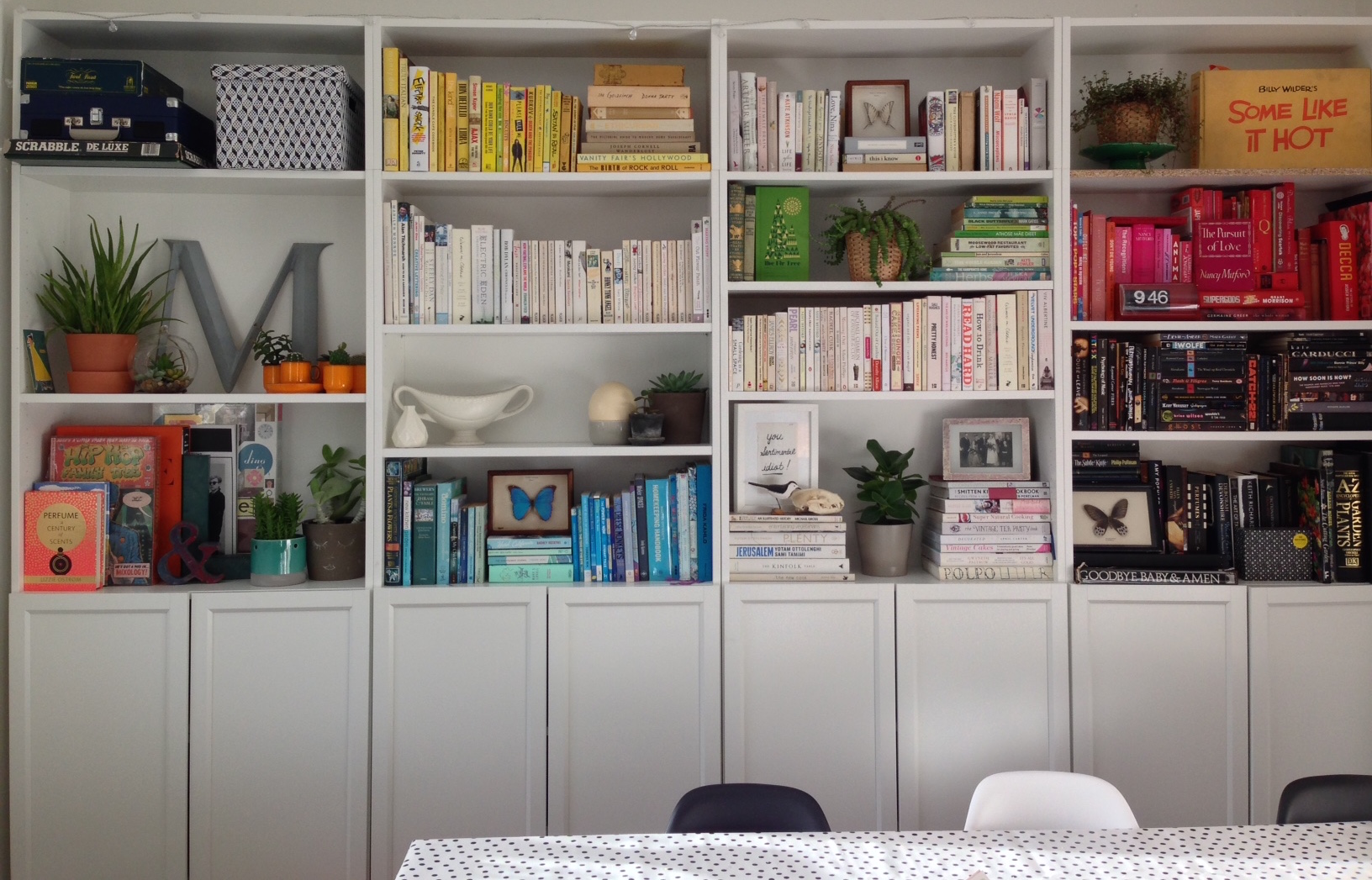
Image: Lottie Storey/Oyster and Pearl
Competition: Win a year of books from The Folio Society (closed 13 May 2016)
We’ve teamed up with The Folio Society, publishers of illustrated editions of the world’s greatest literature, to offer one reader a book of their choice* every month for a year. To enter, tweet, instagram or upload a pic of your bookshelf and give us your details below.
The Folio Society publishes an extensive range of fiction and non-fiction, so the only problem the winner will face will be which of the titles to choose each month. Selected from the best-loved books in literature, each Folio edition is produced with careful attention to detail and high production values.
* The winner will receive a single Folio book each month, worth up to the value of £50. Closing date: 13 May 2016. UK residents only. For full terms and conditions, see icebergpress.co.uk/comprules
Visit foliosociety.com to find out more and browse its titles.
Read more:
Sign up to our fortnightly newsletter for regular competitions and offers

Competition: Win a custom deluxe bedding set from The Wool Room (closed 16 May 2016)
THE WOOL ROOM IS GIVING AWAY THREE LUXURY SETS OF DUVET, PILLOWS AND MATTRESS PROTECTOR, FOR A WARM, COSY, HEALTHIER SNOOZE
You’ll never need to count sheep again when you can drift off in your own wool cocoon. The Wool Room, the UK’s leading provider of British wool beds and bedding, is offering readers the chance to win one of three sets of wool duvet, mattress protector and pillows, worth almost £500 each.
Wool does so much more than keep you warm – this amazing natural fibre guarantees a better night’s sleep than with synthetic bedding as it regulates moisture levels, heat and humidity as we sleep.
The Wool Room has also developed its wool bedding to make it machine washable, so you can have both luxury and practicality.
The Wool Room’s bedding is approved by Allergy UK as being effective at eliminating house dust mites and other allergens, making it a great choice for asthma and eczema sufferers. It’s also much more breathable than other natural fibres.
Cocooning yourself with a wool duvet, mattress protector and pillow, then adding a wool mattress or bed for ultimate cosiness, makes for the most comfortable night’s sleep, according to The Wool Room. So confident are they you’ll love it, there’s even a free no-quibble 30-day sleep guarantee for any bedding set bought.
Each Custom Deluxe Bedding Set includes a duvet, mattress protector and pillows in the weight/size of your choice.
For more about wool bedding, visit thewoolroom.com.
Closing date 16 May. For full T&Cs, see icebergpress.co.uk/comprules.
Read more:
Sign up to our fortnightly newsletter for regular competitions and offers

Photograph: Getty Images
Wellbeing: Finding everyday silence
Taking time for quiet doesn’t mean taking a vow of silence or sitting alone on a mountain (though those can work, too). Here are some tips for peaceful living...
l In conversation, don’t just prepare what you’re going to say next. Pay attention to the other person and speak into the spaces. Don’t be afraid of pauses in conversation.
l During moments of waiting, don’t immediately reach for your phone or book. Take a few minutes just to observe what’s going on around you.
l Allocate areas in your home for space, where little is displayed. A blank wall painted in a calming colour; a shelf with just one item on it. This helps promote a sense of quiet calm.
l Enjoy quiet time together. Instead of turning on the TV or music, spend some time with your family reading, or doing the crossword, a jigsaw or another quiet activity.
Turn to page 96 of March’s The Simple Things to read Loma-Ann Marks’ feature on how to seek out peace in a busy, loud world.
Read more:
Why being alone can be good for you

Home style: The alarm clock and other morning rituals
The alarm clock is hard to love. It’s what startles you from the deepest of sleeps and jangles you into the day. It’s persistent and bossy, and won’t be silenced until you pay it attention. And the most annoying thing of all is that it does all of this for your own benefit, like a finger-wagging head mistress.
In an ideal world, of course, we would be woken naturally by the gentle caress of dawn and the soft rays of sunlight streaming through muslin curtains. But the reality is that it is more usual to be jumpstarted into the new day by the insistent clamour coming from the bedside table.
Turn to page 108 of March's The Simple Things to read the rest of Clare Gogerty's alarm clock potted history, plus her selection of the three best alarm clock buys.
And while we're moaning about mornings, here are our top picks for making early hours more bearable.
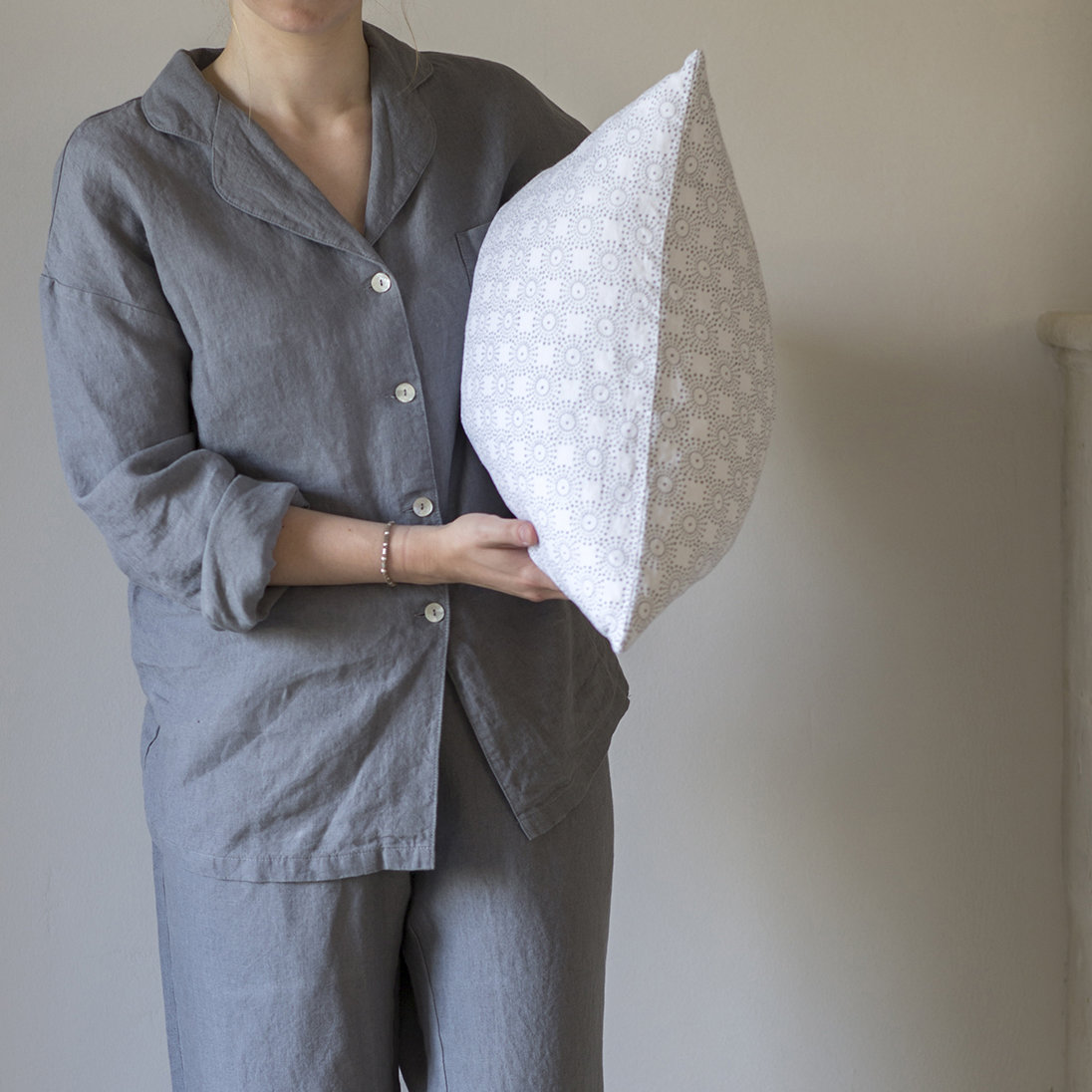
Linen pyjamas | The Simple Things Shop

Dressing gown | Verry Kerry
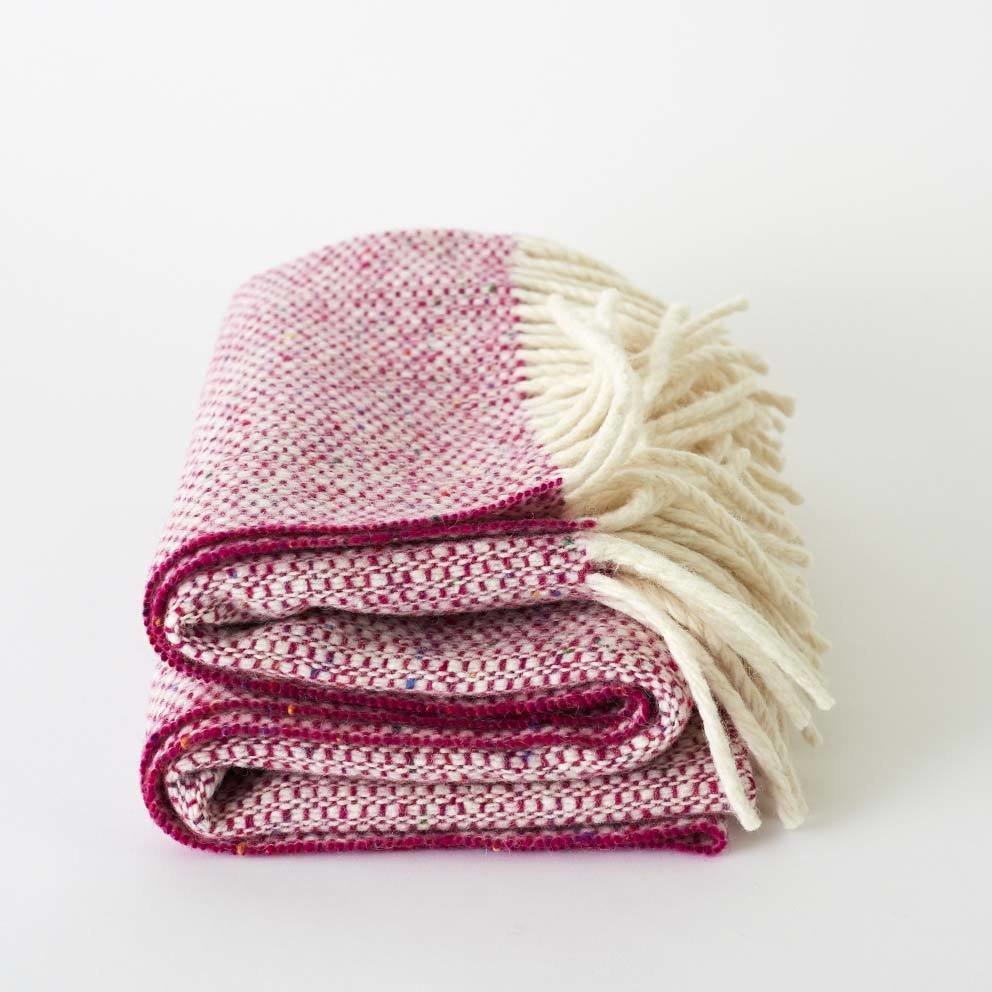
Blanket | The Simple Things Shop

Spring clean
Finally we are beginning to see signs that spring is on its way. Daffodils, blossom, Easter eggs and, dare we say it, the odd sunny day.
While it might not be time to put away our winter coats just yet, it is time to think about welcoming the new season into our homes. What better way to do so than with a spring clean. Whether you plan to set aside an entire weekend to clean from skirting board to ceiling or you’re just going to resolve to give those curtains a spin in the washing machine, our Shopkeeper, Louise Gorrod, has the selected the perfect cleaning kit from The Stuff of Life to make those chores a little more enjoyable.
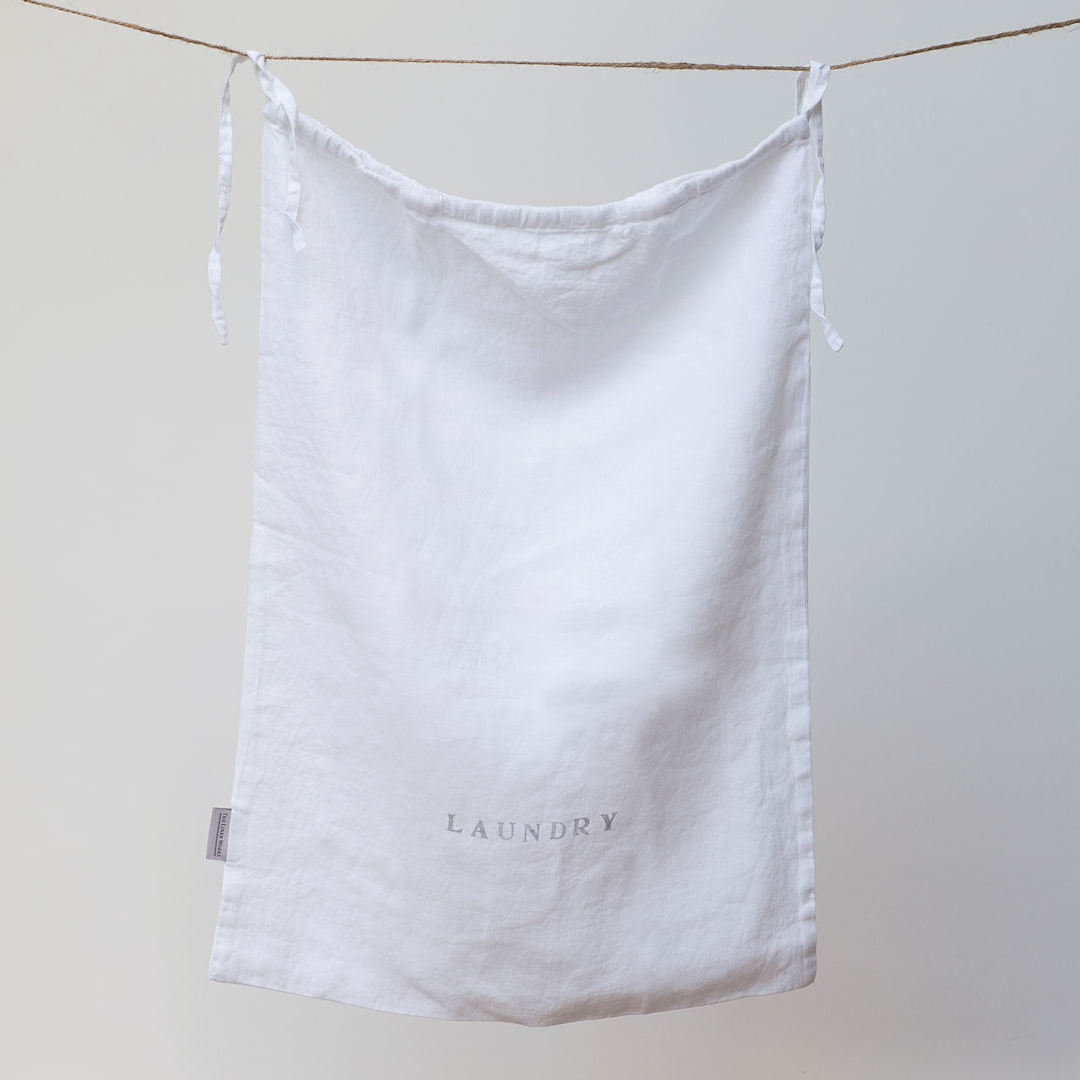
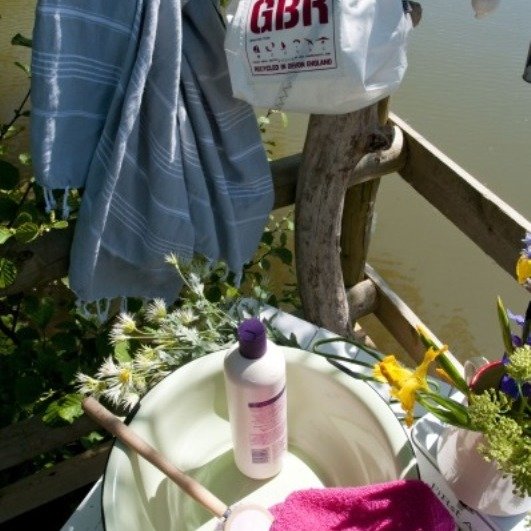
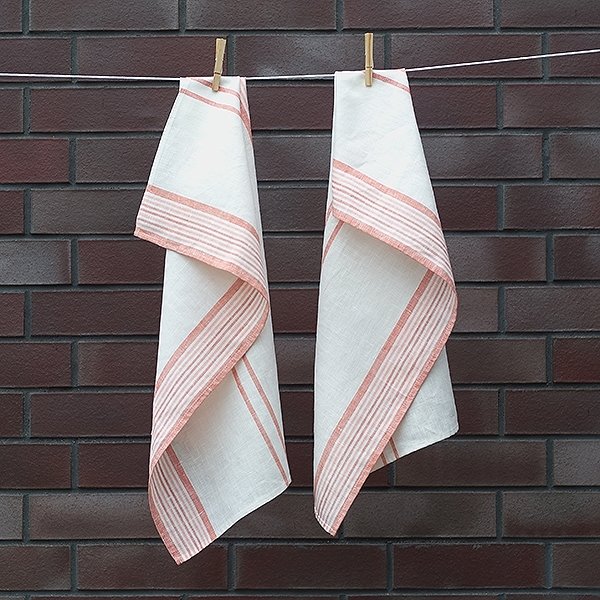
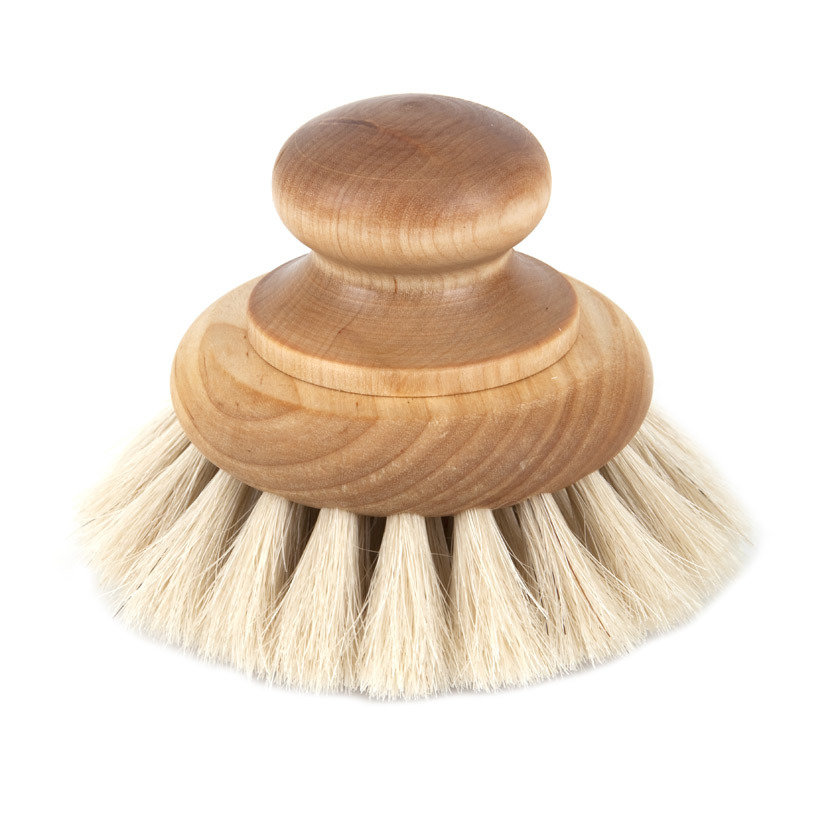
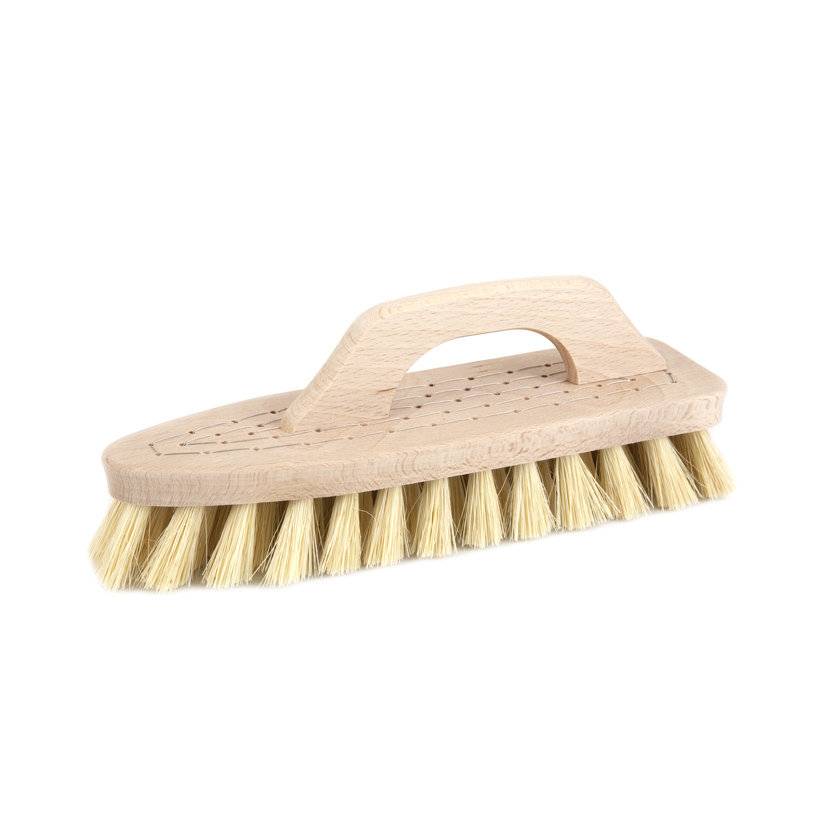
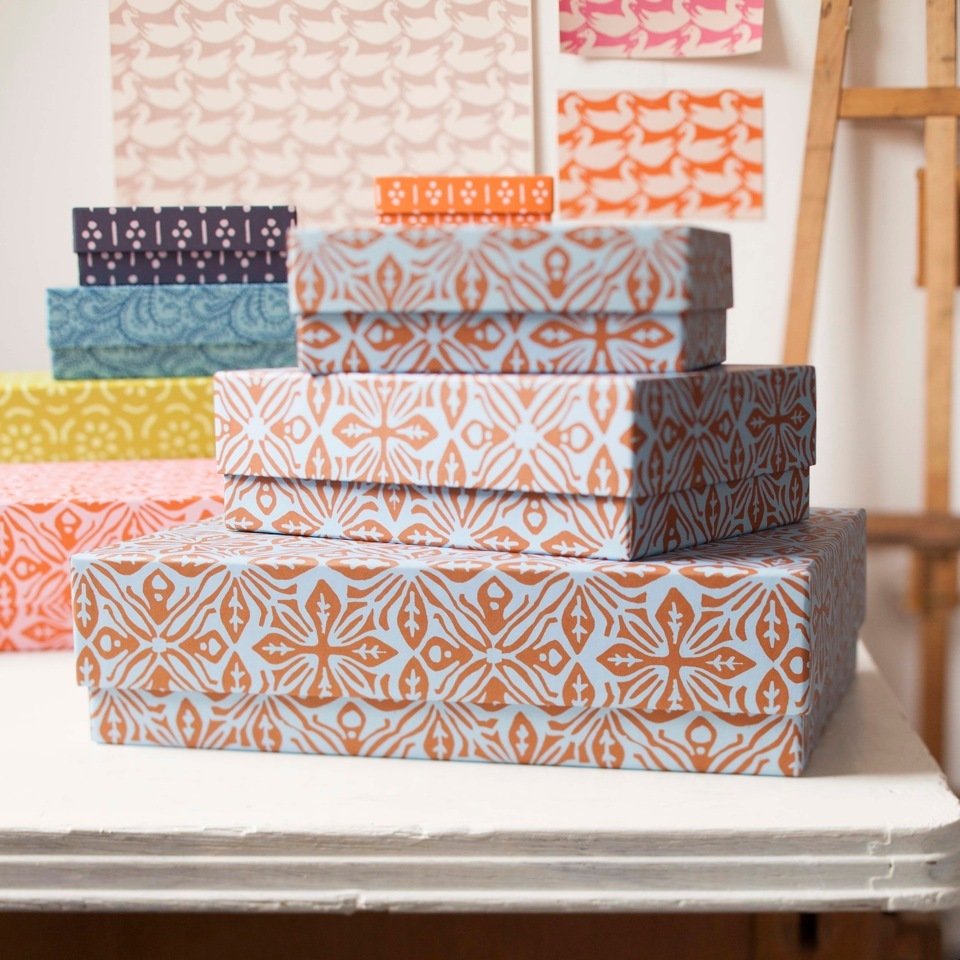
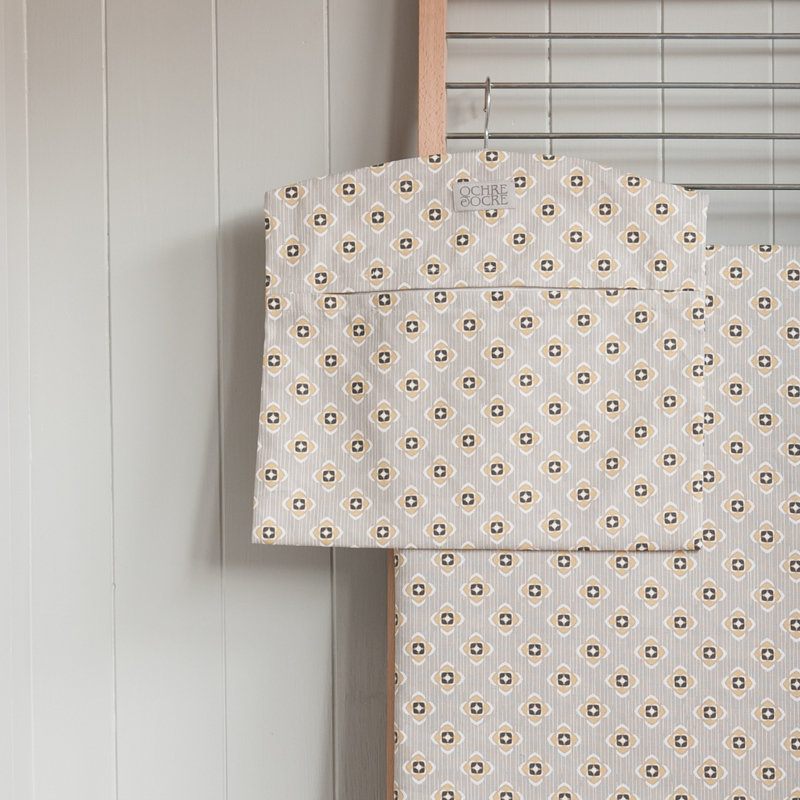
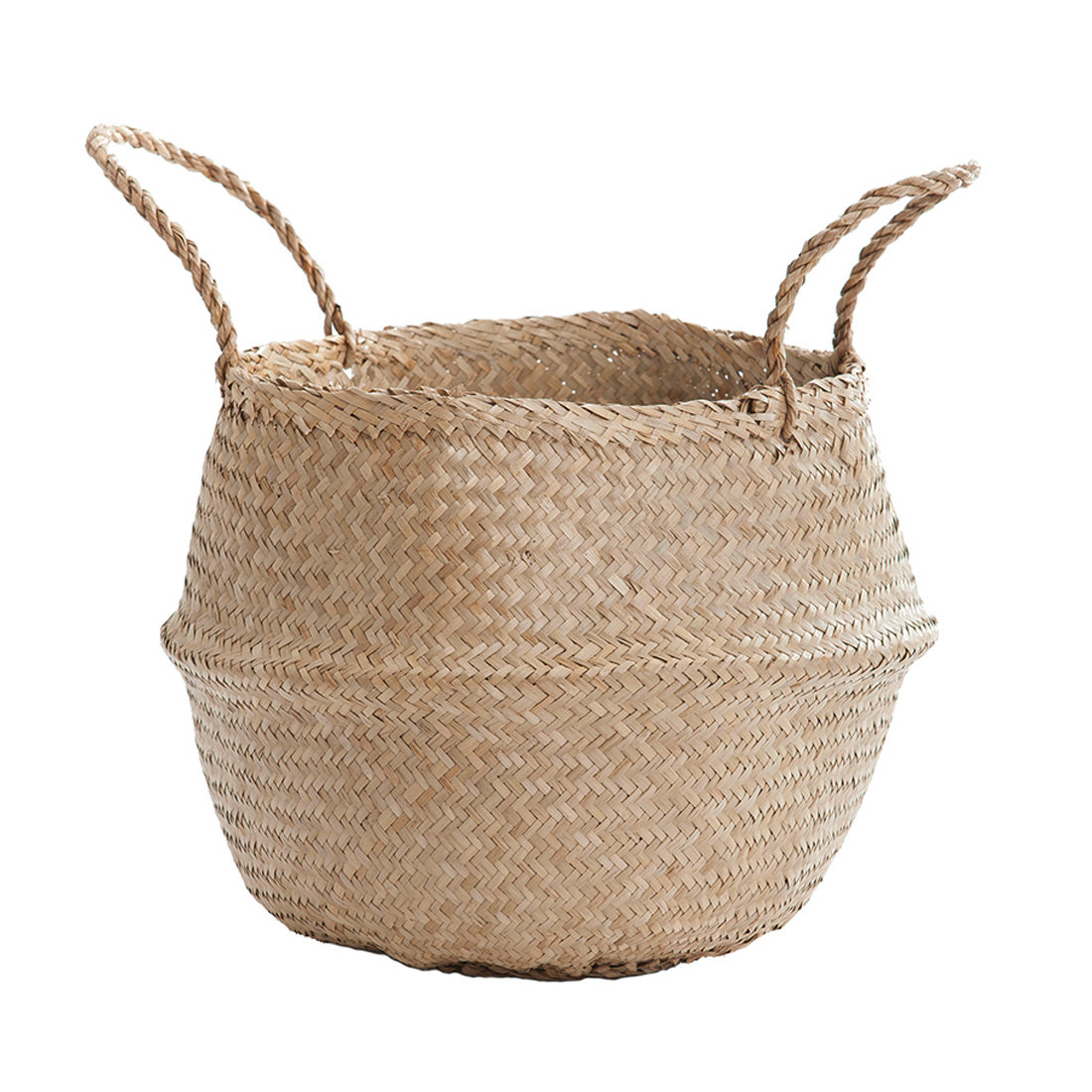
Images from top, left to right: Organic cotton ironing board cover by Orche and Ocre, £18.00 | Linen laundry bag by The Linen Works, £28.00 | Vintage style enamel wash bowl by The Glam Camping Company, £9.99 | Linen kitchen towels by LinenMe, £10.99 | Birch wood round brush by Cachette, £20.00 | Handcrafted scrubbing brush by Cachette, £12.00 | Set of 3 Kaleidoscope storage boxes by Cambridge Imprint, £18.00 | Organic cotton peg bag by Orche and Ocre, £12.00 | Natural belly basket by Olli Ella, £25.00.

Home remedy: Sleep peacefully pouch
If you toss and turn, are kept awake by tomorrow’s to-do list or are troubled by bad dreams, this aromatic herb pouch will help encourage a lovely, floaty, restful sleep.
Things you’ll need
3 tsp chamomile flowers
3 tsp peppermint
3 tsp sage
3 tsp valerian
3 tsp thyme
small piece of cotton fabric piece of string
..not a single sheep!
1 Place the ingredients in the centre of your piece of fabric and fold the corners in, so the herbs sit like the stuffing inside a cushion. Secure with string and place inside your pillowcase or next to it.
2 This is the last in our series of traditional Alpine remedies. To discover more, get a copy of Vinegar Socks by Karin Berndl & Nici Hofer (Hardie Grant)
Read more:
Mint chocolate face pack recipe

Recipe: Almond, honey and cinnamon fig rolls
The tip for steaming the still-warm rolls in an airtight container after baking comes from pastry chef Stella Parks’ Brave Tart blog (bravetart.com), and it keeps them wonderfully soft
Almond, honey and cinnamon fig rolls
Makes about 24 rolls
For the pastry
125g butter, softened
75g light muscovado sugar
1 egg yolk
seeds of 1⁄2 vanilla pod
75g plain white flour, plus extra for dusting
75g wholemeal flour
50g ground almonds
pinch of ground cinnamon
pinch of salt
For the filling
220g soft dried figs, any hard stalks removed
1⁄2 small eating apple, skin on, grated
1 heaped tbsp honey
1 tsp finely grated orange zest
2 tsp orange juice
pinch of ground cinnamon pinch of salt
1 To make the pastry, cream together the butter and sugar in a large bowl, or stand mixer fitted with the paddle attachment, until pale. Beat in the egg yolk. Add the vanilla, flours, ground almonds, cinnamon and salt and gently mix to form a soft ball of dough. Flatten into a disc, wrap in cling film and chill for 15 mins.
2 In a food processor, blitz the figs, apple, honey, orange zest and juice, cinnamon and salt to form a sticky paste.
3 Preheat the oven to 170C/Fan 150C/335F. Line two baking trays with baking parchment. Remove the chilled dough from the fridge, place between two pieces of cling film and roll out to a large rectangle about 3mm thick. The dough will be quite fragile and sticky.
4 Cut the dough lengthways into three long strips. Spoon or pipe a third of the fig mixture down the centre of one strip and use a palette knife to help you gently fold one side on top, followed by the other, to create a long, enclosed tube. Press the edges of the pastry together to seal, then repeat with the remaining two strips.
5 Use a sharp knife to cut each length of pastry into 5cm-wide rolls, then place each one, seam-side down, onto the prepared trays.
6 Bake for 20 mins or until lightly golden and slightly puffed. Then carefully transfer to a plastic container with a lid to cool completely. This steaming gives them their characteristic cake-like texture. The rolls will keep in an airtight container for 3–4 days.
Recipes from Homemade Memories by Kate Doran. Photography by Helen Cathcart (Orion Books)
Read more:

The best things in life aren't things
Image: Katharine Davies