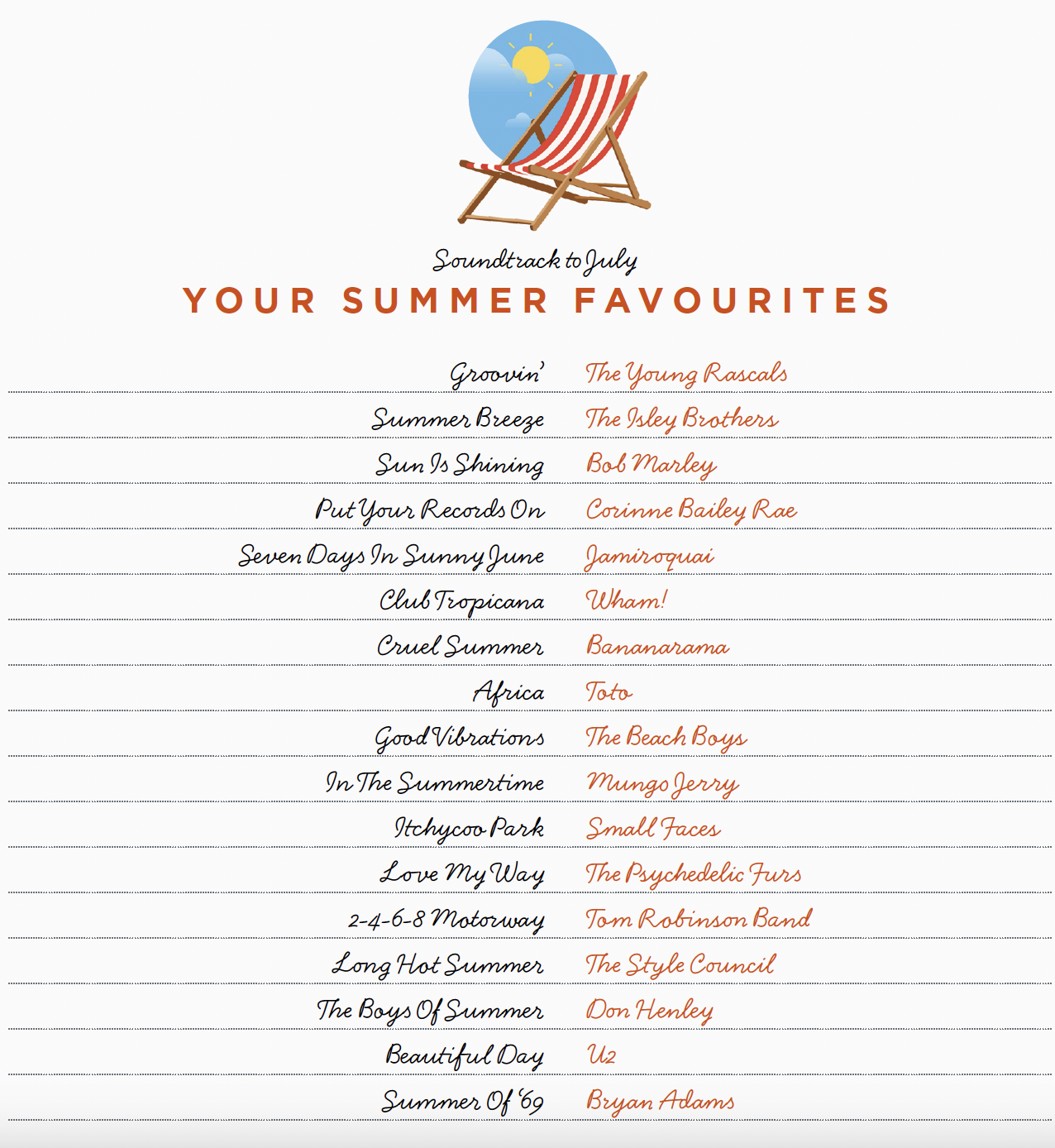
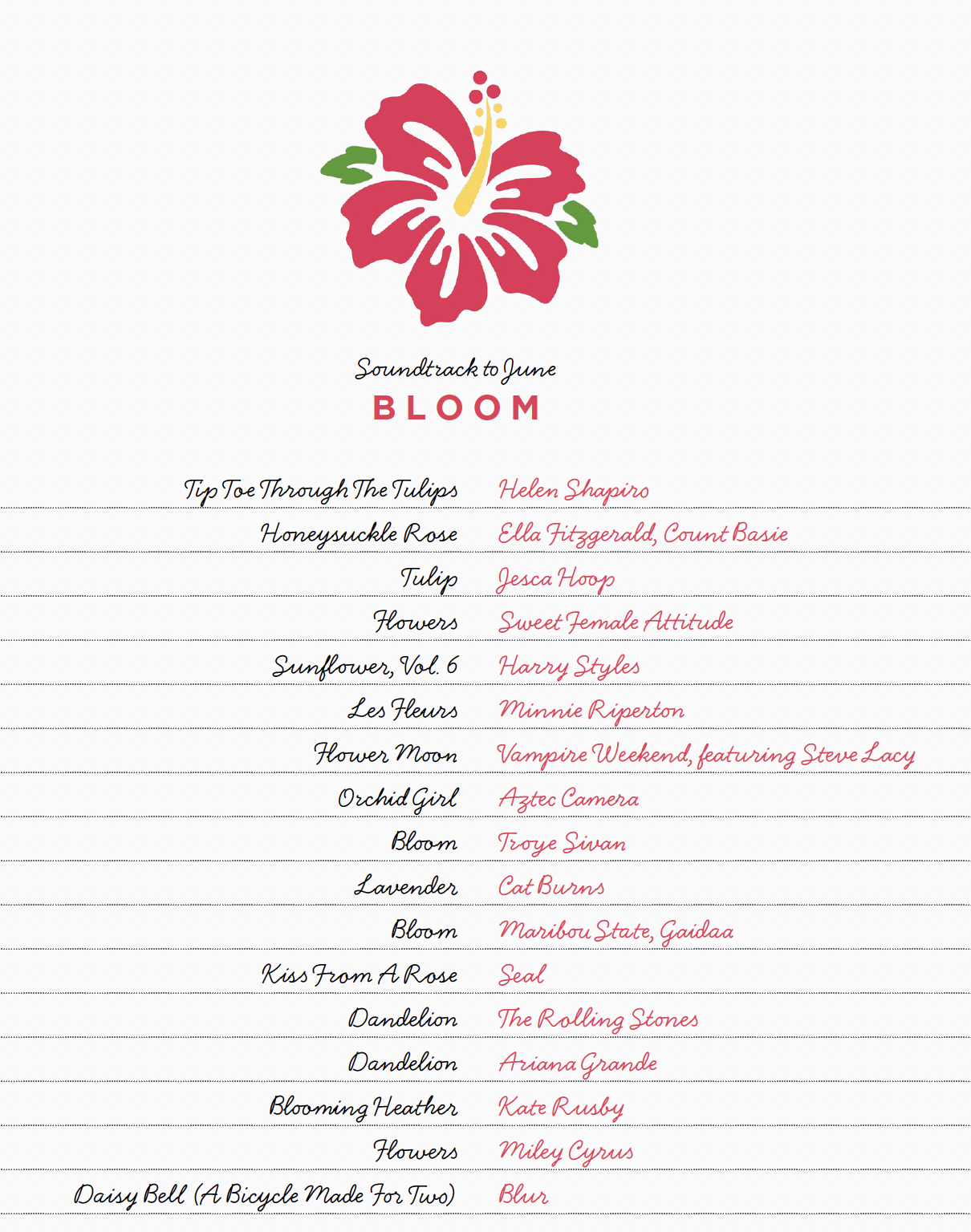
More playlists…
Featured

Blog
Taking Time to Live Well


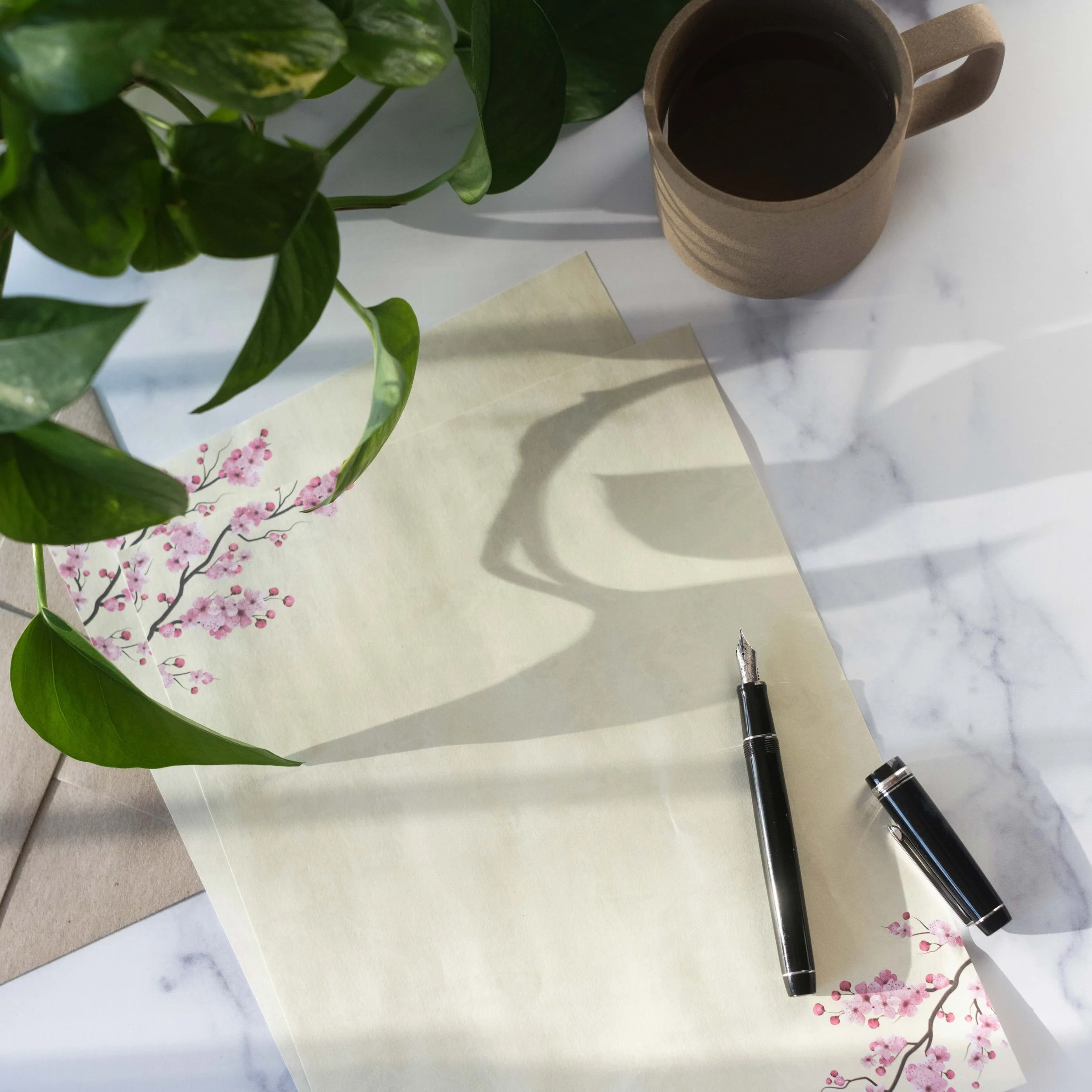
Photograph by @snelle_mail
In our June issue we celebrate the joy of penpal letters. Here are a few famous penpals whose correspondence we’d love to sneak a look at…
JRR Tolkien and CS Lewis
Tolkien and Lewis were great mates and kept up the friendship via letters, too. Though both rather serious literary figures, apparently their letters were full of fun.
Catherine The Great and Voltaire
Even rulers and philosophers need to unburden themselves sometimes. This pair corresponded for some 15 years.
PG Wodehouse and Agatha Christie
Showing it’s never too late to get a penpal, Wodehouse and Christie began their correspondence when he was 88 and she was 79. They were both huge fans of the other’s work.
Charles Darwin and Joseph Hooker
Darwin wrote to botanist, Hooker, for many years, even setting out his early idea that animal species ‘might not be immutable’ years before he wrote about evolution fully in On The Origin of Species.
Henry James and Edith Wharton
These two great novelists corresponded for most of their adult lives, unburdening themselves about their personal troubles in letters (Wharton had an unhappy marriage and James suffered with depression).
Vincent and Theo Van Gogh
The artist was a prolific letter writer, but the person he wrote to most frequently was his brother Theo, who kept them all carefully, and many of them can still be read today. Sadly, his less careful brother Vincent destroyed most of Theo’s letters back to him. There’s brotherly love for you.
Read more about penfriends, how to find them, what to write to them and more in our June issue, on sale now.
Buy this month's The Simple Things - buy, download or subscribe


You and a friend could start each day well with a year’s worth of coffee worth more than £350
There ‘s something special about a good cup of coffee, whether it’s savoured in your favourite spot on your own or shared with friends… socially distanced of course. Taylors of Harrogate’s new range is all about making it as easy as possible to make your favourite coffee drinks at home.
Their coffee experts worked hand in hand with coffee lovers to create the new range, named with the end drink in mind. From sourcing the right beans, to roasting them to bring out the delicious flavours and then blending to give the perfect result.
There is a smooth Espresso, a comforting Latte and the perfect blend for your cafetiere, all named after the drink they are designed for. Latte and Espresso are available in a choice of ground or beans depending on how you prefer to make it.
Just for The Simple Things readers we have a year’s worth of coffee (ground or beans) for you and a friend, worth £363, to give away, too.
To enter simply click the button below and answer the following question:
Which coffees are available in a choice of beans or ground coffee?
The competition closes at 11.59pm on 31 July 2021. For our full terms and conditions and competition rules visit icebergpress.co.uk/comprules.

Add crunch to a burger or some zing to a doorstop cheese sandwich with these crunchy dill pickles
Makes two 500ml jars
3 cucumbers, cut into thick slices
½ ltr of white vinegar
500g icing sugar
100g salt
1 dill flower head or a handful of fresh dill
1 Put the cucumber slices into a bowl. Mix the vinegar, sugar and salt then pour over and add the dill .
2 Place the bowl in the fridge for two days , giving the cucumbers a stir from time to time.
3 After two days, transfer the cucumbers and vinegar mix to your jars. Let them soak for about a week before they 're ready to be enjoyed
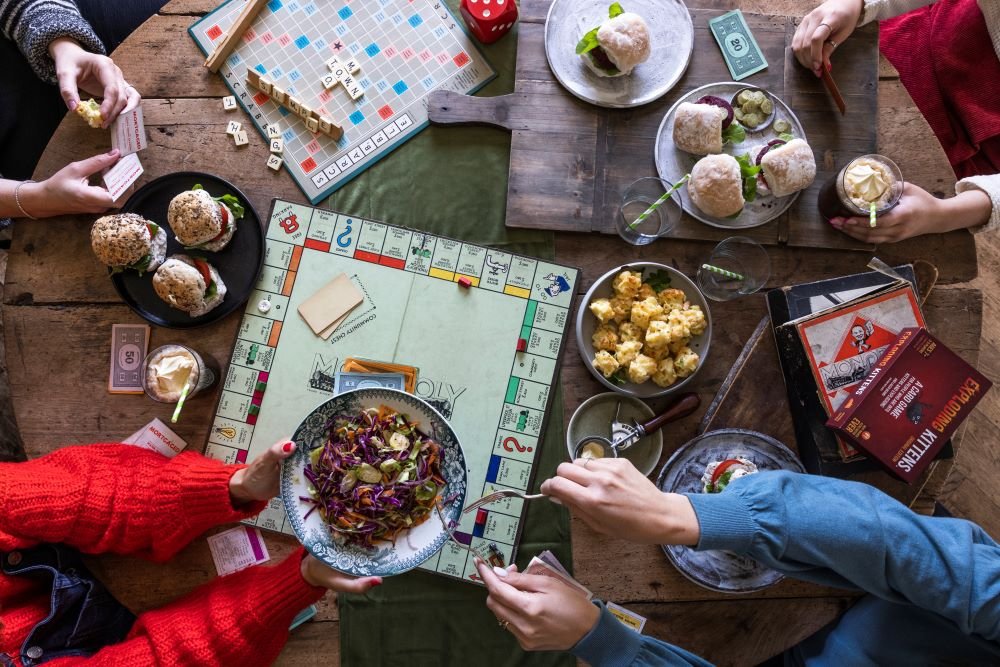
These pickles are just one of the recipes and makes from our A Bit On The Side feature in our June issue, which also includes a remoulade, homemade ketchup, cucumber relish, porchetta roast, hot dog buns and beef patties. All ideal fodder for a weekend in the garden with friends. The recipes are by Nicoline Olsen and the photograpy by House of Pictures.
Buy this month's The Simple Things - buy, download or subscribe
Take our quiz to find out what your dragonfly style is
Our Magical Creature for June is the dragonfly. You can find out all about them on page 21 of the June issue. We were surprised to hear that there are around 30 species of dragonfly, darting about the British Isles. We thought it might be fun to see which species we all most identify with. Answer the questions below to find out.
What’s your summer wardrobe style?
A Always practical, so you can make the most of exploring the countryside: hardwearing khaki trousers, lots of layers and reflective trims in case you stay out after dark.
B Earthy shades with global influences.
C Casual - you’ve usually come straight from the garden. Jeans, Birkenstocks and a strappy top.
D Sporty. Cyclist’s Lycras and swimwear, if you have anything to do with it. Summer is for getting stuck in.
E Jewel shades and elegant lines, perfect for long, warm evenings.
Where are you spending your time off?
A On a road trip around Britain. You enjoy driving and want to see more of the country.
B Somewhere in the Lakes or definitely somewhere with a pool where you can lounge by the water’s edge.
C You don’t know yet but when you get there it’s going to be a totally relaxing week. Just you, a pile of books and some good food.
D You’re having a proper staycation but that’s not to say you won’t get lots done. You’re using the time to completely redesign the garden, will be catching up with friends and family you’ve not seen in months and are planning to sign up to a course to learn upholstery.
E You’ve got a few trips here and there booked. Europe if it’s allowed. A weekend with female friends to a fab pub with rooms in the Cotswolds. And a week glamping with family. You’re not stopping until summer’s all over!
What’s your approach at a summer gathering?
A Mingle with lots of people and hopefully make a few new friends.
B Hide in the kitchen and hope you find some like-minded introverts.
C You’ll be at the buffet. The best bit of any party.
D You’ll be wherever the action is! Flitting about among the guests, investigating the food, making interesting conversation with new people and on the dancefloor until the end of the night when it’s back to yours for the after party!
E You’re a party lounge lizard. You’ll arrive (looking fabulous of course) and the party will simply find you.
Mostly As: You’re a Hawker. Hawkers cruise around any eye level, flying many miles in a day.
Mostly Bs: You’re a Skimmer. They fly low across the water and are from one of the largest dragonfly families in the world.
Mostly Cs: You’re a Chaser. Chasers are broader bodied and tend to be more still, shooting out at passing prey from a nearby perch when necessary.
Mostly Ds: You’re a Darter. Darters are busy fellows, always dashing from place to place. They’re distinctive without being showy, common in gardens and are usually the last dragonfly species to be seen in Autumn.
Mostly Es: You’re an Emperor. These are brightly coloured dragonflies, very active, and rarely settle except in cool weather.
Buy this month's The Simple Things - buy, download or subscribe

Photography: Kirstie Young
Picnic season is upon us, and what better reason for a silly sandwich?
If there’s ever a time when we can cast aside the sensible egg and cress or ham and mustard it must be for a midsummer picnic when a bit of fun and frivolity is always on the menu. Here are a few of our favourite sweet sandwiches that are part lunch, part pudding and part party.
Fairy Bread
An Antipodean delicacy; open buttered white bread slices, sprinkled with hundreds and thousands. Nutritional factor: zero. Fun factor: eleven out of ten.
Banana and Honey
Reminding us of childhood Sunday teas, the hilarity of putting banana in between slices of Hovis has never left us. Jazz it up with a sprinkling of cinnamon.
Grated Apple
Excellent with crusty bread and a slightly salted butter. Add peanut butter if you must but we quite like the simplicity of a good old apple sarnie.
Chocolate, brie and raspberry
One for toastie fans. This is like a sweeter version of a bacon, brie and cranberry toastie. The brie and the chocolate (dark for preference) melts beautifully into the toast while the raspberry reduces to a very pleasant mush, taking the place of the cranberry sauce.
Fruit Sandos
A Japanese staple: chilled, whipped cream and seasonal fruits - strawberries, mandarins, pear… whatever you like - sandwiched in slices of milk bread (brioche also works). Fresh, sweet and so pretty looking.
Sugar sandwiches
No messing about here. This traditionally Irish treat was usually bestowed upon children by over-indulgent grandparents. There’s little as exciting as the sight of the bag of Tate and Lyle, a tub of Stork and some plastic bread on the sideboard in your Granny’s kitchen. Add some lemon juice for a bit of zing and a pancake day ambience.
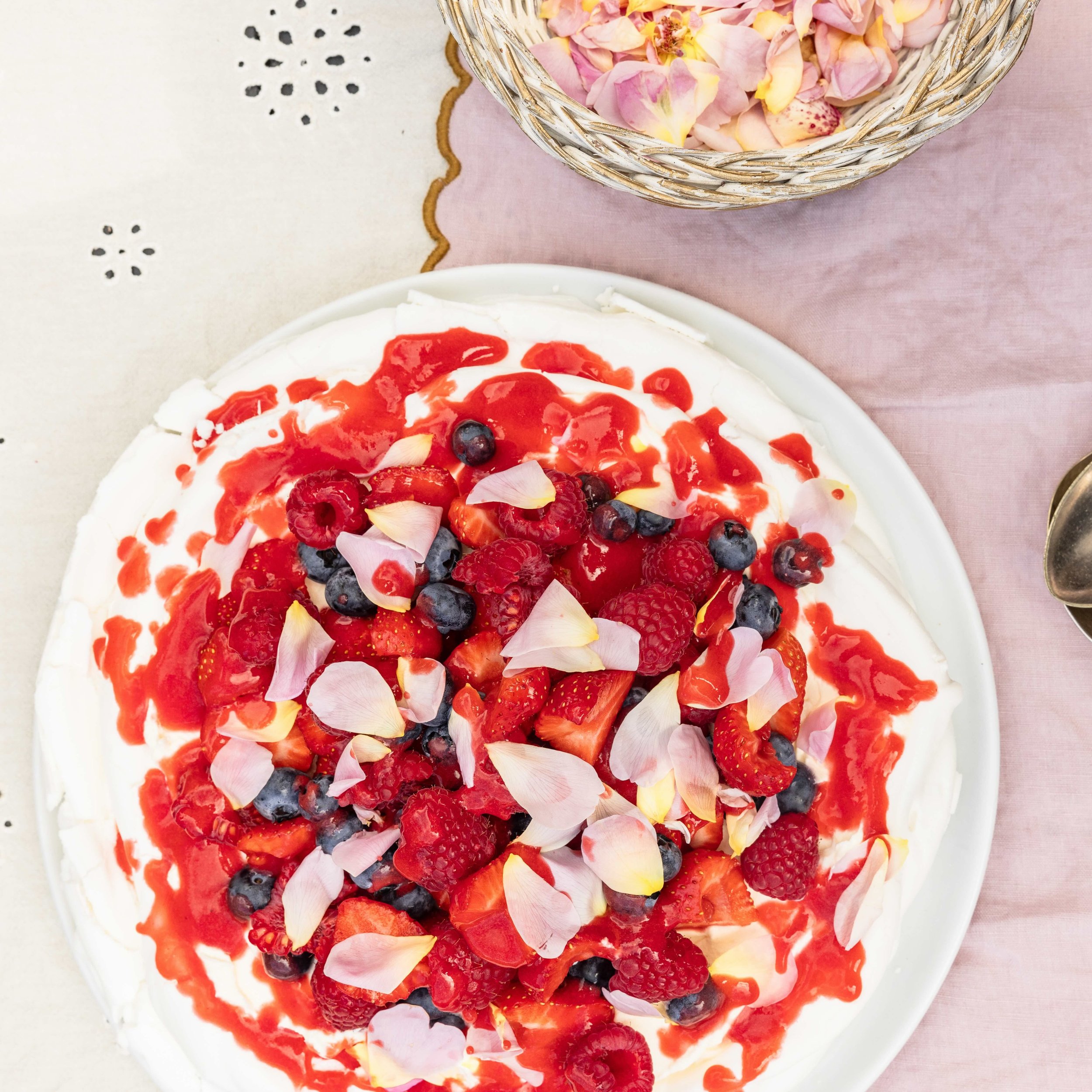
In our June issue, we have a rather lovely recipe for a grown-up silly sandwich. The Rose Petal & Strawberry Sandwiches (recipe below) are part of our Heart Body & Soul feature that focuses on roses this month. It also includes instructions to make Rose Bitters, Rosewater Tonic and a savoury galette with Rose Harissa.
Rose Petal & Strawberry Sandwiches
Give your afternoon tea a floral and fruity twist with sandwiches that give scones a run for their money
Per sandwich:
Two slices of brioche bread
1 tbsp clotted cream
1 tbsp strawberry jam
A few drops of rosewater
3 strawberries
Fresh rose petals, six or more
1 Spread the cream onto both slices of the brioche bread.
2 Stir the rosewater into the jam, then spread this on top of the cream on one slice of bread. Thinly slice the strawberries and carefully lay on top of the cream on the other slice.
3 Remove the heels of the rose petals if needed before laying the petals on top of the jam and carefully putting the two pieces together. Either cut into dainty fingers or leave as delicious doorsteps.
Buy this month's The Simple Things - buy, download or subscribe

Photograph: Rachel Bragg Photography
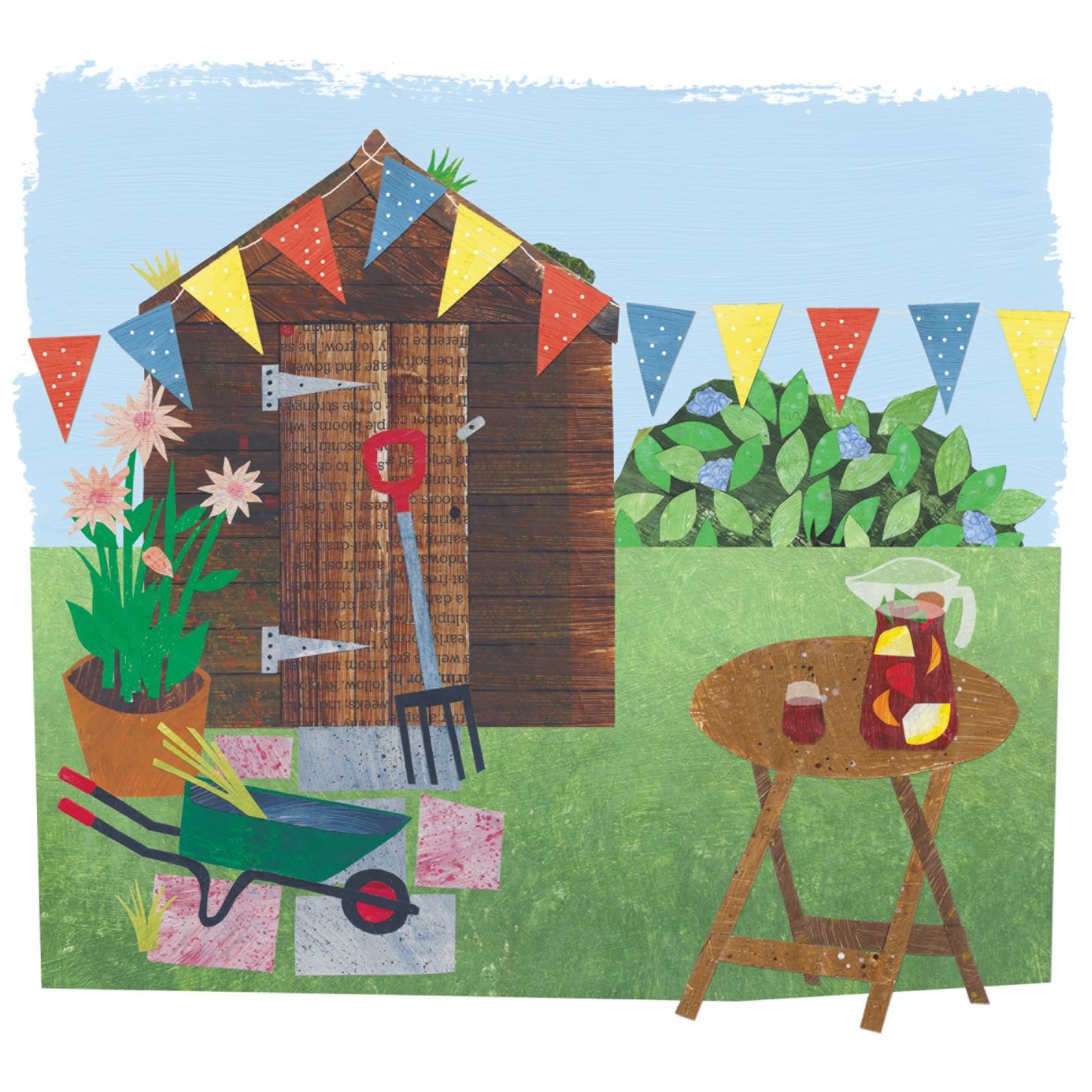
Whether you’re after a holiday in the garden or maybe even a holiday business, Blackdown Shepherd Huts might just have the solution for you
Home is where the heart is – and over the past year, our homes have been so much more than we could ever have imagined. They’ve been our sanctuaries as well as being an expression of who we are and what we love.
With many of us having spent more time at home than ever recently, we’ve found ourselves pottering and rediscovering the joys of a simpler lifestyle. And as we head into summer, any time spent tending to the garden over the winter and spring is now paying dividends. So when it comes to enjoying the fruits of your labour, what could be better than a beautiful shepherd’s hut in which to enjoy the views? The team at Blackdown Shepherd Huts know how special our homes and gardens are, so have created a range of traditional shepherd huts that can be tailored to your needs. Whether you’re after a home office, extra space for yourself or guests, a business venture or simply somewhere to retreat to when you need a little ‘me’ time, Blackdown has the answer.
Escaoe the masses
Lovingly built at their workshop in Ilminster, Somerset, each bespoke hut is designed to utilise every last inch of space, offering style, craftsmanship and flexibility. In fact, Blackdown customers have often described their shepherd hut as ‘a holiday at the end of the garden.’
And with that in mind, a Blackdown hut may also offer the ideal opportunity for a new enterprise, with many huts having taken up residence as luxury glamping or bed & breakfast businesses, delighting guests with their quirky designs and modern comforts.
Not that you need any further convincing, but should you fancy road testing a Blackdown hut, you can find glamping locations throughout the UK on its sister site: shepherdhutbreaks.co.uk. Or perhaps experience them in the luxurious settings of The Fish hotel in the Cotswolds or overlooking the Exe estuary at Lympstone Manor, in Exmouth. And, as you unwind beneath the stars, be inspired by where a Blackdown shepherd hut could take you.
What’s your style?
From a bespoke design created to suit your needs to a ready-to-go turnkey hut, Blackdown Shepherd Huts are all built with the same passion and craftsmanship
1 The hotel lover You can explore Blackdown’s Brace Huts at beautiful hotels, like The Fish Hotel in the Cotswolds or in the grounds of Lympstone Manor in Exmouth.
2 The glamping enthusiast Escape in style with a shepherd hut staycation. Find sites and experiences throughout the UK at shepherdhutbreaks.co.uk.
3 The green-fingered grafter Whatever the weather, create a cosy retreat or sun-soaked garden room to sit back and enjoy the spoils of all your tender loving care.
4 The social butterfly For a dinner party or barbecue with wow factor, gather your loved ones to eat, drink and makes memories in a classic Blackdown Brace Hut.
5 The family timer Host family and friends throughout the seasons in a Turnkey hut that’s ready and waiting to delight your guests.
6 The DIYer Love a project? Awaken your inner artisan with a Blackdown Self Build Hut and revel in the satisfaction of really turning your dream into a reality.
7 The work bee Be it a home office or business space with a difference, there’s a shepherd hut set to inspire
For more information and inspiration, visit blackdownshepherdhuts.co.uk or follow on Instagram: @blackdownshepherdhuts
Buy this month's The Simple Things - buy, download or subscribe

Photography by Jonathan Cherry
With museums and galleries reopening, we’re sharing a few lesser known gems that are worth seeking out this summer
We’re so lucky here in the UK to have some of the world’s most amazing museums and galleries available to us. From the wonders of the Science Museum in Kensington to the beautiful architecture of the Kelvingrove Gallery in Glasgow. From the National Maritime Museum in Greenwich to art by the sea at Tate St Ives.
But look a little closer and almost every town and village in the UK has its own museum, some dedicated to local history, others simply collections of the weird and wonderful that someone has loved enough to put on display. There are museums of lawnmowers, collections of teapots (pictured above at Teapot Island in Kent) and everything in between.
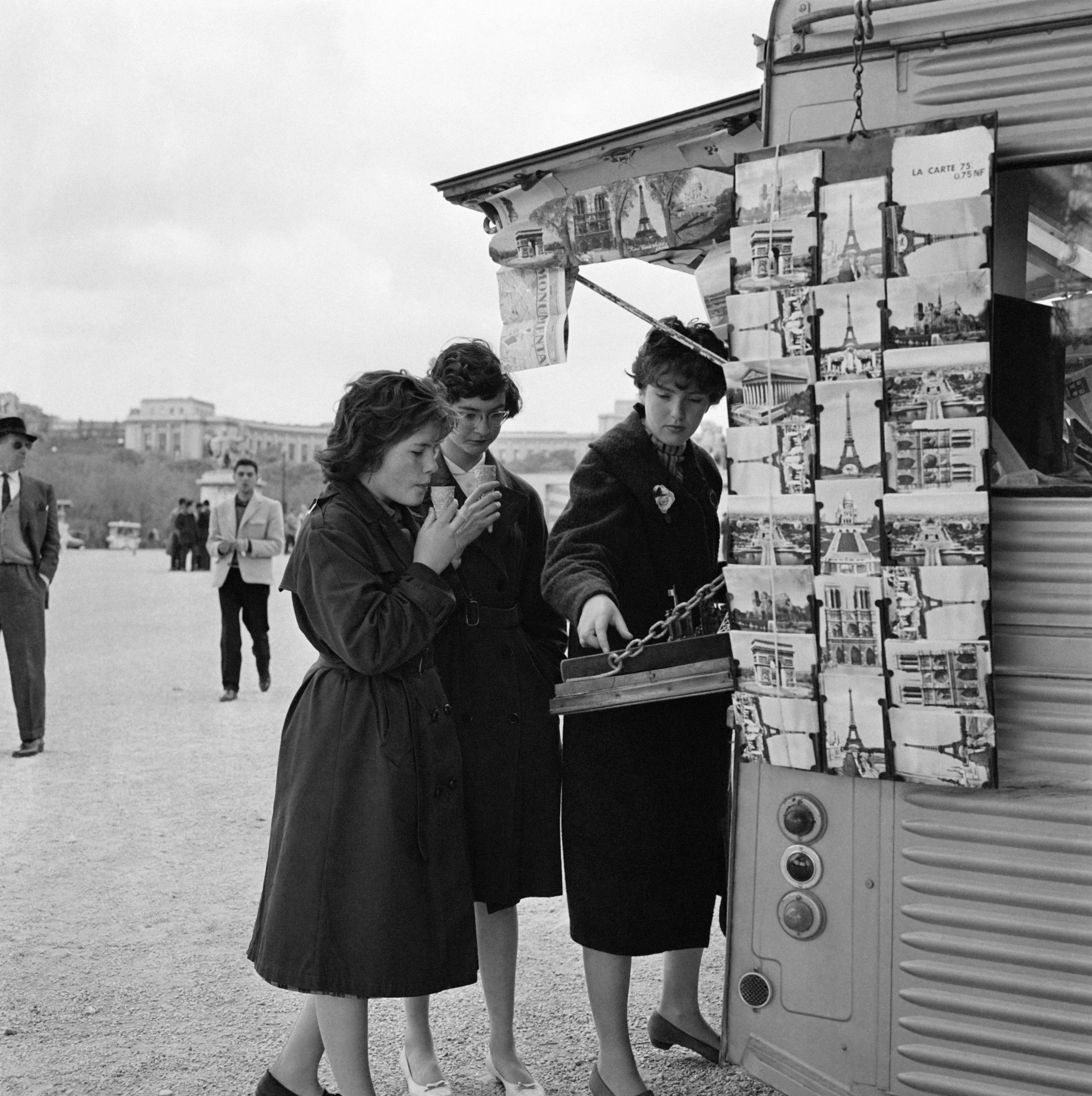
As museums and galleries begin slowly to open, we thought we’d share some of The Simple Things team’s favourites around the country. Perhaps you can visit them on your travels this summer? Don’t forget to send us a postcard!
The Time Machine Museum of Science Fiction, Bromyard, Herefordshire
Editor Lisa Sykes recently visited the area and was disappointed to find this closed but having sadly pressed her nose against the glass is planning to return this summer and explore the Time Machine Museum thoroughly. It contains props, costumes and more from TV Science Fiction series including Doctor Who, Star Trek, Captain Scarlet, Thunderbirds, Red Dwarf and more, all displayed in a suitably creepy dungeon. It may be small but it’s like a TARDIS inside. In fact, there is a TARDIS inside.
The Hat Works Museum, Stockport, Cheshire
The Hat Works Museum was a favourite haunt of Sub Editor Abbie Miller’s delightful mum, who was a fan of excellent millinery and loved a jaunt here. Abbie’s hoping to explore it again herself next time she’s back ‘home’. Housed in a Grade II listed Victorian mill, you can see hats of all manner as well as learning about the hatting industry and hat blocking. Visit just for the joy of asking a curator: “Where DID you get that hat?!” Check website for opening.
Kettle’s Yard, Cambridge
This gallery started life as a home, belonging to a Tate curator, Jim Ede, and it retains its warmth and personality, making it a firm favourite for Deputy Editor, Frances Ambler. As well as the fine art, there are plenty of plants, carefully considered arrangements of found natural objects and plenty of places to stop, pause and take it all in. Kettles Yard is a really magic place.
Ditchling Museum of Arts and Crafts
Whenever Editor-at-Large, Iona Bower gets an afternoon to herself she sneaks off to Ditchling in West Sussex to be mesmerised by the rows of natural dyes Eric Gill fonts at the Arts and Crafts Museum. Ditchling is a tiny village so the museum feels strangely huge within it, but it houses internationally important works by some of the artists and craftspeople who flocked to Ditchling during the 20th century. The museum also has a fabulous shop and the best salted caramel brownies in the county, all housed in a beautiful converted farm building.
Pallant House Gallery, Chichester
Picture Researcher, Liz Boyd loves a day trip to Chichester to Pallant House Gallery, a permanent and rotating collection of artworks in a beautiful townhouse in picturesque streets. There’a a fabulous art shop there, too.
Hillbrush Brush-making Museum, Mere, Somerset
As eclectic as they come, this museum of brush-making, attached to the Hillbrush factory, is a favourite with Commissioning Editor, Lindsey Harrad. If you’re taking children with you, it’s worth knowing that they provide an excellent kids’ information pack, which includes mini brushes, so that they can sweep their away around the museum. Check website for opening times.
Derwent Pencil Museum, Keswick, Cumbria
In true Art Editor form, Joe McIntyre’s favourite museum is the Derwent Pencil Factory, home of the first pencil, and entered through its own graphite mine. You can also see secret WW2 pencils with hidden maps, an eight-metre long colouring pencil and more.
Pitt Rivers Museum, Oxford
Pitt Rivers is a favourite of Commissioning Editor, Karen Dunn, and is home to the University of Oxford’s archaeological and anthropological collections, including everything from totem poles to skulls. If you can manage to eat after that, there’s a decent cafe, too.
Buy this month's The Simple Things - buy, download or subscribe

The new Taylors range is named with brilliantly logical ease, taking the hassle and confusion out of a refreshing cup of coffee
The world of coffee can be complex and baffling. Recreating your coffee-shop favourite at home can seem like a bit of a challenge – even when the past year or so has presented us with plenty of opportunity to practise.
Head to the supermarket coffee aisle and you’ll be met with a sea of different options, with obscure tasting notes, varying strengths and roast types all to be taken into account. Never mind all the various names and places of origin. So where exactly do you begin to find the one that’s right for you?
At Taylors of Harrogate, they’re on a mission to free coffee lovers from compromise and confusion. This in mind, they set their experts a challenge: make it simple to choose a coffee and prepare your favourite drink at home.
The result is a new range, developed hand-in-hand with coffee lovers. Taylors sources the beans, roasts them to bring out the flavours, then blends them. There’s smooth Espresso, comforting Latte and Cafetière, the ideal blend for… well, take a guess. Latte and Espresso come in a choice of ground or beans, depending on your set-up at home. What a refreshing change. Now making your coffee, exactly as you like it, is as easy as ordering it at a coffee shop.
To find out more, visit taylorsofharrogate.co.uk or follow on Instagram: @taylors
Buy this month's The Simple Things - buy, download or subscribe

Photograph: Narrative
Lift up your chins and we’ll tell you how it’s done
Remember holding a buttercup under your friends’ chins to see if they liked butter? We can’t help thinking that a more accurate way to ascertain this may simply be to offer them a slice of bread and ask if they want it buttered or not, but that would be less fun, if more scientific.
There is some science at play here though. If you want to know why buttercups really shine a yellow light on your neck, here it is:
It’s all about attracting pollinators. The vibrant yellow shade of the buttercup comes from pigments in the surface layer of the petals. If you look closely you’ll see that they also seem to be heavily glossed, an effect created by layers of air just below the surface of the petals, which reflects the light back. So when you hold one under your chin, it will shine a little yellow light onto your skin. The brighter and glossier the buttercup and the sunnier the day, the more likely you are to ‘like butter’.. The way buttercups seem to glow and light up the lawn is actually unique in the plant world. No other plant reflects colour and light in quite the same way.
Now we’ve ruined that bit of summer-flower-related magic for you, we feel we ought to make amends. Here’s a little blog we published a while ago about the story behind playing ‘he loves me, he loves me not’ with daisies. Daisy, daisy, give me your answer do, indeed.
From the blousy paper daisies on the front cover to our buttercups in the house, pictured above, the new June issue is chock full of floral fun. We hope it brings a little cheer to you, too.
Buy this month's The Simple Things - buy, download or subscribe
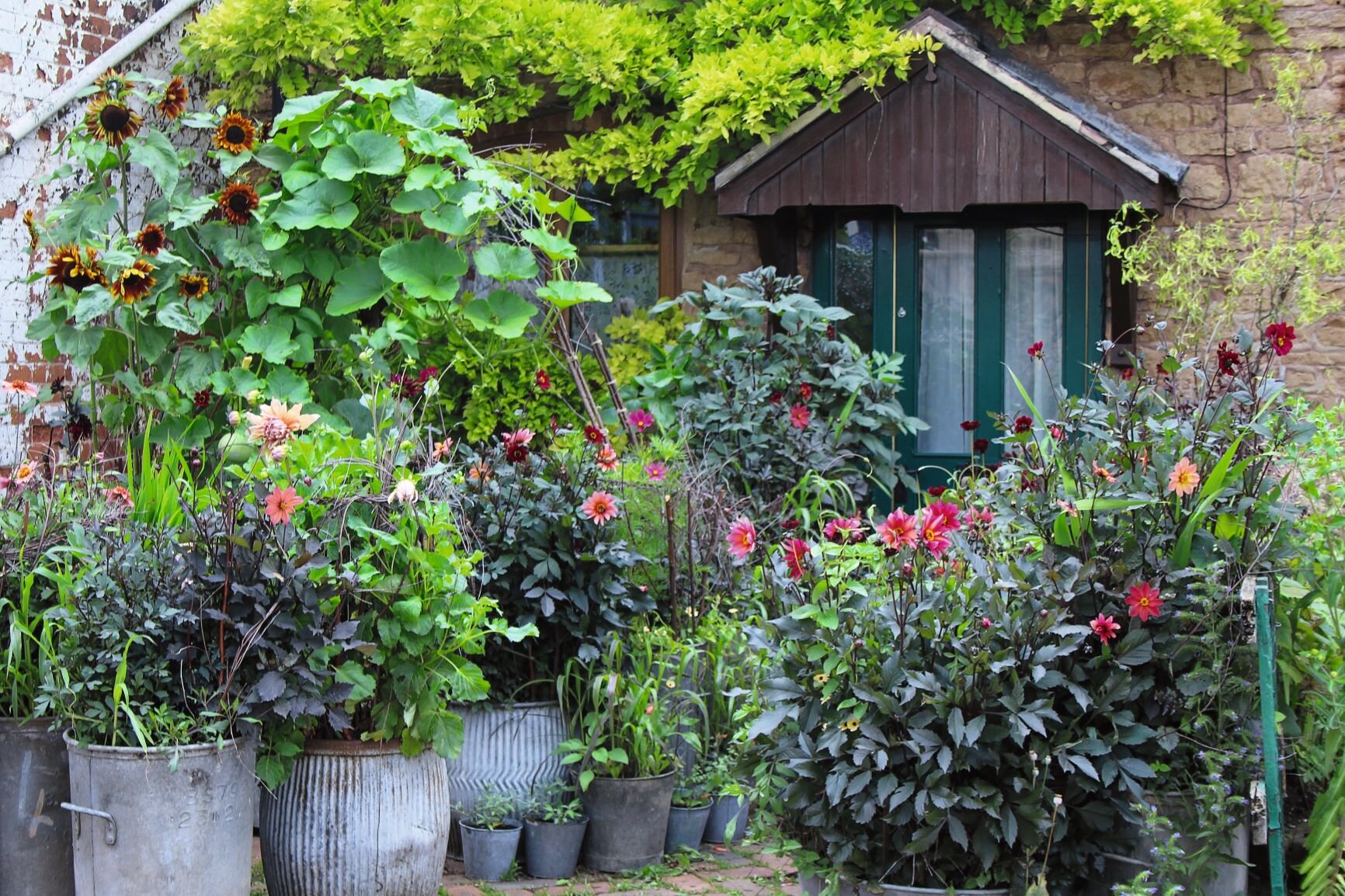
Give your patio pots and containers a distinguished, aged look
Planning a little pottering in the garden this weekend? In our June issue, we have a feature with Arthur Parkinson, container gardening guru, about how he has created flamboyant islands of colour using only containers in his tiny but teeming plot.
The pictures are amazing, showing what looks like a vibrant jungle, but is really just a five-metre pathway unfurling to the front door of Arthur’s mum’s house in Stoke-on-Trent.
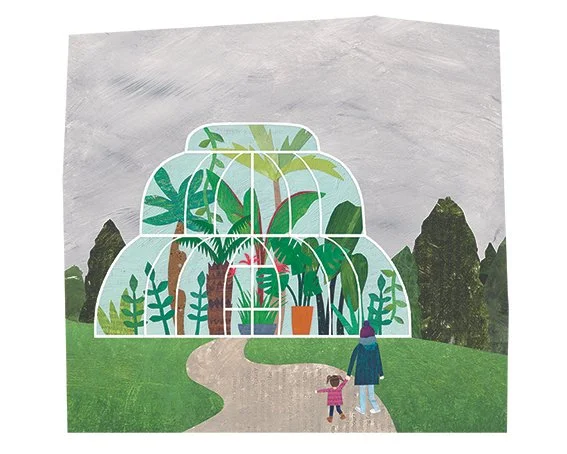
Arthur trained at Kew Gardens before going to work for Sarah Raven and is now one of the UK’s youngest gardening stars. He talked to us about how to create showstopping gardens using flower pots - it’s definitely worth a read if you’re thinking of getting out in the garden this bank holiday weekend and getting elbow deep in compost.
Here, he explains how to get that lovely aged patina on terracotta pots, so they look like you’ve been hard at work for years on your container garden.
“With small, newly-bought terracotta pots, the best way to age them is to dunk them in a pond or in a water butt, then a coat of algae will grow quickly on them. Even a bucket can be filled up with rainwater for the task – it must be rainwater for the algae spores to be present. I have an upside-down dustbin lid propped up on bricks on the floor of the yard that we use as a bird bath and trios of terracottas take turns soaking in this, while providing little bathhouses to the precious town frogs! The water is emptied and refreshed weekly so that it does not harbour mosquitoes, and birds and bees also visit it to drink; all gardens should have watering holes for wildlife. After a month of being submerged, the teracotta pots will start to slime up and, once dried, will look marvellous.
“Large terracottas too big to be submerged can be painted generously with organic, natural yogurt in the summer, which will then go green. For the algae to take, the pots need to be kept damp and away from full sun for a few weeks so that the spores can really get growing. When planting them up for summer, line their insides with old compost bags as this will help them to stay cool and reduce moisture loss.”
Follow Arthur on Instagram: @arthurparkinson_
Buy this month's The Simple Things - buy, download or subscribe

Plan a trip to stunning Austria and enjoy the health and wellbeing benefits of its therapeutic waters
Water – it’s nature’s therapy and has the ability to both calm and energise us. The sight, sound and smell of it has been found to reduce stress and anxiety levels, lower heart and breathing rates and to boost creativity and general happiness.
So, as the world starts to slowly open up again and the thought of foreign travel begins to excite us once more, what better destination to plan a future trip to than the breathtaking vistas of Austria, famed for its rich mix of lakes, thermal springs and waterfalls – nature’s own therapy rooms.
With more than 40 thermal spas located throughout the country, much research has been carried out into the benefits of these naturally warm waters. Found to contain minerals and trace elements such as brine, sulphur, calcium, magnesium, iodine or selenium, thermal baths can only be recognised as such if they have their own spring and the water is at least 20°C (68°F).
“The thermal effect can be seen when we look at muscle relaxation,” says biologist Johanna Freidl, who has researched the benefits of different types of thermal water, adding that, “warmth enhances blood flow and relaxes the entire system.” She also discovered that the different types of water found benefited the body in different ways – sulphureous water strengthened the immune system, as did slightly radioactive water containing trace amounts of radon, while brine baths were found to have a strong calming and relaxing effect.
However, if you thrive on the freedom of wild swimming, then head to one of Austria’s stunning lakes. Some are refreshingly cool, such as Lake Achensee, originally created from melted glacial waters. Research has found that braving a chilly dip can reduce anxiety, stress and depression, while boosting alertness and endorphins. Meanwhile, many of Austria’s lakes are gloriously warm during the summer months – including Lake Millstätter See, which reaches temperatures of around 27°C – making them the ideal location to swim or splash about in amidst some of Europe’s most spectacular scenery.
And if you’re just not ready to fully submerge, then why not plan a trip to take in the health benefits provided by one of the country’s many waterfalls. “It’s in our blood to feel good when we’re in nature,” claims Johanna Freidl. “Life started out in nature, which is why we need it to relax and recharge – and to live healthy lives.”
Known as Inhalation Aerosol Therapy, waterfalls create microscopic droplets with a negative charge that stay in the air for longer than those with a positive charge. Inhaling these particles has been found
to stimulate our immune systems and to cleanse our airways, while alleviating, or even eliminating, symptoms of allergies and asthma. “The particles are 200 times smaller than an asthma inhaler’s droplets and can penetrate the airways that much more deeply,” confirms Freidl, making the impressive Krimml Waterfalls in SalzburgerLand – the country’s most well known and highest waterfall, at 380 metres – a must-see on your bucket list.
So, whether you prefer to spend your time getting active and making a splash or simply soaking in the warm thermal waters, Austria has the ideal destination for you.

How to make the most of Austria’s lakes
Lakes Ottenstein, Dobra and Thurnberg Three man-made lakes popular for hiking, cycling and bathing. Kayaks, rowing, pedal or electric boats can also be rented for the ultimate view.
Lake Neusiedler With its shallow waters and lakeside beaches, this steppe lake is a great place to meet friends and family and to enjoy some of the best birdwatching in Europe.
The Salzkammergut lake district Keen cyclists can follow the Salzkammergut cycle trail, taking in 13 lakes in the region.
Lake Weissensee Whether swimming, rowing or hiking around the perimeter, the turquoise green waters are sure to delight visitors.
Lake Millstätter See Explore the many secluded bays and picnic spots with a guided tour in Zweispitz boats – handmade wooden vessels.
For more information, visit austria.info.
Photography: Innsbruck Tourismus/Andre Schoenherr; Oesterreich Werbung, Jonathan Graml
Buy this month's The Simple Things - buy, download or subscribe

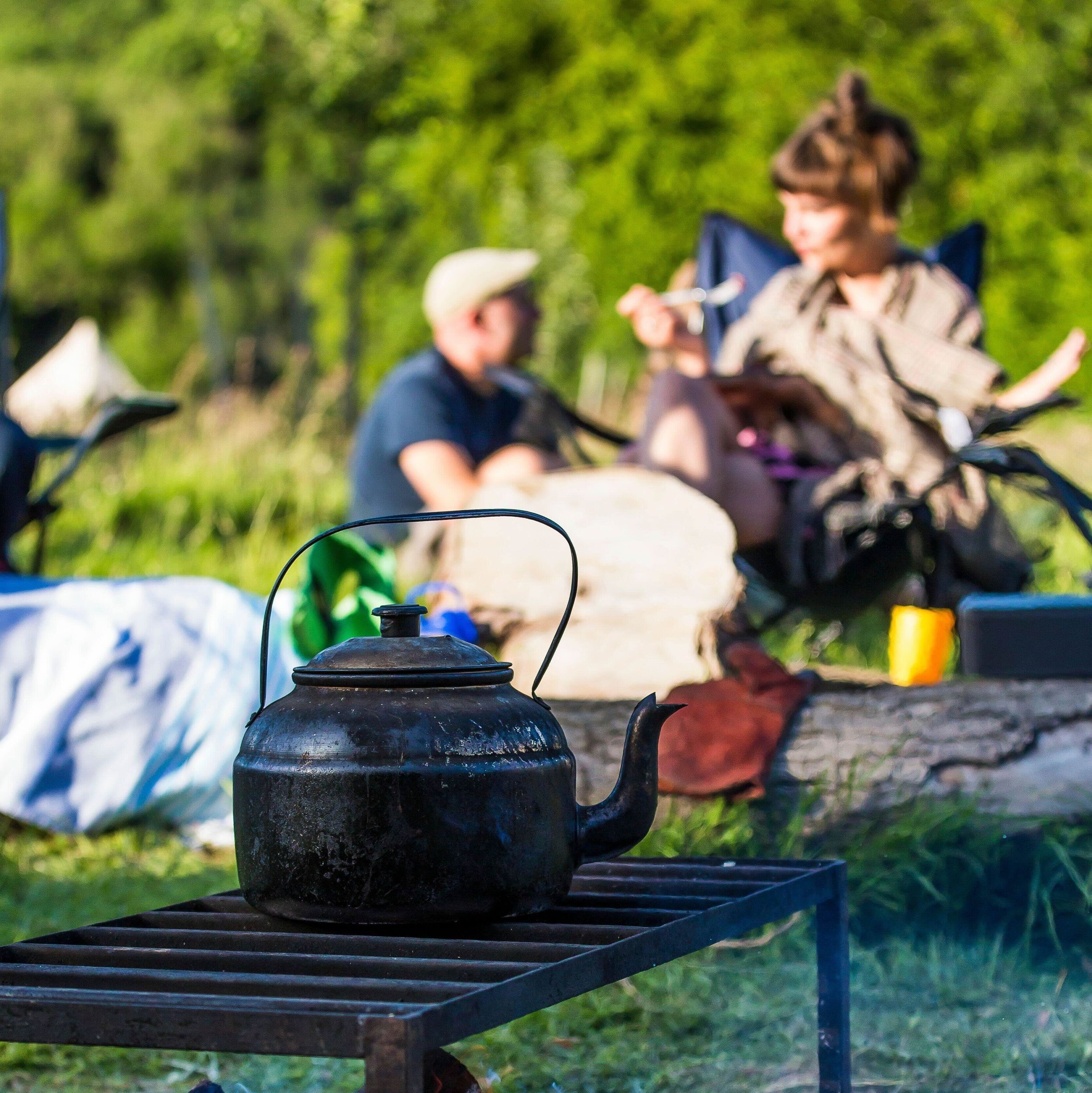
Photograph of The Norfolk Brickyard, Wells-next-the-Sea, from Almost Wild Camping
Live a simpler life, closer to nature, even if it’s just for a night or two
If you fancy the idea of the simplest of existences for a week, sleeping under the stars and living entirely out in nature (but perhaps aren’t quite ready to forego a shower and running water yet) you might like to try Almost Wild camping.
In our April issue, James Warner Smith told us where to find some of the UK’s best almost wild camping spots. You can read all about them from page 18. Here are some of his tips for getting started if you’re feeling wild (but not THAT wild).
*Check the facilities Availability of toilets, showers and washing-up areas may vary so check before you book and you’ll know what to expect.
* Stock up Few campsites will have an onsite shop, or it may be very basic. Find the location of the nearest shops before you travel and bring adequate supplies, just in case.
* Cut the clutter Try not to pack the kitchen sink. Aim for being able to fit everything you need into a wheelbarrow (often provided) as you can rarely park by your pitch.
* Book early For the best spots, plan ahead and book early, especially in (this) summer. Check if children and dogs are allowed, too.
* The right pitch Practise putting up your tent at home and check you have all the necessary parts.
* Cook out Most sites let you have a campfire, which goes against the grain of the ‘Leave No Trace’ ethos of genuine wild camping. Ditch the camping stove and get creative.
* Slow down Switch off your phone, embrace the slower pace of life and just take time to enjoy where you are.
Almost Wild Camping: 50 British Campsites on the Wilder Side by James Warner Smith (Punk Publishing)
Buy this month's The Simple Things - buy, download or subscribe


These sweet embroidery projects from Love Embroidery magazine are featured in our June issue. You’ll find all the instructions beginning on page 102 and you can buy the issue from our online store. But first you will need the templates. Download them below and get stitching.
Project: Jen Smith and Miriam Polak
Buy this month's The Simple Things - buy, download or subscribe
For more patterns, ideas and inspiration pick up a copy of Love Embroidery

Redecorate any room in your home with Earthborn’s beautiful , textural shades
Planning on using some of summer’s long, productive days to paint a nursery or redecorate a child’s bedroom? Then you could be in luck. Earthborn are all about environmentally friendly paints that are better for you, your home and the environment. And they’re giving two lucky readers the chance to win 12.5 ltr of paint – in any one of the 72 beautiful shades in their palette. You can choose from Claypaint, a super-breathable ultra-matt, ideal for walls and ceilings, or Lifestyle, a hard-wearing washable emulsion that hits the mark in busy homes. A spot of decorating can be a calming and uplifting task – especially when you’re working on children’s rooms. It brings with it the hope of a brighter future, as well as the satisfaction of a job well done. And choosing an eco-friendly paint is just one of the little steps you can take towards a greener world.
How to enter
For your chance to win 12.5 ltr of Earthborn paint, worth over £200, answer the question below by the closing date of 7 July 2021.
Question: How many colours are available in the Earthborn palette
Terms and conditions
The competition closes at 11.59pm on 7 July 2021. Two winners will be selected at random from all the correct entries received and notified soon after. The winners cannot transfer the prize or swap for cash. Subject to availability. Details of our full terms and conditions are on p127 of the magazine and online at icebergpress.co.uk/comprules.
Buy this month's The Simple Things - buy, download or subscribe

Our playlist was inspired by the dad of our regular contributor, Lottie. Richard Storey became an internet sensation when he selected tracks for a ‘desert island disco’ on Lauren Laverne’s 6Music show earlier this year. To mark Father’s Day, we asked our dads (including Richard, naturally) to suggest some favourite tunes. And here’s the resulting playlist.
Listen here.
DJ: Frances Ambler and the dads of The Simple Things team.
Buy this month's The Simple Things - buy, download or subscribe

A window seat is at the top of our home nook swishlist. Here are a few ways to make the most of yours if you’re lucky enough to have one.
Take tea in it. Proper china, mind. In fact, you probably want to invest in one of those trolleys for cakes and sweet treats, so you can perch your teapot and milk jug on top and not have to make too many needless trips to the kitchen.
Read in it. The obvious thing to do with a window seat is to sit down with a good book and look very picturesque and intellectual from the outside, even if your reading matter is a Jackie Collins and you’ve simply buried the front cover in your lap. Somehow, a window seat increases the appearance of culture in the same way spectacles do. Make the most of it, we say.
Get a bit Gothic. Go all Wuthering Heights and sit and watch the rain lashing at the panes of glass while thinking wistfully of lovers long out of reach.
Flaneur the hell out of it. Sit with the intention of doing absolutely nothing but people watching. If your window looks out only onto your garden you might have to employ a gardener first or send your family out to do some chores so that you may observe them hard at work. Try to make them the occasional mug of tea to avoid becoming a bit irritating.
Become a wildlife expert. Whether it’s birds, butterflies, foxes or merely the local cat population, a window seat affords the opportunity to become au fait with all the living things that pass through.
Turn informant. If your seat looks out on a public byway, get yourself a notebook and come over all Miss Marple. You never know what you might notice that proves useful at a later date. If you don’t spot anything you can always just pretend to be on a stake out, which is just as exciting.
Cloud watch. The original and best bit of mindfulness available. Spot dragons, medieval battles and giant rabbits, all from the comfort of your seat in the window.
Turn the window on its head and become an art installation. Dress up. Use props. Imagine your way into various scenarios and let others enjoy ‘viewing’ you each day, rather than you viewing them.
If you are feeling inspired to creat a window seat of your own, don’t miss our My Place feature in the May issue, in which Lottie Storey has gathered together some of her favourite window seats from Instagram and beyond, including this one, pictured above, which belongs to Jason Korinek @westcross_property_renovation. The May issue is in shops now or available to buy in our online store.
Buy this month's The Simple Things - buy, download or subscribe

Photography: Kirstie Young
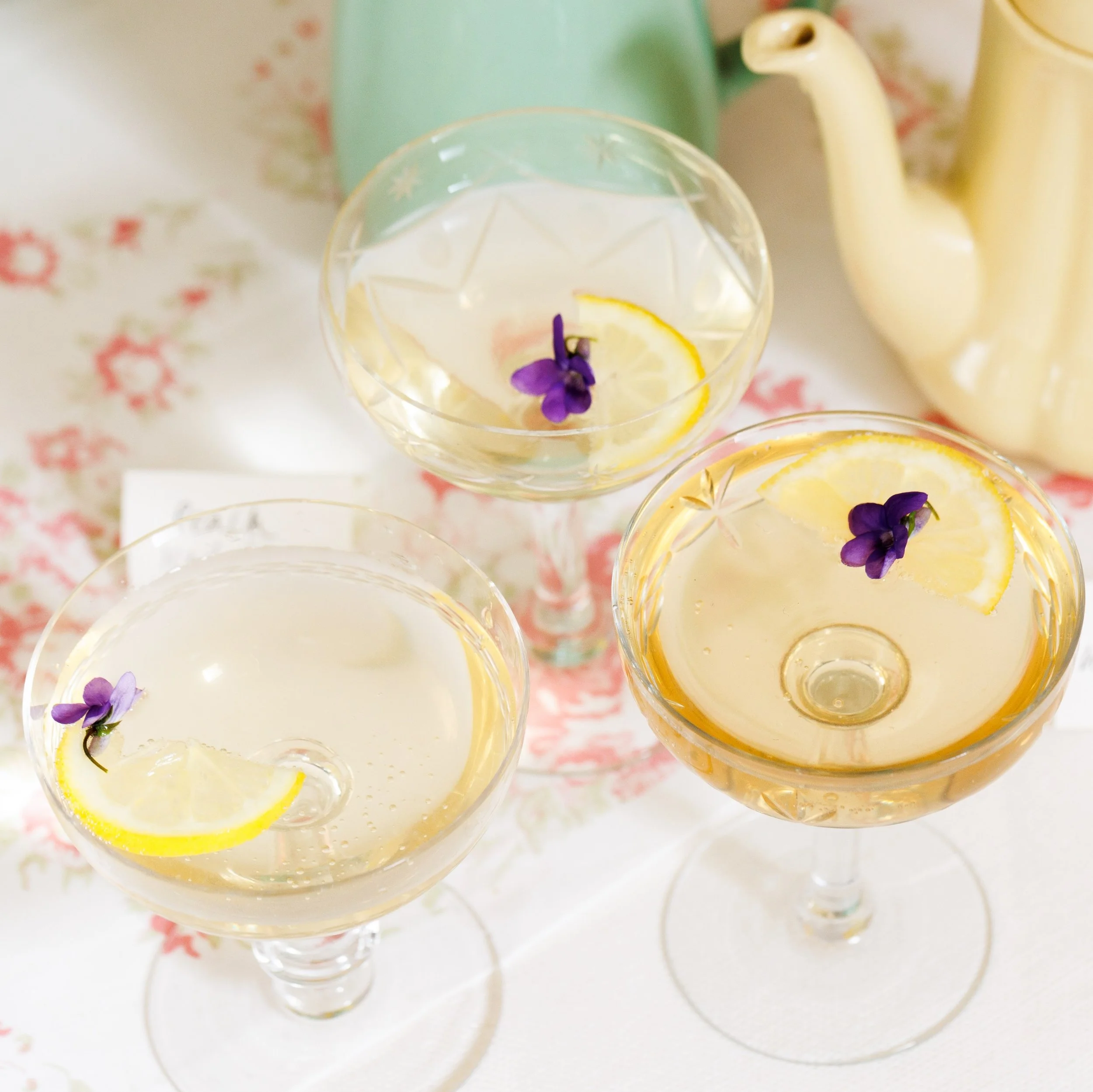
The two fruits of the moment are pink, squeaky stemmed, forced rhubarb and lovely sour gooseberries. Either could be used for this spring cocktail, and should be treated the same way: stewed in a little water and honey to sweeten their sourness and then sieved to make a smooth syrup. Gooseberry is the more traditional ingredient for a Whitsun feast, but rhubarb makes a particularly pretty pink drink.
Serves 6
6 stems forced rhubarb (as pink as you can find)
Runny honey
1 bottle champagne or other sparkling wine
1 Chop the rhubarb into 5cm chunks and tip into a saucepan over a medium heat with a small splash of water – rhubarb contains plenty of water so you only need just enough to get it going. Let it bubble away until the rhubarb has completely softened and then use a fork to break and mash the pieces up.
2 Strain into a bowl and add runny honey to taste.
3 Pour your syrup into a jar and chill in the fridge. When ready to serve, fill half a glass with the chilled rhubarb syrup and top with sparkling wine.
This is just one of the recipes from our Nature’s Table feature by Lia Leendertz. The other late spring recipes include confit duck with petits pois and Lincolnshire Whitsun cake. You can find it starting on page 8 of our May issue.
Buy this month's The Simple Things - buy, download or subscribe

Photography: Fanni Williams/tillyandthebuttons.com
How a Breton top gives anyone a bit of an edge
Striped tops have become a wardrobe staple for many of us in recent years, but no matter how ubiquitous they become, they always make us think of a few famous stripes wearers.
Funnily enough, despite stripes being fairly commonplace now, there’s always something about a fictional character who rocks a stripe. They tend towards the unorthodox and rebellious. In Medieval Europe a stripe was a symbol of disorder and also difference, worn only by societal outcasts such as lepers, hangmen and clowns. So perhaps that’s one reason why characters who are a little ‘outside’ the bounds of normal are often portrayed in stripes. That, and the fact that we all know they just look cool, of course.
Here are a few characters from fiction, film and television, who must have earned their stripes in the stripes-wearing stakes.
Dennis the Menace
Dennis’s stripes have a long history. When he was first drawn in 1951 he had plain clothes and just a striped tie. Just a few months later the black-and-white tie became a black-and-white jumper and only a few months after that did the jumper become the signature black and red Dennis is famous for.
Pippi Longstocking
Astrid Lindgren’s curious, kind and superhumanly strong nine year old character, Pippi Longstocking has become sort of synonymous with stripes, though we remember her most for her knee-length, mismatched stripy socks.
Ernie and Bert from Sesame Street
Rocking a stripe in completely opposite ways, Ernie’s stripes are horizontal like his big wide smile, while Bert’s are vertical, like his long face. But they complement each other perfectly.
Where’s Wally?
Known for his red-and-white-striped jumper, as well as his red-and-white beanie and round specs, Wally is drawn by Martin Handford, usually tiny and surrounded by other red-and-white-striped things so as to make finding Wally trickier.
The Cat in the Hat
Also sporting red and white stripes but far more ostentatious is Dr Seuss’s The Cat in the Hat, a six-foot-tall cat wearing a red-and-white-striped top hat. As if a massive, rhyming cat with a paunch might otherwise go unobserved...
Bee from Ant and Bee
Another character from children’s fiction who must be mentioned for their stripes is Angela Banner’s Bee from the Ant and Bee books. Although we’re not sure whether or not Bee counts as rocking a stripe, since he is stark naked and his stripes are all natural. Does that make him <more> stripy for being striped to his very core? Or less stripy because he didn’t choose his stripes? These are the sorts of big questions we are unafraid to ask here at The Simple Things.
The chaps from O Brother Where Art Thou?
Literally rocking a stripe are Ulysses, Delmar and Pete, who escape in their prison stripes from a chain gang, head off in search of buried treasure and have an accidental hit record as The Soggy Bottom Boys. There’s something about those stripy prison slacks that looks a bit cooler in O Brother Where Art Thou’s faded sepia tones, too.
Betelgeuse
In his vertical black and white striped suit there’s no mistaking Tim Burton’s obnoxious poltergeist. He might not have got away with that outfit in life, but he certainly cuts a dash in those stripes now he’s dead. Which just goes to show how a stripe really can lift any outfit.
You can read more about the stripy Breton top in our Wearing Well series on page 83 of the May issue.
Buy this month's The Simple Things - buy, download or subscribe

Photography: Yossy Arefi
Deliciously sweet and silly at once, we defy that hardest of cake haters not to smile at the sight of an upside-down cake.
But who first thought to invert perfection? Well it’s likely that the idea is quite old and began when breads and cakes were cooked over fires in skillet pans. Our cake-eating ancestors would have added fruit and sugar to caramelise it on the bottom of a pan and then poured a simple cake batter on top before cooking it over the fire. Turned upside-down, once cooked, it would look a lot more appealing than the top, which of course would cook eventually but may not brown so well when not done in the oven.
But as with many of the most fun things in life, a few centuries’ of knowhow and the invention of new gadgets and gizmos are what made the upside-down cake truly great. Around 1911, when James Dole’s company invented a machine that could cut pineapple into pretty, easy-to-deal with rings, and with the modern convenience of ovens to boot, the pineapple upside-down cake had its moment in the sun. The addition of a tinned maraschino cherry was literally the icing on the cake.
In our April issue, we have a recipe for the classic upside-down cake with a spiced twist, pictured above. Why not give it a go? You can find it on p25.
This delicious recipe is taken from Snacking Cakes: Simple Treats for Anytime Cravings by Yossy Arefi (Clarkson Potter). Photography by Yossy Arefi
Buy this month's The Simple Things - buy, download or subscribe
We celebrate slowing down, enjoying what you have, making the most of where you live, enjoying the company of of friends and family, and feeding them well. We like to grow some of our own vegetables, visit local markets, rummage for vintage finds, and decorate our home with the plunder. We love being outdoors and enjoy the satisfaction that comes with a job well done.