The Simple Things

Taking time to live well
  • Home
  • Subscribe
  • SHOP
  • Newsletter
  • About
  • Work with us
  • Home
  • Subscribe
  • SHOP
  • Newsletter
  • About
  • Work with us

Blog

Taking Time to Live Well

  • All
  • Chalkboard
  • Christmas
  • Competition
  • could do
  • Eating
  • Escape
  • Escaping
  • Fresh
  • Fun
  • gardening
  • Gathered
  • Gathering
  • Growing
  • Haikus
  • Interview
  • Living
  • Looking back
  • Magazine
  • magical creatures
  • Making
  • Miscellany
  • My Neighbourhood
  • Nature
  • Nest
  • Nesting
  • outing
  • playlist
  • Reader event
  • Reader offer
  • Shop
  • Sponsored post
  • Sunday Best
  • Think
  • Uncategorized
  • Wellbeing
  • Wisdom

History | Cornishware

David Parker January 20, 2026

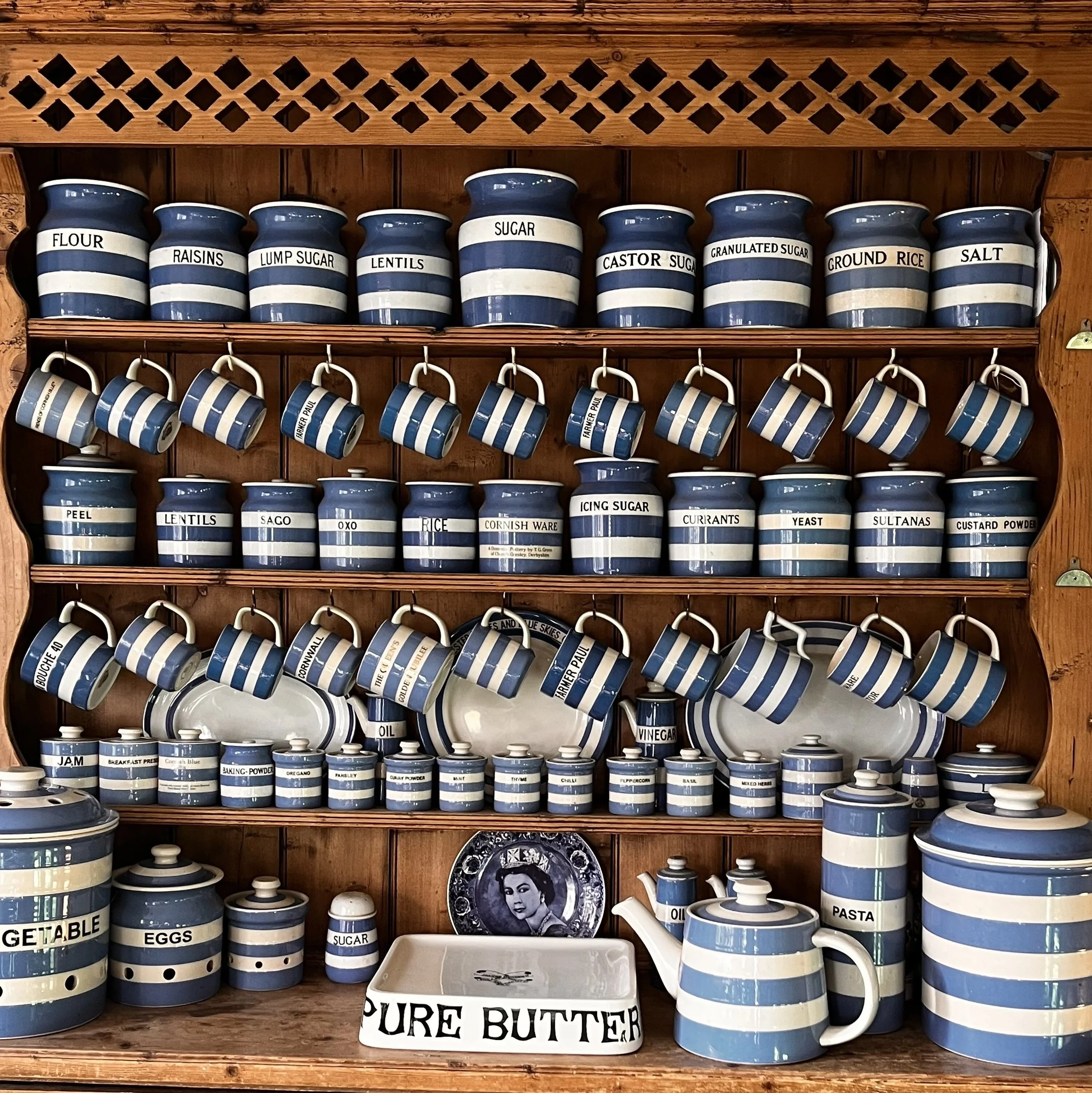
A potted history of blue-and-white pottery

Probably one of the most recognisable and most coveted pottery ranges of the last hundred years, Cornishware was once a staple in most homes and is still flying off the shelves today. 

Its history is actually a bit of a love story. Thomas Goodwin Green had emigrated to Australia, having had his heart broken by one Mary Tenniel (sister of the illustrator of Alice’s Adventures in Wonderland, John Tenniel). He’d been nursing his heart while working as a telegraph pole erector when he had word that Mary had changed her mind about him and immediately upped sticks back to England. Tom was a man who knew what he wanted and didn’t need asking twice. 

Whilst on honeymoon in Scarborough in 1862, he met a potter who was selling his business and offered it to him. Ever decisive, Tom snapped it up, decided to learn the trade and the rest is breakfast table history. 

For many years, TG Green’s produced only very plain, utilitarian homewares, but following the first world war and the economic crisis that followed, the factory was down to two days a week and new work was urgently needed. The solution was the blue and white stripes that became known as ‘Cornishware’, allegedly in honour of the blue skies and white-crested waves of the Cornish coast. The clay was taken from Cornwall up to the potteries in Stoke on Trent, which worked out cheaper in terms of both materials and production. 

By the 1930s, the white-and-blue-striped ceramics were cheering the breakfast and tea table in many homes. The business successfully weathered the hardships of World War Two and went from strength to strength but in 2007, the economic crash saw TG Green’s off and the company went into administration, closing its factory in Church Gresley. 

But you can’t keep a cheery piece of crockery down for long. Having been produced abroad for some years, in 2017 the pottery began to be slowly repatriated, once again using Cornish clay, only this time the pottery was produced a factory in the West Country. 

The products are now available in a range of cheery stripes in varying colours but we’re die-hard fans of the original Cornish blue. 

How to spot a Cornishware fake

The popularity of Cornishware means it is often copied. If you’re buying secondhand from antiques stores or jumble sales, here’s how to spot a fake from the real thing.

Check the ‘back stamps’ on the back or underside. Fakes often have incorrect back stamps. Two common fake stamps are a triangle with the words ‘Gresley Ware’ inside or text reading T.G. Green & Co Gresley Ware’. Neither of those stamps was ever used by the company.

True Cornishware stamps differ according to their age. Cornishware from the 20s to 40s has a green maker’s mark of the church at Church Gresley. Most original Cornishware, however, has a black or green mark that is a shield with the factory name inside, crossed with the words ‘Cornish Kitchen Ware’.

Experts say you should be particularly wary of named storage jars - ‘flour’, ‘sugar’ etc as often the names were added later to make them appear to be more of a rarity.

The photograph above is by Paul Lawrence @diaryofacountryman, and is featured in our My Place pages in the January issue, which this month is all about dressers. The issue is in shops now.

Buy this month's The Simple Things -buy, download or subscribe

More of our favourite corners of the home…

Featured
Diaryofacountryman Cornishware.jpeg
Jan 20, 2026
History | Cornishware
Jan 20, 2026
Jan 20, 2026
@mycambridgefairytale.jpeg
Feb 11, 2025
Nest | 5 Famous Chairs
Feb 11, 2025
Feb 11, 2025
Shade Liz Boyd.jpg
Aug 15, 2023
Think | In praise of shade
Aug 15, 2023
Aug 15, 2023

More from our blog…

Featured
Scilly Flowers 2.jpeg
Jan 20, 2026
Competition | Win a year's supply of flowers from Scilly
Jan 20, 2026
Jan 20, 2026
Diaryofacountryman Cornishware.jpeg
Jan 20, 2026
History | Cornishware
Jan 20, 2026
Jan 20, 2026
Bergamot Jelly.jpeg
Jan 17, 2026
Recipe | Bergamot Jelly
Jan 17, 2026
Jan 17, 2026
In Think Tags issue 163, my place, pottery
Comment

Recipe | Bergamot Jelly

David Parker January 17, 2026

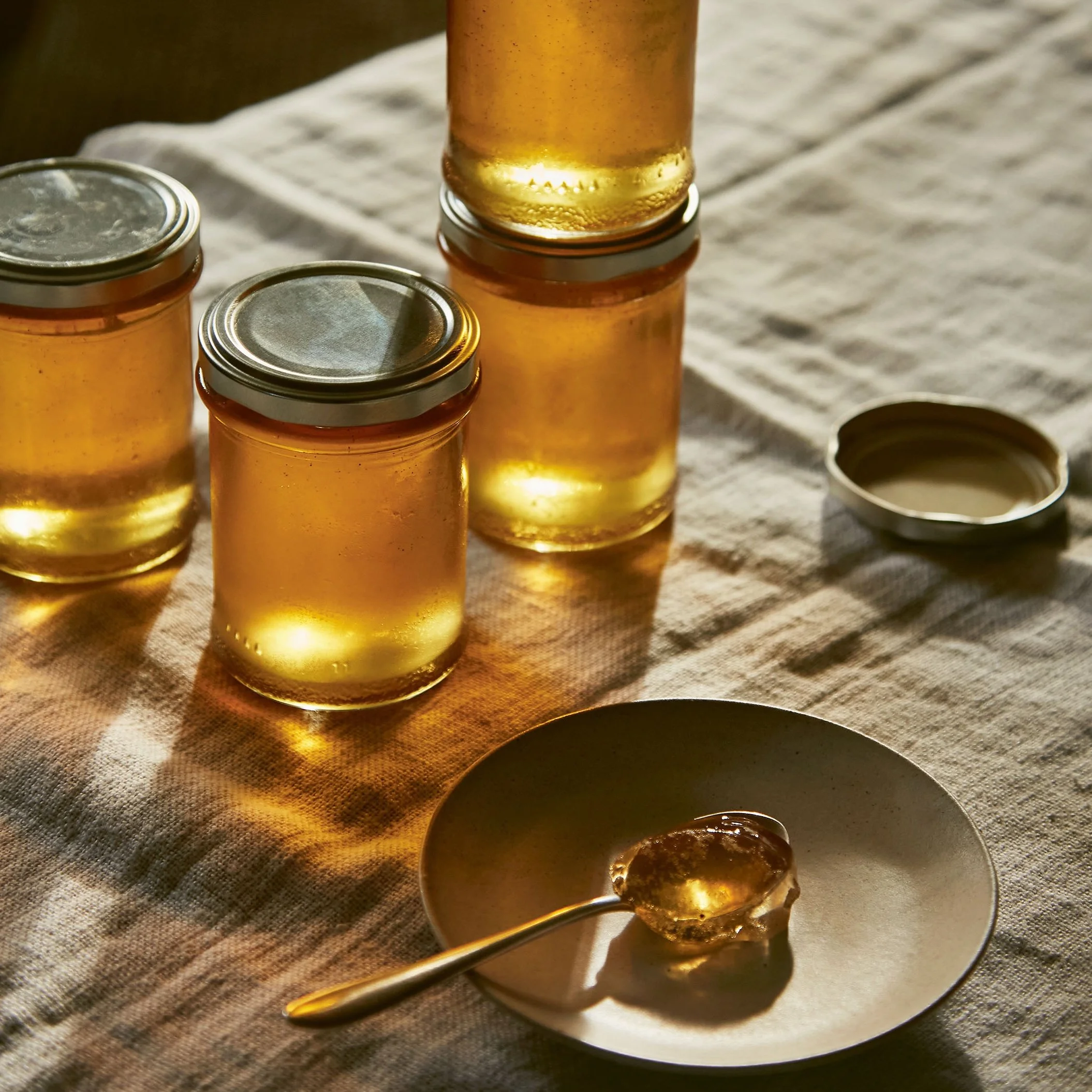
If you’re lucky enough to come across bergamots, this recipe is a lovely way of preserving their sunshine in the depths of winter and will bring great cheer to your toast on darker mornings.

Makes about 7-8 x 200g jars

1kg bergamots

250g lemons

1.125 kg caster sugar

1 tsp vanilla bean paste

1 Wash and cut the bergamots and lemons into eighths. Place in a large pan and cover with 2 ltrs of water. Place over a medium high heat and simmer for 45 mins, stirring regularly. The fruit should be completely softened and falling apart.

2 Place a colander over a large bowl and line it with a tea towel or muslin. Pour over the boiled fruits and strain. Gather the edges of the fabric and tie tightly together, then hang the parcel over the colander and bowl and leave to strain overnight. Don’t be tempted to squeeze it to speed up the process as you’ll end up with a cloudy jelly.

3 Measure the strained liquid into a pan – you should have roughly 500ml but don’t worry if it’s a little more or less. Top up with water until you have 2 ltrs of liquid overall.

4 Return the pan to a medium heat and once the liquid is boiling, add the sugar. Stir to dissolve.

5 Bring the mixture back to a simmer and monitor the temperature, stirring regularly. Begin testing once the mix reaches 104C.

6 Dollop a small spoonful of the jelly onto a chilled plate and pop into the freezer for 2 mins. Remove and run your finger through the middle of the jelly – if the surface wrinkles and holds its shape, it’s reached setting point. If the jelly remains liquid and runs back to the centre where your finger has run through the middle, return it to the heat and continue cooking.

7 Repeat the wrinkle test, using clean chilled saucers every time, until the jelly passes the test. Keep stirring the jelly regularly to avoid it catching on the base of the pan. I find that sometimes you need to cook this jelly until it reaches 110C, so do be patient and repeat the test regularly until you achieve the result you are looking for.

8 Once the jelly has passed the wrinkle test, remove the pan from the heat and stir in the vanilla paste, then begin transferring it to sterilised jars using a funnel. Seal with the lids immediately. Leave to sit until cool enough to handle, then make sure the lids are on as tightly as possible and wipe away any sticky spots. Label and store somewhere cool and dry for up to 6 months.

This recipe is taken from Winter in the Highlands by Flora Shedden (Quadrille) and you can find a longer extract in our feature Cold Hands, Warm Heart, in our January issue, including recipes for a Cranberry Shrub, Prune & Pecan Porridge, Onion Soup and Leek Dauphinoise. The issue is in shops now.

Buy this month's The Simple Things -buy, download or subscribe

More jams and conserves…

Featured
Bergamot Jelly.jpeg
Jan 17, 2026
Recipe | Bergamot Jelly
Jan 17, 2026
Jan 17, 2026
jammie dodgers Louise Gorrod.jpg
Nov 6, 2021
Recipe | Homemade Jammie Dodgers
Nov 6, 2021
Nov 6, 2021
Mar 14, 2021
Recipe: Goose egg lemon curd
Mar 14, 2021
Mar 14, 2021

More from our blog…

Featured
Scilly Flowers 2.jpeg
Jan 20, 2026
Competition | Win a year's supply of flowers from Scilly
Jan 20, 2026
Jan 20, 2026
Diaryofacountryman Cornishware.jpeg
Jan 20, 2026
History | Cornishware
Jan 20, 2026
Jan 20, 2026
Bergamot Jelly.jpeg
Jan 17, 2026
Recipe | Bergamot Jelly
Jan 17, 2026
Jan 17, 2026
In Fresh Tags issue 163, jam
Comment

Wellbeing | Taking Cues from Pets

David Parker January 13, 2026

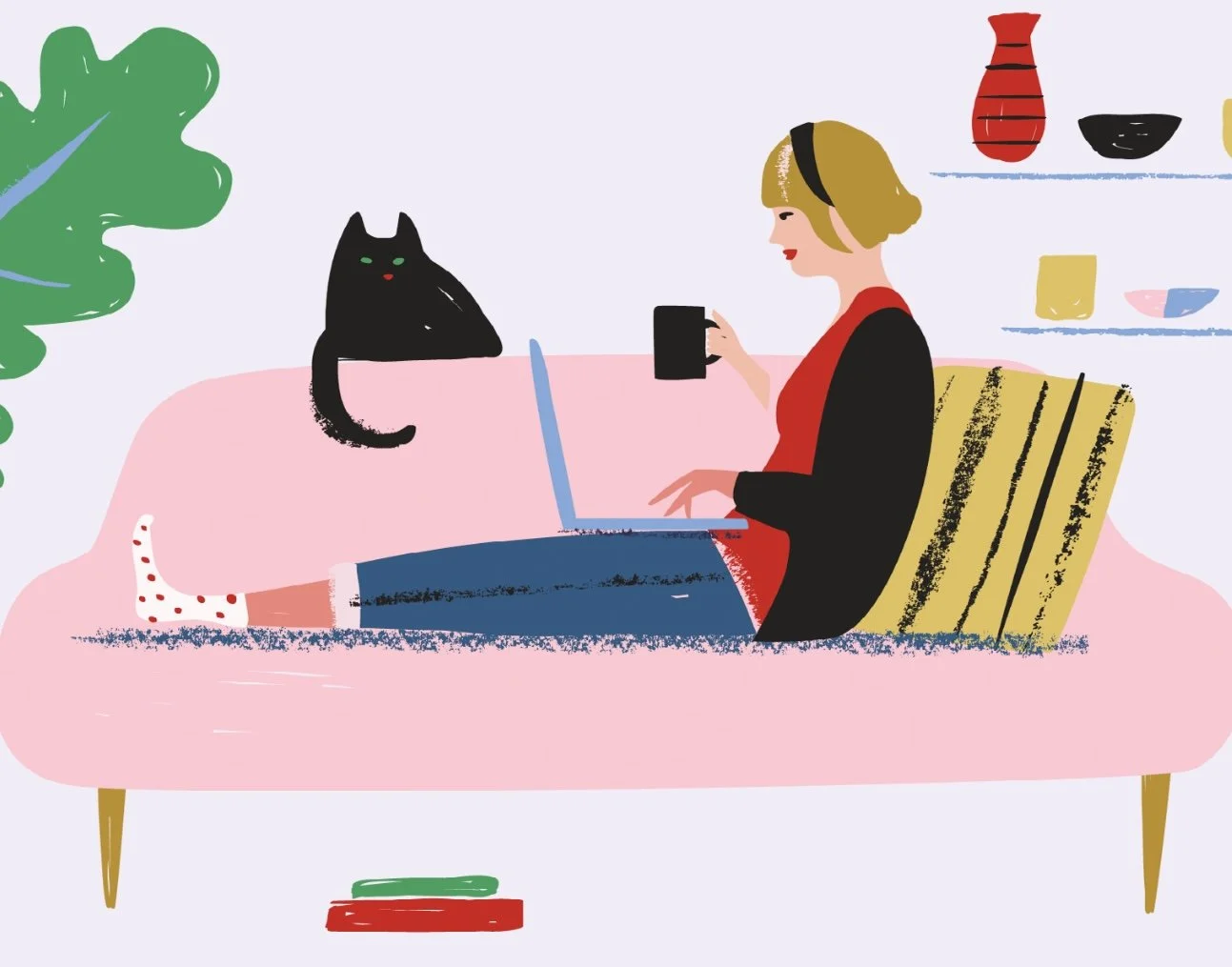
Illustration by Libby Vanderploeg

Paying more attention to the animals around us can help us guide our way through the changing seasons of life

It’s a dog’s life, we say. But why do we think that? Because of the utter joy they get from simple activities like chasing a ball? Or the unconditional devotion and loyalty they show for one human? Perhaps it’s the ability to nap whenever they need to? Or how they find pleasure from the same things, day in, day out? It’s all the above and more, but it’s not just dogs that we can learn from. Who hasn’t envied the self- containment of a cat, curled up in the sunniest, comfiest spot in the house? Or admired ants working so efficiently as a team to survive in a world where you’re one of the smallest.

In his book The Happiness Of Dogs (Granta), Mark Rowlands explains how animals differ from humans in their inability to self-examine. They don’t ruminate or compare themselves to others, worry about their achievements, material possessions or looks. “When a dog doesn’t react to its reflection, it’s most likely because it doesn’t care how it looks,” he says. Of course, we have much to thank for our questioning brains, but we can still learn from animals. Perhaps the most relevant lesson in today’s world is how to deal with stress. We know animals get stressed – they’re always alert to danger and there can’t be many things more stressful than fleeing from a predator. But once the moment is over, they relax and rest. By contrast, we keep going, piling on more stress, which can lead to anxiety, insomnia and cravings for sugar, alcohol and other stimulants to stay alert.

So how can we be more animal like? When stressed, counter it with some physical activity that triggers the release of endorphins which leave you with a relaxed, happy feeling, like a ‘runner’s high’. Do the difficult thing on your to-do list, even if it’s not perfect and then move on instead of procrastinating and making yourself more stressed for longer. Try to be more resilient and forgiving of yourself and others – animals experience disappointment and sadness, but they bounce back and try again. Luxuriate in simple joys and glorious ordinary moments and make sure you rest when you need to, and even when you think you don’t.

The blog above is an extract from our wellbeing feature Taking Cues… in our January issue by Rebecca Frank. You can read the whole piece, including advice on taking cues from the young, the elderly, nature, our heroes and ancestors from page 70. The issue is in shops now.

More animal magic…

Featured
Wellbeing cues pets.jpg
Jan 13, 2026
Wellbeing | Taking Cues from Pets
Jan 13, 2026
Jan 13, 2026
Camouflage Joseph Ford book.jpg
Oct 16, 2019
Camouflage | a short primer
Oct 16, 2019
Oct 16, 2019
Rabbits.jpg
Apr 3, 2019
How to: speak 'Rabbit'
Apr 3, 2019
Apr 3, 2019

More from our blog…

Featured
Scilly Flowers 2.jpeg
Jan 20, 2026
Competition | Win a year's supply of flowers from Scilly
Jan 20, 2026
Jan 20, 2026
Diaryofacountryman Cornishware.jpeg
Jan 20, 2026
History | Cornishware
Jan 20, 2026
Jan 20, 2026
Bergamot Jelly.jpeg
Jan 17, 2026
Recipe | Bergamot Jelly
Jan 17, 2026
Jan 17, 2026
In Wellbeing Tags issue 163, animals, wellbeing, pets
Comment

Make | Citrus Print Tablecloth

David Parker January 10, 2026

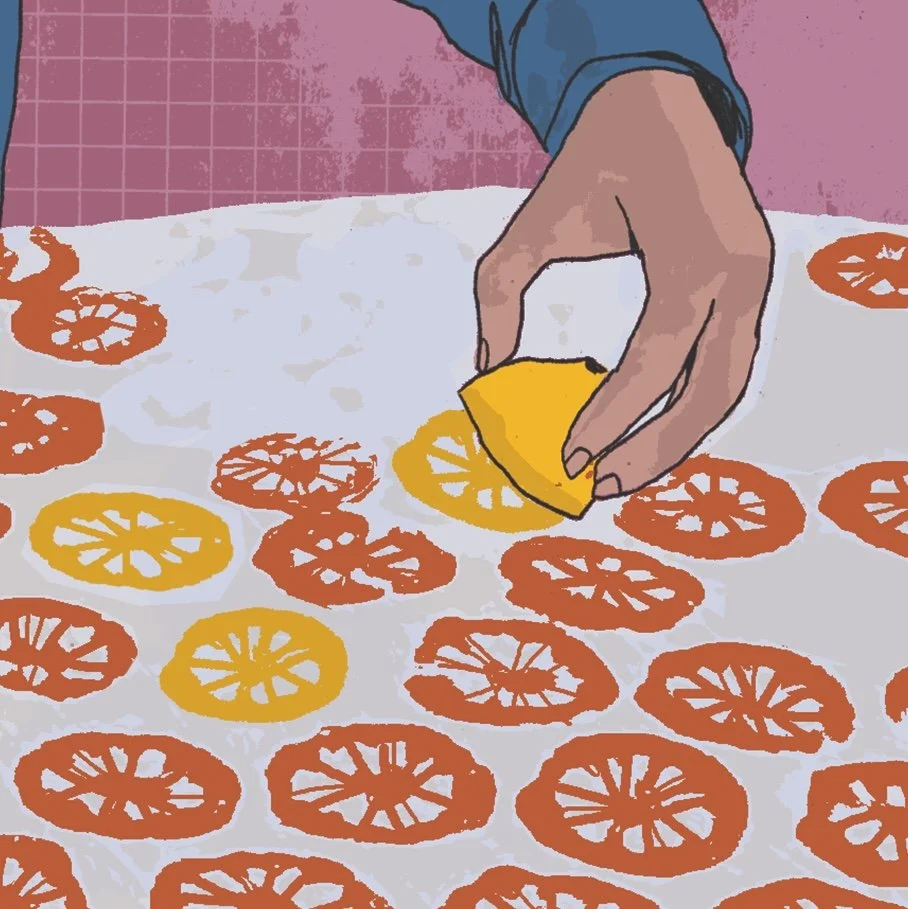
Illustration by Kavel Rafferty

Brighten your January table with a zesty cloth to protect it, just in time for marmalade season.

Pick your fruits
A few differently sized citrus fruits look effective, so maybe buy a couple of lemons, a couple of limes, a large orange and a grapefruit. Cut each in half widthways (so that you get a print that shows the separate segments). Juice each half carefully, taking care to break up the pith between each fruit segment. Leave the juiced fruit halves out to dry a little.

Choose your colours
Squeeze a generous amount of fabric paint into foil trays, using a different tray for each colour. Classic orange, yellow and acid green look effective but you could also pick colours to match to your decor if you prefer.

Make your mark
Dip the citrus halves into the paint, or apply the paint to the bottom of each half carefully with a paint brush. Gently press each painted half onto a plain tablecloth, working from the centre towards the edges. If it’s a large cloth you might need to stamp in sections and leave each one to dry. Once complete, throw it on your table to show off your homemade marmalade on toast and orange juice to its best effect.

This kitchen table project is taken from our Miscellany pages, which are full of seasonal fun facts and silliness each month. The January issue is in shops now.

More citrussy inspiration…

Featured
CITRUS PRINT.jpg
Jan 10, 2026
Make | Citrus Print Tablecloth
Jan 10, 2026
Jan 10, 2026
Mini Olive Limey Cakes.jpg
Mar 25, 2023
Cakecasions | Stately Home Car Park Cake
Mar 25, 2023
Mar 25, 2023
Blood Orange Posset small.JPG
Jan 1, 2023
Recipe | Blood Orange Posset
Jan 1, 2023
Jan 1, 2023

More from our blog…

Featured
Scilly Flowers 2.jpeg
Jan 20, 2026
Competition | Win a year's supply of flowers from Scilly
Jan 20, 2026
Jan 20, 2026
Diaryofacountryman Cornishware.jpeg
Jan 20, 2026
History | Cornishware
Jan 20, 2026
Jan 20, 2026
Bergamot Jelly.jpeg
Jan 17, 2026
Recipe | Bergamot Jelly
Jan 17, 2026
Jan 17, 2026
In Making Tags citrus, project, make, lemons, issue 163
Comment

Photograph by Alamy

Fiction | Top Towers from Books

David Parker January 6, 2026

Symbols of power, loneliness and mystery, towers feature almost as characters themselves in many stories. Here are a few that have stood head and shoulders above the rest.


Rapunzel’s Tower

Part prison, part enchanted home, Rapunzel’s woodland tower (as well as her hair) is very much the main character in this fairy tale. Locked in a tower with no stairs and no door by an evil witch, Rapunzel is about to make good her escape with her prince. But their plan is discovered by the witch, and the unfortunate prince leaps from the tower, landing in a patch of thorns which blind him. (Spoiler: don’t worry - it’s a happy ending). In some versions of the tale, the witch ends up stuck at the top of the tower herself, so the tower is at some point gaoler to all three characters. Apart from anything, the tale is responsible for the fact that almost all of us will find it impossible not to shout “Rapunzel, rapunzel! Let down your hair!” whenever passing a tall, thin building. It’s the law.

The Two Towers in Lord of the Rings

Although these two towers are the title of the second of the Lord of the Rings books, no one is quite sure which two towers exactly are referred to. There is a confusing plethora of towers in the novels ait turns out. Most readers assume the towers are Barad Dur (the dark tower) and the opposing Minas Tirith (tower of the watch). Tolkien himself foresaw this confusion and wrote to his publisher, confirming that he referred rather to Orthanc (Saruman’s tower) and Cirith Ungol (an entrance to Mordor). More confusingly still, the illustration Tolkien chose for the original book jacket pictured what is clearly Orthanc alongside Minas Morgul. Struggling to follow? Don’t worry - even Gandalf is confused at this point. Anyway, the important thing about the Two (or possibly five) Towers is that they are symbols of might and magic. In a land of hobbits and other very small people, towers are pretty awesome. 

Malory Towers

If you were once a fan of boarding school books, you’ll no doubt have been charmed firstly by Malory Towers’ swimming pool (naturally carved from the rocks and filled with sea water) but secondly by the building’s architecture with its four towers at each of the corners. North Tower, South Tower, East Tower and West Tower house the boarding accommodation for around 60 Malory Towers girls each and represent a haven for its inhabitants, who formed strong bonds to the pupils and teachers they shared a tower with. Blyton knew what she was up to. If you’re going to write about a wonderful boarding school, you definitely need it to have fairytale towers and endless spiralling staircases. The plot of the stories follows the girls in North Tower more or less exclusively. South Tower girls get an occasional mention. If you were West or East you’re basically a baddy. Like in The Wizard of Oz. 


The Tower of Flints, Gormenghast 

Mervyn Peake’s eerie trilogy is set in the castle of Gormenghast, and rising out of it ‘like a mutilated finger from among the fists of knuckled masonry’ is the Tower of Flints, covered in patches of black ivy and inhabited by owls. A symbol of profanity as well as decay, it’s a microcosm of the Groan family itself and also represents a place of escape both to and from madness for the characters. Let’s be honest; every completely bonkers Gothic trilogy needs a completely bonkers Gothic tower in it. 


The Tower (or tunnel) in Annihilation 

It’s true that towers are never quite what they seem in fiction, and in the strange, almost post-apocalyptic world created by Jeff Vandermeer, it makes sense that everything is inverted and unexpected. So what is referred to as ‘the tower’ is in fact a tunnel that plunges deep into the earth, inhabited by a weird creature that writes in moss on its walls. If you feel like this is cheating in tower terms, don’t worry - there’s a towering and equally creepy lighthouse in this novel, too. 

If you’re feeling inspired to visit a tower in real life, don’t miss our ‘Outing’ in our January issue that is all about towers from follies and monuments to lighthouses and churches. The issue is in shops now. 

More fictional fun…

Featured
Alamy Tower.jpeg
Jan 6, 2026
Fiction | Top Towers from Books
Jan 6, 2026
Jan 6, 2026
British Train Outings Full Page Final.jpeg
Sep 16, 2025
Reading | Books for Train Journeys
Sep 16, 2025
Sep 16, 2025
Lighthouse pic.jpeg
Jun 12, 2025
Books | Lighthouse Literature
Jun 12, 2025
Jun 12, 2025

More from our blog…

Featured
Scilly Flowers 2.jpeg
Jan 20, 2026
Competition | Win a year's supply of flowers from Scilly
Jan 20, 2026
Jan 20, 2026
Diaryofacountryman Cornishware.jpeg
Jan 20, 2026
History | Cornishware
Jan 20, 2026
Jan 20, 2026
Bergamot Jelly.jpeg
Jan 17, 2026
Recipe | Bergamot Jelly
Jan 17, 2026
Jan 17, 2026


In Fun Tags books, towers, issue 163
Comment

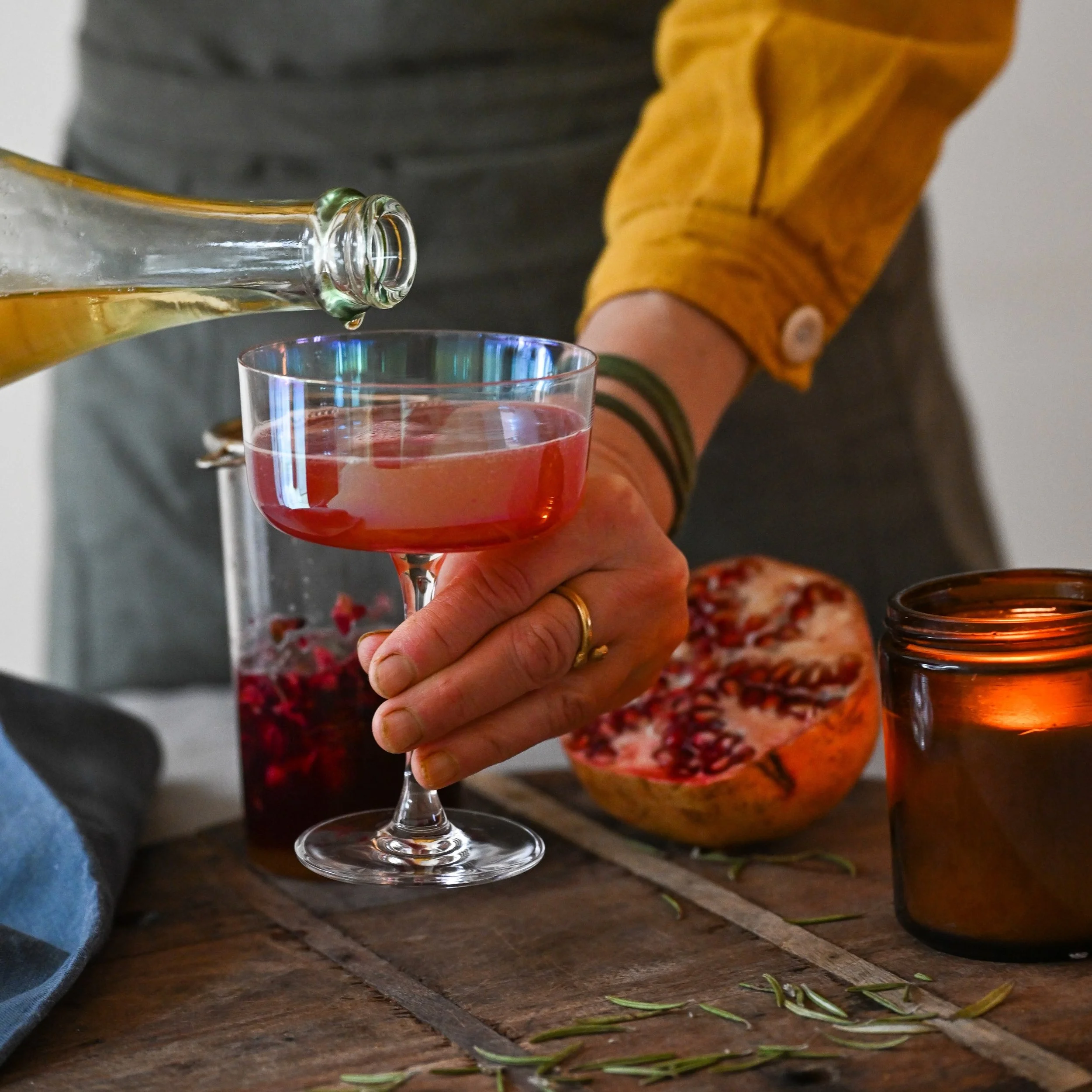
Photography by Katharine Davies

Tipple | Pomegranate Rose Sharbat

David Parker January 3, 2026

Sharbats* are a syrup made from fruit and herbs – this one is particularly good paired with a natural sparkling wine or tonic.

Makes 8 cocktails

100ml honey

100ml pomegranate juice (fresh or bottled, see note for fresh below)

2 tbsp dried rose petals

2 sprigs fresh rosemary

Sparkling wine, kombucha, kefir or tonic

1 Add the honey and pomegranate juice to a 300ml (or larger) jam jar. Stir to mix thoroughly.

2 Stir in the rose petals and then add the rosemary to the mix, ensuring it’s fully covered by the honey and juice (snap the rosemary into smaller pieces, if needed).

3 You can use the mixture straight away, but you can also leave it at room temperature for up to 1 week, as it will ferment into a fizzy cordial. It will then need to be refrigerated, where it’ll keep for up to 1 month.

4 To use, strain 1 tbsp of the sharbat syrup into a wine glass and top up with a fizzy drink of your choice.

Bartender’s note: To make fresh pomegranate juice, cut a pomegranate in half horizontally. Cut the halves into wedges by slicing through the thick white membranes that segment the seeds. Use your fingers to tease the seeds out into a sieve (set over a bowl or jug) and simply squeeze the seeds with your hands to extract the juice. It’s very satisfying! Pomegranate juice and rose petals are both great for heart health as they aid circulation, which will also help to keep us warm in winter. The addition of honey and rosemary mean that this cordial has gut-health benefits, too.

*Sharbats were first featured in a monumental tome on health called Canon Of Medicine, written by Persian physician-philosopher Avicenna in the 11th century.

This recipe is from our January issue’s ‘Gathering’ pages, ‘A Taste of Persia’. The menu also includes recipes for Buttery barbari, Tahdig, Fesenjan, Kaale seerabeh salad, Persimmon parfait and Baklava biscuits. The recipes are by Rachel de Thample and the photography by Katharine Davies. The issue is in shops now.

More tipples for winter evenings…

Featured
Snowball.JPG
Dec 7, 2024
Tipple | Snowball with Vanilla or Gingerbread
Dec 7, 2024
Dec 7, 2024
Chocolate Orange Hot Chocolate.jpg
Dec 10, 2022
Recipe | Chocolate Orange Hot Chocolate
Dec 10, 2022
Dec 10, 2022
Glogg Christian Barnett.jpg
Dec 1, 2020
Tipple | Swedish Glogg
Dec 1, 2020
Dec 1, 2020

More from our blog…

Featured
Scilly Flowers 2.jpeg
Jan 20, 2026
Competition | Win a year's supply of flowers from Scilly
Jan 20, 2026
Jan 20, 2026
Diaryofacountryman Cornishware.jpeg
Jan 20, 2026
History | Cornishware
Jan 20, 2026
Jan 20, 2026
Bergamot Jelly.jpeg
Jan 17, 2026
Recipe | Bergamot Jelly
Jan 17, 2026
Jan 17, 2026
In Fresh Tags issue 163, winter drinks, pomegranate
Comment

DJ: Karen Dunn
Image: Adobe Stock

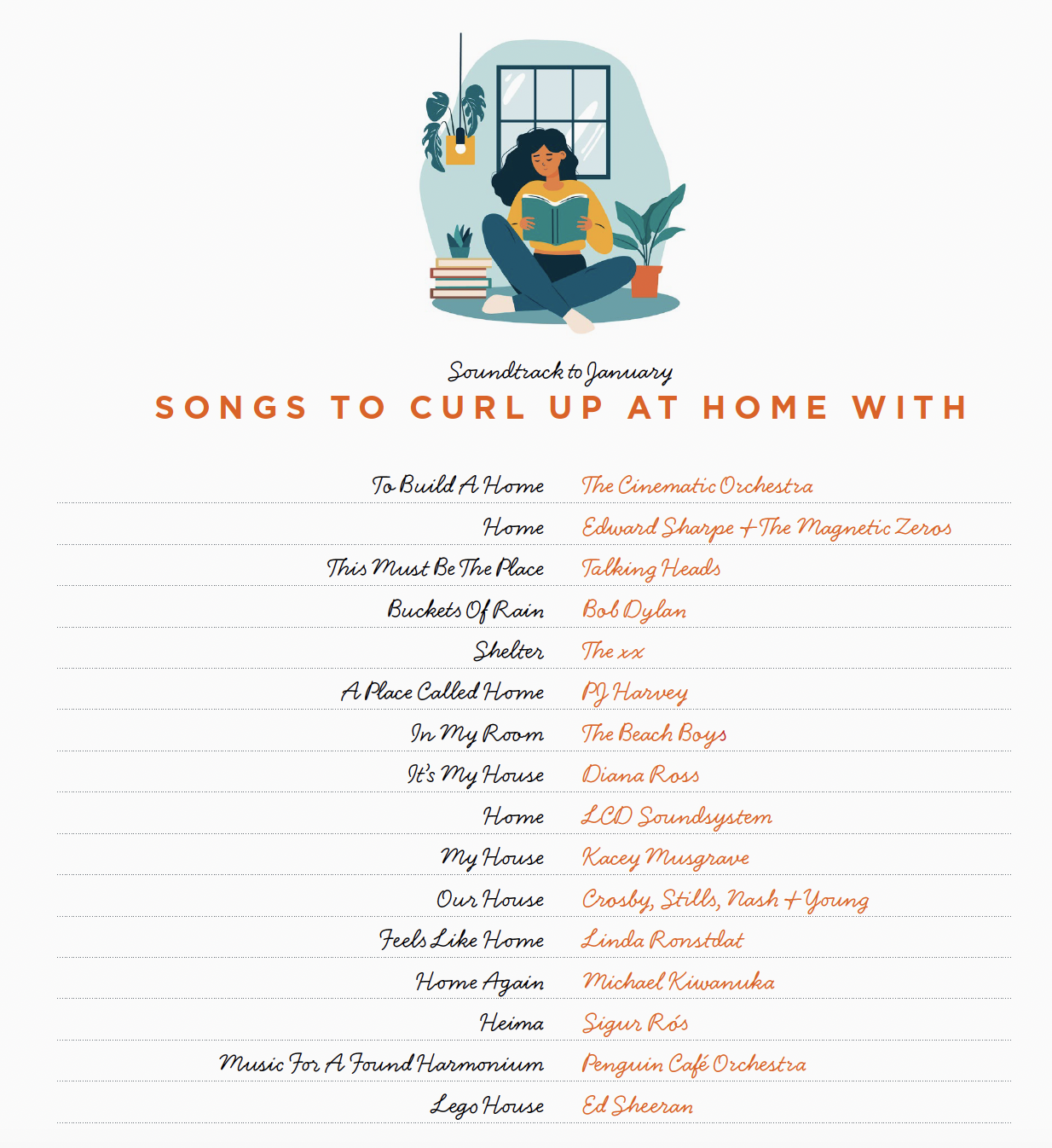
Playlist | Songs to curl up at home with

David Parker December 10, 2025

For our January NEST issue, our playlist is all about songs to curl up with at home. Take a listen here.
You can find all our playlists – covering all kinds of moods and weathers – here.

Our January 2026 issue goes on sale on 24 December. Find copies in supermarkets and newsagents, or order a copy directly through us at Pics and Ink.

In playlist Tags playlist, nest, issue 163
Comment
Featured
  Buy ,  download  or  subscribe   See the sample of our latest issue  here   Order  our new Celebrations Anthology   Order a copy of  Flourish 4 , our new wellbeing bookazine   Listen to  our podcast  – Small Ways to Live Well  Wear our  Slapda
Aug 29, 2025
Aug 29, 2025

Buy, download or subscribe

See the sample of our latest issue here

Order our new Celebrations Anthology

Order a copy of Flourish 4, our new wellbeing bookazine 

Listen to our podcast – Small Ways to Live Well

Wear our Slapdash Patches and show your support for ‘good enough’

Aug 29, 2025
Join our Newsletter
Name
Email *

We respect your privacy and won't share your data.

email marketing by activecampaign
facebook-unauth pinterest spotify instagram
  • Subscriber Login
  • Stockists
  • Advertise
  • Contact

The Simple Things is published by Iceberg Press

The Simple Things

Taking time to live well

We celebrate slowing down, enjoying what you have, making the most of where you live, enjoying the company of of friends and family, and feeding them well. We like to grow some of our own vegetables, visit local markets, rummage for vintage finds, and decorate our home with the plunder. We love being outdoors and enjoy the satisfaction that comes with a job well done.

facebook-unauth pinterest spotify instagram