

Image: Katharine Davies



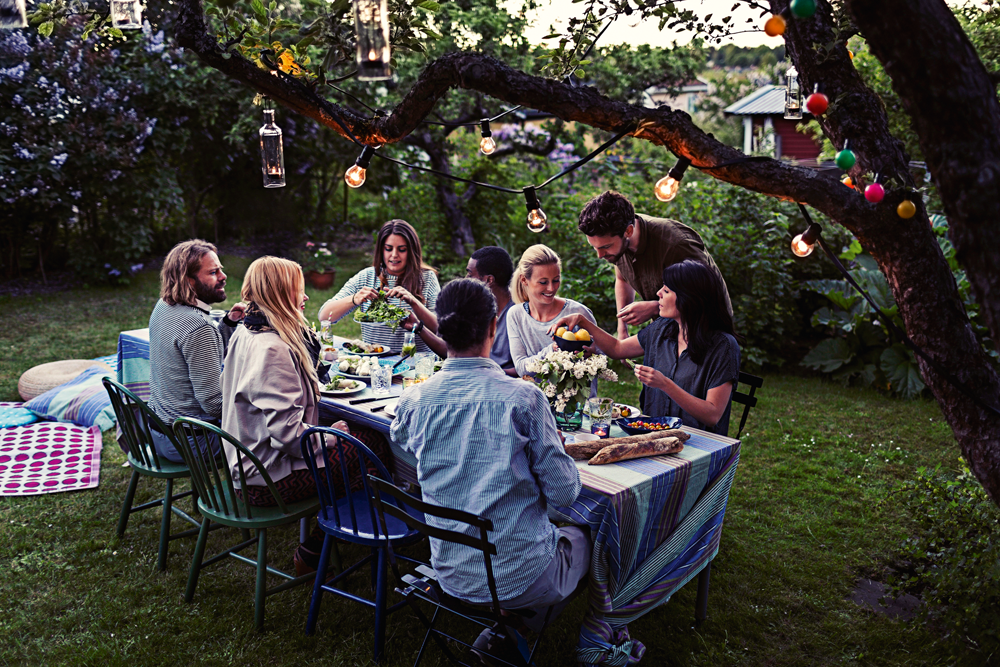
Image: Plain Picture
Home: Easy alfresco dining
This month in our series about what really goes on in a home, Clare Gogerty grabs a plate and invites us to eat out in the garden.
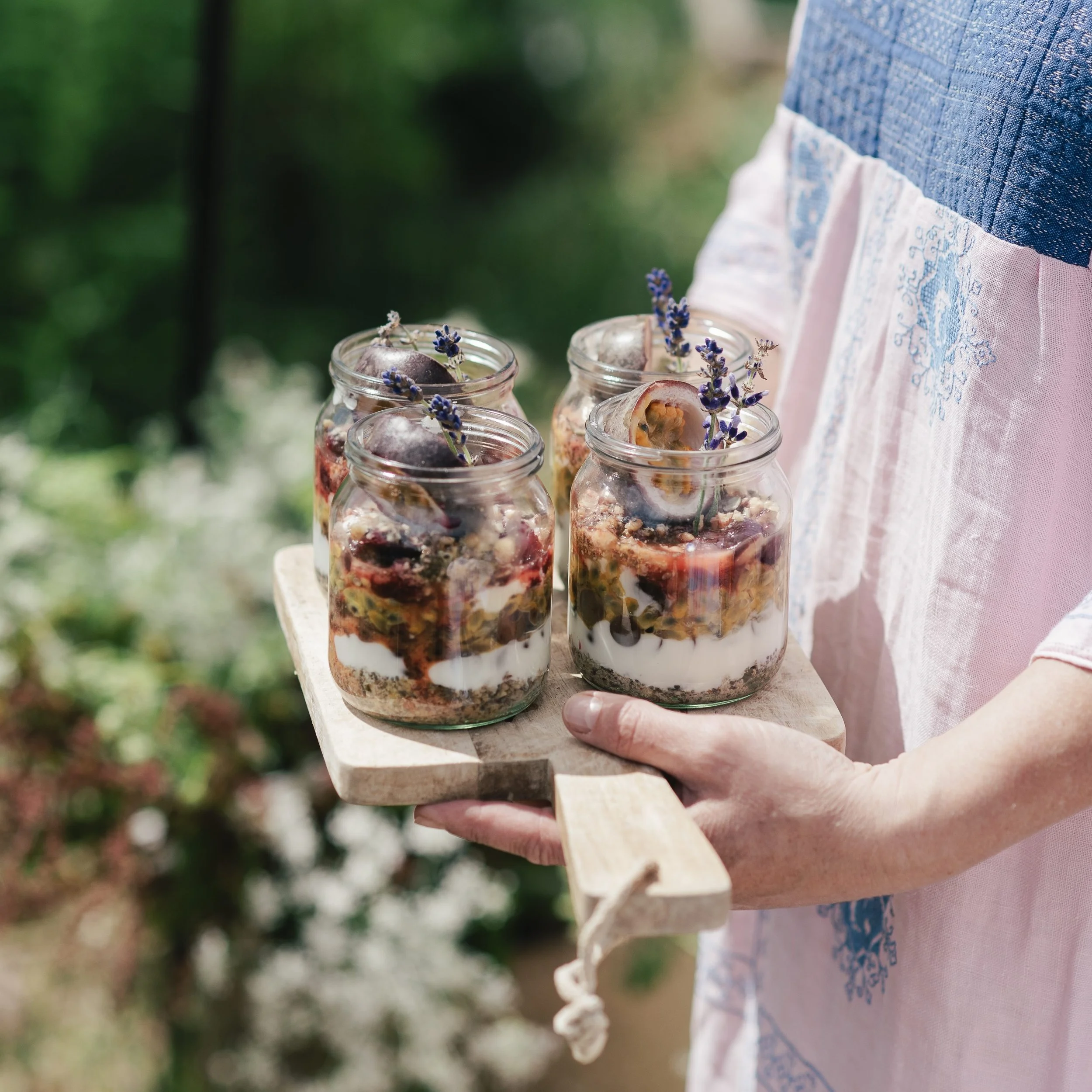
Eating every possible meal in the garden is one of the most blissful things you can do during the summer months. The simple act of sipping a cup of tea on the doorstep while listening to the birds and feeling a warm breeze on your face can transform this humdrum activity into something special. Pile a tray with toast and coffee and head outdoors for breakfast and suddenly it feels like you’re on holiday. And a glass of rosé and some nuts dished up on the patio or a balcony becomes a celebration.
Meals in the garden are simultaneously liberating and fun. Entertaining family and friends takes on a more chilled dimension when you sit beneath a tree, children and animals run around your feet and the light gradually dims. The only rules about eating alfresco is that there are no rules: the more relaxed and informal the better.
“Picnics always taste so much nicer than meals we have indoors”
Five Go Off in a Caravan by Enid Blyton
- Put on a buffet: ideal for larger groups of people who can heap up their plates with your delicious food and then settle on rugs to eat it.
- Use brown paper instead of a tablecloth. Then scrunch up and dispose of it when everyone has gone home.
- Keep tableware relaxed. Nobody wants elaborate settings when they are eating in their shorts.
- Invest in a garden parasol to keep sun and rain at bay.
- Platters of cold meat, bowls of salad, chunks of cheese, bread on boards and jugs of drink (alcoholic and non) are probably all that’s required, food-wise.
- Stock up a drinks trolley with glasses, drinks and trappings, then wheel back in when stocks run low. Have lots of ice handy to keep drinks cool.
Read more from the August issue:
Featured



More home posts:
Featured



Summer Breeze
Living needs to be easy in the summer months and that means our homes too. Our shopkeeper, Louise Gorrod, has trawled the shelves at The Stuff of Life to bring you her pick of simply crafted products.
‘This pick perfectly captures the informality of living by the sea - from soft washed linens in faded blue, tactile ceramics in washed aqua and cool enamelware in chalky white – they’re the perfect accessories for an easy breezy home this summer’.


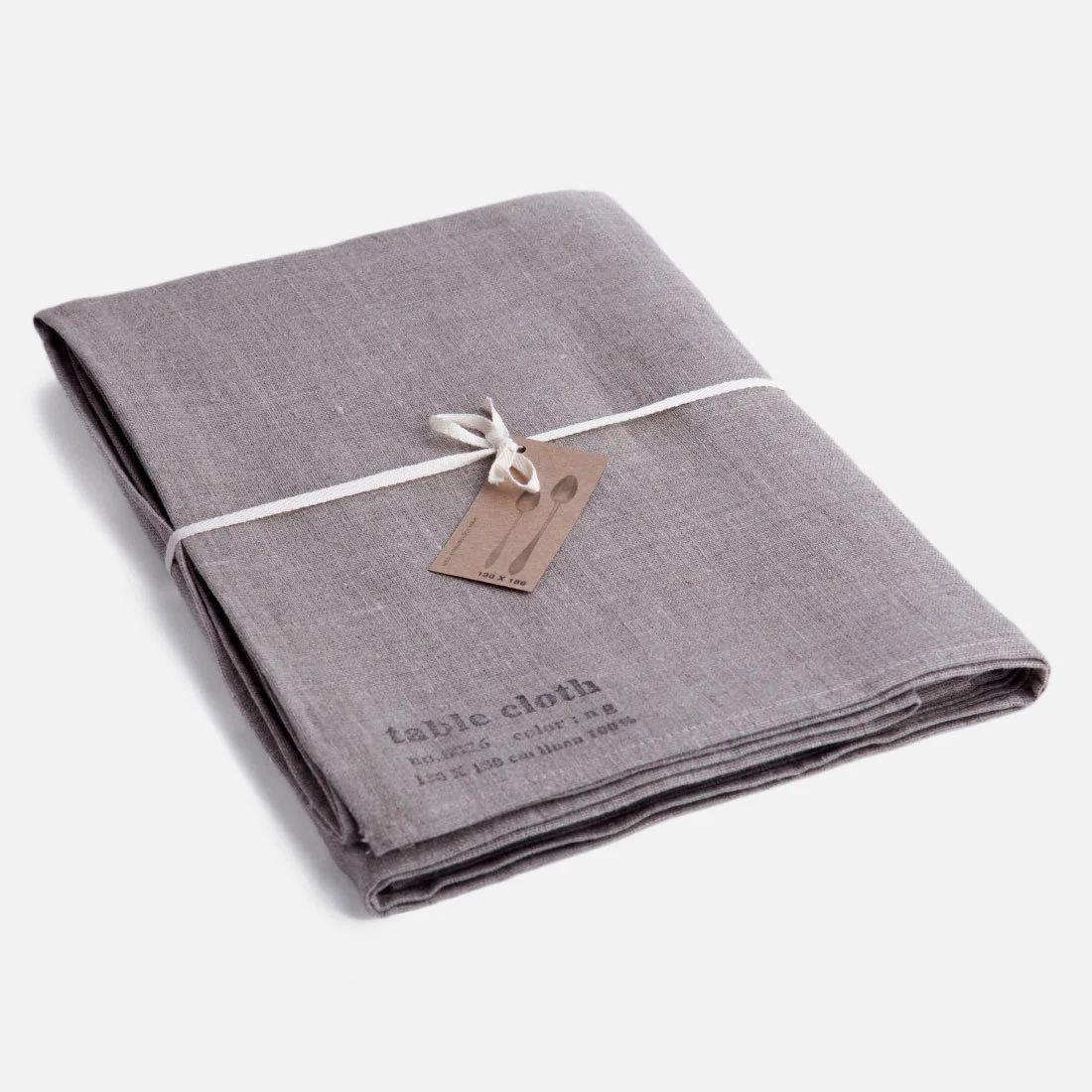


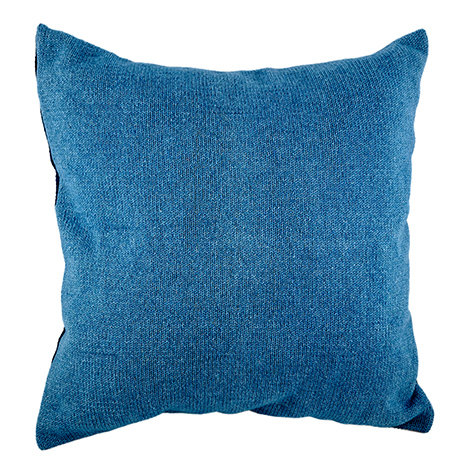
Images from top, left to right: Washed Blue Linen Napkin from LinenMe, £8.99 | Giant Straw Basket from Cachette, £16.00 | Cantine Plates from Home Address, £12,00 | Everyday Large Mug by Emma Lacey, £27.00 | Linen Tablecloth from Home Address, £70.00 | Water cups from Quince Living, £9.00 | Linen Bath Robe by The Linen Works, £120.00 | White Enamel Cutlery from Cachette, from £6.50 | Denim Light Wash Cushion by From Brighton With Love, £50.00.

The Simple Things: an anthology
The Simple Things offers readers a simple promise: ‘to celebrate the things that matter most’. Each issue is a monthly reminder of how good life can be when you remember to take the time to live it well. In this 256-page anthology, we’ve curated our favourite features from the first three years on growing, cooking, making and sharing time with friends and family.
We like to think of it as a ‘handbook for happiness’.
Featuring the best of the magazine, published 26 September 2016 by Firefly Books. Pre-ordered copies will be mailed out as close to this date as possible and each book will be signed by the editor, Lisa Sykes.
£19.95 + free UK p&p* Order here
* Check online for overseas postage prices
More from the August issue:
Featured
More from The Simple Things shop:
Featured



Photograph: Kirstie Young
Recipe: Toasted basil and blackberry brioche with summer berries
Try this berry harvest bake from Lia Leendertz
'A berry- and herb-studded brioche is a great way to celebrate this moment of wheat and berries, but to say making brioche is a bit of a faff would be quite the understatement. It’s a fun project but this dessert will work beautifully with thick, toasted slices of a good-quality bought brioche loaf if you don’t have the time to make your own. The brioche recipe is based on a recipe from River Cottage Baking, with a few additions of my own. Ideally, start making this the day before you need it, as the dough benefits from spending a night in the fridge.'
Makes 2 small loaves, serves 4-6
For the basil and blackberry brioche
400g strong white bread flour
5g powdered dried yeast
10g salt
90ml warm milk
2 tbsp caster sugar
100g butter, softened
4 eggs, beaten
a handful of blackberries per loaf
basil leaves
To glaze
1 egg
2 tbsp milk
For the fruits
210g blueberries
170g blackberries
4 figs, quartered
a few sprigs of thyme
1 For the brioche, put all of the ingredients except the basil, the berries and the glaze ingredients into a large bowl and bring it all together into a dough. Knead for ten minutes (or put the dough into the bowl of your food processor and use the dough hook on it for ten minutes). Place it in a bowl, cover, and chill overnight. The next morning, remove it from the fridge and shape it into your loaves – I put mine into a round cake tin or small loaf tins – then leave them somewhere warm to prove. This could take several hours as the dough will be starting from cold.
2 Preheat the oven to 200C/Fan 180/400F. Once the loaves have doubled in size, decorate them by pushing the blackberries into the surface and laying the basil leaves across it, then beat the egg and the milk together and paint it across the surface. Bake for 10 minutes, then lower the oven setting to 180C/Fan 160/350F and bake for a further 30 minutes or until golden brown. Cool on a wire rack.
3 Place the fruits and thyme into a saucepan and simmer gently until the berries have burst, the juice is released and the figs are turned the colour of the blackberries. Slice the brioche and toast a piece per person. Serve each person a small bowlful and a piece of toasted brioche to scoop up the warm, herby fruit and to dip into the juices.
Lia Leendertz is a freelance gardening writer and the author of several books, including My Tiny Veg Plot and My Cool Allotment. Her first cookery book, Petal, Leaf, Seed: Cooking with the Garden’s Treasures is out now.
Read more from the August issue:
Featured
More Seed to Stove recipes:
Featured



Illustration: Joe Snow
How to talk like Roald Dahl
Don’t be biffsquiggled – the Oxford Roald Dahl Dictionary decodes Dahl’s brilliant word play
With the new Spielberg BFG film getting rave reviews, we thought you might like to learn to talk like the big friendly giant and co. Here goes!
phizz-whizzing (adj): splendid
plussy (adi): full of life and energy
rommytot (noun): talking nonsense
rotrasper (noun): horribly mean or nasty person
scrotty (adj): when you feel sad and gloomy
swashboggling (adj): unusual
whoopsy-whiffling (adj): splendid or marvellous
hopscotchy (adj): happy
horrigust, muckfrumping (adj): unpleasant, unwelcome
lickswishy (adj): a delicious taste
biffsquiggled, gungswizzled (adj): confused or puzzled
buzzwangle (noun) – a silly or far-fetched idea
delumptious, delunctious (adj): very tasty, delicious
dogswoggler (noun): someone who is very silly
gropefluncking (adj): something difficult to explain
grunion (noun): grumpy person
More from the August issue:
Featured
More bookish posts:
Featured



Recipe and image: Ben Mostyn and Annie Brettell
Recipe: Pea, mint, spinach and goat’s cheese quiche
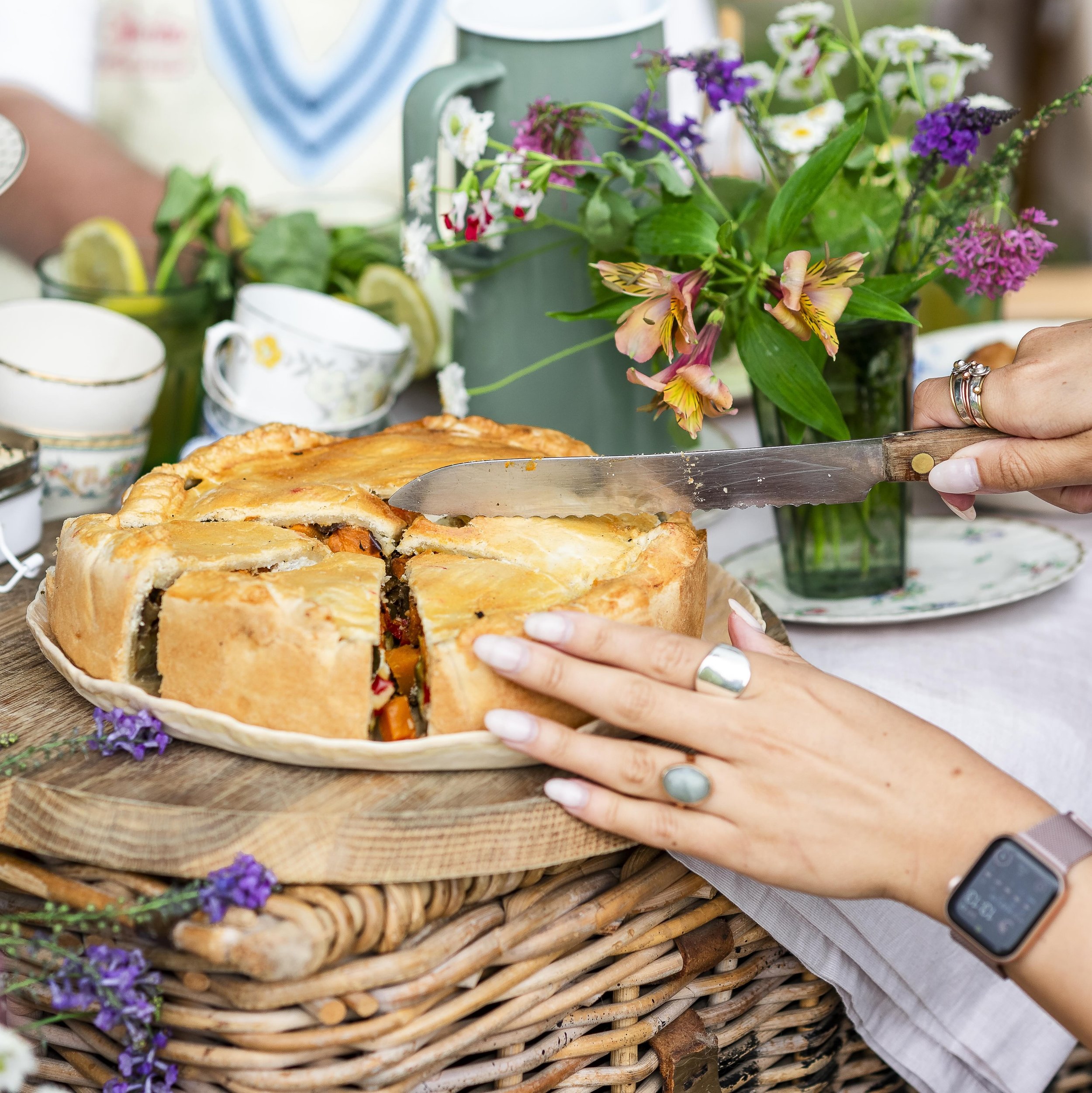
This quiche is simple to make and packed with summery flavours
Turn to page 34 of August's The Simple Things for the full riverbank picnic menu: Pork and egg pie with a lattice top, Pea, mint, spinach and goat’s cheese quiche, Potato salad, and Meringue kisses.
Pea, mint, spinach and goat’s cheese quiche
280g plain flour, plus extra for dusting the work surface
140g cold butter, cut into little pieces
6 tbsp cold water
300g frozen peas
handful of mint leaves
3 tbsp olive oil
2 eggs
284ml double cream
200g goat’s cheese
handful of baby spinach, wilted and water squeezed out in a tea towel
1 In a blender, combine the butter, water and flour until it resembles breadcrumbs. Roll up in to a ball and cover in clingfilm and rest in the fridge until ready*.
2 Cook the peas for 3 mins in boiling water, then drain and chill under the cold tap. In a hand blender, whizz together the peas, mint and olive oil, and season to taste.
3 Preheat oven to 200C/Fan 180C/400F.
4 Roll the pastry out on a floured surface to a circle about 3cm bigger than a 25cm tin. Drape the pastry over the tin and gently push the pastry into place using a little scrap of pastry. Leave a little pastry over the edge of the tin; this can be removed later. Chill in fridge for 10-15 mins.
5 Lightly prick the base of the tart and line with baking paper and ceramic baking beans. Blind bake for 20 mins, then carefully remove the beans and bake for a further 5-10 mins until lightly browned.
6 While the pastry is baking, beat the eggs in a large bowl. Add the cream and season.
7 When the case is ready, spread the pea mixture over the bottom of the tart case. Pour over the egg mixture. Scatter the crumbled goat’s cheese and wilted spinach over the top of the quiche.
8 Bake for 20-25 mins until set and the top is browned. Trim the edges of the pastry off and leave to cool on a wire rack.
*Or buy shortcrust pastry readymade from the supermarket if you’re short on time or inclination.
More from the August issue:
Featured
Read more picnic posts:
Featured


Slow: August cover reveal
...and breathe. Summer holidays are here. But why wait to go away? Ditch
the to-do list, assemble your favourite people and bag a brook for a shady picnic. Anyone for a blackberry shandy? Eat outside and greet the wide world from a deckchair. When you can no longer resist, take a trip to the sea; for a swim, to gather seaweed or ponder on mermaids. While you enjoy the hot yellow of sunflowers, let your mind wander on, well, nothing in particular. See where slow takes you. And on the way, linger over The Simple Things
Get hold of your copy of this month's The Simple Things - buy, download or subscribe
View the sampler here
More from the August issue:
Featured
Escape: Sand, sea, surf
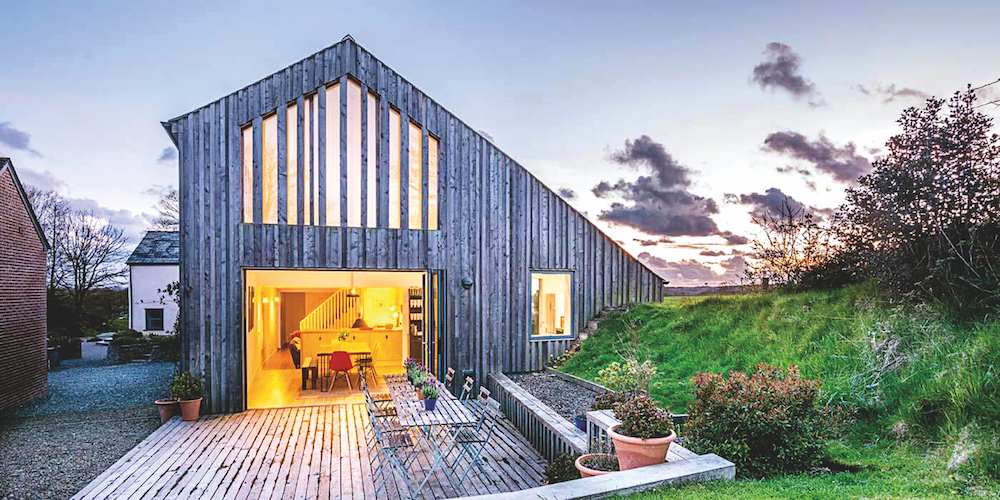
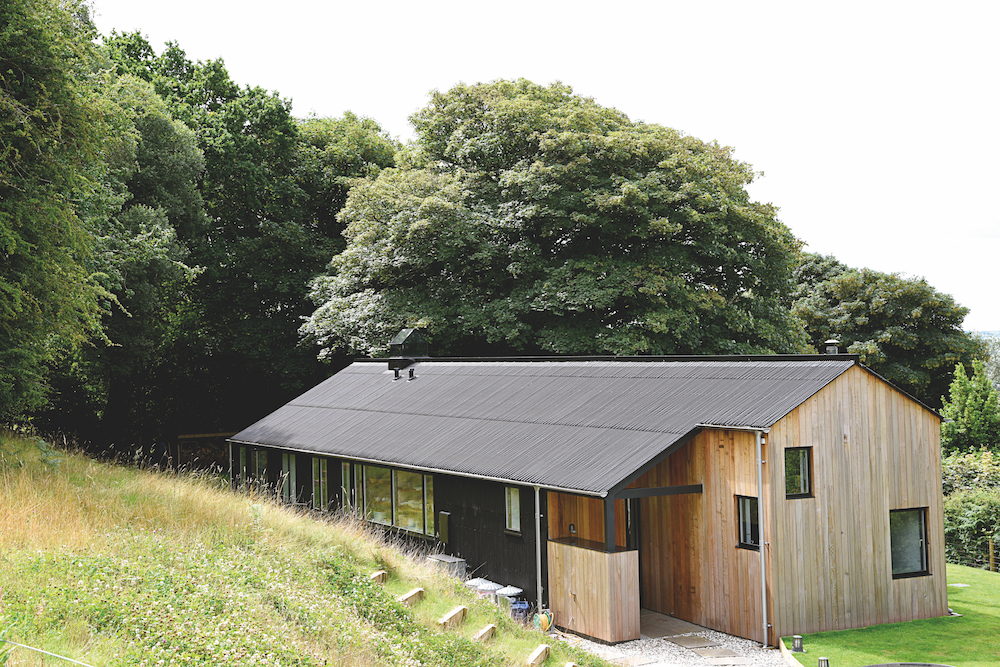
See, do, stay, love the UK. This month: Lou Archell stays in a surf shack in Cornwall
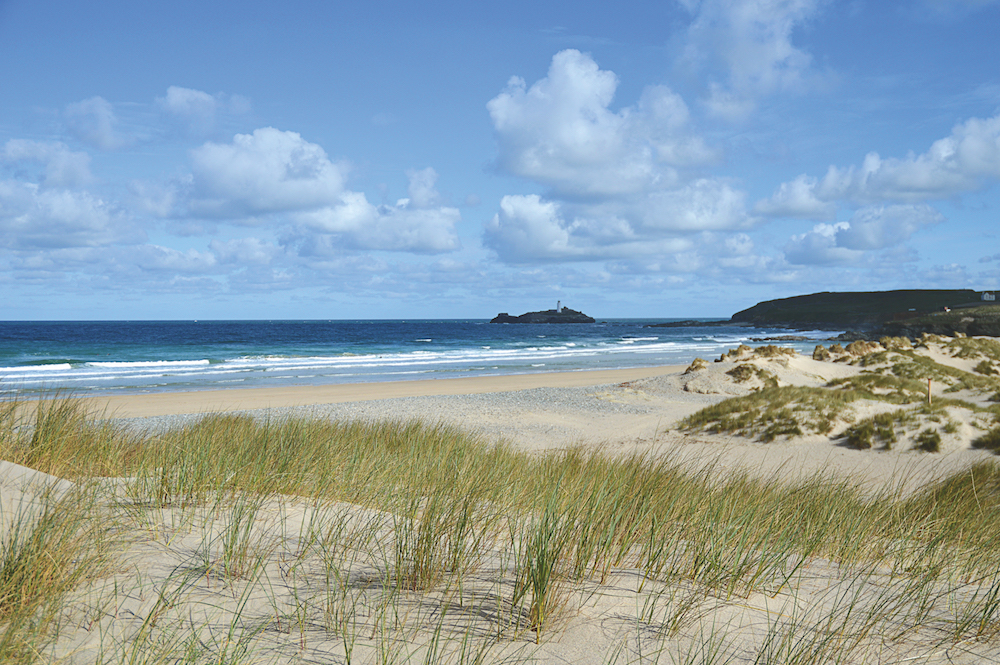
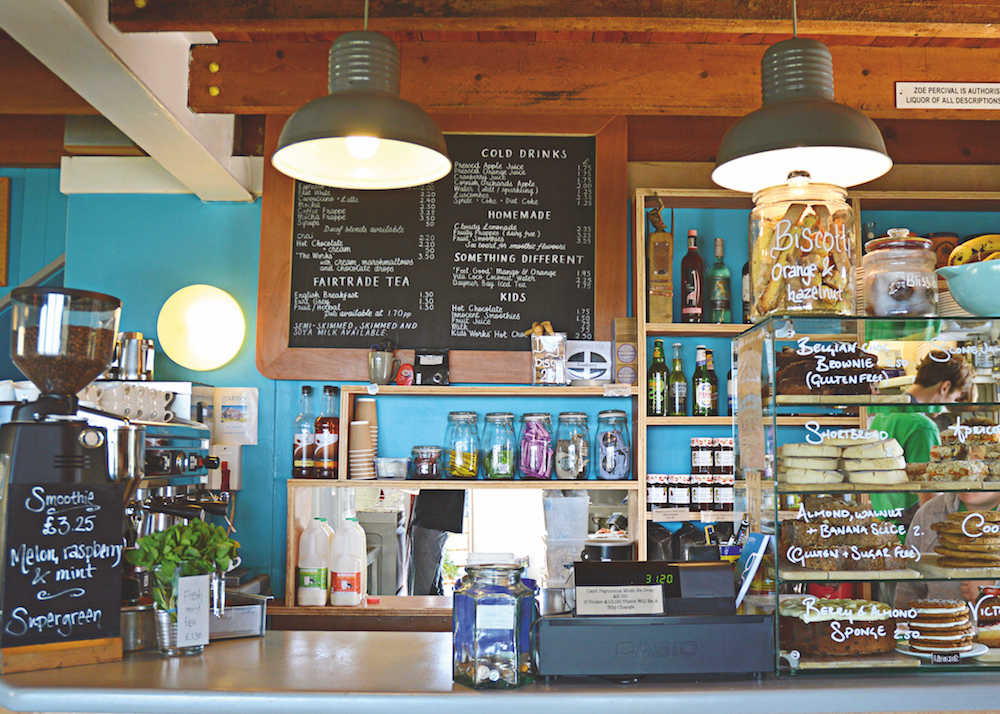
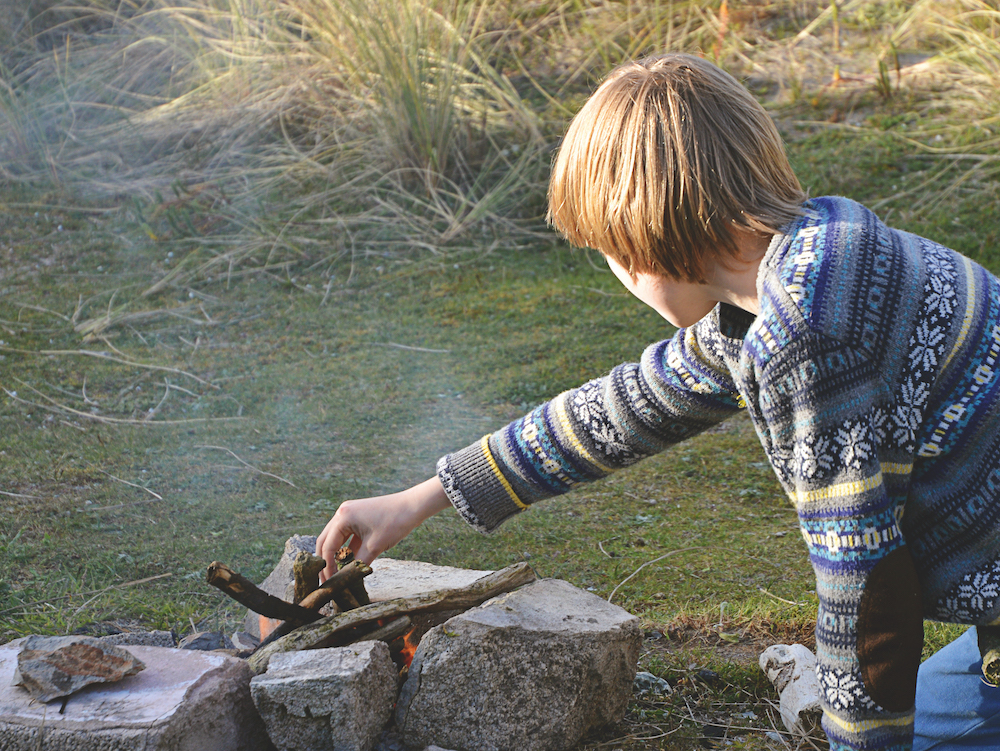
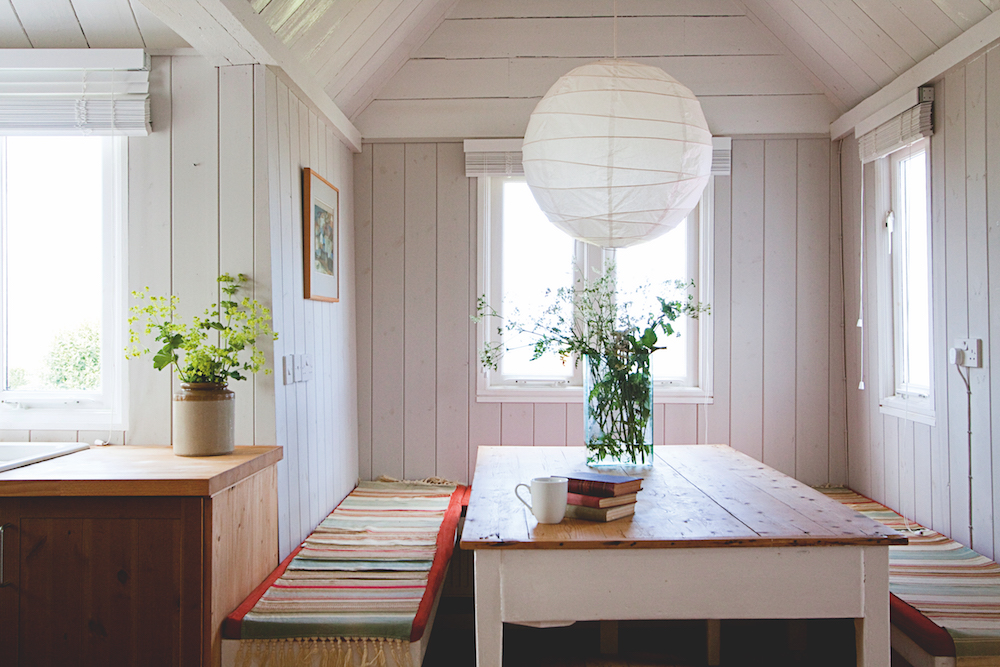
Our regular travel series comes from online UK travel guide This is Your Kingdom, whose handpicked contributors explore favourite places, special finds and great goings on.
You can read about one we love each month in The Simple Things - turn to page 80 of the July issue for more of this Cornish adventure - and plenty of others at thisisyourkingdom.co.uk.

Lou Archell is a regular contributor to thisisyourkingdom.co.uk. Follow her blog at Littlegreenshedblog.co.uk and find her on Instagram as @littlegreenshed.
More from the July issue:
Featured

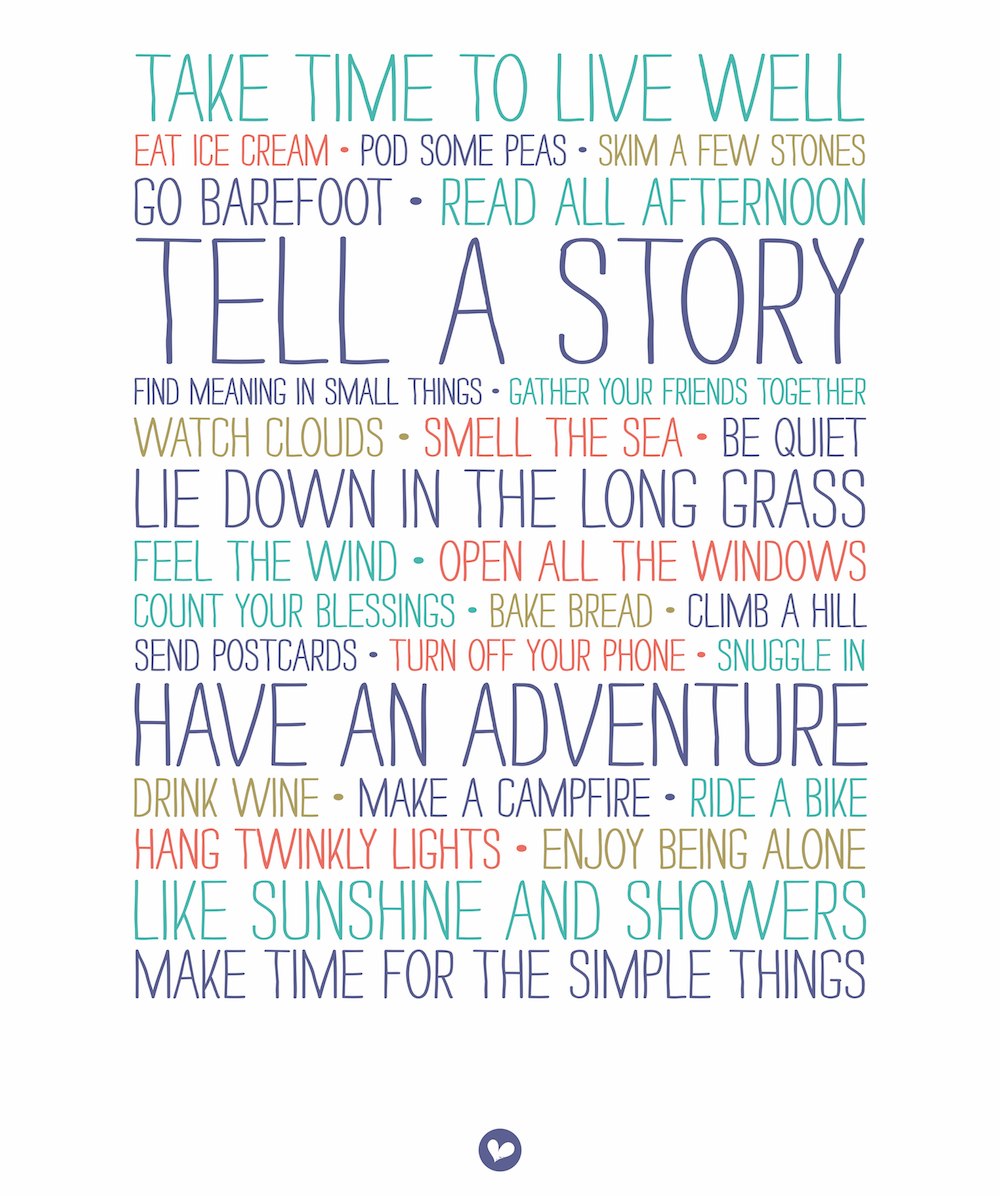

Read more This is Your Kingdom posts:
Featured





Listen: Sea songs playlist
It’s time to pack a bucket and spade and head to the coast with our sea songs playlist!
More from the August issue:
Featured
Listen to more playlists:
Featured


Image: Kirstie Young
How to stop your plants getting thirsty
A recycled plastic water bottle is a good way to ensure plants won't wilt in the summer sunshine. While herbaceous plants, annuals and crops in your garden will be crying out for a drink in the summer, chances are you will be out and about making the most of the gorgeous weather.
Most delicate or container-grown plants will cope with a decent glug every morning (before the sun gets too strong and can burn wet leaves) or in the late afternoon, but left any longer, can experience problems. The solution is fairly simple - once you've quenched your own thirst with a bottle of water, save it and use it to ensure your plants don't suffer in the sun.
1. Use a 1-litre plastic bottle if possible, though 500ml is fine too. Wash it out if it's had any liquid other than water in it and replace the lid.
2. Remove the bottom of the bottle with scissors.
3. Pierce a hole in the lid with a skewer to allow water to slowly drip out.
4. Dig a hole next to the plant or container you want to keep hydrated. Make it deep enough for the water to directly reach the plant's roots (but be careful not to disturb them).
5. Insert the bottle lid first and backfill the soil around the bottle. The end of the bottle should stand proud of the ground, or soil if in the container.
6. Fill with water and keep an eye on it; fill as and when needed for happy plants.
More from the August issue:
Featured
Read more gardening posts:
Featured


Competition: Win a cool new wardrobe from Great Plains CLOSING DATE 5.9.16
Cosy separates, snuggly coats and warming knitwear - win a Great Plains wardrobe just in time for autumn.
There’s something lovely about being well-prepared for the start of the new term. How smug would you feel to be ahead of the autumn game, with a row of new outfits hanging tidily in the wardrobe, awaiting the turning of the leaves and the first hint of a chill in the air?
We’ve teamed up with Great Plains, renowned for its simple styling and high-quality fabrics to give one reader a brand new autumn wardrobe.
The timeless new collection includes lots of cosy outerwear, investment knitwear pieces and soft jersey separates. Key looks include ’70s Parisian styling and soft, contemporary Scandinavian looks.
The collection focuses on a transitional palette of warm neutrals, from caramels and cognacs to zinc and dove greys, offset by brights such as turmeric yellow and magical ‘Northern Lights’ shades.
HOW TO ENTER
The prize includes £500 to spend on Great Plains’ new Autumn/Winter collection. You can see Iceberg Press’ full terms and conditions on page 129 of the August issue and at icebergpress.co.uk/comprules. For more inspiration, visit greatplains.co.uk - closing date: 5 September 2016.
Enter more competitions:
Featured

More from the August issue:
Featured
The Simple Things letterpress print
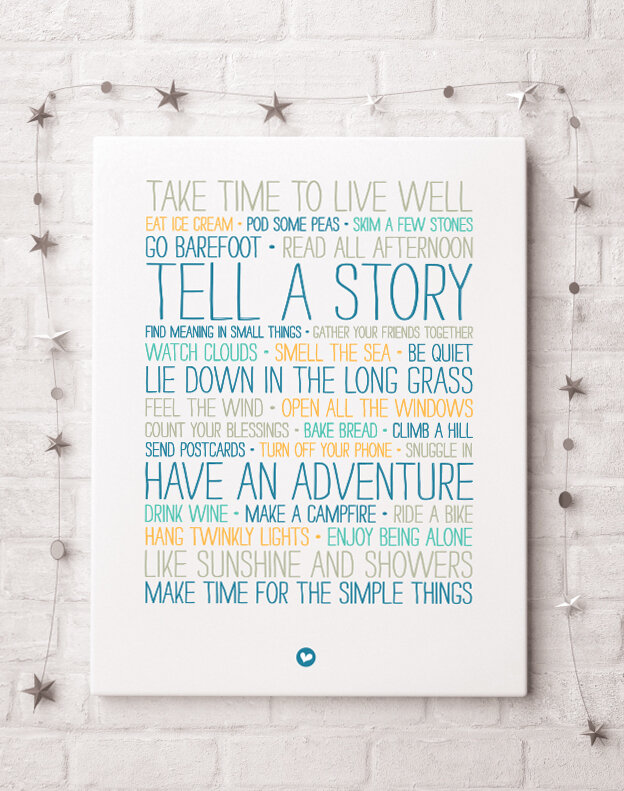
When it came to writing a manifesto for The Simple Things, it actually didn’t take long. We made a list of those special moments and and stuff that’s really important.
When we handed out the flyers at shows, we realised how universal they are. People wanted one to take home. So we asked Nomad Letterpress to hand-print a special poster.
Made using Zerkall 225gsm mould-made paper
Measures 380mm x 530mm
Colours from the top: Teal, Watermelon, Blueberry & Ginger
The Simple Things letterpress print costs £22, unframed, and UK p&p is free*
Buy at icebergpress.co.uk/shop
*Check online for overseas postage prices
Read more from the July issue:
Featured
More Simple Things Shop posts:
Featured
Dogs in blankets with Laughing Dog
KIZZY, SAUSAGE DOG, 8
“I’m a proud hepdog. Not like those loser, lazy hepcats, I’m an upstanding member of the canine heptathlon association of Great Britain. Well, when I say upstanding, I’m not counting the long jump (that requires a bit of a tumble). Being a hepdog takes a lot of improvisation – sticks for javelins, balls for shot-put and the gate for hurdles. Despite the failure of the Olympic Committee to recognise our sport, I believe we should get a medal for effort alone. Try the high jump with a body like mine. Now, that’s what I call real skill...”
Tweet a pic of your #dogsinblankets @simplethingsmag
#doghappy @laughingdogfood
Dogs in blankets is brought to you in association with Laughing Dog

Three generations ago, our bakers discovered that slow-baking was the secret to creating deliciously tasty food. By oven-baking we can protect the wholesome goodness of our farm-grown ingredients, creating a delicious taste loved by even the fussiest of dogs.
To discover more about Laughing Dog’s mission to bake the nation dog happy, visit laughingdogfood.com. Save 25% on your first order! Quote ST16 when ordering
More from the July issue:
Featured

Image: Getty
Escape: Caravan holidays
A new view from your bedroom window but with home comforts all around you: a caravan holiday delivers the ideal combo of home and away
Have you ever wondered about the appeal of a touring caravan? Then consider the freedom one offers. Not just the obvious freedom of the road, where you can journey spontaneously wherever and whenever fancy takes you, but the freedom to take your home comforts with you. Fancy a cup of tea? Pull over at a lay-by and put the kettle on. Suspicious of hotel bedlinen? Yours is all there tucked away in neat little cupboards, waiting. Worried that tea and biscuits might not be up to scratch in a B&B? You have tins of your favourites stowed away and ready for use. Miss your real home? Furnish your mobile one with customised cushions, curtains and bits and bobs.
Then there are all the benefits of the outdoors. Arrive on site, erect your awning and you can put up a deckchair, barbecue some sausages, let the children run free (and bring the dog) without wandering more than a few metres from your door. Try doing any of that outside a hotel room.
A caravan (and this includes the unfairly derided static caravan or mobile home) also offers the freedom to escape the workaday routine without going too wild. Instead of eating meals on the sofa in front of the TV, you can eat around a campfire beneath the stars. But no camping hardship here: proper plates, cutlery and glasses can be employed, not plastic cups and billycans. And rather than each family member being glued to their tablet, a pack of cards or a board game provides the evening’s entertainment. Really, what’s not to like about caravanning?
The spirit of the sprite
The first caravan to tickle the fancy of the UK holidaymaker was the Alpine Sprite, above, a light, low-cost (£199) caravan made from tempered hardboard that could be towed behind the family car. It was the brainchild of designer Sam Alper* who in 1948, saw a gap in the market for a post-war leisure vehicle.
As the years went on, Alper developed different models. The model that still survives in vintage caravan sites and the odd front garden is the Sprite 400, which could be towed behind smaller cars, and the Sprite Cadet, launched in 1970
You can still pick up a vintage Sprite on eBay for between £500 and £1,000.
Turn to page 56 of July's The Simple Things for more of Clare Gogerty's caravan feature.
More from the July issue:
Featured
Read more outdoor holiday posts:
Featured

Escape: How to read water
We can look at the same stretch of water every day and not see the same thing twice. How is it that bodies of water can change so much so often? Natural navigator Tristan Gooley solves some of the clues on streams and rivers
- What happens to a river after lots of rain depends whether it is ‘flashy’ or not. If surrounded by impervious rocks and soils like clay then rain can go from sky to river in a matter of hours but if the surrounding rock is porous, like chalk or limestone, then it can be months before the water that collects in underground aquifers (natural reservoirs) reaches the river. The clue is in the bridges: those in flashy river country will be higher and have supporting pillars to avoid being swept away by floodwaters.
- Fancy a wild swim but don’t know the river well? Look for waterlillies, which are rooted to the bed; white ones like shallow, very slow and very clear water, so are more common in ponds but if you do see them on a river, you’re looking at pure, relatively undisturbed water no more than two metres deep. Yellow water lilies prefer deeper water (up to five metres) and will tolerate more flow. But neither can handle the turbulence boats create so they mean a river-traffic-free spot for a dip.
- Deciding where to ford a stream or river can be a tricky business. Moss can help as it only grows well on stable rocks not being moved by the water whereas algae can spring up temporarily. The old saying holds true: “a rolling stone gathers no moss”. As well as showing you where to put your feet, moss is less slippery than algae. If you do fall into fast-moving water, point your legs downstream as soon as possible to avoid hitting your head on something.
- One of the loveliest things to see on a riverside walk is a kingfisher. Watch out for a branch or perch overlooking the river with white splashes on it. Kingfishers are territorial birds and once you’ve found its perch it’s just a matter of waiting before you see the bird itself. They are another sign that a river is in fine health.
- If you’re crossing a bridge with small children there will inevitably be a demand to play pooh sticks. Depending on whether you want to let them win or not, take note of the following: look down and you’ll see that water flows faster in the middle of the channel than at the sides where there is more friction. So the best tactic is to throw your stick as close to the middle as possible.
Tristan’s latest book is How To Read Water: Clues, signs and patterns from puddle to the sea (Sceptre)
Read more from the July issue:
Featured
More Escape posts:
Featured
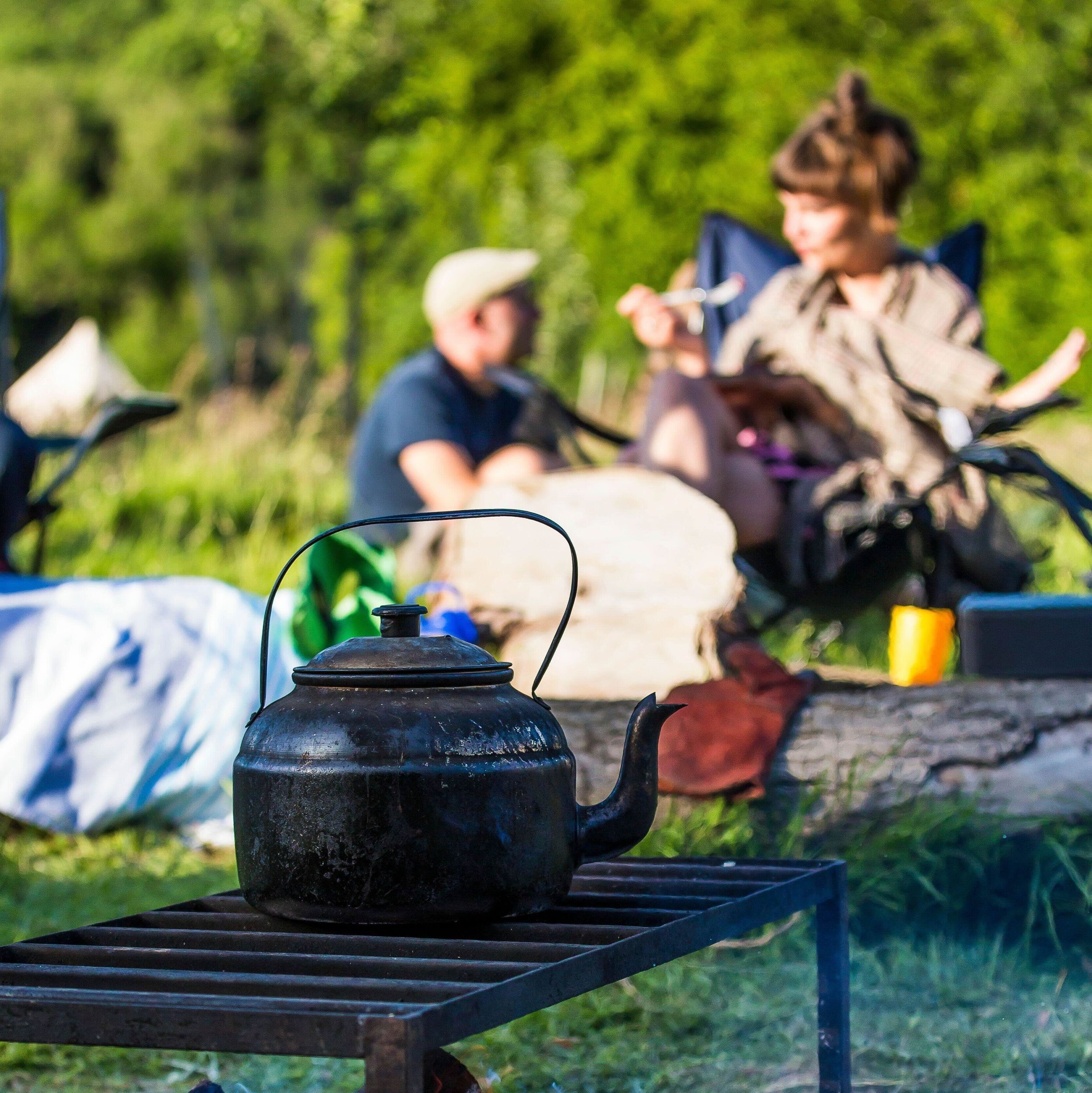



Image: Plain Pictures
Rules of the game: Croquet
Cunning and competitive but with no need to break a sweat, croquet is the slow summer game
“One of the most amusing things about croquet is how everyone plays to marginally different rules,” says Joe Jaques, the eighth generation of the family who popularised the game in the 1860s (see page 64 of July's The Simple Things). At the highest level, there’s Association Croquet; Golf Croquet is easier and widely played in many clubs, and then there’s Garden Croquet, a simplified form of Association Croquet. This does have official rules, although in practice, it’s likely to be as idiosyncratic as your family. “It’s not uncommon to see a couple who have grown up playing different rules,” continues Joe. “Depending on how competitive, argumentative or well-lubricated they are makes for an endlessly entertaining game.”
So here, for the sake of argument, are the simplified rules of garden croquet, according to the World Croquet Federation (read the full rules at croquet.org.uk):

THE AIM: Two sides compete to get their balls (either red and yellow or blue and black) to the peg by hitting them through the hoops with their mallets in the order shown, right.
THE KIT: four mallets, four balls, six hoops and a peg.
THE LAWN: A croquet lawn should ideally be 17.5m x 14m with the peg in the centre and hoops laid out as shown. If your garden is smaller, simply scale this down. THE SCORING: Each hoop ‘run’ or passed through scores one point, as does hitting the final peg; so the winner will be the first side to score 14 (one point per hoop and peg per ball).
HOW TO PLAY: The first side strikes one of their balls towards the first hoop. If the ball clears the first hoop, you may take another shot. If not, play passes to the other side. All four balls must be played in the first four turns. After that, each side can decide which of their balls to play. If your ball hits another ball, you earn two extra shots. This is really the fun of croquet – as Joe says, “it’s as much about disadvantaging your opponent as advancing your own game.” The first of your extra shots must be taken from where the knocked ball has ended up. Place your ball so it is touching the other ball and play your shot. The second is played from where your ball ends up.
Turn to page 62 of July's The Simple Things for more croquet.
More from July's The Simple Things:
Featured
Read more summer posts:
Featured

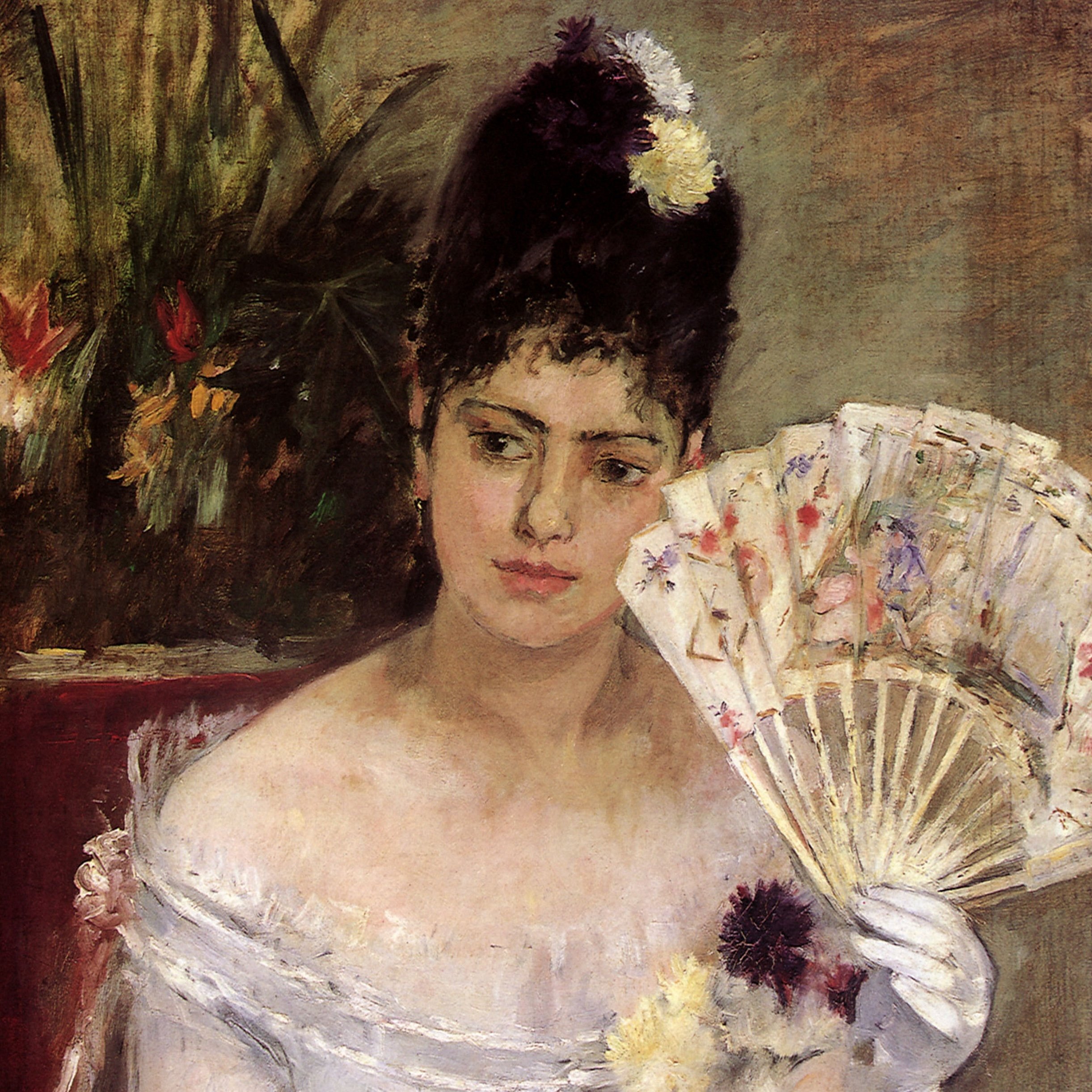


Recipe: Wood-roasted potatoes with thyme and garlic
These potatoes are simmered with lots of garlic and thyme to infuse them with flavour, then roasted over hot charcoal and oak wood chips with more garlic and thyme. This wonderful dish is brilliant straight from the grill.
Serves 4
800g Charlotte, Pink Fir Apple or other waxy potatoes
1 garlic bulb, cut in half, plus 4 extra garlic cloves, peeled
6 sprigs thyme
olive oil, for cooking
50g (31⁄2 tbsp) unsalted butter
sea salt and black pepper
For an extra-smoky flavour, you’ll also need some beech or oak chips
1 Place the potatoes in a medium saucepan, cover with cold water and add the halved garlic bulb and three of the thyme sprigs. Bring to the boil on the stove and cook until tender. Drain well and leave to cool, then cut the cooled potatoes into bite-sized chunks.
2 Light the barbecue and set for direct/indirect cooking (see “Food from Fire”, on page 43 of July's The Simple Things). Throw a handful of wood chips onto the coals, if you like.
3 Take a roasting tin or ovenproof frying pan large enough to hold the potatoes and place in the direct heat zone. Add a good lug of olive oil and, when the oil starts to smoke, add the potatoes and season well. Toss the potatoes in the oil to coat, then close the lid of the barbecue.
4 Cook for 4 minutes before tossing the potatoes again and adding another handful of wood chips, if using, to the coals. Cook for a further three minutes, then add the butter, extra garlic cloves and the leaves from the remaining three thyme sprigs. Toss the potatoes again, then transfer to the indirect heat zone and cook for 2 minutes, or until they are crisp and golden brown.
5 Serve the potatoes immediately, spooning over the pan sauces.
Ben Tish is chef director at the Salt Yard Group, which runs four restaurants in London. Recipes are taken from his new book Grill Smoke BBQ (Quadrille)
Turn to page 39 of July's The Simple Things for more barbecue recipes, including
Beef bavette with smoky salad onions and salsa cruda
Barbecued mushrooms with rosemary and garlic
Wood-roasted potatoes
Charcoal-grilled chicory with pomegranate molasses
Crispy artichokes with lemon and sage
Smoky bitter-chocolate puddings with melting whipped cream
More from the July issue:
Featured
Read more Gathering recipes:
Featured


Competition: Win OSKIA skincare worth over £250
Georgie Cleeve founded OSKIA after witnessing first-hand the skincare benefits of a mineral source called MSM, a natural form of Sulphur. MSM boosts collagen and keratin production, detoxifies cells, decreases inflammation and promotes even skin tone.
Georgie’s father introduced MSM into Europe as a joint supplement for racehorses. Persuaded into taking it herself to repair serious damage the cartilage in her knees, she experienced a phenomenal response and her cartilage repaired more than any surgeon thought possible. But improvement in her complexion and in particular the symptoms of her acne and eczema, together with striking benefits to her hair and nails.
A seed of an idea was sown and after many years as a food journalist, Georgie began a journey that took in not only dermatology, physiology and therapist training but also a focus on food, diet and the skin benefits of good nutrition.
The concept originally based on one exceptional mineral – MSM – evolved into a nutritional approach harnessing all the essential cell nutrients – minerals, vitamins, proteins and omegas – critical to skin health and performance.
OSKIA launched in 2010 and has over 50 international product and brand awards. A British brand through and through, OSKIA has its own Laboratory and factory in the rolling hills of Monmouthshire, Wales.

The prize includes:
Renaissance Cleansing Gel, £29.50
Renaissance Hand Cream, £22.50
Renaissance BrightLight Serum, £85.00
Renaissance 360 Supreme Cream, £65.00
Renaissance Mask, £49.50
Total prize value - over £250. Competition closes 13 August 2016.
Enter now:
Terms & conditions
- Entry is open to residents of the UK except employees (and their families) of OSKIA and The Simple Things (UK), or any other companies associated with the competitions.
- The entrant(s) must be aged 18 or over.
- All entries must be made directly by the person entering the competition.
- No responsibility can be accepted for entries lost, delayed or corrupted, or due to computer error in transit.
- The prizes are as stated, are not transferable to another individual and no cash or other alternatives will be offered.
- Unless stated otherwise the winner(s) will be drawn at random from all correct entries received by the closing date stated within the promotional material.
- Confirmation of the prize will also be made in writing to the winner(s)
Enter more competitions from The Simple Things:
Featured

Flower Power
Our shopkeeper, Louise Gorrod, is putting on a flower show indoors with her pick of bold floral products from The Stuff of Life.
‘From painterly wisteria prints on upholstery fabric to a simply sketched monochrome rose print - this summer blooms aren’t just for the garden. Here are a selection of my favourite floral products from The Stuff of Life that will never wilt or fade.
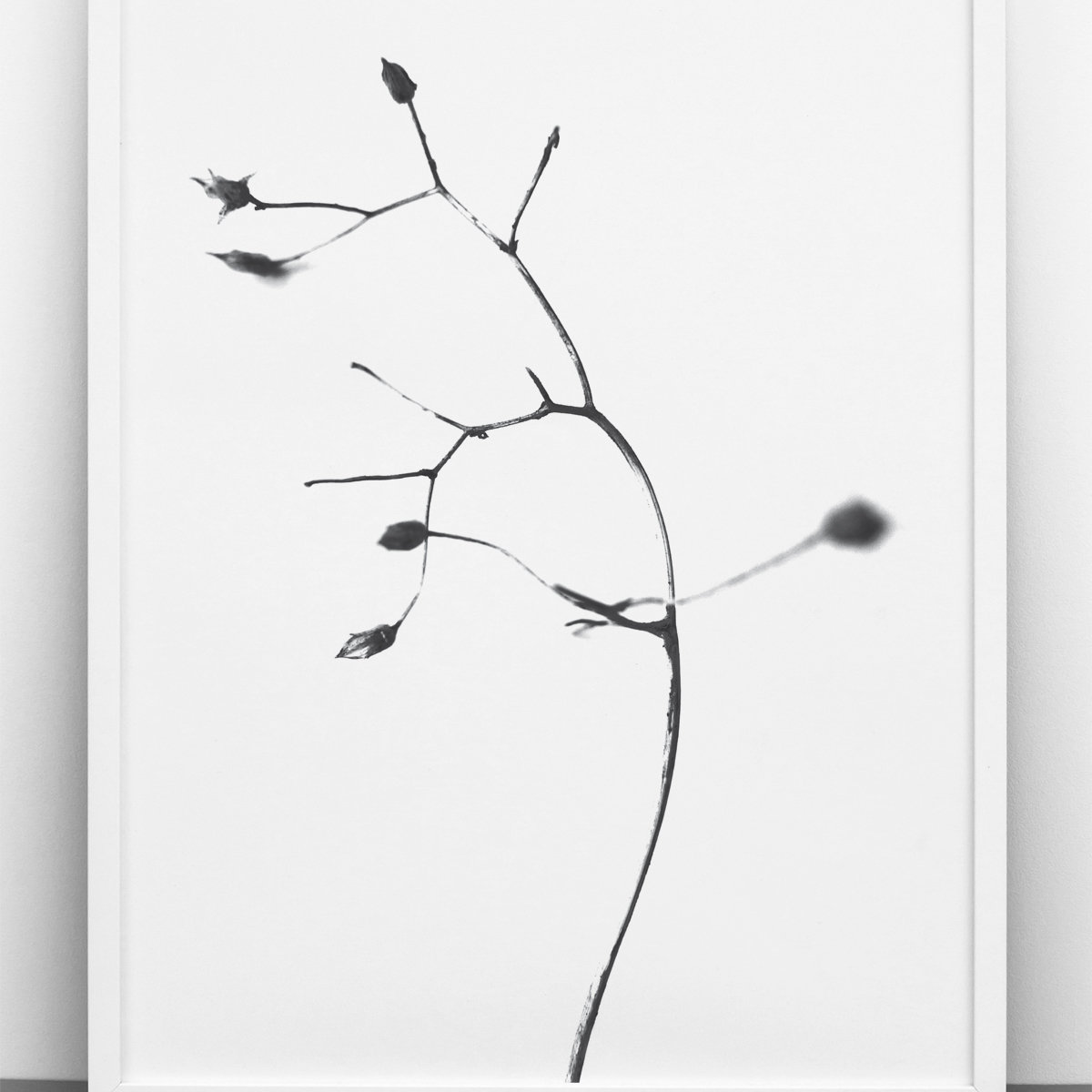


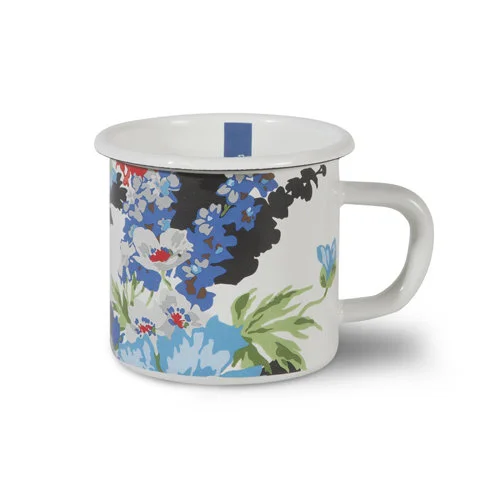
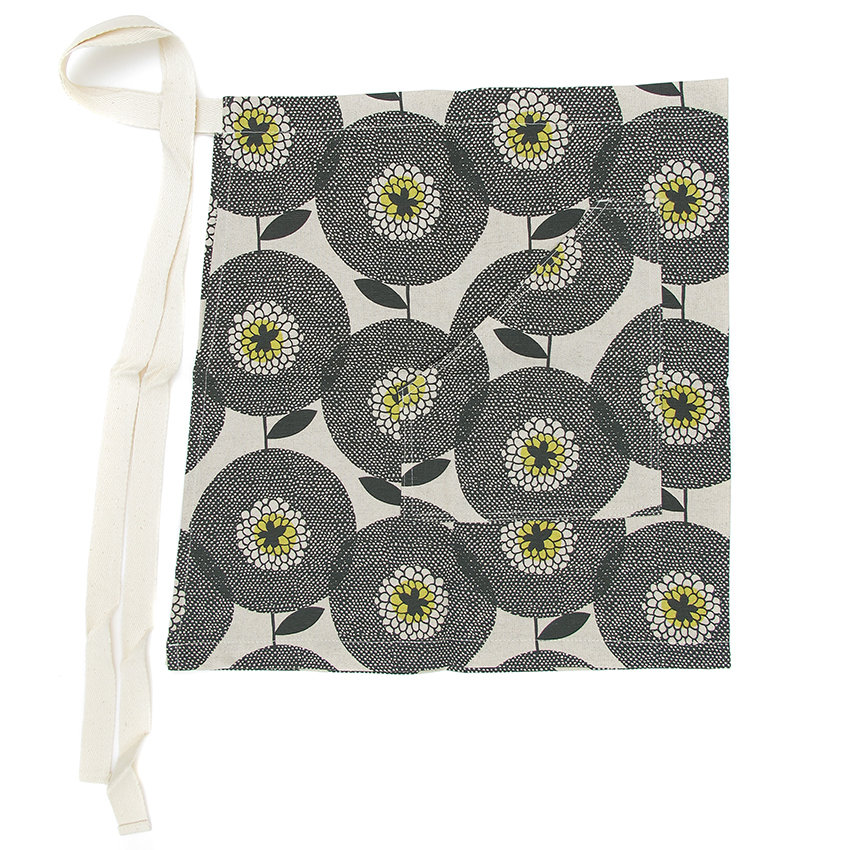

Images from top, left to right: Wisteria upholstery fabric by Occipinti, £56.00 per/m | Rose is a Rose Print by One Must Dash, £55.00 | Summer Wallpaper by Sian Zeng, £35.00 per roll | Navy Khanga Flower Drawstring Bag by Lou Hopper, £55.00 | Floral Flutter Cushion by Kith & Kin, £56.00 | RHS Passion Flower Linen Tea Towel from Ulster Weavers, £7.50 | Joules Floral Cup from Quince Living, £12.50 | Flower Field Skirt Apron from Quince Living, £28.00 | Wisteria Tea Cosy by Occipinti, £26.00