

Image: Katharine Davies




Recipe: Nectarine honey cakes
The beautiful oral tones of honey can make baked goods sing. Slices of nectarine top these tender little cakes, but you could also use peach, apricot or plums
During the summer months when stone fruits are cheap and plentiful, you can buy fruit in bulk, slice, lay out on a tray, freeze and then transfer it to zip-lock bags. You can then use the slices in
smoothies. Or, lightly stew and freeze in containers to later use in pies, tarts and crumbles – there’s nothing like pulling out a container of summer fruit to make a pud in the midst of winter.
Nectarine honey cakes
Makes 9 (Gluten-free)
75g butter, diced
60ml honey
80g ground almonds
45g ne brown rice our
2 tbsp arrowroot or gluten-free organic corn flour
1 tsp gluten-free baking powder
Finely grated zest of 1 small lemon
60ml (1/4 cup) almond, rice or coconut milk
1 large free-range egg
1 tsp vanilla extract
1 medium nectarine, thinly sliced
1 Preheat oven to 160C/Fan 140C/310F. Grease a nine-hole friand tin generously with melted butter. Place butter and honey into a small saucepan and set over a low heat, stirring often until the butter has just melted. Remove from heat and set aside to cool for 5 minutes.
2 Place ground almonds in a medium bowl and sift over the brown rice flour, arrowroot or cornflour, and baking powder. Add lemon zest and whisk well to evenly distribute flours. Whisk milk, egg and vanilla extract in a separate bowl.
3 Add to dry ingredients along with melted butter and honey. Whisk to form a smooth batter. Pour some batter into each friand hole and top with a couple of slices of nectarine.
4 Bake for 15–20 minutes or until golden – a skewer inserted into the centre should come out clean. Remove from oven and set aside for 5 minutes. Run a thin knife around the outside of each cake, then gently remove and transfer to a wire rack to cool further.
Cakes are best eaten on the day of baking; however, they will store, airtight, for 3 days.
Recipe from A Year in My Real Food Kitchen by Emma Galloway (HarperCollins)
Read more from the July issue:
Featured



More cake recipes:
Featured




Image: Getty
Gardening: How to attract butterflies
Plant a few pollen-rich flowers in your garden and watch it come alive with butterflies and bees
Turn to page 108 of July's The Simple Things for our feature on how to open a nectar bar in your garden, and follow the ideas below.
1. Leave a few fallen fruits on the ground. In late summer, butterflies, such as the Red Admiral and Painted Lady, will feed on fruit juices in fallen over-ripe pears, plums and apples.
2. Avoid pesticides. If you’re struggling with pests, you can make your own organic sprays (see Issue 48 for recipes) that won’t harm insects or the environment.
3. Don’t forget caterpillars. Stinging nettles, thistles, holly and ivy are good sources of food and act as hosts on which butterflies lay their eggs.
Read more from the July issue:
Featured
More gardening posts:
Featured


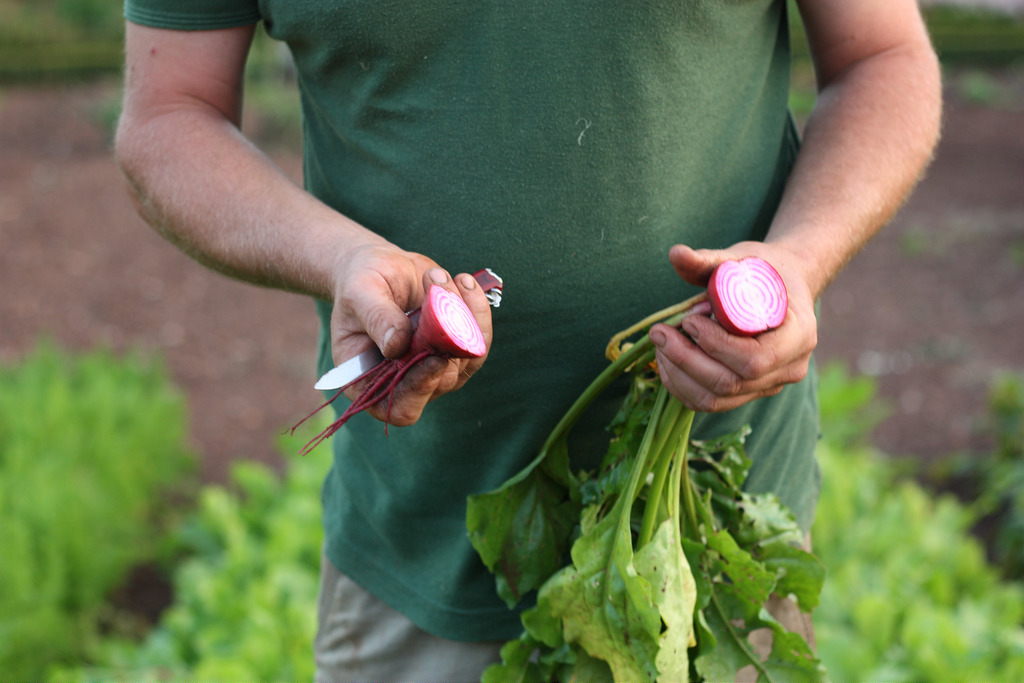
Image: Lottie Storey
Give it a grow: Beetroot
WHY GROW THEM?
Don’t let the memory of eating that tasteless, shop-bought pickled beetroot put you off growing this wonderful vegetable. Try it roasted, blended (check out Ottolenghi’s incredible puréed beetroot with yoghurt & za’atar recipe) or raw to enjoy its delicious, earthy flavour, as well as benefit from all the vitamins packed within. It’s also one of those crops that can be harvested early as a baby vegetable, or left in the ground to grow to any size between a golf and a tennis ball.
WHEN TO SOW?
Sarah Raven recommends soaking seeds in warm water for half an hour before sowing in the veg patch or container. For a constant supply, sow every three to four weeks from March to July in a sunny spot and good soil. Sow thinly, so crops have a chance to form juicy bulbs, in rows about 30cm apart. You can sow more densely and pick the leaves as a tender, tasty salad crop.
WHEN TO HARVEST?
Crops are ready about 12 weeks after sowing, though pick earlier for a smaller, sweeter crop.
WHICH ONE?
‘Burpees Golden’ for its colour, ‘Chioggia’ to delight diners with its candy stripes, ‘Albinia Vereduna’, which is white so won’t stain hands and ‘Boltardy’, which, as it sounds, is bolt resistant.
Read more from the July issue:
Featured
More gardening posts:
Featured

Recipe: Pea cheesecake
This makes a delicious light lunch or summer starter, and uses everything but the pod itself from the pea plant. (If you want to save your pea flowers to turn into more peas, omit them or use other edible flowers.) Savoury cheesecakes are a great alternative to quiches and tarts and, as this recipe uses oatcakes for the base, it is wheat-free, too.
Pea cheesecake
Serves 4–6 as a light lunch with salad, 8–10 as a starter
1 × 23cm spring-form tin, greased and base-lined
base tier
200g oatcakes
100g unsalted butter
parmesan crisps
20g Parmesan cheese, finely grated pea purée
100g butter
2 garlic cloves, crushed
300g peas
filling
360g cream cheese
120ml double cream
4 eggs
zest of 1 lemon
salt and pepper, to taste
100g peas
decoration
handful of pea shoots, edible flowers (eg pea flowers, violas)
1 For base tier, put the oatcakes in a food bag and bash with a rolling pin until they are reduced to crumbs. Melt the butter, then combine with the crumbs in a bowl, mixing to coat. Press into the base of the tin in an even tier (a potato masher is the best tool here). Chill in the fridge for at least half an hour.
2 For the Parmesan crisps, preheat oven to 180C. Put 10 large pinches of grated cheese on a baking sheet, leaving space for them to spread. Place baking sheet in oven and, watching all the time, let the cheese melt into flat, slightly browned crisps. Remove from the oven and cool the crisps on the baking sheet.
3 For the pea purée, melt butter in a frying pan. Add garlic to the butter as it melts, but do not let it brown. Pour over the peas and blend to a rough purée.
4 For filling, whisk cream cheese, double cream, eggs and lemon zest in a large bowl. Add the pea purée, season, and whisk again until everything is incorporated. Stir in the whole peas. Pour filling over the base tier and bake for 35–40 mins until the cheesecake does not wobble when the tin is shaken, and the top is golden.
5 Turn the cheesecake out onto a plate, scatter over the pea shoots and flowers. Nestle the Parmesan crisps among them. Serve warm, with a peppery side salad.
Recipe from Grow Your Own Cake by Holly Farrell (Frances Lincoln) Photography Jason Ingram
Read more from the July issue:
Featured
More summer recipes:
Featured


Explore: July cover reveal
Open the curtains and seize the day. There’s no better time than summer for exploring. What will you do? Perhaps pick your own cherries, swim in a stream or stay in a caravan. This could be the year you learn to sail or even just make a new cocktail. Lie still for a while among the buttercups, watch the bees and smoke from the barbecue. Holidays are memory makers; you’ll remember when you learned about jellyfish, ate cactus and stayed in a beach house. To explore is to go on a journey. Take one this summer with The Simple Things.
Get hold of your copy of this month's The Simple Things - buy, download or subscribe
View the sampler here
More from the July issue:
Featured



Competition: Win a year's supply of award-winning meat boxes
TRADITIONAL METHODS, NATIVE BREEDS AND A WHOLE LOT OF LOVE ARE THE KEY INGREDIENTS FOR THE BEST BARBECUES AND MOST COMFORTING CASSEROLES
From the green hills and red soils of Devon, Pipers Farm produces slow-grown, 100% grass-fed, sustainable meat. And the farm is offering readers the chance to win a meat box every month for a year, including native Red Ruby beef, Saddleback pork, properly free-range chicken, Suffolk lamb and gluten-free sausages and burgers.
Pipers Farm believes in producing food in harmony with nature, encouraging a diverse ecosystem to inhabit the farm alongside the livestock. So fields remain small, with 400-year-old hedgerows marking their boundaries. And Pipers has championed other small family farms who are raising native breeds in a traditional way.
With a commitment not only to high animal welfare but also to creating a truly delicious product, Pipers Farm has received high praise from foodies such as Jamie Oliver (being featured on Chicken Out and Jamie Saves Our Bacon) and Hugh Fearnley-Whittingstall and was named as one of Rick Stein’s ‘food heroes’.
Winning dinners
The farm is also one of the most decorated food producers in the country, having scooped a multitude of awards, including numerous Great Taste gold awards for its range of delicious meat.
Choose from boxes including The Big Breakfast, Student Survival , BBQ, Wellness or Offally Good – they even do a Doggy Bag box for your pet.
How to enter
Enter below by 15 August. You can see Iceberg Press’ full terms and conditions on page 129 of July's The Simple Things and at icebergpress.co.uk/comprules. The prize comprises a meat box delivered to your door once a month for 12 months, packed with seasonal cuts, to arrive on a day arranged with the winner. Each box is Pipers’ ‘box of the month’ and is worth £30.
More competitions:
Featured

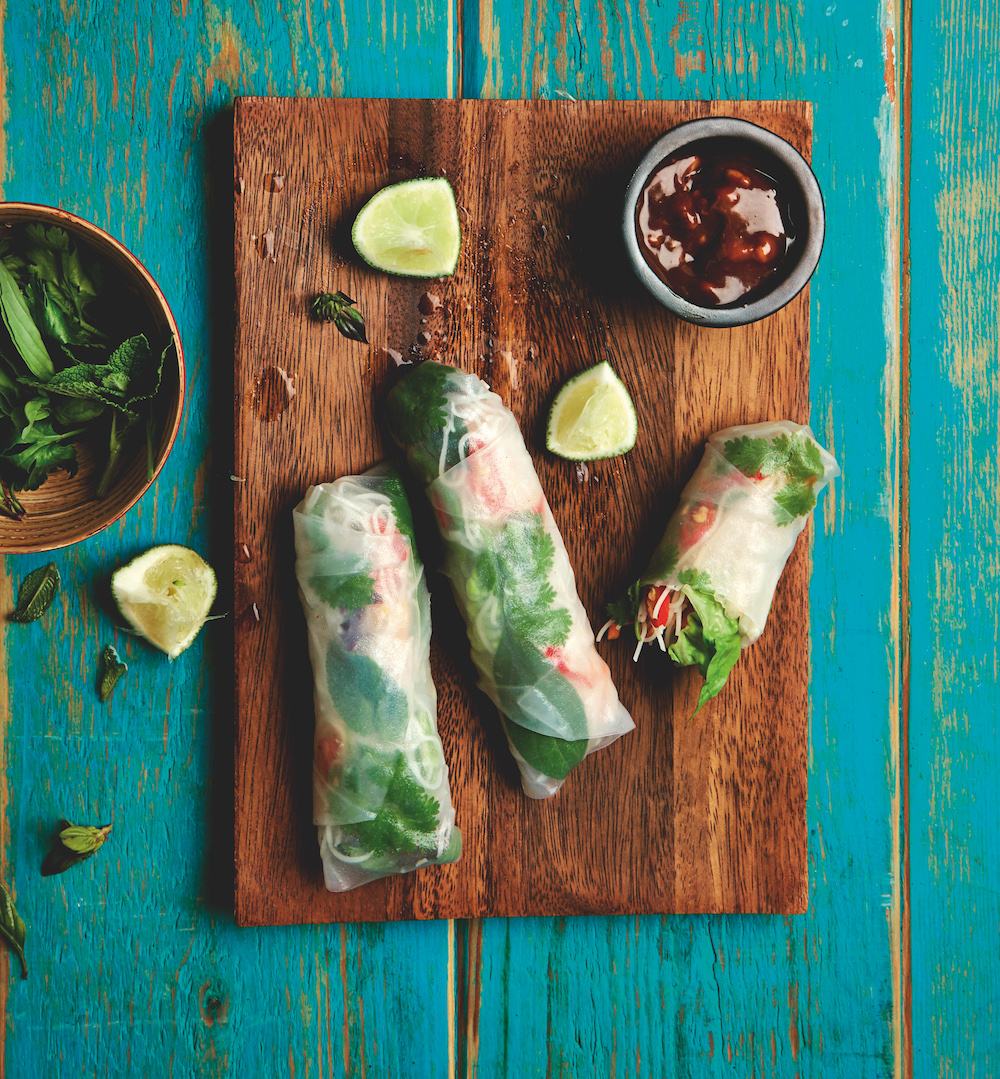
Recipe: Vietnamese vegetable summer rolls
These pretty, light rolls are delicious with a piquant sauce
Makes 14
80g vermicelli rice noodles
14 edible rice papers
14 butterhead or other soft lettuce leaves
100g beansprouts
14 thin carrot batons, peeled
14 thin cucumber batons
2 handfuls fresh coriander leaves, roughly chopped
14 fresh mint leaves, roughly chopped
1 red chilli, sliced
For the dipping sauce:
4 tbsp hoisin sauce
4 tbsp peanut butter
lime juice to taste
1 Prepare the dipping sauce by mixing together all the ingredients in a small bowl. Cover and refrigerate until needed.
2 Cook the vermicelli according to the instructions on the packet. Drain and set aside.
3 Soften the rice papers. Fill a large bowl with warm water. Carefully and slowly dip the rice papers in one by one. Leave each one for about 20 seconds until totally soft. Lay the rice papers out on a dry cloth as you finish.
4 On top of each rice paper, arrange a lettuce leaf (trimmed to size if needed) a small handful of vermicelli and a small handful of beansprouts. Add carrot, cucumber, herbs and chilli, always keeping about 5cm of wrapper uncovered on each side of the filling.
5 Fold the uncovered side inwards, then tightly roll the rice paper into a sausage shape around the filling. Repeat with the remaining ingredients.
6 Serve the rolls chilled with the dipping sauce on the side.
Recipe from Modern Dim Sum by Loretta Liu. Photography: Louise Hagger (Ryland Peters & Small)
Read more from the July issue:
Featured
More recipes from around the world:
Featured




Festivals 2016: The Simple Things
We’re taking time to switch off at some of the finest festivals this summer. Come along to enjoy good food, being outdoors, interesting music and a chance to learn a thing or two.
The Simple Things will be at the following festivals, you can find out more and book tickets at the links below
Caught by the River
6-7 August, Fulham Palace, London
Two remarkable days of music, arts and nature. Gathering bands and brewers, authors and artists, thinkers and drinkers on the banks of the River Thames
Valley Fest
2-4 September, Chew Magna, Somerset
Smile 'til your cheeks ache. Family fun in beautiful countryside. Dancing, music, movies and top-notch sustainable food.
The Good Life Experience
16-18 September, Hawarden Estate, Flintshire
A weekend of fun and discovery. Music, books, food and the great outdoors for all the family
Readers of The Simple Things will get 10 per cent off festival tickets until the end of July – quote TGLESIMPLE to claim your discount. For more information and tickets visit thegoodlifeexperience.co.uk

Competition: Win a luxury bell tent worth £650
Come rain or shine, you’ll be the envy of any campsite you head to this summer with The Glam Camping Company’s stylish ‘Sugar & Spice’ tent, a luxury four-metre bell tent, exclusively designed in the UK. Devised with an Indian summer theme, it is beautifully appointed with wooden poles and pegs, porthole windows in the doors, contrast trims and handmade, golden, bell-tipped bunting.
If showers threaten, you’ll stay toasty in this tent, which features a fully zipped-in PVC groundsheet and a heavy duty outer in 100 per cent cotton canvas, which is fully waterproofed, PU-coated, mould and rot resistant and comes with its own canvas bag.
The ‘Sugar & Spice’ bell tent is ideal for glamping trips away, as well as kids’ sleepovers, wedding celebrations and garden parties.
In addition to its beautiful bell tents, The Glam Camping Company also has a fantastic range of handpicked essentials. Whether you’re heading to the beach, the countryside or venturing no further than your back garden, it offers everything you need for outdoor fun, from vintage-style windbreaks, stunning picnic and barbecue essentials, pretty sleeping bags and throws and a gorgeous selection of lights and lanterns to add a touch of sparkle to your gathering.
How to enter
Enter by 15 August 2016. You can see Iceberg Press’ full terms and conditions on page 129 and at icebergpress.co.uk/comprules
The prize consists of a Sugar & Spice 4m bell tent, including poles and pegs, bag and full instructions. The tent will be delivered to the lucky winner by 3 September.
Enter more competitions:
Featured
More from the July issue:
Featured

Listen: Journeys playlist
Something for your holiday? Listen to our songs about journeys.
Read more from the July issue:
Featured
More playlists from The Simple Things:
Featured




Recipe: Smoked bitter chocolate
In July's The Simple Things, we throw a grown-up barbecue; where veggies and even desserts go on the grill. Ben Tish is chef director at the Salt Yard Group, which runs four restaurants in London. Recipes are taken from his new book Grill Smoke BBQ.
Try the recipe for Smoky bitter-chocolate puddings with melting whipped cream on page 39 - you can just use plain chocolate (at least 70% cocoa) or try this recipe for smoked bitter chocolate.
'Smoked chocolate is a revelation, whether you eat it raw or melted and cooked into a pudding. At Ember Yard, we tried several methods and types of chocolate but found that those with a cocoa content of 70% or more works best. I’ve used pistols (buttons) as they are all the same size, so they absorb the smoke evenly. It’s imperative that you leave the chocolate for 24 hours after smoking to allow the flavours to settle and balance.' Ben Tish
Smoked bitter chocolate
Makes about 250g (9oz)
250g (9oz) bitter chocolate (at least 70% cocoa) buttons, or a block cut into small, even-sized chunks
You’ll also need a cold-smoking device and some oak wood dust
Set up the cold-smoking device in the barbecue with the wood dust and get it going.
Place the chocolate in a single layer on a baking sheet. Transfer to the barbecue, then close the lid and vent and cold-smoke the chocolate for 45 minutes. Transfer the chocolate to a container, seal and leave for24 hours before using.
Read more from the July issue:
Featured
More Gathering recipes:
Featured


Image: Katharine Davies
Don't mind that roses have thorns, be glad that thorns have roses

FREE! Reykjavík city guide
In each issue of The Simple Things we publish a local’s insider guide to some of the coolest, most interesting and simply favourite cities to visit. As the summer holiday begins, we’re re-publishing some of them to download, in association with our friends at Inntravel – The slow holiday people
Download Jenna Gottlieb's Reykjavík guide for free here. This guide was first published in July 2015.
You can also download guides to Helsinki, Paris, Copenhagen, Florence, Amsterdam Berlin, or Palma by clicking on the links.
You’ll find a resident’s guide to Bristol for the July EXPLORE issue, on sale now. Or you can buy here

MY CITY is supported by INNTRAVEL, the Slow Holiday people, who have spent the last three decades exploring Europe’s most beautiful corners along the lesser-trodden path. When it comes to cities, their self-guided walking tours have been carefully researched using their own expert knowledge and insider tips from locals. These specially created routes take in the best-known sights, but also those hidden gems that others miss. Find out more by visiting http://www.inntravel.co.uk
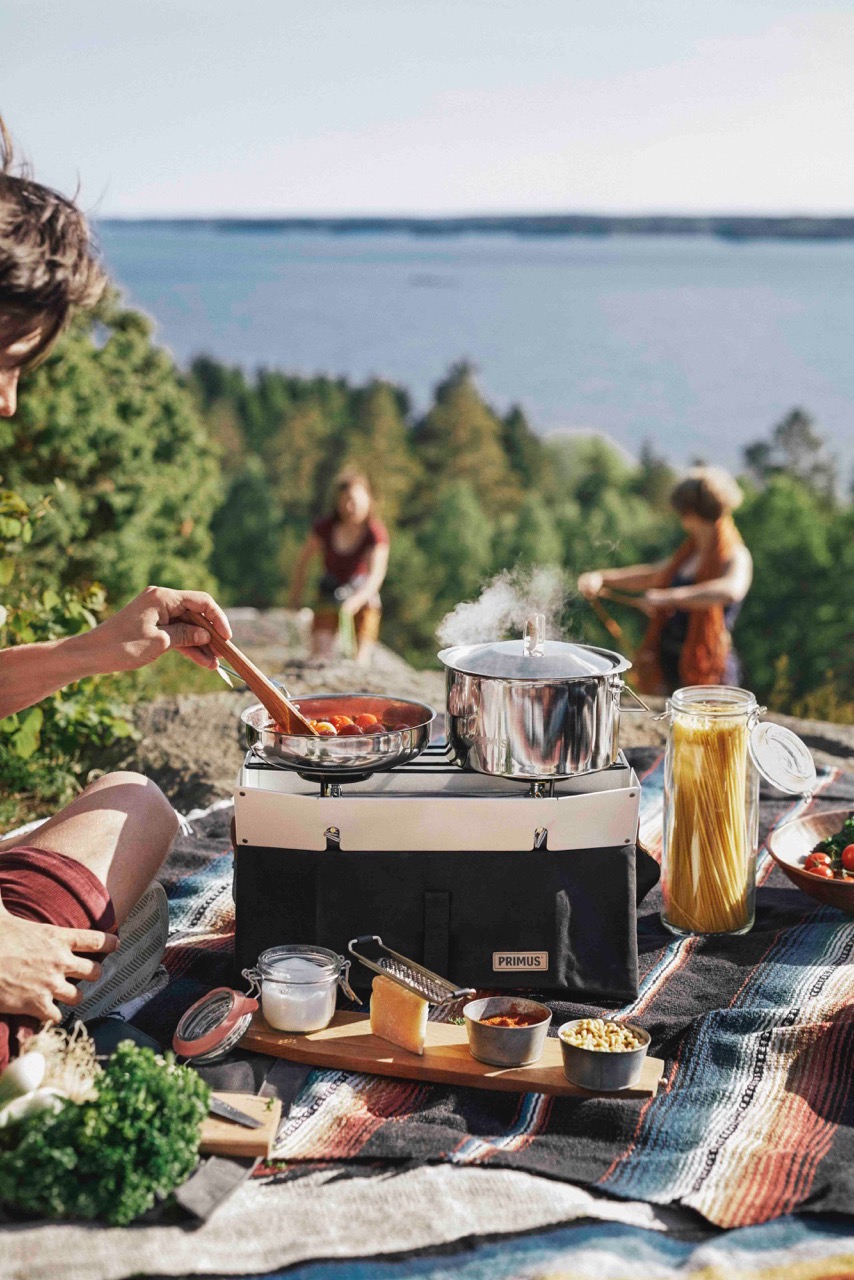
Competition: Win a PRIMUS Onja Stove from the new CampFire range! (closed 18 July 2016)
As the temperature rises and thoughts turn to entertaining family and friends outdoors, Swedish stove brand Primus has the perfect solution for cooking up culinary delights. Made using smart Scandinavian design and sustainable ingredients, CampFire is a beautifully crafted three-strong range of double burner stoves, high quality pots, pans and accessories that are perfect for outdoor dining and entertaining.
Out of the three double burner stoves in the range ONJA (SRP: £105) is a show-stopper stove made from a unique blend of stainless steel, oak, brass, cloth and leather. We’ve got an ONJA stove to give away to one lucky winner.
Compact and portable, it’s easy to assemble and pack away, yet suitable for large pots for cooking up culinary treats outdoors. Plus there’s no need for expensive, heavy gas cylinders as the all the stoves run off easy-to-buy self-sealing LP gas cartridges. Simply cook, eat, laugh, pack up, pop on your shoulder and plan your next outdoor culinary adventure.
Find out more about the Primus range.
Enter now - closing date 18 July 2016:
You can see Iceberg Press’ full terms and conditions on page 129 of June's The Simple Things and at icebergpress.co.uk/comprules.
More competitions:
Featured
More from the June issue:
Featured



Recipe: Lia Leendertz, photography: Kirstie Young
Recipe: Lavender lemonade
A refreshing, sweetly herbal fizzy drink for the moment the lavender is at its most fragrant, just as the flowers are starting to open. Add a shot of gin for an adult version.
Makes 6 glasses
500ml water
200g caster sugar
10 lavender flower heads, plus more for decoration
12 lemons
fizzy water
1 Place the water, sugar and lavender flowers into a saucepan and heat gently until the sugar dissolves. Simmer very gently for ten minutes, before removing from the heat and leaving to cool completely. Transfer to a jug or jar, lavender flowers and all, and chill.
2 When you are ready to serve, squeeze the lemons into a jug, tip in the lavender syrup and top up with fizzy water, aiming for about a third of each ingredient. Serve over ice with a lavender stalk and a piece of lemon.
For more of Lia Leendertz's Seed to Stove midsummer menu, including Gravadlax with dill yoghurt and crispbreads, Latvian midsummer cheese, and Strawberry, apricot and cherry shortcake, turn to page 24 of June's The Simple Things.
More from the June issue:
Featured
Read more Seed to Stove recipes:
Featured


Image: Kirstie Young
Gardening: Make your own organic fertiliser
As well as needing protection from insects and diseases, plants need nutrients, too, particularly if they grow in pots or hanging baskets. Making your own organic fertiliser from comfrey is as simple as making sprays – and very satisfying.
Comfrey is easy to grow, though it is best in a container, as it is rather vigorous.
1. Harvest leaves from the base of the comfrey plant and remove stems.
2. Chop the foliage and pack tightly into a container with a lid, as the solution can smell as the leaves break down.
3. Use a brick to weigh down the leaves.
4. After a few weeks, top up with fresh leaves and collect the liquid, storing it in a cool, dark place.
5. Dilute the liquid, one part comfrey to 10 parts water.
6. Water with a rose head for a potassium-rich liquid fertiliser to encourage flowers and fruit to set.
7. Add ash to the water to boost nutrients for greedy plants such as broad and runner beans, courgettes, cucumbers and squash.
Read more from the June issue:
Featured
More gardening posts:
Featured

Make: Homemade gardener's hand scrub
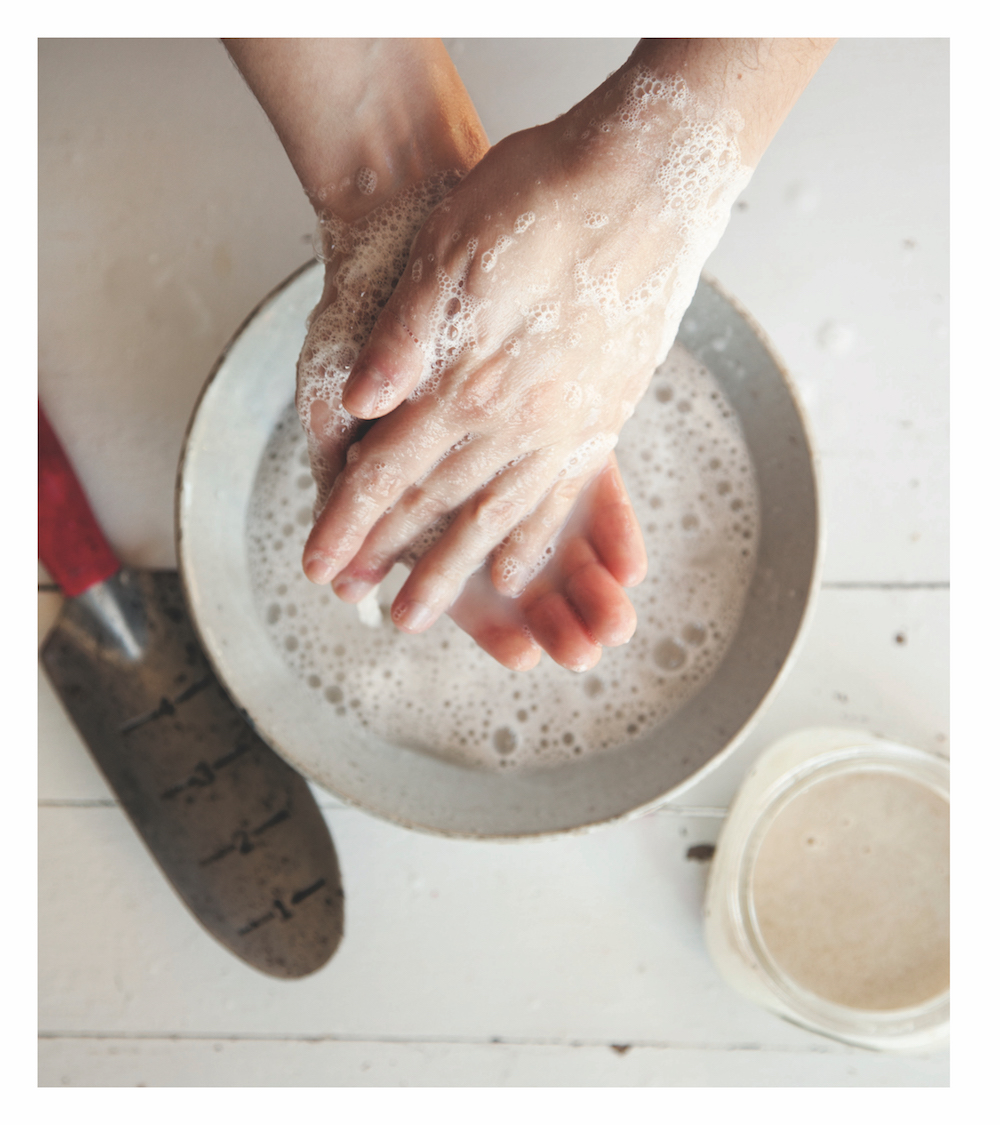
Give your hands some TLC. Just because you like to get your hands dirty, doesn’t mean you want them to stay dirty. This hand scrub will combat the perma-dirt that any keen gardener is familiar with.
Homemade gardener's hand scrub
Makes 300-350g scrub
60g coconut oil, melted
60ml liquid castile soap
225g sugar
10 drops rosemary essential oil
10 drops peppermint essential oil
5 drops tea tree essential oil
1 In a medium bowl, combine the coconut oil, castile soap and sugar. Let the mixture cool, then stir vigorously with a spoon. This will “whip” the oil for a pourable but creamy texture.
2 Stir in the essential oils then scrape the scrub into a clean jam jar. The hand scrub will last six months, though the scent may fade. If the scrub begins to separate, just give it a good stir.
To use: Wet hands, spoon a generous dollop of scrub into your palms. Scrub away, paying particular attention to the sides of the fingers and crease lines where dirt likes to stick. Rinse.
Extract from The Hands-On Home: A Seasonal Guide to Cooking, Preserving, and Natural Homekeeping by Erica Strauss (Sasquatch Books). Photography by Charity Burggraaf
Read more from the June issue:
Featured
More homemade cosmetics:
Featured


Sponsored post: PRIMUS CampFire
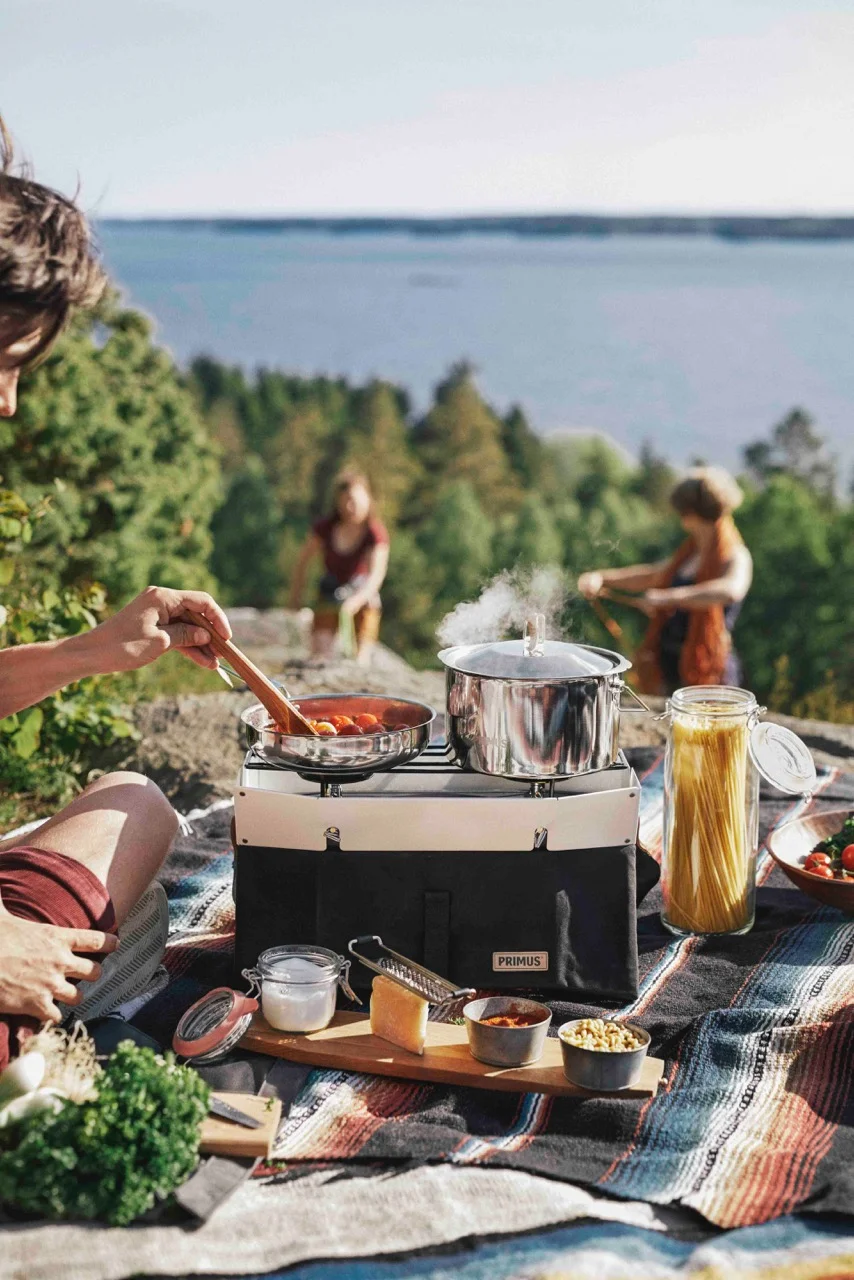
As the temperature rises and thoughts turn to entertaining family and friends outdoors, Swedish stove brand Primus has the perfect solution for cooking up culinary delights.
Made using smart Scandinavian design and sustainable ingredients, CampFire is a beautifully crafted three-strong range of double burner stoves, high quality pots, pans and accessories that are perfect for outdoor dining and entertaining.
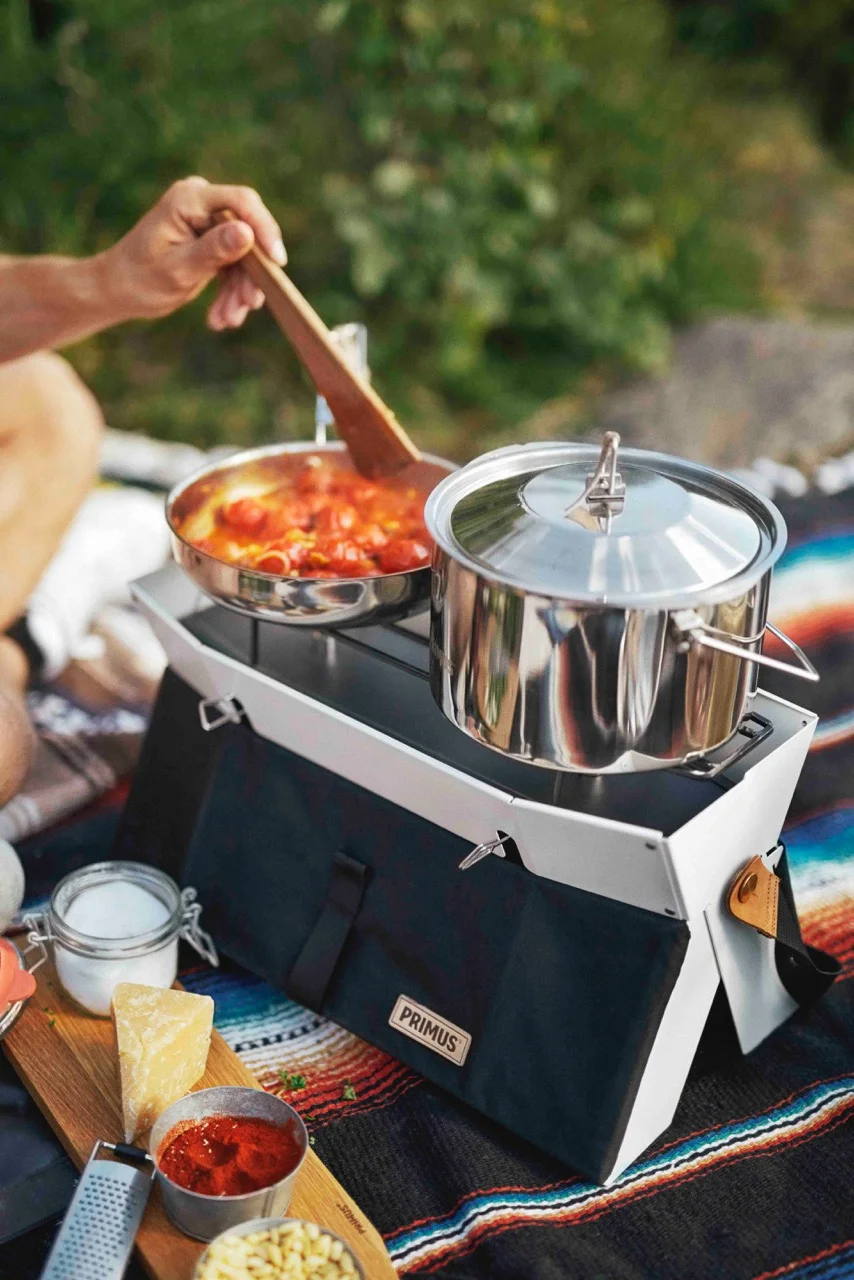
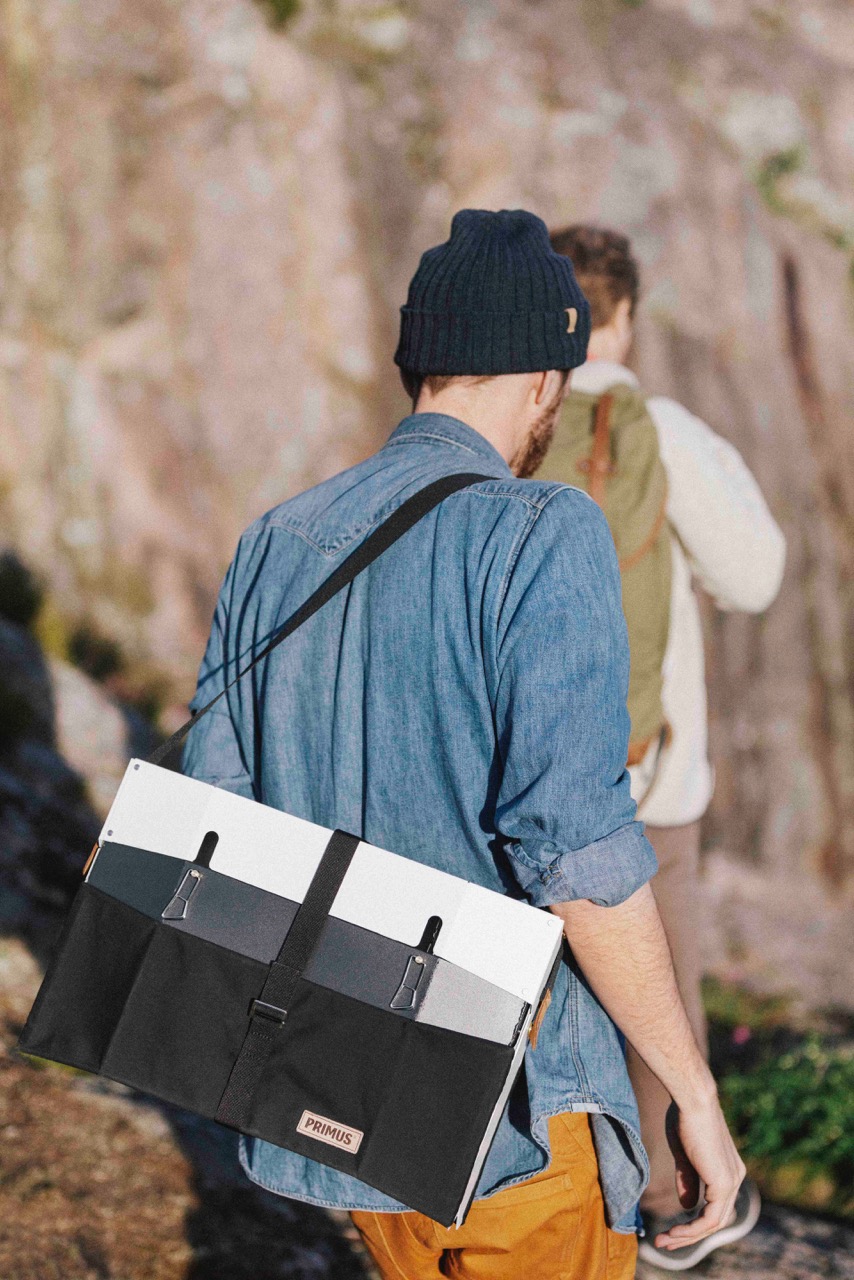
Out of the three double burner stoves in the range ONJA (SRP: £105) is a show-stopper stove made from a unique blend of stainless steel, oak, brass, cloth and leather. Compact and portable, it’s easy to assemble and pack away, yet suitable for large pots for cooking up culinary treats outdoors. Plus there’s no need for expensive, heavy gas cylinders as the all the stoves run off easy-to-buy self-sealing LP gas cartridges. Simply cook, eat, laugh, pack up, pop on your shoulder and plan your next outdoor culinary adventure.

Clever little touches to the range include stackable stainless steel pots with integrated colanders in lids that can be packed away neatly into a storage bag; a utensils kit, complete with oak and stainless steel knives and accessories, that’s held in a polycotton wrap that can rolled out flat or hung; a cutlery set that packs neatly into a leather sleeve; and a utility sack with a watertight roll top closure – handy for carrying water or food in, then taking home used cutlery, plates after a memorable outdoor cooking experience.

Dogs in blankets with Laughing Dog
MURPHY, JACKAPOO, 4 YEARS
“Stop there! No access without a pawsword! Why all the mystery? Well, when not scampering around and chewing things, I’ve been plotting a top-secret plan for dogs to take over the world. It may look like I’m hiding in blankets but they’re actually high-tech, instant-activation, cat- resistant habitation units being issued to each canine comrade around Britain. Instructions will follow imminently, along with emergency biscuits and a cunning disguise. Next step, world domination. But, first, perhaps, a nap.”
Tweet a pic of your #dogsinblankets @simplethingsmag
#doghappy @laughingdogfood

Dogs in blankets is brought to you in association with Laughing Dog
Three generations ago, our bakers discovered that slow-baking was the secret to creating deliciously tasty food. By oven-baking we can protect the wholesome goodness of our farm-grown ingredients, creating a delicious taste loved by even the fussiest of dogs.
To discover more about Laughing Dog’s mission to bake the nation dog happy, visit laughingdogfood.com. Save 25% on your first order! Quote ST16 when ordering
Read more from the June issue:
Featured