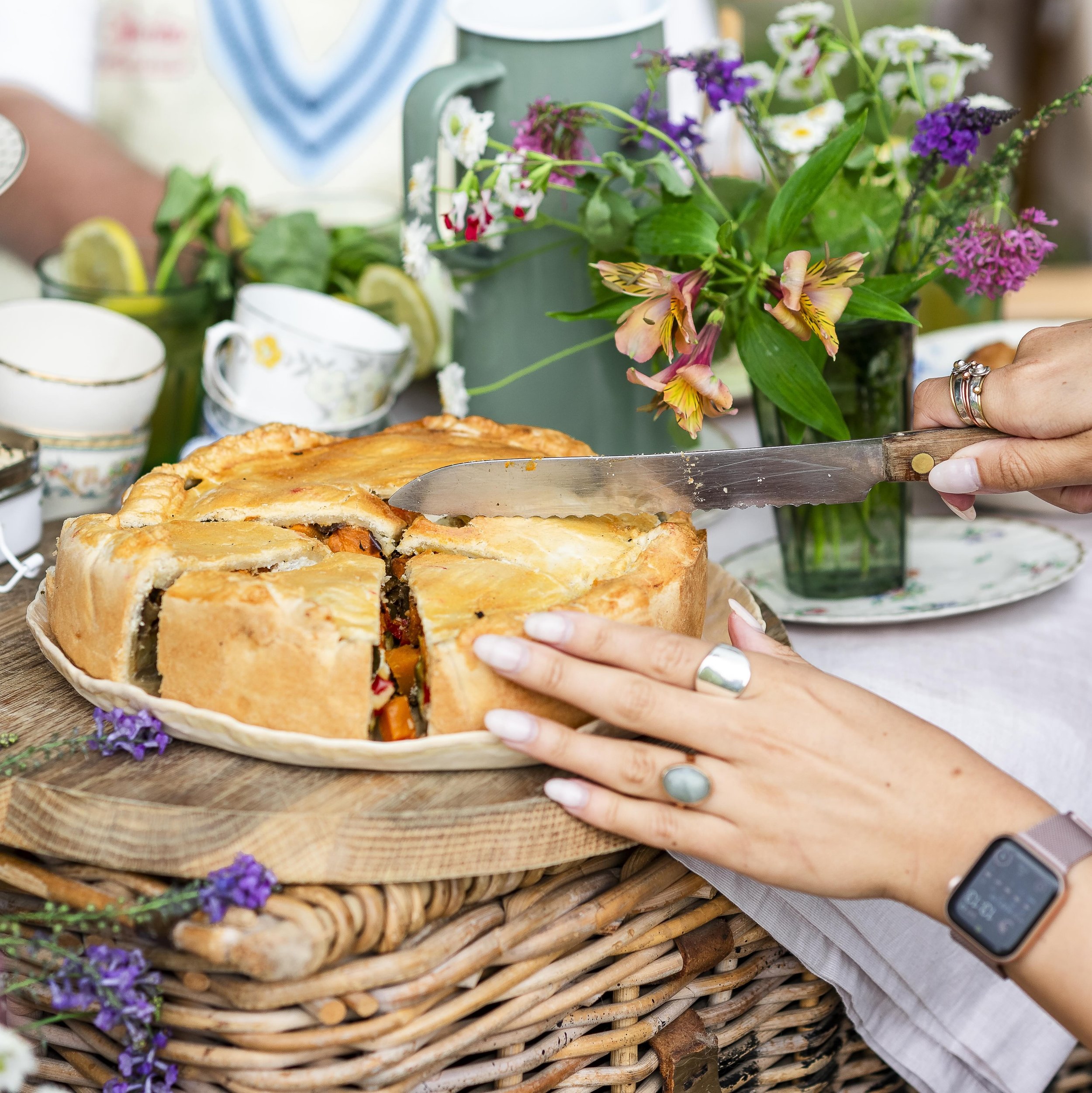
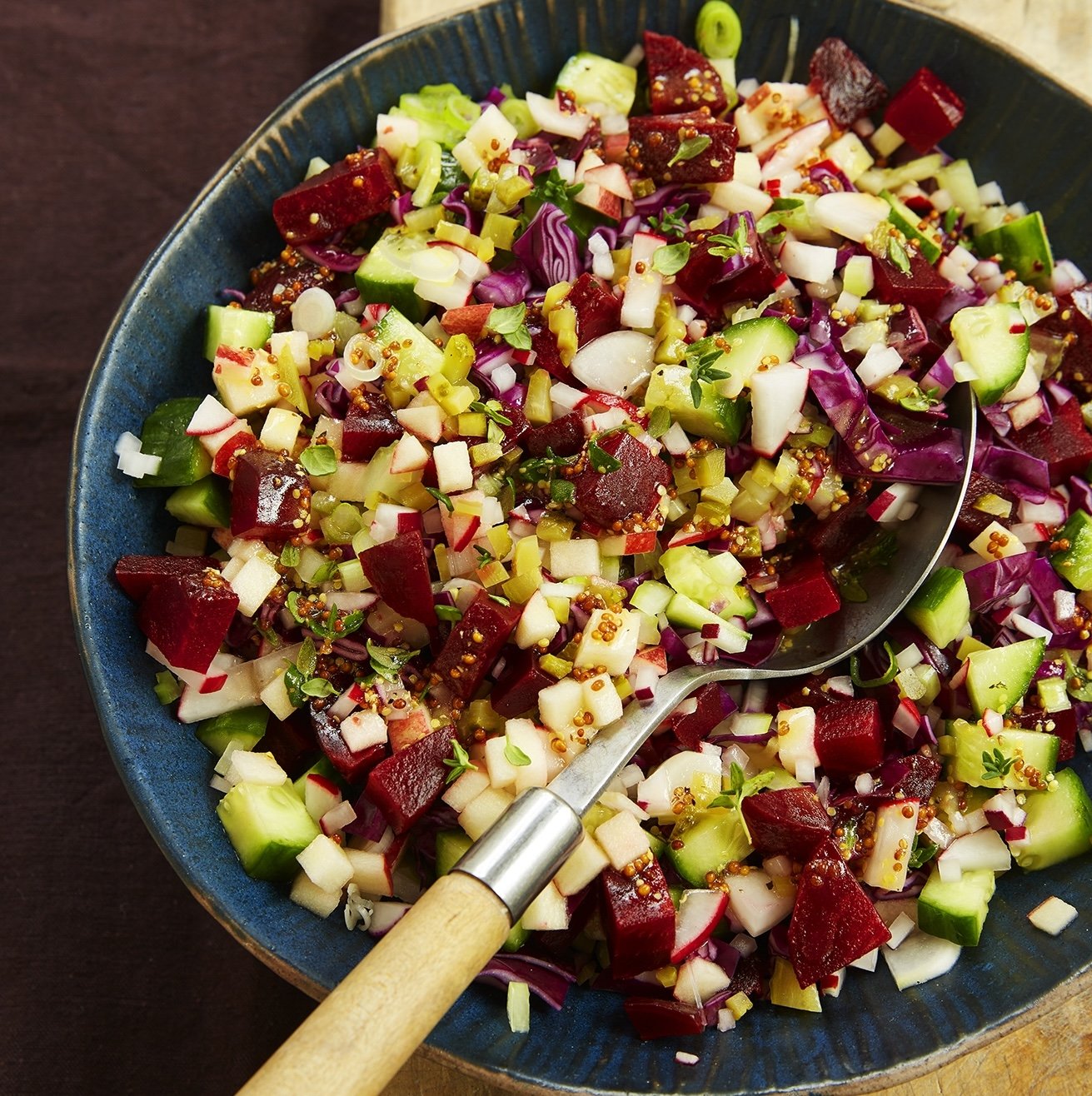
Don’t know about you, but we’re dining out on these

Listen to our songs about food
More playlists…
Featured

Blog
Taking Time to Live Well
Don’t know about you, but we’re dining out on these
Listen to our songs about food

Photography: Tony Briscoe
Makes 12
Butter, for greasing
110g caster sugar
2 tbsp cornflour
3 egg yolks
225ml double cream
175ml milk
2 tsp vanilla extract
1 sheet of ready-rolled all-butter puff pastry
Ground cinnamon, for dusting
Icing sugar, for dusting
1 Grease a 12-hole muffin tin (unless using a non-stick tin). In a saucepan, mix together the caster sugar, cornflour and egg yolks. Gradually add the cream and milk, whisking until smoothish. Don’t worry about lumps – they will whisk out.
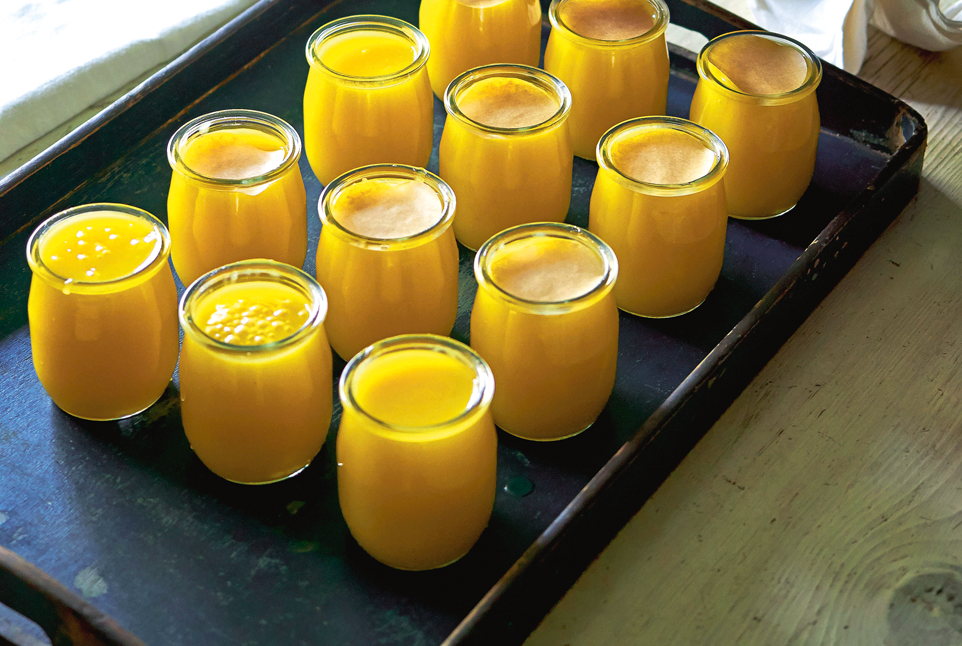
2 Stir over a medium heat until the mixture becomes very thick and, just before it comes to the boil, stop whisking, remove from heat, stir in vanilla extract and tip into a bowl.
3 Cover with cling film directly on the custard to prevent a skin forming. Leave to cool.
4 Preheat oven to 200C/Fan 180C/Gas 6. Unroll the pastry with the long edge closest to you (landscape format), dust with a little cinnamon and cut in half vertically. Put one piece on top of the other and, starting from the bottom (shortest) edge, tightly roll up the pastry pieces into a sausage shape.
5 Slice into 12 evenly sized discs. Use a rolling pin or your fingers to flatten out the discs into thin circles. Press into a muffin tin and spoon in the cold custard.
6 Bake in the preheated oven for 20–25 mins until the pastry is golden and the custard is puffed up, bubbling and golden in parts. Leave to cool in the tin for 10 mins (they will shrink down as they cool) before removing. Caramelise the tops with a cook’s blowtorch if they’re not as browned as you’d like. Sometimes they are, sometimes they’re not!
7 Serve either warm or at room temperature with a last-minute dusting of icing sugar and ground cinnamon.
Cook’s note: Get ahead by making the custard (in steps 1, 2 and 3) up to three days ahead and keeping in the fridge. You can prepare as far as the end of step 5 any time on the day of baking. The tarts can also be baked several days ahead and eaten warmed through or simply served at room temperature.
Recipe from The Get-Ahead Cook by Jane Lovett (Apicius Publishing)
Cake in the House is our monthly recipe feature - get a cake recipe every month in The Simple Things!


Photography: Kirstie Young
Homemade granola is so much better than shop-bought, especially when it’s a luxurious chocolate and hazelnut one. Once made and cooled, this will keep for several weeks in an airtight container.
Serves 6
100g salted butter
200ml honey
2 tbsp cocoa powder
250g porridge oats
200g hazelnuts, blanched and roughly chopped
200g dark chocolate, roughly chopped
1 Preheat oven to 180C/Fan 160C/Gas 4. Melt the butter in a large pan with the honey and cocoa powder. Tip in the rest of the ingredients and mix well until everything is combined.
2 Tip the mixture onto a large baking tray, spread it out and press down lightly. Bake for 18 mins, then remove from the oven and leave to cool completely. When cool, break into chunks and store in an airtight container. Serve with yogurt and fruit.
Turn to page 38 of August's The Simple Things for more of our staple foods feature on hazelnuts from Lia Leendertz.
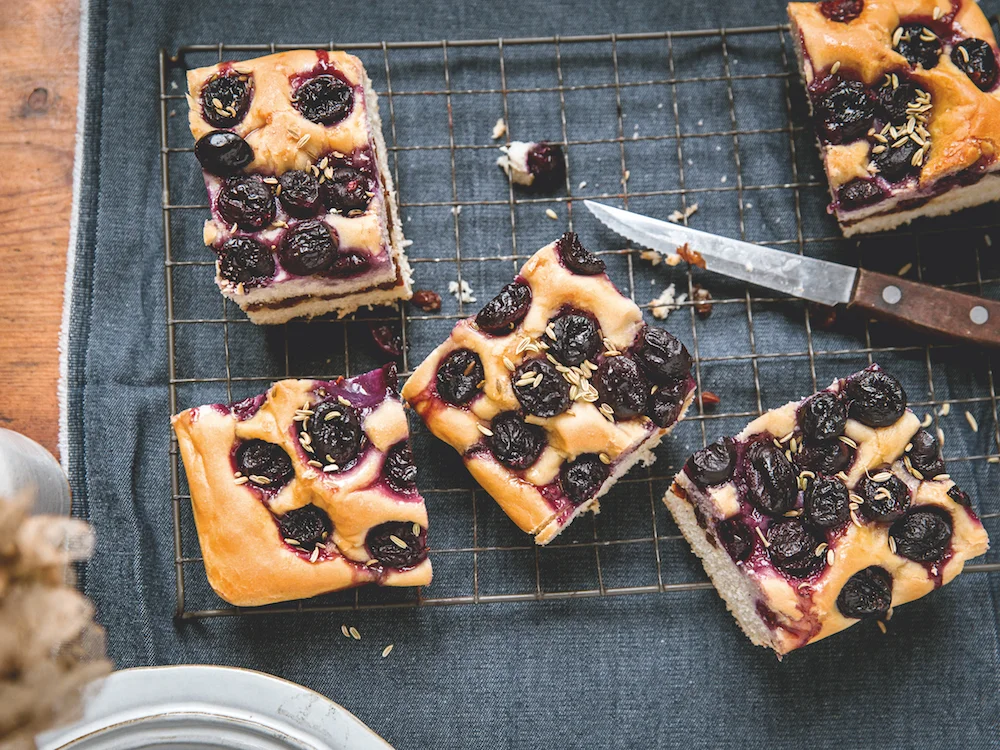
Photography & styling: Kym Grimshaw
A RECIPE TO CELEBRATE HARVEST (SCHIACCIATA MEANS ‘SQUASHED’)
Serves 12
200g raisins
250ml vin santo or moscatel
850g strong white bread flour
2 scant tsp fast-action yeast
435ml warm water (100-110C)
1 1⁄2 tbsp extra virgin olive oil, plus extra for brushing
450g black seedless grapes, washed and stalks removed
2 tbsp demerara sugar
2 tbsp fennel seeds
you will need
A 33 x 22cm baking tray
1 In a small pan, bring the raisins and vin santo or moscatel to a boil, then turn off the heat and set aside for at least 1 hour, preferably overnight.
2 Mix the flour and yeast with 1 tsp salt. In a jug, combine the warm water with the olive oil. Pour into the flour mixture and combine, then knead until smooth and elastic. Or use a mixer with dough hook attachment.
3 Brush a thin layer of oil over the inside of a large bowl and put the dough inside, turning it over in the oil. Cover with cling film or a plastic bag and leave in a warm place to rise until doubled in size (about 1 hour 30 mins).
4 Brush a 33 x 22cm baking tray with oil. Divide the dough into two and roll half out to the size of the tray, pushing it into the corners. Drain the raisin mixture and spoon over the dough. Roll out the second half of dough to the same size and sandwich over the first. Pinch the edges to join. Leave in a warm place, covered with a clean tea towel, until risen (at least 30 mins).
5 Preheat oven to 190C/Fan 170C/ Gas 5. When the dough has risen, scatter over the grapes, then sprinkle over the sugar and fennel seeds.
6 Bake in the preheated oven for 45 mins, until you have a golden crust and the grapes are bubbling and releasing their juices. Cool on a wire rack for 15 mins, then cut into generous slices to serve, with coffee or as a dessert in its own right.
Turn to page 24 of October’s The Simple Things for more of our autumn fruit feast, including Blistered grapes, ricotta & toasted sourdough, Parma-wrapped chicken with figs & gorgonzola, Herb-roasted veg Kale & fennel salad, and Poached prunes with Pedro Ximénez.
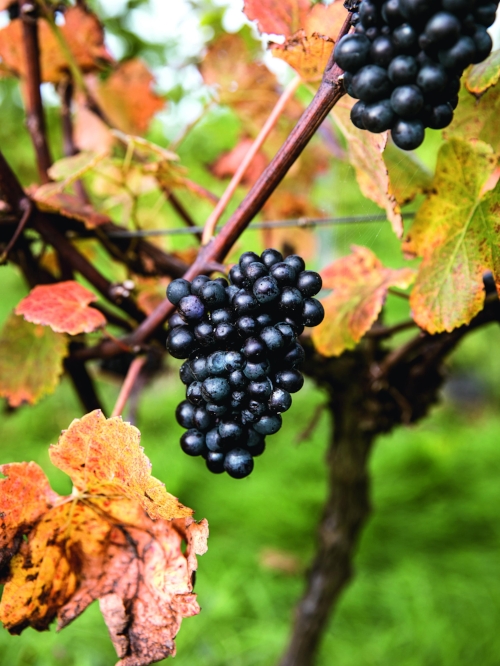
A feast of autumn fruit was inspired by the annual harvest days at Dunleavy Vineyards in the Chew Valley, Somerset, when friends and family join together to help harvest grapes and share a meal in the vineyard afterwards.
Launched in 2008 by Ingrid Bates, the vineyard produces multi-award winning rosé wine from Pinot noir and Seyval blanc grapes. Dunleavy Vineyards’ first sparkling wine will be available from October 2018.
Photography: Kirstie Young
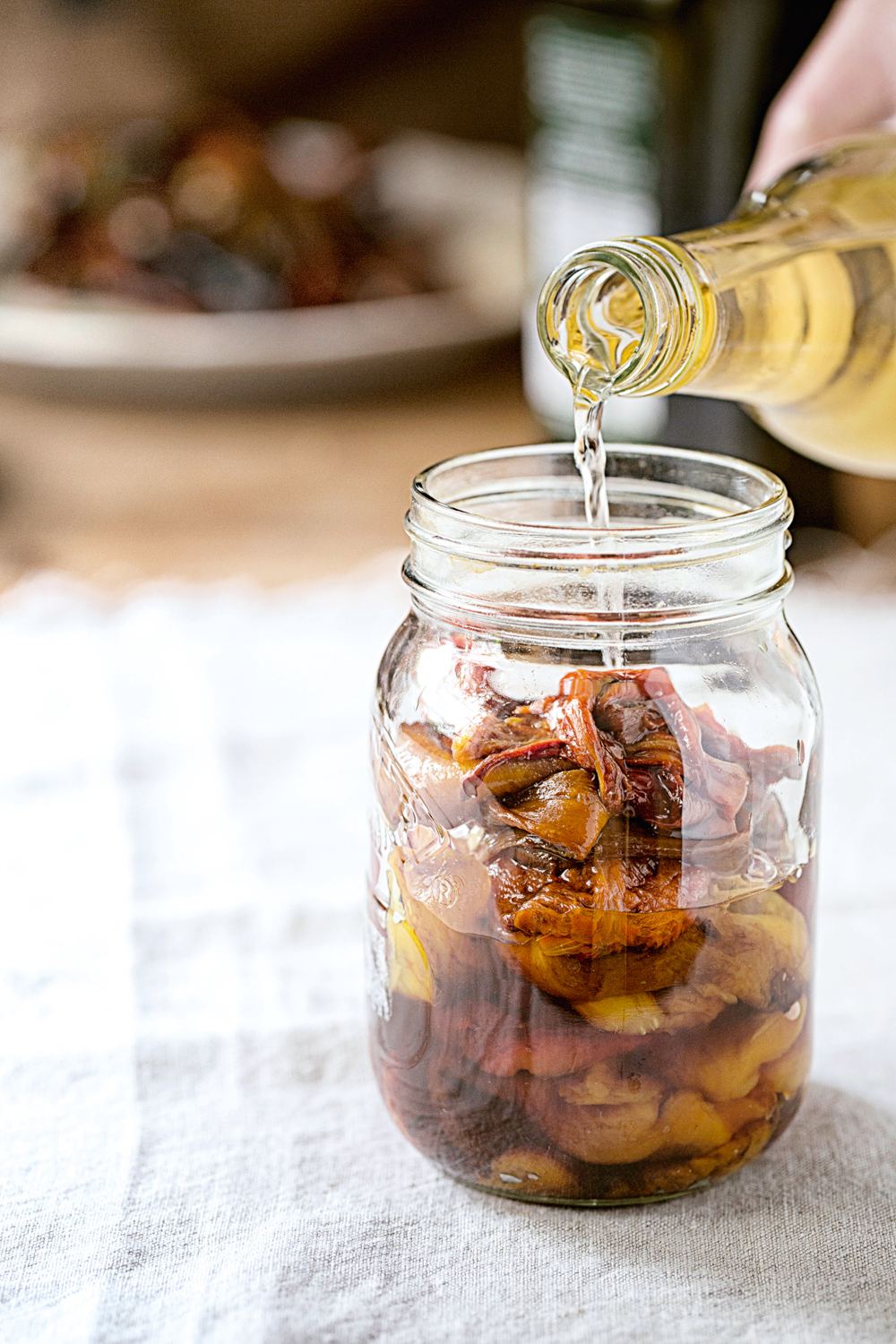
When you have a glut of sweet peppers, one of the most delicious things to do with them is to roast them and preserve them in vinegar and oil. Long slow cooking brings out their sweetness, and they make a brilliant addition to mezze and an excellent pizza topping.
Makes 1 jar
8 peppers
White wine vinegar
Extra virgin olive oil
YOU WILL NEED
450ml Kilner jar or equivalent, sterilised
1 Preheat the grill. Put the whole peppers on a baking tray and grill, turning, until blackened all over.
2 Tip the peppers into a large bowl, cover tightly with cling film and leave to cool completely: the cling film traps the steam and helps to separate the skins from the flesh.
3 Once cool, peel away the blackened skins and discard, then open up the peppers to remove the seeds and stems. Tear the flesh into wide strips and drop it into a bowl, along with as much of the juices as you can capture, then tip everything into a sterilised jar.
4 Pour enough vinegar over the peppers to cover, and use a knife to agitate them a little and get rid of any air bubbles, then top with a small slick of olive oil. Seal the jar and transfer to the fridge. Eat within a month.
Turn to page 38 of August's The Simple Things for more of our staple foods feature on peppers from Lia Leendertz.

Photography: Nicki Dowey
Makes about 550g
Butter, for greasing
200g caster sugar
100g golden syrup
100g black treacle
½ tsp cream of tartar
1 liquorice root, pounded
1 tsp powdered liquorice or ½-1 tsp liquorice essence
65g liquid fruit pectin or 12g powdered fruit pectin
½ tsp bicarbonate of soda
1 tsp anise extract
1 Grease a 23cm/9in square cake tin or pan and line with cling film as smoothly as possible.
2 Combine the sugar, syrup, treacle and cream of tartar with 100ml of water in a heavy pan. Stir over a low heat until the sugar has dissolved. Add the liquorice root and liquorice powder or essence, and boil, without stirring, until it reaches 120C.
3 Meanwhile, in a separate bowl, combine the pectin (add 4 tbsp water if using powdered pectin), bicarbonate of soda and ½ tsp salt.
4 Pour the pectin mixture into the syrup and stir to combine. Boil again until the syrup reaches 103C, then stir in the anise extract.
5 Pour the syrup into the prepared tin, discarding the liquorice root, and leave to set for about 4 hours. Turn out on to a chopping board and break into shapes. Serve immediately, or store in an airtight container for up to 3 weeks.
Recipe from Liquorice: A Cookbook by Carol Wilson (Lorenz Books).
Growing your own
Did you know liquorice is easy to grow yourself? Grow young plants (try brandycarrnurseries.co.uk) in a sunny spot in good, moist soil, allowing plenty of space between them – as the roots really like to spread! Roots can be harvested three to four years after planting and eaten raw or dried and used as a flavouring.

Photography: Alan Benson
90g unsalted butter, melted, plus extra for greasing
3 eggs
130g caster sugar
1 tsp vanilla extract or vanilla essence
35g plain flour, sifted
30g cornflour, sifted
1 tsp baking powder, sifted
3 ripe pears, peeled, cored and cut into 2cm dice
FOR THE CHANTILLY CREAM (OPTIONAL)
300ml whipping cream
30g icing sugar
1 tsp vanilla extract or paste or essence
1 Preheat oven to 170C/Fan 150C/Gas 3. Grease the ring of a 24cm springform tin, then turn the base upside down, so it no longer has a lip. Place a piece of baking paper over it, then clamp the ring around it to secure.
2 Combine the eggs, caster sugar and vanilla in a mixing bowl, and whisk with an electric mixer on high speed until the mixture has tripled in volume.
3 Using a hand whisk, gently fold in the plain flour, cornflour and baking powder with a pinch of salt until you have a smooth batter. Pour in the melted butter and fold with the whisk until totally combined, tilting the mixing bowl to make sure you’re reaching right to the bottom, where remnants of the butter might be sitting.
4 Pour the mixture into the prepared tin, then scatter the chunks of diced pear evenly over the surface. Don’t worry if there are a few pieces peeking through the top of the batter.
5 Bake for about 45 mins, or until a skewer inserted into the centre comes out clean. The cake will balloon up when cooking, then collapse a bit after cooling, but this is entirely normal.
6 Cool completely in the tin before sliding a paring knife around the edge of the cake to release the ring. Carefully slide the cake onto a serving plate (leave it on the baking paper as the texture is very delicate). Serve with your choice of cream.
7 To make the chantilly cream, combine the cream, icing sugar and vanilla in a medium mixing bowl and whisk by hand or with an electric mixer until medium peaks form, being careful not to overwhisk.
Recipe from Poh Bakes 100 Greats by Poh Ling Yeow (Murdoch Books).
Cake in the House is our monthly recipe feature - get a cake recipe every month in The Simple Things!

Photography: Nassima Rothacker
Serves 4
Vegan
250g podded fresh borlotti beans
1 carrot, peeled and cut into 4
1 celery stick, top removed, cut into 4
1 bay leaf
¼ bunch of thyme
1 tsp smoked paprika
100g non-dairy cream cheese
2 tbsp tomato purée
1 bunch of basil, leaves picked and stalks retained200g cooked chickpeas, roughly chopped
½ quantity of hummus* (½ tub shop-bought)
2 tbsp olive oil
Extra virgin olive oil, to garnish
* For homemade hummus:
240g tinned chickpeas (drained and rinsed)
60g tahini
1 garlic clove
Zest and juice of ½ lemon
25ml olive oil
½ tsp agave syrup
½ tsp table salt
Freshly milled black pepper
For the fermented tomatoes:
1 tsp table salt
50ml rice wine vinegar
50ml balsamic vinegar
1 tsp agave syrup
1 tbsp tomato purée
6 seasonal ripe tomatoes
1 Start by fermenting the tomatoes. Mix all ingredients together, apart from the tomatoes, and add the basil stalks. Add 100ml of cold water.
2 Prick the tomatoes all over with a skewer, then place in a container or jar and cover with the liquid. Loosely cover and leave in a slightly warm, dark place for a minimum of 4 days.
3 Place the beans, carrot, celery, bay leaf and thyme into a medium saucepan. Cover with water, then place on a high heat. Bring to the boil and simmer gently for 25–40 mins until soft (cooking time may vary depending on freshness).
4 Strain off the liquid from the pan, removing the carrot, celery and herbs.
5 Place the smoked paprika, cream cheese and tomato purée into a bowl. Whisk well. Place in a pan with the cooked borlotti beans and heat through.
6 To make the hummus, blitz all the ingredients in a food processor until a smooth paste, adding 20–30ml water if needed. (Remember, you’ll only need to use half of this quantity for the finished dish.)
7 To assemble, chop the basil leaves, reserving a few for garnish, and mix with the chickpeas, hummus and olive oil, seasoning well. Place the hummus around the edge of the serving plate, then place the beans on top. Peel the skin from the tomatoes (it will come off very easily after the fermentation) and slice each in half. Arrange on top, drizzling over a little of the fermenting liquor. Garnish with the reserved basil leaves and olive oil, then serve.
Recipe from Planted by Chantelle Nicholson (Kyle Books).

Photography: Kirstie Young
This lovely chunky relish is particularly excellent on burgers and hotdogs – just the thing for a barbecue. Because of their short cooking time, the veg in relishes have a lovely crisp texture, but this does mean that they won’t store as long as other preserves such as chutney. Keep this in the fridge and eat within two weeks.
Makes 3 jars
1 onion, finely diced
Raw kernels from 3 sweetcorn cobs
1⁄2 red pepper, finely diced
1⁄2 green pepper, finely diced
1⁄2 orange pepper, finely diced
1 red chilli, deseeded and finely diced
300ml cider vinegar
125g granulated sugar
you will need:
3 sterilised jars, vinegar-resistant lids, and labels
Put all of the ingredients into a large saucepan and heat gently, stirring. When the sugar has dissolved, simmer for 15 mins, stirring every now and then to prevent it sticking and burning. When the liquid has thickened and coated the vegetables, spoon them into the sterilised jars and top each with a little of the cooking liquid. Seal and leave to cool.
Turn to page 38 of August's The Simple Things for more of our staple foods feature on sweetcorn from Lia Leendertz.

Photography: Cathy Pyle
Makes about 20
2 x 400g tins of chickpeas
500g frozen garden peas
Zest and juice of 1 lemon
1 large egg
1⁄2 tsp chilli flakes
1 tsp ground paprika
1 tsp ground cumin
Handful of fresh herbs (we used oregano, basil and mint)
60g rye flour
Coconut oil, for greasing
1 Preheat oven to 200C/Fan 180C/ Gas 6. Drain and rinse the chickpeas, and place in a large mixing bowl. In a separate bowl, cover the frozen peas in cold water to defrost, drain and add to the bowl. Zest and juice the lemon, and add to the bowl along with the rest of the ingredients, and season.
2 Mix thoroughly and use a hand blender to break down the chickpeas and peas into a smoother paste: only do this for a couple of mins so that the mixture keeps some of its texture. It should be reasonably gooey but, if it is too wet to roll, add a little more flour.
3 Lightly grease a baking tray with coconut oil and, using your hands, form ping pong-sized balls and place on the tray. You should be able to make about 20 from your mix – you may need a second baking tray.
4 Cook in the oven for 25 mins or until they start to lightly crisp at the edges. Leave to cool before using a spatula to remove them from the trays.
5 Serve on a wooden platter with thick slices of shop-bought flatbreads and a couple of different types of hummus.
Cook’s note: You can freeze these, so try making a double batch, as they make a great midweek meal with a big salad and hummus dip.
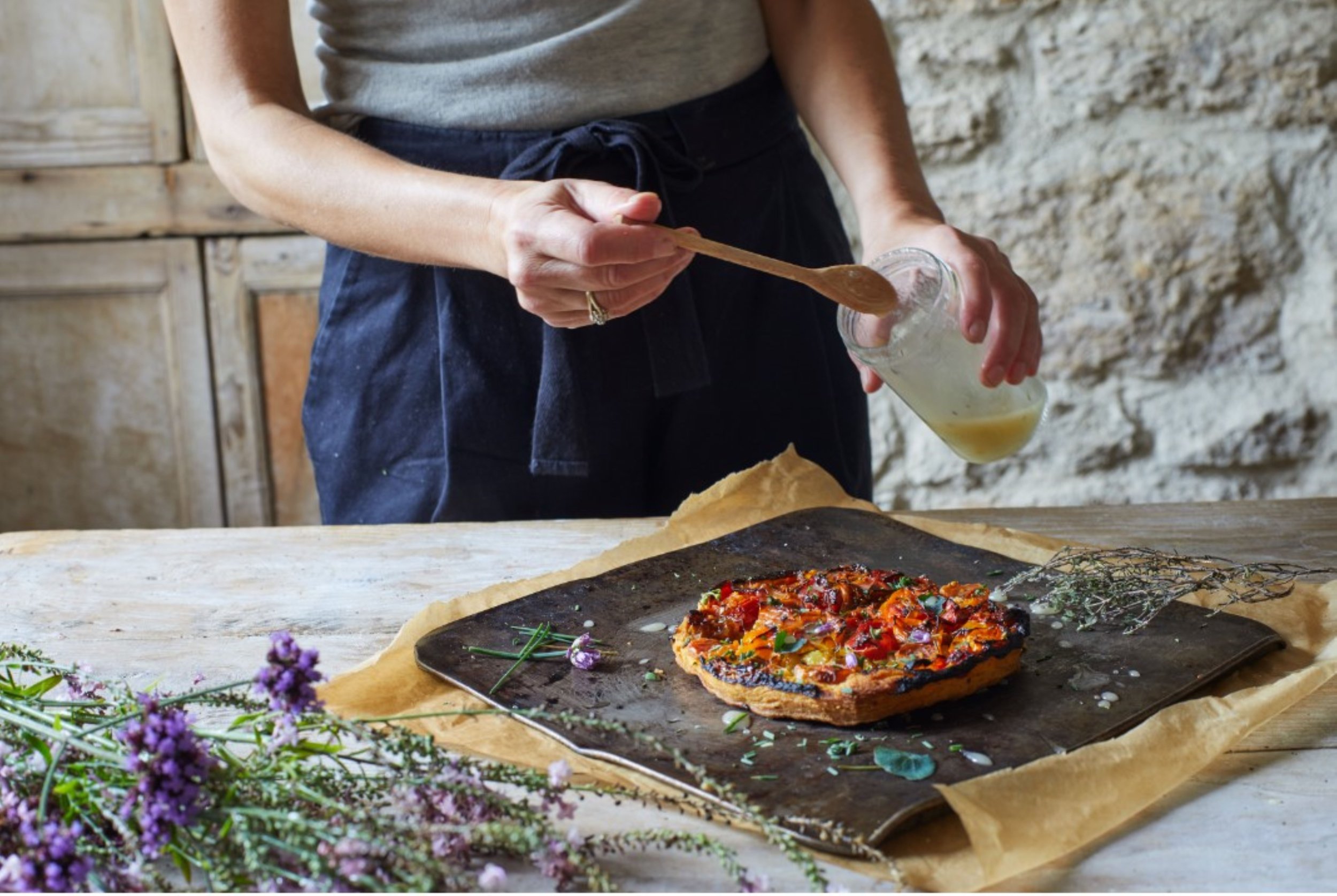
Turn to page 25 of August's The Simple Things for more of our riverside picnic menu, including Elderflower fizz, Hard-boiled eggs with celery salt, Chilli spiced apple sausage rolls, Roasted tomato & goats’ cheese tart, Layered salad jars, and Strawberry cheesecakes.

Photography: Clare Winfield
Make the most of early blackberries with this magnificent sponge. An unusual recipe that results in the lightest cake, which both looks and tastes enchanting
Serves 6–8
Melted butter, for greasing
140g plain flour, plus extra for dusting
3 organic eggs
225g granulated sugar
1 tsp baking powder
Pale pink rose petals, fresh or crystallised for the filling
110ml whipping cream
2 tsp icing sugar, plus extra for dusting
1⁄2 tsp rosewater (optional)
225–350g wild blackberries
1 Preheat oven to 190C/Fan 170C/Gas 5. Brush two 20.5cm cake tins evenly with melted butter and dust with flour (lining the base with a circle of greaseproof paper will make removal easier, too).
2 Separate the eggs. In a food mixer, whisk the yolks with the sugar for 2 mins, then add 75ml water. Whisk for 10 mins until light and fluffy.
3 Sift the flour and baking powder into the mousse in batches. Whisk the egg whites until they hold a stiff peak. Gently fold them into the fluffy base.
4 Pour into the prepared cake tins and bake for about 20 mins until the centre is firm and the edges begin to shrink from the tin edge. Remove the cakes from the tins and cool on a wire rack.
5 Whip the cream, then add the icing sugar and a few drops of rosewater (if using).
6 Sandwich the cold sponges together with the whipped cream and the blackberries. Dust a little icing sugar over the top of the cake. Sprinkle with fresh or crystallised rose petals.
Recipe from Grow, Cook, Nourish by Darina Allen (Kyle Books).
Cake in the House is our monthly recipe feature - get a cake recipe every month in The Simple Things!

Photography: Nassima Rothacker
This retro sundae recipe uses no-churn ice-cream that can be whipped up in no time, and happens to be vegan, too. Tuck in and let those childhood summer memories come flooding back.
Serves 2–4
Vegan
9 frozen bananas
3 tbsp plant milk of your choice 1 vanilla pod, scraped
4 strawberries
2 tbsp cacao powder
to serve
Bananas, sliced vertically
Chocolate sauce*
Cherries
Coconut flakes
1 Start by making the ice-cream. You have three flavours here: vanilla, strawberries and chocolate. Separate the bananas into three clusters, one for each flavour.
2 In a blender, start with the vanilla flavour by adding the bananas, 1 tbsp of plant milk and the vanilla. Once blended, store in a bowl and keep in the freezer until needed. Do the
same with the other two flavours, blitzing and blending them separately, and transferring to separate bowls to freeze.
3 Now you’re ready to assemble. Arrange the banana slices into pretty bowls or dishes, and top with one scoop of each ice-cream and drizzles of chocolate sauce, finishing with a cherry and coconut flakes. Serve immediately.
* Cook’s note: If you fancy making your own chocolate sauce, there’s a recipe here.
Recipe from Happy Food: Fast, Fresh, Simple Vegan by Bettina Campolucci Bordi (Hardie Grant).

Photography: Kirstie Young
If you think you will get through 700ml in no time, there is no need to add the citric acid or to sterilise the bottle, as it will keep in the fridge for several weeks.
Makes 700ml
1kg plums
250ml water
1 heaped tsp citric acid
600g granulated sugar per litre juice
YOU WILL NEED
A muslin or jelly bag
A funnel
A 700ml bottle and stopper, both sterilised
1 Put the plums and water into a large saucepan and bring to a simmer. Continue to simmer until the plums soften and start to fall away from the stones, and use a wooden spoon to squash them to help to release as much of the juices as possible.
2 Tip everything into a jelly bag- or muslin-lined colander, and leave to drip into a saucepan for a few hours or overnight. Resist squeezing, as this will cloud the juice.
3 Measure the juice into a clean saucepan and add 600g of sugar per litre, and the citric acid, if using. Put the pan over a low heat and stir until all of the sugar is dissolved. Pour into the sterilised bottle and seal. It will keep for 3–4 months, stored somewhere dark and cool.
Turn to page 42 for more of our staple foods feature on plums from Lia Leendertz.
Photography: Nassima Rothacker
Our August issue (out 25 July 2018) includes a recipe for a Banana Split, for which you'll need oodles of chocolate sauce
Vegan chocolate sauce
80ml coconut oil
4 tbsp cacao powder
3 tbsp maple syrup
Pinch of salt
1 vanilla pod (bean), scraped
Combine all the ingredients and gently heat through in a medium pan for about 5 mins – make sure you don’t overheat as this will separate the sauce. Once well combined, pour into a glass jar and set aside.
Recipe from Happy Food: Fast, Fresh, Simple Vegan by Bettina Campolucci Bordi (Hardie Grant).

Photography: John Kernick
FOR EACH PARCEL
3 sprigs flat-leaf parsley
1 large sprig fresh rosemary or thyme
3 spring onions, finely chopped
1 tbsp extra virgin olive oil
2 tbsp lemon juice or a splash of dry white wine
250g shellfish, such as cockles, clams and prawns (with shells on)*
1 Take a large 30cm square of baking parchment for each parcel. On one side, place your mixed herbs and spring onions, season and drizzle with a little oil and lemon juice or wine. Lay the shellfish on top, drizzle over the remaining oil and lemon juice.
2 Fold the paper up and over the filling, and pinch all the way round to secure, tucking the corners under a couple of times to ensure the parcel is thoroughly sealed while leaving plenty of space in the parcel for air to circulate evenly during cooking. If you’re barbecuing them, wrap a sheet of foil around the parcel too, taking care not to squash it.
3 To barbecue: ensure the charcoal grill is medium hot (your hand over the coals should be comfortable for about five seconds). Place the parcels on a grill rack and cook for 3–4 mins until you start to hear the juices bubbling. Cook for another 5 mins with the lid over the barbecue. Take off the heat and set aside, unopened, for 5 mins.
4 To cook in the oven: preheat to 200C/ Fan 180C/Gas 6, place the parcels on a baking tray and cook for 20 mins. Take out and check the cockles or clams have opened or prawns are bright pink. Remember it will continue to cook when out of the oven. Stand for 3–5 mins.
Recipe from Mediterranean by Susie Theodorou (Kyle Books).
* You can replace the shellfish with 175g fish such as sea bass, mackerel or salmon (about 1.5cm thick, keep skin on). Cook until fish is just flaky.
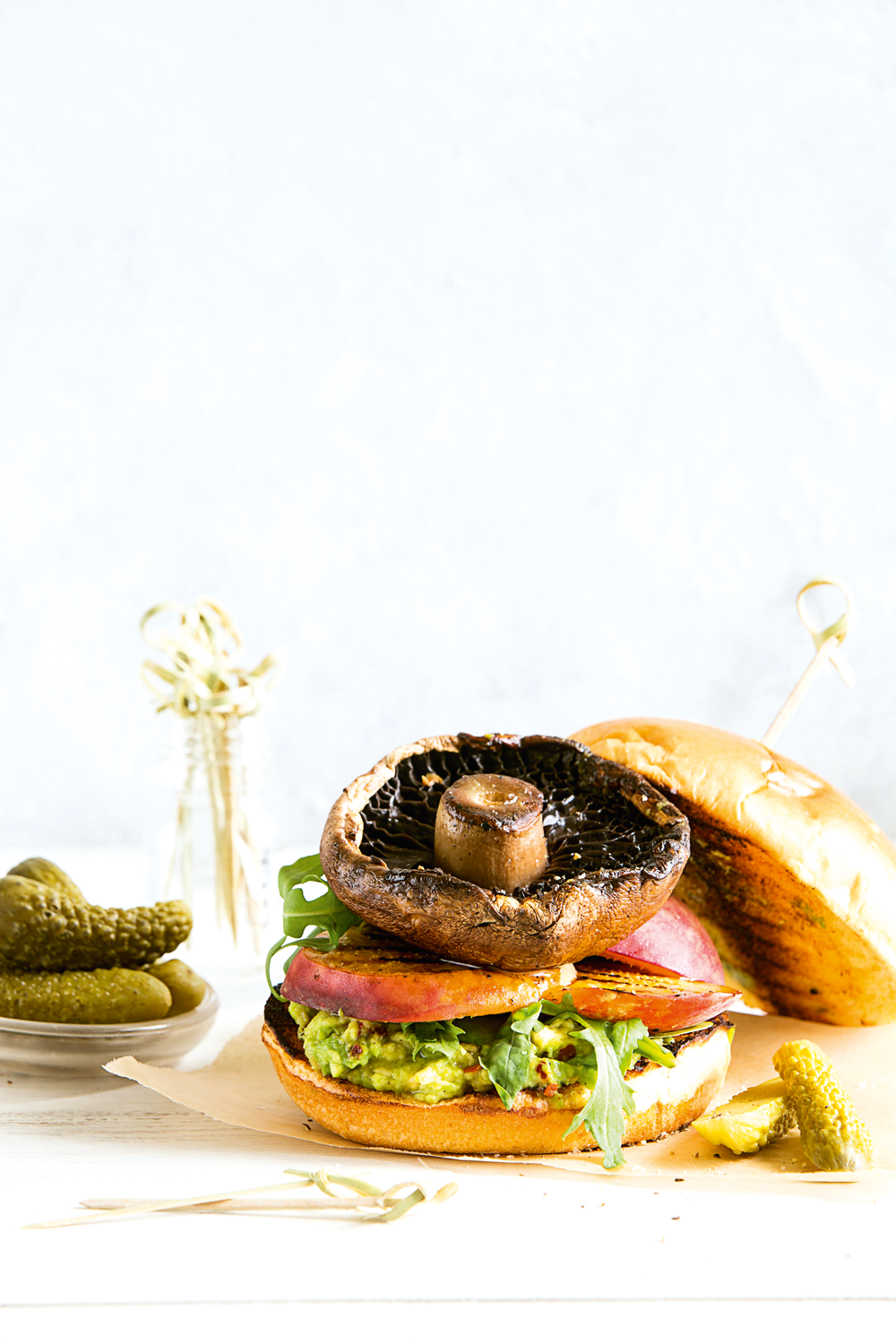
Guacamole takes this veggie burger to another level
Makes 6
6 portobello mushrooms
2 tbsp olive oil
3–4 peaches, sliced so you have two slices per burger
6 brioche buns
Rocket leaves, to garnish
Gherkins (optional)
FOR THE GUACAMOLE
2 avocados, peeled, stone removed and cut into chunks
Juice of 1⁄2 lime
1⁄2 red onion, finely chopped
Chilli flakes, to taste
1 Brush the mushrooms with a little olive oil and season with salt and black pepper. Add to the barbecue and cook for 3–5 mins each side.
2 Brush the peach slices with a little oil and cook for 2–3 mins each side. Slice the brioche buns and place cut side-down on the barbecue for 1–2 mins, until browned.
3 Mash the avocado roughly with a fork. Add the lime juice, onion and chilli flakes. Mix together.
4 Add a layer of guacamole to each bun base, followed by the rocket leaves and two peach slices. Top each with a mushroom, add gherkins, if using, and sandwich with the bun tops. Use a bamboo skewer to keep assembled burgers in place.
Turn to page 24 of the July issue for more of our veg box barbecue ideas, including Halloumi & courgette parcels, Quinoa salad with new potatoes, tomatoes, edamame & nectarines, Vegetarian skewers with a lime & honey dressing and Watermelon triangles.

Photography: Tony Briscoe
100g dark chocolate
390g jar black cherries in kirsch or 400g tin black cherries in syrup*
250g black cherry conserve or jam
600ml double cream
85g meringue nests (5–6)
TO SERVE
Fresh cherries (with stalks)
A handful chopped pistachios
Icing sugar, to dust
1 Line the base of a 23–24cm springform tin with a square piece of baking paper, leaving the excess sticking out from the sides.
2 Melt the chocolate in a small bowl suspended over a pan of boiling water. Drain the cherries in a sieve set over a small pan, and set aside the kirsch or syrup.
3 With a food mixer, roughly blitz the cherries into a chunky, textured pulp. Stir the conserve or jam in a small bowl to loosen.
4 In a food mixer or large mixing bowl, whip the cream until just beginning to thicken and barely holding its shape – the trick is to under-whip. Pour in the conserve or jam, followed by the meringues, breaking and crumbling into irregular shapes and sizes as you go. Fold into the cream very gently, leaving a ripple effect.
5 Spread a scant third of the mixture into the tin. Top with all the blitzed cherries by spooning on in blobs, then joining the blobs.
* If you’re using tinned cherries, 1 tbsp of cherry brandy of amaretto is a nice addition when reducing the syrup.
Spread over half of the remaining cream using the same technique.
6 Dribble over all but 2–3 tbsp of the chocolate and spread to cover the cream. Finally, blob and spread over the last of the cream. Using a spatula or the back of a spoon, gently push the mixture into the tin to get rid of air pockets.
7 Cover with cling film, directly on the surface of the cake, and freeze until solid (overnight is best).
8 Boil the reserved cherry liquid fast until syrupy and reduced to around 2 tbsp. It will thicken up when cold and, if too thick when cold, loosen with a drop of boiling water.
9 Serve the cake straight from the freezer. Unmould onto a large platter. Warm the set-aside tbsps of chocolate and drizzle from a teaspoon, zigzagging over the cake and platter; repeat with some of the syrup.
Pile the fresh cherries in the middle, scatter with chopped pistachios and dust with icing sugar.
Recipe from The Get-Ahead Cook by Jane Lovett (Apicius Publishing).
Cake in the House is our monthly recipe feature - get a cake recipe every month in The Simple Things!

A quick veggie supper after a day by the sea; marsh samphire can be foraged or bought locally in summer.
It grows on muddy, sandy flats often on estuaries or creeks. Simply pinch out or snip off the tops to leave the rest of the plant to grow. Samphire is usually served with fish but also goes beautifully with eggs.
Serves 4
FOR THE COURGETTE SALAD
150g runner beans, sliced on the diagonal
3 tbsp olive oil
Shallots, sliced
Yellow courgettes (or green if you can’t find them), halved and cut into chunky slices
2 garlic cloves, finely chopped
6 small vine-ripened tomatoes, halved or quartered if large
2 rounded tbsp chopped oregano leaves
Juice of 1⁄2 lemon
FOR THE FRITTATA
250g new potatoes, sliced
2 tbsp sunflower oil
6 large eggs, beaten
50g samphire
Handful of tarragon, leaves finely shredded
100g soft goats’ cheese
1 To make the courgette salad, steam the runner beans for 5 mins or until tender. Refresh the beans under cold running water and put to one side.
2 Meanwhile, heat 2 tbsp of the olive oil in a frying pan over a medium heat and cook the shallots for 5 mins until softened. Add the courgettes and garlic, and fry for 3 mins. Stir in the tomatoes, half the oregano and the lemon juice, then reduce the heat slightly and cook
for 5 mins or until the courgettes are just tender but retain a little bite, and the tomatoes have started to break down.
3 Stir in the runner beans, add the remaining olive oil, and season with salt and pepper, then warm through. Keep the salad warm while you make the frittata.
4 Put the potatoes in a pan of cold salted water and bring to the boil. Cook for 15 mins or until tender, then drain in a colander.
5 Heat the sunflower oil in an ovenproof frying pan. Add the drained potatoes, and the
beaten eggs, most of the samphire and the tarragon. Lay the remaining samphire elegantly on the top. Crumble over the goats’ cheese and season with salt and pepper (remembering the salty flavour of the samphire, so you won’t need much salt).
6 Preheat your grill. Cook the frittata for 7–10 mins on the hob over a medium heat, enough to set the bottom, then finish under the grill until just set all the way through. Add the remaining oregano leaves to the salad and serve it warm with the frittata.

Photography: Peter Cassidy.
New York usually steals the thunder when it comes to baked cheesecakes. This reworking, however, owes its distinctive flavour to India – made with paneer and spiced with cardamom, it’s a revelation.
Serves 12
300g digestive biscuits
Ground seeds from 4 cardamom pods
2 drops of vanilla extract
100g unsalted butter, melted
FOR THE CHEESECAKE TOPPING
400g full-fat cream cheese
175g soured cream
225g paneer, finely grated
175g caster sugar
Ground seeds from 8 cardamom pods
1 tbsp vanilla extract
3 medium eggs
TO SERVE (OPTIONAL)
Crushed pistachio nuts
Mango or cherry fruit compote
1 Line a 23cm springform tin with greaseproof paper, allowing enough to hang over the edges of the tin. Blitz the biscuits, cardamom and vanilla in a food processor until finely crushed. Add the butter and blitz until the crumbs stick together when pressed.
2 Transfer to the lined tin, using the back of a spoon to spread and press it firmly over the base. Cover with cling film and refrigerate for 30 mins.
3 Meanwhile, preheat oven to 160C/Fan 140C/Gas 3. In the cleaned bowl of the food processor, blitz all the topping ingredients, except the eggs, until smooth. Whisk in the eggs, adding one at a time, until well combined.
4 Pour the cream cheese mixture over the chilled base and spread it evenly. Bake for 1 hour or until set completely. Turn off the oven and leave the cheesecake inside until it has cooled completely before removing.
5 Chill for 4–5 hours in the fridge before removing from the tin and serving.
Recipe from Gunpowder by Devina Seth, Harneet Baweja & Nirmal Save (Kyle Books, out mid June).
Photography: Catherine Frawley
Serves 4–6
2 tbsp melted butter
1 sheet of puff pastry
400g strawberries, hulled and sliced
1 tsp vanilla extract
2 tbsp golden caster sugar
Sprigs of mint, to garnish
Icing sugar, to dust
300ml double cream
1 Preheat oven to 200C/Fan 180C/ Gas 6. Grease a rectangular baking tray with half of the butter and place the pastry on the tray.
2 In a large bowl, add the strawberries, vanilla extract and caster sugar. Stir gently to evenly coat the fruit.
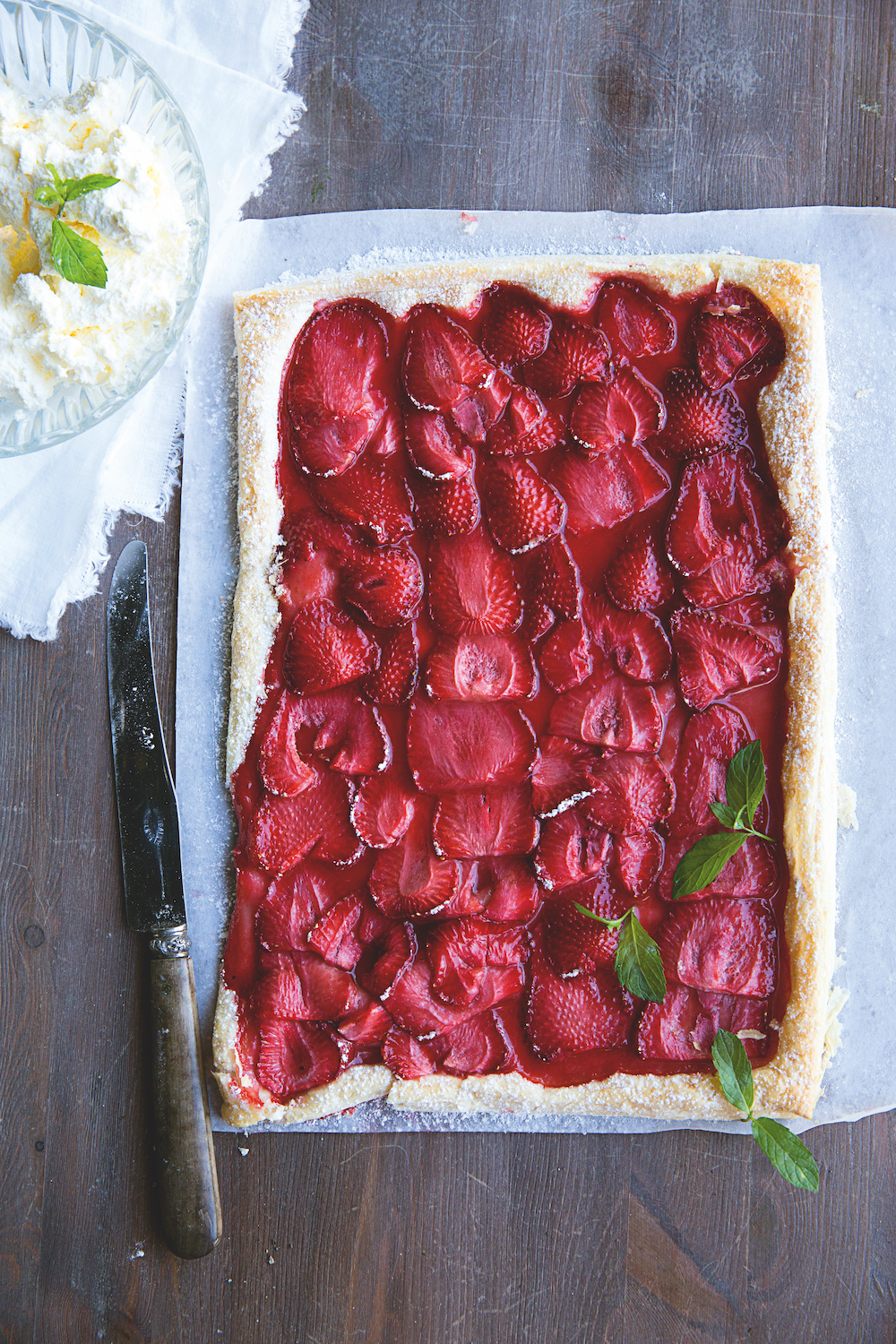
3 Arrange the berries in rows, leaving a 2.5cm border of pastry all the way round. Brush this edge with the remaining butter and then place in the oven for 15–20 mins or until golden.
4 Remove from the oven, allow to cool, and top with a dusting of icing sugar and sprigs of mint.
5 Whisk the cream until soft peaks form; transfer to a bowl to serve.
We celebrate slowing down, enjoying what you have, making the most of where you live, enjoying the company of of friends and family, and feeding them well. We like to grow some of our own vegetables, visit local markets, rummage for vintage finds, and decorate our home with the plunder. We love being outdoors and enjoy the satisfaction that comes with a job well done.