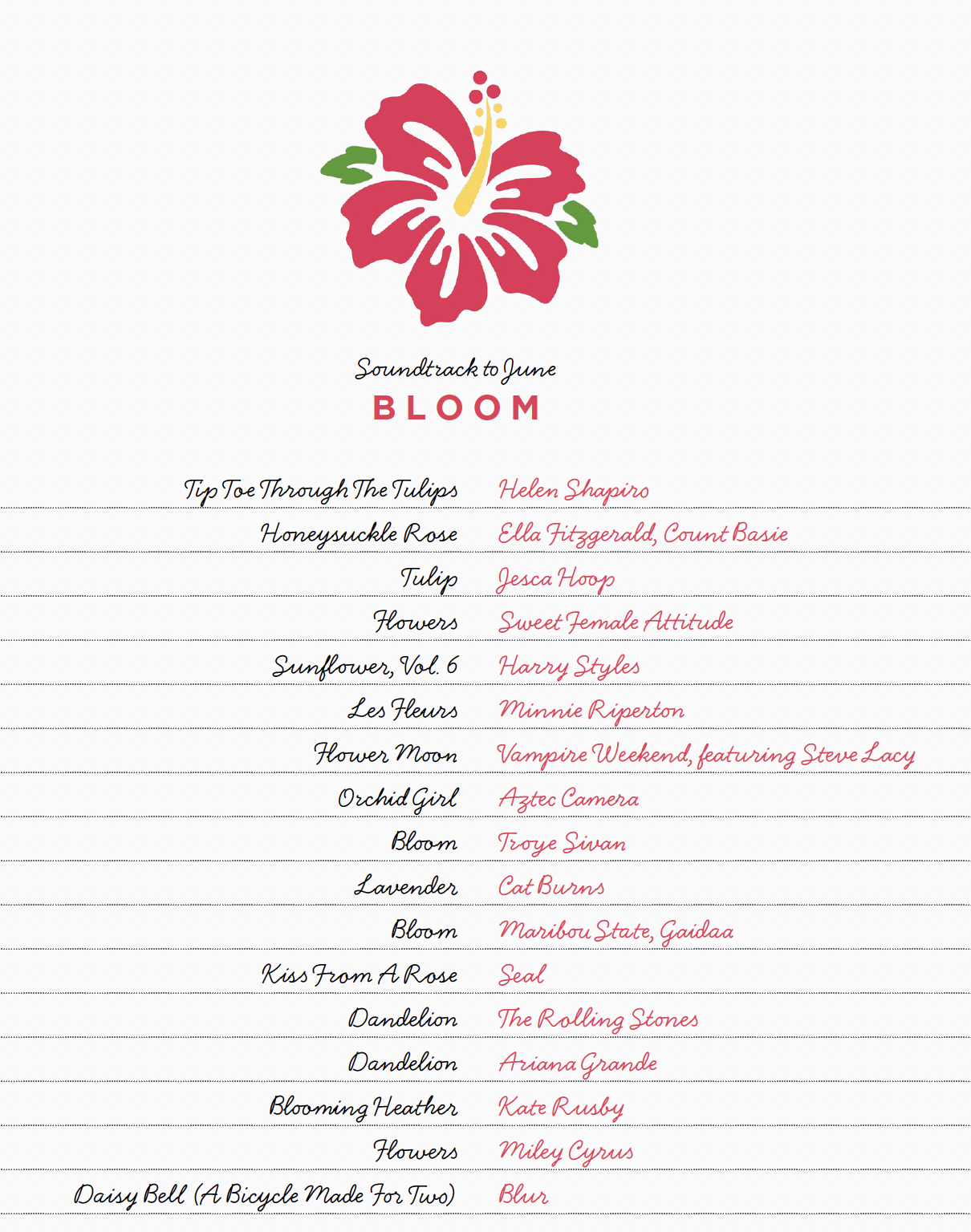
Our latest playlist accompanies our June BLOOM issue – have a listen here.
You can have a browse of all our playlists here.
DJ: Frances Ambler
Image: Adobe Stock

Blog
Taking Time to Live Well
DJ: Frances Ambler
Image: Adobe Stock
Our latest playlist accompanies our June BLOOM issue – have a listen here.
You can have a browse of all our playlists here.
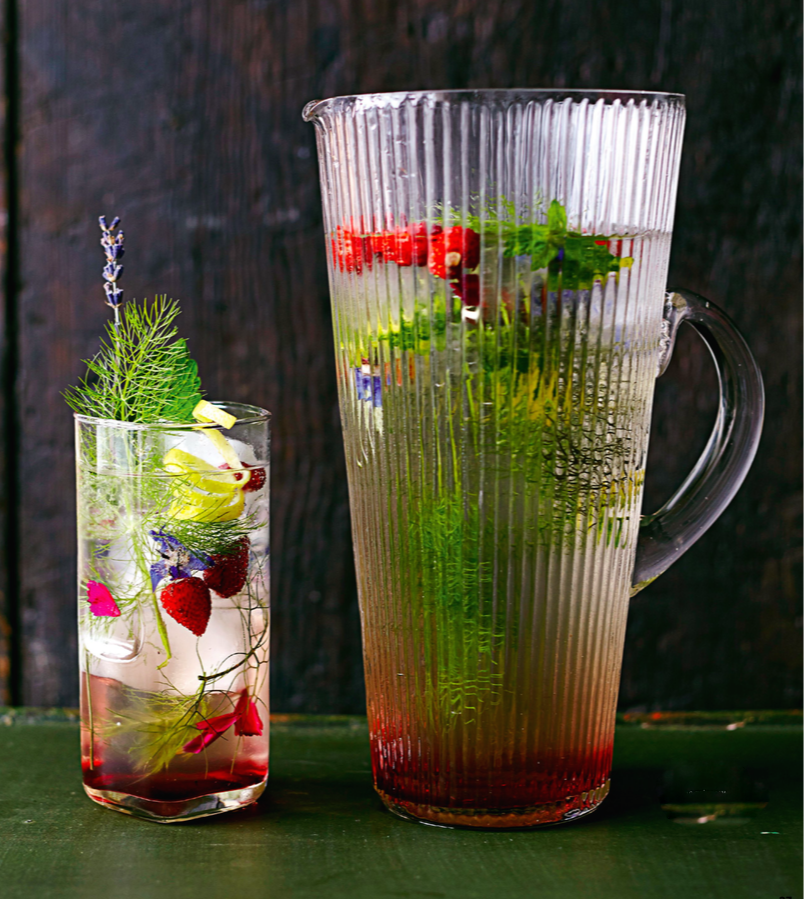
Photograph: Kim Lightbody
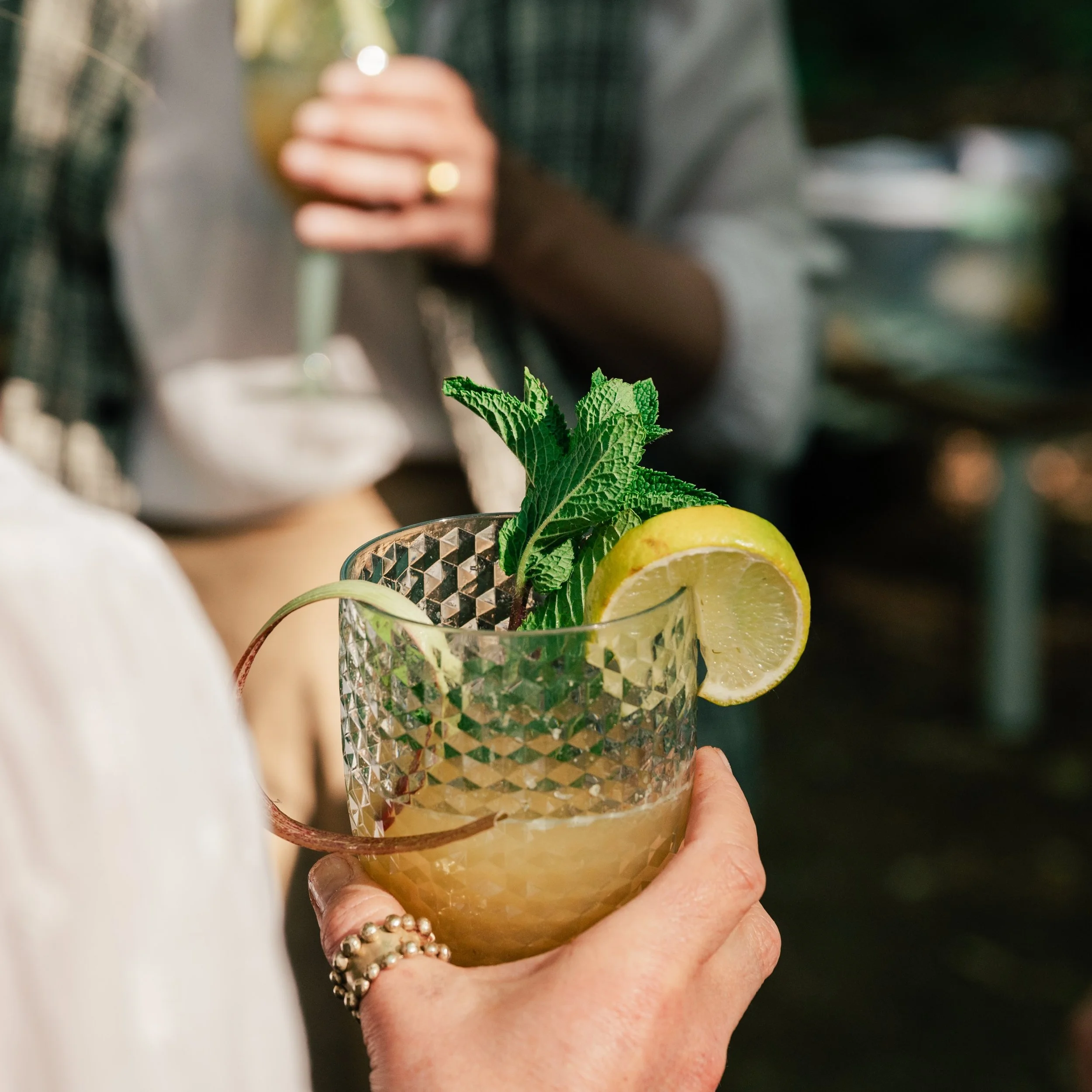
Celebrating the solstice tonight? You can whip this cocktail up quickly or take your thyme and make the syrup, too. Happy Litha!
Serves 1
30ml thyme syrup* (that you prepared earlier) or simple syrup
(if you didn’t)
2 sprigs lemon thyme (if you haven’t made the thyme syrup)
2 large or 3 medium strawberries, washed and sliced
60ml white rum, vodka, or gin
22ml freshly-squeezed lemon juice
soda water
ice cubes
Garnish
lemon thyme sprig, sliced
strawberry
lemon wheel
straw
Tools
muddler
cocktail shaker with strainer
collins glass
1 Fill the glass with ice. If you haven’t made thyme syrup (below), smack 2 fresh sprigs of thyme between your palms to release the essential oils. Drop into the cocktail shaker with a dash of simple syrup.
2 If you have made thyme syrup, skip the step above and instead muddle the strawberry slices thoroughly with a dash of the thyme syrup in the shaker, to release all the strawberry juice. If you like, you can let them sit for about 30 mins to macerate slightly.
3 If you’re using fresh thyme, add strawberries now and muddle as above. For both methods, pour the rest of the thyme or simple syrup and your remaining ingredients (except the soda water) into the shaker.
4 Fill it two-thirds of the way up with ice, cover and shake hard for 20 seconds. Strain the mixture into the glass of ice. Don’t worry about tiny bits of thyme; they look attractive.
5 Garnish with a fresh sprigs of lemon thyme, strawberry slices, and a lemon wheel. Add the soda water and a straw.
Makes approximately 250ml
250ml water
200g caster sugar
4 sprigs thyme, each about the length of a finger
Equipment
Sealable, heatproof presentation bottle, sterilized
1 Stir the water and sugar together in a non-stick pan over a low heat and let simmer for 2 mins.
2 Smack the unwashed thyme between your palms to release the oils and drop them into the pan. Immediately remove the pan from the heat. Let the thyme infuse for 10 mins.
3 While still piping hot, strain the liquid into a wide-mouthed pitcher, then funnel into the sterilized presentation bottle and seal.
4 Store in the fridge for up to 2 weeks.
Buy this month's The Simple Things - buy, download or subscribe
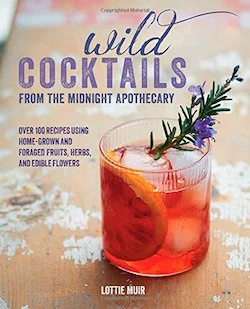
Cocktail recipes from Wild Cocktails from the Midnight Apothecary by Lottie Muir (CICO Books, £16.99). Over 100 recipes using home-grown and foraged fruits, herbs and edible flowers. www.thecocktailgardener.co.uk
DJ: Frances Ambler
Image: Shutterstock
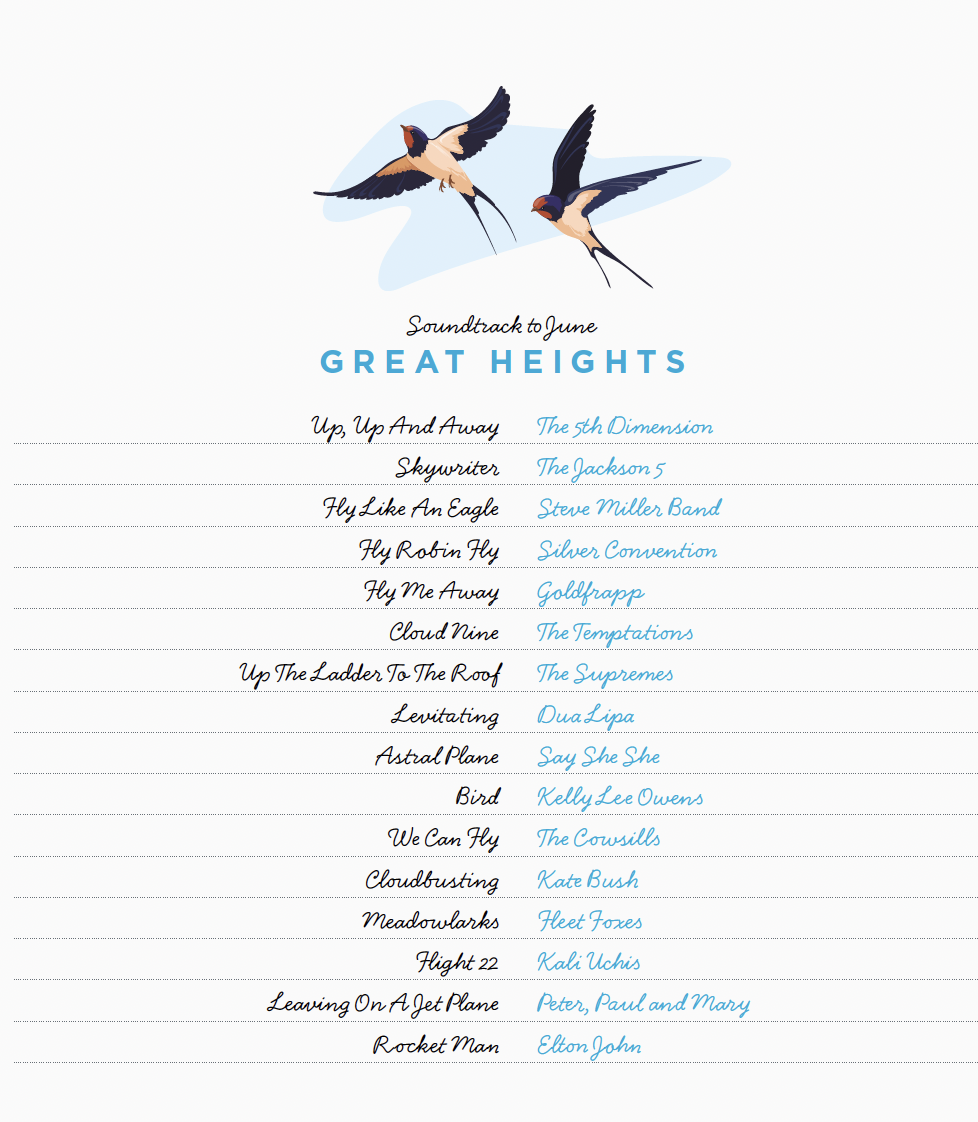
We’re reaching great heights for our latest playlist, taken from our June 2025 SOAR issue (on sale from 28 May).
Have a listen to our playlist here.
We compile a playlist for each issue of The Simple Things: have a browse of them here.

IMAGE: Shutterstock
While our unreliable weather means that we don’t have a great culinary tradition of barbecuing, we do have a great tradition of spontaneous barbecuing. It doesn’t matter if it’s just you, or you manage to gather a gang together – when the sun’s out, it’s time to seize the opportunity for some al fresco cooking. And even better if you pop some sunny tunes on too – just like our new ‘songs for a barbecue’ playlist.
You can take a listen on Spotify here. Or have a browse of all our previous playlists here. We compile a playlist for every issue of the magazine.

Photography by Alice Tatham
A few things to see outdoors this month and a thing to do, too…
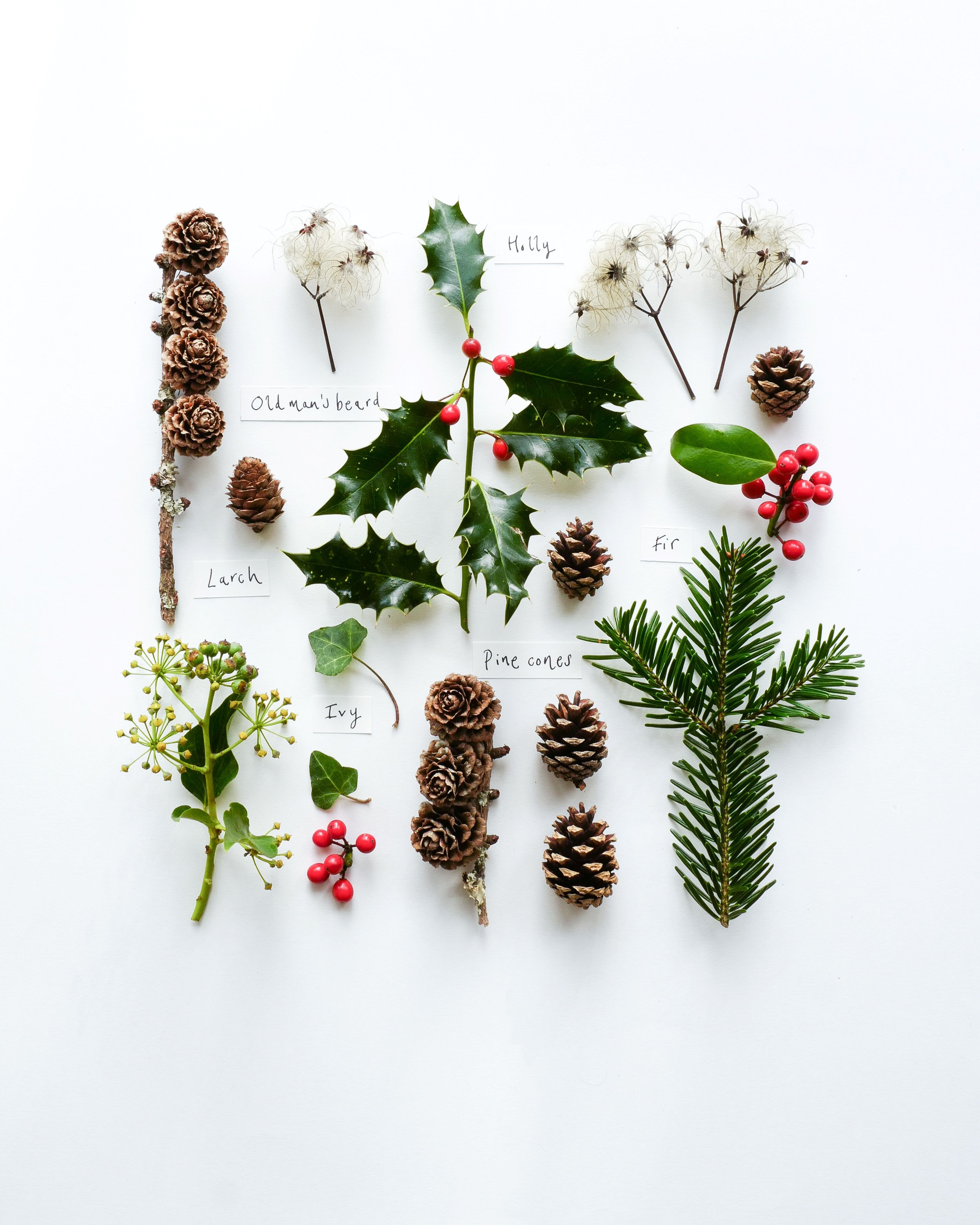
To accompany this ‘nature table’ image from our back cover by Alice Tatham, you might like to listen to our Podcast of the month from our Almanac Pages, where each month we collate a few seasonal things to note and notice, plan and do.
As The Season Turns
Lose yourself in the sights and sounds of nature each month in this charming podcast by organic perfume makers, Ffern, narrated by The Simple Things’ writer and annual author of The Almanac, Lia Leendertz.
Listen to As The Season Turns here.
The nature table image above was taken by Alice Tatham of The Wildwood Moth. She also runs workshops on seasonal photography and publishes seasonal journal stories from her home in Dorset.
Buy this month's The Simple Things - buy, download or subscribe

We’re going to be frank: if you don’t love a good bookshop there’s something wrong with you
Let’s face it: all bookshops are magical places, but an independent bookshop is always a particularly welcome find. Unbound by the policy of huge companies, an indie can do pretty much what it likes, catering to the needs of its local community and selling bestsellers alongside books that might otherwise not see the light of day.
Today marks the start of Independent Bookshops Week (15-22 June. Follow @booksaremybag for more information). The week is run by The Booksellers’ Association and aims to celebrate one-off bookshops with events, readings, signings, literary lunches and much more.
Pictured is one of our favourite bookshops, in Lewes, East Sussex. Bag of Books is actually a children’s bookshop but is irresistible, not just for browsing new children’s titles for gifts, but also for unearthing old childhood favourites. Like many towns in the UK, Lewes is home to several indie bookshops so is well worth a weekend trip if you aren’t local. But we’d love to hear about your independent bookshops, wherever you are in the UK this week.
Comment below to tell us about your favourite independent bookshop and what makes it so brilliant. We’ll pick the author our favourite recommendation and send a lovely book from our shelves as a thank you.
Off you go… And SSSSSHHHHHH! We’re trying to read!

Photography: Anne-Marie Curtin
Why foxgloves are called foxgloves
The tall, colourful spires that tower over cottage garden borders in June have a wealth of stories behind them. And no wonder really. They are fascinatingly paradoxical - digitalis is a deadly poison but is used in life-saving heart medicine; beautiful - the pretty, bell-shaped flowers, are dappled with spots inside… All in all, they are simply crying out for a fairytale backstory, and folklore has provided generously.
Some stories have told that the word ‘foxglove’ is merely a misrepresentation of ‘folk’s glove’, ie gloves little people might wear.
Another says that the gloves do indeed belong to foxes and that fairies gave them to the foxes to put on their paws to enable them to sneak silently into the hen house without being heard.This story is echoed in the belief that the mottled spots inside the flowers are actually fairy handprints. DNA evidence will always catch you out in the end, fairies.
What fairies have against hens we aren’t sure, but perhaps it was more to do with being fans of foxes than enemies of friends. Because another tale goes that the bell-shaped flowers would make a magical noise when rung and the fairies taught foxes to ring the bells of foxgloves to warn other foxes when a fox hunt was nearby.
The botanist RCA Prior thought that the name came from foxes-glew, meaning ‘folks’ music’, supporting the ‘bell’ theory, but this idea has been debunked by etymologists [https://blog.oup.com/2010/11/foxglove/].
Indeed, the argument becomes more complex when you take into account that the foxglove is known by several different names, including todtail (fox tail)’, dead men’s bells, ladies’ fingers, bunny rabbits, floppy dock and dragon’s mouth.
So who knows where the name originated. But if the glove fits...
In our June issue, we have a feature on Anne-Marie Curtin’s cut flower garden, where the beautiful foxgloves above were grown (foragefor.co.uk).
Get hold of your copy of this month's The Simple Things - buy, download or subscribe

The towering spikes of delphiniums (aka larkspur), at their best in June, make ideal cut flowers. Easy to look after, they will last for up to seven days in a vase.
“They are best displayed en masse in a tall vase,” says Ellie Marlow, florist at Catkin & Pussywillow. “Or with other strong blooms like hydrangea or peonies for a gorgeous summery bunch.”

Summer hasn’t really arrived until you’ve worn your sandals for at least three days in a row. Those odd days when you optimistically whip them out only to have regrettably chilly toes by evening don’t count. The constant wearing of sandals is a surer indicator of summer than the arrival of the first swallow.
Like autumn boots and winter coats, sandals are a key seasonal item. As such, they benefit from a refresh each year: slipping freshly pedicured feet into a brand new pair will put a bounce in anybody’s step. (Providing they don’t rub, of course.) As with any other item of clothing, however, sandals are subject to the vagaries of fashion. We’ve all padded around in Birkenstocks and clopped about in wooden-soled Hasbeens. And which one of us hasn’t got a pair of gladiators, all leather straps and buckles, tucked away at the back of the wardrobe? Salt-water sandals, originally developed for post-war American children in the 1940s from leather scraps, have been the sandal de choix for the past couple of years, and show no sign of disappearing. Neither, unfortunately, do Crocs.
The popularity of flat sandals (high-heeled versions are also available, but do not concern us here) is due to the simple fact that they suit hot weather. By leaving most of the foot exposed, they keep it cool and dry. Feet confined by leather and without ventilation run the risk of Athlete’s Foot or simply becoming unbearably hot. Which is why sandals have always been with us – a pair discovered in Oregon, America, were estimated to be 10,000 years old, the earliest recorded footwear. It is why they were appreciated by Ancient Greeks of high rank who fashioned sandals from willow leaves that fastened up the leg, and by the Ancient Egyptians whose secured theirs with palm leaves and papyrus.
The only downside to wearing a pair of sandals is the state of the feet within. There is nowhere to hide calloused or grubby feet, and wearing socks with sandals although fashionable, is still best avoided. Fortunately, a cheery nail polish combined with a stylish sandal will distract most eyes away from any foot flaws. Nothing should come between you and summer’s essential shoe.

A quick veggie supper after a day by the sea; marsh samphire can be foraged or bought locally in summer.
It grows on muddy, sandy flats often on estuaries or creeks. Simply pinch out or snip off the tops to leave the rest of the plant to grow. Samphire is usually served with fish but also goes beautifully with eggs.
Serves 4
FOR THE COURGETTE SALAD
150g runner beans, sliced on the diagonal
3 tbsp olive oil
Shallots, sliced
Yellow courgettes (or green if you can’t find them), halved and cut into chunky slices
2 garlic cloves, finely chopped
6 small vine-ripened tomatoes, halved or quartered if large
2 rounded tbsp chopped oregano leaves
Juice of 1⁄2 lemon
FOR THE FRITTATA
250g new potatoes, sliced
2 tbsp sunflower oil
6 large eggs, beaten
50g samphire
Handful of tarragon, leaves finely shredded
100g soft goats’ cheese
1 To make the courgette salad, steam the runner beans for 5 mins or until tender. Refresh the beans under cold running water and put to one side.
2 Meanwhile, heat 2 tbsp of the olive oil in a frying pan over a medium heat and cook the shallots for 5 mins until softened. Add the courgettes and garlic, and fry for 3 mins. Stir in the tomatoes, half the oregano and the lemon juice, then reduce the heat slightly and cook
for 5 mins or until the courgettes are just tender but retain a little bite, and the tomatoes have started to break down.
3 Stir in the runner beans, add the remaining olive oil, and season with salt and pepper, then warm through. Keep the salad warm while you make the frittata.
4 Put the potatoes in a pan of cold salted water and bring to the boil. Cook for 15 mins or until tender, then drain in a colander.
5 Heat the sunflower oil in an ovenproof frying pan. Add the drained potatoes, and the
beaten eggs, most of the samphire and the tarragon. Lay the remaining samphire elegantly on the top. Crumble over the goats’ cheese and season with salt and pepper (remembering the salty flavour of the samphire, so you won’t need much salt).
6 Preheat your grill. Cook the frittata for 7–10 mins on the hob over a medium heat, enough to set the bottom, then finish under the grill until just set all the way through. Add the remaining oregano leaves to the salad and serve it warm with the frittata.

Small and dumpy and suitable for small posies of delicate flowers: lily of the valley or forget-me-nots, say. A pretty addition to a bedside table, especially when making guests welcome in the spare room.
A large jug with a wide opening – either vintage or new (John Lewis’s Croft collection has a plain white Luna jug, £25) – is lovely filled with branches of blossom or twigs festooned with catkins. The country cottage/ farmhouse table vibe, right there.
These come in a variety of widths but are always tall – 28–40cm usually – and elegant. Suits long-stemmed blooms with height like dahlias or gladioli. Flowerheads just about popping over the rim look foolish.
Use to show off an attractive specimen: a peony head perhaps, or a chrysanthemum mop. A single tulip looks equally good, though, especially as it twists and lengthens.
Just the thing for handfuls of wildflowers – buttercups, daisies, grasses – arranged casually for maximum naturalness. A twist of raffia or string at the rim adds to the effect

Illustration: Kavel Rafferty
Pity the poor daisy, pulled apart by lovelorn types for many centuries. The answer why is hard to come by and even the where is disputed – there are a couple of countries vying to be the oldest daisy destroyers.
Among several 15th-century references in German books, nun and scribe Clara Hätzerlin included ‘The Daisy Oracle’ in her 1471 Liederhandschrift (or songbook). It also was dramatised in Goethe’s 1808 Faust. The French have the tradition of ‘effeuiller la marguerite’, literally ‘to pluck the daisy’. But, in a typically Gallic way, that game is more about how much they are loved, a little, a lot, passionately, to madness or pas du tout – not at all.
However, it’s another European nation that swoops in for the final bit of daisy lore. The world record largest number of people playing “He Loves Me He Loves Me Not” (331) took place on a TV show in 2009... in Italy.

Photography: Peter Cassidy.
New York usually steals the thunder when it comes to baked cheesecakes. This reworking, however, owes its distinctive flavour to India – made with paneer and spiced with cardamom, it’s a revelation.
Serves 12
300g digestive biscuits
Ground seeds from 4 cardamom pods
2 drops of vanilla extract
100g unsalted butter, melted
FOR THE CHEESECAKE TOPPING
400g full-fat cream cheese
175g soured cream
225g paneer, finely grated
175g caster sugar
Ground seeds from 8 cardamom pods
1 tbsp vanilla extract
3 medium eggs
TO SERVE (OPTIONAL)
Crushed pistachio nuts
Mango or cherry fruit compote
1 Line a 23cm springform tin with greaseproof paper, allowing enough to hang over the edges of the tin. Blitz the biscuits, cardamom and vanilla in a food processor until finely crushed. Add the butter and blitz until the crumbs stick together when pressed.
2 Transfer to the lined tin, using the back of a spoon to spread and press it firmly over the base. Cover with cling film and refrigerate for 30 mins.
3 Meanwhile, preheat oven to 160C/Fan 140C/Gas 3. In the cleaned bowl of the food processor, blitz all the topping ingredients, except the eggs, until smooth. Whisk in the eggs, adding one at a time, until well combined.
4 Pour the cream cheese mixture over the chilled base and spread it evenly. Bake for 1 hour or until set completely. Turn off the oven and leave the cheesecake inside until it has cooled completely before removing.
5 Chill for 4–5 hours in the fridge before removing from the tin and serving.
Recipe from Gunpowder by Devina Seth, Harneet Baweja & Nirmal Save (Kyle Books, out mid June).
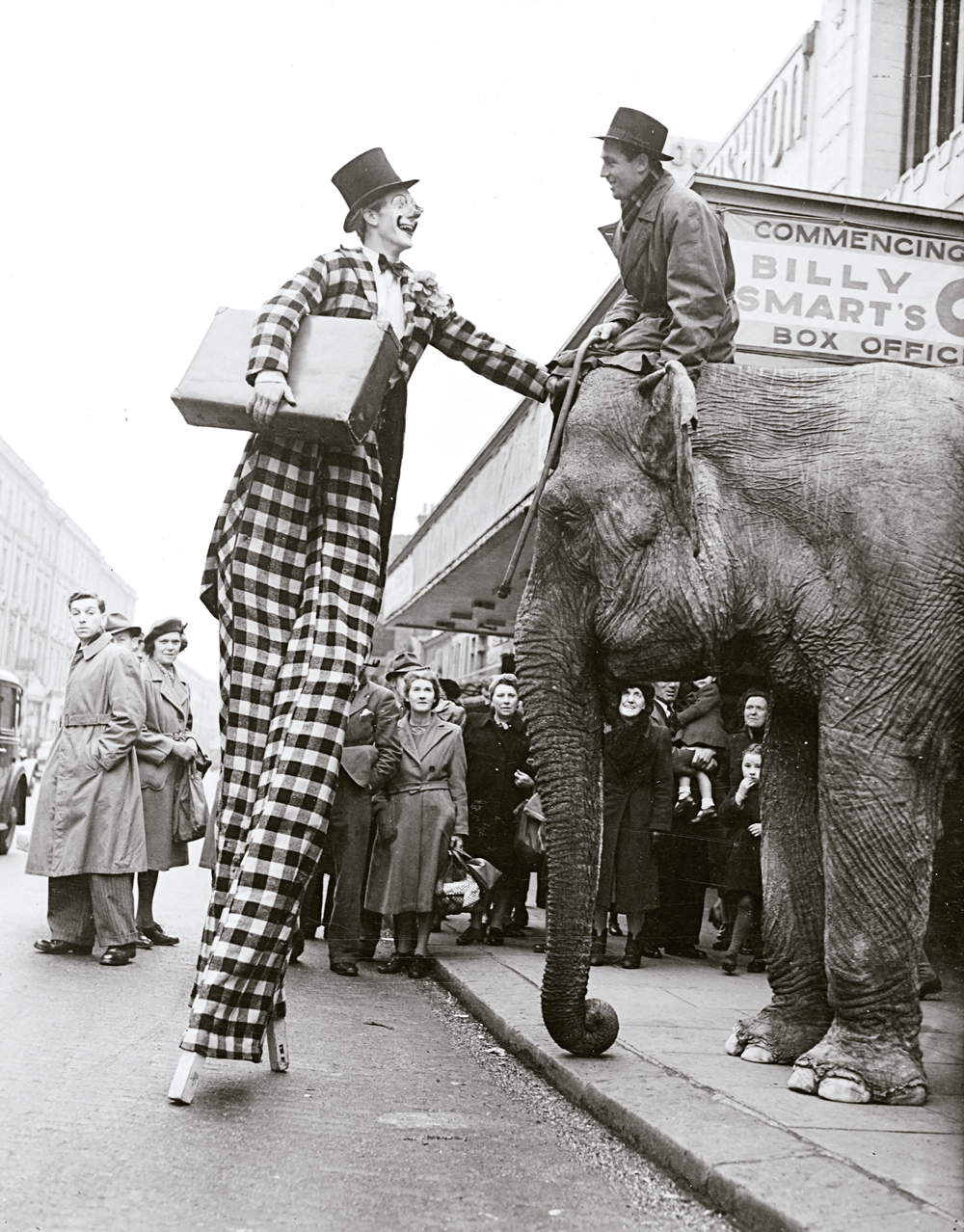
Joseph Grimaldi 1778–1837
Not strictly a circus clown (he performed mainly in panto), but deserving of a mention as he was the first to sport ‘whiteface’ and a red smile, and is known as ‘the father of modern clowning’.
Grock 1880–1959
A Swiss acrobat, Charles Wettach started as a clown in 1903. He left the circus to perform in music halls instead, subverting the form, as someone who ran away from the circus rather than to it.
Emmett Kelly 1898–1979
American, Kelly, clowned as ‘Weary Willie’, a character based on the ‘hobos’ of the depression era. His son, Emmett Kelly Junior later continued the act.
Charlie Cairoli 1910–1980
French clown of Italian descent, Charlie began clowning at the age of seven as ‘Carletto’ and later worked at Blackpool Tower’s circus for 40 years.
Lou Jacobs 1903–1992
The first ‘Auguste’ clown (the ‘red’ clown types with big shoes, lairy trousers and orange wigs), Lou Jacobs is credited with popularising the ‘clown car’ and also being the first to sport a red rubber ball as a nose.

Photography: TAEHOON KIM
Catherine King and Wayne Adams met in 1987 and immediately felt a connection through a shared love of nature and art. When they came across a pile of storm-strewn lumber in Cypress Bay, on Vancouver Island, they saw an opportunity to turn it into a home. Today, Freedom Cove has a lighthouse, four greenhouses, a dance platform, smokehouse and a candle-making workshop.
We both get up around 7–8 am. In spring and summer, the first thing I do is check my plants to make sure they have enough water, open my greenhouses, and water any plants in propagators in the house while Wayne gets the fire going.
We eat breakfast together, then I do household chores and Wayne tends to the generator or solar system. Once I have done my bodywork – pilates, tai chi, or yoga – I head out to the garden to pot up plants, sow seeds, weed, prune, and do general maintenance.
We have lunch together and then focus on our art. We both carve, and I write, paint, dance, play musical instruments and sing. I am also a healer, so people come out to Freedom Cove to see me or we speak over Skype.
Wayne is constantly repairing water lines, painting, rebuilding damaged areas, repairing greenhouses, doing boat- and chainsaw-maintenance and getting firewood. He is also a fisherman, so spends a lot of time out on his boat. I am a vegetarian.
From June until September, tours come out to visit and we both show people around. We also make moulds of our carvings and turn them into beeswax candles, which we give to anyone who visits. In the evenings, after dinner, we’ll either work on a creative project, Skype with family and friends, or watch a movie.
Turn to page 110 for more from Freedom Cove.
Photography: Catherine Frawley
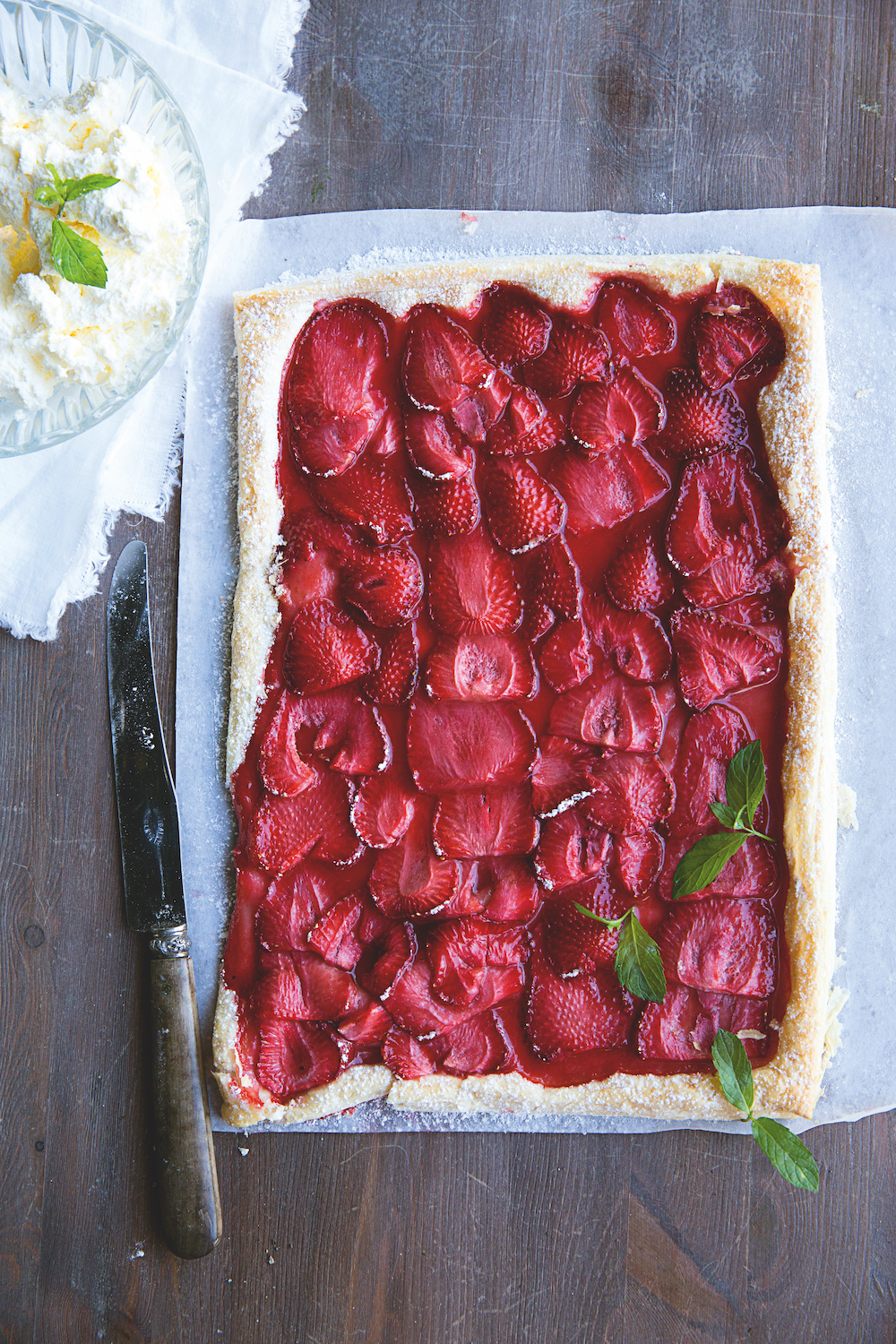
Serves 4–6
2 tbsp melted butter
1 sheet of puff pastry
400g strawberries, hulled and sliced
1 tsp vanilla extract
2 tbsp golden caster sugar
Sprigs of mint, to garnish
Icing sugar, to dust
300ml double cream
1 Preheat oven to 200C/Fan 180C/ Gas 6. Grease a rectangular baking tray with half of the butter and place the pastry on the tray.
2 In a large bowl, add the strawberries, vanilla extract and caster sugar. Stir gently to evenly coat the fruit.
3 Arrange the berries in rows, leaving a 2.5cm border of pastry all the way round. Brush this edge with the remaining butter and then place in the oven for 15–20 mins or until golden.
4 Remove from the oven, allow to cool, and top with a dusting of icing sugar and sprigs of mint.
5 Whisk the cream until soft peaks form; transfer to a bowl to serve.

Illustration: Kavel Rafferty
Get prepped
Increase sleep leading up to the big night. On the day, have a nap in the afternoon.
On the night
Drink lots of water
Use caffeine carefully – in smaller, regular doses rather than huge cups.
Practise deep breathing (see The Simple Things January 2018 for a guide).
Eye drops are your friend versus tiring, dry eyes. Resting with eyes closed for 10 minutes also helps.
Keep moving - Extra points for mingling or dancing.
Step into the light - Bright light fools the body that it’s not yet bedtime.
Snack on foods that provide long-lasting energy, such as peanut butter, Greek yogurt or apples.
Next day
Don’t drive or operate machinery when drowsy.
Have lots of water and fresh fruit and vegetables... and an early night!

Illustrations: FLORA WAYCOTT
21 May – 21 June
“Can you remember who you were, before the world told you who you should be?” asks Canadian author Danielle LaPorte.
We all need to recharge sometimes and the Sun’s journey through your sign in June is your chance to replenish your spirit by honouring your needs and engaging in pastimes that plug you into the universal battery. August builds on this theme of time out as Mercury goes retrograde, so whether you schedule a regular massage, daily meditation or creative hobby, know that this isn’t so much a time for pushing out into the world, but a time to reflect and heal, physically and emotionally.
Turn to page 126 of the June issue for the other twelve star signs.
Photography: Clare Winfield
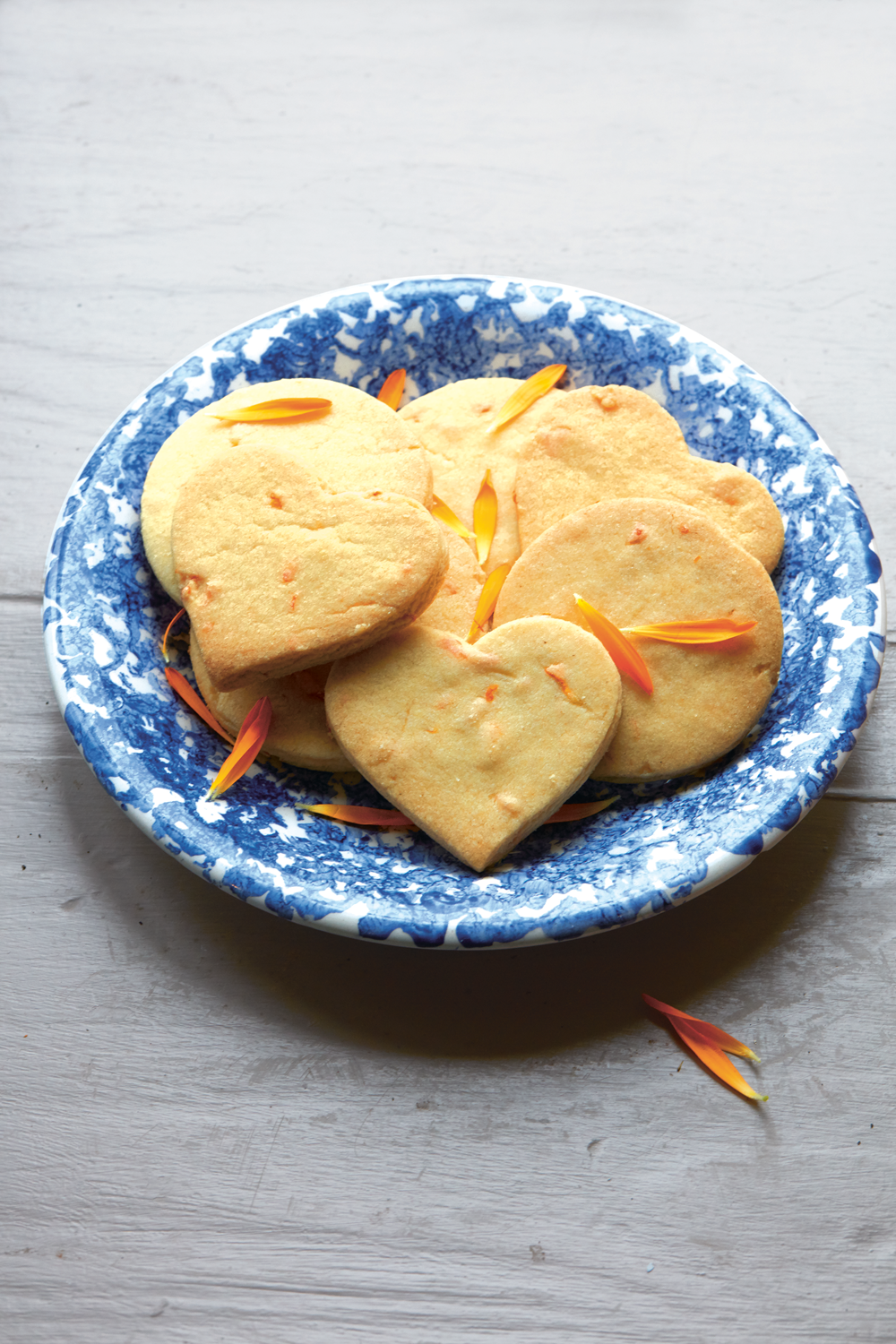
Makes 16
175g plain or spelt flour
40g caster sugar
6 tbsp (14g) marigold (calendula) petals*
110g cold butter
FOR THE MARIGOLD SUGAR
Marigold petals
50g caster sugar
1 Preheat oven to 180C/Fan 160C/Gas 4.
2 Put the flour, sugar and marigold petals into a bowl, then rub in the butter as for shortcrust pastry. Gather the mixture together and knead gently on a lightly floured surface.
3 Roll out the pastry to 7mm thick, then cut into rounds with a 6cm cutter or into heart shapes. Bake for 15–18 mins until pale brown, depending on the thickness of the biscuits. Remove and cool on a wire rack.
4 While they cool, make the marigold sugar. Blitz the marigold petals in a blender with the sugar for a minute or two until just broken up.
5 Serve the biscuits with fruit fools, or compote and ice-cream, and sprinkle marigold sugar over the top.
Cook’s note: Watch these biscuits really carefully while they are baking, they burn easily. They should be a pale golden – any darker and they will be bitter.
Taken from Grow, Cook, Nourish by Darina Allen (Kyle Books).
* The petals of the pot marigold (calendula) are edible. Be sure to use this variety in your
cooking as many varieties of the French or African marigold plants (from the tagetes family) aren’t.
Cake in the House is our monthly recipe feature - get a cake recipe every month in The Simple Things!

Want to take part? You'll need to make a pennant or flag - here's how. Pennants and flags can have a word, name, image or quotation on them. Make them from one layer of cloth in the lightest of materials, to let them float in the wind.
18mm diameter pole*
Square or rectangle of fabric of a size of your choice (the bigger it is the harder it will be to carry)
Pencil and paper
Computer printer
Sewing machine
Bondaweb (buy from jaycotts.co.uk)
Iron
Embroidery threads and needle (optional)
1 To make a pennant, cut out a triangle from your fabric of whatever size you like.
2 Create a side channel on the straight edge, 71⁄2cm wide, by folding the edge over. Sew down the edge. Then sew across its top, leaving the bottom edge of the side channel open for the pole to slide into.
3 What do you want to say? Think of a word, message or image to go on your pennant or flag – it should be something to help people to understand your message quickly. Using a computer, draw them up to a scale that fits your cloth.
4 Print off your lettering in the size you need. The lettering should be as big as your cloth allows. Trace your lettering and image(s) onto Bondaweb.
5 Iron the Bondaweb to the back of your chosen fabrics, cut out, peel off the backing paper, iron the lettering and images onto your cloth.
6 If you want, you can embroider on details; ribbon the sides of your cloth to frame it in a contrasting colour; add fringing or tassels to give it movement, and sequins or beads to make it gleam. Or just keep it as a simple cloth with a clear message of what matters to you. The pennant should be secure, but you can glue the material to where it meets the pole if you think it needs further support or to stop it slipping down the pole.
Clare’s suggestions to help your creation stand out
Your banner will only be seen for a moment as it passes by so keep it simple and bold.
Don’t crowd your letters. They need space to be read at distance, so use the largest font you can.
You can make it personal with your own handwriting or family photographs.
Make it glitter in the sun with gold fabric or sequins.
Don’t worry about exquisite stitching; no one will notice. What they will remember is the feel of it, what it says of you.
Project by Clare Hunter, sewingmatters.co.uk
*Your pole can be long enough to enable you to carry a pennant like a flag on a parade, or, if you use one the same width as your triangle, it can be hung on a wall with hooks.
We celebrate slowing down, enjoying what you have, making the most of where you live, enjoying the company of of friends and family, and feeding them well. We like to grow some of our own vegetables, visit local markets, rummage for vintage finds, and decorate our home with the plunder. We love being outdoors and enjoy the satisfaction that comes with a job well done.