Visual films that are best watched from a flippy up seat with popcorn
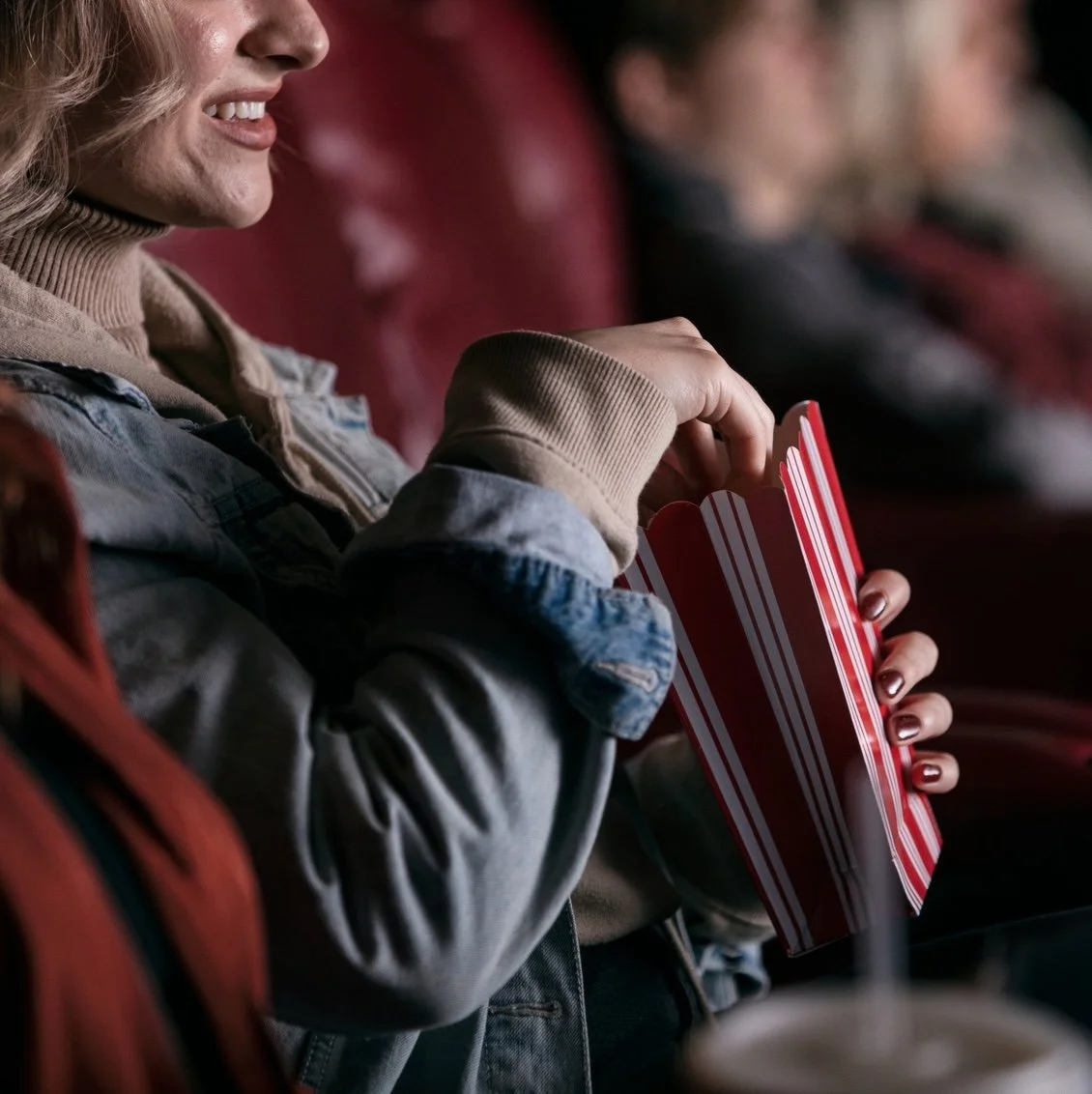
Some films are best watched under a blanket on the sofa with a cup of tea and a box of chocolates. But other films are so visual they really should be seen in the cinema if at all possible. With the indie cinema scene exploding at the moment, lots of indies, drive-thrus, pop-ups and small chains are showing classic and older films so we can enjoy them again as they were intended to be seen. Here are a few that we think it’s definitely worth catching on the big screen if you ever get the opportunity.
The Wizard of Oz, 1939
Made when the idea of a screen in your own living room was merely a twinkle in Dorothy’s eye, The Wizard of Oz, named in 2018 as the most influential film of all time, was designed for the silver screen. Watching it as it was intended and as audiences would first have seen it is something almost as magical as Munchkin Land itself. Although it wasn’t the first film to use technicolour it’s arguably the most famous for doing so. Sit back and imagine how jaw-dropping the moment when Dorothy steps out of sepia and into technicolour would have seemed to pre-war audiences, sitting watching Oz in the cinemas.
2001, A Space Odyssey, 1968
Arguably, any of Kubrick’s films are better seen in the cinema than anywhere else, but 2001 is probably his most visual movie and the one that gains most from being watched on the big screen. More experience than narrative film, and accompanied by one of the most emotionally rousing scores in film history, 2001 is all about how tiny we really are in terms of the universe, and feeling dwarfed by the film itself is what it’s all about.
Lawrence of Arabia, 1962
David Lean’s biopic of TE Lawrence starring Peter O’Toole offers cinema-goers a fabulous experience, with its sweeping shots of golden deserts and huge sand dunes. It’s a visual feast whichever medium you choose to watch it but the big screen really lets you feel the vastness of its landscapes.
How To Marry A Millionaire, 1953
This classic comedy starring Marilyn Monroe, Lauren Bacall and Betty Grable was one of the first films to use CinemaScope, a widescreen lens that created a picture almost twice the width of other films. Viewed in other formats, you literally don’t see all of the film as the edges are usually cut off, so it’s one really worth enjoying at the cinema if possible. Take a bunch of girlfriends, immerse yourself in its optimism and fun and come out feeling like Monroe, Bacall and Grable as you head off for cocktails.
Avatar, 2009
James Cameron’s story of a man in a wheelchair who protects a group of aliens is packed with special effects and was completely groundbreaking at the time with its use of 3D. Cameron had to delay filming for some years to allow technology to catch up with what he needed. While technology may have surpassed the film itself, it’s still a visual treat to watch on the big screen and a little piece of cinematic history that’s best enjoyed ‘properly’.
A few more films to ‘go big’ on (in no particular order)
The Great Escape, the Star Wars (original) trilogy, the Lord of the Rings trilogy, Dune (2021), Close Encounters of the Third Kind, Jaws, 1917, Alien, The Searchers, Gandhi, The Greatest Showman, Finding Nemo, Howl’s Moving Castle, Akira, Ad Astra, Napoleon, Dunkirk, The Life of Pi, There Will Be Blood, A River Runs Through It, Gravity.
Feeling inspired to take a cinema trip yourself this month? You might like to read our ‘outing’ feature, ‘Admit One’ from our February issue, which looks at some of the UK’s best historic, volunteer-run and quirky cinemas. The issue is on sale now.
Buy this month's The Simple Things -buy, download or subscribe