Alison Macleod is a jeweller based in Glasgow, who makes delicate jewellery based on the treasures she finds in junk shops and flea markets.
Watch a day in Alison’s life as she works on a jewelled ring.
A Day in the Life from Eileen Dunn on Vimeo.

Blog
Taking Time to Live Well
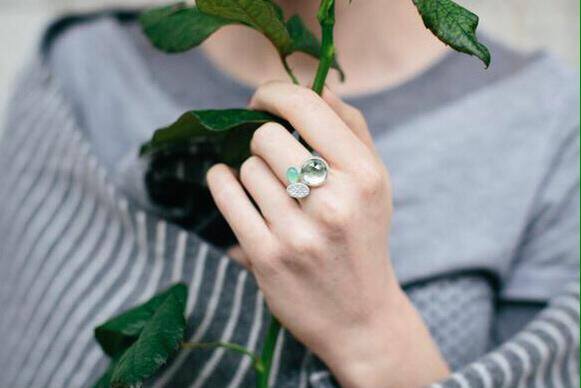
Alison Macleod is a jeweller based in Glasgow, who makes delicate jewellery based on the treasures she finds in junk shops and flea markets.
Watch a day in Alison’s life as she works on a jewelled ring.
A Day in the Life from Eileen Dunn on Vimeo.

Ever wonder what would happen if you lobbed a seed bomb into a shabby urban wasteland? Or, instead of galloping along the usual route to work, you took time to really see what you pass by every day?
Leaping Hare Press (an imprint of Ivy Press) is about encouraging moments like this – a mood of mindfulness – whether it’s during the working day, strolling through the natural world, baking bread or heading out for a spin on a bike. The books present “edgy, exciting subjects from passionate, expert authors,” says Nikki Tilbury. They’re all about “helping us to embrace those little creative steps that engage us as individuals and communities with each other, and the natural world.”
With the mystical hare as their emblem – “fast and free, rare” – and their eye-catching jackets, the books are original, fun, accessible and share practical know-how. They are also a great way to kickstart a habit of curiosity about the world around us.
Words: Eithne Farry

Love can mean so many things. A person, a passion, a life’s work. Pianist Joyce Hatto was blessed with all three – a talent for playing music, the drive to perfect her skill, and a loving husband who adored her playing and championed her career.
Joyce and her husband William Barrington-Coupe became implicated in one of the biggest scandals to hit the music world, involving love, lies and digital manipulation. But there’s a strong case to be made that this sorry tale is also a love story.
In retrospect, the idea that a pianist could spend her twilight years making recordings whose critical reception surpassed that of any of the live performances of her youth never quite added up. Joyce Hatto had a solid, consistent career in the 1950s and 60s, but never hit the dizzy heights of a piano star like Lang Lang (listen to a 1959 recording here). Yet in her 70s, she apparently recorded multiple works for both solo piano and piano and orchestra which received some serious critical acclaim. William, who had established his own career as a producer, released his wife’s recordings on his Concert Artist label. After a career during which she had at times felt either ignored or patronised by the music establishment, Joyce seemed at last to be receiving the credit she deserved.
But it was too good to be true. The recordings – over 100 of them – were discovered in 2007 to be fakes. Perhaps the truth is that William’s abilities as a producer outweighed those of his wife as a player – he cleverly manipulated her playing on hundreds of recordings, ‘patching up’ weak passages and her moans of pain (she was suffering from cancer) with extracts from existing recordings by, in some cases, world-famous players, ultimately rendering average playing extraordinary. This in itself requires a high level of musicality and brilliant technical skills, but William couldn’t escape the fact that he had been caught in a huge lie.
He was disgraced and his wife discredited; their names have become a byword for musical fraud. And yet, despite the scandal and shock of William’s actions, he said it was all done out of love. He always maintained that Joyce never knew what he’d done – she died in 2006, before the discovery was made – and that he was motivated by wanting to give her the gift she craved above all; recognition of her talent, and acceptance by an industry that she felt had rejected her.
Only somebody who knew her intimately, perhaps better than she knew herself, could have both recognised that need and, disregarding the consequences, fulfilled it for her. Joyce died feeling that her playing had been heard and appreciated.
It’s a favourable reading of William’s actions, for sure – but he has had ample censure. Let’s reserve that for the men like Walter Keane, who did rather the opposite – keeping his wife captive, drawing pictures that sold in their millions, while he took the credit himself. The Keanes’ story inspired Tim Burton’s 2014 film Big Eyes. Unfortunately he was far from the only artist to overshadow his talented wife.

It stills the mind, rejuvenates the body and helps to connect our inner and outer world. Walking is so much more than getting from A to B.
On any given weekend, between seven and eight million people in the UK go for a walk, many leaving cities to walk in the hills or across the fields of the open countryside. Whether hiking alone or perambulating with friends, we share the sense of liberation that comes with walking. Out in the open air, free from observation or judgement, you can sing as loudly as you care to, shout out loud at the wind, lie down and sleep... eat with your mouth open, if you must.
Read Peter Owen Jones’ paean to perambulating on page 93 of the April issue of The Simple Things - out on 25 March 2015. Off on a jaunt of your own? Have a listen to Associate Editor, Clare Gogerty’s walking playlist while you explore the great outdoors.

With plenty of dark evenings and icy temperatures, there’s no better time than winter to settle down with a good book. Whether you’re getting stuck into the latest bestseller, or immersing yourself in the classics, guest blogger, Vicky from The Owl & The Accordion, rounded up a few key ingredients for the perfect cold-weather reading session.
If you’re going to spend an evening immersed in a book, the most important thing is to make sure you’re comfortable. Shed the day’s stiff tailoring or rigid denim, and sink into the cosiest clothes you can find; think chunky jumpers, woollen socks and the thickest flannel pyjamas. Checks optional.
Whether you’re heading to bed or settling down on the sofa with your novel, a good selection of blankets is the ideal accessory for a winter reading sessions. Mix up the fabrics and textures with vintage crochet, luxurious handweaving and the softest woollen wraps; for the ultimate in relaxation, pile them up and sink in.
There’s no doubt that reading is thirsty work, so make sure you’ve got plenty of tea on hand to keep you refreshed; if herbal is your thing, choose from relaxing chamomile, refreshing peppermint or a calming Jasmine blend, while simple Earl Grey or Darjeeling are great for traditionalists. If you’re going for a marathon reading session, you’re going to need a good selection of snacks to keep energy levels up – everyone knows that biscuits are a cuppas best friend, so mix it up with organic flapjacks, chunky chocolate chips and some florentines for a touch of chewy luxury.
Good lighting is an essential part of reading; while you want to be able to see the print, you don’t want to feel like you’re being interrogated with overhead lights and maximum wattage light bulbs. Table and desk lamps positioned behind either your left or right shoulder are ideal, as they won’t cast shadows over the page, and the light is still soft enough to create a relaxing atmosphere.
We'd like your book recommendations and have put together a new board on Pinterest inviting you to contribute your top reads. Head over now to have a look and to request an invitation. Plus, show us where you read yours - we love seeing The Simple Things out there in the wild.
Book group snacks Pinterest board
How to run a book club PLUS an easy book club cocktail recipe

Try four no-sweat ways to put life back into an old but much-loved woolly jumper. Turn to page 109 of March's The Simple Things for the DIY Heart jumper tutorial above, or try one of these ideas.

Embroidery doesn’t have to be limited to a sampler. A few colourful stitches can also brighten the neckline of a grey sweatshirt. This gorgeous embellishment was created by Donna Bramhall. There’s more fashion and fabric inspiration from around the world on her blog, Haute Culture, www.hauteculturefashion.wordpress.com.
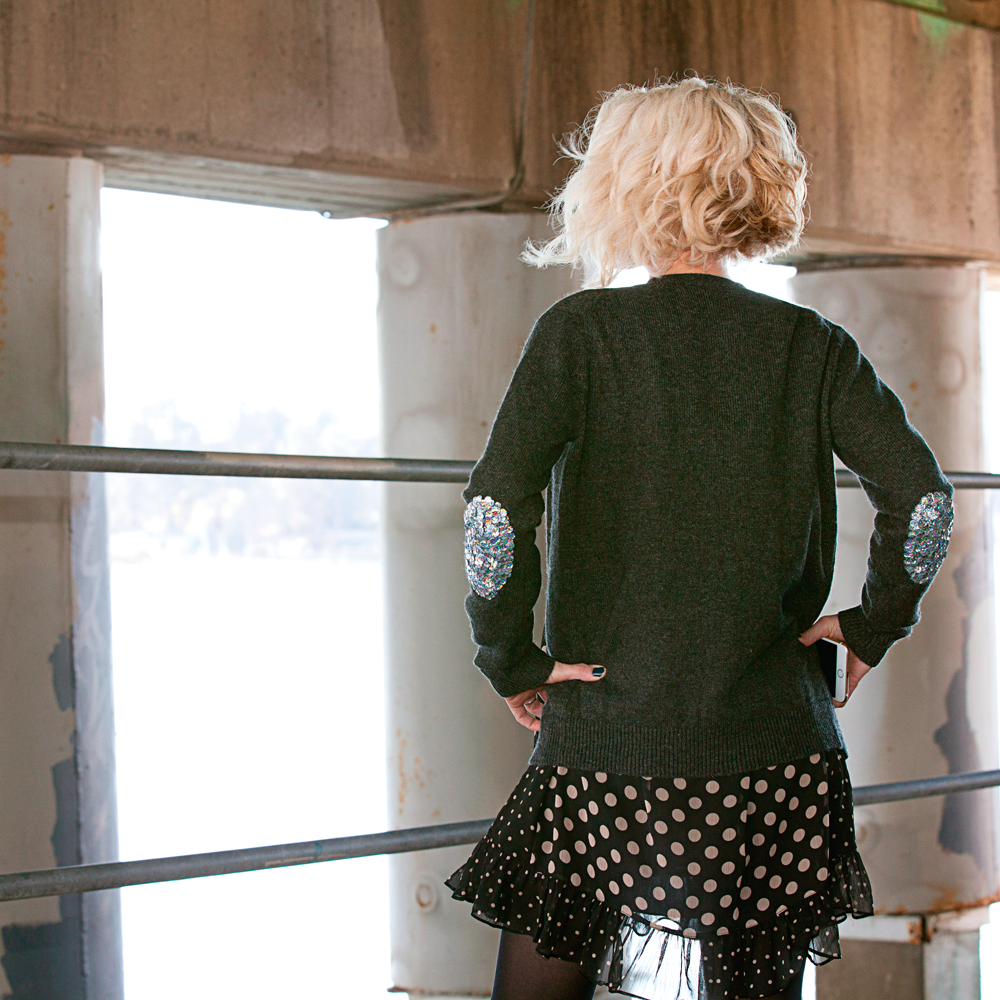
Give your poor, worn-out elbows a Strictly-style makeover with this tutorial from Cathy at the Trinkets in Bloom blog (a great source of fashionable DIYs). Sequined patches are a simple no-sew way to add a bit of sparkle to a sweater. Cathy’s blog is at www.trinketsinbloom.com.

Why restrict your doodles to paper? Fabric paints and transfers mean you can proudly show off your talents on your sweater. Laura from Wrapped Up In Rainbows created herself a ‘lucky house-hunting jumper’. See her site at www.wrappedupinrainbows.blogspot.com.
There are days, usually damp, cold Sundays in February, when you simply have to give yourself permission to do nothing. Not a solitary thing. Zilch. Apart from a shuffle to the kitchen for toast, or to put the kettle on, that is. And, whatever your mother might say, this is not lazy behaviour. Oh no, this is essential downtime, especially when hung over. Any thoughts of a to-do list must be scoured from the mind: it is time to step away from the computer.
The only activity to be done on such a day is to watch old black-and-white movies. Modern action movies or rom-coms won’t cut it: you must stream or dig out DVDs of Eton Comedies, Hitchcock thrillers and French classics. Tucked up on the sofa, snug under a woollen blanket, a cat curled up at the knee, the murky outdoors is forgotten as you watch Grace Kelly and Cary Grant catch a jewel thief, Alex Guinness murder his family and Jules et Jim fall both fall in love with Jeanne Moreau. And then, mind refreshed and body rested, you can go to bed guilt-free knowing it has been a day well spent.
Here is a selection of films recommended by The Simple Things team.

The Apartment - Frances Ambler, Contributing Editor
It’s got to be The Apartment. Sweet but not too sickly, a reminder that although life can be a bit rubbish it’ll probably be okay in the end, and the pleasure of having a heroine that shares my name (see also Dirty Dancing). Give me old-style New York, Shirley MacLaine’s haircut, and a good game of gin rummy and I’m happy.
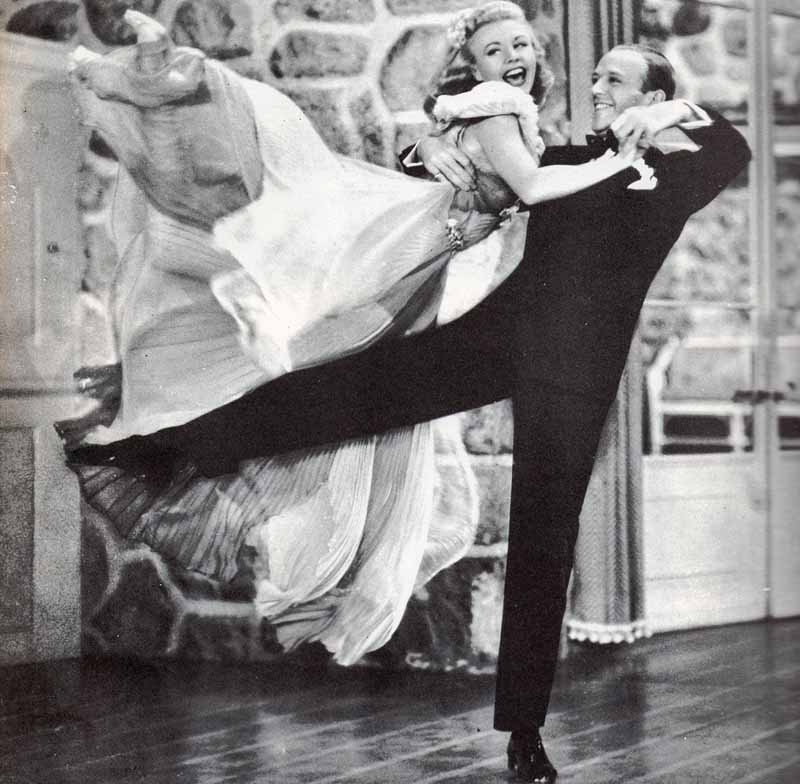
Fred Astaire and Ginger Rogers movies - Cinead McTernan, Gardening Editor
I have a lovely memory of my mum and I watching old Fred Astaire and Ginger Rogers movies in the morning during the Christmas holidays when I was at school. They were on every morning at the same time for one week and it was heavenly!
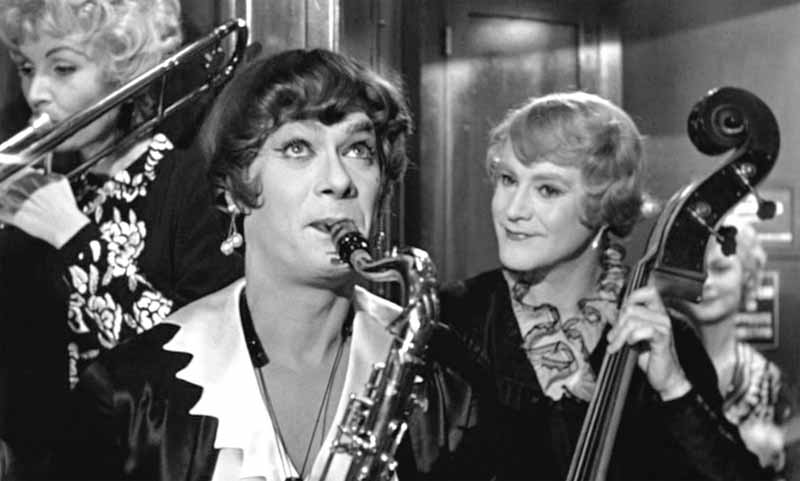
Some Like It Hot - Lottie Storey, Digital Editor
Some Like It Hot is everything an old movie should be – beautiful Marilyn Monroe in a brilliant comedic performance, Tony Curtis and Jack Lemmon cross-dressing and joining an all-female band to avoid the mob, and the best closing line of any film, ever.
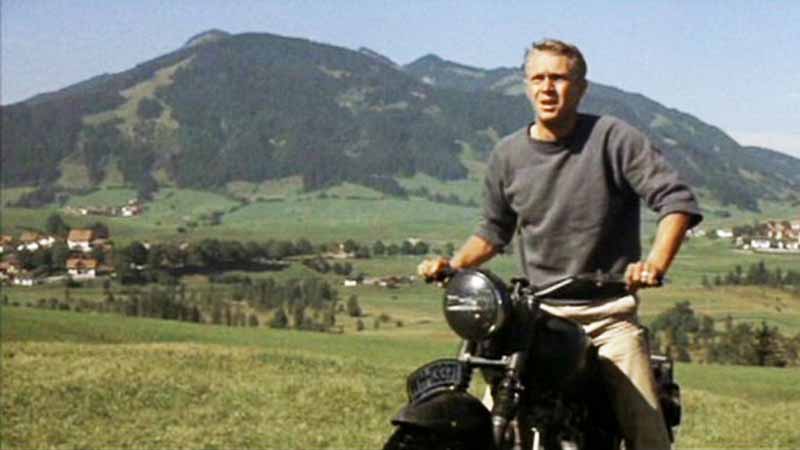
The Great Escape - Jackie Swanson, Picture Editor
The Great Escape with Steve McQueen as Hilts, 'The Cooler King' and one of the most memorable theme tunes of all times.
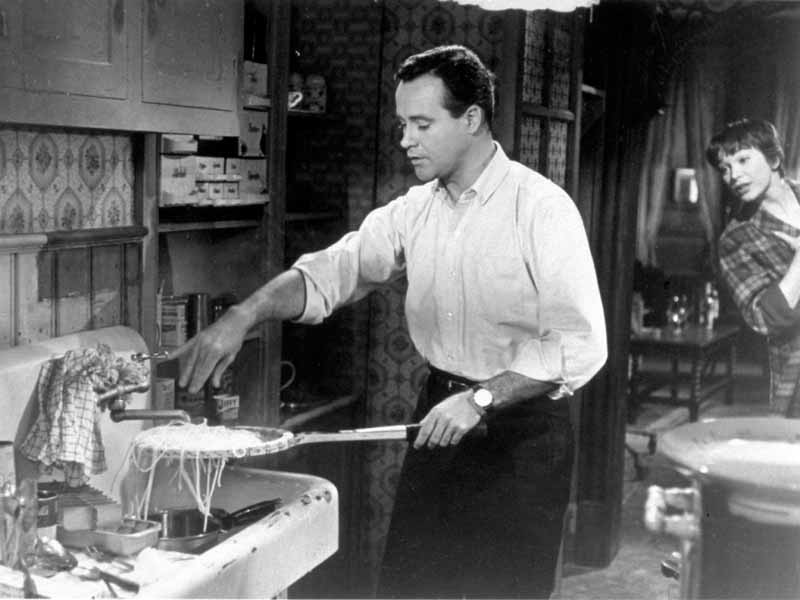
Another vote for The Apartment - Eithne Farry, Books Editor
I love Billy Wilder's The Apartment. It's funny, melancholy and edgy, and I've watched it over and over. Jack Lemmon, straining spaghetti with a tennis racquet and Shirley Maclaine, with her broken compact mirror, that - 'Makes me look the way I feel' is just brilliant. It redefines romance.
Words by Clare Gogerty
Compiled by Lottie Storey

Choosing to spend time by yourself can boost everything from self-awareness to happiness.
Alone but not lonely: Zoe McDonald explores the merits of solitary alignment on page 78 of February’s The Simple Things. “The deep focus you need to build and hone an idea comes from the ‘slow mind’. Time alone is crucial to allow ourselves space”, she says.
Not used to being on your own? Have a read through these suggestions from David Waters’ How to Spend Time Alone class.
Ease yourself in. Try going for a walk by yourself and gradually be in your own company for longer and longer periods before embarking on a long stint such as a weekend alone.
Be prepared for anything. When you first start to connect to who you really are, you may be surprised by what you find.
Find ‘flow’ activities for your alone time such as reading, exercise, craftmaking or making music. l Don’t panic if at first you find spending time alone feels disorientating or even frightening. Take a step back and do a little less alone time until you feel comfortable again.
Alone time gives you the chance to discover what lies behind your public self – your authentic or true self. Be patient and let this emerge.

Intrigued? We’d also recommend a read of How to be Alone by Sara Maitland, published by the wonderful School of Life.

Beautiful words deserve beautiful paper, beautiful type, and beautiful covers, don't you agree?
Those of us who prefer vinyl to MP3, a wristwatch to a glimpse at a phone screen, or Polaroids to .jpg files know what pleasure there is to be had in the holding of a weighty, textured tome rather than a sleek device. Happily, this is the ethos of The Folio Society (as well as The Simple Things), which has been publishing the most charmingly crafted editions of fiction and non-fiction since 1947.
With research to show that readers absorb less on Kindles than on paper, bookworms are becoming increasingly attached to paper and print. The Folio Society respects this with an attention to detail rarely found in publishing nowadays. The books they select for publication are timeless – books to be enjoyed and appreciated now and in the future. Because each book is considered as an individual object of value in its own right, there is a variety to The Folio Society aesthetic. The only uniformity is in the quality of every single book.
Illustrations are carefully commissioned, complementing each book to perfection. Emerging talents (including Jonathan Burton, Jillian Tamaki, Sam Weber, and Anna and Elena Balbusso) sit alongside seasoned masters (such as Quentin Blake, Paula Rego, John Vernon Lord and Tom Phillips) to produce new works of art. Wood engravings, paintings, collages, pen and ink, digital ... variety is at the heart of Folio’s remarkable catalogue of commissioned artwork.
Marrying form and content, every book is a labour of love, a true work of art in its own right. Each comes in a unique slipcase, reinforcing the publisher’s raison d’etre - these books are made to treasure, to enjoy, to pass down.
The Folio Society places huge value on the craftsmanship of bookbinders, printers, traditional letterpress and marbling experts, investing in these unique skills to create their unique volumes.
Take a look at these beautiful films for a glimpse into how the books are made.
Words by Lottie Storey
Turn to page 71 of February's The Simple Things for our selection of romantic books - perfect Valentine's Day gifts. Buy, download or subscribe now.

Recipe and photography: Louise Gorrod
January is a good month for a good book. And if your resolution is to read more, consider joining one of the growing number of book groups in the UK and beyond.
Turn to page 86 of January's The Simple Things for Frances Ambler's feature on the reads, the snacks and the chemistry that make a literary get-together work. Or read on for our top tips to make your literary appreciation society a success.
1 Think about numbers: between six and ten people is good – small enough for everyone to be heard, not too pathetic if a couple of people can’t make it.
2 Pick a regular frequency: every 4 to 6 weeks allows enough time for books to be found and read.
3 Think about book length: this might not be the time to try out War and Peace: there’s a rule of book club that means the greater the page count, the lesser the number of attendees.
4 A few ground-rules may be helpful: are you going to allow people to speak in a free-for-all or take it in turns to comment? How are you going to decide what to read next?
5 Meeting snacks are heartily encouraged, see our suggestions on page 86, but be wary of competitive catering. One book group we know imposes a strict soup and sandwich-only rule.
6 The Reading Agency’s Reading Groups for Everyone offers even more tips on running a book group.
This requires a little preparation – making a simple sage syrup – but this takes barely 10 minutes and can be done in advance.
20 sage leaves
225g caster sugar
Gin to taste
Handful of blackberries, washed
1 bottle soda water
ice cubes
Fresh sage and blackberries, to garnish
1 Put the sage leaves and sugar in a small pan with 240ml of water and bring to the boil. Once boiling, turn down the heat to a low simmer and keep on the heat until aromatic and slightly thickened, about 10 mins.
2 Cool the liquid and then pass it through a fine mesh sieve and discard the sage leaves. (The syrup can be decanted into a sealable container and kept in a fridge for up to a week.)
3 Reserve a few of the blackberries for garnish and place the rest in a bowl or jug and add a glug or two of the syrup to sweeten. Mix the berries with the syrup and then pass the mixture through a fine mesh sieve, pressing down the berries with the back of the fork to extract all the juice. Discard the pulp and any
pips left in the sieve.
4 To assemble the drink, place some ice cubes in a glass along with a measure of gin and a glug of the blackberry/sage juice. Top up the glass with soda water, garnish with blackberries and sage leaves and serve. (Omit the gin for an equally delicious non-alcoholic version.)
Taken from www.buttercupdaysuk.blogspot.co.uk
Take a look at our Pinterest board.

Images: Eric Shaw Yoga
The season of resolutions and good intentions is upon us. In January's issue of The Simple Things we take a look back at the crazy world of womanly workouts through the decades (turn to page 82), but we recently stumbled across these lovely snaps of Marilyn Monroe practising yoga in the 1940s.
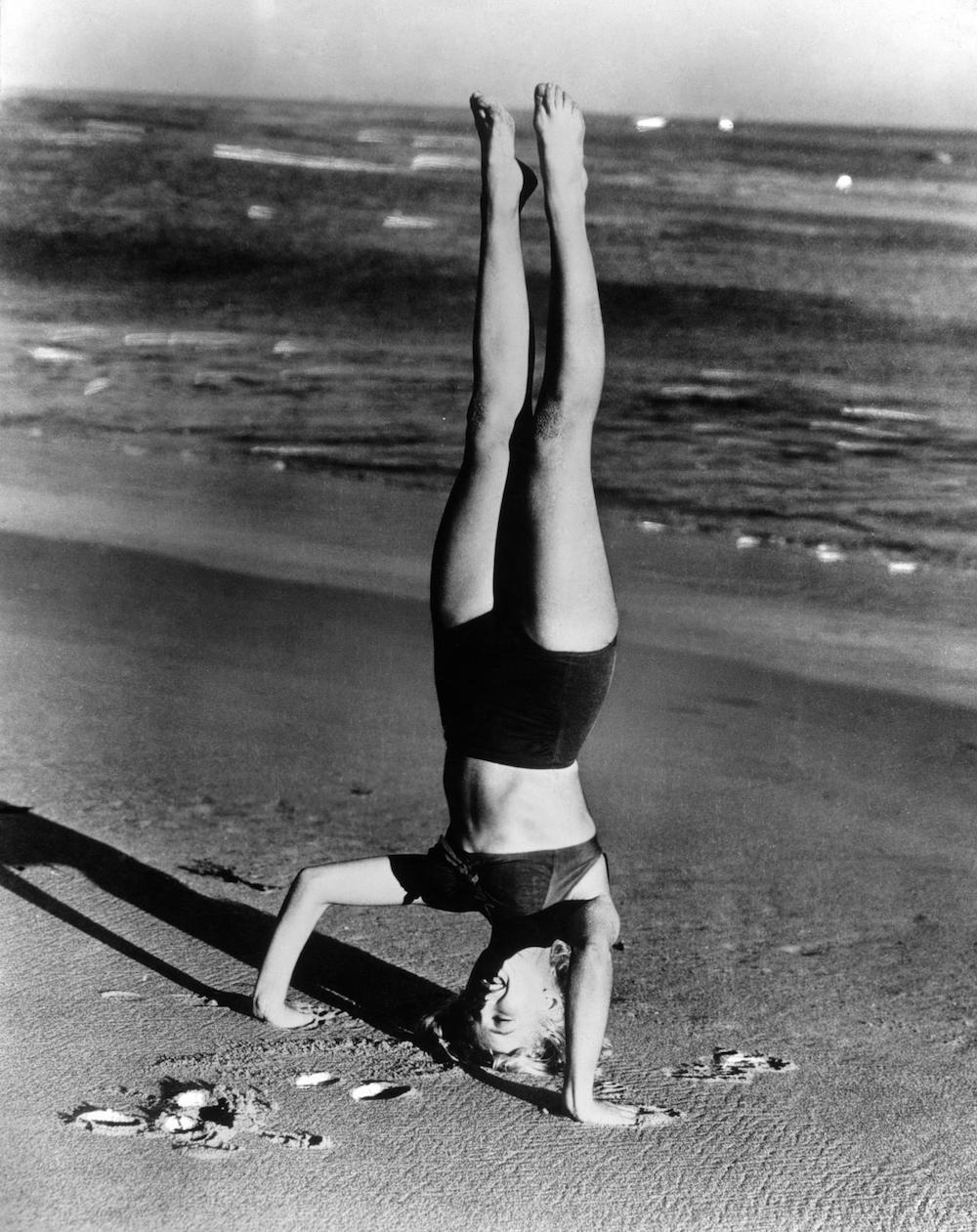
Photographed in some of the more advanced poses, Marilyn looks quite at home with her practice. Inspired by the arrival in Los Angeles of renowned yoga teacher, Indra Devi, Marilyn and many of her Hollywood co-stars took up yoga.
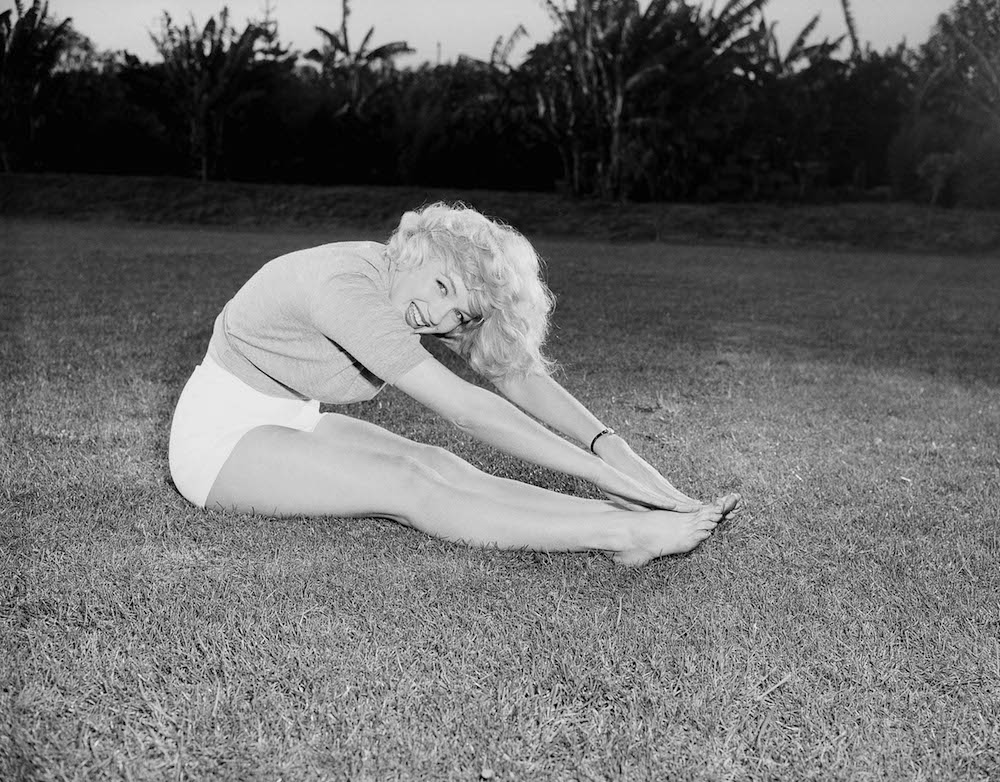
But it wasn't just yoga she practised. Other images of Marilyn Monroe lifting weights have also surfaced. Have a flick through our gallery for more.

Cabin fever? A walk isn’t the only way to keep your feet on the ground this season
Pause every now and then and notice the sounds and smells of the season. If you’re cooking, note the flavours and smells of the food. If you're lighting a fire, listen to the crackle of the logs. The essential jobs will feel less like chores if you’re engaged with what you’re doing.
Breathe before you speak. If you feel an argument brewing, inhale to the count of seven and exhale to the count of 11. This powerful pause gives you chance to realise that you have more than one choice or reaction and enough time to think, ‘I’d better not say that.’
Remember there’s not much you can do to change how others act or react but you can change your own responses. Pay attention to your triggers. The more conscious you are of these and of your feelings, the more emotionally intelligent you are and the better you’ll behave.
Take five minutes to express gratitude. It’s a way of reminding yourself that every day you experience little blessings and it often helps you find solutions and perspective if you’re feeling overwhelmed. Writing it down can help.
If you didn't have time for presents for everyone, or to see all the people you’d like to, a heartfelt handwritten card will strike a meaningful chord and stop you feeling guilty.
Taken from December's issue of The Simple Things - still available to buy and download. Or subscribe now, and start with the January issue.
We celebrate slowing down, enjoying what you have, making the most of where you live, enjoying the company of of friends and family, and feeding them well. We like to grow some of our own vegetables, visit local markets, rummage for vintage finds, and decorate our home with the plunder. We love being outdoors and enjoy the satisfaction that comes with a job well done.


